Self-guided audio tour in Nashville
Start Free on iPhone
Start free on iPhone to unlock this self-guided walking tour in Nashville. Hear all the stories that make it amazing, walk at your own pace, and begin whenever you want.
Your Private Tour Guide
Step into the vibrant intersection of Nashville's industrial past and its sleek, artistic future. This self-guided walk through The Gulch and beyond offers an intimate look at how a former railroad yard transformed into the city's most stylish enclave. As you explore, you will encounter a striking mix of Art Deco elegance, Romanesque Revival grandeur, and the contemporary street art that has made this neighborhood a global destination for photography enthusiasts. The route begins at the Frist Art Museum, a temple of culture housed in a former post office, before leading you toward the soaring spires of Union Station. What makes this neighborhood stroll unique is the juxtaposition of old and new. You will find yourself standing before the world-famous 'WhatLiftsYou' wings one moment and outside the legendary Station Inn the next—a humble bluegrass venue that remains the soul of the district amidst a sea of modern glass towers. While some might search for a guided tour Nashville visitors often find that discovering these hidden details at their own pace allows for a more authentic connection to the local culture. This walking route Nashville provides is designed for those who appreciate architecture that tells a story and art that invites participation. Beyond the core of the Gulch, the path extends toward the prestigious campuses of Vanderbilt and Belmont, the historic grounds of Fisk University, and the iconic Parthenon in Centennial Park. Each stop reveals a different facet of the city's identity, from its 'Music City' roots to its status as the 'Athens of the South.' Whether you are capturing the perfect Instagram shot or delving into the civil rights history preserved at Bicentennial Capitol Mall, this journey offers a comprehensive view of the city's evolution. It is a premier choice for a walking tour Nashville enthusiasts can enjoy without the constraints of a group, allowing for spontaneous coffee breaks and long pauses to admire the skyline. **Note:** This area is known for its ever-changing character. Street art, pop-up venues, and temporary exhibitions may differ from what's described. That's part of the adventure - you might discover something entirely new!
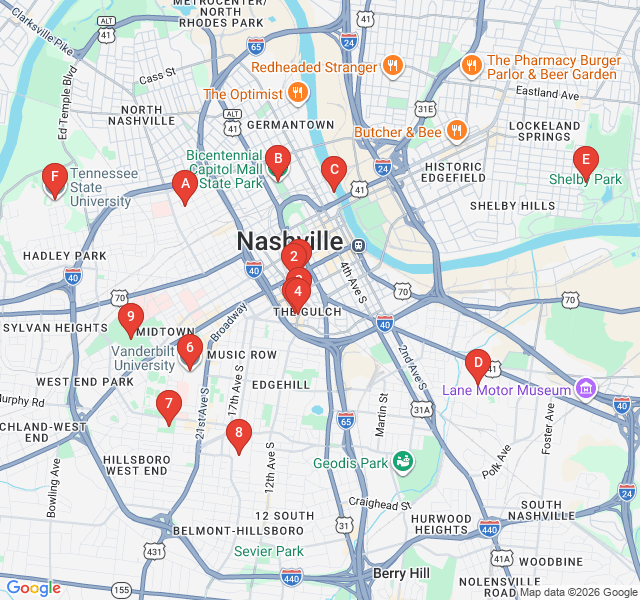
Numbers indicate the order of stops on the tour.
Start your journey at the Frist Art Museum, a stunning example of Art Deco and Neoclassical architecture. Opened in 2001, this building actually served as Nashville’s main post office from 1934 until the late 90s. Look closely at the exterior cast stone and the interior marble—it was built to be a 'temple of commerce.' Today, it is a non-collecting museum, meaning it hosts a rotating schedule of world-class exhibitions rather than keeping a permanent collection. The building itself is a work of art, representing the era when Nashville began to blend its civic pride with sophisticated design. Take a moment to admire the intricate grillwork on the windows before moving on.
Just a short distance away sits Union Station, a masterpiece of Romanesque Revival architecture. Completed in 1900, this former railway terminal once welcomed the most powerful people in America. Notice the heavy stone masonry and the soaring towers that make it look more like a castle than a transit hub. Inside, the lobby features a magnificent barrel-vaulted stained-glass ceiling and bas-relief panels. Though it is now a luxury hotel, its history as the heart of Nashville’s rail industry is still palpable. The station's presence here is the reason the surrounding neighborhood became known as 'The Gulch,' referring to the depression in the land where the tracks were laid.
Proceed into the heart of The Gulch to find one of the most photographed spots in the United States. Created by artist Kelsey Montague, the 'WhatLiftsYou' wings are a prime example of interactive street art. The mural is composed of intricate, hand-drawn patterns that reflect the spirit of Nashville. While street art is often temporary or subject to change, these wings have become a permanent staple of the neighborhood's identity. If there is a line, it usually moves quickly, and it’s worth the wait for a signature Nashville photo. This mural helped kickstart the trend of 'Instagrammable' walls that now define the city's modern aesthetic.
The Thompson Nashville represents the pinnacle of the Gulch's modern transformation. This boutique hotel fits perfectly into the neighborhood's upscale, trendy vibe. While the ground floor offers chic retail and dining, the architecture itself is worth noting for its sleek lines and industrial-inspired materials that pay homage to the area’s history. If you have time, the rooftop bar offers one of the best panoramic views of the Nashville skyline, allowing you to see how the Gulch connects to the bustling downtown area. It serves as a social anchor for the district, blending luxury with a distinctly local, creative energy.
In the middle of all this modern glass and steel stands a humble, low-slung stone building: The Station Inn. Established in 1974, this is the legendary home of bluegrass and roots music in Nashville. It survived the massive redevelopment of the Gulch, standing as a defiant reminder of the city's musical heritage. Legends like Bill Monroe and Dolly Parton have graced this stage. The contrast between this unassuming venue and the towering luxury apartments next door is the perfect visual metaphor for Nashville’s rapid growth. It remains one of the best places in the world to hear authentic acoustic music in an intimate setting.
Moving toward the West End, you reach Vanderbilt University. Founded in 1873 with a gift from Cornelius Vanderbilt, the campus is designated as a national arboretum, featuring over 300 species of trees. The architecture ranges from historic brick buildings to cutting-edge modern research facilities. As you walk through the campus, you’ll feel a distinct shift from the industrial energy of the Gulch to a more serene, academic atmosphere. The university has been a cornerstone of Nashville’s 'Athens of the South' reputation for over a century, fostering innovation and leadership in the heart of the city.
Known to locals as 'Dragon Park,' this space is famous for its massive, winding mosaic dragon sculpture. Created by artist Pedro Silva in the early 1980s, the dragon is covered in thousands of colorful tiles, many of which were placed by local community members. The park is named after a local activist who fought to protect the neighborhood from urban renewal projects. The mosaic is a vibrant piece of community-driven public art that has delighted generations of Nashvillians. It offers a whimsical break from the more formal architecture found elsewhere on the route.
A short walk away is Belmont University, another pillar of Nashville's educational landscape. The campus is centered around the historic Belmont Mansion, which was once the summer home of Adelicia Acklen, one of the wealthiest women in the South. Today, the university is world-renowned for its music business and entertainment industry programs. The campus architecture is characterized by its Greek Revival and Victorian influences, meticulously maintained gardens, and the impressive carillon tower. It is a place where history meets the future of the music industry, reflecting Nashville's dual identity as a historic capital and a modern entertainment hub.
Centennial Park is home to Nashville's most iconic landmark: the Parthenon. Originally built for the 1897 Tennessee Centennial Exposition, this is the world's only full-scale replica of the ancient Greek temple. It stands as a monument to Nashville's nickname, the 'Athens of the South.' Inside, you can find a 42-foot statue of Athena, just as it would have appeared in ancient times. The surrounding park offers walking trails, a sunken garden, and a lake, providing a massive green lung for the city. It is a site where history, art, and recreation converge on a grand scale.
Heading toward North Nashville, you arrive at Fisk University, a historically Black university founded in 1866. This campus was a vital center for the Civil Rights Movement and is the home of the world-famous Fisk Jubilee Singers, who introduced spirituals to the world. The Jubilee Hall, a Victorian Gothic building, was the first permanent structure built for the education of Black students in the South. The university also houses an incredible art collection, including works by Georgia O'Keeffe. Fisk represents a deep well of cultural and intellectual history that is essential to understanding the full story of Nashville.
Located in the shadow of the State Capitol, this 19-acre park is a living history book of Tennessee. Walking through the mall, you will find a 200-foot granite map of the state, a World War II memorial, and a 95-bell carillon that represents the musical heritage of Tennessee’s 95 counties. The park's design is heavily symbolic, with every walkway and monument telling a story of the state's natural and political history. It’s a peaceful, wide-open space that offers some of the best views of the Capitol building and the Nashville skyline.
Riverfront Park sits on the banks of the Cumberland River, the waterway that allowed Nashville to grow into a major trading hub. Here, you can see a replica of Fort Nashborough, the original settlement of the city. The park has been revitalized with the Ascent Amphitheater and modern green spaces, making it a popular spot for outdoor concerts and festivals. The river remains the lifeblood of the city, and the park provides a rare moment of connection with nature in the heart of the urban center. Watch the boats go by and appreciate the city’s origins as a frontier outpost.
Perched on a hill just southeast of downtown, Trevecca Nazarene University offers a quieter, community-focused atmosphere. Founded in 1901, the campus has a rich history of service and education. From its hilltop location, you can catch unique glimpses of the Nashville skyline that many visitors miss. The university’s architecture is a mix of traditional collegiate styles and modern additions, reflecting its long-standing presence in the city. It serves as a reminder of the many diverse educational institutions that have earned Nashville its academic reputation over the decades.
Crossing into East Nashville, Shelby Park offers a sprawling escape into nature. This historic park, established in 1912, features the beautiful Shelby Bottoms Nature Center and a series of wetlands and forests along the river. It’s a favorite for local runners, birdwatchers, and families. The park represents the 'green' side of Nashville’s modernity—a commitment to preserving ecological beauty amidst urban expansion. The contrast between the wilder parts of Shelby Park and the sleek towers of the Gulch shows the incredible variety of environments available within a single city.
Concluding the route is Tennessee State University, another prestigious HBCU with a massive impact on Nashville and the world. TSU has a storied athletic history, producing dozens of Olympic medalists, including Wilma Rudolph. The campus is a hub of research and culture in North Nashville. As you stand on these grounds, reflect on the journey you’ve taken—from the industrial history of the Gulch to the academic excellence of the city’s universities. TSU embodies the resilience and progress of Nashville, making it a fitting final stop for a walk through the city's modern and historic landscapes.
Start Free on iPhone
Explore “Murals and Modernity in the Gulch” with your very own Private Tour Guide with Zigway. Start free on iPhone, skip the large group and the fixed routes, and hear the city come alive as you go.
Your Private Tour Guide
Don't miss the good stuff
Explore Freely
 Easy
EasyNashville, United States
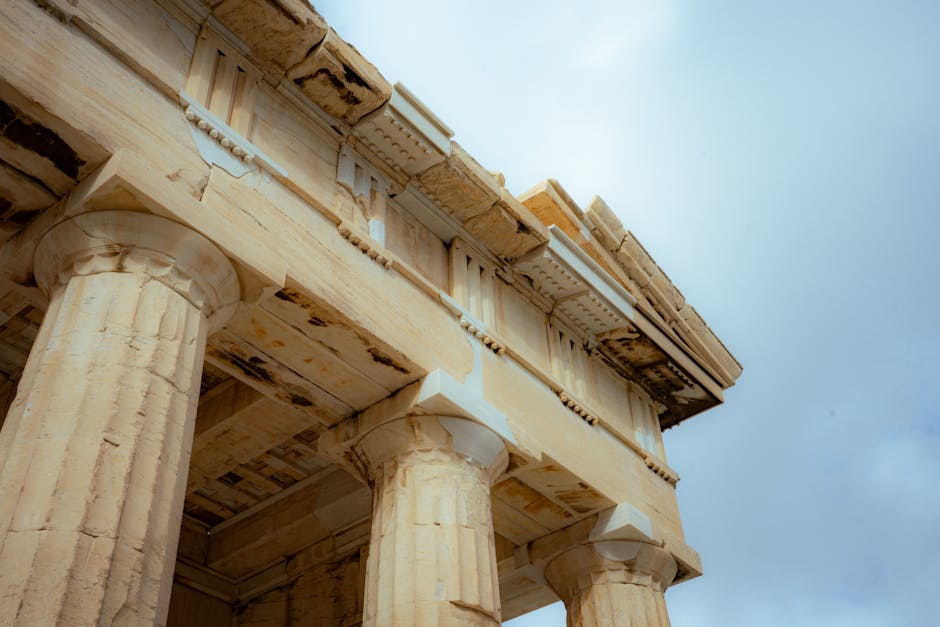
Explore the 'Athens of the South' on this self-guided walk through Centennial Park, featuring the world's only full-scale Parthenon replica.
 Easy
EasyNashville, United States
Explore Nashville's academic heart and Art Deco gems on this self-guided walk through historic Hillsboro Village.
 Easy
EasyNashville, United States
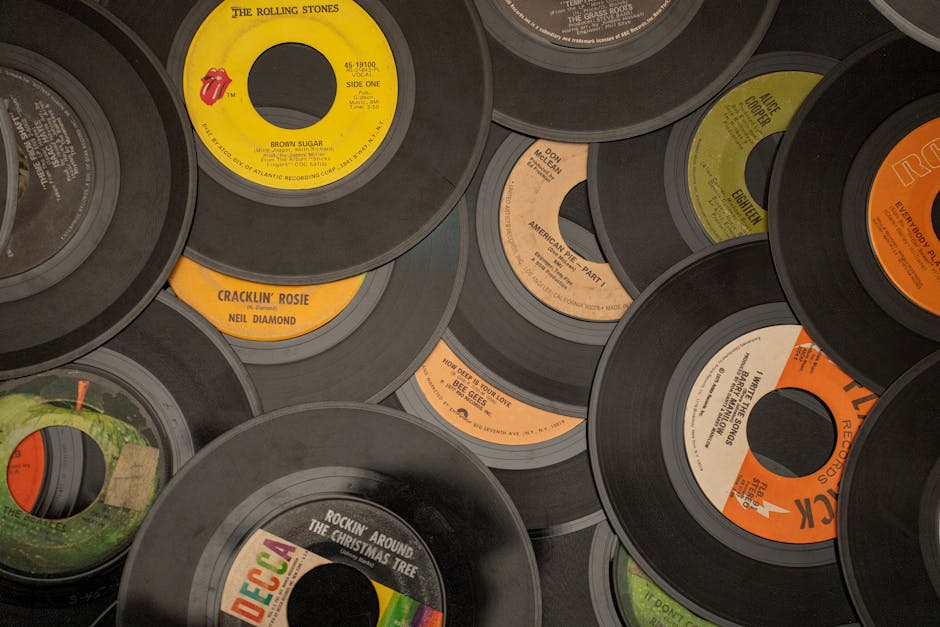
Explore the heart of Nashville's music industry. Discover iconic studios and the history of the legendary Nashville Sound at your own pace.
 Easy
EasyNashville, United States
Explore Nashville's oldest neighborhood! Discover Victorian architecture, Civil War history, and world-class craft beer on this self-guided walk.
 Easy
EasyNairobi, Kenya
Discover Nairobi's iconic skyline on this self-guided architecture walk through the CBD’s most famous modernist and Brutalist landmarks.
 Easy
EasyGdansk, Poland
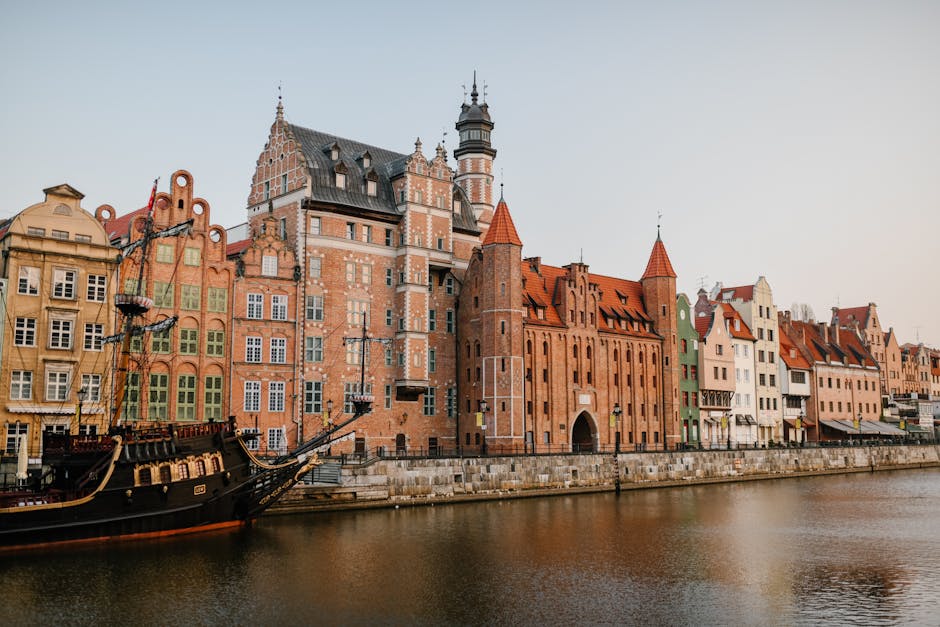
Discover the 'Baltic Gold' on this self-guided walk through Gdansk's historic mills, massive cathedrals, and the magical Mariacka Street.
 Easy
EasyNairobi, Kenya
Explore Nairobi's architectural evolution from colonial-era landmarks to iconic Brutalist skyscrapers on this historic self-guided walking route.
 Easy
EasyKrakow, Poland
Explore the prestigious Jagiellonian University district, featuring Neo-Gothic architecture, Baroque churches, and Krakow's hidden scholarly gems.
 Easy
EasyNew York City, United States
Explore the golden age of Manhattan architecture on this self-guided walk through Midtown's iconic Art Deco skyscrapers and historic landmarks.
 Easy
EasyNew York City, United States
Discover the literary legends, jazz haunts, and revolutionary history of Greenwich Village on this immersive self-guided walking route.
 Easy
EasyNew York City, United States
Explore Manhattan's transformation on this self-guided walk from the High Line to Hudson Yards.
 Easy
EasyNew York City, United States
Discover the world's finest cast-iron architecture and the evolution of fashion on this self-guided walking route through NYC's iconic SoHo district.