Self-guided audio tour in Santa Fe
Start Free on iPhone
Start free on iPhone to unlock this self-guided walking tour in Santa Fe. Hear all the stories that make it amazing, walk at your own pace, and begin whenever you want.
Your Private Tour Guide
Step into the 'City Different' and discover why Santa Fe’s skyline is unlike any other in the United States. This self-guided walk explores the fascinating evolution of the city's built environment, where ancient indigenous techniques meet Spanish colonial influence and 20th-century preservation efforts. As you navigate the historic streets of downtown, you will witness the transition from the humble, thick-walled structures of the 1600s to the grand 'Pueblo Revival' style that defines the modern city. This neighborhood stroll begins at the Museum of Fine Arts, a masterpiece of the 1917 architectural movement that sought to codify Santa Fe's look. You’ll then journey back in time to the 'Oldest House' and the San Miguel Chapel, where the raw utility of sun-dried mud bricks—adobe—is on full display. The route also highlights the unique political architecture of New Mexico, including the 'Roundhouse' State Capitol, which breaks from traditional dome designs to honor the Zia Sun Symbol. Whether you are an architecture enthusiast or a first-time visitor, this walking route provides a deep dive into the materials and philosophies that shaped Santa Fe. You will learn about the 'Territorial Style' that emerged with the arrival of the railroad and see how contemporary institutions like the Institute of American Indian Arts continue to push the boundaries of indigenous design. By the end of this self-guided adventure, you’ll see the city’s brown walls not just as buildings, but as a living timeline of cultural fusion and survival. This architecture-focused walking tour Santa Fe offers is a perfect way to explore the city's heritage at your own pace.
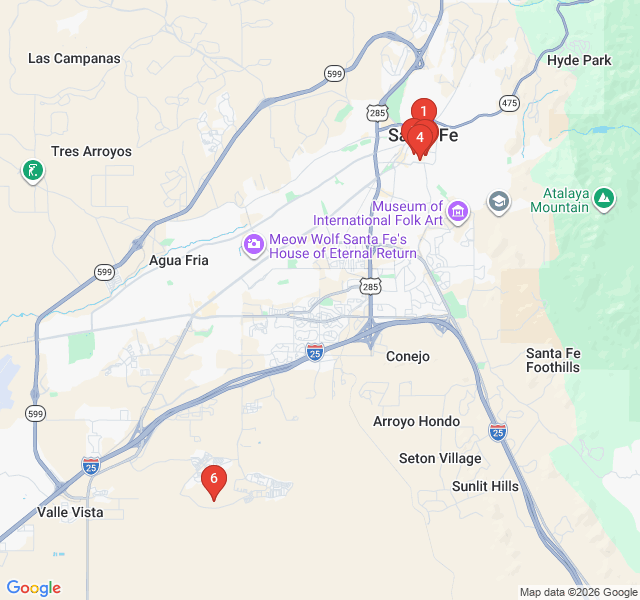
Numbers indicate the order of stops on the tour.
Start your journey at the New Mexico Museum of Art, a building that serves as a manifesto for the Santa Fe Style. Completed in 1917, this structure was designed to showcase the beauty of Pueblo Revival architecture. Notice the asymmetrical towers and the soft, rounded edges of the walls, which mimic the appearance of traditional hand-plastered adobe. The architects drew inspiration from the ancient mission churches at Acoma and Laguna Pueblos. This building was a pivotal part of a local movement to preserve Santa Fe’s unique identity as it faced modernization. It isn't just a museum for art; the building itself is a curated piece of history meant to define the city's aesthetic for generations to come.
Walking toward the Barrio de Analco, you encounter the 'Oldest House' in the United States. While the exact date is debated, parts of these adobe walls likely date back to the early 1600s, built upon the foundations of an even older Pueblo structure. This is architecture at its most elemental: thick walls made of mud and straw, which provide incredible natural insulation against the desert's temperature swings. Observe the low ceilings and the 'vigas'—the heavy wooden ceiling beams—protruding through the exterior walls. This humble dwelling represents the survival of indigenous building techniques through the Spanish colonial era and into the present day.
Just steps away stands the San Miguel Chapel, widely considered the oldest church in the continental U.S. Built around 1610, it has been destroyed and rebuilt several times, but the original adobe core remains. The massive buttresses on the front facade were added later to support the heavy walls. This structure represents the fusion of Spanish religious architecture with local materials. Inside, the thick walls create a serene, quiet atmosphere, disconnected from the modern world. Take a moment to appreciate the bell tower and the sheer scale of the adobe work required to support such a high structure before the age of steel and concrete.
Known locally as 'The Roundhouse,' the New Mexico State Capitol is a radical departure from the typical domed capitols found elsewhere in America. Built in 1966, its circular design is intended to resemble the Zia Sun Symbol, representing the four seasons, four directions, and four stages of life. This building is a prime example of modernism meeting regional symbolism. As you walk around it, notice how it lacks a traditional 'front' or 'back,' signifying a government that is open and accessible from all sides. The interior is equally impressive, doubling as a gallery for some of the state's finest contemporary art, further blending politics with New Mexico’s deep-rooted creative culture.
Across from the Roundhouse sits the Bataan Memorial Building, which served as the state capitol until the 1960s. This building showcases the 'Territorial Style.' This style emerged when the Santa Fe Trail and later the railroad brought new materials like milled lumber and brick. Notice the brick coping along the top of the walls and the more angular, neoclassical window trim. It is a fascinating hybrid: the soul of the building is still adobe-inspired, but the finishing touches reflect the American influence that arrived in the mid-19th century. It stands as a memorial to the New Mexican soldiers who served in the Pacific during World War II.
End your walk at the Museum of Contemporary Native Arts, part of the Institute of American Indian Arts (IAIA). The building itself is a historic federal structure, but its purpose is modern. It represents the ongoing evolution of architectural and artistic expression by indigenous peoples. Here, the traditional adobe aesthetic provides a backdrop for cutting-edge, contemporary indigenous art that challenges stereotypes. This site marks the perfect conclusion to your route, illustrating that while Santa Fe’s architecture is rooted in the past, it remains a vibrant, evolving canvas for the diverse cultures that call this high-desert plateau home.
Start Free on iPhone
Explore “Adobe Masterpieces: Architectural Evolution” with your very own Private Tour Guide with Zigway. Start free on iPhone, skip the large group and the fixed routes, and hear the city come alive as you go.
Your Private Tour Guide
Don't miss the good stuff
Explore Freely
 Easy
EasySanta Fe, United States
Explore the evolution of Indigenous art from ancient traditions to contemporary masterpieces on this self-guided walk through historic Santa Fe.
 Easy
EasySanta Fe, United States
Explore the spicy soul of Santa Fe on this self-guided walking route through the city's iconic red and green chile landmarks and historic plazas.
 Easy
EasySanta Fe, United States
Explore the creative transformation of Santa Fe's Railyard District, from industrial roots to world-class art and vibrant local markets.
 Easy
EasySanta Fe, United States
Explore Santa Fe's spiritual heart on this self-guided audio walk through historic chapels, legendary staircases, and the oldest church in the U.S.
 Easy
EasyGothenburg, Sweden
Discover Gothenburg’s 17th-century Dutch foundations, historic canals, and military fortifications on this self-guided architectural walk.
 Easy
EasyNairobi, Kenya
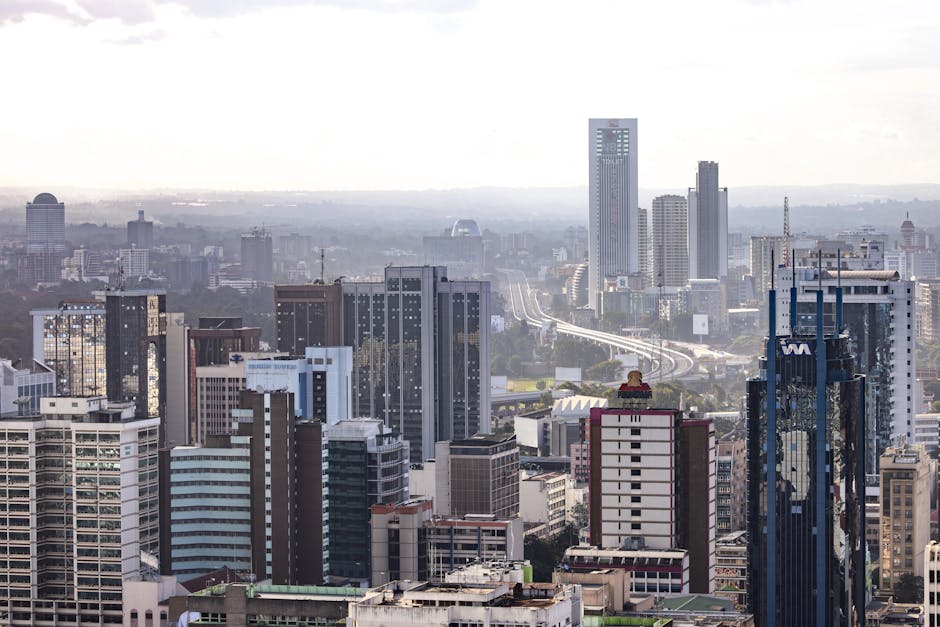
Explore Nairobi's architectural evolution from colonial-era landmarks to iconic Brutalist skyscrapers on this historic self-guided walking route.
 Easy
EasyNairobi, Kenya
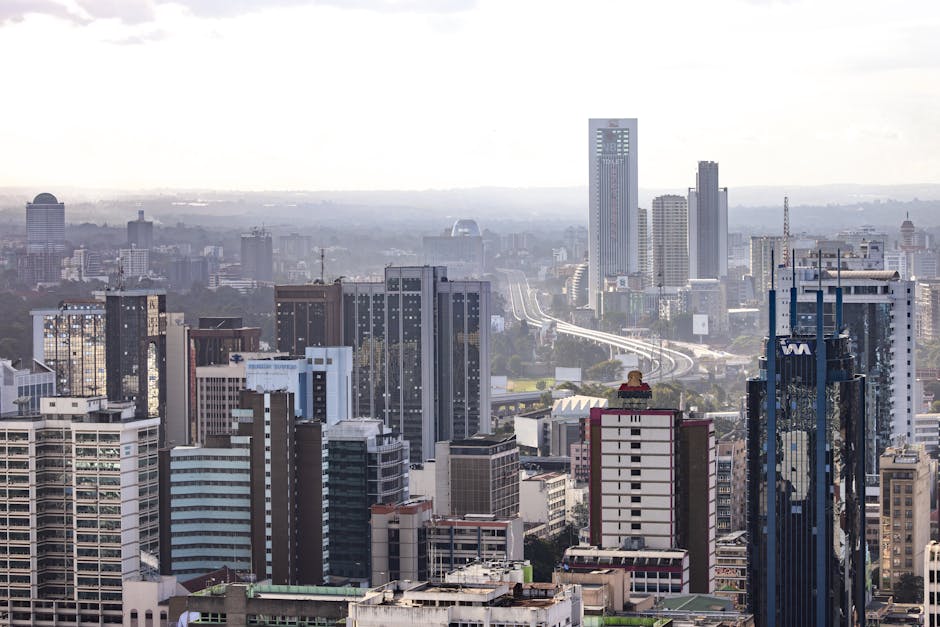
Discover Nairobi's iconic skyline on this self-guided architecture walk through the CBD’s most famous modernist and Brutalist landmarks.
 Moderate
Vienna, Austria
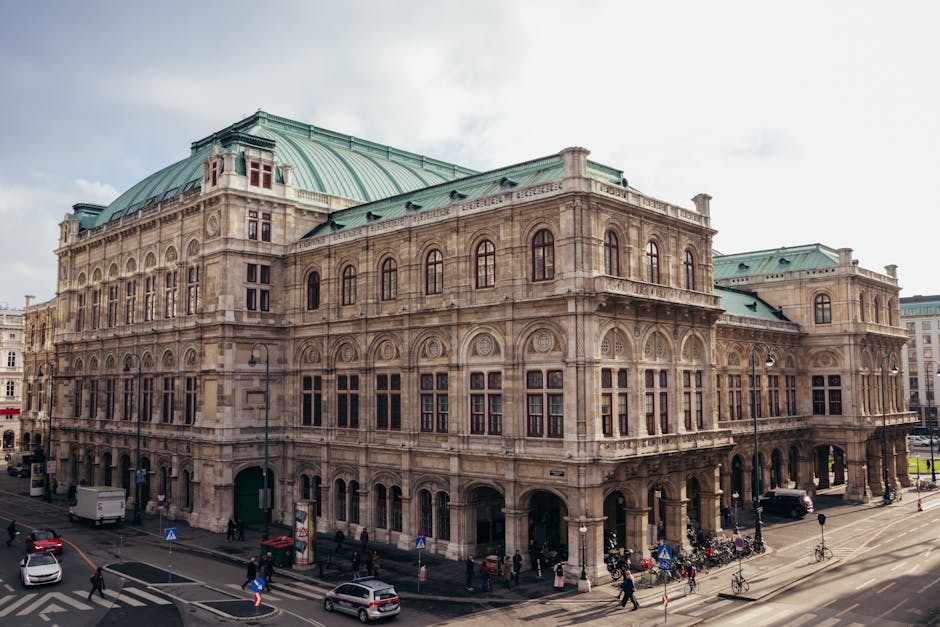
Follow the footsteps of Mozart and Strauss through Vienna’s historic center on this self-guided walk through the city's rich musical history.
 Easy
EasyNashville, United States
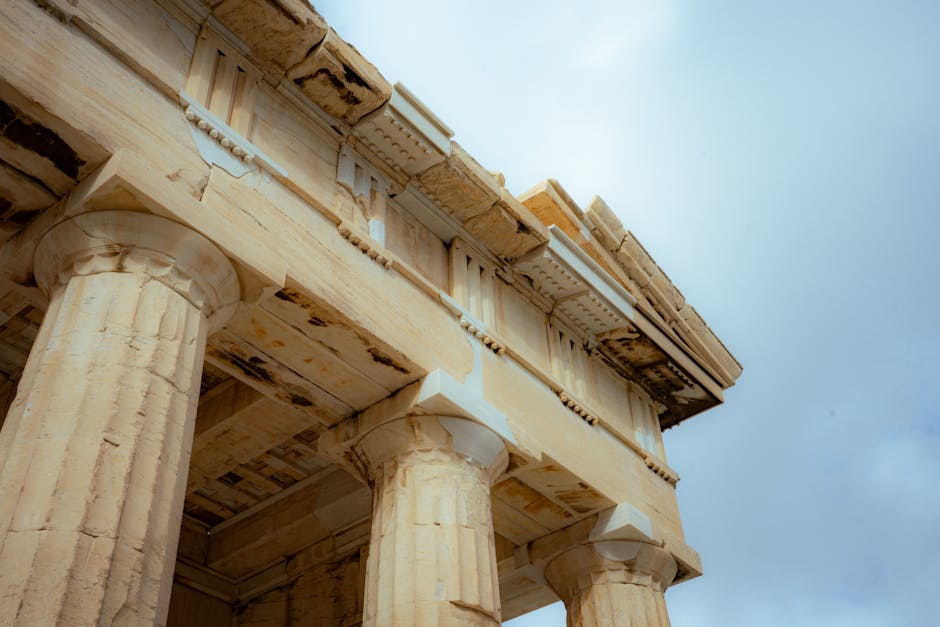
Explore the 'Athens of the South' on this self-guided walk through Centennial Park, featuring the world's only full-scale Parthenon replica.
 Easy
EasyNashville, United States
Explore Nashville's academic heart and Art Deco gems on this self-guided walk through historic Hillsboro Village.
 Easy
EasyNashville, United States
Explore the heart of Nashville's music industry. Discover iconic studios and the history of the legendary Nashville Sound at your own pace.
 Easy
EasyNashville, United States
Explore Nashville's oldest neighborhood! Discover Victorian architecture, Civil War history, and world-class craft beer on this self-guided walk.