Self-guided audio tour in Santa Fe
Start Free on iPhone
Start free on iPhone to unlock this self-guided walking tour in Santa Fe. Hear all the stories that make it amazing, walk at your own pace, and begin whenever you want.
Your Private Tour Guide
Step back in time with this self-guided walk through the oldest neighborhood in the United States. While many visitors stick to the vibrant Santa Fe Plaza, this neighborhood stroll invites you to cross the Santa Fe River and enter the Barrio de Analco, a name derived from the Nahuatl word for 'on the other side of the water.' This district was originally settled by Tlaxcalan people from Mexico who arrived with Spanish colonists in the early 1600s, creating a unique cultural crossroads that still resonates today. On this walking route, you will discover the architectural evolution of the city, from the ancient adobe foundations of the 'Oldest House' to the elegant Pueblo Revival style of the New Mexico Museum of Art. As you explore independently, you'll encounter the legendary Loretto Chapel with its 'miraculous' spiral staircase and the San Miguel Chapel, widely regarded as the oldest church in the continental United States. The route transitions from the historic core into the artistic heart of the city, passing the Georgia O'Keeffe Museum before heading toward the scenic Museum Hill. This area offers a deeper look into the history of the Southwest, featuring world-class institutions dedicated to Indian arts and international folk art. Whether you are a first-time visitor or a history enthusiast, this walking tour Santa Fe allows you to experience the city's multi-layered heritage at your own pace, away from the typical tourist crowds. By the time you reach the final stops, you will have traversed four centuries of survival, faith, and artistic expression that define the high desert capital.
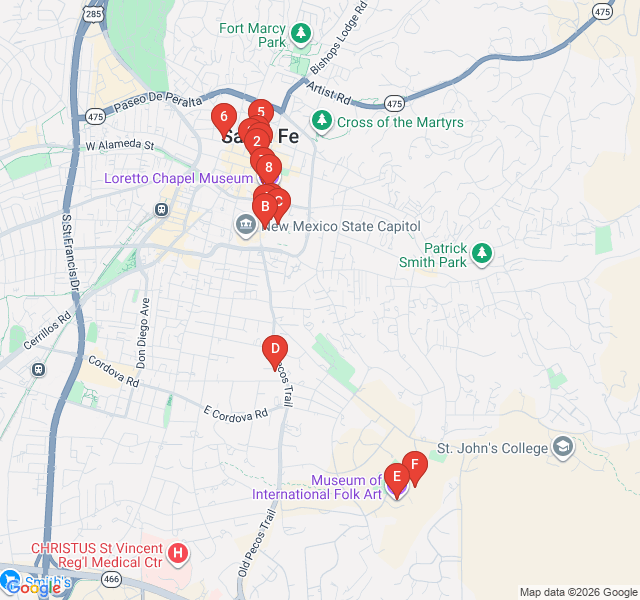
Numbers indicate the order of stops on the tour.
Start exploring with Zigway at the Palace of the Governors. Built in 1610, this is the oldest continuously occupied public building in the United States. For centuries, it served as the seat of government under Spanish, Mexican, and American rule. Notice the long portal where Native American artisans have sold traditional jewelry and pottery for decades. The thick adobe walls have survived the Pueblo Revolt of 1680 and the changing flags of nations. It stands today as a symbol of Santa Fe's enduring resilience and its role as a colonial capital long before the U.S. was founded.
The Santa Fe Plaza has been the city's cultural and commercial heart for over 400 years. This was the traditional terminus of the Santa Fe Trail, where weary traders finally rested after their long journey from Missouri. Look around at the diverse architecture, which reflects the city's mix of Spanish, Native, and Anglo influences. Today, the Plaza remains a vibrant gathering place for festivals and markets. Imagine the days when this square was an open dusty space used for military drills and bullfights, now replaced by shaded benches and peaceful monuments.
Just off the Plaza sits the New Mexico Museum of Art, a stunning example of the Pueblo Revival architectural style. Completed in 1917, the building was designed to synthesize various elements of New Mexican history, using motifs from the Spanish mission churches at Acoma and Laguna. It was a key part of the city's effort to establish a unique aesthetic identity known as the 'Santa Fe Style.' Inside, the courtyard offers a quiet retreat, and the galleries showcase the works of the Taos and Santa Fe art colonies that put this region on the global art map.
Located directly behind the Palace of the Governors, this modern museum provides the context for the stories you are uncovering today. It bridges the gap between the ancient ancestral Puebloan civilizations and the modern multicultural state of New Mexico. The exhibits here dive deep into the complexities of colonial life, the impact of the railroad, and the secret history of the Manhattan Project in nearby Los Alamos. It is an essential stop for anyone wanting to understand why Santa Fe is called 'The City Different.'
As you walk toward the Santa Fe River, you are approaching the boundary of the original Barrio de Analco. The river may look like a small stream today, but it was the lifeblood of the early settlement. The word 'Analco' translates to 'on the other side of the water' in the Nahuatl language of the Tlaxcalan Indians who settled here. This park area provides a shaded transition from the busy downtown core into the quieter, more residential historic district. Take a moment to enjoy the cottonwood trees that have lined these banks for generations.
A short detour takes you to the Georgia O'Keeffe Museum, dedicated to the legacy of New Mexico's most famous artistic transplant. O'Keeffe first visited New Mexico in 1929 and was captivated by its stark landscapes and unique light. This museum houses the largest collection of her work in the world, ranging from her iconic flower paintings to her later abstract interpretations of the desert. Her work helped define the American Southwest in the eyes of the world, capturing the same rugged beauty you see in the adobe walls and high desert sky around you.
Walking through the downtown corridors, notice how the narrow streets and irregular blocks follow the original 17th-century Spanish town plan. Unlike the grid systems found in many American cities, Santa Fe’s layout was influenced by the 'Laws of the Indies,' which dictated that streets should be narrow to provide shade and protection from the wind. Every corner here holds a story, from hidden courtyards to historic markers that commemorate the explorers and outlaws who once walked these same paths.
The Loretto Chapel is home to one of Santa Fe's most enduring mysteries: the Miraculous Staircase. Legend says that after the sisters of the chapel prayed to St. Joseph for a way to reach the choir loft, a mysterious carpenter appeared, built a circular staircase without a central support or nails, and disappeared without payment. Architects and engineers still marvel at how the wood bears the weight of those who climb it. The chapel itself is a beautiful example of Gothic Revival style, modeled after Sainte-Chapelle in Paris, contrasting sharply with the local adobe architecture.
Welcome to 'The Oldest House,' a structure that embodies the layered history of the Barrio de Analco. The lower portions of these adobe walls are believed to date back to the 12th century, remnants of an ancient Pueblo village known as Analco. It was later used by Spanish colonists and Tlaxcalan settlers. Inside, you can see the original low ceilings and thick mud-brick walls. It is said to be haunted by various spirits from its long history, and it serves as a tangible link to the people who lived in this valley long before the arrival of Europeans.
Standing before you is the San Miguel Chapel, considered the oldest church in the continental United States. Built around 1610, it has been destroyed and rebuilt several times, most notably during the Pueblo Revolt of 1680. The chapel was originally built for the Tlaxcalan Indians who lived in the Barrio de Analco. Inside, you can see the 'San Jose Bell,' cast in Spain in 1356, and ancient buffalo hide paintings. The simple, heavy adobe walls and hand-carved wooden beams evoke the deep spiritual history of the Spanish colonial frontier.
The Lamy Building, formerly St. Michael's College, is a testament to the educational history of Santa Fe. Named after Archbishop Jean-Baptiste Lamy, the first archbishop of Santa Fe, this building represents the influence of the Catholic Church in the 19th century. Lamy was responsible for bringing many European architectural styles to the city, including the nearby St. Francis Cathedral. This building served as a school for generations of New Mexican boys and now houses state offices, standing as a landmark of the transition from the colonial era to the American territorial period.
As you walk down De Vargas Street, you are traveling along one of the oldest continuously inhabited streets in the United States. This narrow lane was the spine of the Barrio de Analco. The homes along this street were traditionally built with shared walls for protection and insulation. Notice the 'territorial style' architectural details on some houses, such as brick coping along the rooflines, which was introduced after the arrival of the Santa Fe Trail. This street feels like a quiet portal into the 1800s, preserved by the families who have lived here for centuries.
As we move toward the outskirts of the historic core, the Santa Fe Children's Museum offers a community-focused space that emphasizes the natural beauty of the region. While it is a modern institution, it reflects the local commitment to outdoor education and creative play. The museum's garden and interactive exhibits are designed to connect the next generation with the environment and the diverse cultures that make Santa Fe unique. It marks the transition from the dense historic district toward the expansive views and cultural institutions of Museum Hill.
Perched on Museum Hill, the Museum of International Folk Art is a world-class destination. It houses the incredible Alexander Girard Collection, featuring over 100,000 objects from more than 100 countries. The 'Multiple Visions' exhibit is a whimsical, dense display of dolls, masks, and miniatures that celebrates the common threads of human creativity. It is the largest museum of its kind and perfectly illustrates Santa Fe's role as a global crossroads for traditional arts and crafts. The views of the Jemez and Sangre de Cristo mountains from this plaza are spectacular.
The final stop on our self-guided adventure is the Museum of Indian Arts & Culture. This institution tells the stories of the Native people of the Southwest, from ancestral times to the present day. Unlike many museums that view Native cultures through an archaeological lens, this museum emphasizes living traditions and contemporary indigenous voices. The 'Here, Now and Always' exhibition is a powerful exploration of Native American identity and resilience. It is a fitting place to end your journey, reflecting on the deep roots and enduring presence of the first peoples of this land.
Start Free on iPhone
Explore “Barrio de Analco: Centuries of Secrets” with your very own Private Tour Guide with Zigway. Start free on iPhone, skip the large group and the fixed routes, and hear the city come alive as you go.
Your Private Tour Guide
Don't miss the good stuff
Explore Freely
 Easy
EasySanta Fe, United States
Explore the evolution of Indigenous art from ancient traditions to contemporary masterpieces on this self-guided walk through historic Santa Fe.
 Easy
EasySanta Fe, United States
Explore the spicy soul of Santa Fe on this self-guided walking route through the city's iconic red and green chile landmarks and historic plazas.
 Easy
EasySanta Fe, United States
Explore the creative transformation of Santa Fe's Railyard District, from industrial roots to world-class art and vibrant local markets.
 Easy
EasySanta Fe, United States
Explore Santa Fe's spiritual heart on this self-guided audio walk through historic chapels, legendary staircases, and the oldest church in the U.S.
 Easy
EasyNairobi, Kenya
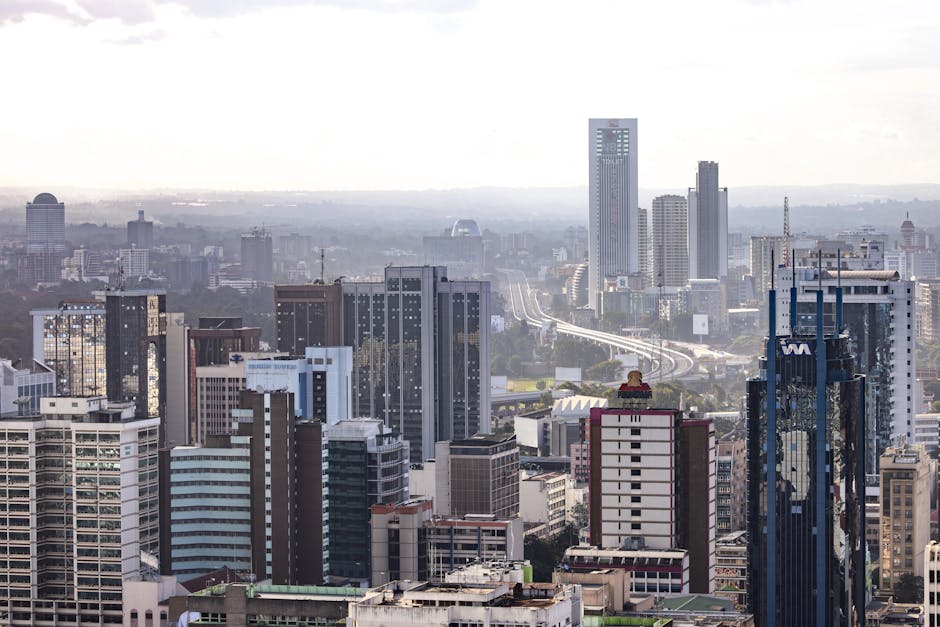
Explore Nairobi's architectural evolution from colonial-era landmarks to iconic Brutalist skyscrapers on this historic self-guided walking route.
 Easy
EasyNairobi, Kenya
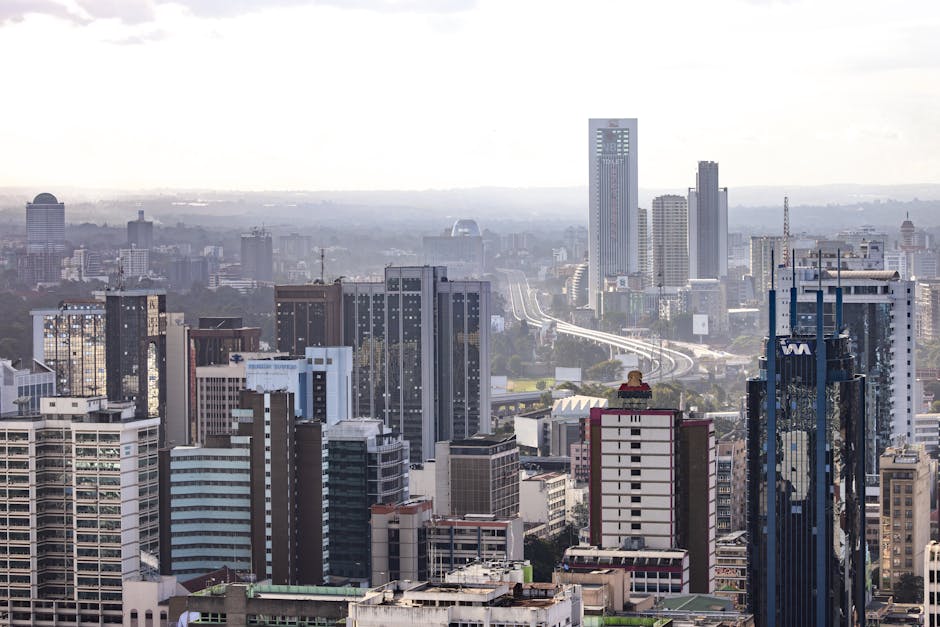
Discover Nairobi's iconic skyline on this self-guided architecture walk through the CBD’s most famous modernist and Brutalist landmarks.
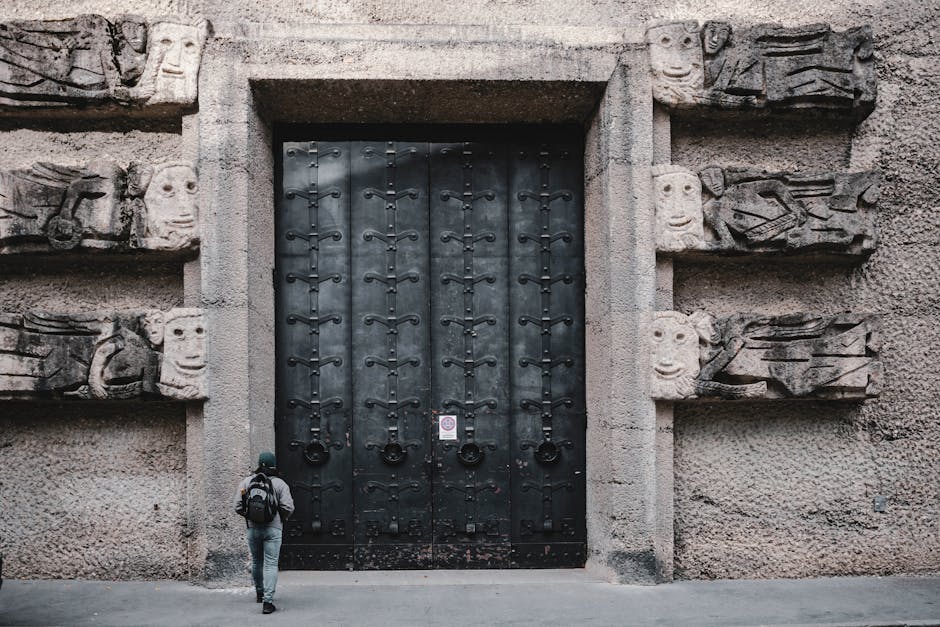 Easy
EasySalzburg, Austria
Discover the 'Rome of the North' on this self-guided walk through the Baroque squares and monumental legacy of Salzburg’s Prince-Archbishops.
 Easy
EasyGothenburg, Sweden
Discover Gothenburg’s 17th-century Dutch foundations, historic canals, and military fortifications on this self-guided architectural walk.
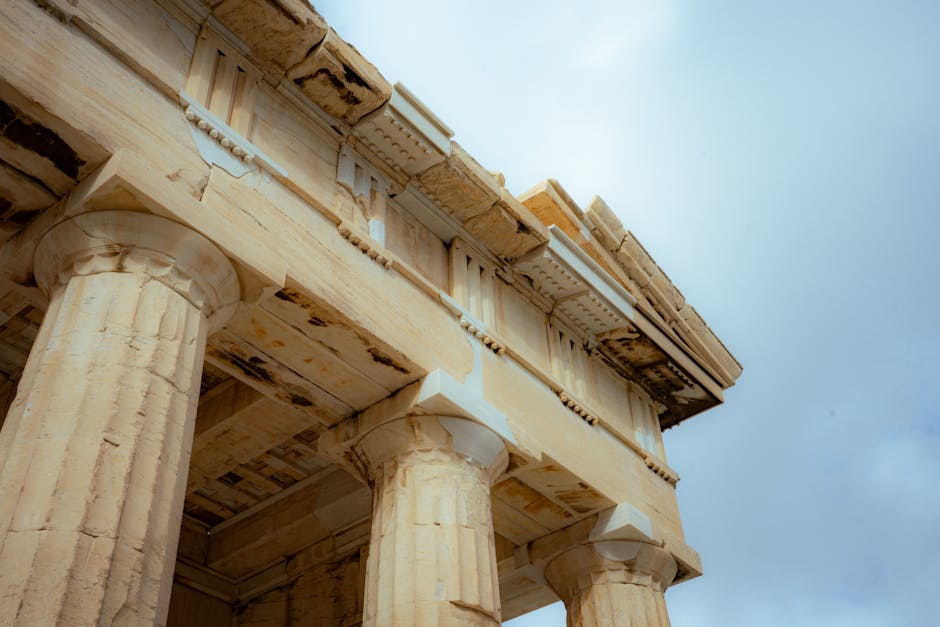 Easy
EasyNashville, United States
Explore the 'Athens of the South' on this self-guided walk through Centennial Park, featuring the world's only full-scale Parthenon replica.
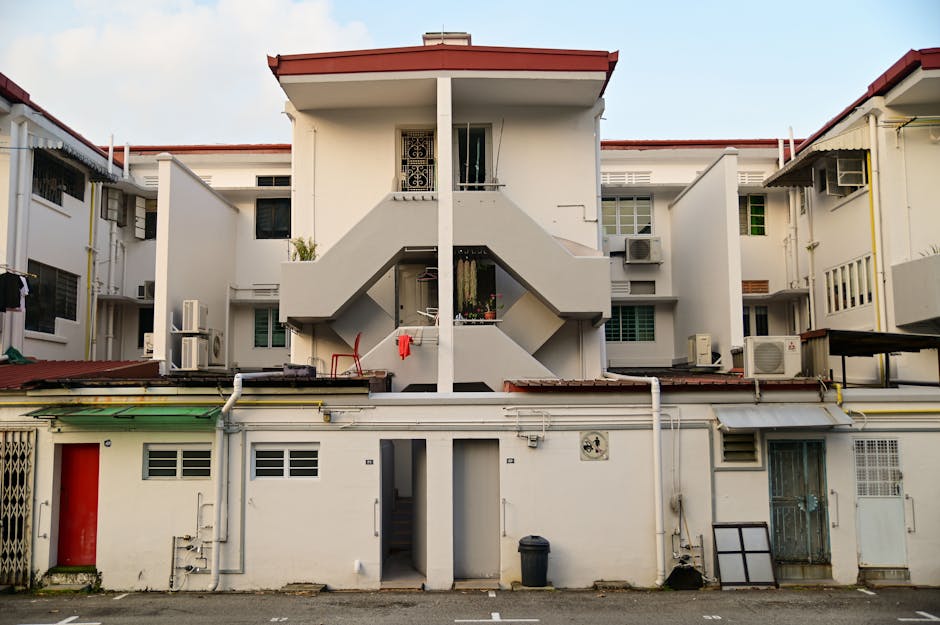 Easy
EasyNashville, United States
Explore Nashville's academic heart and Art Deco gems on this self-guided walk through historic Hillsboro Village.
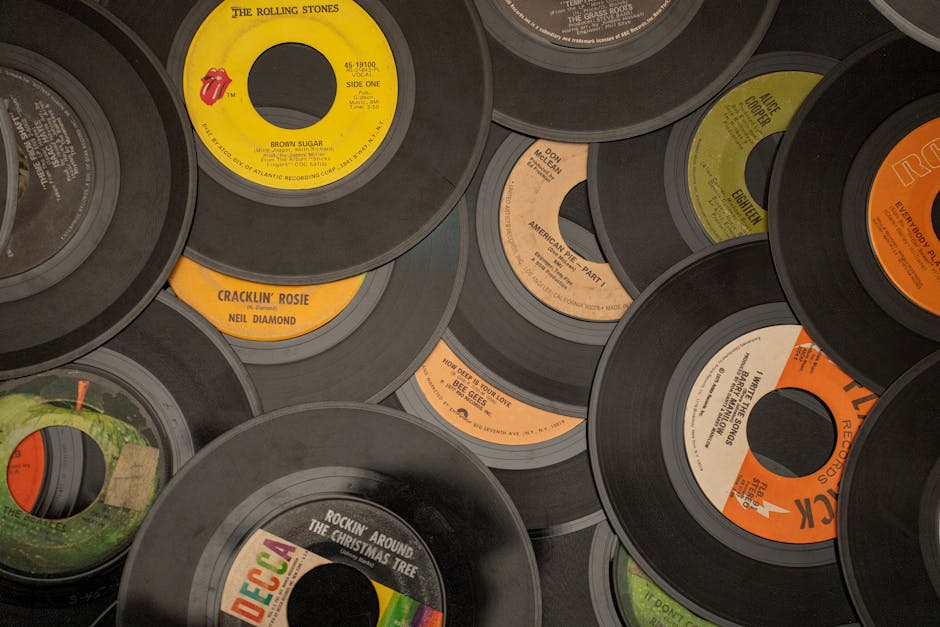 Easy
EasyNashville, United States
Explore the heart of Nashville's music industry. Discover iconic studios and the history of the legendary Nashville Sound at your own pace.
 Easy
EasyNashville, United States
Explore Nashville's oldest neighborhood! Discover Victorian architecture, Civil War history, and world-class craft beer on this self-guided walk.