Self-guided audio tour in Honolulu
Start Free on iPhone
Start free on iPhone to unlock this self-guided walking tour in Honolulu. Hear all the stories that make it amazing, walk at your own pace, and begin whenever you want.
Your Private Tour Guide
Discover the unique aesthetic of 'Tropical Modernism' on this self-guided walk through Honolulu’s urban core. While many visitors flock to the beaches of Waikiki, the city’s downtown and Kaka'ako districts hold a treasure trove of mid-century modern design that redefined how architecture interacts with the Pacific environment. This walking route explores the era when Hawaii transitioned into statehood, a period characterized by an explosion of creativity that blended international style with local materials and climate-sensitive layouts. You will encounter the work of legendary architects like Vladimir Ossipoff and Minoru Yamasaki, who sought to bring the outdoors in through the use of lanais, natural ventilation, and shaded concrete screens. Begin your self-guided adventure at the Honolulu Museum of Art, a masterpiece that sets the stage for the region’s architectural evolution. As you navigate the streets, the route leads you to the Hawaii State Capitol, a bold departure from traditional domed government buildings that instead honors the islands' volcanic origins. The journey continues toward the waterfront, where the striking honeycomb facade of the IBM Building showcases the futuristic optimism of the 1960s. This walking tour Honolulu offers is more than just a look at buildings; it is a study in how glass, concrete, and lava rock were used to create a distinctly Hawaiian identity in the modern age. Whether you are an architecture enthusiast or a history buff, this neighborhood stroll provides a fresh perspective on the capital city. Explore independently and take the time to admire the intricate details of the 'brise-soleil' sunshades and the sweeping open-air corridors that make these structures icons of the mid-century movement.
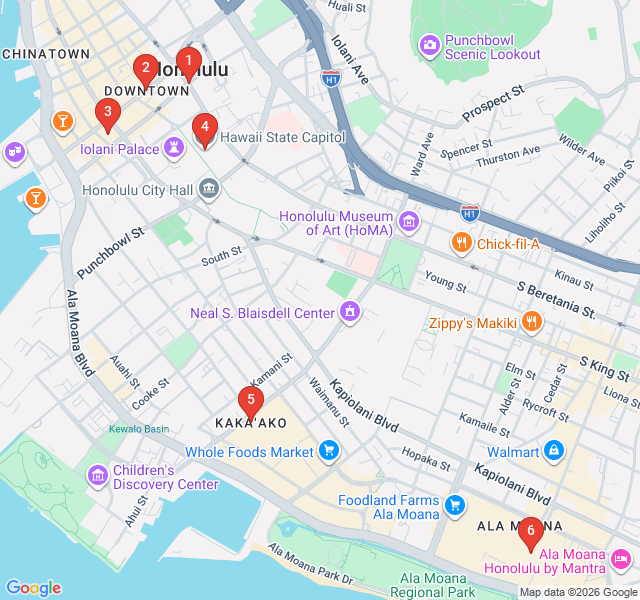
Numbers indicate the order of stops on the tour.
Start exploring with Zigway at the Honolulu Museum of Art. While the original 1927 building by Bertram Goodhue is a stunning example of Mediterranean-influenced design, the museum's later additions and courtyards reflect the early seeds of Tropical Modernism. Notice how the building uses open-air galleries and 'lanais' to connect the interior art spaces with lush, outdoor gardens. This philosophy of 'indoor-outdoor living' became the cornerstone of Hawaiian architecture in the mid-20th century. The museum served as a training ground and inspiration for architects like Vladimir Ossipoff, who would go on to define the city's mid-century look by emphasizing natural light and cross-ventilation.
As you walk toward the city center, you pass the administrative presence of the Liljestrand House legacy. While the famous house itself sits high on Tantalus Lookout, its influence is felt throughout downtown. Vladimir Ossipoff, the architect of the Liljestrand House, was the master of the mid-century modern movement in Hawaii. His work rejected the 'refrigerator' style of fully enclosed, air-conditioned boxes in favor of structures that breathed. This stop represents the administrative heart of his architectural preservation efforts. Ossipoff’s legacy is everywhere in Honolulu, characterized by the use of local materials like dark lava rock and warm hardwoods, paired with the clean lines of the International Style.
Standing as the tallest building in Hawaii, the First Hawaiian Center is a late-century addition that pays deep homage to mid-century principles. Designed by the firm of Kohn Pedersen Fox, it replaced a previous mid-century structure but retained the spirit of 'Tropical Modernism' through its verticality and use of light. Look at the building’s two distinct faces: one side is sleek and urban, while the other features horizontally oriented windows that frame views of the mountains and ocean. This duality reflects the 1950s and 60s obsession with orienting architecture toward the natural landscape, a key theme in this neighborhood stroll.
The Hawaii State Capitol is perhaps the most significant piece of mid-century civic architecture in the United States. Completed in 1969 by John Carl Warnecke, it replaced the Victorian-style Iolani Palace as the seat of government. The design is rich with symbolism: the two legislative chambers are cone-shaped to represent volcanoes, and the pillars surrounding the building resemble palm trees. Most strikingly, the building has no dome and an open-air central courtyard, allowing the rain and sun to enter the heart of the government. This design choice reflects the transparency of a democratic society and Hawaii’s literal 'openness' to the elements.
The IBM Building is a masterpiece of functional art designed by Minoru Yamasaki, the same architect who designed the original World Trade Center in New York. Completed in 1962, its most famous feature is the 'honeycomb' concrete screen, or brise-soleil, that wraps the exterior. This wasn't just for looks; the screen was designed to shade the glass from the intense Hawaiian sun while maintaining views of the Pacific. It is a quintessential example of how mid-century modernism adapted to the tropics. The building’s futuristic, repetitive geometry made it an instant icon of the Kaka'ako district and a favorite for architectural photographers.
Conclude your walking route at the Ala Moana Center. When it opened in 1959, the same year Hawaii became a state, it was the largest shopping mall in the world. While much of the mall has been modernized, look closely at the structural bones and the mid-century sculptures that remain. The mall was a pioneer in the 'open-air' concept, rejecting the enclosed 'mall' design common on the mainland. Look for the vintage 'Pele' and 'The Water-Giver' sculptures and the original mid-century signage motifs. It represents the era’s belief that even commercial spaces should be integrated with the sky and the tropical breeze.
Start Free on iPhone
Explore “Mid-Century Modern Honolulu: Tropical Architecture Walk” with your very own Private Tour Guide with Zigway. Start free on iPhone, skip the large group and the fixed routes, and hear the city come alive as you go.
Your Private Tour Guide
Don't miss the good stuff
Explore Freely
 Easy
EasyHonolulu, United States
Explore Honolulu’s premier arts district. Discover massive street murals, industrial-chic hangouts, and creative studios on this self-guided walk.
 Moderate
Honolulu, United States
Discover Honolulu’s seafaring soul and coastal beauty on this self-guided walk from historic Aloha Tower to the scenic vistas of Magic Island.
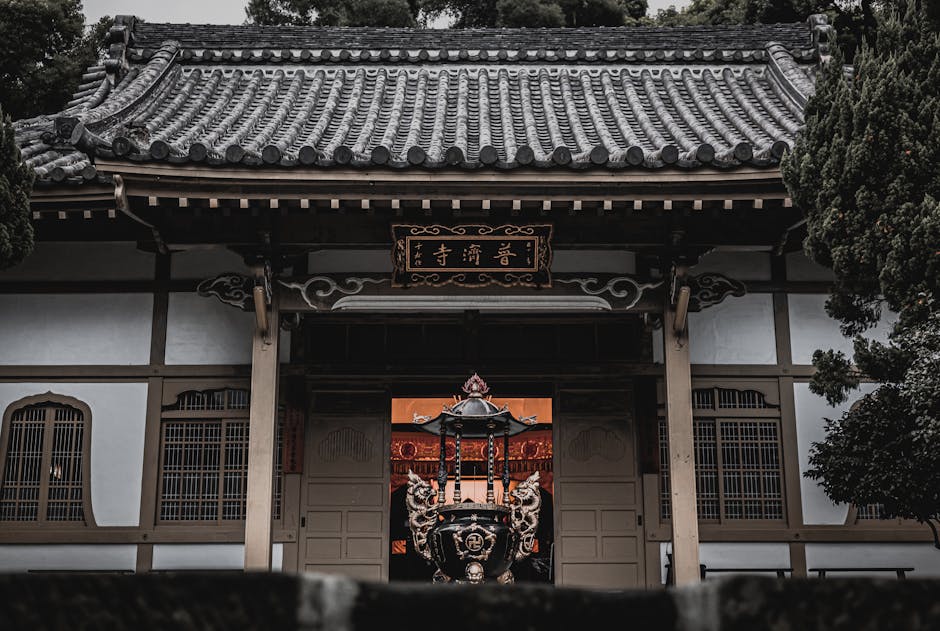 Moderate
Honolulu, United States
Uncover royal history, unique architecture, and sacred memorials on this self-guided walking route through Honolulu’s historic Makiki slopes.
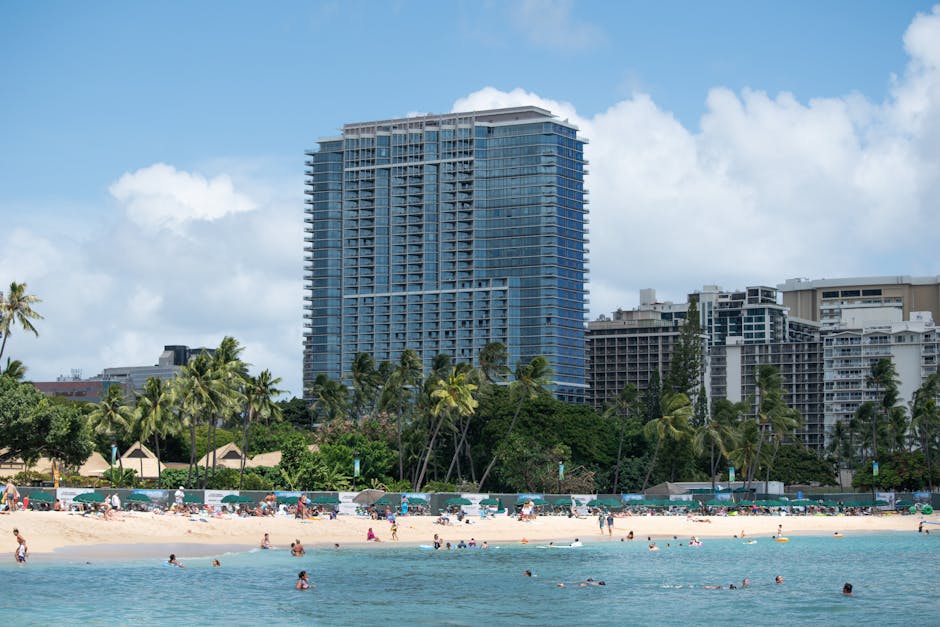 Easy
EasyHonolulu, United States
Explore the birthplace of modern surfing and royal history on this self-guided walking route along the sun-drenched shores of Waikiki.
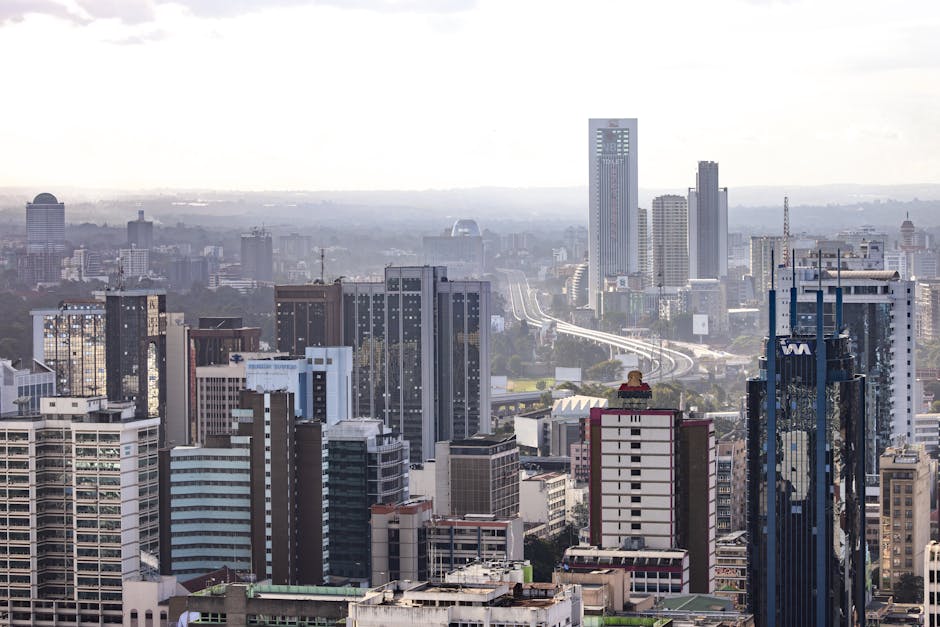 Easy
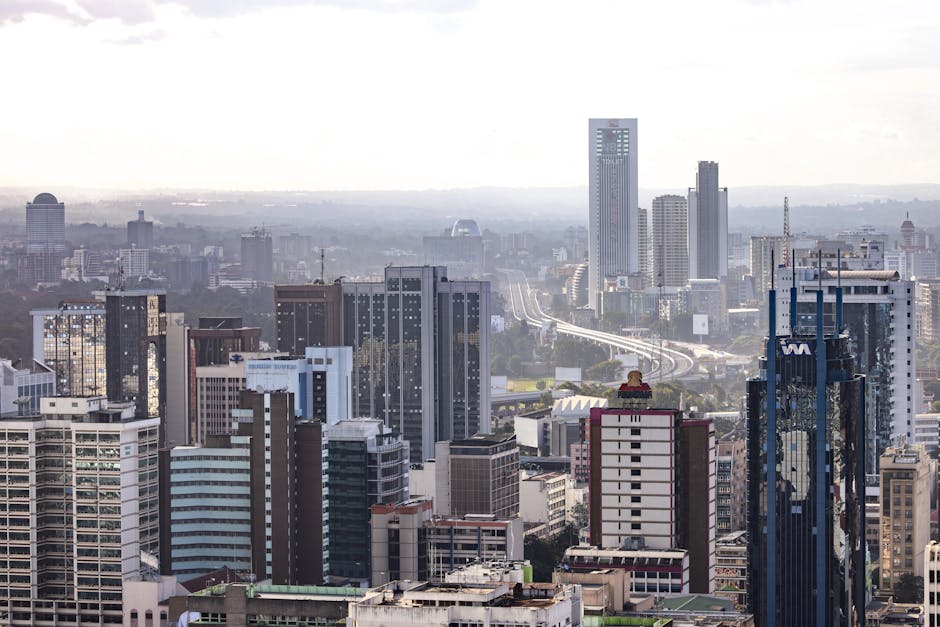
EasyNairobi, Kenya
Discover Nairobi's iconic skyline on this self-guided architecture walk through the CBD’s most famous modernist and Brutalist landmarks.
 Moderate
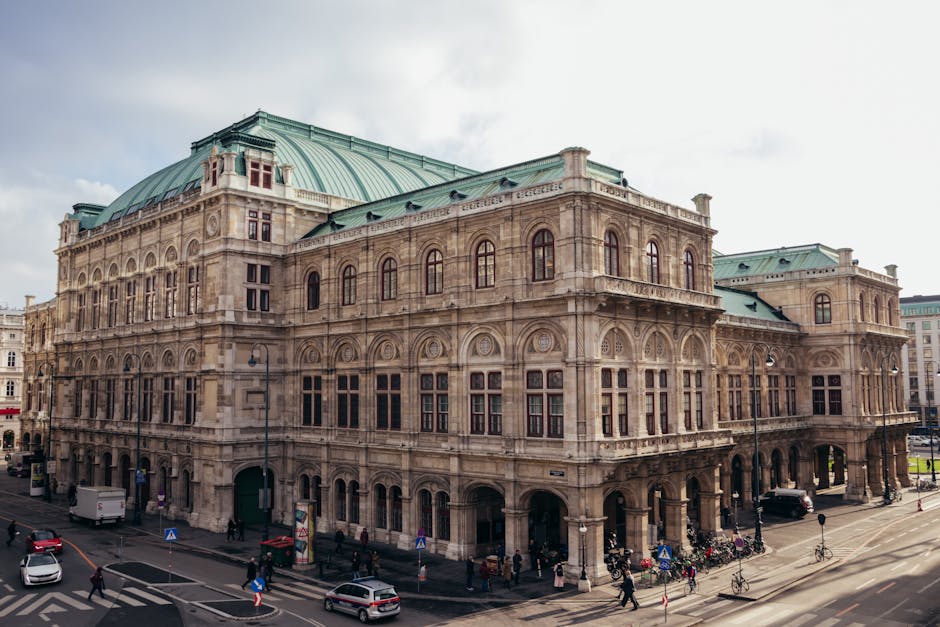
Vienna, Austria
Discover the noir world of The Third Man and Cold War Vienna on this atmospheric self-guided audio walk through the historic Innere Stadt.
 Easy
EasyGothenburg, Sweden
Explore Gothenburg’s historic wooden houses, legendary giant cinnamon buns, and panoramic fortress views on this self-guided neighborhood stroll.
 Easy
EasyNairobi, Kenya
Explore Nairobi's architectural evolution from colonial-era landmarks to iconic Brutalist skyscrapers on this historic self-guided walking route.
 Easy
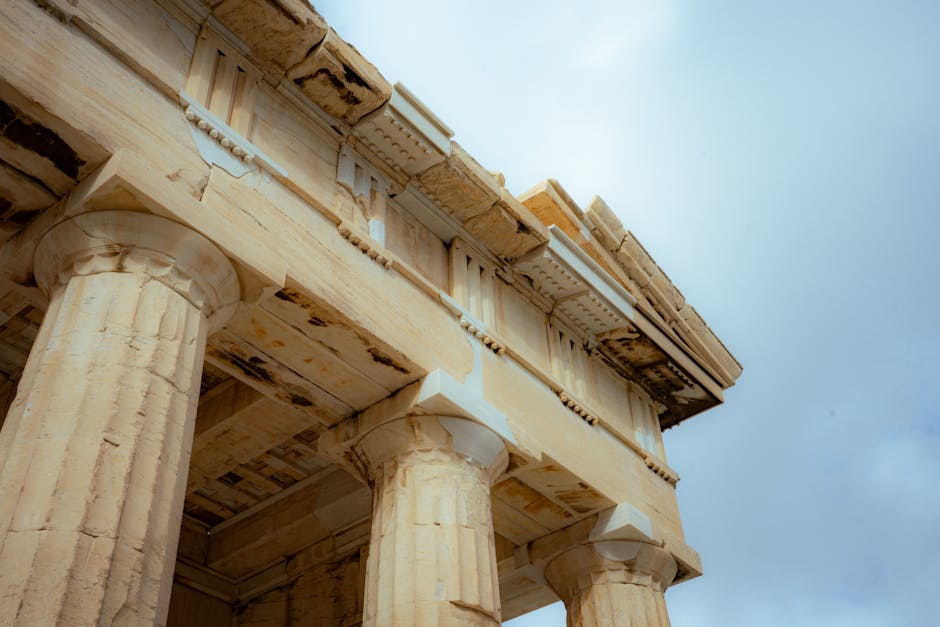
EasyNashville, United States
Explore the 'Athens of the South' on this self-guided walk through Centennial Park, featuring the world's only full-scale Parthenon replica.
 Easy
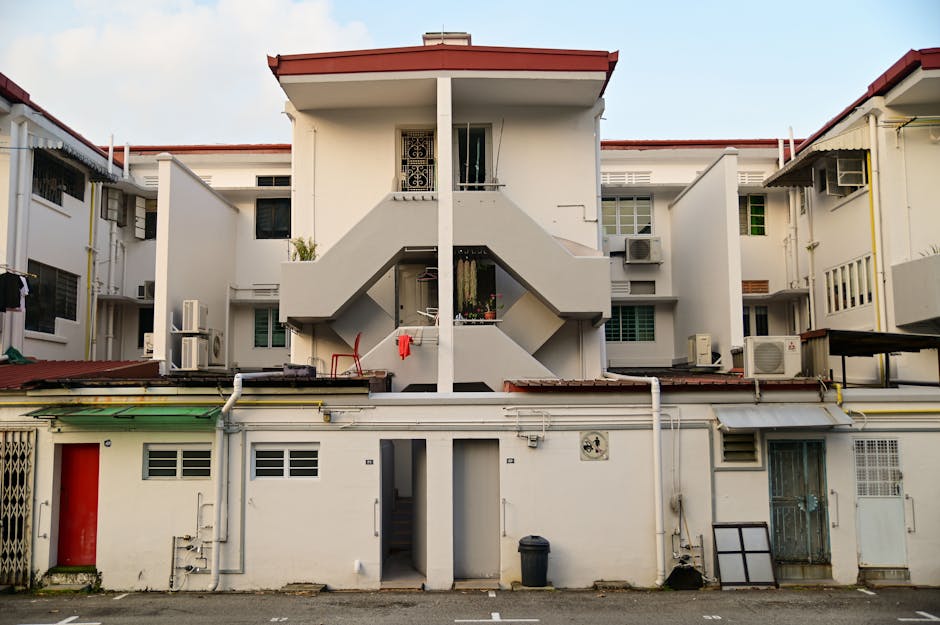
EasyNashville, United States
Explore Nashville's academic heart and Art Deco gems on this self-guided walk through historic Hillsboro Village.
 Easy
EasyNashville, United States
Explore the heart of Nashville's music industry. Discover iconic studios and the history of the legendary Nashville Sound at your own pace.
 Easy
EasyNashville, United States
Explore Nashville's oldest neighborhood! Discover Victorian architecture, Civil War history, and world-class craft beer on this self-guided walk.