Self-guided audio tour in Honolulu
Start Free on iPhone
Start free on iPhone to unlock this self-guided walking tour in Honolulu. Hear all the stories that make it amazing, walk at your own pace, and begin whenever you want.
Your Private Tour Guide
Rising from the historic heart of Honolulu toward the emerald volcanic slopes of the Koʻolau Range, this self-guided walk offers a profound journey through the layers of Hawaii’s complex heritage. The 'Sacred Slopes' route navigates the intersection of royal legacy, missionary influence, and the solemnity of national sacrifice. You will begin in the Capitol District, where the architecture reflects the transition from a sovereign kingdom to the 50th state, before ascending toward the Makiki neighborhood and the iconic Punchbowl Crater. This neighborhood stroll captures the essence of Honolulu’s diverse identity, from the only royal palace on American soil to a Christian church designed like a Japanese feudal castle. As you explore independently, you will witness the evolution of Hawaiian history at landmarks like Iolani Palace and the King Kamehameha I Statue. The route then leads you away from the urban center toward the quieter, residential streets of Makiki. Here, the story of immigration and cultural synthesis comes alive. A highlight of this walking route is the ascent to the National Memorial Cemetery of the Pacific, located within the Puowaina Crater. Known as the 'Hill of Sacrifice,' this site provides not only a place for reflection but also some of the most panoramic views of the city skyline and the Pacific Ocean. This walking tour Honolulu experience is designed for those who want to see beyond the beaches of Waikiki. By following the path from the bustling Maunakea Marketplace to the serene heights of the Queen Emma Summer Palace, you gain a deeper understanding of the people and events that shaped these islands. Whether you are interested in the Art Deco lines of Roosevelt High School or the indigenous treasures housed within the Bishop Museum, this route provides a comprehensive historical narrative at your own pace. Discover the hidden stories of the Makiki slopes and the sacred grounds that watch over the city, all while enjoying the freedom of a self-guided adventure.
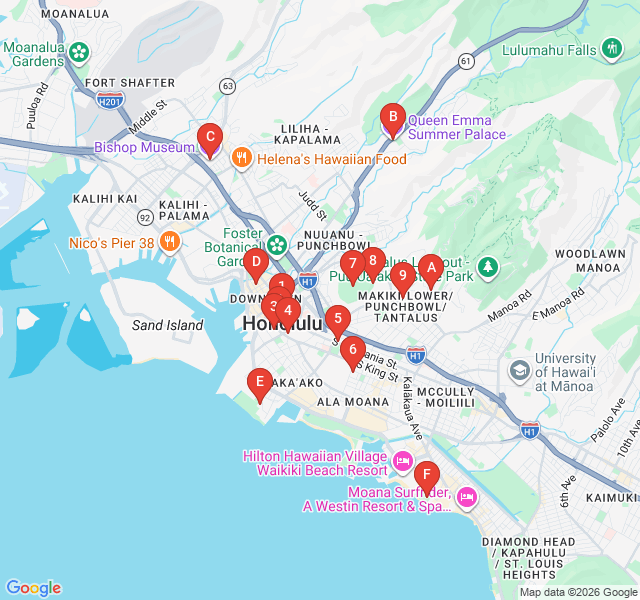
Numbers indicate the order of stops on the tour.
Start exploring with Zigway at the No. 1 Capitol District Building, now home to Capitol Modern. This Spanish Mission-style structure was originally the Armed Services YMCA, built in 1928. Today, it serves as a vibrant hub for local creativity, showcasing the 'Art in State Buildings' collection. As you stand before its arched entryways, consider how this site bridges Honolulu’s military past with its artistic present. The building itself is a masterpiece of the Territorial period, reflecting an era when Hawaii was beginning to find its modern architectural voice. The courtyard offers a peaceful moment to admire the sculptures before you head toward the royal heart of the city.
Step onto the hallowed grounds of Iolani Palace, a symbol of the Hawaiian Kingdom's sophistication and sovereignty. Completed in 1882 by King Kalakaua, this is the only official royal residence on United States soil. The 'American Florentine' style architecture was intentionally grand, featuring Hawaii's first electric lights and telephone system—even before the White House. This palace tells a story of triumph and tragedy, serving as the residence of the last reigning monarch, Queen Liliʻuokalani, and later the site of her house arrest following the overthrow of the monarchy. Look up at the intricate balconies where the Royal Hawaiian Band once played for the King.
Standing proudly across from the palace is the iconic statue of King Kamehameha the Great. This bronze figure depicts the warrior-king who unified the Hawaiian Islands in 1810. Clad in a traditional feathered cloak and helmet, he holds a spear as a sign of strength and peace. Interestingly, this is actually a replacement; the original statue was lost at sea near the Falkland Islands, though it was eventually recovered and now stands on the Big Island. The building behind him, Aliʻiolani Hale, was originally intended as a palace but became the seat of the Kingdom’s government and now houses the Hawaii State Supreme Court.
Continue your walking route to Honolulu City Hall, known locally as Honolulu Hale. Built in 1928, its Mediterranean Revival architecture features an open-air interior courtyard modeled after the Bargello Palace in Florence. This building represents the 'City Beautiful' movement of the early 20th century, aiming to create civic spaces that inspired pride. Notice the intricate tile work and the massive chandeliers. During the holidays, this site becomes the center of 'Honolulu City Lights,' but year-round it stands as a testament to the city's administrative history and its blend of European aesthetic with Pacific hospitality.
As you move toward the Makiki neighborhood, you encounter the Honolulu Museum of Art. Founded in 1927 by Anna Rice Cooke, the museum’s architecture is a stunning blend of Hawaiian and Asian influences, featuring beautiful courtyards and sloping tiled roofs. It houses one of the finest collections of Asian and Pan-Pacific art in the world. The building itself is designed to let the trade winds flow through, blurring the lines between the interior galleries and the lush tropical gardens. It serves as the cultural anchor of the Makiki area, preserving the artistic legacy of the islands' diverse immigrant populations.
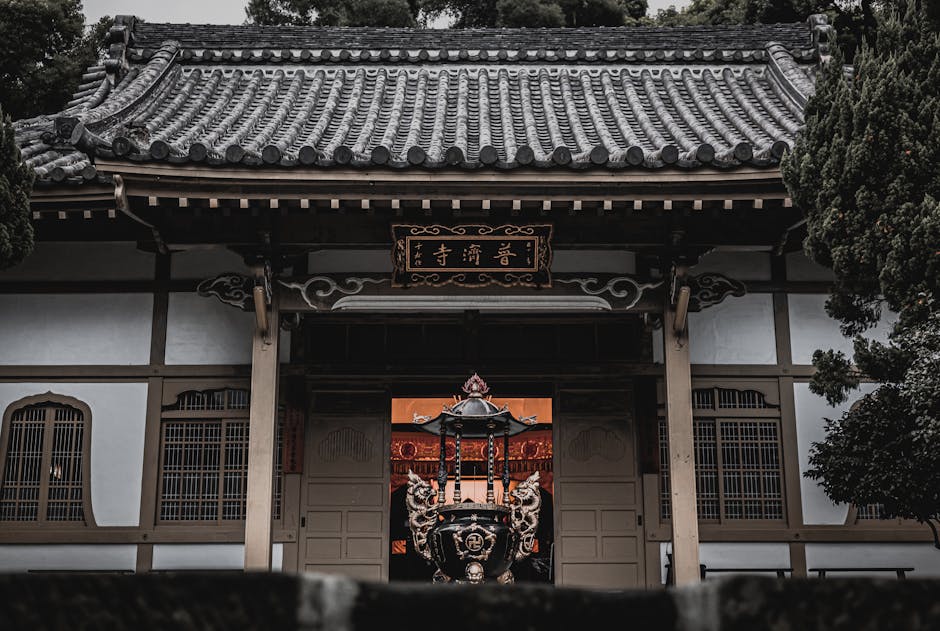
One of the most surprising sights on this self-guided adventure is the Makiki Christian Church. Built in 1932 by Reverend Takie Okumura, the church was designed to resemble an 11th-century Japanese feudal castle, specifically Kochi Castle. Okumura chose this design to make the Japanese immigrant community feel at home while expressing their new Christian faith. The structure features the 'tenshu' or castle keep style, with sweeping roofs and intricate woodwork. It is a powerful architectural symbol of cultural synthesis, showing how different traditions can merge to create something entirely unique in the heart of Honolulu.
Now, prepare for a slight ascent as you approach the rim of the Punchbowl Crater. Known in Hawaiian as Puowaina, or the 'Hill of Sacrifice,' this extinct cinder cone has been a sacred site for centuries. Ancient Hawaiians used this crater as a place for secret burials and religious ceremonies. Today, the lookout offers one of the best vantage points in the city. From here, you can see the skyline of Downtown Honolulu, the sprawl of Waikiki, and the shimmering blue of the Pacific. It is a place to contemplate the geological forces that created these islands and the layers of history that have unfolded beneath you.
Enter the solemn grounds of the National Memorial Cemetery of the Pacific, located within the Punchbowl Crater. This 'Arlington of the Pacific' is the final resting place for over 53,000 veterans of World War I, World War II, the Korean War, and the Vietnam War. The centerpiece is the Memorial Walk and the massive statue of 'Lady Columbia,' who stands atop the Court of Honor. The marble 'Courts of the Missing' record the names of those whose remains were never recovered. The atmosphere here is one of profound peace and gratitude, set against the backdrop of the crater’s natural volcanic walls.
As you descend back into the residential streets of Makiki, you will pass Roosevelt High School. Established in 1930, this school is a prime example of Art Deco and Spanish Mission architecture used in public buildings during the Territorial period. Its distinctive tower and grand facade have made it a neighborhood landmark for generations. The school was named after President Theodore Roosevelt and has educated many of Hawaii’s most prominent citizens. Its presence here highlights the growth of the Makiki community during the early 20th century as Honolulu expanded away from the harbor toward the cooler hillsides.
Further up the slopes lies the former Spalding House, once an extension of the Honolulu Museum of Art. Originally the residence of Alice Cooke Spalding, built in 1925, the estate is famous for its Japanese-inspired gardens and its integration with the natural topography of Tantalus. While its role as a public gallery has changed, the site remains a significant part of the Makiki Heights history, representing the 'Golden Age' of Honolulu estates. The serene environment and the way the home was designed to capture the mountain breezes reflect the lifestyle of Honolulu’s elite families during the mid-1900s.
Travel slightly further north to Hanaiakamalama, the Queen Emma Summer Palace. This secluded retreat was the mountain home of Queen Emma, King Kamehameha IV, and their son, Prince Albert Edward. Built in 1848, it offered the royal family a cool escape from the heat of Honolulu. The house is a classic example of Greek Revival architecture, filled with royal antiques and personal belongings. Walking through these rooms, you get a sense of the Queen’s private life and her efforts to preserve Hawaiian culture while embracing global influences. The surrounding gardens are filled with plants favored by the Queen herself.
The Bishop Museum is the premier institution for Hawaiian and Pacific culture. Founded in 1889 by Charles Reed Bishop in honor of his late wife, Princess Bernice Pauahi Bishop, the museum was built to house the extensive collection of Hawaiian artifacts and royal heirlooms she inherited. The Hawaiian Hall, with its dark koa wood and three levels of exhibits, is an architectural and cultural marvel. Here, the story of the Hawaiian people—from their voyaging ancestors to the modern day—is told through the largest collection of Polynesian artifacts in the world. It is a cornerstone of Hawaiian identity and scholarship.
Heading back toward the lower plains, you reach the Maunakea Marketplace in Honolulu’s Chinatown. This is the sensory heart of the city’s immigrant history. Since the mid-1800s, this area has been a melting pot for Chinese, Japanese, Filipino, and Vietnamese cultures. The marketplace is a bustling hub where you can find everything from exotic fruits and fresh seafood to traditional herbal medicines. It stands as a reminder of the laborers who came to work on the sugar plantations and stayed to build the modern economy of Hawaii. The aromas and vibrant energy here offer a sharp contrast to the quiet slopes of Makiki.
Located near the Kakaʻako waterfront, the Children’s Discovery Center represents the modern, family-friendly side of Honolulu. Housed in a former incinerator building, this site has been transformed into an interactive educational space. While it focuses on younger explorers, its location in the evolving Kakaʻako district is significant. This area was once an industrial marshland and is now becoming a center for urban art, high-rise living, and community gathering. It shows the city's ability to repurpose its industrial past into spaces that serve the future generations of Honolulu.
Your final stop is the Hawaii Army Museum, located in Battery Randolph at the edge of Waikiki. This massive reinforced concrete coastal defense battery was built in 1911 to protect Honolulu Harbor from naval attack. Today, it houses exhibits detailing Hawaii’s military history, from ancient Hawaiian warfare to the modern era. The museum emphasizes the strategic importance of the islands in the Pacific. Standing on the roof of the battery, you can look back toward the Punchbowl and the Makiki slopes, completing your journey from the royal palaces to the coastal defenses that have guarded these shores for over a century.
Start Free on iPhone
Explore “Sacred Slopes: Punchbowl & Makiki History” with your very own Private Tour Guide with Zigway. Start free on iPhone, skip the large group and the fixed routes, and hear the city come alive as you go.
Your Private Tour Guide
Don't miss the good stuff
Explore Freely
 Easy
EasyHonolulu, United States
Explore Honolulu’s premier arts district. Discover massive street murals, industrial-chic hangouts, and creative studios on this self-guided walk.
 Moderate
Honolulu, United States
Discover Honolulu’s seafaring soul and coastal beauty on this self-guided walk from historic Aloha Tower to the scenic vistas of Magic Island.
 Easy
EasyHonolulu, United States
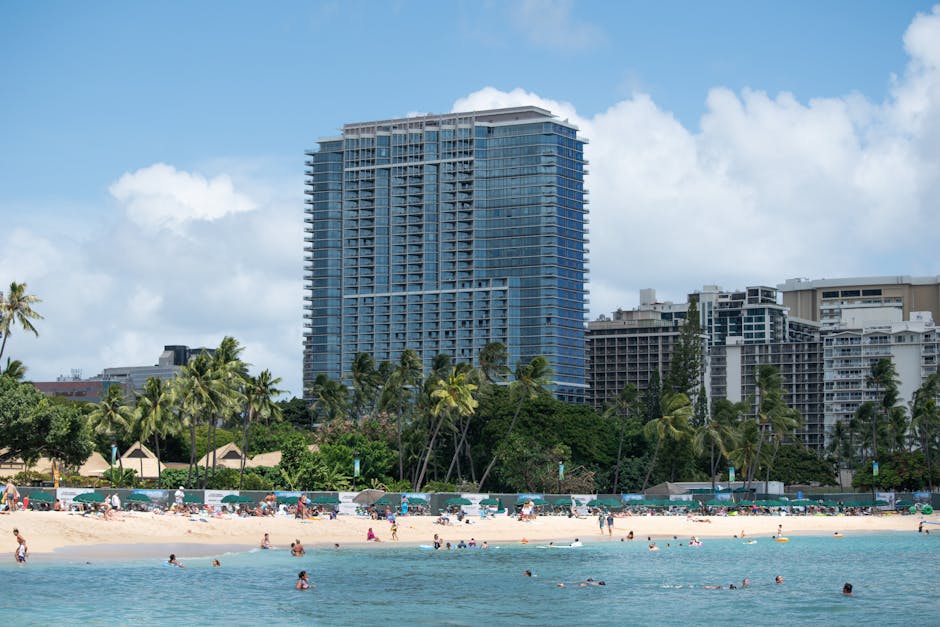
Explore the birthplace of modern surfing and royal history on this self-guided walking route along the sun-drenched shores of Waikiki.
 Challenging
Honolulu, United States
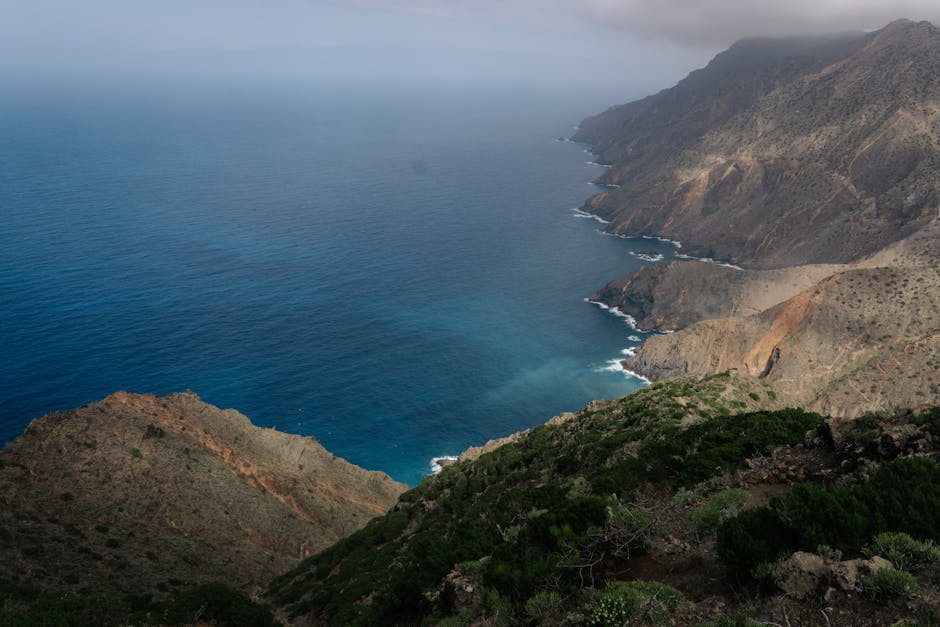
Ascend Honolulu's iconic volcanic crater on this self-guided walk featuring coastal vistas, historic lighthouses, and panoramic summit views.
 Easy
EasySalzburg, Austria
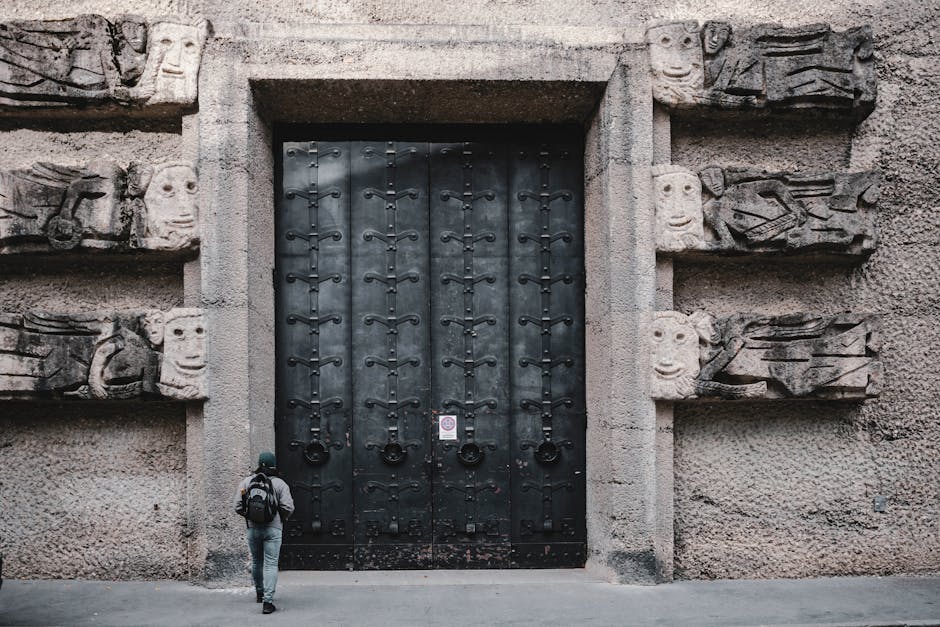
Discover the 'Rome of the North' on this self-guided walk through the Baroque squares and monumental legacy of Salzburg’s Prince-Archbishops.
 Easy
EasyWarsaw, Poland
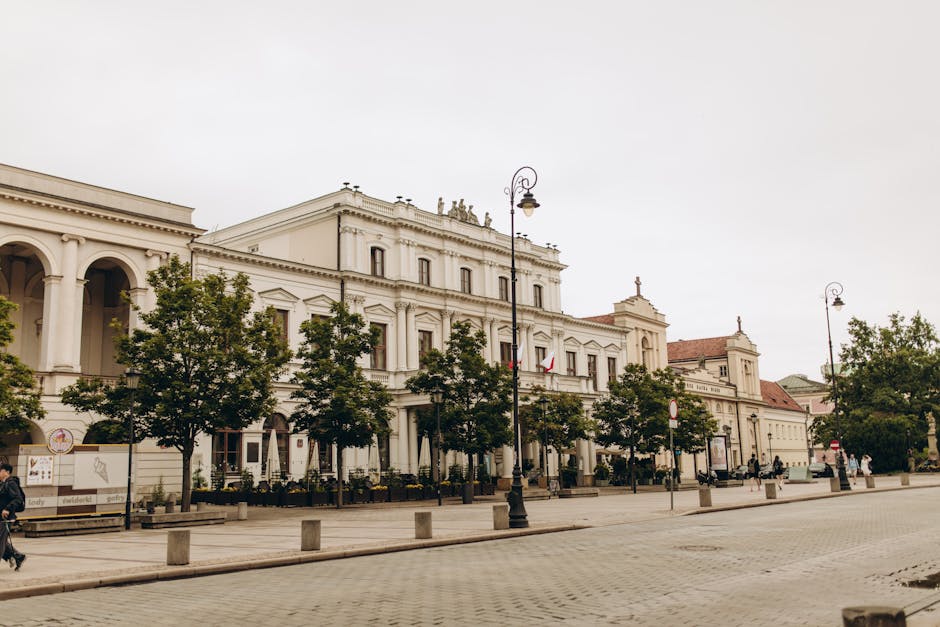
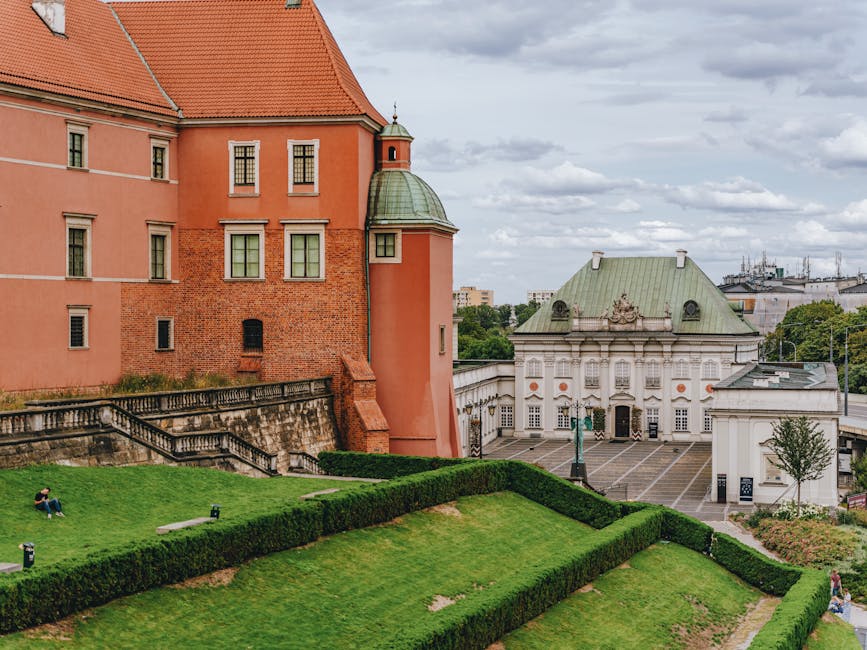
Explore the 'Polish Versailles' at your own pace. Discover Baroque architecture, royal history, and stunning gardens on this self-guided walk.
 Moderate
Warsaw, Poland
Explore the resilient spirit of Warsaw's Muranów district on this self-guided walk through the history and landmarks of the former Jewish Ghetto.
 Easy
EasyKrakow, Poland
Explore the historic heart of Kazimierz on this self-guided walk through synagogues, ancient cemeteries, and vibrant squares.
 Easy
EasyNashville, United States
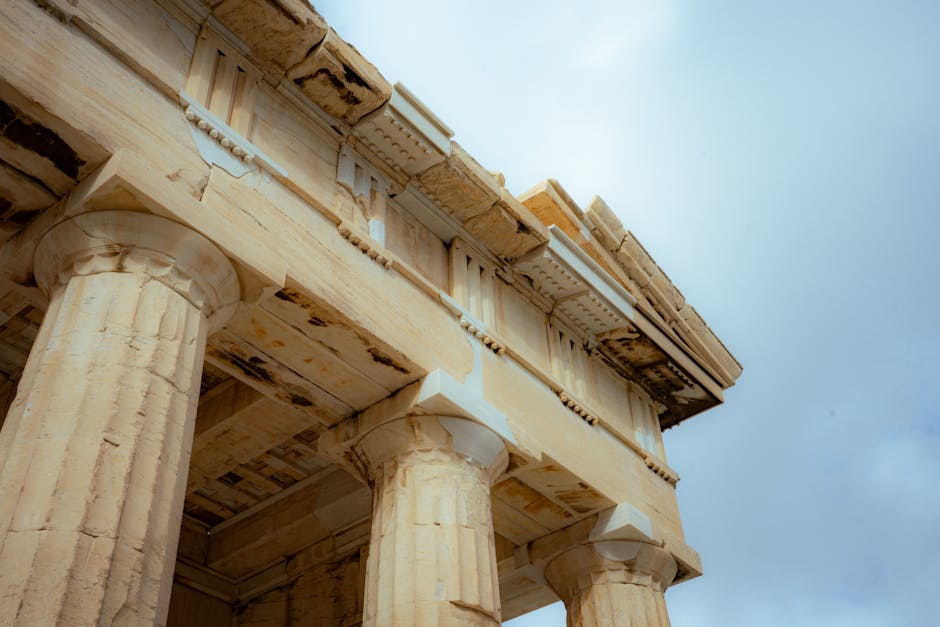
Explore the 'Athens of the South' on this self-guided walk through Centennial Park, featuring the world's only full-scale Parthenon replica.
 Easy
EasyNashville, United States
Explore Nashville's academic heart and Art Deco gems on this self-guided walk through historic Hillsboro Village.
 Easy
EasyNashville, United States
Explore the heart of Nashville's music industry. Discover iconic studios and the history of the legendary Nashville Sound at your own pace.
 Easy
EasyNashville, United States
Explore Nashville's oldest neighborhood! Discover Victorian architecture, Civil War history, and world-class craft beer on this self-guided walk.