Self-guided audio tour in St. Augustine
Start Free on iPhone
Start free on iPhone to unlock this self-guided walking tour in St. Augustine. Hear all the stories that make it amazing, walk at your own pace, and begin whenever you want.
Your Private Tour Guide
St. Augustine is often celebrated for its Spanish colonial architecture and turquoise waters, but there is a deeper, more courageous story etched into the streets of the Lincolnville neighborhood. This self-guided adventure takes you beyond the typical tourist paths to explore the Echoes of Freedom. As you embark on this walking route, you will discover how a community founded by formerly enslaved people became the epicenter of the American Civil Rights Movement in the 1960s. Your journey begins at the bayfront, where the massive walls of the Castillo de San Marcos stand as a testament to the city's strategic importance. However, as you move south into Lincolnville, the narrative shifts from colonial defense to the fight for equality. You will encounter the ACCORD Civil Rights Museum and the very churches where Dr. Martin Luther King Jr. spoke to crowds of activists. These sites are not just monuments; they are the backdrop of a struggle that eventually led to the passage of the Civil Rights Act of 1964. This neighborhood stroll also offers a look at the architectural diversity of St. Augustine, from the Gilded Age grandeur of the Lightner Museum to the humble, historic homes of Lincolnville. You will see the Excelsior Museum, once the first Black high school in the county, and the Saint Augustine Distillery, housed in a converted historic ice plant. The route then leads you north to the sacred grounds of the Mission Nombre de Dios and the Fountain of Youth, where the European story of Florida began. By choosing to explore independently, you can take the time to reflect at each stop, listening to the stories of the foot soldiers who marched for justice. Whether you are a history buff or a first-time visitor, this audio walk provides a comprehensive look at the complex legacy of Florida's oldest city. Prepare for a moderate walk that spans several centuries of history, offering a profound perspective on the cost of freedom. This walking tour St. Augustine experience is designed for those who want to see the city's soul.
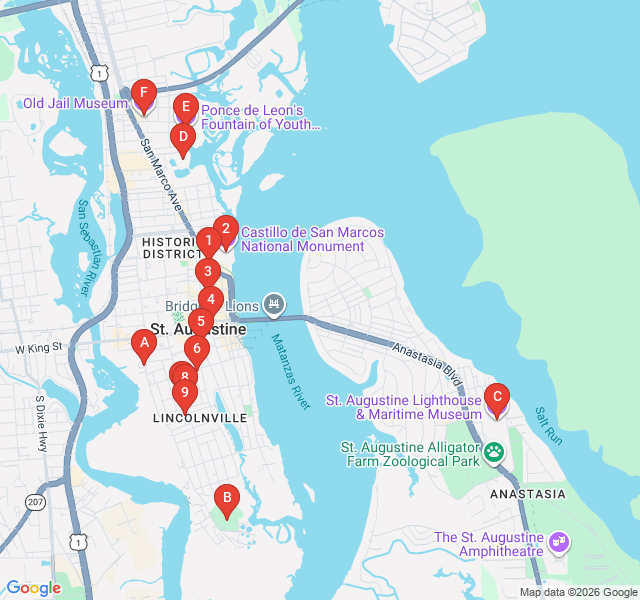
Numbers indicate the order of stops on the tour.
Welcome to the start of your journey. Before we dive into the Civil Rights history of Lincolnville, we begin at the edge of the Matanzas River. This museum houses one of the largest collections of authentic pirate artifacts in the world. It serves as a reminder of the city's early days as a Spanish colonial outpost constantly under threat from sea-bound marauders. St. Augustine's history has always been one of defense and survival, a theme that will echo throughout your walk today as we transition from the defense of a fort to the defense of human rights.
Standing before you is the oldest masonry fort in the continental United States. Built by the Spanish between 1672 and 1695, its walls are made of coquina, a unique limestone composed of shell fragments. This fort never fell in battle, despite numerous sieges. While it is a symbol of Spanish power, it also played a role in the African American story; many enslaved people from the northern British colonies sought refuge here, eventually forming Fort Mose, the first free Black settlement in what would become the US. The fort represents the beginning of the long road toward freedom in Florida.
As we move into the historic district, this museum offers a grim look at the methods of control used in centuries past. While the exhibits focus on European history, the theme of institutionalized cruelty provides a sobering context for the struggles for justice you will learn about in Lincolnville. It serves as a reminder of why the movement for civil rights and the establishment of legal protections for all citizens were so revolutionary and necessary for a modern society.
Walk through the narrow streets of the oldest continuously occupied European-established settlement in the US. This area, particularly the Plaza de la Constitución, was a major site of protest during the 1960s. Local activists, often led by teenagers, held sit-ins at lunch counters nearby. The 'St. Augustine Four' were young students who spent months in jail for trying to order a hamburger. Their bravery in these very streets drew national attention and was a catalyst for the Civil Rights Act of 1964.
This magnificent building was originally the Hotel Alcazar, built by railroad tycoon Henry Flagler in 1888. It represents the Gilded Age of St. Augustine when it was the 'Winter Newport' for the wealthy. Notice the Spanish Renaissance Revival architecture. While the elite socialized here, the labor that kept these grand hotels running often came from the Lincolnville community. The contrast between this opulence and the humble homes of the workers highlights the social divisions that the Civil Rights movement sought to bridge.
You are now in the heart of Lincolnville at the ACCORD Museum. This building was originally the dental office of Dr. Robert Hayling, a key leader of the St. Augustine movement. Dr. Hayling is often called the 'father' of the local Civil Rights struggle. He was instrumental in inviting Dr. Martin Luther King Jr. to the city. This museum is the first of its kind in Florida, preserving the stories of the 'foot soldiers'—the everyday citizens who risked their lives for equality in 1964.
Founded in 1911, this church was the center of the first Black Catholic parish in Florida. The school next door was built with funds from Saint Katharine Drexel, who dedicated her life and fortune to educating Black and Native American children. During the 1960s, this church served as a sanctuary and meeting place. Its beautiful red-brick architecture and quiet dignity stand as a monument to the resilience of the Lincolnville community through decades of segregation.
St. Paul African Methodist Episcopal Church is one of the most hallowed sites on this route. In 1964, Dr. Martin Luther King Jr. spoke from the pulpit here on multiple occasions, rallying the community for non-violent protests. The church was a staging ground for marches to the downtown Plaza. When you look at the facade, imagine the energy and courage of the hundreds of people who gathered here, knowing they might face arrest or violence just for demanding their basic rights.
This building was once Excelsior High School, the first public high school for Black students in St. Johns County, opened in 1925. For decades, it was the social and educational hub of Lincolnville. Today, it serves as a museum and community center, preserving local history. It tells the story of the teachers and students who excelled despite the systemic underfunding of segregated schools, proving that the desire for knowledge and community could not be suppressed.
Located in a beautifully restored 1907 ice plant, this distillery is a prime example of historic preservation. During the early 20th century, this plant provided the ice needed for the city's burgeoning shrimp industry. Many Lincolnville residents worked in the industries surrounding this site. Today, it represents the modern revitalization of the area, blending industrial heritage with contemporary local craft. It’s a great spot to see how the neighborhood's past is being woven into its future.
This park is named after a beloved local community leader. During the era of segregation, this was one of the few recreational spaces available to the Black community. It features the Willie Galimore Community Center, named for the local football legend who played for the Chicago Bears. The park remains a vital gathering place for Lincolnville residents, hosting festivals and events that celebrate the neighborhood's enduring spirit and cultural heritage.
Gaze across the water to the iconic black-and-white striped lighthouse. While it requires a short trip across the bridge, its history is tied to the city's maritime identity. African Americans served in various capacities in the maritime trades that the lighthouse supported. The lighthouse has guided sailors since 1874 and remains a beacon of the city's connection to the sea. It offers a panoramic view that helps you appreciate the geographic layout of the struggles and settlements you've explored.
We move to the northern end of the city to the Mission Nombre de Dios. This is where Pedro Menéndez de Avilés landed in 1565, founding the city and celebrating the first parish Mass in what is now the United States. The rustic altar and the Great Cross mark this as the 'Sacred Acre.' This site represents the very beginning of European and African presence in Florida, setting the stage for the centuries of complex interactions that followed.
Adjacent to the Mission is the site of the original 1565 Spanish settlement. While the legend of the 'Fountain of Youth' is what draws many, the real treasure here is the archaeological evidence of the Timucua village of Seloy and the first Spanish fort. It is a place where you can touch the deep roots of Florida's history, predating even the arrival of the Pilgrims at Plymouth Rock. It completes the narrative of St. Augustine's long, multi-layered history.
Our final stop is the Old Jail, built in 1891. During the 1964 Civil Rights protests, the local sheriff, L.O. Davis, used this jail and other makeshift facilities to hold hundreds of demonstrators, including Dr. King himself. The jail stands as a stark reminder of the law enforcement systems that activists were fighting against. As you conclude your walk, reflect on the transformation of St. Augustine from a city of colonial defense and segregation to a place that honors its diverse and difficult past.
Start Free on iPhone
Explore “Echoes of Freedom: Lincolnville Civil Rights Trail” with your very own Private Tour Guide with Zigway. Start free on iPhone, skip the large group and the fixed routes, and hear the city come alive as you go.
Your Private Tour Guide
Don't miss the good stuff
Explore Freely
 Moderate
St. Augustine, United States
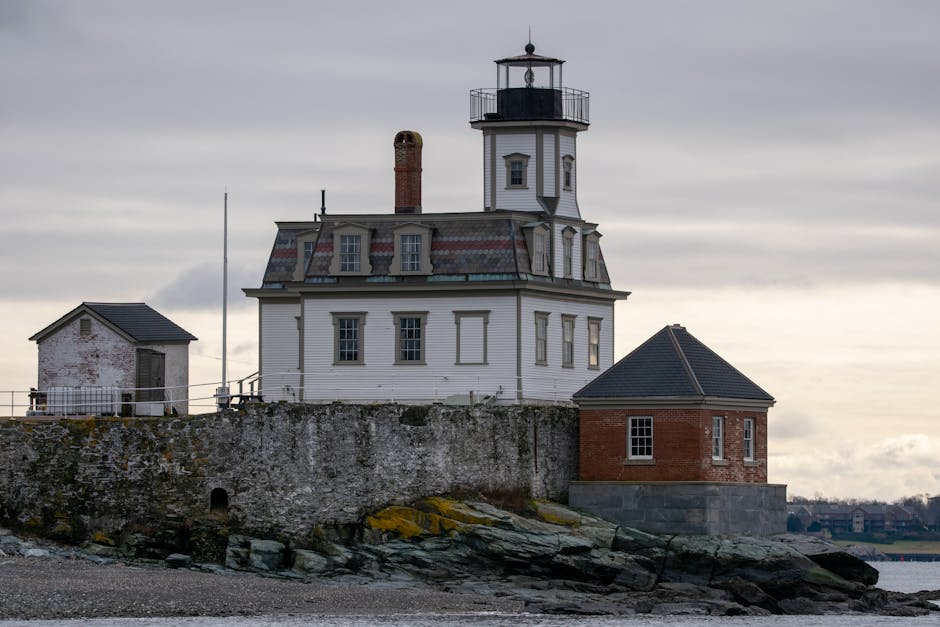
Explore maritime history and coastal nature on this self-guided walk from the Bridge of Lions to the dunes of Anastasia State Park.
 Easy
EasySt. Augustine, United States
Discover the Gilded Age grandeur of St. Augustine's Flagler District on this self-guided walking route through historic hotels and cathedrals.
 Easy
EasySt. Augustine, United States
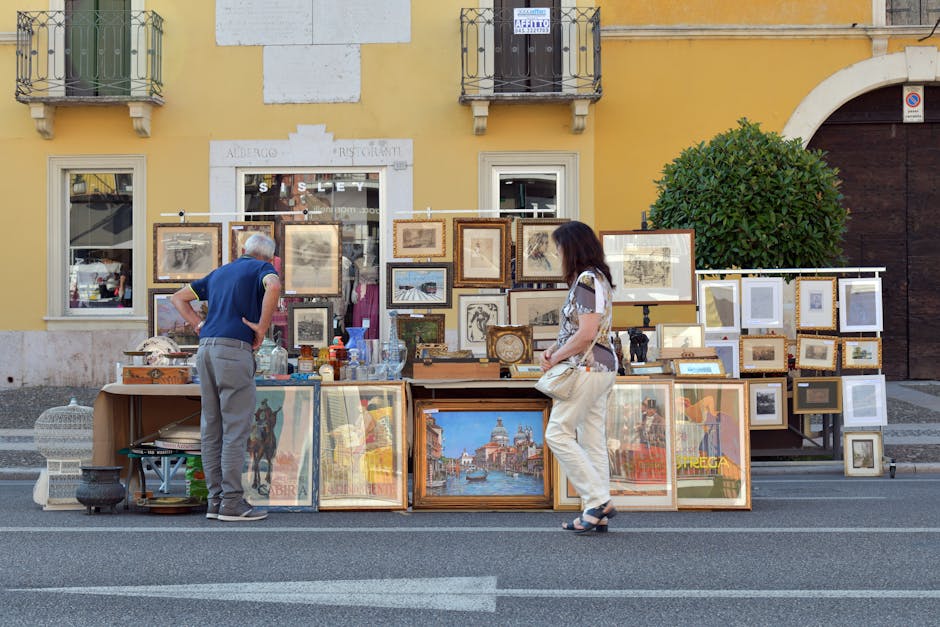
Explore the oldest street in America through its historic courtyards, military history, and vibrant local art galleries on this self-guided walk.
 Easy
EasySt. Augustine, United States
Explore the Golden Age of Piracy on this self-guided walking route through St. Augustine’s historic waterfront and defensive fortifications.
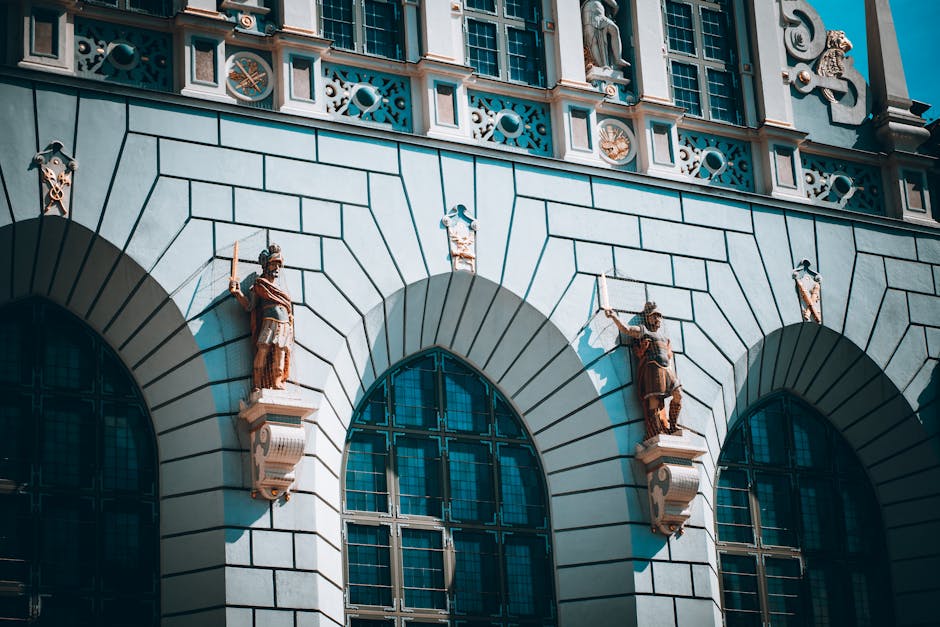 Moderate
Gdansk, Poland
Discover the origins of WWII in Gdansk on this self-guided walk through heroic last stands, massive museums, and strategic hilltop fortifications.
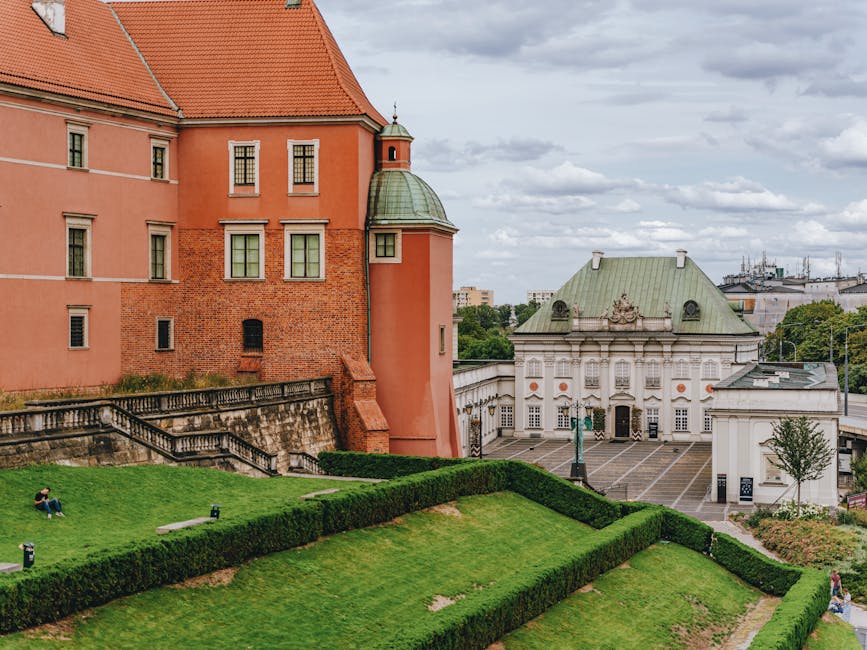 Moderate
Warsaw, Poland
A powerful self-guided walk through Warsaw's WWII history, tracking the 1944 Uprising from ruined skyscrapers to solemn memorials.
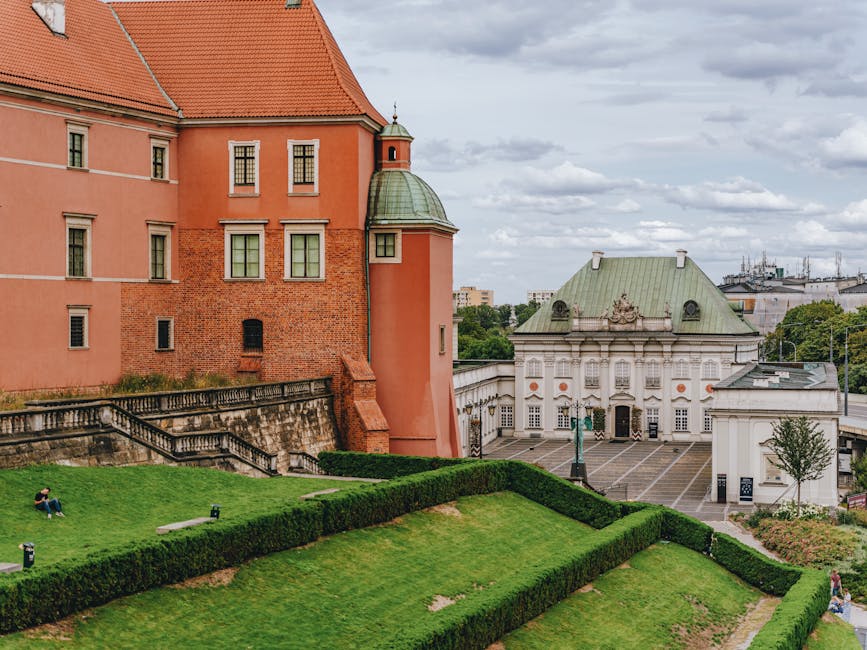 Moderate
Warsaw, Poland
Explore the resilient spirit of Warsaw's Muranów district on this self-guided walk through the history and landmarks of the former Jewish Ghetto.
 Easy
EasyNairobi, Kenya
Discover Nairobi’s literary soul on this self-guided walk through historic libraries, iconic bookshops, and cultural centers in the heart of the CBD.
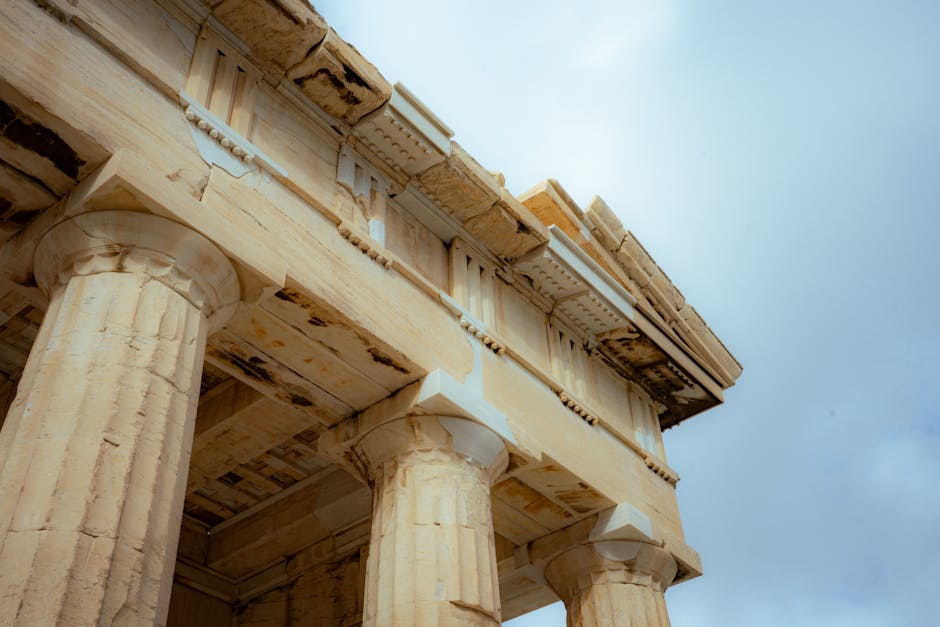 Easy
EasyNashville, United States
Explore the 'Athens of the South' on this self-guided walk through Centennial Park, featuring the world's only full-scale Parthenon replica.
 Easy
EasyNashville, United States
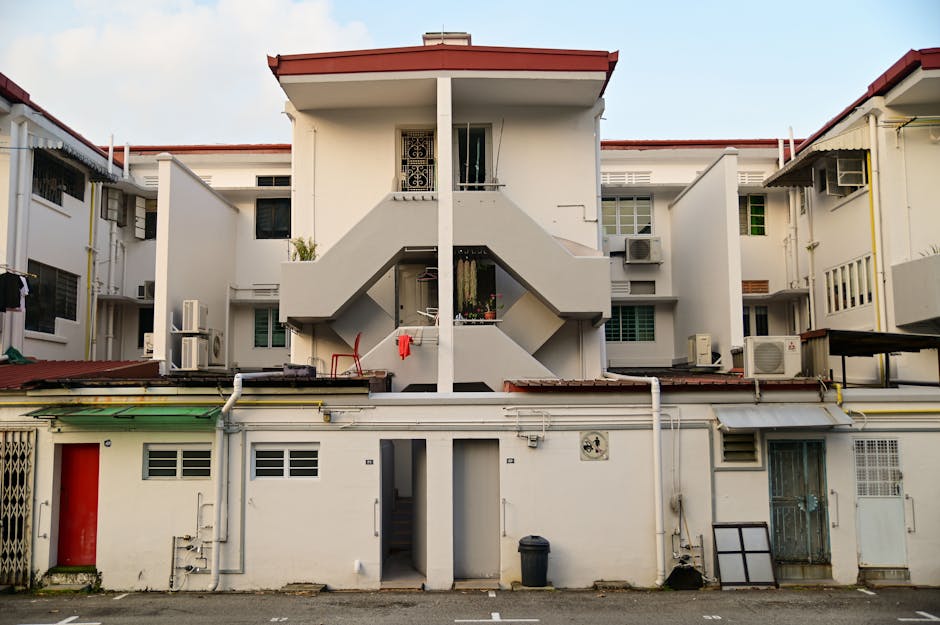
Explore Nashville's academic heart and Art Deco gems on this self-guided walk through historic Hillsboro Village.
 Easy
EasyNashville, United States
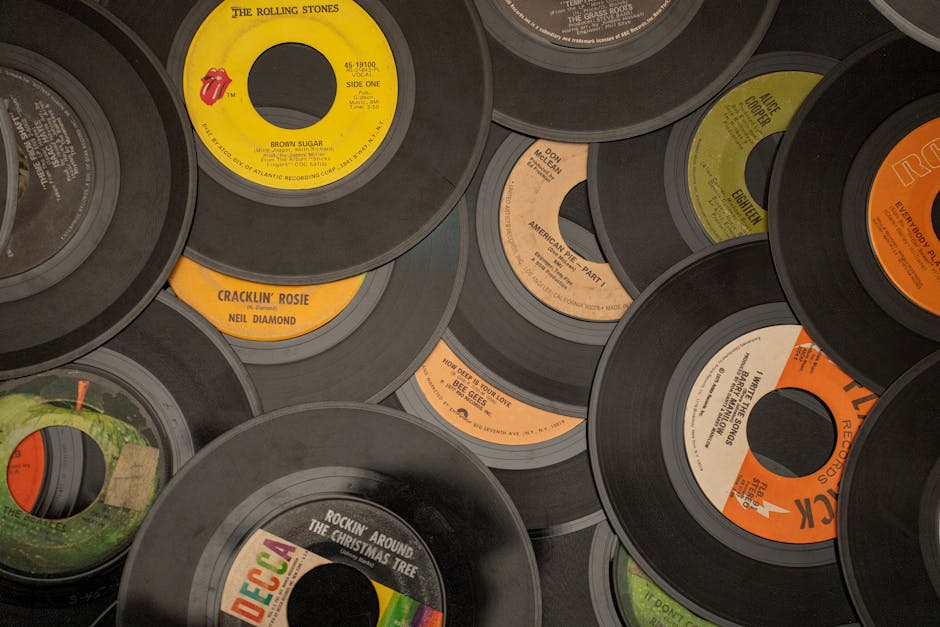
Explore the heart of Nashville's music industry. Discover iconic studios and the history of the legendary Nashville Sound at your own pace.
 Easy
EasyNashville, United States
Explore Nashville's oldest neighborhood! Discover Victorian architecture, Civil War history, and world-class craft beer on this self-guided walk.