Self-guided audio tour in Bucharest
Start Free on iPhone
Start free on iPhone to unlock this self-guided walking tour in Bucharest. Hear all the stories that make it amazing, walk at your own pace, and begin whenever you want.
Your Private Tour Guide
Step into the complex and often surreal history of Bucharest during its communist era on this self-guided walk. For decades, Romania’s capital was transformed by the ambitious and often devastating urban planning projects of Nicolae Ceaușescu, the country’s last communist leader. This route takes you through the heart of the Civic Center, an area that saw entire neighborhoods leveled to make way for grand socialist architecture. You will explore how the city earned the nickname 'Little Paris' and how that identity was systematically dismantled to create a new, brutalist vision. The journey begins at the massive fountains of Unirii Square, a centerpiece of the 'Victory of Socialism' boulevard, and leads you toward the staggering Palace of the Parliament, one of the largest buildings on earth. Along the way, you will discover the remarkable stories of survival, such as the historic churches that were physically moved on rails to hide them from the dictator's sight. The walk concludes at the sites of the 1989 Revolution, where the regime finally collapsed. This walking tour Bucharest provides a deep dive into the architecture of power and the resilience of a city that has emerged from the shadows of its past. It is an essential travel experience for those wanting to understand how modern Romania was forged through sacrifice and transformation. Whether you are a history buff or an architecture enthusiast, this self-guided walk offers a profound look at the scars and triumphs of Bucharest.
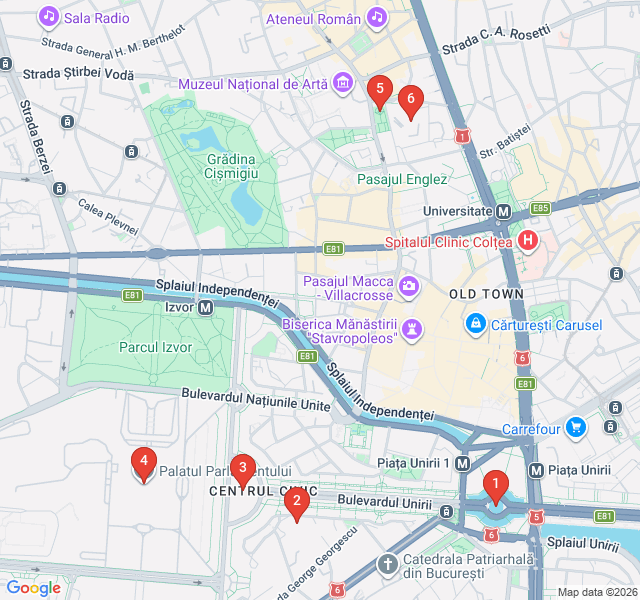
Numbers indicate the order of stops on the tour.
Welcome to Unirii Square, the symbolic heart of Nicolae Ceaușescu's 'New Bucharest.' These fountains are part of the 'Victory of Socialism' Boulevard, a project designed to surpass the Champs-Élysées in Paris. In the 1980s, thousands of historic homes, churches, and hospitals were demolished to create this grand axis. The fountains themselves were recently modernized, but they represent the scale of the regime's ambition to reshape the city’s identity. As you look down the long boulevard toward the Palace of the Parliament, you are seeing the result of one of the most radical urban planning projects in 20th-century Europe, where the needs of the individual were sacrificed for the ego of the state.
Tucked away behind massive communist apartment blocks, Antim Monastery is a miracle of survival. Built in the early 1700s, it is a masterpiece of the Brâncovenesc style, a unique Romanian architectural blend. During the 1980s demolitions, this monastery was scheduled for destruction. However, ingenious Romanian engineers developed a method to save several historic buildings by placing them on hydraulic tracks and moving them hundreds of meters. Antim Monastery was one of the survivors, hidden away from the main boulevard to satisfy Ceaușescu’s desire to keep religious symbols out of sight. Its quiet courtyard offers a stark contrast to the brutalist concrete surrounding it.
Constitution Square, or Piața Constituției, is the vast open space directly in front of the Palace of the Parliament. This was designed to be the stage for massive communist rallies and military parades, intended to showcase the unity and power of the Romanian Socialist Republic. Standing here, you can appreciate the full symmetry of the Civic Center. Notice the uniform facades of the surrounding buildings; these were designed as apartment blocks for the communist elite. Today, the square is used for concerts and public events, but its sheer scale remains a haunting reminder of the regime's desire to dwarf the individual through monumental urban design.
This is the Palace of the Parliament, the most visible legacy of Ceaușescu's rule. It is the heaviest building in the world and the second-largest administrative building after the Pentagon. Construction began in 1984, involving 700 architects and 20,000 workers. To build it, a fifth of central Bucharest was razed. Almost all the materials used—marble, crystal, wood, and steel—were sourced within Romania to prove the nation's self-sufficiency, even while its citizens faced extreme rationing. It remains a deeply polarizing symbol: for some, a monument to Romanian craftsmanship; for others, a reminder of the immense human and financial cost of a dictatorship.
Located in Revolution Square, the Memorial of Rebirth commemorates the victims of the 1989 Revolution that ended communist rule. The 25-meter-high marble pillar piercing a metal crown is meant to symbolize the struggle for freedom. It is a controversial piece of art, often nicknamed 'the potato on a stick' by locals, but its significance is undeniable. This area was the epicenter of the protests in December 1989. As you stand here, remember that this was the site where ordinary citizens faced down tanks and security forces to reclaim their democracy, ending nearly half a century of totalitarianism.
This building was once the headquarters of the Central Committee of the Romanian Communist Party. Look up at the balcony. On December 21, 1989, Nicolae Ceaușescu stood there to deliver what he thought would be a routine speech to calm the public. Instead, the crowd began to boo and chant 'Timișoara,' the name of the city where the uprising began. The confusion on the dictator's face was captured on live television, signaling to the entire nation that he had lost control. The following day, he and his wife Elena fled the building by helicopter from the roof, marking the final moments of their 24-year rule. This is where the shadow of communism finally broke.
Start Free on iPhone
Explore “Communist Shadows: The Rise and Fall of Ceaușescu” with your very own Private Tour Guide with Zigway. Start free on iPhone, skip the large group and the fixed routes, and hear the city come alive as you go.
Your Private Tour Guide
Don't miss the good stuff
Explore Freely
 Moderate
Bucharest, Romania
Explore Bucharest’s 'Little Paris' on this self-guided walk through grand parks, royal monuments, and the world-renowned National Village Museum.
 Moderate
Bucharest, Romania
Discover Bucharest’s soul through its flavors, from legendary market 'mici' to historic Old Town gems on this self-guided foodie adventure.
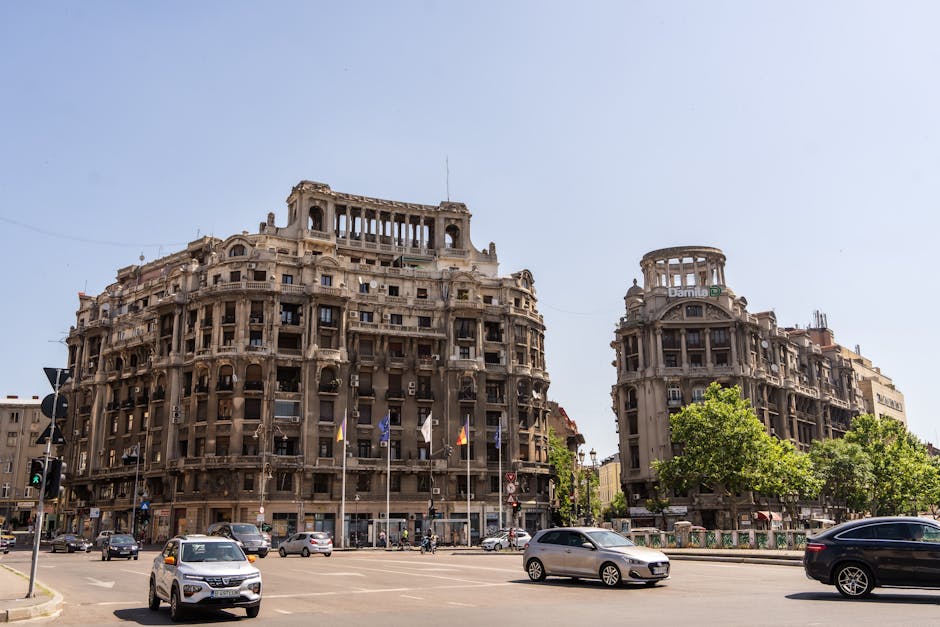 Easy
EasyBucharest, Romania
Discover the elegance of Cotroceni, a neighborhood of royal palaces, lush botanical gardens, and stunning interwar villas on this self-guided walk.
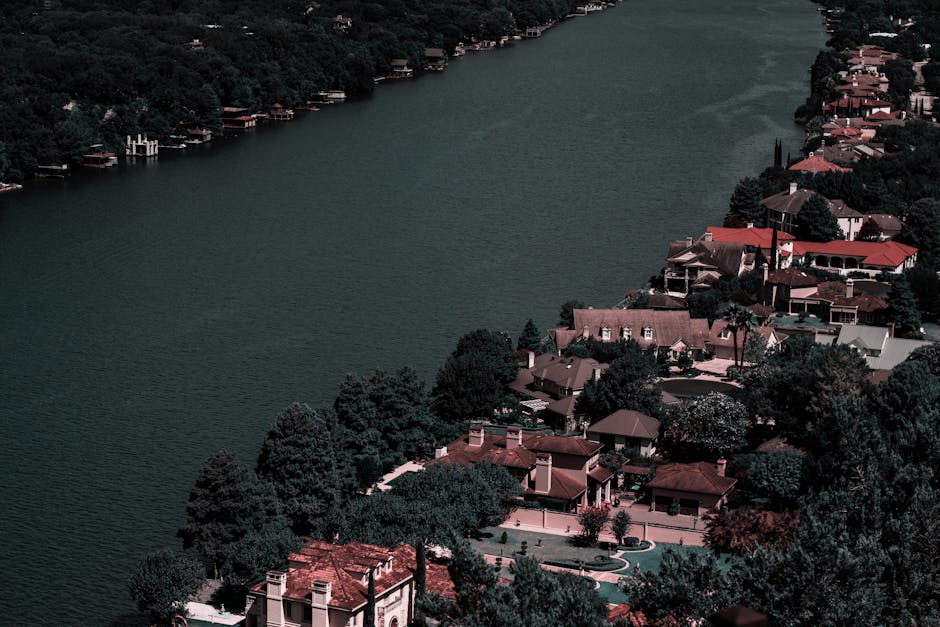 Easy
EasyBucharest, Romania
Discover Bucharest's hidden Armenian Quarter on this self-guided walk through merchant history, elegant villas, and the city's oldest private home.
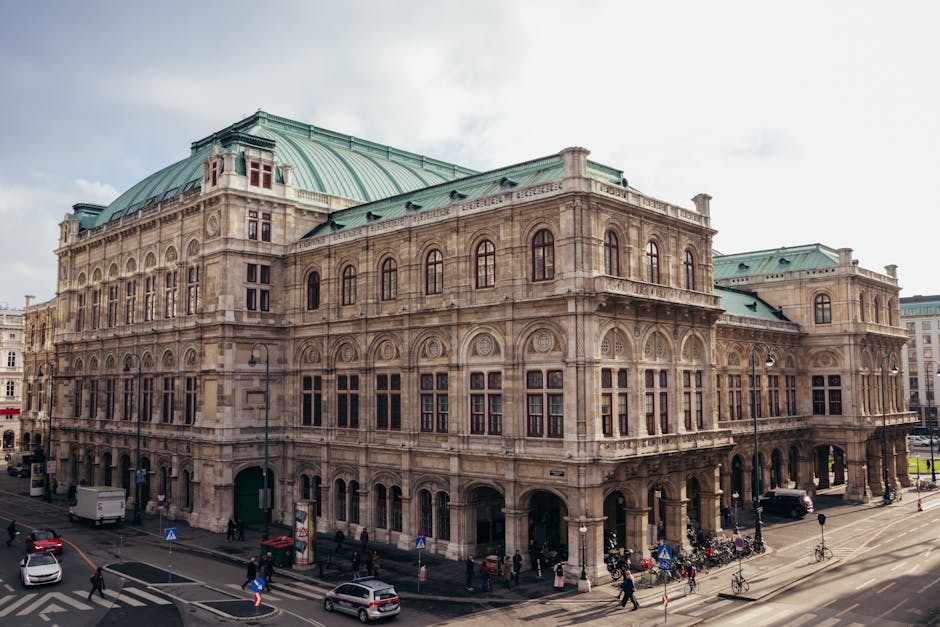 Moderate
Vienna, Austria
Follow the footsteps of Mozart and Strauss through Vienna’s historic center on this self-guided walk through the city's rich musical history.
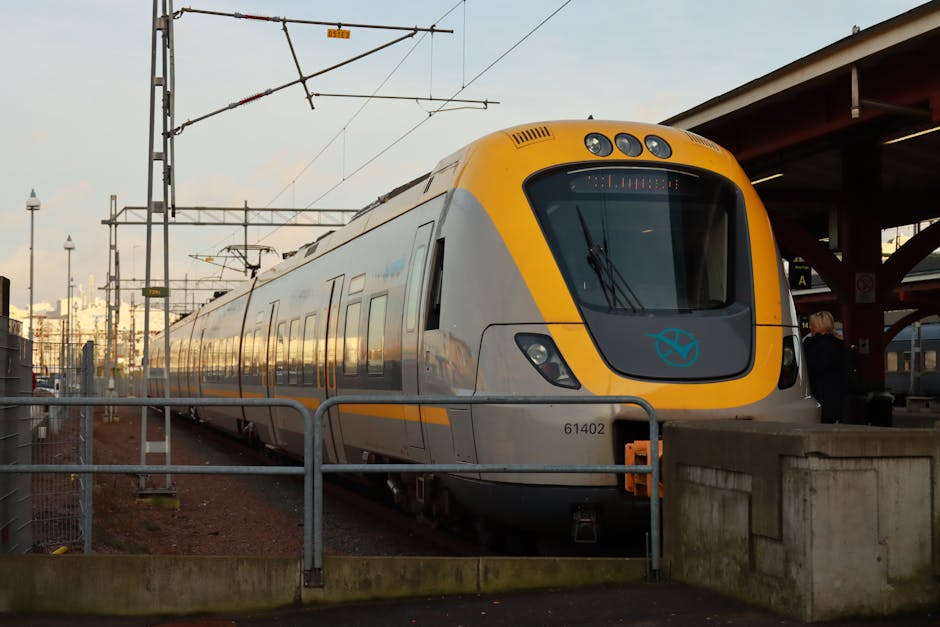 Moderate
Gothenburg, Sweden
Discover Gothenburg’s maritime soul on this self-guided walk from the historic Central Station to the scenic riverfront at Stenpiren.
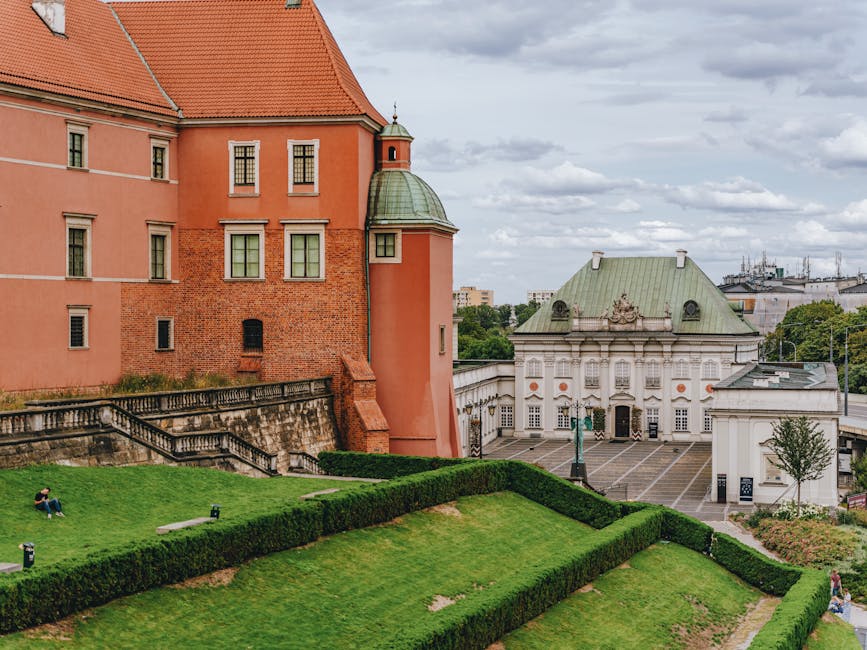 Moderate
Warsaw, Poland
Explore the resilient spirit of Warsaw's Muranów district on this self-guided walk through the history and landmarks of the former Jewish Ghetto.
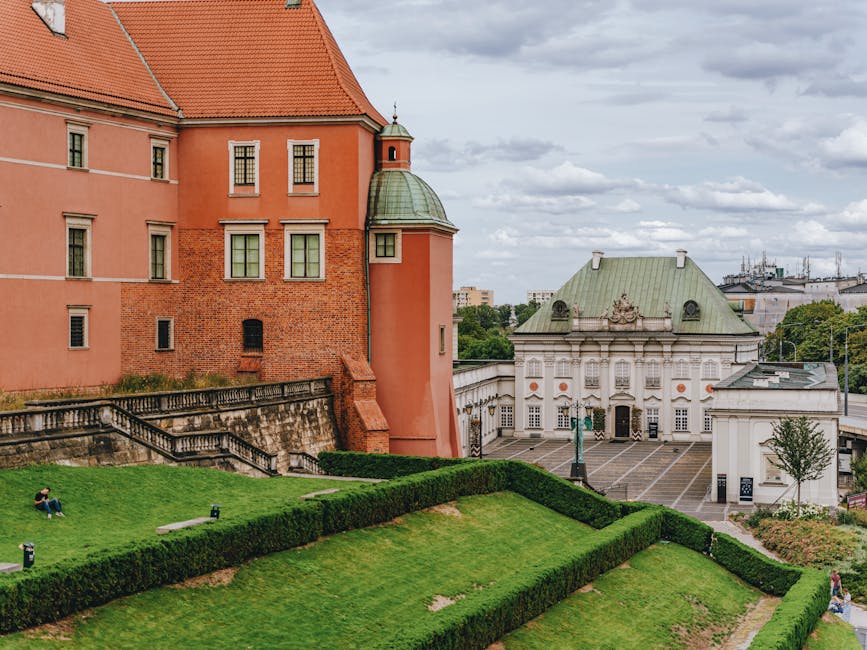 Moderate
Warsaw, Poland
A powerful self-guided walk through Warsaw's WWII history, tracking the 1944 Uprising from ruined skyscrapers to solemn memorials.
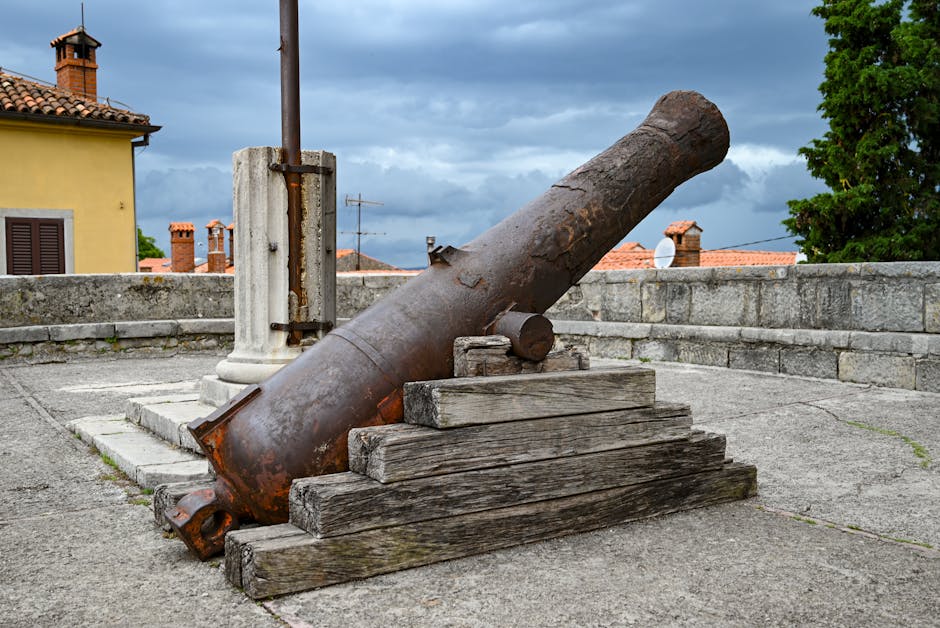 Moderate
Brasov, Romania
Explore Brasov's medieval fortress walls and guild-defended bastions on this atmospheric self-guided audio walk through the historic Old Town.
 Challenging
Brasov, Romania
Experience Brasov from above. A high-altitude self-guided walk through medieval towers, mountain trails, and the city's most iconic panoramic points.
 Easy
EasyBrasov, Romania
Discover the artistic soul of Brașov on this self-guided walk through historic theaters, art galleries, and legendary concert halls.
 Easy
EasyBrasov, Romania
Explore Brasov’s vibrant craft beer and wine scene on this self-guided stroll through the medieval Old Town and beyond.