Self-guided audio tour in Cluj-Napoca
Start Free on iPhone
Start free on iPhone to unlock this self-guided walking tour in Cluj-Napoca. Hear all the stories that make it amazing, walk at your own pace, and begin whenever you want.
Your Private Tour Guide
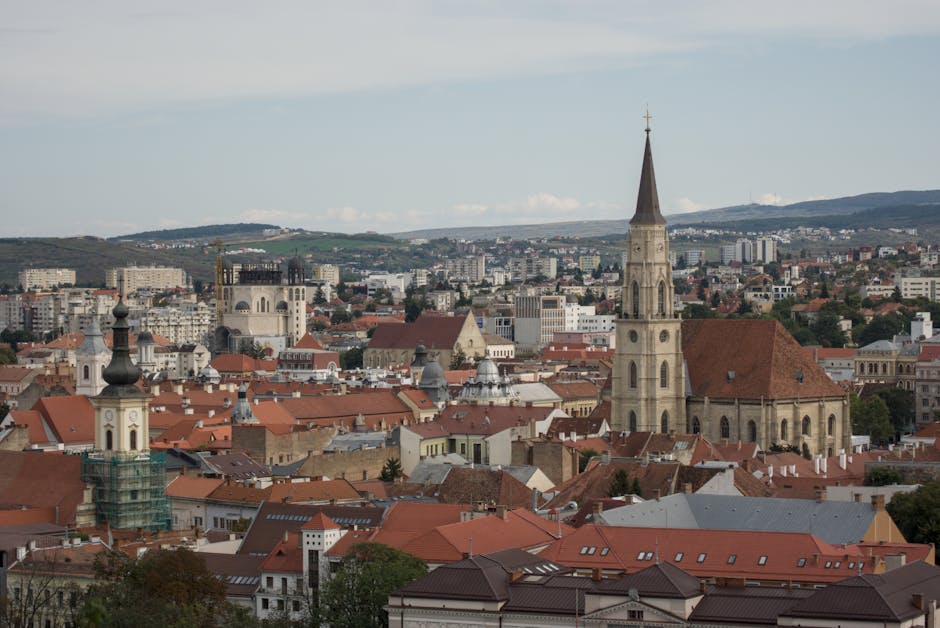
Step into the heart of Transylvania with this self-guided walk through Cluj-Napoca’s most evocative medieval streets. Known as Kolozsvár for centuries, this city served as a pivotal cultural and political hub for Central Europe. This walking route focuses on the Old Town's 'Gothic Giants,' taking you from the intimate, cobblestoned corners of the oldest square to the towering spires that define the skyline. As you explore independently, you will encounter the layers of history that shaped this city, from its status as a royal birthplace to its role as a fortified bastion of the Hungarian Kingdom and the Austrian Empire. The journey begins in Museum Square, the oldest part of the city, where the atmosphere remains remarkably preserved. You will wander past the Franciscan Church, a site that has transitioned through Romanesque and Gothic styles over nearly eight centuries. A major highlight of this neighborhood stroll is the Matthias Corvinus House; it is rare to stand before the exact birthplace of a legendary Renaissance king, and this 15th-century structure is one of the few secular buildings from that era still standing. Moving toward the grand Union Square, the scale of the architecture shifts. Here, the monumental St. Michael’s Church stands as a masterpiece of Gothic design, boasting the tallest church tower in Romania. Surrounding it, the Matthias Corvinus Monument captures the spirit of a golden age. This walking route concludes at the Tailors' Bastion, a formidable piece of the city's ancient defensive system. Throughout the walk, you’ll see how the city’s history is etched into its stone walls, from the coat of arms of noble families to the scars of medieval sieges. Whether you are a history enthusiast or an architecture lover, this self-guided adventure offers a deep dive into the secrets of Cluj-Napoca at your own pace, away from the constraints of a traditional guided tour Cluj-Napoca. It is a perfect introduction for those who want to understand why this city remains the unofficial capital of Transylvania.
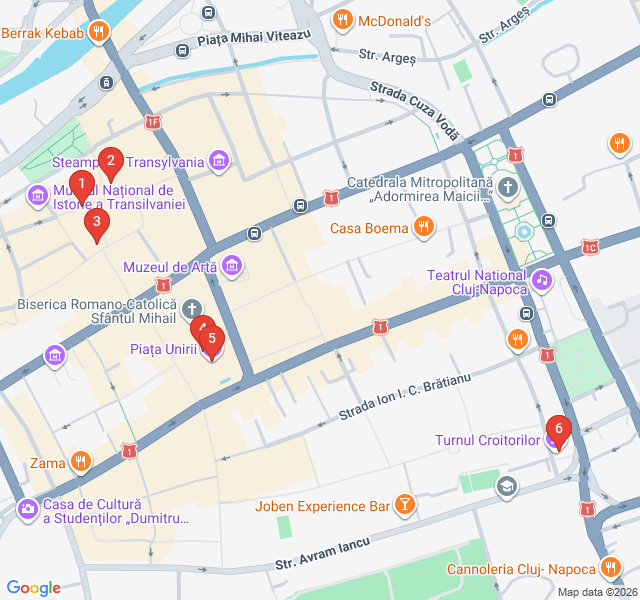
Numbers indicate the order of stops on the tour.
Welcome to Museum Square, or Piața Muzeului, the oldest square in Cluj-Napoca. This area marks the center of the first fortified enclosure of the medieval city. As you look around, notice the Carolina Obelisk in the center—it was the first secular monument in the city, built to commemorate the 1817 visit of Emperor Francis I and Empress Caroline Augusta. The square is a perfect example of how Cluj layers its history; Roman ruins lie beneath your feet, while the surrounding buildings showcase a mix of Gothic, Baroque, and Renaissance elements. Today, it is a pedestrian-friendly haven known for its vibrant cafe culture and tranquil atmosphere.
Standing on the north side of Museum Square is the Franciscan Church. This site has been a place of worship since the 13th century. Originally built in a Romanesque style, it was destroyed during the Mongol invasion and later rebuilt in the Gothic style you see today, with later Baroque additions to the interior. The church was part of a larger monastery complex that even served as a school. Take a moment to admire the intricate stonework on the facade, which reflects the spiritual and architectural transitions of the city through the Reformation and Counter-Reformation eras.
This modest but sturdy building is one of the most famous addresses in Transylvania. In 1443, Matthias Corvinus, who would become one of Hungary’s greatest kings, was born here. At the time, the house served as an inn, which is why a royal was born in what looks like a commoner's dwelling. It is one of the oldest secular buildings in Cluj, surviving centuries of urban development. Notice the Gothic window frames and the plaque above the door. Matthias was known as 'Matthias the Just,' and his reign is considered a golden age of Renaissance culture and military strength in Central Europe.
Arriving in Union Square, you are greeted by the city's most iconic bronze. This monument, unveiled in 1902, depicts King Matthias on horseback, surrounded by his four most prominent generals. It was designed by János Fadrusz and won the grand prize at the 1900 Paris World's Fair. The king is portrayed as a powerful, calm leader overlooking his city. This monument is more than just art; it is a symbol of the complex, shared history of the various ethnic groups that have called Cluj home. It serves as the primary meeting point for locals and a central anchor for the city’s identity.
Dominating the square is St. Michael's Church, one of the finest examples of Gothic architecture in Romania. Construction began in the 14th century and took over a hundred years to complete. The church has witnessed some of the most important events in Transylvanian history, including the inauguration of several Princes of Transylvania. Its neo-Gothic clock tower, added in the 19th century, stands 80 meters high, making it the tallest in the region. Inside, the soaring vaults and medieval frescoes offer a quiet space for reflection amidst the bustle of the modern city center.
To finish this walking route, we head to the south-eastern corner of the old citadel to the Tailors' Bastion. Named after the Guild of Tailors who were responsible for its defense and maintenance, this is one of the few remaining sections of the city's medieval walls. Built of massive stone blocks, it stood as a primary defense against Ottoman incursions. Today, the bastion has been beautifully restored and serves as a cultural center. It stands as a reminder of a time when the safety of the city depended on the strength of its walls and the dedication of its merchant guilds.
Start Free on iPhone
Explore “Gothic Giants and Medieval Secrets” with your very own Private Tour Guide with Zigway. Start free on iPhone, skip the large group and the fixed routes, and hear the city come alive as you go.
Your Private Tour Guide
Don't miss the good stuff
Explore Freely
 Easy
EasyCluj-Napoca, Romania
Explore Cluj's surreal steampunk bars and underground jazz scene on this immersive self-guided night walk.
 Easy
EasyCluj-Napoca, Romania
Discover the lush side of Cluj-Napoca on this self-guided walk through botanical wonders, historic parks, and panoramic hilltop vistas.
 Moderate
Cluj-Napoca, Romania
Explore the 'Père Lachaise of the East' on this self-guided walk through Cluj-Napoca’s historic and atmospheric Hajongard Cemetery.
 Easy
EasyCluj-Napoca, Romania
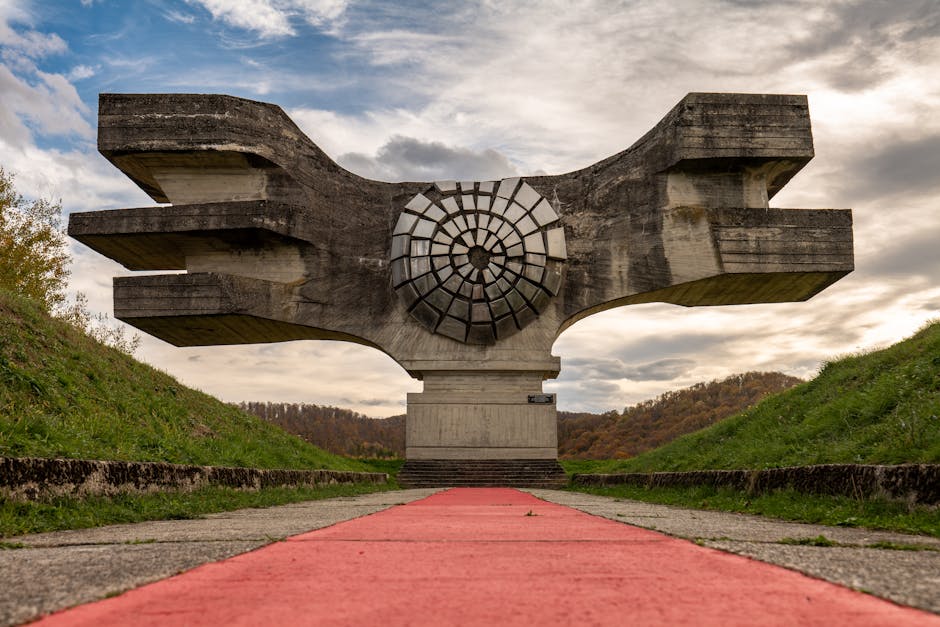
Explore the bold Brutalist architecture and Socialist Modernism that redefined Cluj-Napoca's skyline during the Communist era.
 Easy
EasySalzburg, Austria
Discover the 'Rome of the North' on this self-guided walk through the Baroque squares and monumental legacy of Salzburg’s Prince-Archbishops.
 Easy
EasyNairobi, Kenya
Explore Nairobi's architectural evolution from colonial-era landmarks to iconic Brutalist skyscrapers on this historic self-guided walking route.
 Easy
EasyNairobi, Kenya
Discover Nairobi's iconic skyline on this self-guided architecture walk through the CBD’s most famous modernist and Brutalist landmarks.
 Easy
EasyKrakow, Poland
Explore the historic heart of Kazimierz on this self-guided walk through synagogues, ancient cemeteries, and vibrant squares.
 Moderate
Bucharest, Romania
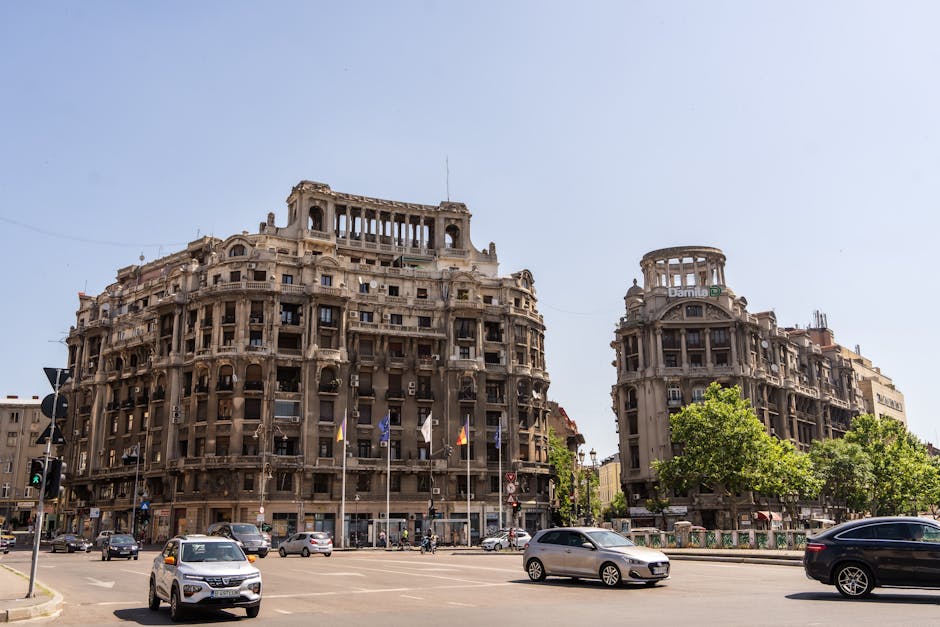
Explore Bucharest’s 'Little Paris' on this self-guided walk through grand parks, royal monuments, and the world-renowned National Village Museum.
 Moderate
Bucharest, Romania
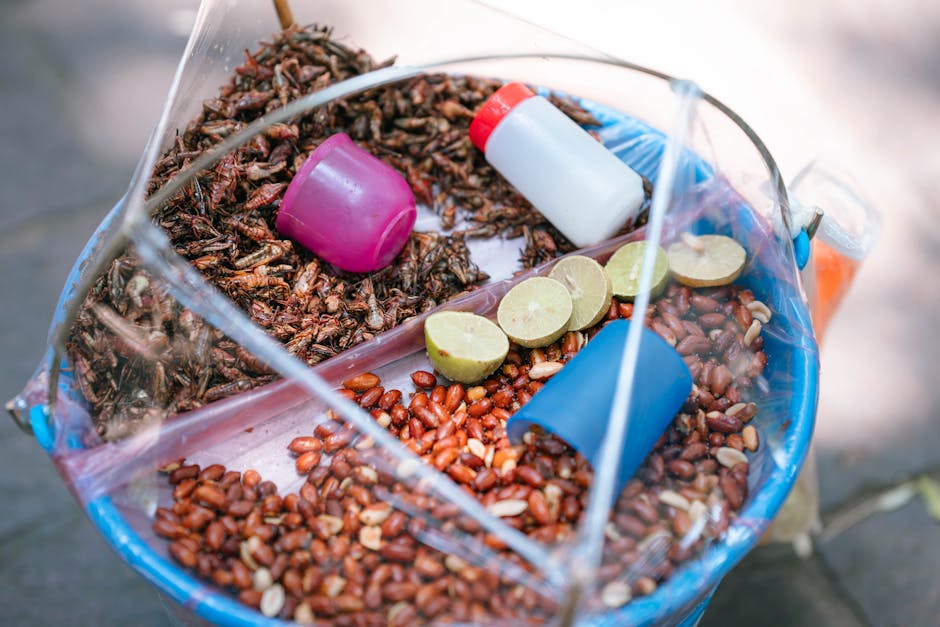
Discover Bucharest’s soul through its flavors, from legendary market 'mici' to historic Old Town gems on this self-guided foodie adventure.
 Easy
EasyBucharest, Romania
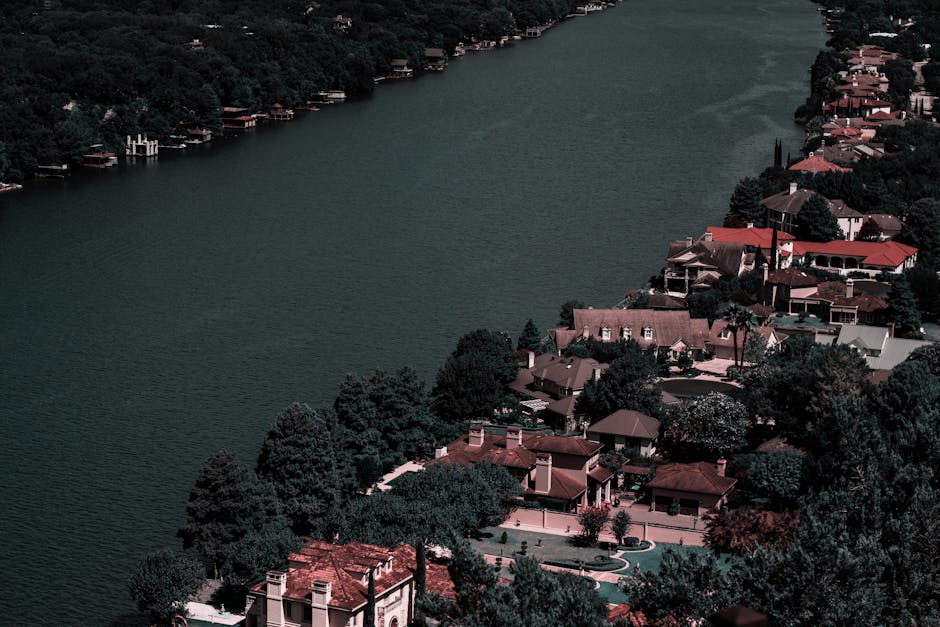
Discover the elegance of Cotroceni, a neighborhood of royal palaces, lush botanical gardens, and stunning interwar villas on this self-guided walk.
 Easy
EasyBucharest, Romania
Discover Bucharest's hidden Armenian Quarter on this self-guided walk through merchant history, elegant villas, and the city's oldest private home.