Self-guided audio tour in Cluj-Napoca
Start Free on iPhone
Start free on iPhone to unlock this self-guided walking tour in Cluj-Napoca. Hear all the stories that make it amazing, walk at your own pace, and begin whenever you want.
Your Private Tour Guide
Cluj-Napoca, once known as the 'Treasure City' of Transylvania, holds layers of history that many visitors overlook. This self-guided walk explores the city's complex narrative, focusing on the vibrant and often poignant history of its Jewish community alongside its grand Austro-Hungarian architecture. As you begin your self-guided adventure in the heart of the city, you will see how the medieval core blends seamlessly into the 19th-century 'New Town' along Horea Street, which served as the center of Jewish life for generations. This walking route takes you from the iconic Unirii Square to the quiet, dignified synagogues that stand as testaments to resilience. You will explore the architectural evolution of the city, from the Gothic elegance of St. Michael's Church to the Neo-Moorish flourishes of the Neologue Synagogue. Along the way, this walking tour Cluj-Napoca highlights the stories of intellectuals, merchants, and artists who shaped the city's cultural identity before the tragedies of the mid-20th century. Beyond the religious sites, the route includes landmarks like the former New York Hotel and the Art Museum, housed in the Baroque Bánffy Palace. The journey also climbs to the Cetățuia hill for a panoramic view of the city, helping you visualize the urban expansion of the 18th and 19th centuries. This walking tour Cluj-Napoca is designed for those who want to discover the city at their own pace, moving from the bustling center to the more serene, historic neighborhoods. Whether you are interested in religious history, Belle Époque architecture, or the local steampunk subculture, this audio walk provides a comprehensive look at the echoes of the past that still resonate in modern Cluj. Prepare to see the city not just as a modern tech hub, but as a mosaic of cultures and memories.
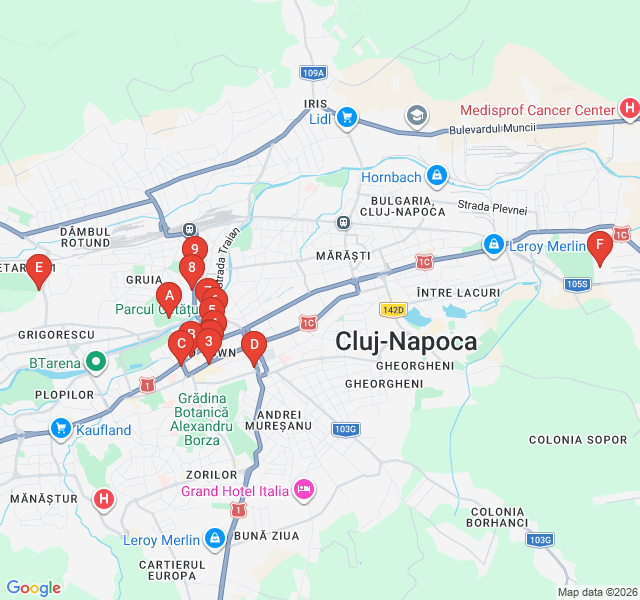
Numbers indicate the order of stops on the tour.
Welcome to the beating heart of Cluj-Napoca. Unirii Square, or Union Square, is one of the largest medieval squares in Southeastern Europe. Dominating the space is St. Michael's Church, a masterpiece of Gothic architecture. Historically, this square was the center of public life, where markets were held and major political events unfolded. As you look around, notice the blend of styles—from the medieval church to the Baroque and Neoclassical buildings lining the perimeter. This square serves as the perfect starting point for our journey through the city's multi-layered history, where Hungarian, Romanian, and Jewish cultures have overlapped for centuries. Take a moment to appreciate the scale of this space before we move toward the most famous monument in the city.
Standing proudly in front of the church is the Matthias Rex Monument, dedicated to Matthias Corvinus, one of the most celebrated kings of Hungary, who was born right here in Cluj. Unveiled in 1902, this bronze statuary group reflects the city's significance during the Austro-Hungarian era. The king is depicted on horseback, surrounded by his generals. For the Jewish community of that era, the reign of King Matthias was often remembered as a period of relative stability and protection compared to earlier centuries. The monument is a symbol of the city's royal connections and its role as a regional capital. From here, we will transition from the medieval and royal history toward the elegant 19th-century developments of the city center.
At the corner of the square stands a building that epitomizes the Belle Époque: the former New York Hotel, now known as the Continental. Designed by Lajos Pákey and opened in 1894, it was the height of luxury, featuring the city's first electric elevator. For decades, its café was the meeting place for Cluj’s intellectual elite, including many Jewish writers, journalists, and artists who helped shape the city's vibrant cultural life. During the late 19th century, the Jewish community was highly integrated into the city's professional and social fabric. Imagine the lively debates and the smell of coffee that once filled these halls, which served as a social bridge between the various ethnic groups of the city.
Housed in the Bánffy Palace, the Art Museum is a stunning example of Baroque architecture. Built in the late 18th century for the Governor of Transylvania, the palace has seen the city's transition from an aristocratic stronghold to a modern cultural hub. While the palace itself represents the Hungarian nobility, the museum's collection and the building's history are intertwined with the city's broader narrative. During the 20th century, many Jewish art collectors and artists contributed to the cultural wealth preserved within these walls. The intricate stone carvings and the grand courtyard offer a glimpse into the opulent lifestyle of the Transylvanian elite before the industrial age began to transform the city's social structure.
Just a short walk away, we find a more modern and quirky side of Cluj. Steampunk Transylvania is a unique museum and gallery that celebrates the fusion of 19th-century industrial aesthetics with fantasy. While it may seem like a departure from our historical trail, it actually highlights the city's long-standing fascination with technology and innovation—a trait that was shared by the Jewish merchants and industrialists who helped modernize Cluj in the late 1800s. The city's transition from a provincial town to an industrial center was rapid, and this museum captures that 'Age of Steam' spirit in a creative, immersive way. It’s a testament to the city’s ongoing reputation as a center for creativity and forward-thinking ideas.
As we move toward Horea Street, we encounter the Orthodox Synagogue. Built in 1851, this is one of the few synagogues in the city that still serves its original purpose for the small remaining Jewish community. Its architecture is modest but significant, reflecting the traditionalist branch of the community that sought to maintain strict religious customs amidst the rapid modernization of the 19th century. In the early 1900s, this area was the start of the Jewish quarter, a bustling district filled with kosher shops, schools, and workshops. The presence of this synagogue reminds us of the diversity within the Jewish community itself, which was divided into Orthodox, Neologue, and Status Quo Ante congregations.
We now arrive at Mihai Viteazul Square, named after Michael the Brave, the first prince to briefly unite the three Romanian principalities in 1600. The large equestrian statue was erected in the 1970s, during the communist era, to emphasize Romanian national identity. This square is a fascinating example of how different eras use public space to project political messages. Historically, this area was just outside the old city walls and served as a transition zone between the medieval center and the newer 19th-century districts. For the Jewish residents living nearby on Horea Street, this square was a daily crossing point as they moved between the traditional Jewish businesses and the administrative heart of the city.
Located along Horea Street, the building of the former Jewish School stands as a silent witness to the community's commitment to education and social progress. Established in the late 19th century, the school provided a modern education that allowed Jewish youth to integrate into the professional life of the Austro-Hungarian Empire. The curriculum was rigorous, often taught in Hungarian and later Romanian, reflecting the community's linguistic adaptability. During the dark years of the 1940s, this area became part of the ghetto where the city's Jewish population was forcibly concentrated before deportation. Today, while the building serves other purposes, its facade remains a reminder of the thousands of students who once walked these halls, dreaming of a bright future.
The Neologue Synagogue, also known as the Memorial Temple of the Deported, is perhaps the most striking Jewish landmark in Cluj. Built in 1887 in a Moorish-Byzantine style, its magnificent domes and intricate brickwork reflect the wealth and integration of the Neologue community—those who embraced modern culture alongside their faith. Sadly, the synagogue was severely damaged by the Iron Guard in 1927 and later by bombings in 1944. It was meticulously restored after the war and now serves as a memorial to the 16,000 Jews from Cluj who were deported to Auschwitz. Standing before it, one feels the weight of history and the resilience of a community that refused to be forgotten.
To reach Cetățuia, you'll need to cross the Someș River and climb the stairs of the hill. This plateau was once the site of a Vauban-style fortress built by the Habsburgs in the 18th century to control the city. Today, it offers the best panoramic view of Cluj-Napoca. From here, you can see the entire layout of the city: the Gothic spires of the center, the industrial zones to the east, and the winding Horea Street where we just walked. Historically, the hill was also a place of darker memories; during the 1848 revolution, it served as a prison. For our trail, it provides a moment of reflection, looking down upon the streets that have seen so much change and cultural exchange.
Returning to the city center, we visit the Ethnographical Museum of Transylvania, housed in the Reduta building. This museum is one of the oldest and most important of its kind in Romania. While its primary focus is on rural Transylvanian life, the building itself is historically significant for our trail. It was here that the Transylvanian Diet met, and it was also the site of the famous 'Memorandum' trial in 1894. The museum’s existence speaks to the complex ethnic tapestry of the region. Understanding the rural roots of the Romanian and Hungarian populations provides context for the urban diversity of Cluj, where the Jewish community acted as a vital economic and cultural bridge between the rural producers and the global market.
The City Hall building is a grand example of Neoclassical architecture with Viennese influences, completed at the end of the 19th century. As the administrative heart of the city, this building oversaw the rapid expansion of Cluj during the era of Emancipation, when Jews were finally granted full civil rights in the Austro-Hungarian Empire. This legal shift allowed the community to contribute even more significantly to the city's development, from banking to the arts. The elegance of the City Hall reflects the ambitions of Cluj to be a 'Little Budapest' or 'Little Vienna' on the edge of the empire—a goal that was largely achieved through the cooperation of its diverse ethnic groups.
The Tailors' Tower (Turnul Croitorilor) is one of the few remaining parts of the city's medieval fortification system. Named after the guild that was responsible for its defense, the tower has survived numerous sieges and fires. In the context of our heritage trail, the tower represents the 'closed' medieval city where Jewish residents were originally restricted from living within the walls. It wasn't until the late 18th and early 19th centuries that these restrictions were eased, allowing the community to settle in the areas we've explored today. The tower now serves as a cultural center, hosting exhibitions that often explore the city's multicultural past, symbolizing the transition from a fortified stronghold to an open, modern city.
A short distance from the city center lies the Romulus Vuia Ethnographic Park, the first open-air museum in Romania. This park features authentic peasant houses, churches, and workshops brought from all over Transylvania. While the focus is on rural life, it’s important to note that Jewish families were also a presence in the Transylvanian countryside, often serving as innkeepers, millers, or craftsmen. These rural Jewish communities were deeply integrated into village life before the urbanization of the late 19th century. Walking through this peaceful park allows you to visualize the traditional environment from which many of the city's later residents emerged, bringing their customs and resilience with them to the urban landscape of Cluj.
Our final stop is MINA Cluj, the Museum of Immersive New Art. Located in a repurposed industrial space, this museum uses cutting-edge digital technology to create immersive art experiences. It represents the newest chapter in Cluj-Napoca's history: its transformation into the 'Silicon Valley of Europe.' Just as the Jewish community once led the way in the city's industrial and cultural modernization, today’s tech and art pioneers are pushing the boundaries of what Cluj can be. Ending our walk here bridges the gap between the 'Echoes of the Past' and the digital future of the city. It is a reminder that while history is preserved in stone and memory, the city continues to evolve and reinvent itself.
Start Free on iPhone
Explore “Echoes of the Past: Jewish Heritage Trail” with your very own Private Tour Guide with Zigway. Start free on iPhone, skip the large group and the fixed routes, and hear the city come alive as you go.
Your Private Tour Guide
Don't miss the good stuff
Explore Freely
 Easy
EasyCluj-Napoca, Romania
Explore Cluj's surreal steampunk bars and underground jazz scene on this immersive self-guided night walk.
 Easy
EasyCluj-Napoca, Romania
Discover the lush side of Cluj-Napoca on this self-guided walk through botanical wonders, historic parks, and panoramic hilltop vistas.
 Moderate
Cluj-Napoca, Romania
Explore the 'Père Lachaise of the East' on this self-guided walk through Cluj-Napoca’s historic and atmospheric Hajongard Cemetery.
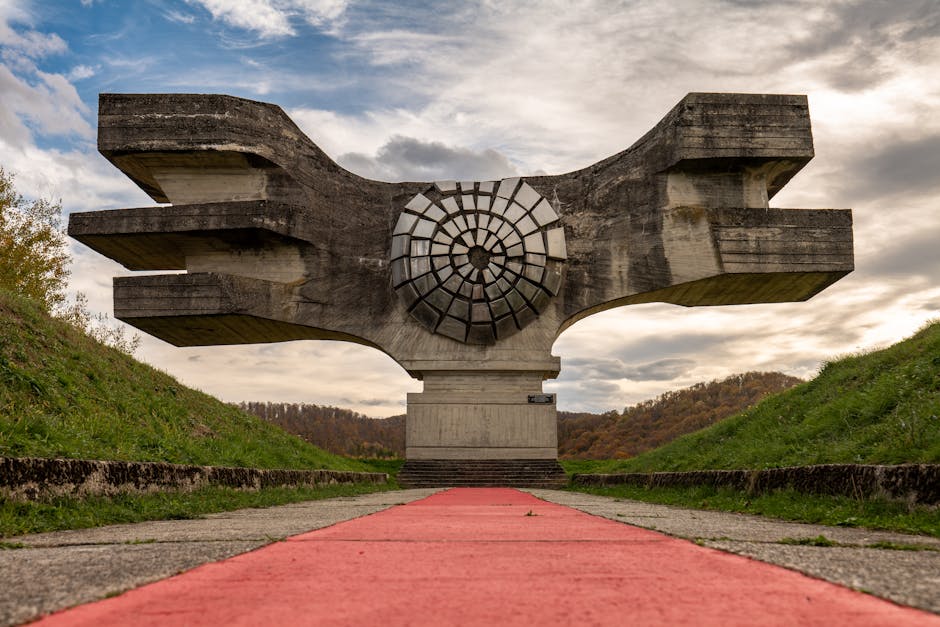 Easy
EasyCluj-Napoca, Romania
Explore the bold Brutalist architecture and Socialist Modernism that redefined Cluj-Napoca's skyline during the Communist era.
 Easy
EasyKrakow, Poland
Explore the prestigious Jagiellonian University district, featuring Neo-Gothic architecture, Baroque churches, and Krakow's hidden scholarly gems.
 Easy
EasySalzburg, Austria
Discover the 'Rome of the North' on this self-guided walk through the Baroque squares and monumental legacy of Salzburg’s Prince-Archbishops.
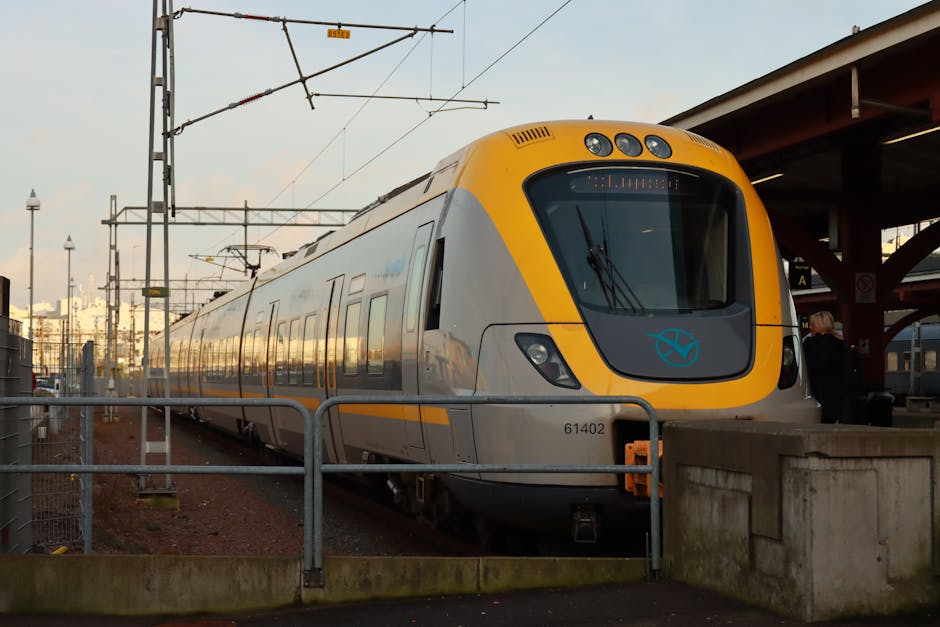 Easy
EasyGothenburg, Sweden
Discover Gothenburg’s 17th-century Dutch foundations, historic canals, and military fortifications on this self-guided architectural walk.
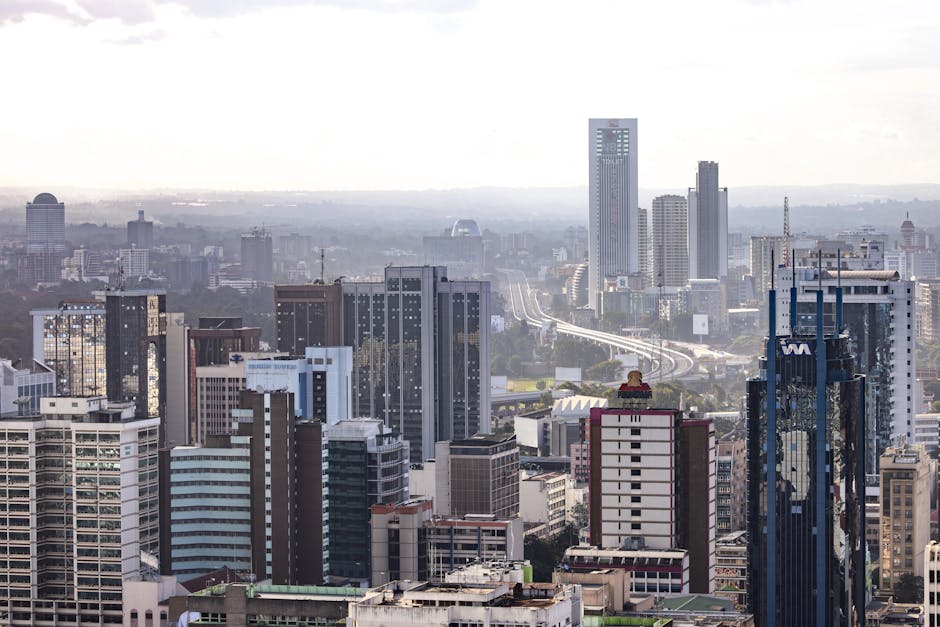 Easy
EasyNairobi, Kenya
Explore Nairobi's architectural evolution from colonial-era landmarks to iconic Brutalist skyscrapers on this historic self-guided walking route.
 Moderate
Bucharest, Romania
Explore Bucharest’s 'Little Paris' on this self-guided walk through grand parks, royal monuments, and the world-renowned National Village Museum.
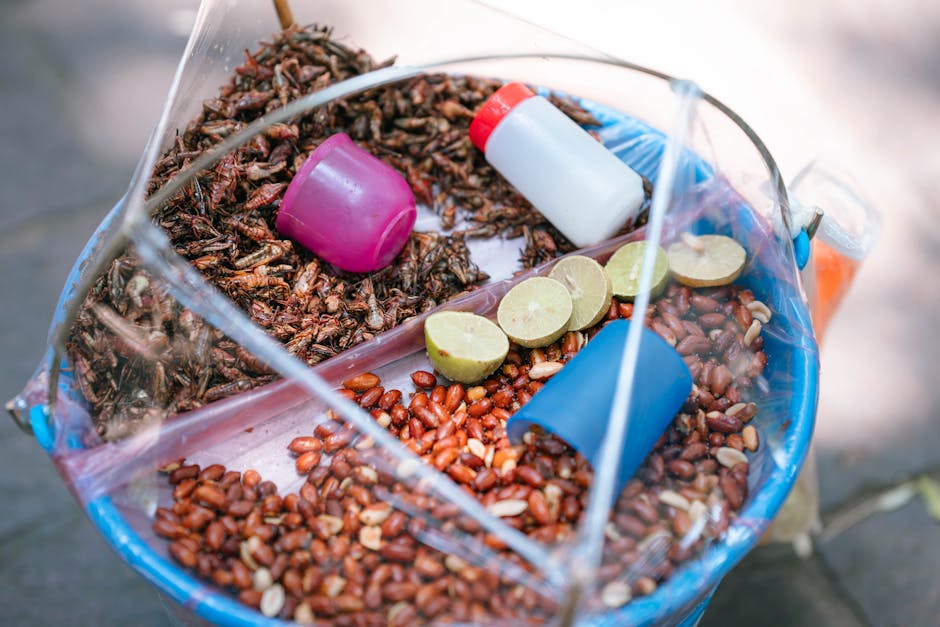 Moderate
Bucharest, Romania
Discover Bucharest’s soul through its flavors, from legendary market 'mici' to historic Old Town gems on this self-guided foodie adventure.
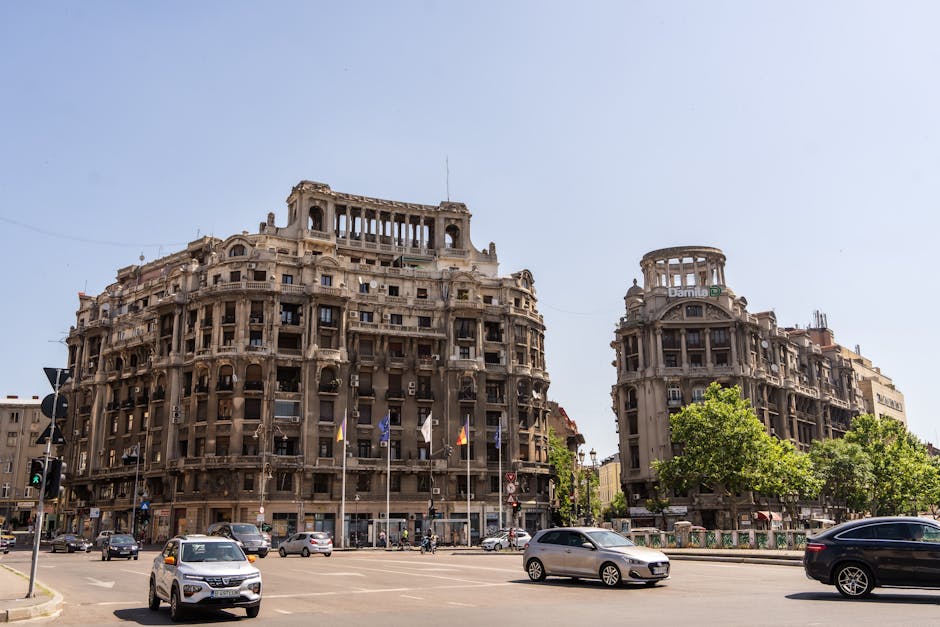 Easy
EasyBucharest, Romania
Discover the elegance of Cotroceni, a neighborhood of royal palaces, lush botanical gardens, and stunning interwar villas on this self-guided walk.
 Easy
EasyBucharest, Romania
Discover Bucharest's hidden Armenian Quarter on this self-guided walk through merchant history, elegant villas, and the city's oldest private home.