Self-guided audio tour in Ljubljana
Start Free on iPhone
Start free on iPhone to unlock this self-guided walking tour in Ljubljana. Hear all the stories that make it amazing, walk at your own pace, and begin whenever you want.
Your Private Tour Guide
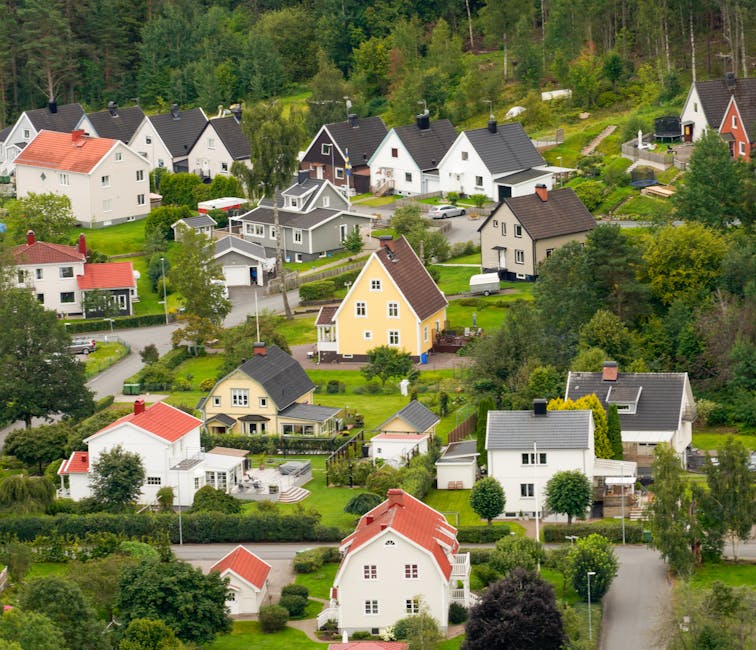
Discover a hidden side of the Slovenian capital with a self-guided walk through Krakovo, often called Ljubljana's 'village in the city.' This neighborhood stroll takes you away from the bustling squares of the Old Town and into a tranquil world of medieval vegetable gardens, narrow lanes, and architectural masterpieces. As you explore independently, you will see how this former fishing and gardening suburb has maintained its unique character for centuries. The route begins at the iconic Trnovo Bridge, a structure that feels more like a park than a crossing, designed by the visionary architect JoŰe Plečnik. From here, the path leads through the heart of Krakovo’s green lungs. For generations, the residents here—known as Krakovčanke—supplied the city markets with fresh produce, a tradition that survives in the neatly tended plots you will pass. This walking route highlights the seamless blend of nature and urban design. You will wander along the banks of the Gradaščica river, where the atmosphere shifts from the stone-paved city to a lush, riparian landscape. A major highlight is the residence of Plečnik himself, where the architect lived and worked, shaping the modern identity of Ljubljana from his modest studio. The walk concludes at the Trnovo Church, a site steeped in local lore and literary history. This area is a local favorite for its peaceful vibe and historic charm, making it a perfect escape for those looking to see Ljubljana beyond the standard landmarks. Whether you are interested in history, architecture, or simply looking for a quiet place to wander, this self-guided adventure offers a deep dive into one of the city's most authentic corners. Use this walking tour Ljubljana to uncover the stories of the people who shaped this land, from the medieval gardeners to the master architects.
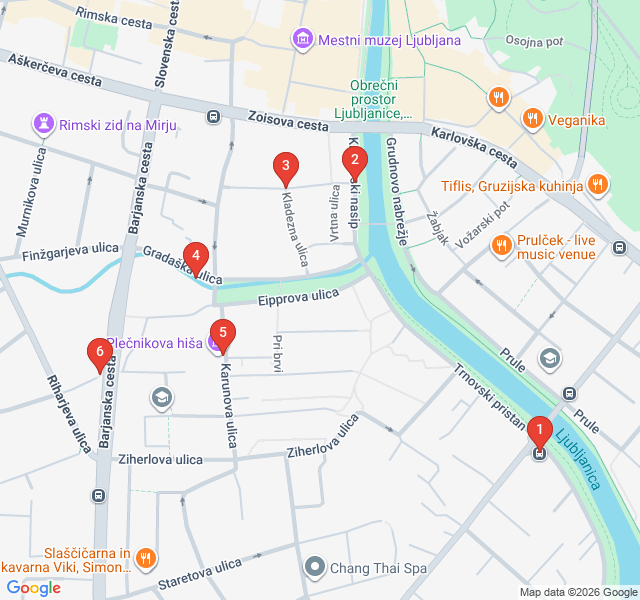
Numbers indicate the order of stops on the tour.
Trnovo Bridge is a masterpiece by the architect JoŰe Plečnik, constructed between 1928 and 1932. It is uniquely designed to feel like a public square rather than a traditional transit crossing. The most striking feature is the row of birch trees planted directly into the bridge's structure, blending the built environment with the natural world. Look for the statue of Saint John the Baptist, the patron of the original Trnovo church. This bridge serves as the symbolic gateway between the bustling city and the quiet village atmosphere of Krakovo. Plečnik intended the bridge to be a space for socializing, which is why it is exceptionally wide and decorated with stone pyramids.
The Krakovo Embankment offers a scenic transition from the stone-paved streets of the city center to the softer landscapes of the suburb. Historically, this area was inhabited by fishers and boatmen who worked on the Ljubljanica River. As you walk along the stone walls, you can see how the architecture shifts toward smaller, more modest houses that once belonged to the local gardeners. The embankment provides a peaceful view of the water and the weeping willows that line the banks. It is a favorite spot for locals to sit and enjoy the quiet, away from the more crowded embankments of the main Old Town.
The Krakovo Gardens are a unique survival of medieval urban agriculture. For centuries, these plots have been used to grow vegetables, specifically the famous Krakovo lettuce. The women who tended these gardens, known as Krakovčanke, were a staple sight at Ljubljana’s central market, carrying their produce in baskets on their heads. Today, the gardens are protected as a cultural monument, ensuring that this green lung remains undeveloped. As you look across the rows of vegetables and fruit trees, you are seeing a landscape that has looked much the same for hundreds of years. This area represents the self-sufficiency and resilience of the local community.
The banks of the Gradaščica River offer one of the most tranquil stretches of this neighborhood stroll. This small waterway was once the site where local women gathered to wash laundry, creating a social hub for the village. Plečnik also left his mark here, designing the stone embankments and small bridges to harmonize with the flowing water. The lush vegetation and the sound of the stream create a micro-climate that is noticeably cooler in the summer. This area highlights the importance of water in the development of Krakovo, serving both as a resource for the gardens and a natural boundary for the village.
Plečnik’s House is where the genius of Slovenian architecture lived and worked for over three decades. The house is a complex of several small buildings that Plečnik gradually renovated, adding a signature round tower for his studio. His living quarters were remarkably simple, reflecting his monk-like devotion to his craft. The garden was an extension of his office, filled with architectural fragments and experimental plantings. Today, the site is a museum that offers a glimpse into his creative process. While the interior requires a separate visit, the exterior and the surrounding walls show his mastery of combining simple materials like brick and stone.
Trnovo Church, or the Church of the Annunciation, is the spiritual heart of the district. The current neo-Romanesque structure dates from the mid-19th century, but a church has stood on this site for much longer. It is most famous in Slovenian culture as the place where the national poet, France Prešeren, first laid eyes on his muse, Julija Primic, in 1833. This encounter inspired some of the greatest romantic poetry in the Slovenian language. The church’s twin towers are a prominent landmark, and the surrounding square remains a central gathering place for the Trnovo and Krakovo communities, often hosting local cultural events.
Start Free on iPhone
Explore “Krakovo: The Garden Village Within the City” with your very own Private Tour Guide with Zigway. Start free on iPhone, skip the large group and the fixed routes, and hear the city come alive as you go.
Your Private Tour Guide
Don't miss the good stuff
Explore Freely
 Easy
EasyLjubljana, Slovenia
Explore the vibrant street art and counter-culture of Metelkova Mesto on this self-guided walk through Ljubljana's alternative art district.
 Moderate
Ljubljana, Slovenia
Discover the mythical heart of Ljubljana on this self-guided walk featuring dragon legends, Baroque fountains, and medieval castle heights.
 Moderate
Ljubljana, Slovenia
Explore the green heart of Ljubljana on this self-guided walk featuring panoramic views, medieval stairs, and hidden forest paths.
 Easy
EasyLjubljana, Slovenia
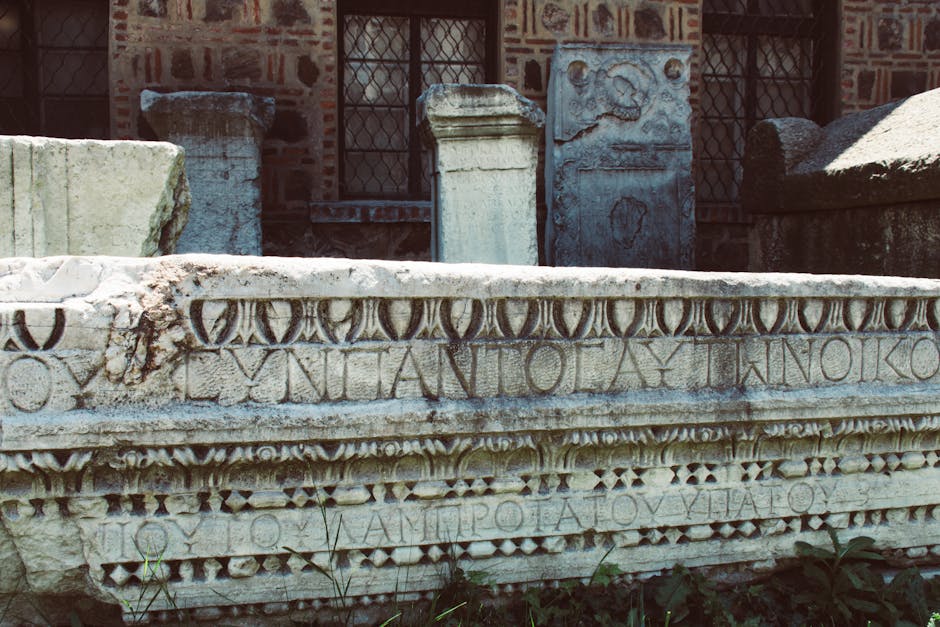
Step back 2,000 years to explore the ruins of Emona, from ancient forums and mosaics to the grand Roman Wall reimagined by Jože Plečnik.
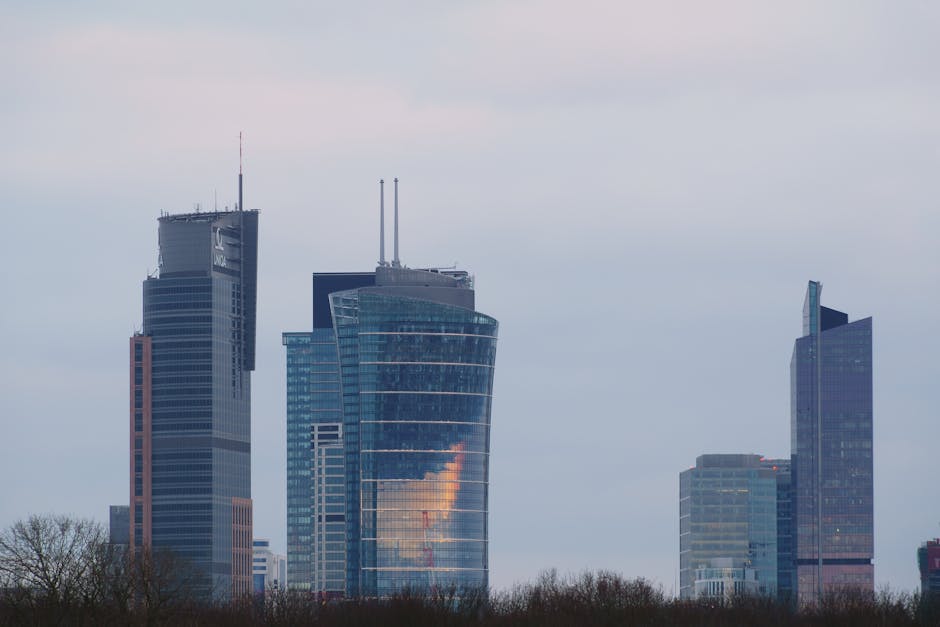 Easy
EasyWarsaw, Poland
Discover the hidden courtyards and grand pre-war architecture of Warsaw's most atmospheric neighborhood on this self-guided stroll.
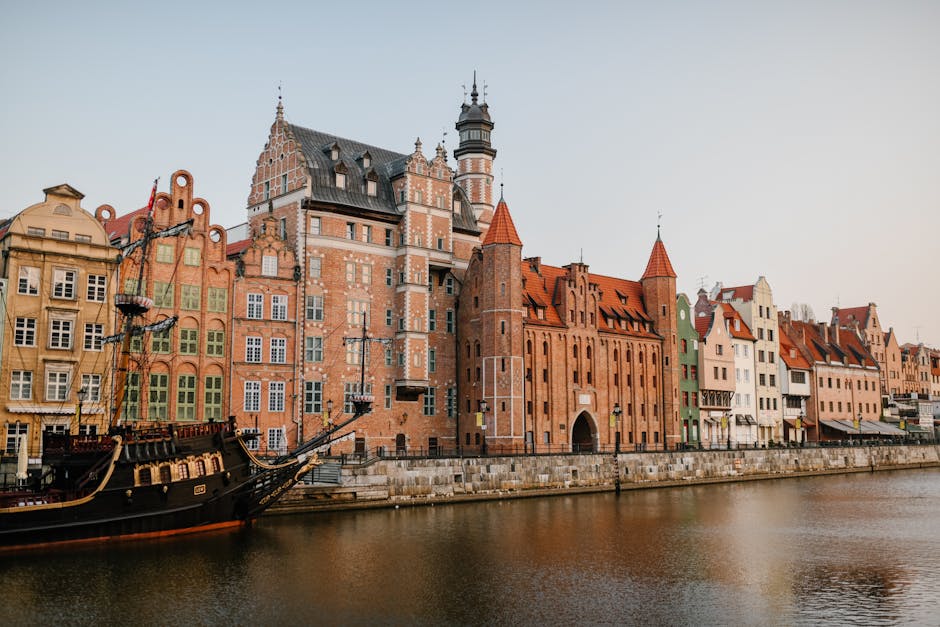 Easy
EasyGdansk, Poland
Discover the monastic heritage, world-famous organs, and lush botanical gardens of Oliwa on this peaceful self-guided neighborhood stroll.
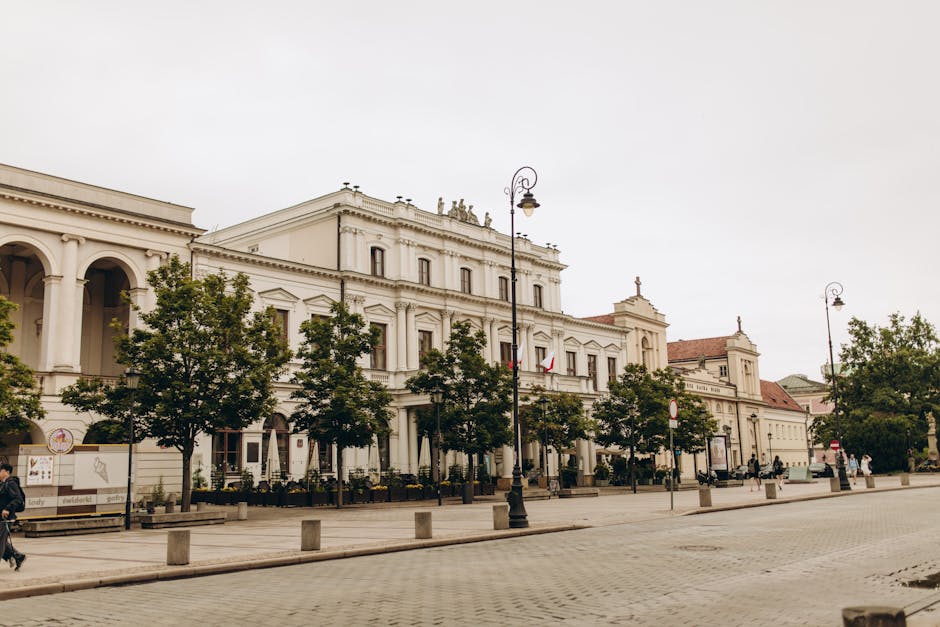 Easy
EasyWarsaw, Poland
Explore Warsaw's scenic riverfront, rooftop gardens, and industrial-chic architecture on this self-guided stroll through the Powiśle district.
 Easy
EasyHelsinki, Finland
Discover Helsinki's oldest neighborhood on this self-guided audio walk through Kruununhaka’s historic streets, hidden courtyards, and scenic shores.