Self-guided audio tour in Ljubljana
Start Free on iPhone
Start free on iPhone to unlock this self-guided walking tour in Ljubljana. Hear all the stories that make it amazing, walk at your own pace, and begin whenever you want.
Your Private Tour Guide
Ljubljana is a city uniquely defined by the vision of a single master architect. While most European capitals are a patchwork of centuries and styles, the heart of the Slovenian capital is the result of Jože Plečnik’s grand project to transform a provincial town into a 'New Athens.' This self-guided walk invites you to step into Plečnik’s Ljubljana, a place where Mediterranean classicism meets Slavic soul, and where every bridge and lamp post tells a story of urban harmony. This architectural walking route explores the core of the city, following the Ljubljanica River and the quiet streets of the university district. You will see how Plečnik used simple materials like stone, brick, and concrete to create monumental spaces that feel both ancient and modern. From the iconic Triple Bridge to the hidden corners of the Trnovo district, this neighborhood stroll reveals the genius of a man who believed that architecture should serve the people and the spirit. You will discover the National and University Library, widely considered his masterpiece, and the vibrant Central Market, which turns a simple shopping trip into a walk through a classical colonnade. Exploring at your own pace allows you to notice the small details—the specific shape of a handle, the placement of a column, or the way a bridge aligns with a church spire. Whether you are an architecture enthusiast or a first-time visitor, this walking route provides a deep dive into the identity of Ljubljana. By the end of this audio walk, you will understand why Plečnik's work is now protected as a UNESCO World Heritage site and how his legacy continues to shape the daily life of every Slovenian.
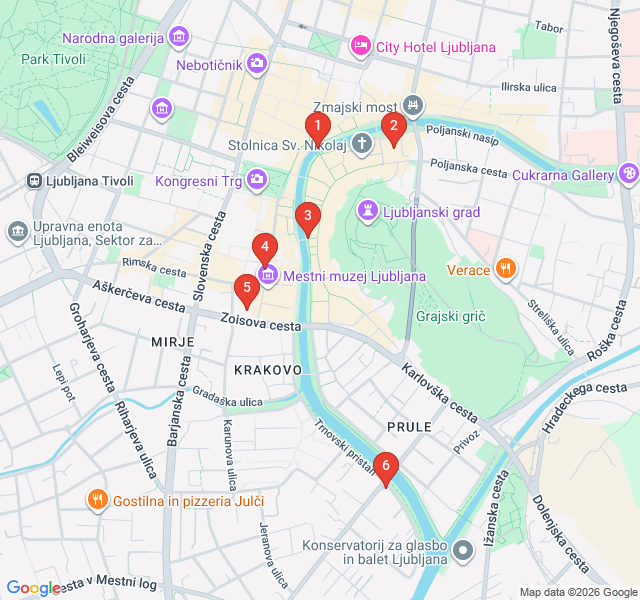
Numbers indicate the order of stops on the tour.
Start your journey at the Triple Bridge, or Tromostovje, the most famous landmark in the city. Originally, there was only a single stone bridge here from 1842. When it became too narrow for modern traffic in the early 1930s, Jože Plečnik had a radical idea: instead of replacing it, he added two pedestrian side-bridges. He adorned them with elegant stone balustrades and lamps, creating a fan-shaped entrance to the Old Town. Notice how the bridges connect the medieval city on one side with the modern Prešeren Square on the other. It is a perfect example of Plečnik's ability to blend functionality with poetic urban design, turning a simple river crossing into a grand public square over the water.
Just a few steps from the bridge lies the Central Market. Plečnik designed this long, riverside colonnade between 1940 and 1944. He didn't want a standard commercial building; he envisioned a temple for the city's food and produce. The structure follows the curve of the river, with a series of stone stalls and large semi-circular windows. Look at the rhythmic placement of the columns and the way the building acts as a screen between the water and the market square. Even today, it remains the beating heart of Ljubljana, where locals gather daily to buy fresh honey, cheese, and vegetables under the shadow of Plečnik’s classical arches.
Continue along the river to the Cobblers' Bridge, or Čevljarski most. In the Middle Ages, this was where the city's shoemakers had their workshops. When Plečnik redesigned it in the 1930s, he stripped away the shops and instead created a broad, open platform. The bridge is defined by its tall, varied pillars, which support nothing but the sky. This was intentional—Plečnik wanted the bridge to feel like an outdoor room, a place for citizens to pause and socialize rather than just a thoroughfare. The different heights of the pillars create a sense of movement, echoing the surrounding rooftops and the castle hill above.
Moving away from the river, you reach the National and University Library, often called NUK. This is widely considered Plečnik’s greatest work. The facade is a striking mix of red brick and uneven stone blocks, inspired by the Italian Renaissance but executed with a modern, tactile sensibility. The real magic, however, is inside. The entrance is dark and heavy, with black marble columns. As you ascend the monumental staircase, you move from darkness into the light of the reading room, symbolizing the journey from ignorance to knowledge. Even from the outside, notice the window handles and the small details that make this building a 'total work of art.'
Next is Križanke, a former monastery for the Order of Teutonic Knights. In the 1950s, in his final years, Plečnik transformed this complex into an outdoor venue for the Ljubljana Festival. He was a master of recycling; he used archaeological fragments and architectural ruins found during the renovation to decorate the courtyard walls. The result is a layered, atmospheric space that feels like a Mediterranean courtyard. The sgraffito decorations and the intricate lamps are classic Plečnik touches, blending the medieval heritage of the site with his unique brand of 20th-century classicism.
The final stop is the Trnovo Bridge, located in a quieter, greener part of the city. This bridge is unique in Europe because it features large birch trees growing directly from its span. Plečnik designed it to connect the Trnovo Church with his own home nearby. He wanted the bridge to feel like an extension of the church's park, blurring the lines between architecture and nature. The bridge is exceptionally wide, almost like a small park itself. From here, you can look down at the Gradaščica canal and see how Plečnik landscaped the banks with stone steps and terraces, creating a peaceful 'water suburb' for the people of Ljubljana.
Start Free on iPhone
Explore “Jože Plečnik’s Architectural Legacy” with your very own Private Tour Guide with Zigway. Start free on iPhone, skip the large group and the fixed routes, and hear the city come alive as you go.
Your Private Tour Guide
Don't miss the good stuff
Explore Freely
 Easy
EasyLjubljana, Slovenia
Explore the vibrant street art and counter-culture of Metelkova Mesto on this self-guided walk through Ljubljana's alternative art district.
 Moderate
Ljubljana, Slovenia
Discover the mythical heart of Ljubljana on this self-guided walk featuring dragon legends, Baroque fountains, and medieval castle heights.
 Moderate
Ljubljana, Slovenia
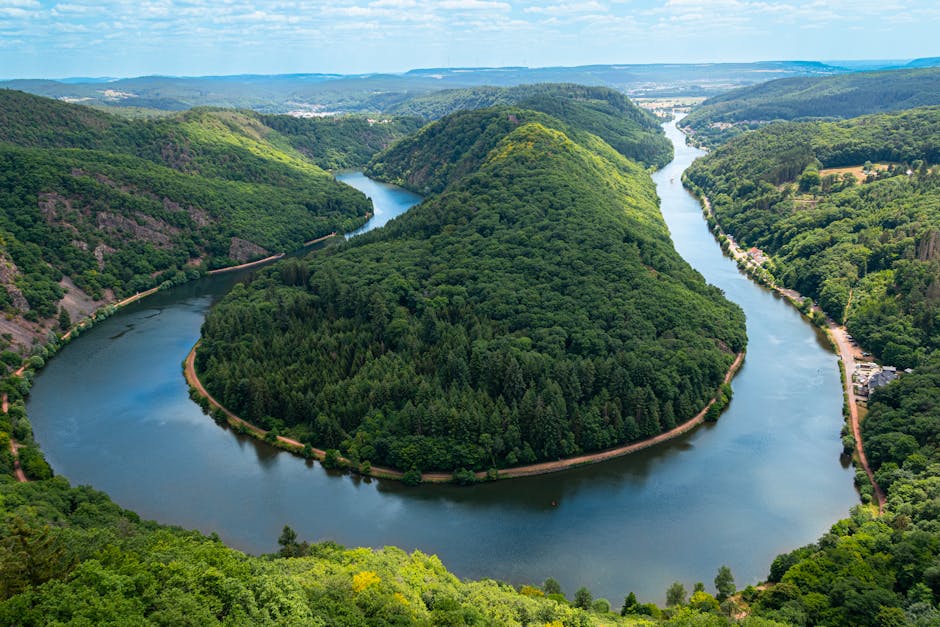
Explore the green heart of Ljubljana on this self-guided walk featuring panoramic views, medieval stairs, and hidden forest paths.
 Easy
EasyLjubljana, Slovenia
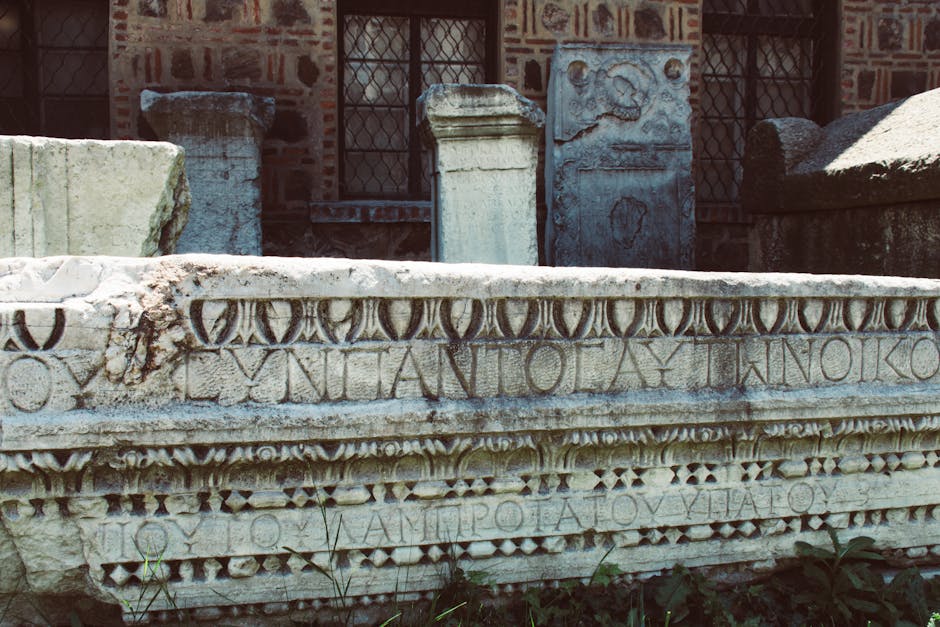
Step back 2,000 years to explore the ruins of Emona, from ancient forums and mosaics to the grand Roman Wall reimagined by Jože Plečnik.
 Easy
EasyNairobi, Kenya
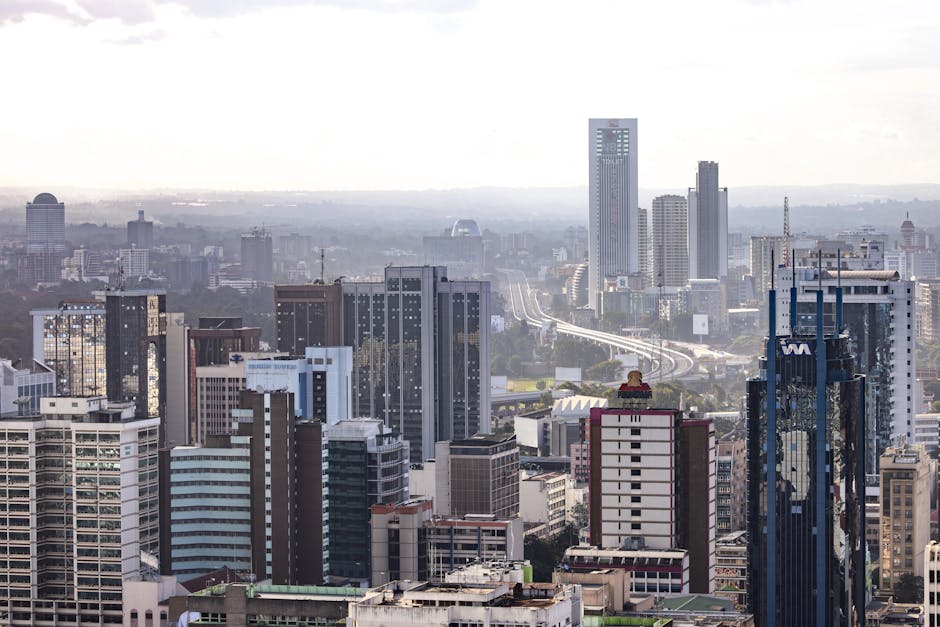
Discover Nairobi's iconic skyline on this self-guided architecture walk through the CBD’s most famous modernist and Brutalist landmarks.
 Easy
EasyNairobi, Kenya
Explore Nairobi's architectural evolution from colonial-era landmarks to iconic Brutalist skyscrapers on this historic self-guided walking route.
 Easy
EasyGdansk, Poland
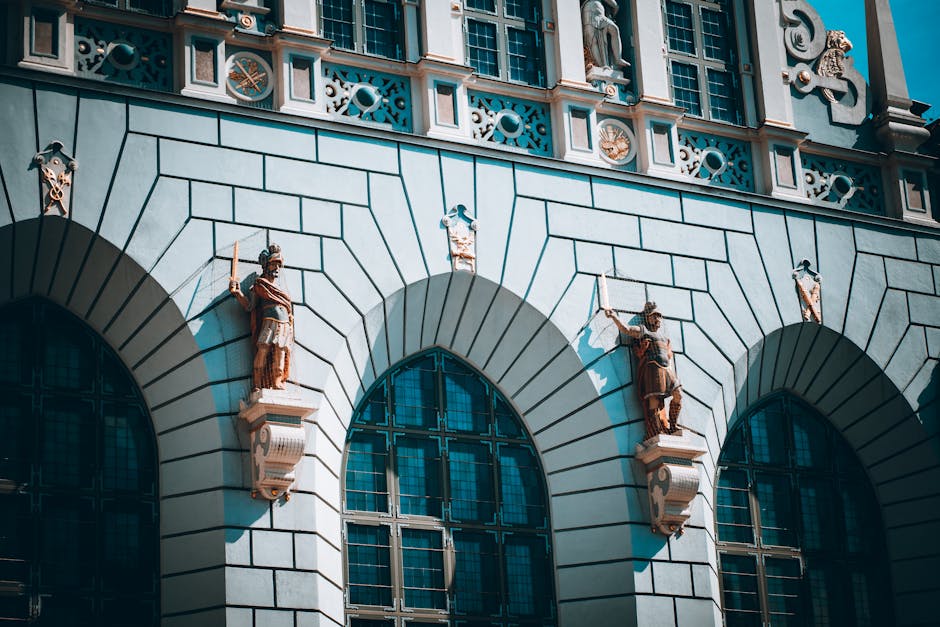
Discover the opulent Royal Way of Gdansk at your own pace. Explore Hanseatic history, gilded architecture, and the iconic Neptune's Fountain.
 Easy
EasyWarsaw, Poland
Discover the hidden courtyards and grand pre-war architecture of Warsaw's most atmospheric neighborhood on this self-guided stroll.