Self-guided audio tour in Bratislava
Start Free on iPhone
Start free on iPhone to unlock this self-guided walking tour in Bratislava. Hear all the stories that make it amazing, walk at your own pace, and begin whenever you want.
Your Private Tour Guide
Bratislava is a city of layers, where medieval fortifications meet socialist-era bridges, but none of its layers are as whimsical or enchanting as the Art Nouveau movement. This self-guided walk invites you to step away from the crowded main squares and into a world of pastel hues, floral motifs, and the undulating lines of the Secessionist style. The centerpiece of this neighborhood stroll is undoubtedly the Church of St. Elizabeth, known globally as the Blue Church, a building that looks as though it was spun from sugar and sky. However, the journey there is just as rewarding, showcasing the architectural transition of the city at the turn of the 20th century. Beginning near the historic center, this walking route guides you through the evolution of Bratislava’s grander residences and public institutions. You will explore how architects like Ödön Lechner, often called the 'Hungarian Gaudí', transformed the city's aesthetic with organic shapes and colorful majolica tiles. Beyond the famous blue facade, you will discover hidden gems like the Gamča Lyceum and the elegant Tulip House, each telling a story of a city modernizing with artistic flair. This is a walking tour Bratislava offers to those who appreciate the finer details—the wrought-iron railings, the mosaic patterns, and the serene atmosphere of the Bezručova district. Perfect for photography enthusiasts and history buffs alike, this route allows you to explore at your own pace. You can linger by the Danube or stop for a coffee in a boutique hotel lobby without worrying about a group schedule. By the time you reach the final stops, you will understand why this specific pocket of the city remains a local favorite. Start exploring with Zigway and see a side of the Slovak capital that feels like a living fairytale.
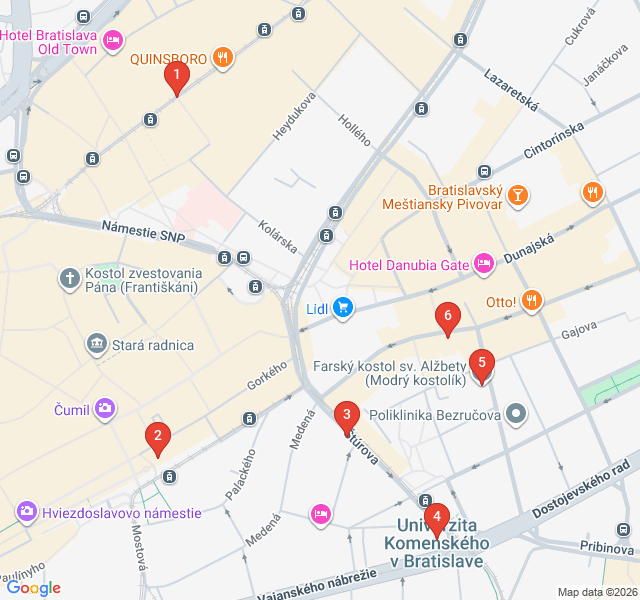
Numbers indicate the order of stops on the tour.
Start your architectural exploration at Schön's Palace on Obchodná Street. While much of this street is known for modern shopping, this building stands as a testament to the city's aristocratic past. Built in the late 19th century, it represents the transition from the strict lines of Classicism toward more decorative styles. The palace was once the residence of the wealthy Schön family and features a beautiful courtyard that hints at the private luxury of old Pressburg. Notice the balanced symmetry and the subtle ornamental touches on the facade that set the stage for the more flamboyant Art Nouveau styles you will see later on this walking route.
Standing proudly on Hviezdoslav Square, the Old Building of the Slovak National Theatre is a Neo-Renaissance masterpiece. Designed by the famous architect duo Fellner & Helmer—who designed dozens of opera houses across the Austro-Hungarian Empire—it opened in 1886. Look up at the facade to see busts of famous composers and the Ganymede Fountain directly in front, which depicts a scene from Greek mythology. This building served as the cultural heart of the city during the height of the Art Nouveau era, providing a grand, classical contrast to the modern, organic styles that were beginning to emerge in the surrounding streets.
As you move toward the quieter Bezručova neighborhood, the Tulip House stands as one of the city's most elegant examples of Secessionist architecture. Built in 1903, this building perfectly captures the spirit of the era with its floral motifs and flowing lines. The name itself is a nod to the intricate tulip decorations found throughout its design. Originally built as a luxury apartment house, it has been meticulously restored to its former glory. Take a moment to admire the wrought-iron balconies and the delicate stone carvings around the window frames, which represent the move away from historical imitation toward a new, nature-inspired artistic language.
Overlooking the Danube, the main building of Comenius University is an imposing structure that combines monumental classicism with Art Deco influences. Completed in the 1930s, it represents a later chapter in Bratislava's architectural story, showing how the city continued to grow after the fall of the Monarchy. This site is the oldest and largest university in Slovakia, and the building's scale reflects its importance. The wide staircases and high ceilings were designed to inspire awe. From here, you can feel the transition from the grand public spaces of the waterfront into the intimate, artistic streets of the 'Blue Church' district just a few blocks inland.
This is the highlight of the neighborhood stroll: the Church of St. Elizabeth, universally known as the Blue Church. Designed by Ödön Lechner and consecrated in 1913, it is a quintessential example of Hungarian Secessionism. Everything here is blue—the glazed roof tiles, the mosaics, and the pale blue plaster. Lechner used concrete and majolica tiles to create a building that feels organic, almost as if it grew out of the ground rather than being built. Look for the mosaic of St. Elizabeth above the entrance. The church was originally intended as a private chapel for the neighboring school, but its unique beauty quickly made it one of the most famous landmarks in the country.
Located right next to the Blue Church, the Gamča Lyceum (Grosslingova Grammar School) was also designed by Ödön Lechner. It was built just a few years before the church and shares many of the same architectural DNA, including the use of colorful tiles and curved rooflines. While the church is famous for its blue hue, the school uses more earthy tones but maintains the same whimsical, organic feel. This prestigious school has educated many of Slovakia’s most prominent figures. Seeing the two buildings together allows you to appreciate Lechner's vision of a unified architectural 'campus' that brought high art into everyday urban life.
Start Free on iPhone
Explore “The Blue Church and Art Nouveau Gems” with your very own Private Tour Guide with Zigway. Start free on iPhone, skip the large group and the fixed routes, and hear the city come alive as you go.
Your Private Tour Guide
Don't miss the good stuff
Explore Freely
 Easy
EasyBratislava, Slovakia
Discover Bratislava’s soul through its historic pubs and traditional flavors on this self-guided walk through the atmospheric Old Town.
 Moderate
Bratislava, Slovakia
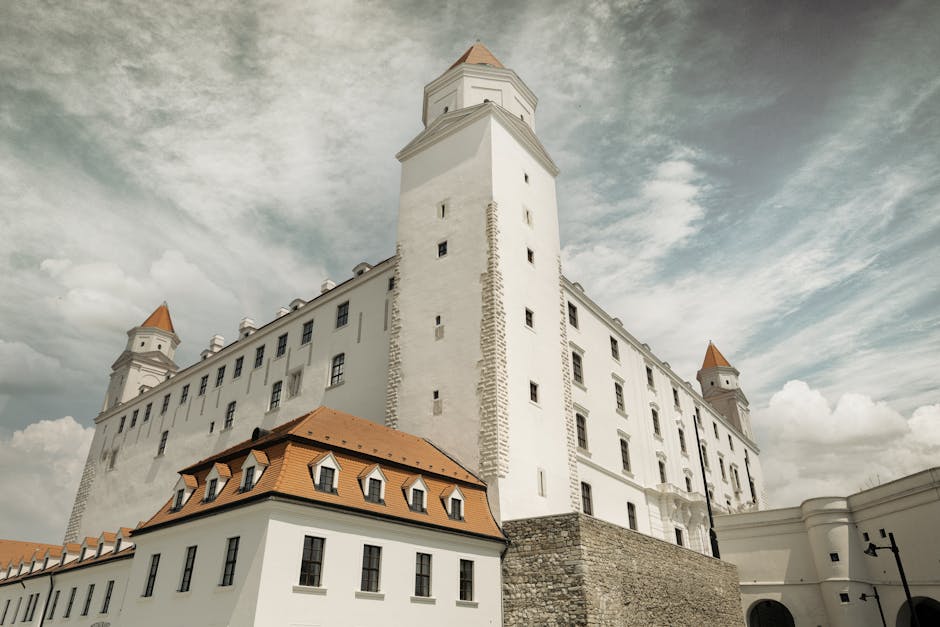
Explore the resilient history of Pressburg's Jewish community on this poignant self-guided walk through Bratislava's Old Town and Castle Hill.
 Moderate
Bratislava, Slovakia
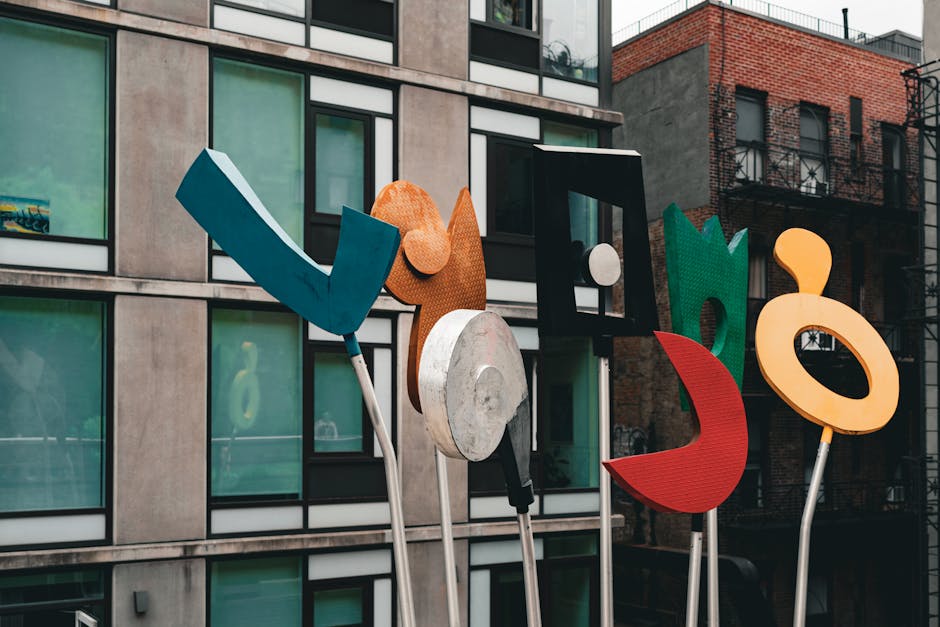
Discover Bratislava’s transformation from industrial heartland to a hub of street art and futuristic Zaha Hadid architecture on this self-guided walk.
 Easy
EasyBratislava, Slovakia
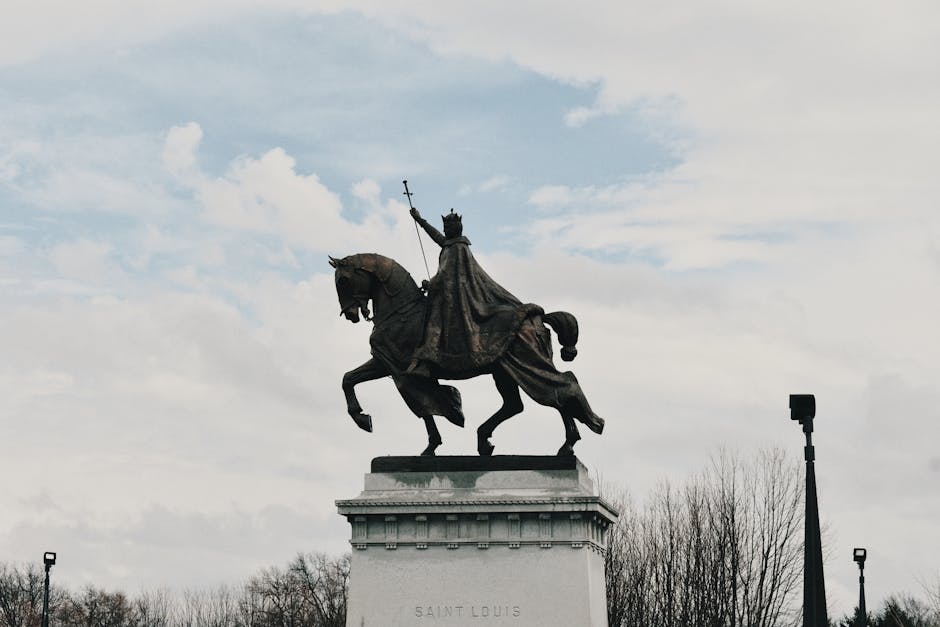
Follow the path of Hungarian kings through Bratislava's Old Town. Discover Michael's Gate, royal palaces, and the cathedral of coronations.
 Easy
EasyWarsaw, Poland
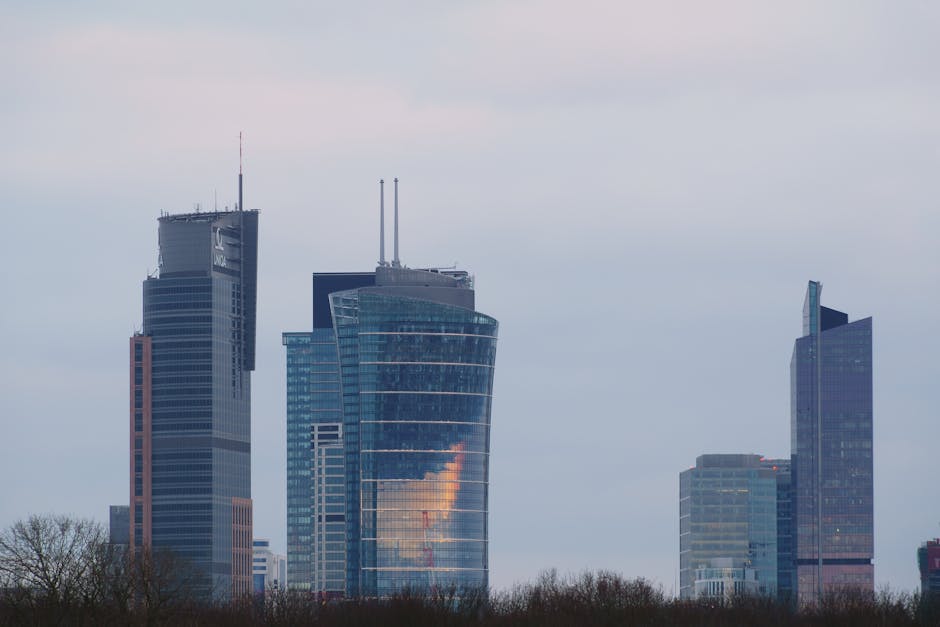
Discover the hidden courtyards and grand pre-war architecture of Warsaw's most atmospheric neighborhood on this self-guided stroll.
 Easy
EasyGdansk, Poland
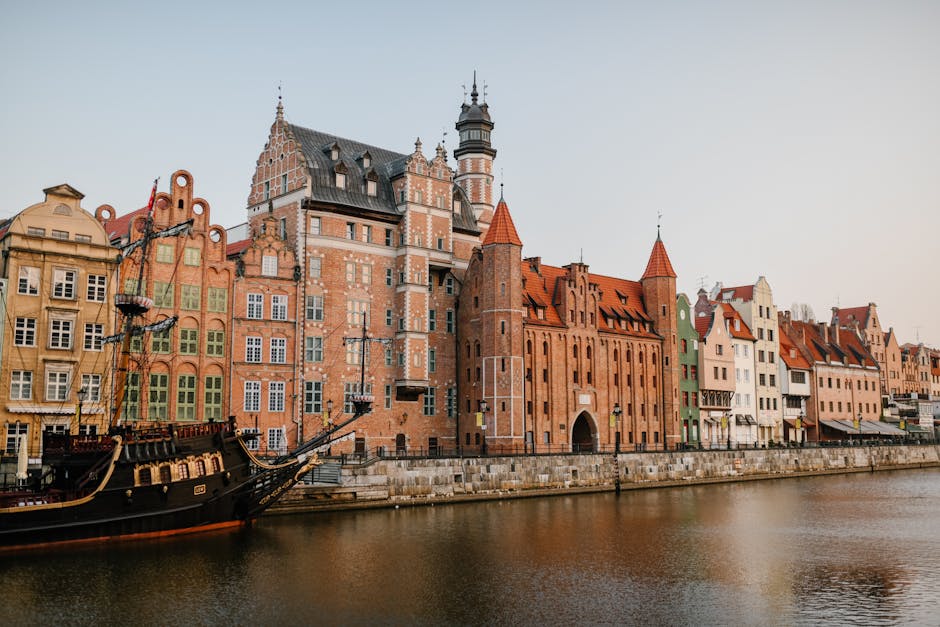
Discover the 'Baltic Gold' on this self-guided walk through Gdansk's historic mills, massive cathedrals, and the magical Mariacka Street.
 Easy
EasySalzburg, Austria
Discover Salzburg's oldest medieval alley, the birthplace of the 'Silent Night' author, and breathtaking views on this quiet self-guided walk.
 Easy
EasyWarsaw, Poland
Explore Warsaw's scenic riverfront, rooftop gardens, and industrial-chic architecture on this self-guided stroll through the Powiśle district.