Self-guided audio tour in Tirana
Start Free on iPhone
Start free on iPhone to unlock this self-guided walking tour in Tirana. Hear all the stories that make it amazing, walk at your own pace, and begin whenever you want.
Your Private Tour Guide
Tirana has undergone a radical transformation, shedding its monochromatic past to become one of Europe’s most vibrant and eclectic artistic hubs. This self-guided walk invites you to explore the intersection of history, politics, and creativity that defines the Albanian capital. From the haunting corridors of former surveillance centers to the airy, futuristic architecture of modern pavilions, this walking route reveals a city that uses art as a tool for both remembrance and reinvention. You will encounter world-class museums housed in former atomic bunkers and small, independent galleries tucked away in lively neighborhoods, offering a comprehensive look at the Albanian creative spirit. This route is perfect for those who want to understand Tirana beyond the surface level. You will see how the city's painful history under communism has been repurposed into immersive installations, while also witnessing the rise of a new generation of artists at hubs like Destil and Bazament. Whether you are admiring the socialist-realist mosaics of the National Historical Museum or the avant-garde exhibits at Zeta Center, this neighborhood stroll provides a deep dive into the soul of Tirana. This walking tour Tirana experience is designed for independent explorers who prefer to set their own pace, allowing ample time to linger in cafes or spend extra moments reflecting in the underground galleries. While many visitors stick to the main squares, this route takes you through the evolving creative districts where the city's real energy lies. Discover the stories of resilience and innovation that make this city unique, all while navigating the colorful streets that have made Tirana an Instagram favorite. This is more than just a walk; it is an exploration of a city in a constant state of artistic flux. **Note:** This area is known for its ever-changing character. Street art, pop-up venues, and temporary exhibitions may differ from what's described. That's part of the adventure - you might discover something entirely new!
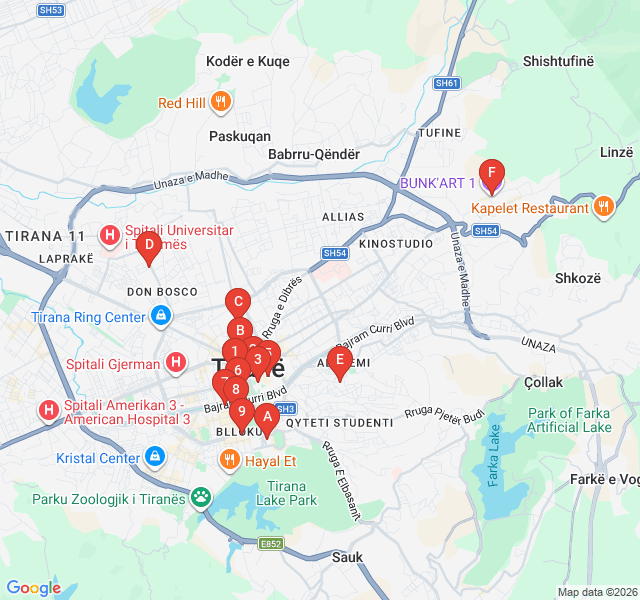
Numbers indicate the order of stops on the tour.
Begin your exploration at the House of Leaves, a building that once served as the headquarters for Albania's secret surveillance during the communist era. The name comes from the climbing plants that once covered its facade, hiding the dark secrets within. Today, it stands as a museum of 'Secret Surveillance,' offering a chilling yet fascinating look at how the state monitored its citizens. As you walk through the rooms filled with vintage recording equipment and files, you get a sense of the pervasive atmosphere of the time. This site serves as a vital starting point for understanding why Tirana's modern art scene is so deeply rooted in memory and the processing of past trauma.
Just a short walk away, you will find a concrete dome marking the entrance to Bunk'Art 2. This is not just a museum; it is a decommissioned nuclear bunker that once connected the Ministry of Internal Affairs to the city's network of tunnels. Inside, the 24 rooms have been transformed into an art and history space dedicated to the victims of the communist regime and the history of the police force. The juxtaposition of harsh concrete walls with haunting art installations creates a powerful, immersive experience. It is a prime example of how Tirana has repurposed its defensive architecture into spaces for public reflection and artistic expression.
The National Gallery of Arts is the premier institution for visual arts in Albania. Its collection spans from the 19th century to the present day, featuring a significant section dedicated to Socialist Realism. These works provide a window into the state-sanctioned art of the mid-20th century, characterized by heroic depictions of workers and leaders. Note that the gallery frequently undergoes renovations or hosts temporary exhibitions, so the exterior and accessible wings may vary. In the garden behind the gallery, you might find relics of the past, including statues that were removed from public squares after the fall of communism.
Standing in stark contrast to the heavy stone buildings nearby is 'The Cloud,' a white, lattice-like structure designed by Sou Fujimoto. Originally created for the Serpentine Gallery in London, this pavilion has found a permanent home here in Tirana. It serves as a modern community space where locals gather, and it often hosts open-air film screenings, performances, and talks. Its transparent and light design is intended to blur the boundaries between the built environment and the natural world. It has become one of the most photographed spots in the city and symbolizes Tirana’s embrace of international contemporary design.
Walk toward the remains of the Fortress of Justinian, commonly known as Tirana Castle. While the history of these walls dates back to the Byzantine era, the interior has been revitalized as a pedestrian promenade. It is a hub for traditional crafts, local food, and art. The blend of ancient stone walls with modern glass storefronts represents the multi-layered history of the city. It is an excellent place to see how historical heritage can be integrated into a modern lifestyle center, providing a space for local artisans to showcase their work in a setting that honors the city's past.
As you move into the city's smaller streets, you encounter Muzat Art Café & Gallery. This is a quintessential Tirana 'art hub,' where the line between a gallery and a social space is intentionally blurred. These types of venues are crucial to the local scene, providing emerging artists with a platform to show their work in an informal setting. The exhibitions here change frequently, often featuring photography, illustration, or mixed media by young Albanians. It’s a great spot to grab a coffee and soak in the local creative atmosphere, which is often more intimate than the larger state museums.
Agimi Art Center is housed in one of Tirana's most iconic cinemas, Kino Agimi. For decades, this was a central point for film and culture. Recently, it has been reimagined as a multi-functional art center that hosts film festivals, workshops, and contemporary art events. The preservation of this mid-century building is a testament to the city's efforts to save its modernist architectural heritage while giving it a new, creative purpose. Check the posters outside; there is almost always something happening here, from independent film screenings to experimental theater.
Continue to Bazament Art Space, an independent project room that focuses on contemporary art and research. Bazament is known for its edgy, often provocative exhibitions that challenge conventional narratives. Because it is an independent space, the content is volatile and changes often, reflecting the immediate concerns of the local and international art community. It serves as a vital bridge between Tirana and the global art world, hosting residencies and collaborative projects. This is where you go to see the 'cutting edge' of what is being produced in the Balkans today.
Zeta Center is a non-profit exhibition space that has played a major role in Tirana’s art scene since 2007. It functions as a gallery, a library, and a meeting point for artists and curators. Zeta focuses on promoting contemporary visual arts through exhibitions, publications, and educational programs. The space is often used to showcase conceptual art and video installations that you might not find in more traditional venues. It is a key stop for anyone looking to understand the intellectual and theoretical side of Albanian contemporary art.
Located near Mother Teresa Square, the National Archaeological Museum offers a different perspective on Albanian creativity. It houses artifacts ranging from the Prehistoric era to the Middle Ages. While the other stops on this route focus on modern and contemporary work, this museum provides the historical context of the craftsmanship and aesthetic traditions of the Illyrians and other ancient cultures that inhabited this land. The building itself is part of the Italian-designed ensemble of the square, showcasing the fascist-era architecture that shaped Tirana’s urban layout in the 1930s.
Back toward the center of the city, you cannot miss the National Historical Museum, dominated by the massive mosaic on its facade titled 'The Albanians.' This mosaic is one of the most famous examples of late-communist socialist-realist art in the country, depicting the various struggles of the Albanian people throughout history. Inside, the museum covers everything from antiquity to the post-communist transition. The 'Pavilion of Communist Terror' is particularly relevant to our theme, as it displays the art and artifacts of those who suffered under the regime, providing the heavy historical weight that many modern Albanian artists respond to in their work.
Destil Creative Hub represents the future of Tirana’s creative economy. This multi-story space combines a cafe, co-working areas, and exhibition halls. It is a magnet for the city’s digital nomads, designers, and activists. Destil often hosts pop-up markets, jazz nights, and art workshops, making it a living, breathing center of culture. The architecture is a blend of industrial and modern aesthetics, reflecting the city's current trend of adaptive reuse. It is the perfect place to see the social side of the art scene, where ideas are exchanged over laptops and espresso.
Bujtina e Gjelit is a unique boutique complex that feels like an oasis of traditional culture. While primarily known as a hotel and restaurant, it is also a cultural corner that showcases traditional Albanian architecture and craftsmanship. The use of wood, stone, and traditional textiles here provides a contrast to the concrete bunkers and modern glass buildings seen earlier. It highlights a different facet of the creative scene: the preservation and celebration of rural traditions within an urban environment. It’s a reminder that Albanian identity is rooted in the land as much as in the city.
This museum is named after Sabiha Kasimati, a pioneering scientist and the first Albanian woman to study abroad, who was tragically executed by the communist regime. While the museum focuses on biodiversity and natural history, its naming and its location serve as a tribute to intellectual and scientific freedom. The collection of flora and fauna is extensive, but for the art-focused traveler, the museum stands as a monument to the individuals whose creative and scientific lives were cut short during Albania's years of isolation.
To conclude your journey, take a short trip to the outskirts of the city to BUNK'ART 1. This massive, five-story underground complex was built for Albania's communist leader, Enver Hoxha, and his elite in the event of a nuclear attack. It has been transformed into a massive history and contemporary art museum. The scale of this bunker is breathtaking, and the way the long, eerie corridors have been used for art installations is truly unique. It brings the entire walk full circle, showing the ultimate scale of the regime's paranoia and the incredible power of art to reclaim and heal these spaces.
Start Free on iPhone
Explore “Creative Tirana: Galleries and Hubs” with your very own Private Tour Guide with Zigway. Start free on iPhone, skip the large group and the fixed routes, and hear the city come alive as you go.
Your Private Tour Guide
Don't miss the good stuff
Explore Freely
 Easy
EasyTirana, Albania
Explore the vibrant stalls of Pazari i Ri and the trendy eateries of Blloku on this flavor-focused self-guided walk through Tirana.
 Moderate
Tirana, Albania
Explore Tirana's green side on this self-guided walk from Skanderbeg Square to the serene Grand Park and hidden lakeside memorials.
 Easy
EasyTirana, Albania
Explore Tirana’s neon-lit landmarks and vibrant nightlife districts on this self-guided evening photography walk.
 Easy
EasyTirana, Albania
Explore Tirana’s unique religious harmony on this self-guided walk through historic mosques, grand cathedrals, and Ottoman landmarks.
 Moderate
Nairobi, Kenya
Discover the pulse of Nairobi's contemporary art scene on this self-guided walk through the galleries and creative spaces of Kilimani.
 Moderate
Vienna, Austria
Discover the noir world of The Third Man and Cold War Vienna on this atmospheric self-guided audio walk through the historic Innere Stadt.
 Moderate
Gdansk, Poland
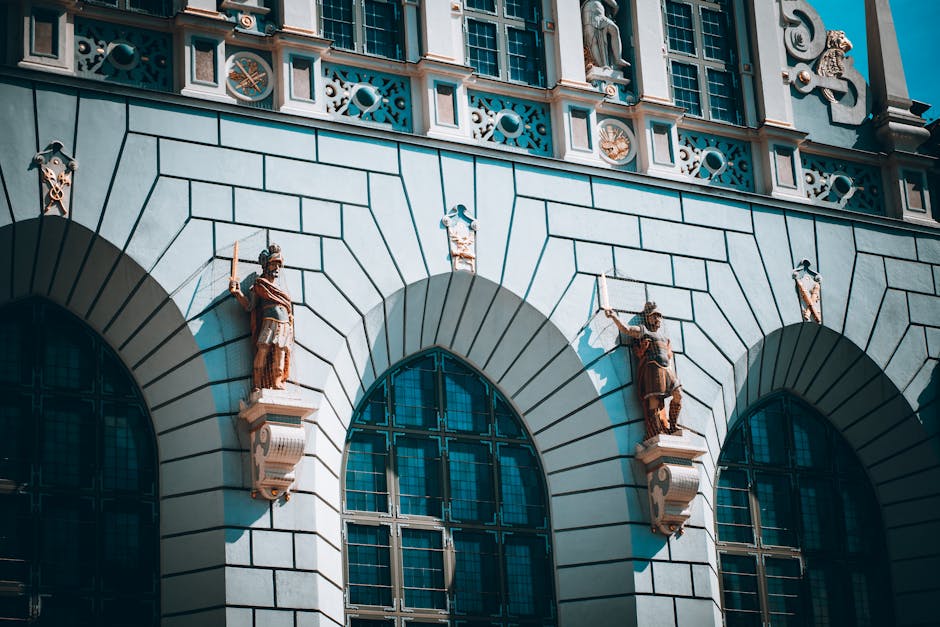
Discover the origins of WWII in Gdansk on this self-guided walk through heroic last stands, massive museums, and strategic hilltop fortifications.
 Moderate
Gdansk, Poland
Discover Zaspa, a massive open-air gallery where grey housing blocks are transformed by over 60 monumental murals. Explore at your own pace.
 Easy
EasyBerat, Albania
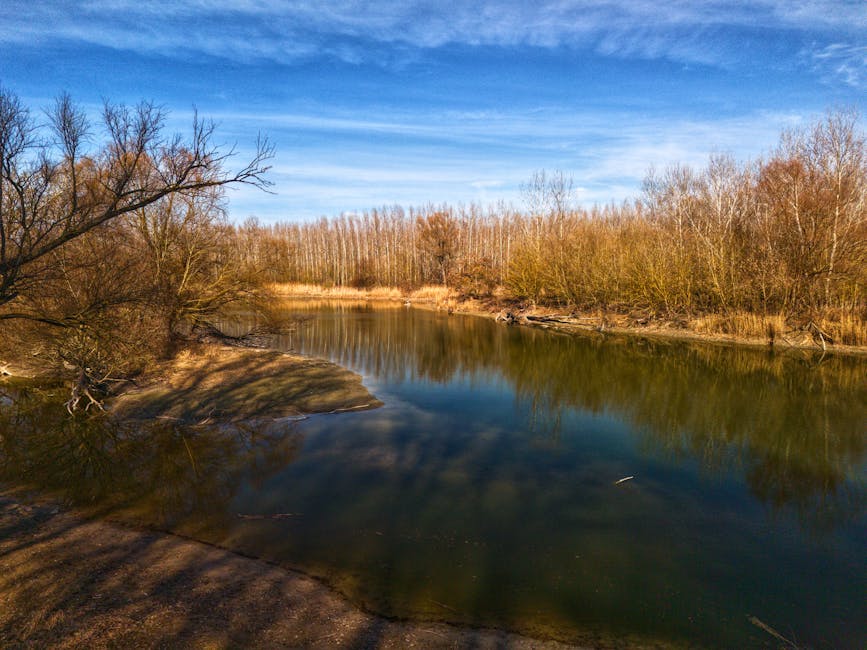
Explore Berat’s stunning riverside, historic bridges, and iconic 'thousand windows' views on this peaceful self-guided nature and photography walk.
 Moderate
Berat, Albania
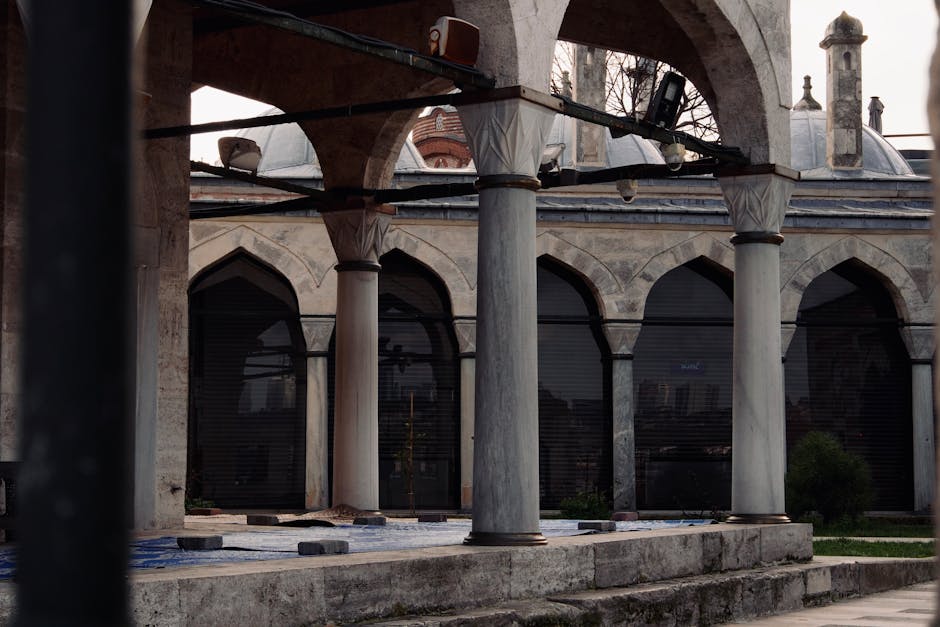
Explore Berat’s unique religious harmony on this self-guided walk through ancient mosques, Sufi shrines, and Byzantine churches.
 Moderate
Berat, Albania
Discover the legends and landmarks of Berat on this self-guided walk through Ottoman neighborhoods and the ancient living citadel.
 Moderate
Berat, Albania
Explore the 'City of a Thousand Windows' on this self-guided walk through the historic Ottoman districts of Mangalem and Gorica in Berat.