Self-guided audio tour in George Town
Start Free on iPhone
Start free on iPhone to unlock this self-guided walking tour in George Town. Hear all the stories that make it amazing, walk at your own pace, and begin whenever you want.
Your Private Tour Guide
Step into a world of vibrant indigo and intricate craftsmanship on this self-guided architectural walk through the heart of George Town's historic Leith Street district. This neighborhood stroll captures the transition between the opulent lifestyles of 19th-century Chinese tycoons and the stately colonial influence of the British Empire. As you explore independently, you will witness the unique 'Straits Eclectic' style—a fusion of Eastern and Western design that earned this city its UNESCO World Heritage status. The centerpiece of this walking route is the legendary Cheong Fatt Tze Mansion, famously known as 'The Blue Mansion.' Its striking indigo walls were a status symbol in the 1880s, and its preserved Feng Shui architecture tells the story of a man who rose from a humble immigrant to become the 'Rockefeller of the East.' This route isn't just about the mansions; it also explores the spiritual and educational foundations of the community, from the intricate stone carvings of the Hainan Temple to the neoclassical facades of St. Xavier's Institution. For those interested in a walking tour George Town offers many paths, but this specific route focuses on the high-society history of the Leith Street elite. You will also encounter the Eastern & Oriental Hotel, a bastion of colonial luxury that has hosted literary greats and royalty for over a century. Whether you are a photography enthusiast looking for the perfect indigo backdrop or a history buff eager to understand the cultural melting pot of Penang, this self-guided adventure allows you to soak in the details at your own pace. The streets here are relatively quiet compared to the bustling core of Chulia Street, making it a peaceful way to experience the city's architectural evolution. From the chocolate trade to maritime spirituality, the route highlights how diverse influences shaped the modern identity of George Town.
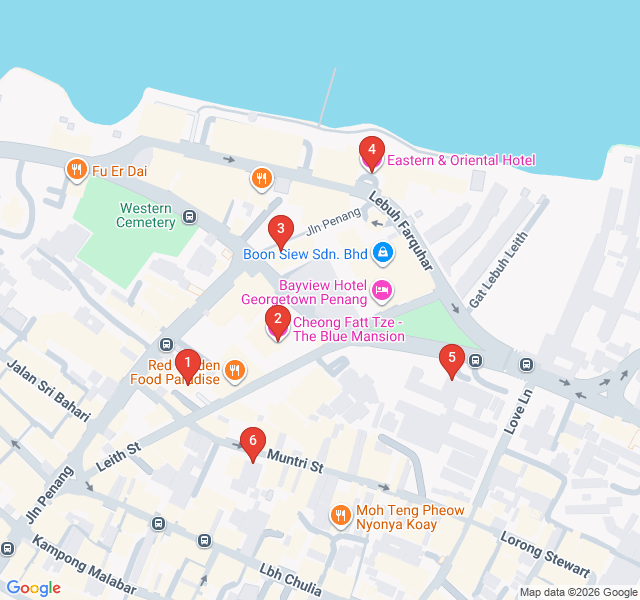
Numbers indicate the order of stops on the tour.
Begin your self-guided walk at this heritage building on Leith Street. While now a museum dedicated to the history of cocoa, the building itself is a prime example of the colonial-era architecture that once dominated this upscale residential street. In the 19th century, Leith Street was known as the 'London of the East' because it was home to wealthy merchants and influential families. The structure features high ceilings and thick walls designed to keep the interior cool in the tropical heat. Take a moment to appreciate the arched windows and the decorative plasterwork, which serve as an introduction to the architectural grandeur you will see throughout this neighborhood.
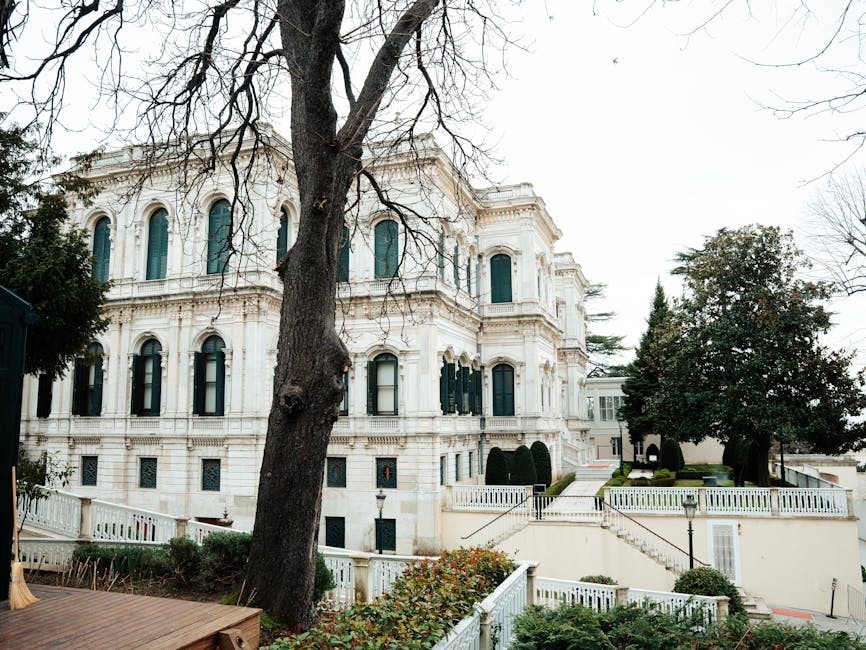
This is the crown jewel of George Town's indigo architecture. Built in the 1880s by the merchant tycoon Cheong Fatt Tze, this 38-room mansion is one of the few remaining examples of its kind outside of China. The striking blue color comes from a natural indigo dye that was highly sought after in the 19th century. The mansion was designed according to strict Feng Shui principles, with five granite courtyards and intricate timber carvings. It famously served as a filming location for 'Crazy Rich Asians.' Notice the 'Chien Nien' porcelain cut-and-paste shard works on the roof gables—a traditional southern Chinese craft that remains remarkably preserved here.
As you walk toward the waterfront, you enter Upper Penang Road. This area provides a fascinating contrast between the old and the new. Historically, this was a transition zone between the residential mansions of Leith Street and the commercial docks. Today, it is a vibrant hub known for its nightlife and restaurants, but if you look above the modern signage, you can see the original colonial facades of the shophouses. The architecture here reflects the 'Straits Eclectic' style, characterized by a mix of Chinese floor plans, European louvred shutters, and Corinthian columns. It is a perfect spot to observe how George Town adapts its heritage for contemporary use.
Standing grandly at the intersection of Farquhar Street and the sea, the E&O Hotel is a symbol of British colonial luxury. Founded in 1885 by the Sarkies Brothers—who also established the Raffles in Singapore—this hotel has hosted luminaries like Rudyard Kipling and Hermann Hesse. The architecture is a masterclass in colonial grandeur, featuring a magnificent domed lobby and expansive sea-facing balconies. Even from the outside, the pristine white walls and manicured gardens offer a glimpse into the 'Pearl of the Orient' era. The hotel played a pivotal role in the social life of the British elite and remains a cornerstone of Penang’s maritime identity.
Across from the hotel stands St. Xavier's Institution, the oldest Lasallian school in Southeast Asia. Founded in 1852, the current building's neoclassical design reflects the importance of education in colonial George Town. The school survived the bombings of World War II, though it required significant restoration. Its long, arched corridors and symmetrical facade are typical of institutional buildings from the mid-20th century, blending functionality with a sense of authority. The school has educated many of Malaysia’s most prominent figures, and its presence marks the intersection of the city’s religious, colonial, and civic histories.
Conclude your neighborhood stroll at the Hainan Temple, also known as Thean Hou Temple. Founded in 1866, this temple is dedicated to Mazu, the Goddess of the Seas, who is believed to protect sailors and immigrants. The architecture here is significantly different from the Blue Mansion; it features incredibly detailed stone carvings on the pillars and walls, crafted by artisans brought over from China. Look closely at the granite carvings depicting dragons, phoenixes, and scenes from Chinese mythology. The temple serves as a reminder of the Hainanese community's contribution to Penang’s cultural fabric and offers a serene, spiritual end to your walk.
Start Free on iPhone
Explore “The Blue Mansion and Indigo Architecture” with your very own Private Tour Guide with Zigway. Start free on iPhone, skip the large group and the fixed routes, and hear the city come alive as you go.
Your Private Tour Guide
Don't miss the good stuff
Explore Freely
 Easy
EasyGeorge Town, Malaysia
Explore the vibrant colors, sacred temples, and aromatic spice stalls of George Town’s historic Little India district on this sensory audio walk.
 Moderate
George Town, Malaysia
Explore George Town's creative pulse on this self-guided walk through vibrant art depots, heritage streets, and urban archaeological parks.
 Easy
EasyGeorge Town, Malaysia
Discover the vibrant nightlife of George Town, from legendary hawker stalls to hidden cocktail bars and historic lanes.
 Easy
EasyGeorge Town, Malaysia
Explore George Town's historic floating villages on this self-guided stroll through 19th-century clan jetties and stilt-house communities.
 Easy
EasyNairobi, Kenya
Discover Nairobi's iconic skyline on this self-guided architecture walk through the CBD’s most famous modernist and Brutalist landmarks.
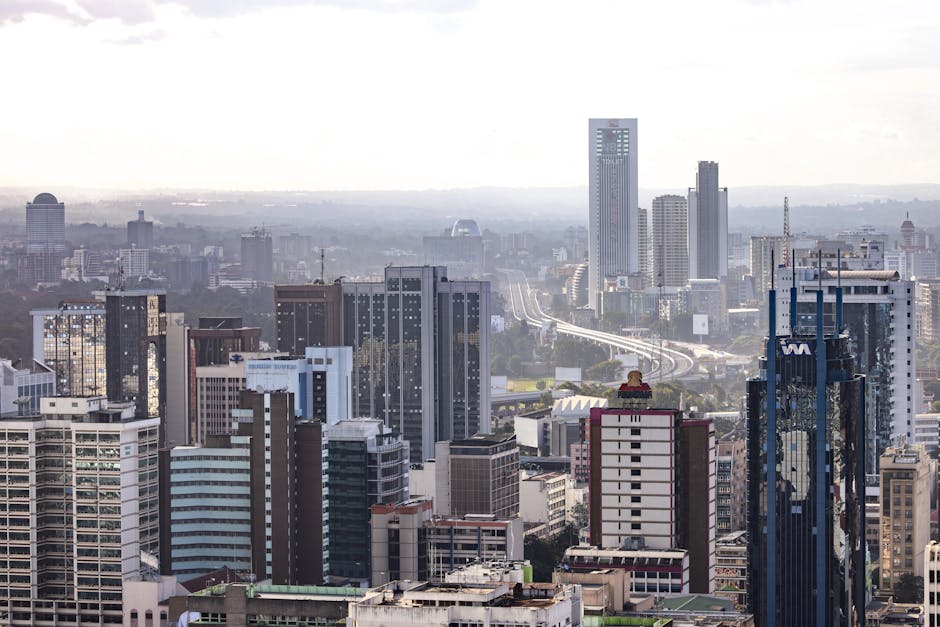 Easy
EasyNairobi, Kenya
Explore Nairobi's architectural evolution from colonial-era landmarks to iconic Brutalist skyscrapers on this historic self-guided walking route.
 Easy
EasyKrakow, Poland
Explore the prestigious Jagiellonian University district, featuring Neo-Gothic architecture, Baroque churches, and Krakow's hidden scholarly gems.
 Easy
EasyKrakow, Poland
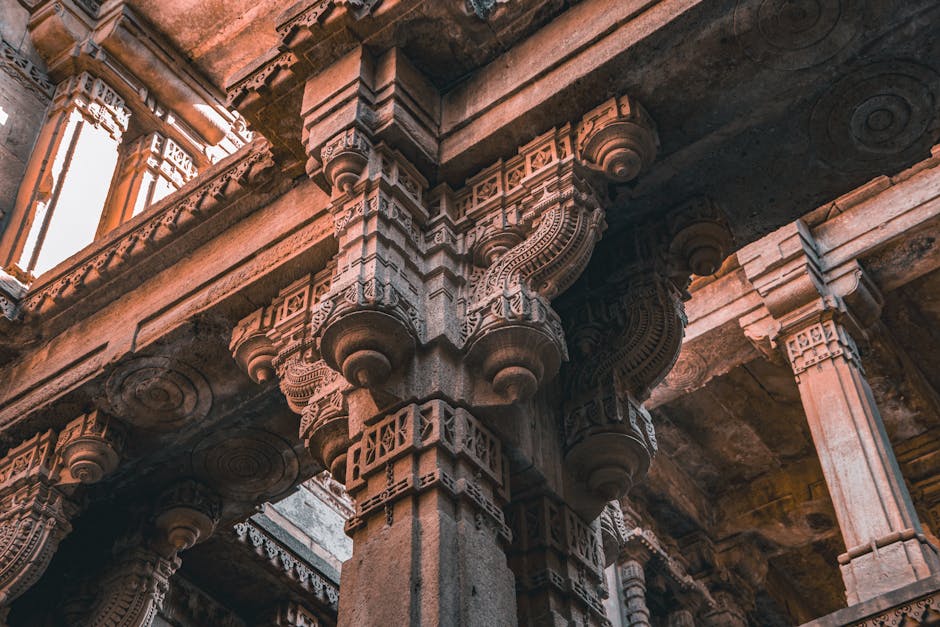
Explore the historic heart of Kazimierz on this self-guided walk through synagogues, ancient cemeteries, and vibrant squares.
 Easy
EasyKuala Lumpur, Malaysia
Discover the futuristic architecture and lush parklands of KLCC on this photography-focused self-guided walk through Kuala Lumpur's iconic center.
 Moderate
Kuala Lumpur, Malaysia
Discover Kuala Lumpur's rainforest heart on this self-guided walk through the Bukit Nanas canopy, historic markets, and iconic green spaces.
 Easy
EasyKuala Lumpur, Malaysia
Explore the vibrant colors, scents, and diverse spiritual landmarks of Kuala Lumpur's Little India on this sensory self-guided audio walk.
 Moderate
Kuala Lumpur, Malaysia
Explore Kuala Lumpur’s most iconic bookstores and creative hubs on this half-day self-guided literary adventure.