Self-guided audio tour in Kuala Lumpur
Start Free on iPhone
Start free on iPhone to unlock this self-guided walking tour in Kuala Lumpur. Hear all the stories that make it amazing, walk at your own pace, and begin whenever you want.
Your Private Tour Guide
Embark on a self-guided walk through the spiritual heart of Kuala Lumpur, where the city’s multi-ethnic fabric is most visible. This walking route takes you through the bustling streets of Chinatown and the historic center, revealing a landscape where Hindu temples, Taoist shrines, Islamic mosques, and Christian cathedrals stand within walking distance of one another. As you explore independently, you will witness the architectural harmony that defines Malaysia’s capital, moving from the ornate, colorful carvings of South Indian tradition to the serene, symmetrical arches of Moorish-inspired design. This neighborhood stroll is not just about the structures themselves, but about the living history of the communities that built them. You will wander through the oldest parts of the city, where the scent of jasmine garlands mixes with sandalwood incense and the call to prayer. Key highlights include the oldest Taoist temple in the city, founded by the 'Kapitan China' Yap Ah Loy, and the stunning confluence of two rivers where the city’s first grand mosque was built. This walking tour Kuala Lumpur offers a deep dive into the cultural evolution of the region, providing context to the diverse faces and traditions you encounter. Whether you are admiring the towering gopuram of a Hindu temple or the Gothic spires of a hilltop cathedral, this route allows you to discover the city's soul at your own pace. For those seeking a comprehensive walking tour Kuala Lumpur experience that blends history with spirituality, this trail offers an unmatched perspective on how faith has shaped the urban landscape of Southeast Asia.
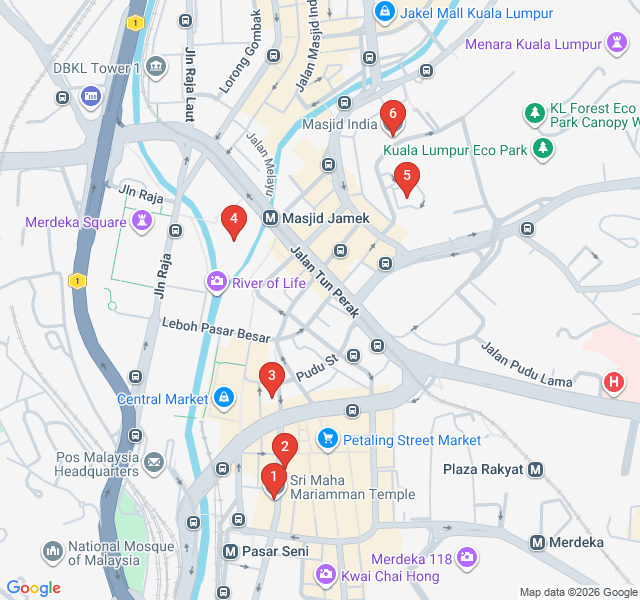
Numbers indicate the order of stops on the tour.
Begin your self-guided adventure at the oldest functioning Hindu temple in Kuala Lumpur. Founded in 1873, this site originally served as a private shrine for the Pillai family before opening to the public in the late 1920s. The most striking feature is the 'Gopuram'—the five-tiered monumental tower decorated with 228 Hindu deities carved in intricate detail. This temple is dedicated to Mariamman, the South Indian mother goddess who protects against disease and unluckiness. As you enter (remembering to remove your shoes), notice the contrast between the bustling street outside and the rhythmic chanting and bell-ringing within. The temple remains a focal point for the Deepavali and Thaipusam festivals, serving as the starting point for the annual silver chariot procession to Batu Caves.
Just a short walk away, the atmosphere shifts as you enter this vibrant Taoist temple dedicated to Guan Di, the God of War and Literature. Recognizable by its bright red walls and coiled dragon pillars, the temple honors a legendary general from the Three Kingdoms period known for his loyalty and righteousness. Inside, you will find a massive 59-kilogram copper pole (a Guan Dao). Legend has it that if you can lift it, you will be granted special protection or strength. The air here is thick with the scent of incense coils hanging from the ceiling, which carry the prayers of devotees toward the heavens. It is a peaceful spot to observe the local tradition of 'kau chim' or fortune-telling with bamboo sticks.
Tucked away in a narrow side street, this is the oldest Taoist temple in the city, established in 1864 by Yap Ah Loy, one of the founding fathers of Kuala Lumpur. Unlike most temples that face the street, this one is built at an unusual angle to adhere to strict Feng Shui principles. It is dedicated to the patron deities Sin Sze Ya and Si Sze Ya, who were local leaders that helped Yap Ah Loy during the Selangor Civil War. Look for the ornate memorial plaques and the two century-old sedan chairs once used to carry the deities during processions. This temple is particularly popular with students who come to pray for success in their exams, often crawling under the main altar for a blessing.
As you move toward the river, you arrive at the 'Friday Mosque,' one of the most iconic sights in the city. Built in 1909, it sits at the exact confluence of the Klang and Gombak rivers—the very spot where Kuala Lumpur began as a small tin-mining settlement. Designed by British architect Arthur Benison Hubback, the mosque features a beautiful Indo-Saracenic style, characterized by its onion domes, arched colonnades, and brick-and-plaster striped walls. The surrounding 'River of Life' project has transformed this area into a misty, blue-lit waterfront in the evenings, but during the day, the palm-fringed courtyard offers a moment of profound serenity amidst the high-rise backdrop of the modern financial district.
Walking up toward the Bukit Nanas forest reserve, the architecture changes again. St. John's Cathedral, with its twin spires and whitewashed Gothic exterior, is the mother church of the Roman Catholic Archdiocese of Kuala Lumpur. Established in 1883, the current building was consecrated in 1955. Its location on the side of a hill provides a literal and metaphorical elevation from the city's noise. The interior features beautiful stained-glass windows that cast colorful light across the pews. It stands as a testament to the colonial influence and the diverse European communities that helped build the city’s early infrastructure. The quiet, shaded grounds are a favorite for locals seeking a moment of reflection.
Concluding this walking route, Masjid India represents the vibrant South Indian Muslim community. The mosque itself is built in a modern Southern Indian style, featuring intricate glasswork and red granite. Unlike the older Masjid Jamek, this mosque is embedded in one of the city's most energetic commercial districts. The surrounding streets are a sensory explosion of colorful textiles, gold jewelry shops, and the aroma of freshly fried samosas and spiced tea. It is a fitting end to the trail, demonstrating how faith and commerce have historically intertwined in Kuala Lumpur. Take a moment to explore the nearby 'Lorong India' for some authentic local snacks before finishing your journey.
Start Free on iPhone
Explore “Spiritual Solace: The Multi-Faith Trail” with your very own Private Tour Guide with Zigway. Start free on iPhone, skip the large group and the fixed routes, and hear the city come alive as you go.
Your Private Tour Guide
Don't miss the good stuff
Explore Freely
 Easy
EasyKuala Lumpur, Malaysia
Discover the futuristic architecture and lush parklands of KLCC on this photography-focused self-guided walk through Kuala Lumpur's iconic center.
 Moderate
Kuala Lumpur, Malaysia
Discover Kuala Lumpur's rainforest heart on this self-guided walk through the Bukit Nanas canopy, historic markets, and iconic green spaces.
 Easy
EasyKuala Lumpur, Malaysia
Explore the vibrant colors, scents, and diverse spiritual landmarks of Kuala Lumpur's Little India on this sensory self-guided audio walk.
 Moderate
Kuala Lumpur, Malaysia
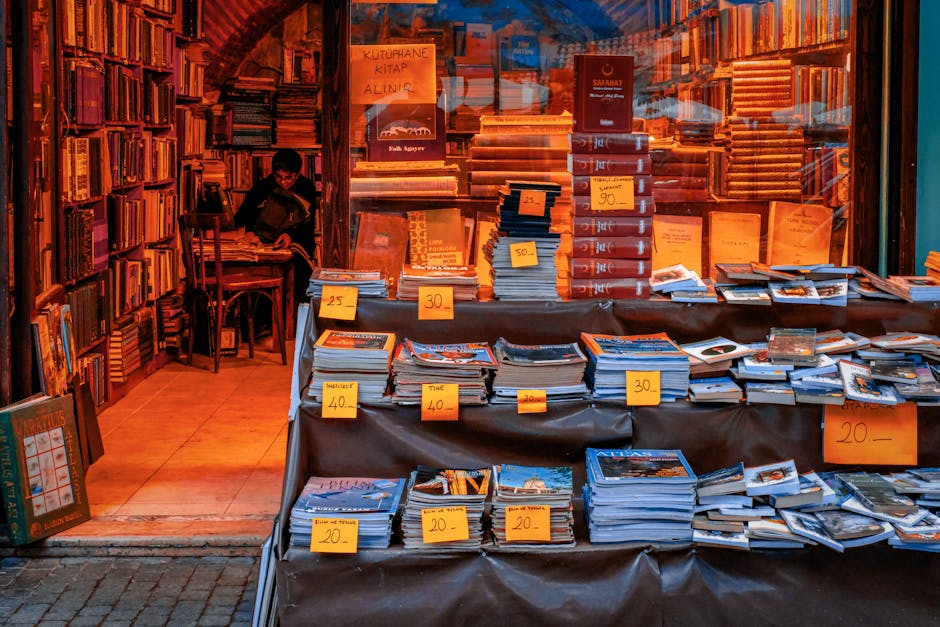
Explore Kuala Lumpur’s most iconic bookstores and creative hubs on this half-day self-guided literary adventure.
 Easy
EasySalzburg, Austria
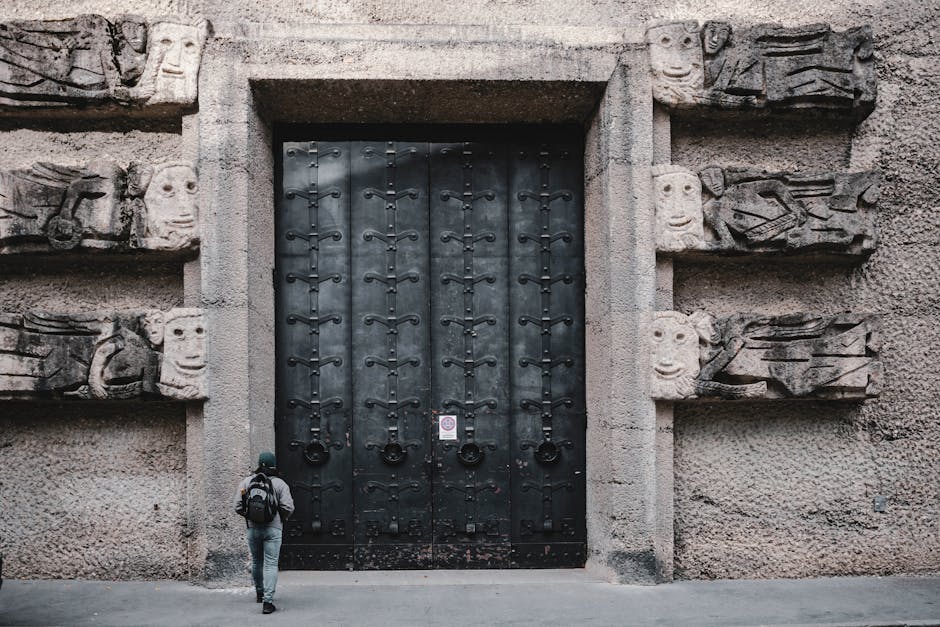
Discover the 'Rome of the North' on this self-guided walk through the Baroque squares and monumental legacy of Salzburg’s Prince-Archbishops.
 Moderate
Warsaw, Poland
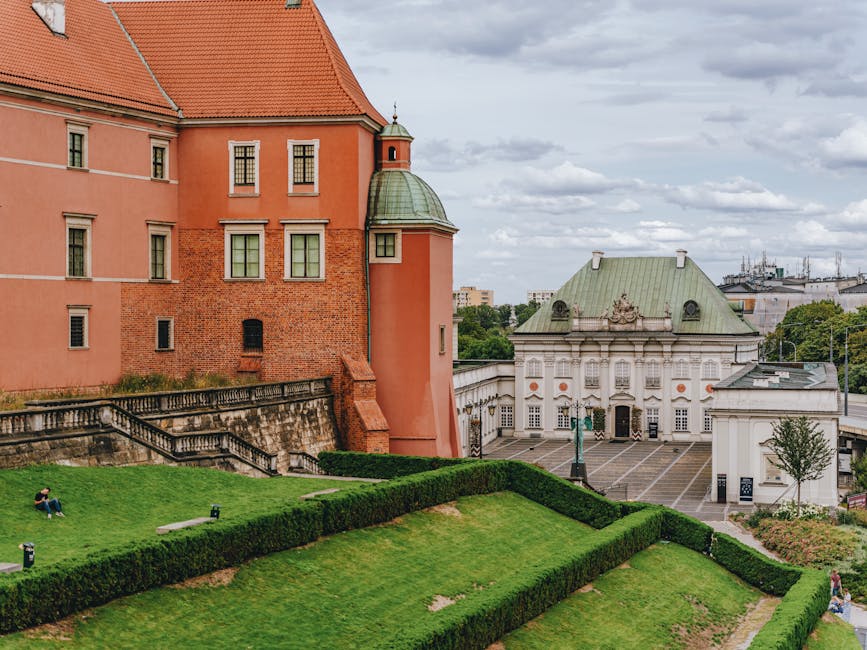
Explore the resilient spirit of Warsaw's Muranów district on this self-guided walk through the history and landmarks of the former Jewish Ghetto.
 Moderate
Vienna, Austria
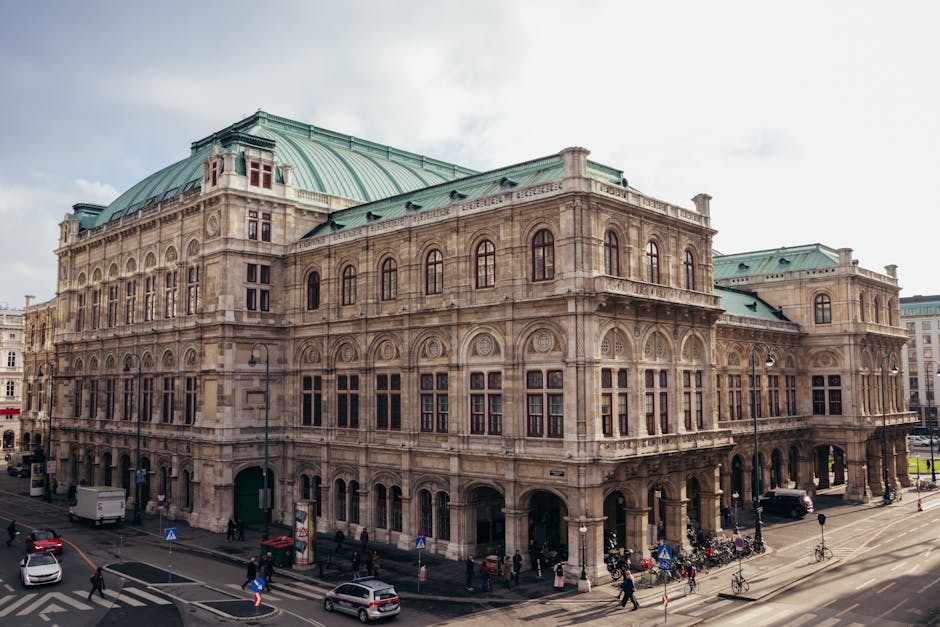
Follow the footsteps of Mozart and Strauss through Vienna’s historic center on this self-guided walk through the city's rich musical history.
 Moderate
Gdansk, Poland
Discover the origins of WWII in Gdansk on this self-guided walk through heroic last stands, massive museums, and strategic hilltop fortifications.
 Easy
EasyGeorge Town, Malaysia
Explore the vibrant colors, sacred temples, and aromatic spice stalls of George Town’s historic Little India district on this sensory audio walk.
 Moderate
George Town, Malaysia
Explore George Town's creative pulse on this self-guided walk through vibrant art depots, heritage streets, and urban archaeological parks.
 Easy
EasyGeorge Town, Malaysia
Discover the vibrant nightlife of George Town, from legendary hawker stalls to hidden cocktail bars and historic lanes.
 Easy
EasyGeorge Town, Malaysia
Explore George Town's historic floating villages on this self-guided stroll through 19th-century clan jetties and stilt-house communities.