Self-guided audio tour in Kuala Lumpur
Start Free on iPhone
Start free on iPhone to unlock this self-guided walking tour in Kuala Lumpur. Hear all the stories that make it amazing, walk at your own pace, and begin whenever you want.
Your Private Tour Guide
Step into the heartbeat of old Kuala Lumpur with this self-guided walk through the city's historic banking district. This route explores the transformation of a muddy river confluence into a powerhouse of global finance. You will discover how the tin mining boom of the 19th century laid the foundations for the skyscrapers that define the skyline today. The journey begins at the iconic Central Market, an Art Deco gem that serves as a bridge between the city's trading past and its creative present. As you explore independently, you will encounter the 'High Street' heritage, where the architecture tells stories of colonial ambition, migrant success, and national identity. This neighborhood stroll highlights the contrast between the ornate, Mughal-inspired government buildings and the sleek, modern towers of the banking elite. You will navigate the bustling streets of Lebuh Ampang, once the territory of the Chettiar moneylenders who fueled early Malaysian commerce. The route also takes you to the River of Life, where a stunning waterfront transformation honors the city's origins. Beyond the financial core, the path extends to the symbols of modern Malaysia, including the towering Petronas Twin Towers and the royal majesty of Istana Negara. This walking route Kuala Lumpur offers a deep dive into the city's soul, allowing you to see how different eras of wealth and power have left their mark on the urban fabric. Whether you are an architecture enthusiast or a history buff, this self-guided adventure provides the flexibility to discover Kuala Lumpur's secrets at your own pace, away from the constraints of a traditional guided tour Kuala Lumpur.
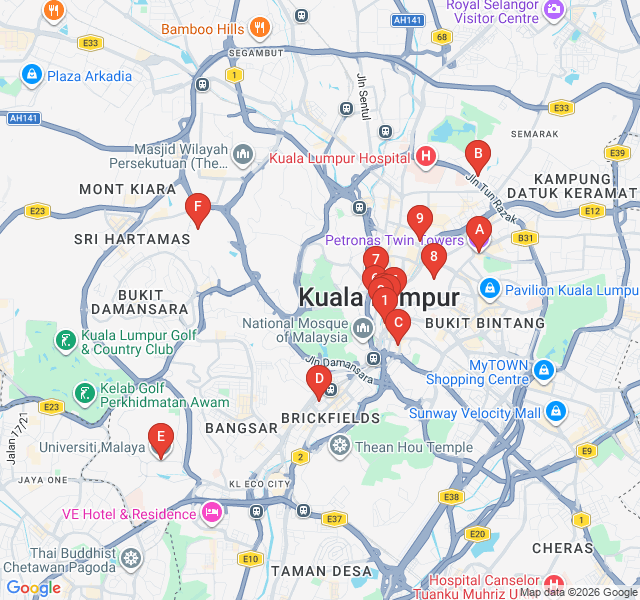
Numbers indicate the order of stops on the tour.
Start exploring with Zigway at Central Market, originally built in 1888 as a wet market. The current Art Deco facade dates back to 1937, reflecting the city's growth during the British colonial era. Once the primary source of fresh produce for the city's residents, it was saved from demolition in the 1980s and transformed into a cultural heritage site. Look up at the pastel blue exterior—a classic example of the 'Straits Eclectic' style. Today, it stands as a testament to adaptive reuse, housing local artisans and traditional crafts that represent Malaysia's diverse cultural tapestry.
This building honors Loke Yew, one of the most influential figures in Kuala Lumpur's history. A rags-to-riches businessman, Loke Yew became the richest man in British Malaya through tin mining and rubber. This building, with its classic colonial proportions, was once the tallest in the city. It represents the transition from simple shophouses to the grander masonry that defined the early 20th-century business district. It serves as a reminder of the philanthropic and industrial spirit that turned a jungle outpost into a thriving metropolis.
Stand at the confluence of the Klang and Gombak Rivers. This is where Kuala Lumpur—meaning 'muddy confluence'—began. For over a century, these rivers were the city's industrial veins, but as the city grew, they became neglected. The 'River of Life' project has revitalized this area into a stunning waterfront. At night, the blue mist and lighting create a dreamlike atmosphere, but even by day, the view of the Masjid Jamek mosque framed by the water is one of the most photographed spots in the city, bridging the gap between old spirituality and modern urbanism.
Welcome to the original heart of Kuala Lumpur. Before Central Market existed, this square was the center of trade. Notice the 1937 Coronation Clock Tower, built to commemorate the coronation of King George VI. The square is surrounded by three-story shophouses that once housed the city's most prominent banks and trading firms. The architecture here is a mix of Neo-Classical and Art Deco styles, reflecting the wealth that flowed through these streets during the rubber boom. It is a quiet pocket of history amidst the city's modern rush.
This street is synonymous with the Chettiar community from South India. These traditional moneylenders were the backbone of the local economy before modern banking took over, providing credit to miners and planters. As you walk, notice the distinct architectural features of the buildings, which often combined business on the ground floor with living quarters above. The street remains a vibrant hub for Indian culture, filled with the aroma of spices and traditional South Indian vegetarian restaurants, maintaining its character as a historic commercial artery.
This is the birthplace of Malaysian independence. On August 31, 1957, the Union Jack was lowered, and the Malayan flag was raised for the first time on the massive flagpole you see here. The square was formerly the cricket green for the British colonial administration, surrounded by the Sultan Abdul Samad Building with its iconic copper domes. It is a site of immense national pride, where the colonial past and the independent future meet. The surrounding architecture is a brilliant example of the 'Moorish' style favored by British architects in the late 19th century.
Moving into the administrative heart, the DBKL Tower (Kuala Lumpur City Hall) represents the post-independence era of governance. This building manages the rapid growth and urban planning of the city. While it may seem modern compared to the Sultan Abdul Samad Building, it occupies a crucial space in the 'Civic District,' overseeing the modernization of the very streets you just walked. It symbolizes the shift from colonial rule to self-governance and the challenges of managing a global 21st-century city.
Visible from almost everywhere in the city, the KL Tower stands atop Bukit Nanas, one of the oldest forest reserves in the country. Completed in 1995, it is one of the tallest telecommunications towers in the world. Its design incorporates Islamic motifs, such as the Muqarnas vaulting in the lobby, blending high-tech function with cultural heritage. While the Petronas Towers are taller, the KL Tower's position on a hill makes its 'Sky Deck' one of the best vantage points to see the entire banking district from above.
This institution marks the city's commitment to the future and technical education. Located in the heart of the city, UniKL reflects the modern Malaysian ambition to move from a resource-based economy to a knowledge-based one. The presence of a major university in the central business district ensures that the area remains youthful and dynamic, contrasting with the 'old money' feel of the nearby banking institutions.
No self-guided walk in KL is complete without the Petronas Twin Towers. Once the tallest buildings in the world, they remain the world's tallest twin towers. Designed by César Pelli, the floor plate of each tower is based on the Rub el Hizb, an Islamic geometric pattern. The shimmering stainless steel and glass exterior reflects the sun by day and glows like jewels at night. They represent the pinnacle of Malaysia's economic rise in the 1990s and remain the most iconic symbol of the modern Malaysian state.
The design of the National Library is inspired by the 'tanjak,' a traditional Malay headgear. This unique architectural choice symbolizes the importance of knowledge and culture in the nation's identity. The building houses millions of items, including rare Malay manuscripts, acting as the guardian of the nation's intellectual heritage. It is a quiet, contemplative space that stands in stark contrast to the busy commercial zones of the banking district.
Tucked away in Chinatown, this restored alleyway brings the early 20th-century life of Chinese settlers to life. The name literally translates to 'Ghost Lane' or 'Little Demon Lane,' referring to the mischievous children who used to play here. Today, it is a hub for street art, with murals depicting daily scenes from the past—a barber at work, a calligrapher writing letters, and children playing. It is a beautiful example of heritage preservation that has turned a forgotten alley into one of the city's most vibrant cultural spots.
This building is a masterpiece of Art Deco architecture in Kuala Lumpur. Built in 1938, it was designed to be fireproof and modern, featuring the city's first underground basement. Notice the clean lines and the vertical emphasis, characteristic of the style. As one of the earliest purpose-built bank headquarters, it solidified this area's reputation as the financial core of the city, long before the skyscrapers of KLCC were even a dream.
While located a short distance from the immediate city center, Universiti Malaya is the oldest and most prestigious university in the country. It has been the training ground for almost all of Malaysia's prime ministers and business leaders. The campus is a blend of mid-century modernism and contemporary facilities, set within a lush green landscape that provides a necessary lung for the city. It represents the academic foundation upon which the nation's modern economy was built.
Conclude your journey at the gates of the National Palace, the official residence of the Yang di-Pertuan Agong, the King of Malaysia. This massive complex, completed in 2011, features 22 gold domes and sits on a hill overlooking the city. While the interior is not open to the public, the Changing of the Guard ceremony at the main gate is a popular sight. It serves as a powerful symbol of the constitutional monarchy and the traditional roots that remain at the heart of this modern, fast-paced nation.
Start Free on iPhone
Explore “High Street Heritage: The Banking District” with your very own Private Tour Guide with Zigway. Start free on iPhone, skip the large group and the fixed routes, and hear the city come alive as you go.
Your Private Tour Guide
Don't miss the good stuff
Explore Freely
 Easy
EasyKuala Lumpur, Malaysia
Discover the futuristic architecture and lush parklands of KLCC on this photography-focused self-guided walk through Kuala Lumpur's iconic center.
 Moderate
Kuala Lumpur, Malaysia
Discover Kuala Lumpur's rainforest heart on this self-guided walk through the Bukit Nanas canopy, historic markets, and iconic green spaces.
 Easy
EasyKuala Lumpur, Malaysia
Explore the vibrant colors, scents, and diverse spiritual landmarks of Kuala Lumpur's Little India on this sensory self-guided audio walk.
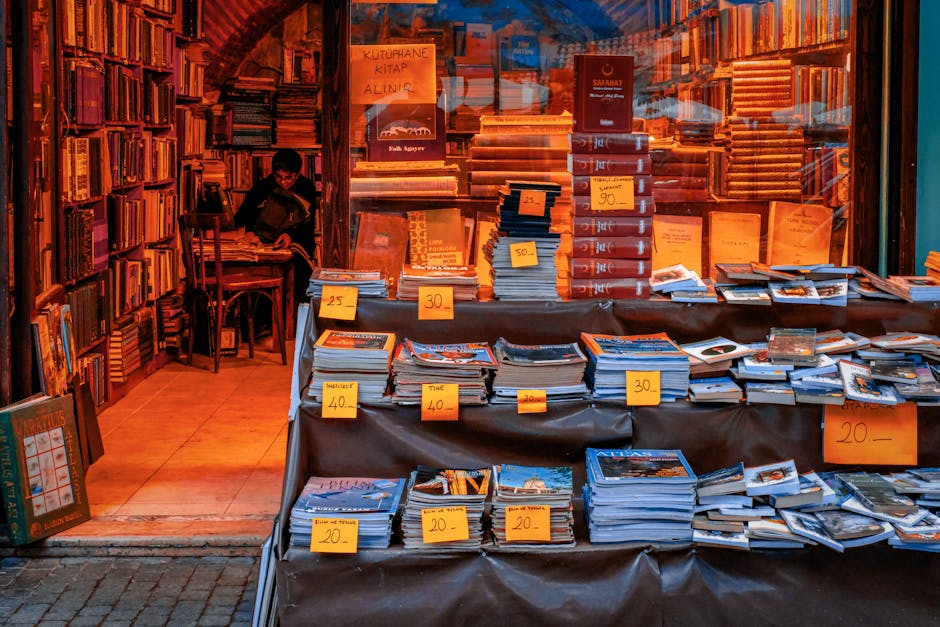 Moderate
Kuala Lumpur, Malaysia
Explore Kuala Lumpur’s most iconic bookstores and creative hubs on this half-day self-guided literary adventure.
 Easy
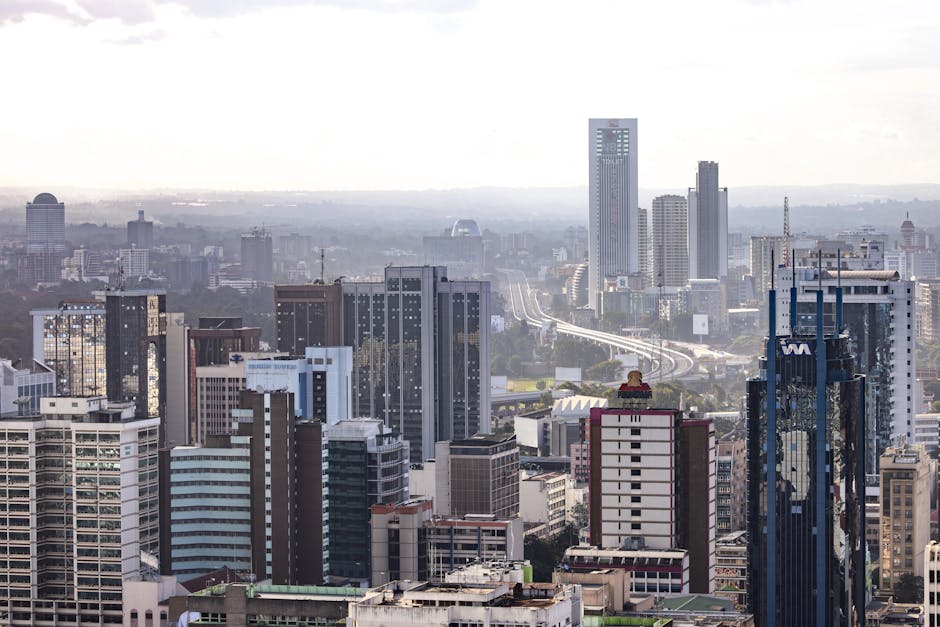
EasyNairobi, Kenya
Explore Nairobi's architectural evolution from colonial-era landmarks to iconic Brutalist skyscrapers on this historic self-guided walking route.
 Easy
EasyNairobi, Kenya
Discover Nairobi's iconic skyline on this self-guided architecture walk through the CBD’s most famous modernist and Brutalist landmarks.
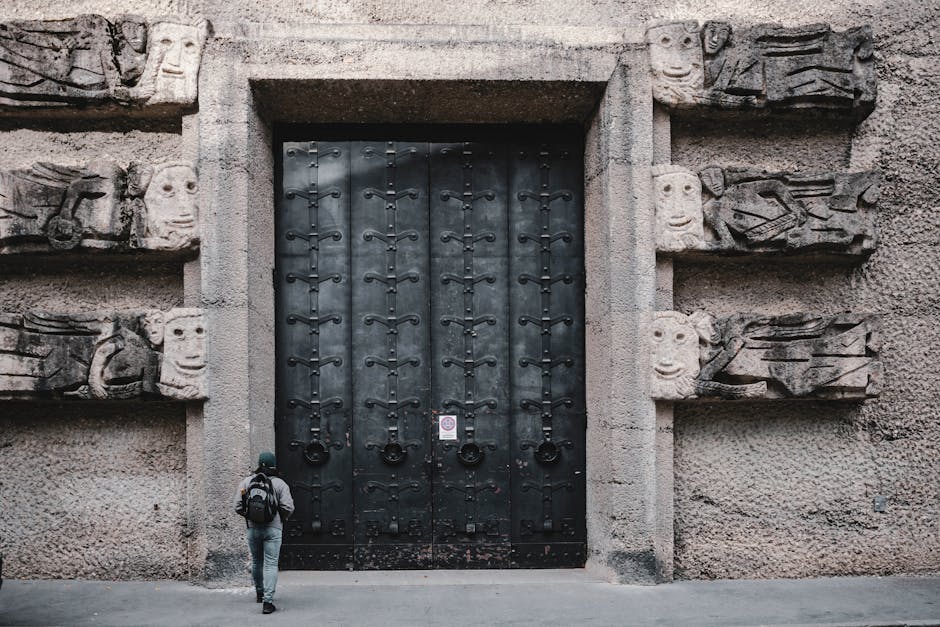 Easy
EasySalzburg, Austria
Discover the 'Rome of the North' on this self-guided walk through the Baroque squares and monumental legacy of Salzburg’s Prince-Archbishops.
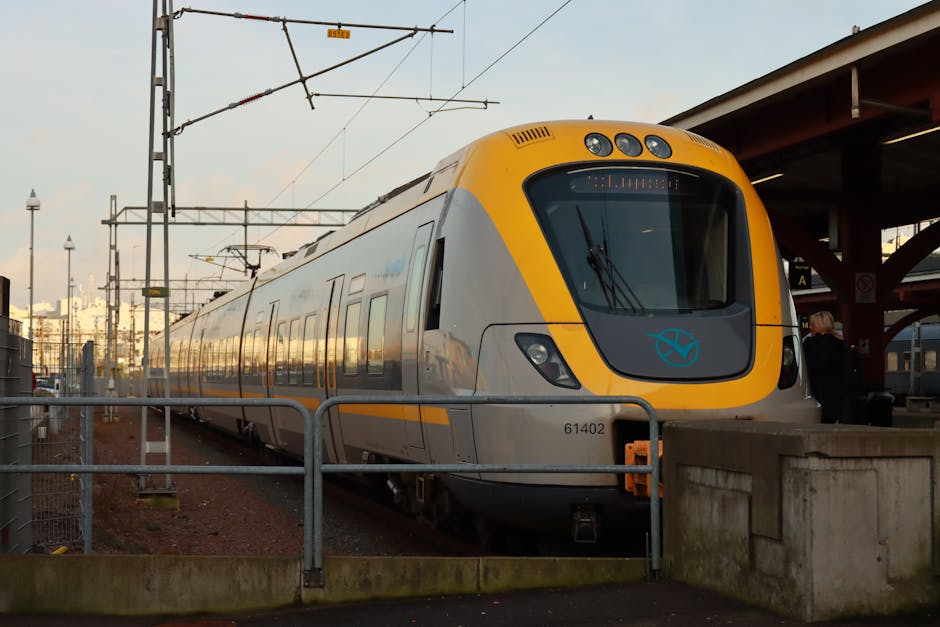 Easy
EasyGothenburg, Sweden
Discover Gothenburg’s 17th-century Dutch foundations, historic canals, and military fortifications on this self-guided architectural walk.
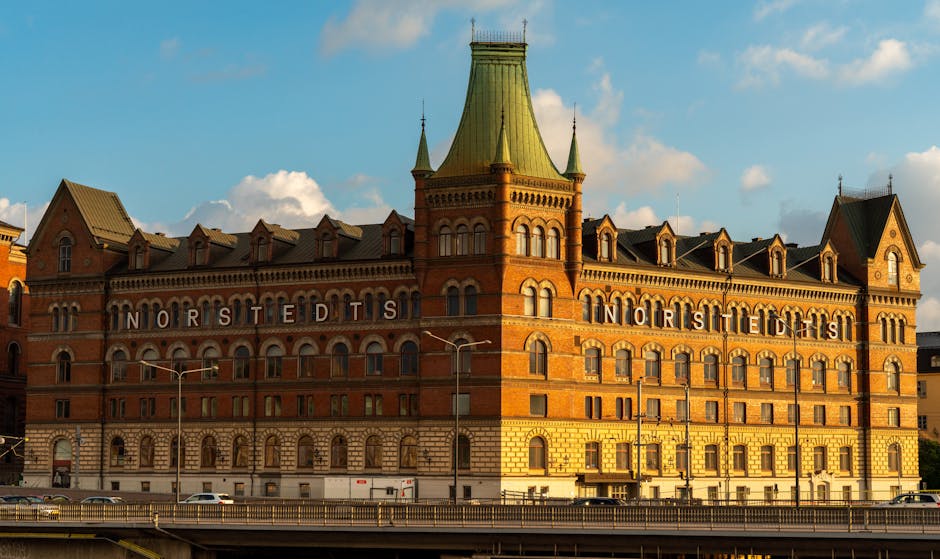 Easy
EasyGeorge Town, Malaysia
Explore the vibrant colors, sacred temples, and aromatic spice stalls of George Town’s historic Little India district on this sensory audio walk.
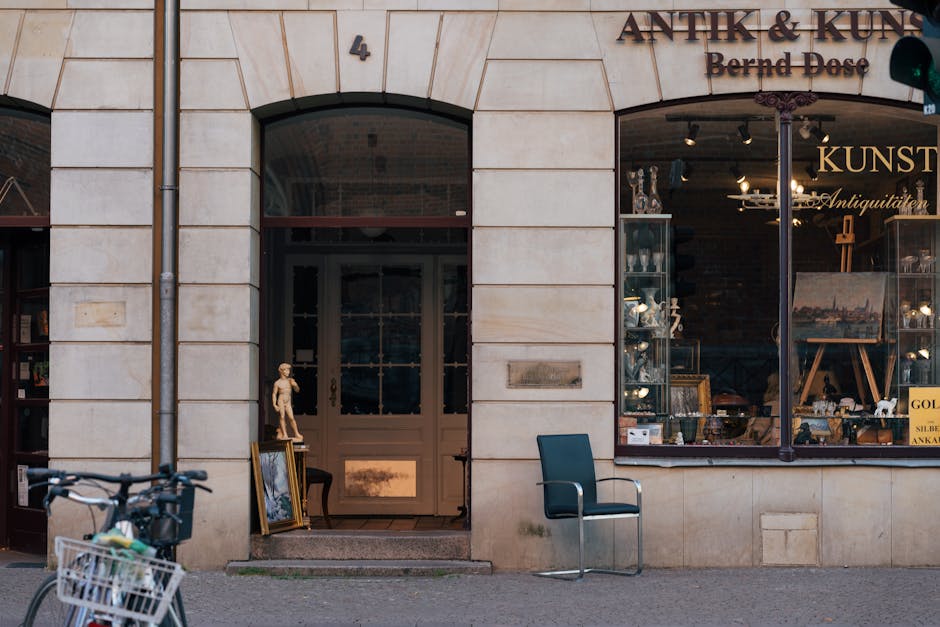 Moderate
George Town, Malaysia
Explore George Town's creative pulse on this self-guided walk through vibrant art depots, heritage streets, and urban archaeological parks.
 Easy
EasyGeorge Town, Malaysia
Discover the vibrant nightlife of George Town, from legendary hawker stalls to hidden cocktail bars and historic lanes.
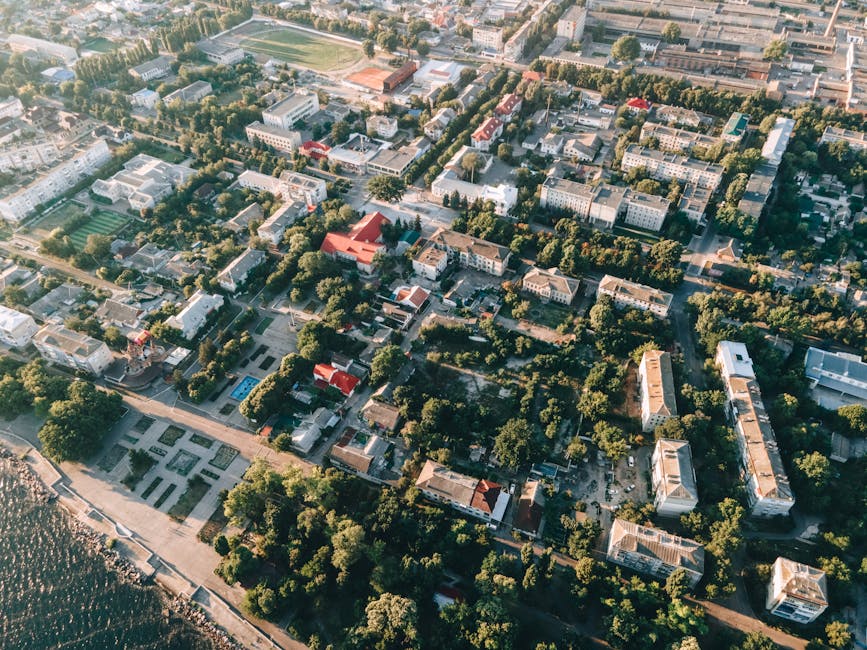 Easy
EasyGeorge Town, Malaysia
Explore George Town's historic floating villages on this self-guided stroll through 19th-century clan jetties and stilt-house communities.