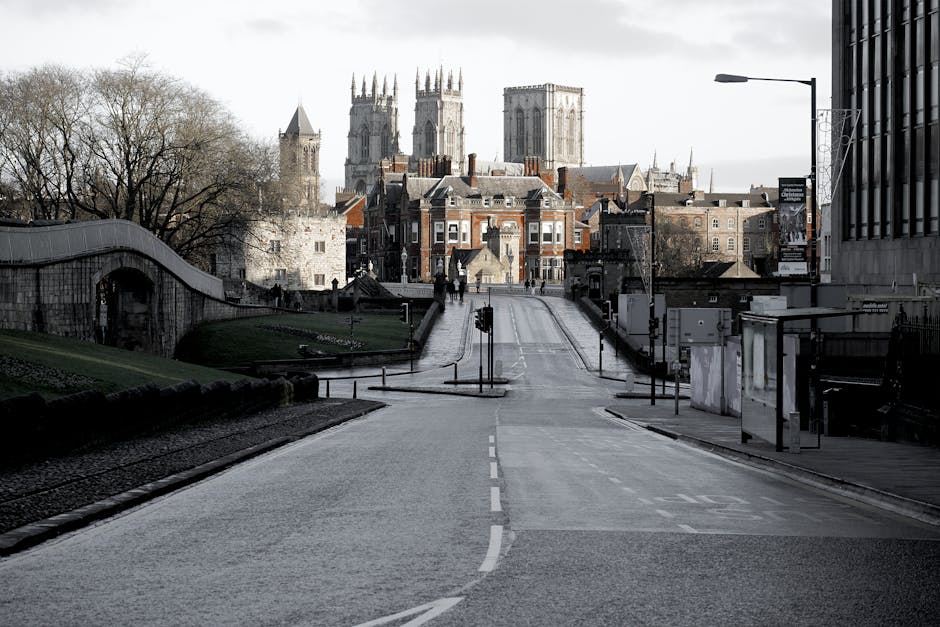
Self-guided audio tour in York
Start Free on iPhone
Start free on iPhone to unlock this self-guided walking tour in York. Hear all the stories that make it amazing, walk at your own pace, and begin whenever you want.
Your Private Tour Guide
York is often celebrated for its gothic cathedral and Viking roots, but this self-guided walk explores a different side of the city: its civic heart and architectural prestige. As you wander through the historic core, you’ll discover how power shifted from Roman governors to medieval guilds and Georgian socialites. The route takes you through elegant squares and past grand residences that tell the story of a city that was once the 'Capital of the North.' This neighborhood stroll allows you to appreciate the intricate details of York’s most prestigious buildings at your own pace. From the medieval Guildhall tucked away by the river to the neoclassical splendor of the Assembly Rooms, each stop reveals a layer of York's social and political evolution. You'll see where the Lord Mayor still resides and where the Council of the North once governed under the watchful eye of the Tudor monarchs. This walking route York offers is perfect for those who love history and architecture, providing a deep dive into the structures that shaped the city's identity. Unlike a standard walking tour York visitors might find in brochures, this experience focuses on the evolution of authority, from the defensive might of Bootham Bar to the refined social halls of the 18th century. Along the way, you'll pass the famous Bettys Café Tea Rooms and the historic King's Manor, now a university building but once a palace for visiting royalty. Whether you are a first-time visitor or a long-time resident, this self-guided adventure provides a fresh perspective on the stone and timber that built York's reputation as a center of power.
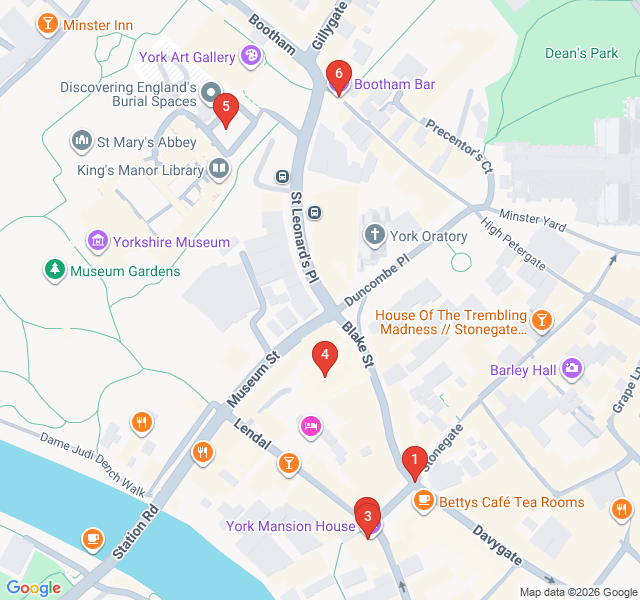
Numbers indicate the order of stops on the tour.
Start exploring at St Helen’s Square, the elegant heart of York’s social life. While it looks like a classic Georgian square today, it sits directly over what was once the gateway to the Roman fortress of Eboracum. The square is named after St Helen’s Church, dedicated to the mother of Constantine the Great, who was proclaimed Emperor right here in York. In the 18th century, this area was cleared of its old buildings to create a fashionable space for the city's elite. Today, it is framed by beautiful architecture, including the famous Bettys Café Tea Rooms, housed in a building with interiors inspired by the Queen Mary ocean liner. Take a moment to appreciate the blend of Roman origins and Georgian refinement before continuing toward the river.
Tucked away behind the Mansion House lies the Guildhall, a symbol of York's medieval commercial power. Built in the 15th century by the Guild of St Christopher and St George, this was the center of city governance for over 500 years. Inside, massive oak pillars, each carved from a single tree, support the roof. The building has survived significant trauma; it was largely gutted during the 'Baedeker' air raids of 1942. However, it was meticulously restored to its former glory. As you stand by the riverside entrance, imagine the medieval merchants arriving by boat to conduct the city's business. It remains a working civic building, representing the long-standing independence and wealth of York's merchant class.
The York Mansion House is the first purpose-built residence for a Lord Mayor in England, predating the one in London by twenty years. Completed in 1732, it was designed to provide a grand setting for the Lord Mayor to entertain distinguished guests. Its stunning neoclassical facade, with its grand pediment and ionic columns, was a statement of York’s status as a regional capital. The Lord Mayor of York is a position of great prestige, second only to the Lord Mayor of London in precedence. While the building serves as a home, it also houses an incredible collection of civic silver and historical artifacts. It stands as a testament to the city's wealth during the Georgian era when York was the social hub of Northern England.
Step into the world of 18th-century high society at the Assembly Rooms. Designed by the celebrated architect Richard Boyle, the 3rd Earl of Burlington, this building is a masterpiece of Palladian architecture. It was built between 1730 and 1735 as a place for the landed gentry to gather for balls, concerts, and card games. The highlight is the 'Egyptian Hall,' inspired by the ancient Roman architect Vitruvius. With its rows of Corinthian columns and glittering chandeliers, it was the height of fashion. During the York Races, this building would have been filled with the most influential figures in the country. It marks a shift in York’s history from a center of trade to a center of luxury and social display.
King’s Manor is a complex of buildings with a history as layered as York itself. Originally built as the house for the Abbot of St Mary’s Abbey, it was seized by Henry VIII during the Dissolution of the Monasteries. It then became the headquarters for the Council of the North, a powerful body that governed the northern counties on behalf of the Crown. Over the centuries, it hosted royalty, including Charles I and James I. Notice the various architectural styles, from medieval stone to Tudor brickwork and Stuart additions. Today, it is part of the University of York, but its grand courtyards and ornate doorways still whisper stories of royal visits and high-stakes political intrigue from the 16th and 17th centuries.
Conclude your walk at Bootham Bar, one of the four ancient gateways into the city. This site has been a primary entrance to York for nearly 2,000 years, standing on the location of the original Roman 'Porta Principalis Dextra.' The current structure dates back to the 11th century, though much of what you see is 14th and 19th-century work. Look up to see the stone figures on the battlements, designed to deter invaders. Bootham Bar was the gate through which travelers from the North would enter the city. It has survived sieges, royal processions, and the threat of demolition in the 1800s. It stands as a powerful reminder of York’s defensive history and its enduring status as a fortified city of great strategic importance.
Start Free on iPhone
Explore “Power and Prestige: York’s Civic Grandeur” with your very own Private Tour Guide with Zigway. Start free on iPhone, skip the large group and the fixed routes, and hear the city come alive as you go.
Your Private Tour Guide
Don't miss the good stuff
Explore Freely
 Easy
EasyYork, United Kingdom
Discover York's industrial soul on this self-guided walk through grand Victorian stations and world-class railway history.
 Easy
EasyYork, United Kingdom
Uncover the secrets of Roman Eboracum on this self-guided walk through York’s ancient fortress walls, hidden towers, and legendary haunted basements.
 Easy
EasyYork, United Kingdom
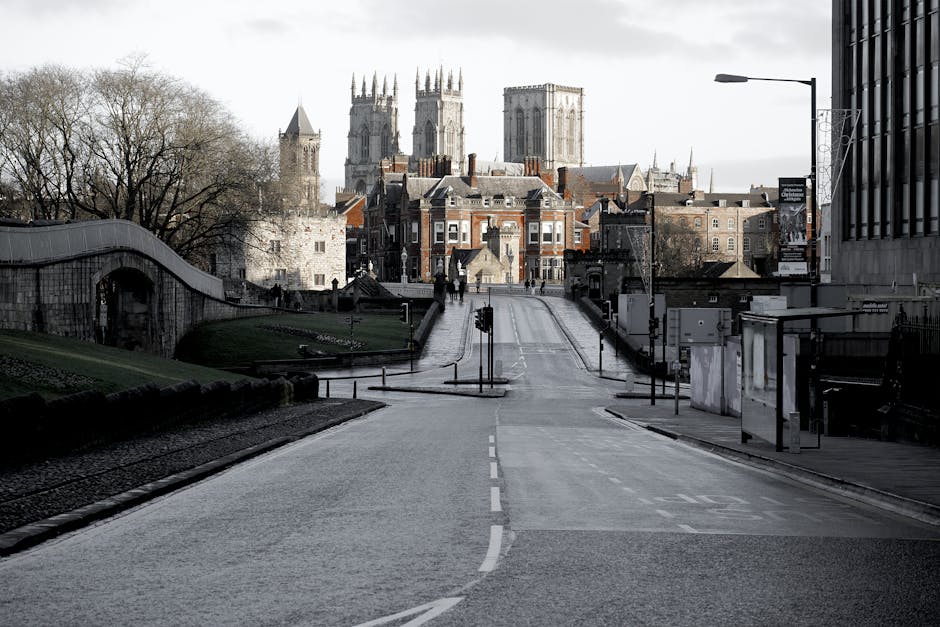
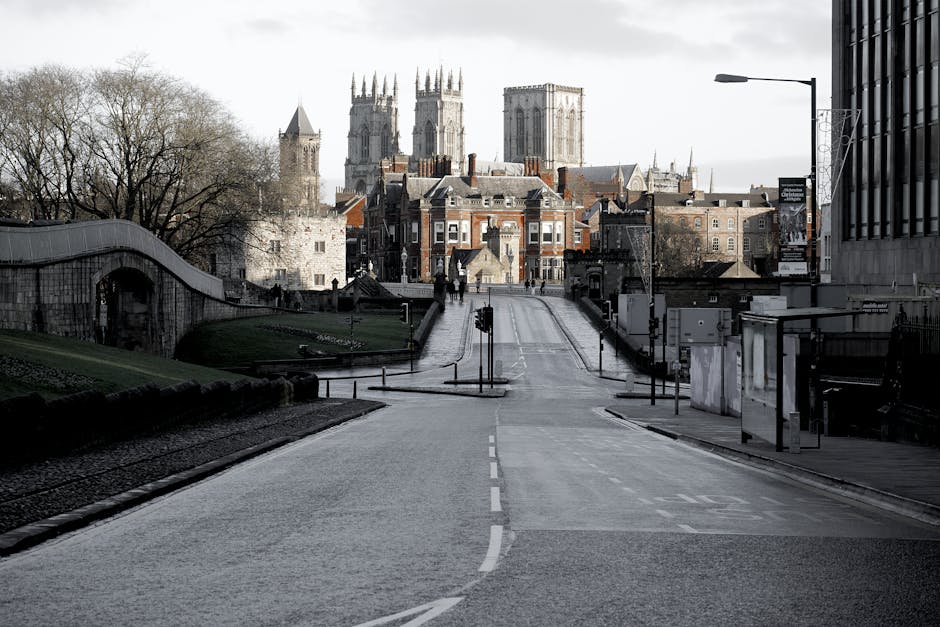
Explore the architectural wonders of York’s Minster Quarter at your own pace with this independent audio walk through Gothic history.
 Easy
EasyYork, United Kingdom
Explore York's delicious artisan food scene on this self-guided walking route through medieval streets and modern creative hubs.
 Easy
EasySalzburg, Austria
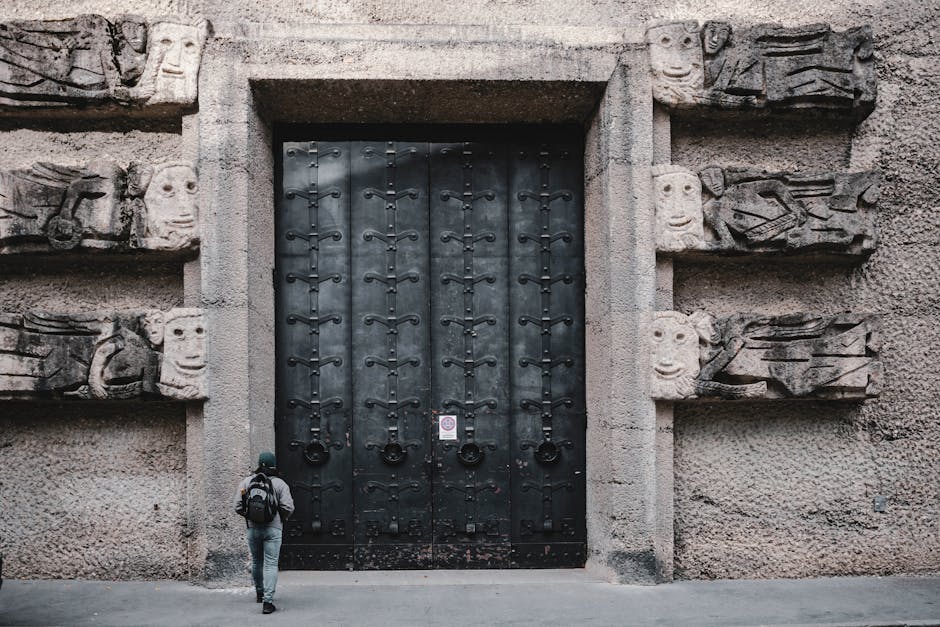
Discover the 'Rome of the North' on this self-guided walk through the Baroque squares and monumental legacy of Salzburg’s Prince-Archbishops.
 Easy
EasyGdansk, Poland
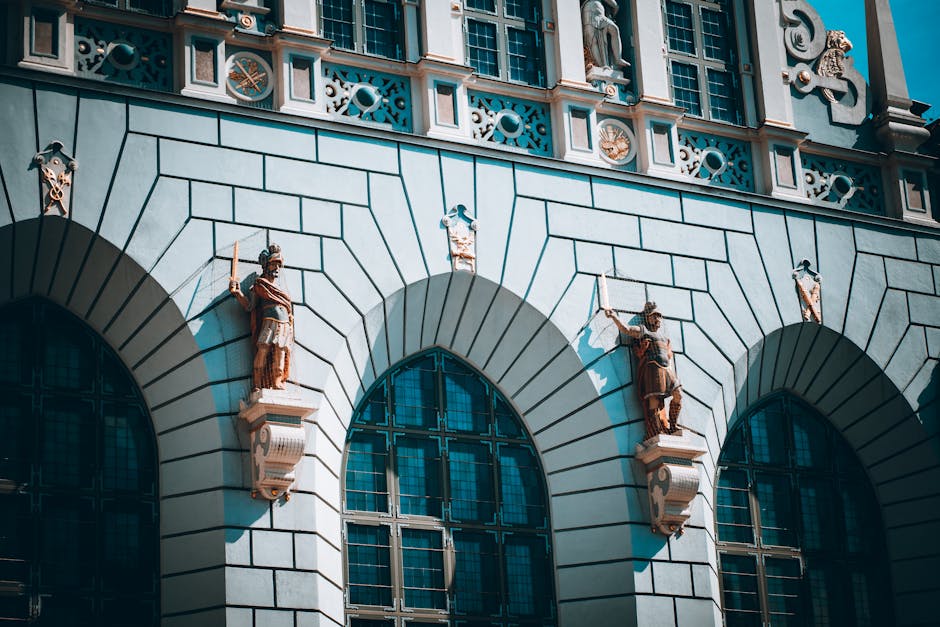
Discover the opulent Royal Way of Gdansk at your own pace. Explore Hanseatic history, gilded architecture, and the iconic Neptune's Fountain.
 Easy
EasyWarsaw, Poland
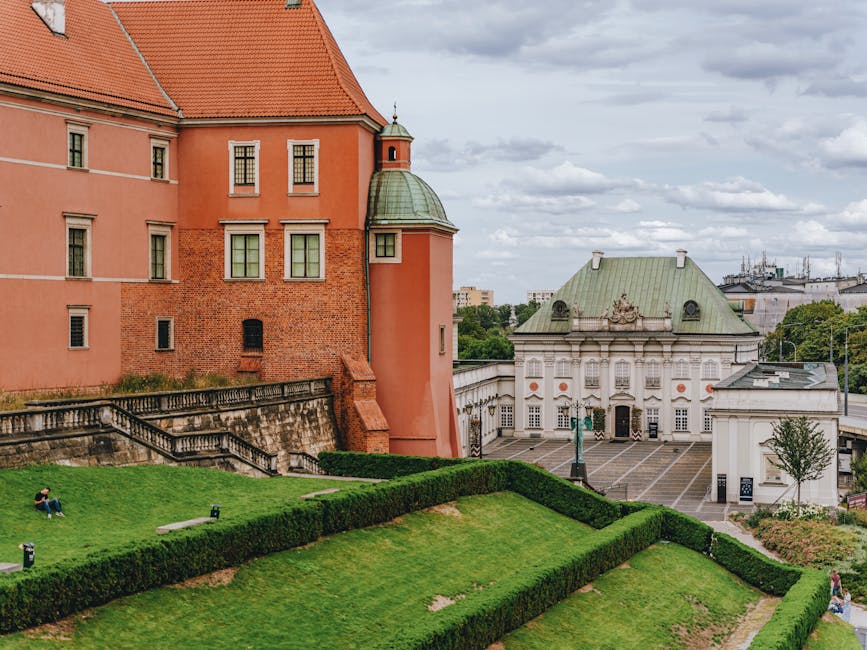
Explore the miracle of Warsaw's reconstructed Old Town on this self-guided walk through royal squares, medieval walls, and heroic monuments.
 Easy
EasyGothenburg, Sweden
Discover Gothenburg’s 17th-century Dutch foundations, historic canals, and military fortifications on this self-guided architectural walk.
 Easy
EasyEdinburgh, United Kingdom
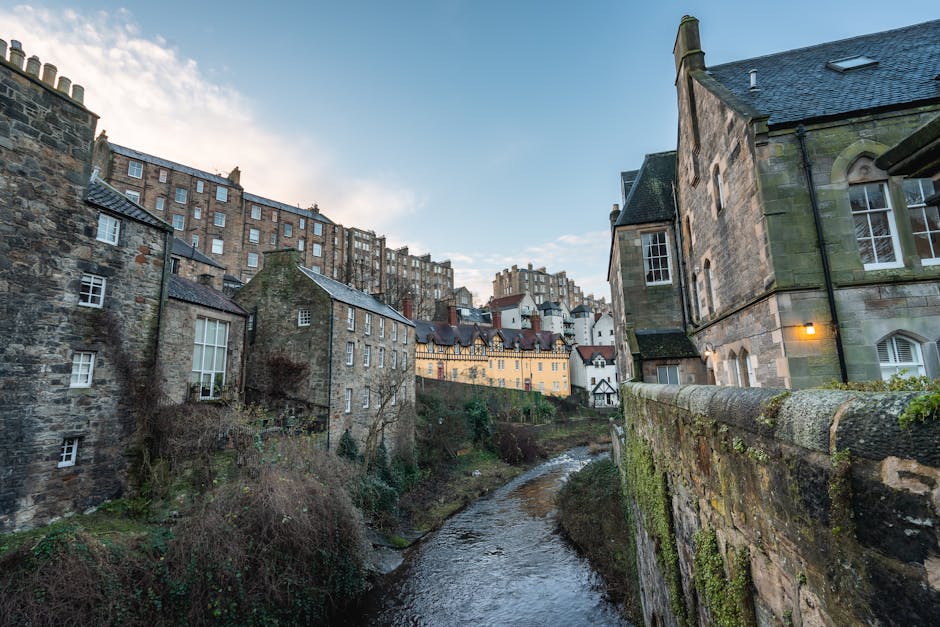
Explore Edinburgh's historic Royal Mile at your own pace, from the heights of the Castle to the royal Palace of Holyroodhouse.
 Easy
EasyEdinburgh, United Kingdom
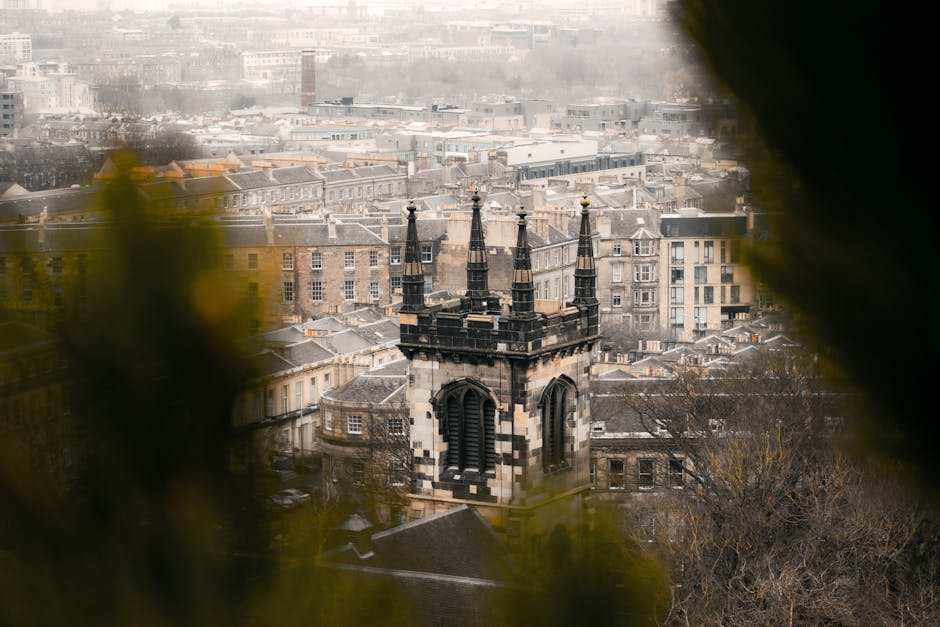
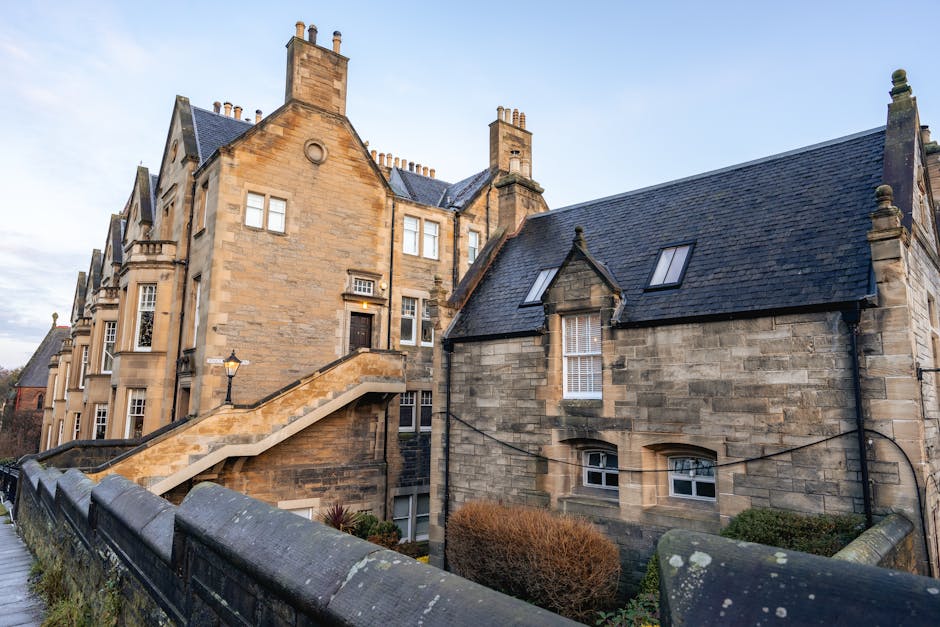
Capture the magic of Edinburgh on this self-guided stroll through the fairy-tale Dean Village, floral Circus Lane, and the scenic Water of Leith.
 Easy
EasyEdinburgh, United Kingdom
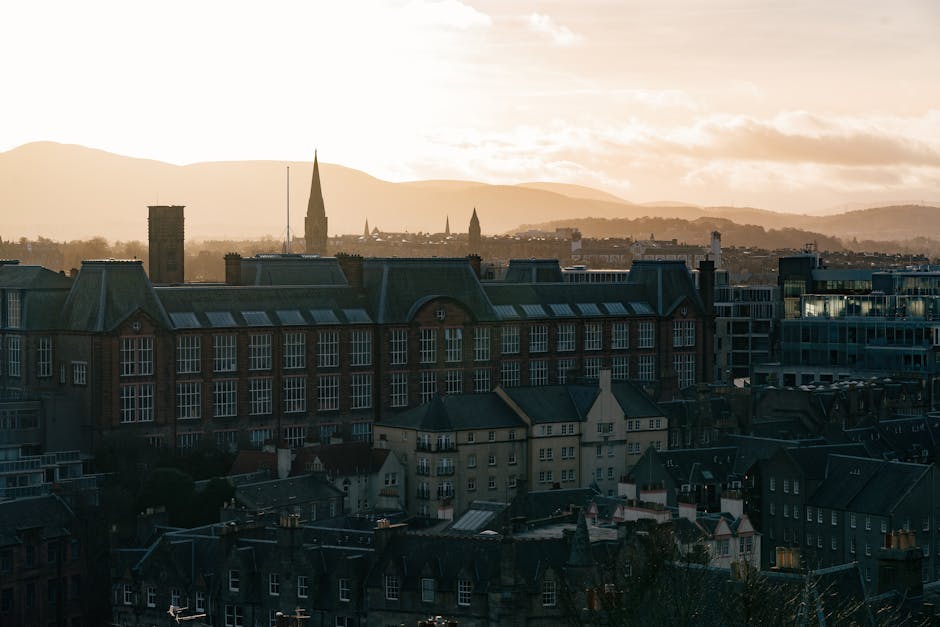
Explore Edinburgh's creative soul on this self-guided walk from historic museums to the stylish galleries and boutiques of the West End.
 Challenging
Edinburgh, United Kingdom
Ascend an ancient volcano and discover royal history on this challenging self-guided walk through Edinburgh's iconic Holyrood Park.