Self-guided audio tour in Manchester
Start Free on iPhone
Start free on iPhone to unlock this self-guided walking tour in Manchester. Hear all the stories that make it amazing, walk at your own pace, and begin whenever you want.
Your Private Tour Guide
Manchester is a city forged in the fire of the Industrial Revolution, but its soul is defined by a remarkable history of religious tolerance and radical thinking. This self-guided walk invites you to explore the sacred spaces that have shaped the city’s identity, from grand Gothic cathedrals to modest meeting houses. As you navigate the route from the northern reaches of Cheetham Hill into the bustling heart of the city center, you will discover how different faiths have coexisted and contributed to the social fabric of this Northern powerhouse. Begin your self-guided adventure at the stunning Manchester Jewish Museum, housed in a former Spanish and Portuguese synagogue. This Moorish Revival masterpiece serves as a gateway to understanding the city's diverse heritage. From there, the walking route leads you toward the medieval heart of the city, where the Manchester Cathedral stands as a testament to centuries of resilience, having survived both the Blitz and the 1996 IRA bombing. This walking tour Manchester experience allows you to witness the architectural evolution of the city, transitioning from the intricate carvings of the 15th century to the refined elegance of 18th-century Dissenting chapels. You will encounter the Cross Street Chapel, a site of religious non-conformity that once welcomed literary figures like Elizabeth Gaskell, and the Friends Meeting House, which reflects the quiet, steadfast influence of the Quaker community. The journey concludes at what locals affectionately call 'The Hidden Gem,' a Catholic church tucked away in a narrow side street that houses some of the most striking modern religious art in the country. This self-guided walk is more than just a look at buildings; it is an exploration of the ideas, struggles, and triumphs of the people who called Manchester home. By following this walking route, you can explore independently and at your own pace, soaking in the quiet atmosphere of these hallowed halls while the modern city hums just outside the doors. Whether you are interested in the fine details of ecclesiastical architecture or the social history of Britain's first industrial city, this walking tour Manchester provides a unique perspective on the city's spiritual landscape.

Numbers indicate the order of stops on the tour.
Start exploring with Zigway at the Manchester Jewish Museum. This site is centered around a former Spanish and Portuguese synagogue built in 1874. It is the oldest surviving synagogue building in Manchester and a rare example of Moorish Revival architecture in the North of England. As you look at the intricate brickwork and stained glass, consider the waves of Jewish immigration that transformed Cheetham Hill into a vibrant multicultural hub. The museum preserves the stories of those who fled persecution and built a new life here, contributing to the city's textile trade and civic life. The beautifully restored interior provides a serene start to your journey through Manchester’s diverse faiths.
Head south toward the city center to reach Manchester Cathedral. Although much of what you see today was heavily restored after wartime damage, the core of this building dates back to 1421. It was originally a collegiate church before being elevated to cathedral status in 1847. Inside, look for the 'Angel Stone,' a small Saxon carving that hints at a religious site existing here over a thousand years ago. The cathedral is also famous for its medieval choir stalls, featuring some of the finest misericords in Europe—humorous and detailed woodcarvings hidden under the seats. This space represents the Anglican heart of the city, standing firm through centuries of industrial change.
A short walk brings you to Cross Street Chapel, a cornerstone of Manchester’s 'Dissenting' history. The original chapel was built in 1694 for those who refused to follow the Church of England's doctrines. It became a center for radical thought and social reform. Famous congregants included the novelist Elizabeth Gaskell and her husband William, a minister here. The current building is a modern replacement, as the original was destroyed during the Blitz, but the site remains a powerful symbol of Unitarian values and religious freedom. It reminds us that Manchester has always been a place where people were free to think differently and challenge the status quo.
Located in one of Manchester's most elegant squares, St Ann's Church was consecrated in 1712. At the time, it was surrounded by fields, but it soon became the fashionable place of worship for the city's growing merchant class. Built from local red sandstone, it is a fine example of Neoclassical architecture. Interestingly, St Ann’s is the location from which all distances to Manchester were once measured. During the 19th century, it was a center for the anti-slavery movement, reflecting the city's complex relationship between its industrial wealth and its moral conscience. The church remains an active parish and a quiet sanctuary amidst the high-end shops of the city center.
Near Central Library, you will find the Friends Meeting House, the home of Manchester’s Quaker community since 1830. This building is a masterpiece of Greek Revival style, designed by Richard Lane. Quakers have played a pivotal role in Manchester’s social history, advocating for peace, prison reform, and education. This specific site is also significant for its proximity to the Peterloo Massacre of 1819; many of the injured were brought to the previous meeting house on this spot for care. The architecture is deliberately simple and unadorned, reflecting the Quaker belief in finding the 'inner light' without the need for grand rituals or ornate decorations.
Tucked away on Mulberry Street is St Mary’s, famously known as 'The Hidden Gem.' Founded in 1794, it was the first Catholic church built in Manchester after the Reformation. Because of the laws at the time, Catholic churches were often built in side streets to avoid drawing too much attention, hence its nickname. While the exterior is modest, the interior is breathtaking. It is home to the 'Stations of the Cross' by Norman Adams, a series of 14 modern paintings that are considered some of the greatest religious artworks of the 20th century. It is the perfect place to end your self-guided walk, offering a moment of profound artistic and spiritual reflection.
Start Free on iPhone
Explore “Manchester’s Sacred Spaces and Diverse Faiths” with your very own Private Tour Guide with Zigway. Start free on iPhone, skip the large group and the fixed routes, and hear the city come alive as you go.
Your Private Tour Guide
Don't miss the good stuff
Explore Freely
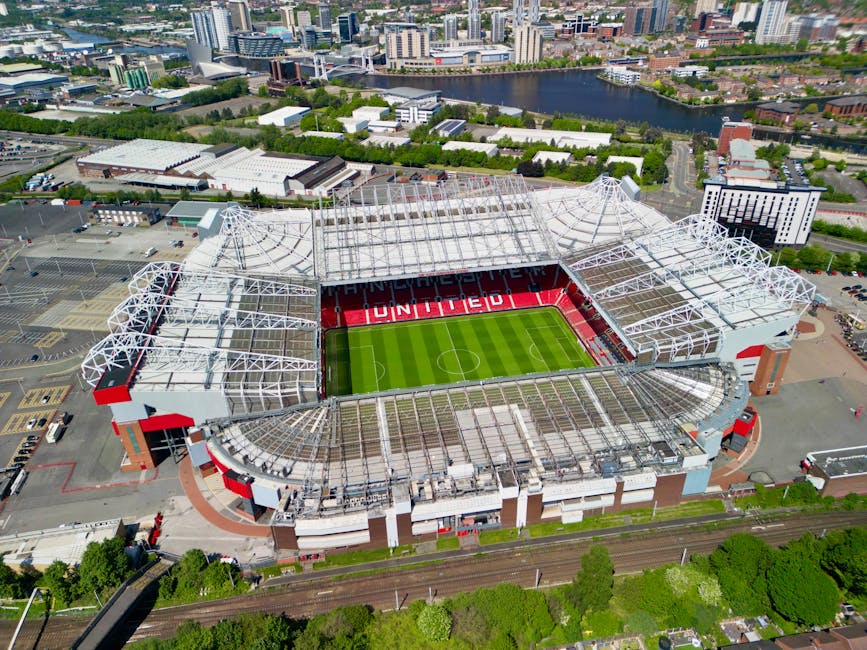 Moderate
Manchester, United Kingdom
Discover Manchester’s secret green spaces and hidden parks on this self-guided audio walk through the city’s most tranquil and photogenic spots.
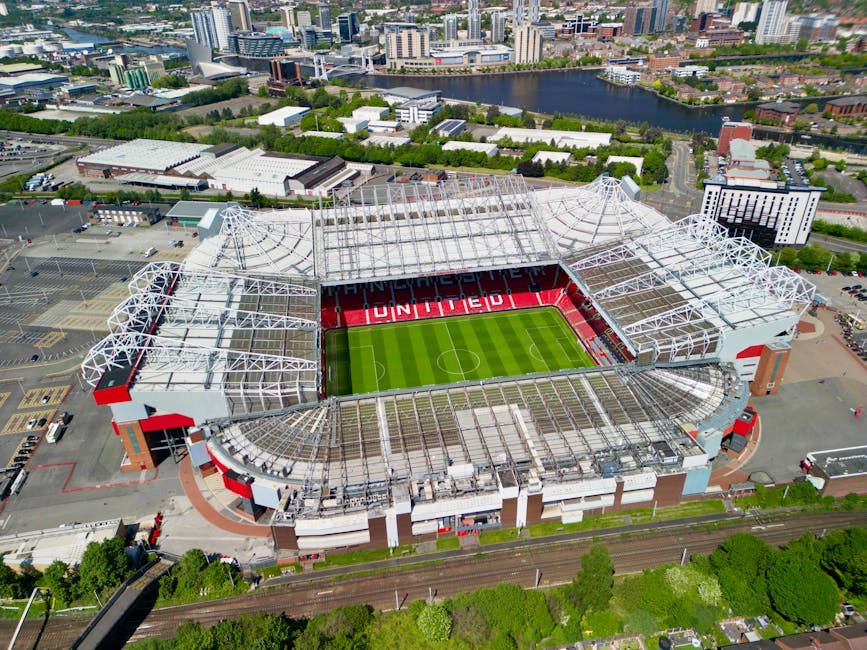 Easy
EasyManchester, United Kingdom
Explore Manchester’s creative soul on this self-guided stroll through the Northern Quarter’s iconic street art and quirky subculture.
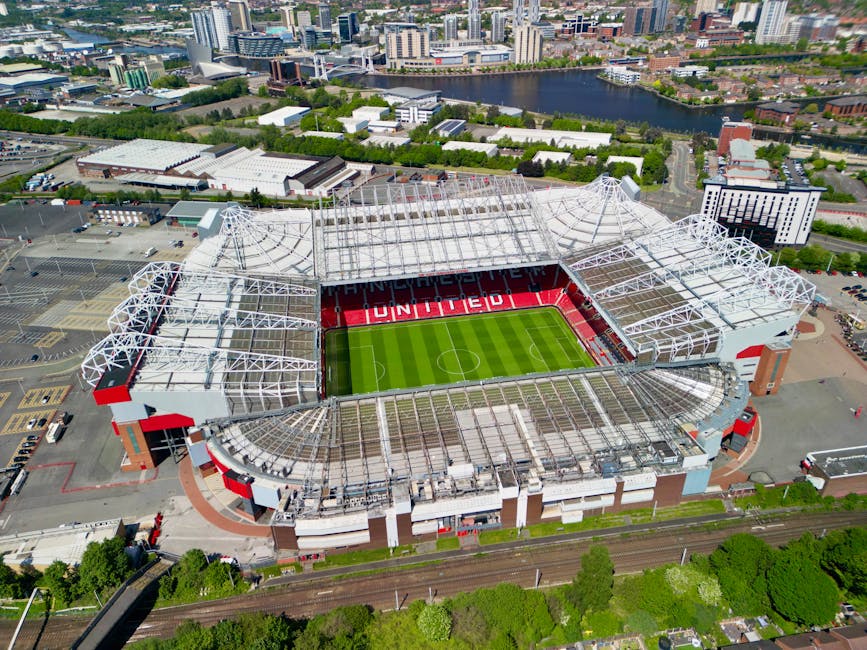 Easy
EasyManchester, United Kingdom
Discover the transformation of Ancoats from industrial 'Little Italy' to Manchester's trendiest culinary district on this self-guided audio walk.
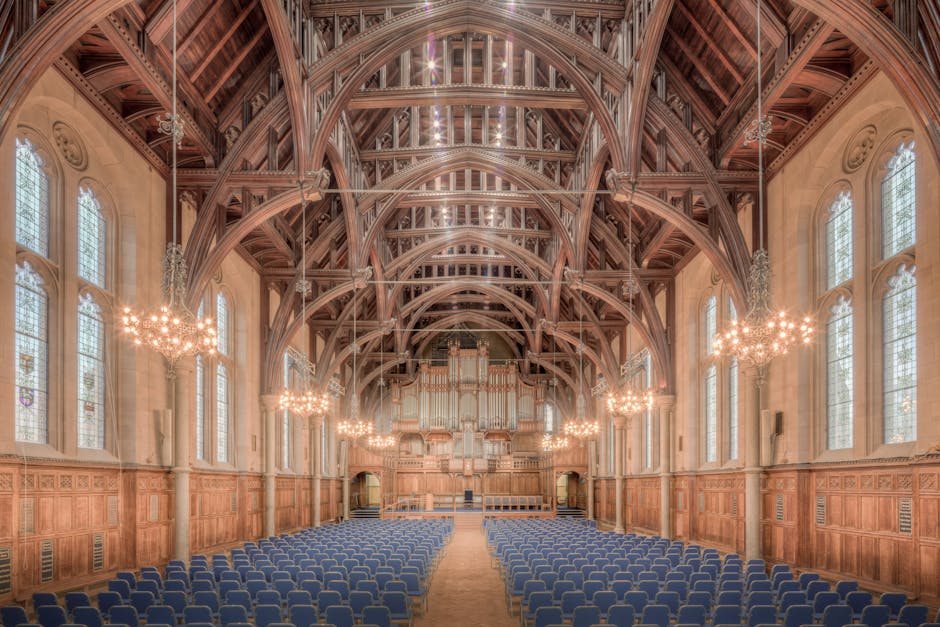 Moderate
Manchester, United Kingdom
Trace the sonic legacy of Manchester from the birth of punk to the Oasis era on this self-guided walking route through music history.
 Moderate
Gdansk, Poland
Discover the origins of WWII in Gdansk on this self-guided walk through heroic last stands, massive museums, and strategic hilltop fortifications.
 Easy
EasyNairobi, Kenya
Explore Nairobi's architectural evolution from colonial-era landmarks to iconic Brutalist skyscrapers on this historic self-guided walking route.
 Easy
EasyNairobi, Kenya
Discover Nairobi's iconic skyline on this self-guided architecture walk through the CBD’s most famous modernist and Brutalist landmarks.
 Moderate
Vienna, Austria
Follow the footsteps of Mozart and Strauss through Vienna’s historic center on this self-guided walk through the city's rich musical history.
 Easy
EasyEdinburgh, United Kingdom
Explore Edinburgh's historic Royal Mile at your own pace, from the heights of the Castle to the royal Palace of Holyroodhouse.
 Easy
EasyEdinburgh, United Kingdom
Capture the magic of Edinburgh on this self-guided stroll through the fairy-tale Dean Village, floral Circus Lane, and the scenic Water of Leith.
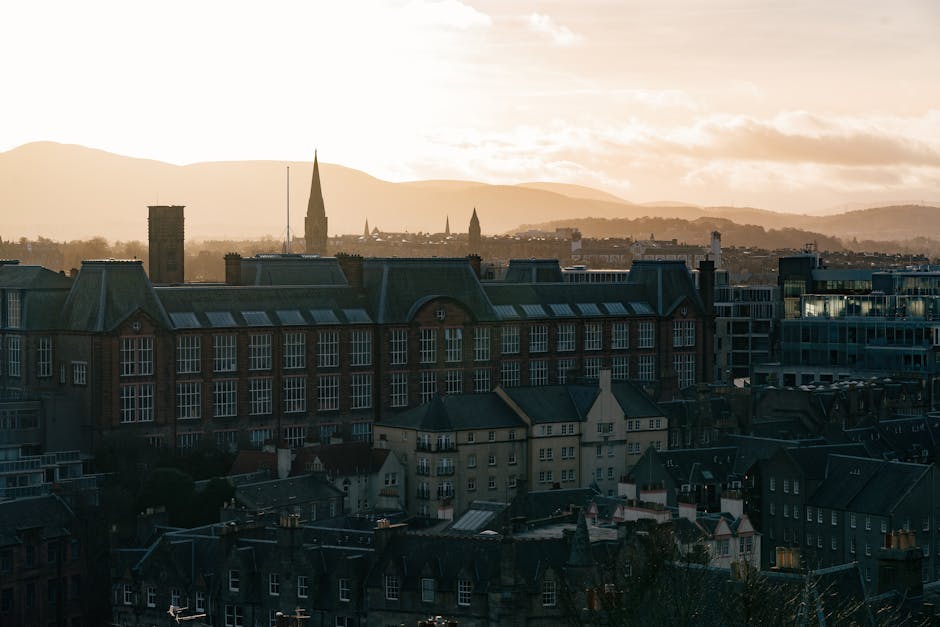 Easy
EasyEdinburgh, United Kingdom
Explore Edinburgh's creative soul on this self-guided walk from historic museums to the stylish galleries and boutiques of the West End.
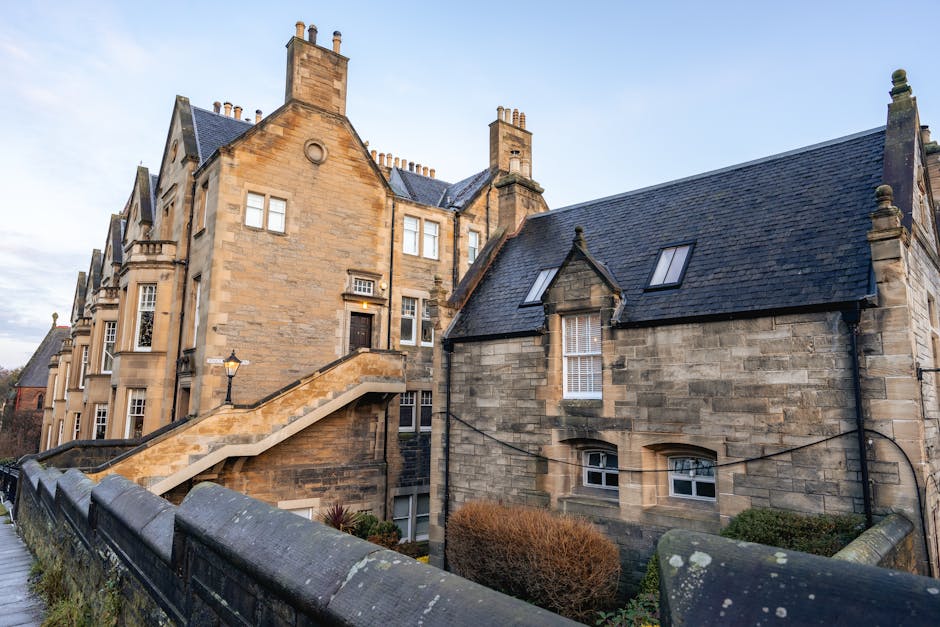 Challenging
Edinburgh, United Kingdom
Ascend an ancient volcano and discover royal history on this challenging self-guided walk through Edinburgh's iconic Holyrood Park.