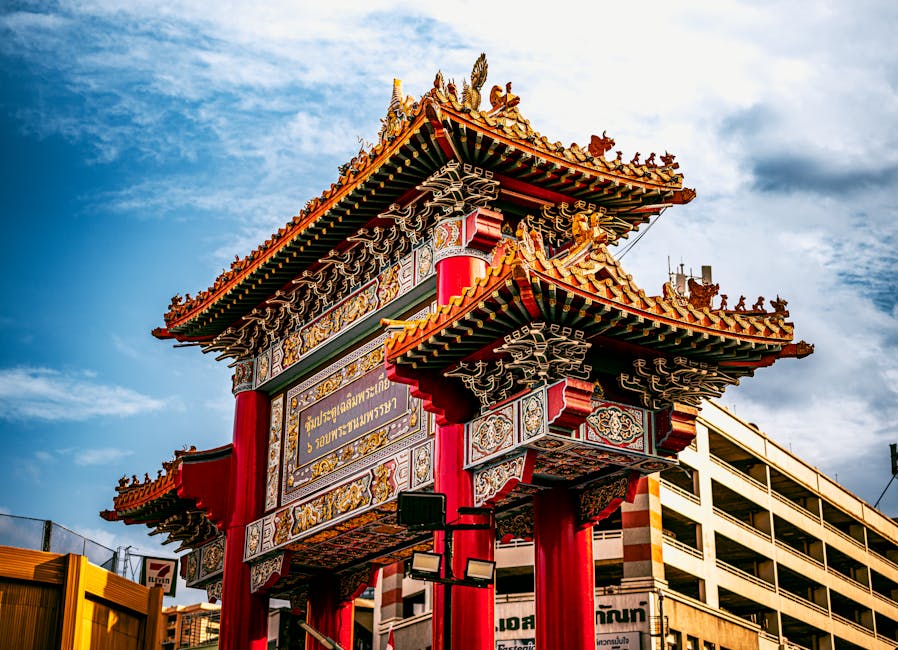
Self-guided audio tour in Bangkok
Start Free on iPhone
Start free on iPhone to unlock this self-guided walking tour in Bangkok. Hear all the stories that make it amazing, walk at your own pace, and begin whenever you want.
Your Private Tour Guide
Step back into a time when the pace of life was measured by the clatter of wooden wheels and the aroma of slow-simmered curries. This neighborhood stroll through Nang Loeng and its surrounding districts offers a rare glimpse into the 'vintage heart' of the Thai capital. While many visitors stick to the glittering temples of the Riverside, this walking route invites you to explore the first land-based market in the city, the oldest wooden cinema in Southeast Asia, and the hidden-gems that reveal how Bangkok transitioned from a royal enclave into a bustling modern metropolis. You will begin at the King Prajadhipok Museum, housed in a stunning neo-classical building that sets the stage for a journey through Thailand's 20th-century history. As you navigate the narrow alleys of Pom Prap Sattru Phai, you will encounter the spirit of Old Bangkok. The route highlights the architectural evolution of the city, from the defensive Mahakan Fort to the colonial-inspired facades of The Old Siam Plaza. Food is a central theme of this exploration; Nang Loeng Market is a legendary culinary destination where third-generation vendors still serve recipes perfected decades ago. Beyond the vintage core, the walk extends into the high-energy markets of Sampheng and the floral wonderland of Pak Khlong Talat, showcasing the city's tireless commercial energy. This self-guided walk is designed for those who want to see the layers of the city at their own pace. You can linger over a bowl of legendary noodles at Jeh O Chula or watch the sunset over the flower market without the pressure of a schedule. By the time you reach the modern hubs of Pratunam and Pinklao, you will have experienced the full spectrum of Bangkok—from the quiet, aristocratic charm of Nang Loeng to the neon-lit vibrancy of the present day. This experience is more than just a walk; it is a deep dive into the soul of a city that never stops evolving while fiercely guarding its heritage.
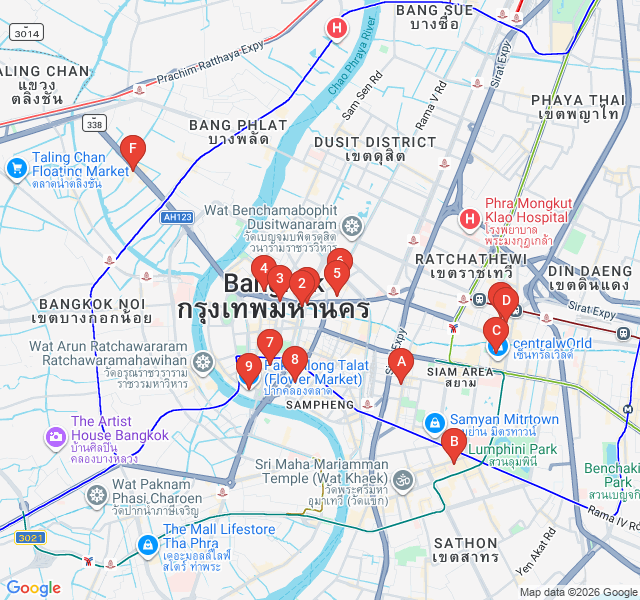
Numbers indicate the order of stops on the tour.
Begin your journey at this architectural jewel. This neo-classical building, with its elegant yellow facade and ornate stucco, was originally commissioned by King Chulalongkorn for a department store before becoming the museum dedicated to King Rama VII. It serves as a perfect introduction to the 'vintage' theme, as it chronicles Thailand's transition from an absolute monarchy to a constitutional one. Notice the delicate balance of European architectural influence and Thai sensibilities, a hallmark of the early 20th-century Bangkok aesthetic. The museum houses personal artifacts and rare photographs that offer a window into the lifestyle of the Thai elite during the 1920s and 30s.
Just a short walk away lies Mahakan Fort, one of only two remaining fortifications from the original fourteen built to protect the inner city. Its white octagonal walls and crenelated battlements are a stark reminder of the days when Bangkok was a walled city. Until recently, a historic wooden house community lived behind these walls, and while the area is now a public park, the fort remains a powerful symbol of the city's defensive past. Standing here, you can see the contrast between the ancient fortifications and the modern traffic of the Phan Fa Lilat Bridge, marking the boundary between the old royal city and the expanding metropolis.
This is the true soul of Nang Loeng. Built in 1918, Sala Chalerm Thani is a massive wooden structure that once served as the neighborhood's entertainment hub. During the silent film era, this was where locals gathered to see the latest moving pictures. Though it no longer screens films, the weathered wood and grand scale of the building evoke a sense of nostalgia for a bygone era of entertainment. It is one of the oldest wooden cinemas in the world and stands as a testament to the cultural importance of Nang Loeng as a center for art and community life in the early 20th century.
While famous globally as a backpacker hub, Khao San Road has its own unique vintage history. Long before the neon signs and hostels arrived, this was a major rice market—'Khao San' literally means 'milled rice.' In the late 19th century, the area was a quiet residential street. It wasn't until the 1980s that it transformed into the international crossroads you see today. As you pass through, try to imagine the transformation from a quiet neighborhood of rice traders to a vibrant, chaotic center of global travel culture. It provides a sharp contrast to the traditional atmosphere of Nang Loeng.
This temple is deeply connected to the performing arts history of Nang Loeng. It is often called the 'Temple of the Lakorn' performers. For generations, this neighborhood was home to practitioners of 'Lakhon Chatri,' a traditional form of Thai dance-drama. The temple serves as a spiritual anchor for this community. If you look closely at the surrounding alleys, you may still find small workshops producing the ornate costumes and masks used in traditional theater. This stop highlights the 'hidden-gems' of Bangkok’s cultural heritage that often go unnoticed by those sticking to the main tourist trails.
Enter the first land-based market in Bangkok, established during the reign of King Rama V. Unlike the floating markets of the canals, Nang Loeng was designed for the growing city on land. This is a paradise for food lovers. The market is famous for traditional Thai snacks and dishes that are hard to find elsewhere, such as 'Saku Sai Moo' (tapioca balls with pork filling) and ancient recipes of duck noodles. The market’s architecture, with its central courtyard and surrounding shophouses, has remained largely unchanged for a century, preserving the authentic atmosphere of a traditional Thai marketplace.
Located in the historic Phahurat district, this shopping center is built in the 'Colonial' style that was popular during the reign of King Rama V. It is a unique blend of a modern mall and a traditional market. Inside, the ground floor is dedicated to traditional Thai sweets and silk, while the upper floors often house shops specializing in firearms and outdoor gear—a quirky combination typical of this area. It's a great place to see how Bangkok's middle class has shopped for generations, maintaining a preference for traditional goods in a climate-controlled, grand architectural setting.
Welcome to the original high street of Bangkok’s Chinatown. Sampheng is a narrow, bustling alleyway that predates the construction of Yaowarat Road. It was the primary commercial artery for the Chinese immigrant community in the late 18th century. Today, it is a chaotic, vibrant wholesale market where you can find everything from buttons and lace to electronics and toys. Walking through Sampheng is a sensory experience; the tight spaces, the constant movement of carts, and the sheer volume of goods provide a glimpse into the tireless commercial spirit that built Bangkok.
This is Bangkok's largest wholesale flower market, and it is most vibrant when the rest of the city sleeps. However, even during the day, the sight of thousands of marigolds, roses, and orchids is breathtaking. Historically, this area was a fish market before being converted into a flower market over a century ago. The scent of fresh jasmine and the sight of vendors skillfully folding lotus petals are quintessentially Bangkok. It is a place where ritual, commerce, and nature collide, as these flowers will soon find their way to spirit houses and temples across the city.
A shift toward the modern food scene takes you to Banthatthong Road. Jeh O Chula is a legendary eatery that has achieved international fame, even earning a Michelin Bib Gourmand. While it is famous for its late-night 'Mama Oh Ho' (an elaborate instant noodle soup), the restaurant represents the evolution of Bangkok’s street food culture—taking humble ingredients and elevating them to cult status. The surrounding Banthatthong area is a bustling student and local neighborhood, showcasing the youthful, energetic side of Bangkok’s culinary heart that thrives alongside the vintage markets.
Patpong is one of the world’s most famous nightlife districts, but its history is more than just neon lights. In the mid-20th century, the Patpong family developed this area, and it famously became a hub for CIA operatives and foreign correspondents during the Vietnam War era. While today it is known for its night market and entertainment, the mid-century modern architecture of some of the original buildings still hints at its history as a premier business district. It serves as a fascinating example of how Bangkok’s neighborhoods can completely reinvent themselves over a few decades.
Arriving at the Ratchaprasong intersection, you are now in the heart of modern Bangkok. The Centara Grand, integrated with the massive CentralWorld mall, represents the city's vertical growth and its status as a global shopping destination. This area is a stark contrast to the low-rise wooden shophouses of Nang Loeng. It is the site of major city celebrations and festivals, symbolizing the 'New Bangkok'—a city of glass, steel, and high-speed transit that nonetheless remains deeply connected to the traditional shrines found at the street corners below.
Pratunam, which means 'Water Gate,' was named after the gate that controlled the water levels of the nearby Khlong Saen Saeb. Today, it is Thailand's largest clothing market. This is a place of intense energy where fashion is traded in bulk. The maze of alleys is filled with thousands of stalls selling everything from high-fashion knock-offs to traditional textiles. It reflects the city's role as a major hub in the global garment trade and continues the theme of the 'land market' you saw in Nang Loeng, but on a massive, industrial scale.
As the sun sets, the sidewalks around the Pratunam intersection transform into a sprawling night market. This is where the local work force and visitors alike come for affordable fashion and street food. The night market culture is a vital part of Bangkok's social fabric, providing a space for entrepreneurship and community. The transition from the day market to the night market is seamless, illustrating the 24-hour nature of life in this part of the city. It's a great place to observe the local hustle and find a unique souvenir.
The final stop takes you across the Chao Phraya River to the Thonburi side of the city. Central Pinklao has been a major suburban landmark since the 1990s. While it is a modern shopping complex, its location serves as the gateway to the more residential and traditional districts of Thonburi. Ending your walk here allows you to see how the 'Heart of Bangkok' has expanded across the river, creating new centers of community and commerce that bridge the gap between the historic inner city and the sprawling suburbs of the west.
Start Free on iPhone
Explore “Nang Loeng: The Vintage Heart of Bangkok” with your very own Private Tour Guide with Zigway. Start free on iPhone, skip the large group and the fixed routes, and hear the city come alive as you go.
Your Private Tour Guide
Don't miss the good stuff
Explore Freely
 Easy
EasyBangkok, Thailand
Discover a labyrinth of industrial scrap yards, vibrant street art, and centuries-old mansions in Bangkok's most atmospheric neighborhood.
 Easy
EasyBangkok, Thailand
Discover Ari's blend of retro architecture, Michelin-rated street food, and vibrant cafe culture on this self-guided neighborhood stroll.
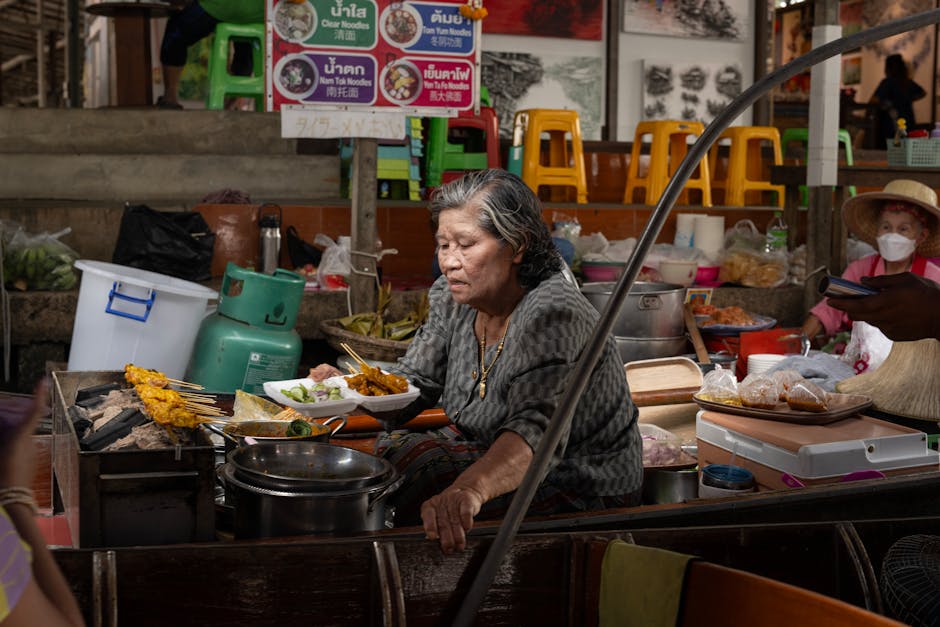 Moderate
Bangkok, Thailand
Discover the golden spires and royal history of Bangkok's Old City on this self-guided audio walk through the majestic Rattanakosin Island.
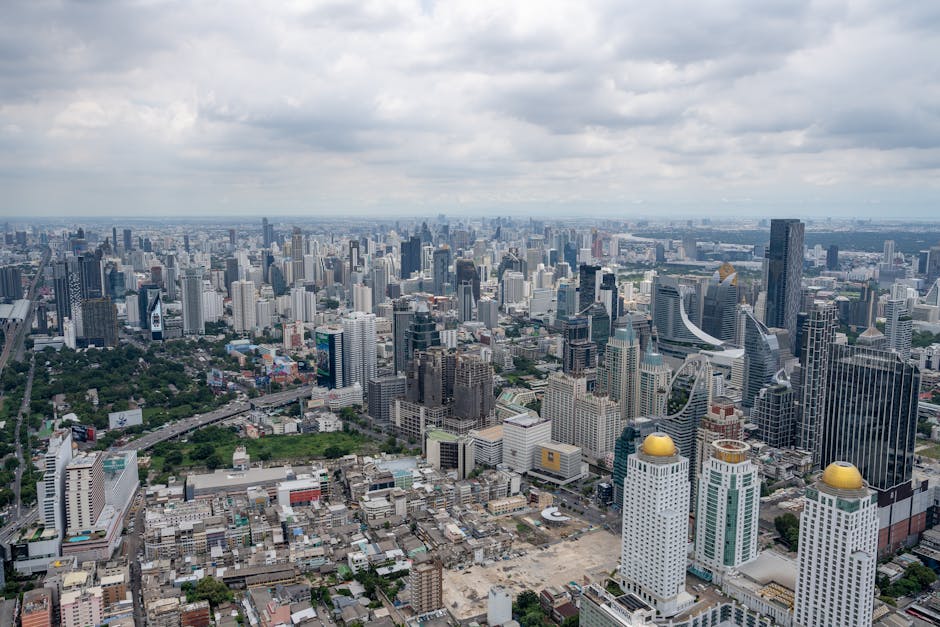 Easy
EasyBangkok, Thailand
Discover the European-inspired grandeur of Bangkok's Dusit district on this self-guided royal architectural walk.
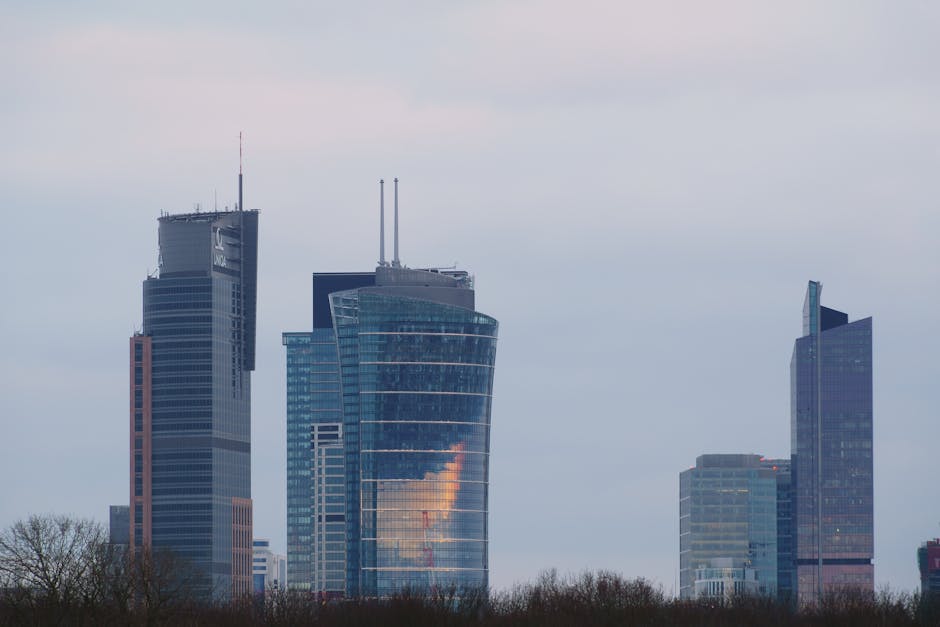 Easy
EasyWarsaw, Poland
Discover the hidden courtyards and grand pre-war architecture of Warsaw's most atmospheric neighborhood on this self-guided stroll.
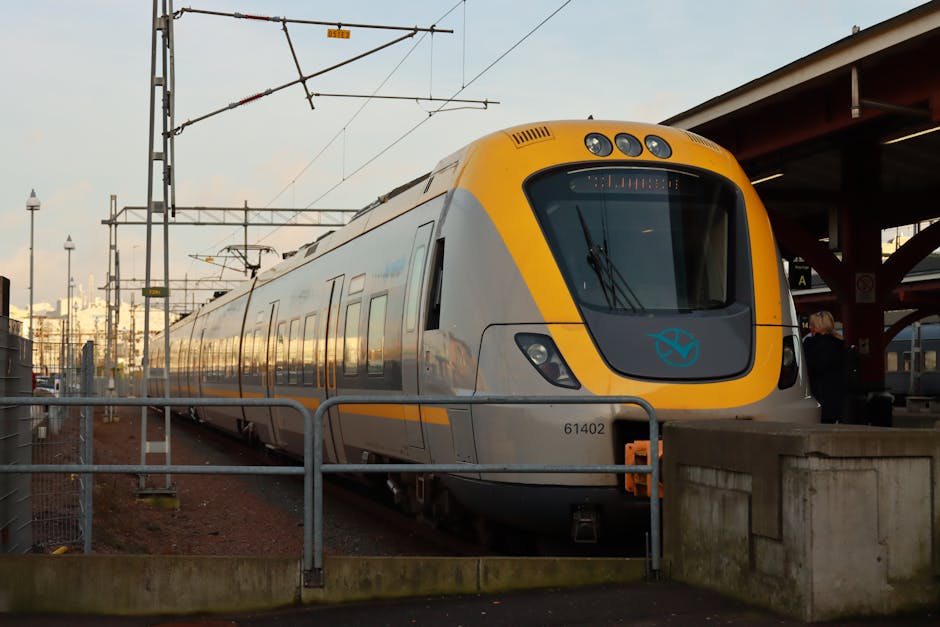 Easy
EasyGothenburg, Sweden
Discover Gothenburg’s maritime flavors on this self-guided walk through historic market halls and iconic seafood landmarks.
 Moderate
Nairobi, Kenya
Taste your way through Nairobi's Westlands on this self-guided walk featuring street snacks, cultural landmarks, and hidden foodie gems.
 Easy
EasyNairobi, Kenya
Discover Nairobi’s literary soul on this self-guided walk through historic libraries, iconic bookshops, and cultural centers in the heart of the CBD.
 Easy
EasyChiang Mai, Thailand
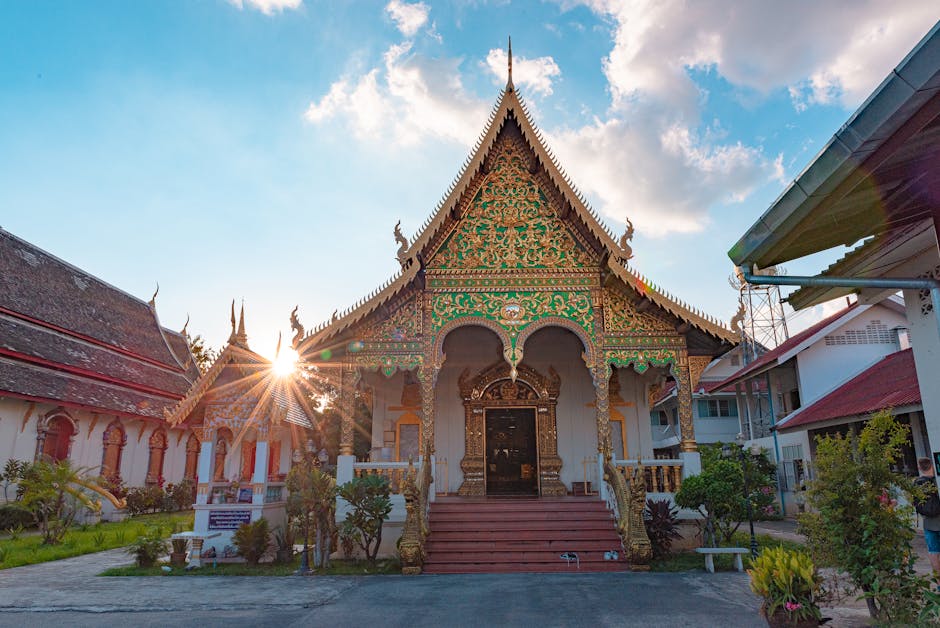
Explore Chiang Mai's trendiest district at your own pace. Discover contemporary art galleries, local design shops, and iconic modern architecture.
 Moderate
Chiang Mai, Thailand
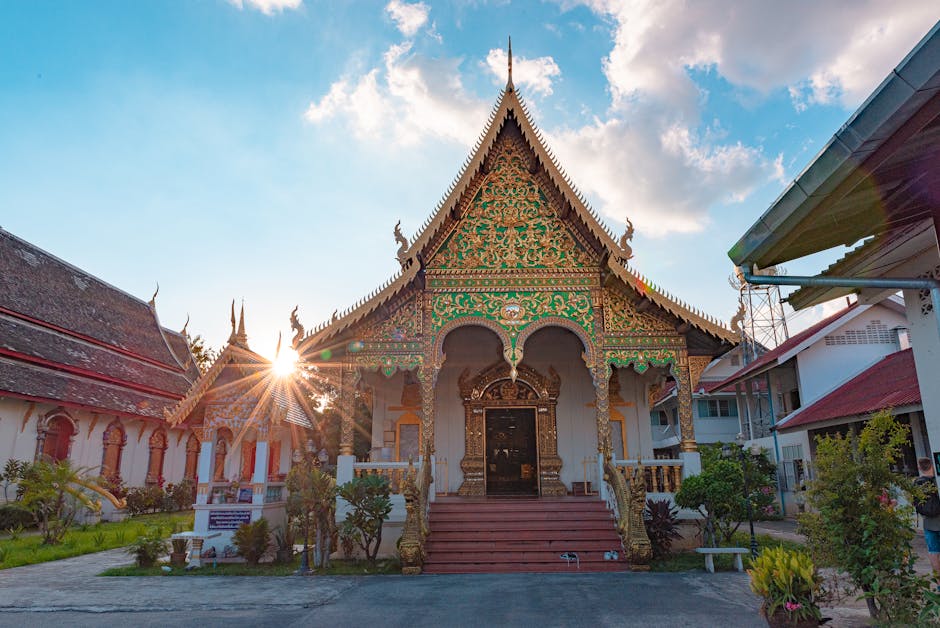
Explore Chiang Mai's creative soul, from Nimman’s boutique bookshops to the mystical tunnels of Wat Umong and the scenic Angkaew Reservoir.
 Moderate
Chiang Mai, Thailand
Discover Chiang Mai’s soul through its markets and flavors. A self-guided route from the historic Kad Luang to the city’s best street food gems.
 Easy
EasyChiang Mai, Thailand
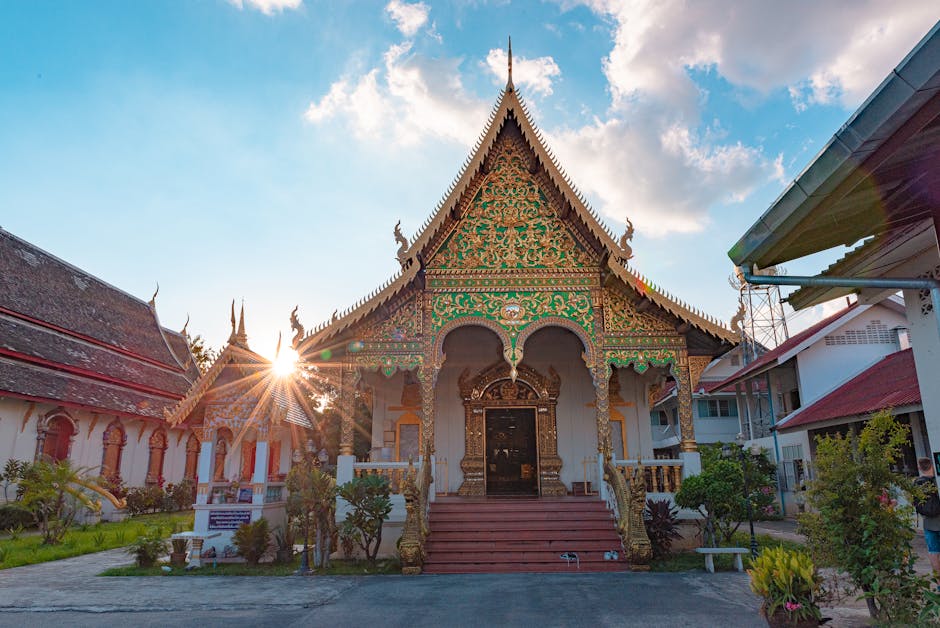
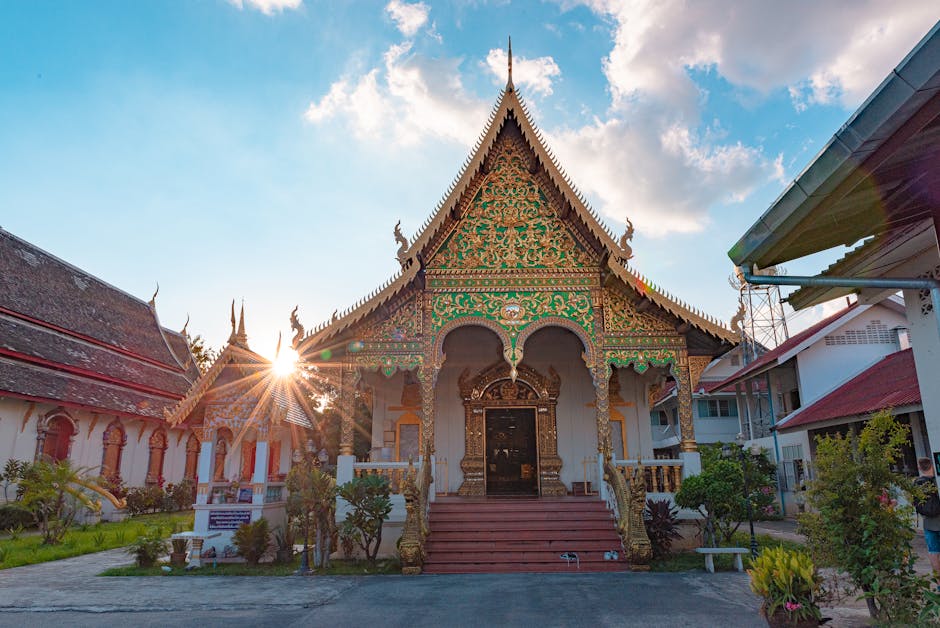
Discover hidden temples, traditional brass-smith workshops, and local markets on this serene self-guided walk through Chiang Mai's southern district.