Self-guided audio tour in Chiang Mai
Start Free on iPhone
Start free on iPhone to unlock this self-guided walking tour in Chiang Mai. Hear all the stories that make it amazing, walk at your own pace, and begin whenever you want.
Your Private Tour Guide
Escape the bustling markets of the Old City and discover a different side of Northern Thailand on this self-guided walk through the leafy lanes of Chiang Mai University and the foothills of Doi Suthep. This route offers a perfect blend of urban history, contemporary art, and the serene natural beauty that defines the Suthep neighborhood. Whether you are a photography enthusiast looking for the perfect mountain reflection or a traveler seeking a quiet afternoon away from the crowds, this walking route provides a refreshing perspective on local life. Your journey begins at the edge of the historic moats, where you will explore the legacy of regional conservation and the founding legends of the city at the Three Kings Monument. As you transition from the dense city center toward the university district, the architecture shifts from ancient brick to modern creative spaces. The CMU Art Center and the Faculty of Fine Arts showcase the vibrant, modern spirit of Chiang Mai's youth. The path then leads you into the lush greenery of the university campus, a sprawling oasis that feels worlds away from the tourist hubs. The centerpiece of this stroll is the Ang Kaew Reservoir, known to locals as a premier spot for sunset views and peaceful reflection. Here, the Doi Suthep mountain range provides a dramatic backdrop to the shimmering water, creating one of the most Instagram-worthy locations in the city. The walk concludes at the base of the mountain at the Kruba Srivichai Monument, a site of deep spiritual significance to the people of Chiang Mai. Along the way, you will discover hidden forest temples, local student haunts, and botanical gardens that most visitors miss. This walking tour Chiang Mai offers a unique opportunity to experience the city's academic heart and its natural gateway at your own pace.
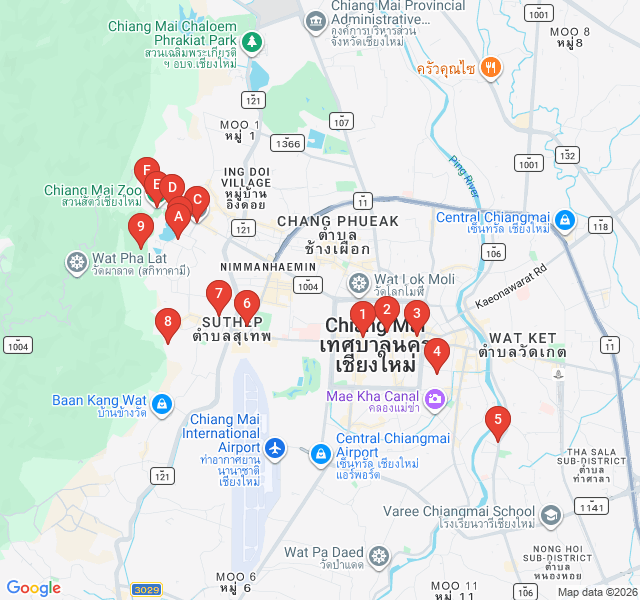
Numbers indicate the order of stops on the tour.
Begin your exploration at the edge of the Old City. These offices represent a significant shift in Northern Thailand's relationship with its most iconic animal. In recent decades, Chiang Mai has become the global center for ethical elephant tourism, moving away from traditional trekking and toward observation and rehabilitation. While you won't see elephants here in the city, the presence of these offices serves as a reminder of the vast jungle sanctuaries located just an hour away in the surrounding mountains. It is a testament to the city's evolving role as a hub for environmental consciousness.
This bronze monument depicts the three founders of Chiang Mai: King Mengrai, King Ramkhamhaeng of Sukhothai, and King Ngam Muang of Phayao. According to legend, they worked together to plan the city in the 13th century. The square in front of the monument is the symbolic heart of the city and often hosts traditional dance performances and festivals. Notice the architecture of the building behind the statues; it is the former Provincial Administration Building and now serves as the City Arts and Cultural Center, blending European influences with Lanna heritage.
As you move through the city, take a moment to appreciate the scents of Northern Thailand. The Spice Garden is a sensory oasis that highlights the ingredients essential to Lanna cuisine, such as lemongrass, galangal, and kaffir lime. Thai cooking is deeply rooted in the medicinal properties of plants, and this space celebrates that connection between nature and the kitchen. It is a quiet pocket of greenery that prepares you for the more expansive natural landscapes you will encounter as you head toward the university campus.
This area showcases the colonial-style architecture that emerged during the late 19th and early 20th centuries when the teak industry brought many Europeans to Northern Thailand. While Chiang Mai was never colonized, the influence of Western design is evident in the pitched roofs and wide verandas of many older buildings in this district. This architectural style provides a fascinating contrast to the traditional wooden Lanna houses and the glittering gold of the city's many Buddhist temples.
Ban Den Park is a quintessential local neighborhood space. Unlike the manicured tourist gardens, this park is where residents come for evening aerobics, jogging, and family gatherings. It represents the community-focused lifestyle of Chiang Mai's southern districts. Observe the tall trees and the simple layout, which offer a brief respite before you transition toward the academic and creative atmosphere of the Suthep area. It is a place to witness the slow-paced 'Jai Yen' or 'cool heart' philosophy that defines local life.
The Chiang Mai University Art Center is a vital hub for the city's contemporary art scene. It frequently hosts exhibitions by students, faculty, and international artists, ranging from avant-garde installations to traditional silk weaving. The building itself is an architectural statement, designed to facilitate creative exchange. Chiang Mai has long been known as a city of craftsmen, but places like this show how the younger generation is pushing those traditions into the modern era, tackling social and environmental issues through their work.
Walking past the Faculty of Fine Arts, you can feel the creative energy of the campus. This department is world-renowned for its focus on both preserving Lanna heritage and encouraging experimental media. You might see students working on large-scale sculptures or traditional paintings in the open-air studios. The university is a major reason why Chiang Mai has such a vibrant, youthful feel. The faculty often hosts small markets or open houses, making it a cornerstone of the city's cultural identity.
Located just behind the main campus, Wat Pa Daeng, or the 'Temple of the Red Forest,' offers a profound sense of tranquility. This is a historic 'forest temple,' a tradition in Thai Buddhism that emphasizes meditation in natural settings. The temple dates back to the 15th century and played a significant role in the religious history of the Lanna Kingdom. The towering trees and the sound of chanting create a meditative atmosphere that contrasts sharply with the busy streets you left behind in the Old City.
This facility is one of the largest aquariums in Southeast Asia, featuring a long underwater tunnel. While part of the larger zoo complex, the aquarium focuses on the diverse aquatic life found in the Mekong River and the Gulf of Thailand. It serves as an educational center for conservation efforts in the region. The location at the foot of the mountain highlights the intersection of the city's urban edge and the wilder, mountainous terrain that begins just a few hundred meters away.
Lan Khwai Yim, or 'The Smiling Buffalo Field,' is a popular gathering spot on the CMU campus. It is a wide, grassy expanse where students meet to study, exercise, or simply relax between classes. The name is a playful nod to the agricultural roots of the region. From here, you get a clear view of the Doi Suthep mountain looming over the campus. It is a perfect example of how the university integrates natural beauty into the daily lives of its students and the public.
Ang Kaew is the crown jewel of the Chiang Mai University campus. This man-made reservoir was built to supply water to the university, but it has become the city's favorite spot for a neighborhood stroll. On a clear day, the surface of the water perfectly reflects the golden pagoda of Wat Phra That Doi Suthep high above on the mountain. In the late afternoon, the 'Ang Kaew Bridge' and the surrounding pathways fill with locals walking their dogs or taking photographs. It is the ultimate spot for tranquility and the highlight of this route.
The CMU Clock Tower is a primary landmark for students and a common meeting point. Its design reflects the academic aspirations of the university, which was the first regional university established in Thailand. The tower stands as a symbol of the passage of time and the growth of the institution since its founding in 1964. The area surrounding the tower is usually buzzing with the sound of 'Rot Muang' (purple electric shuttles) and students heading to the nearby library or lecture halls.
This botanical collection is a treasure trove of tropical flora. The Huai Kaeo Arboretum serves as a research center and a public park, featuring labeled species of trees and plants native to Northern Thailand. It is a cool, shaded retreat that provides a transition from the academic campus to the wilder forest of the national park. Walking through the arboretum, you can appreciate the incredible biodiversity of the region, which has long influenced local medicine, construction, and folklore.
Established in 1977, the Chiang Mai Zoo occupies a large area of the Doi Suthep foothills. It began as a private collection and grew into a major conservation and research site. The zoo is unique for its hilly terrain, which mimics the natural habitats of many of its residents. While we are passing the entrance, the zoo's presence here reminds us of the proximity of the city to the deep wilderness of the Doi Suthep-Pui National Park, which covers over 260 square kilometers of mountain terrain.
Your walk concludes at the monument dedicated to Kruba Srivichai, the 'Engineer Monk' of Northern Thailand. In 1935, he led thousands of volunteers to build the 11-kilometer road leading up to the temple on Doi Suthep, completing it in just a few months without modern machinery. Today, he is revered as a saint, and you will see many locals stopping here to offer flowers and incense before they ascend the mountain. It is a site of immense spiritual power and a fitting end to a journey that has taken you from the city's heart to the foot of its sacred mountain.
Start Free on iPhone
Explore “University Serenity: Ang Kaew Lake Walk” with your very own Private Tour Guide with Zigway. Start free on iPhone, skip the large group and the fixed routes, and hear the city come alive as you go.
Your Private Tour Guide
Don't miss the good stuff
Explore Freely
 Easy
EasyChiang Mai, Thailand
Explore Chiang Mai's trendiest district at your own pace. Discover contemporary art galleries, local design shops, and iconic modern architecture.
 Moderate
Chiang Mai, Thailand
Explore Chiang Mai's creative soul, from Nimman’s boutique bookshops to the mystical tunnels of Wat Umong and the scenic Angkaew Reservoir.
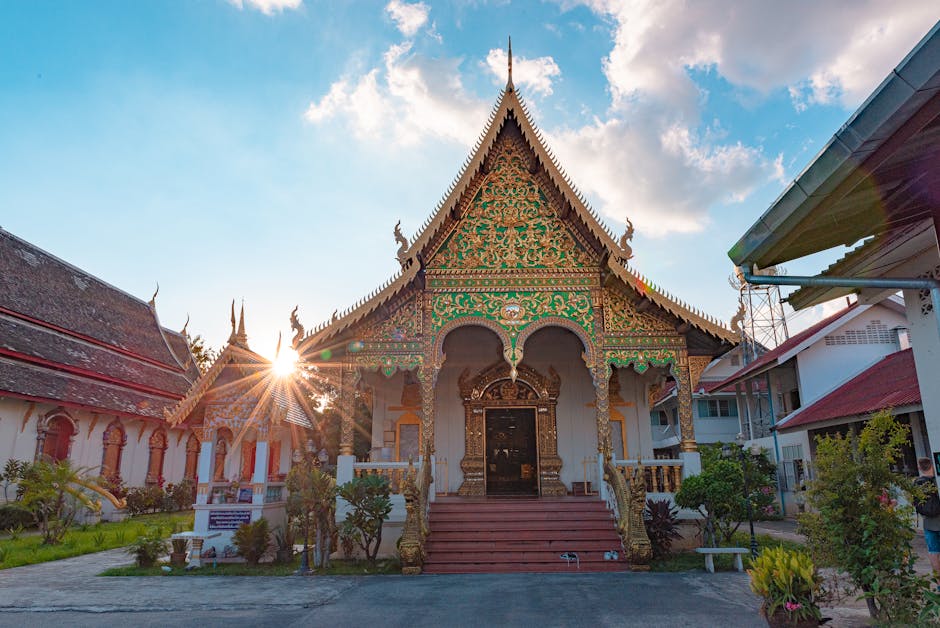 Moderate
Chiang Mai, Thailand
Discover Chiang Mai’s soul through its markets and flavors. A self-guided route from the historic Kad Luang to the city’s best street food gems.
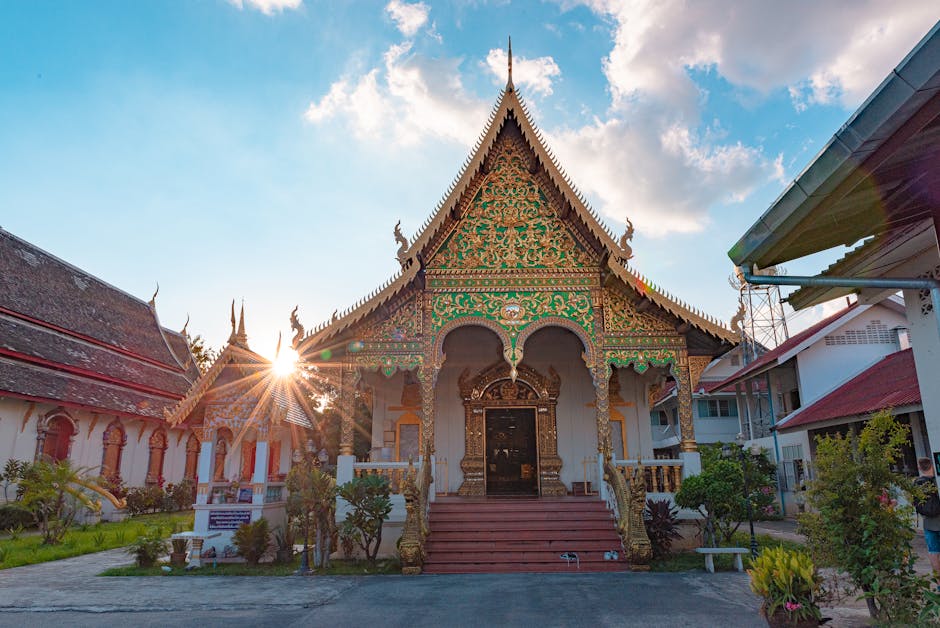 Easy
EasyChiang Mai, Thailand
Discover hidden temples, traditional brass-smith workshops, and local markets on this serene self-guided walk through Chiang Mai's southern district.
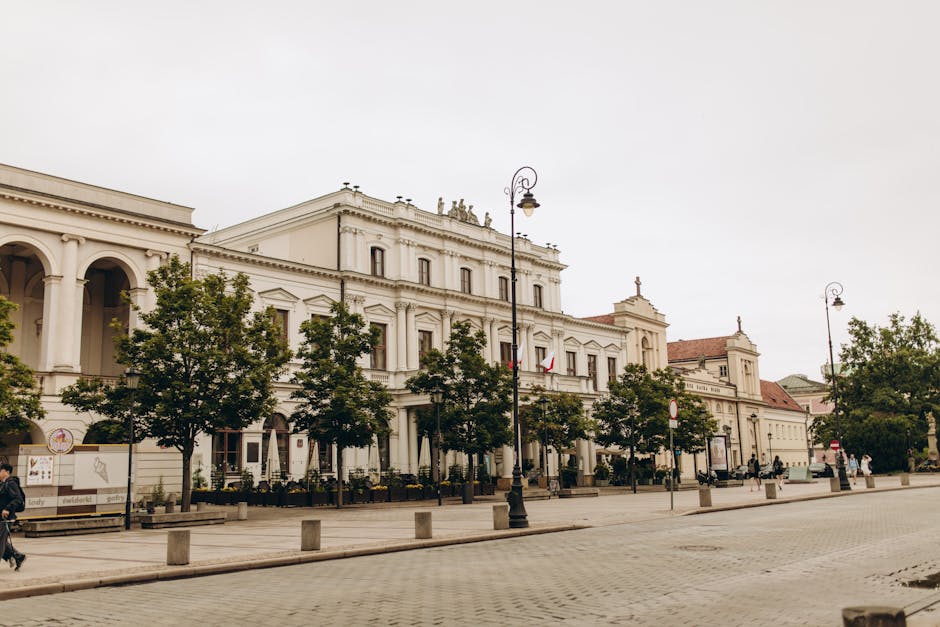 Easy
EasyWarsaw, Poland
Explore Warsaw's scenic riverfront, rooftop gardens, and industrial-chic architecture on this self-guided stroll through the Powiśle district.
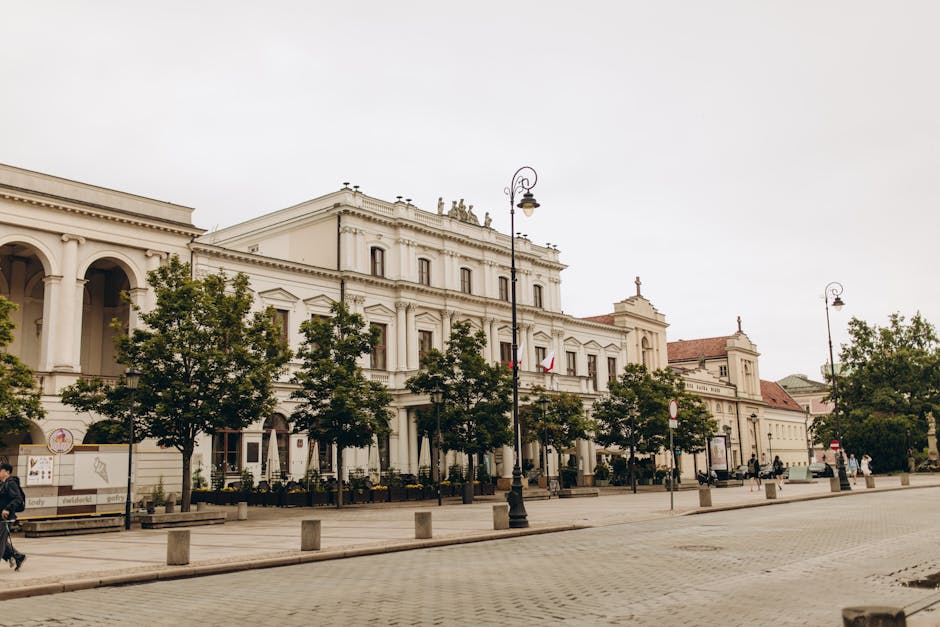 Easy
EasyWarsaw, Poland
Discover Warsaw's intellectual heart through historic campuses, peaceful parks, and the stunning rooftop gardens of the University Library.
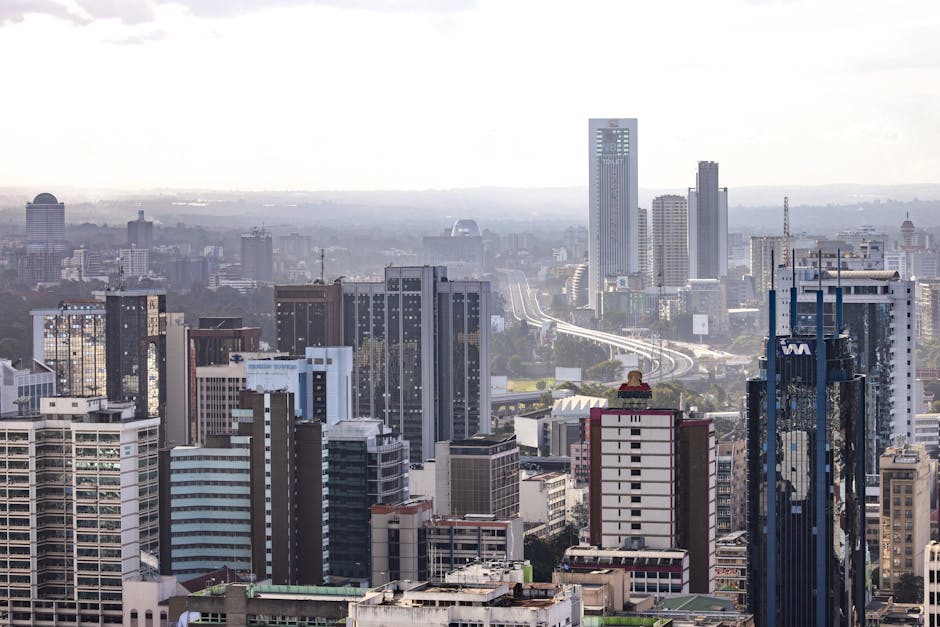 Moderate
Nairobi, Kenya
Discover Nairobi's lush side on this self-guided walk through botanical gardens, historic memorials, and vibrant local markets.
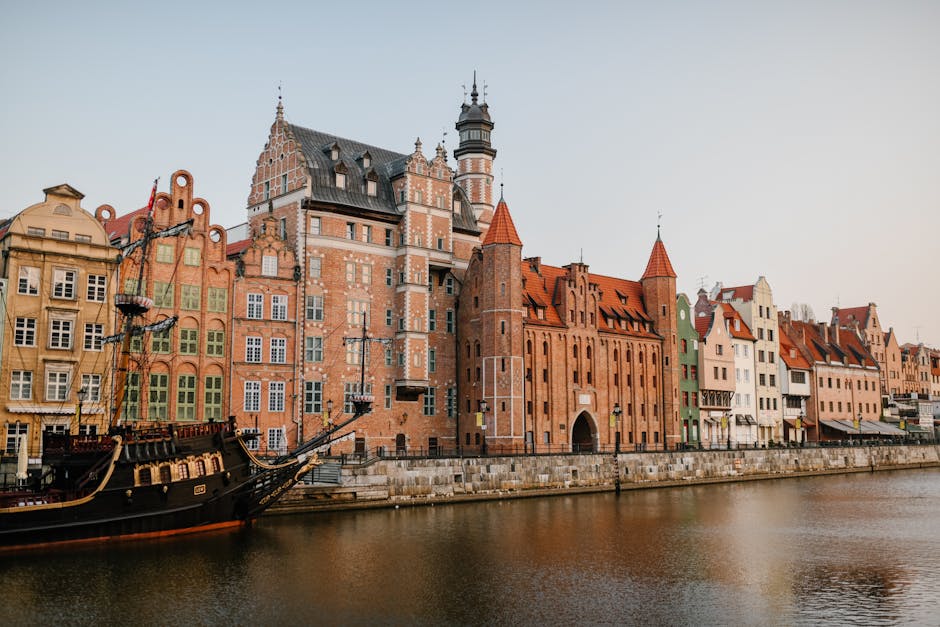 Easy
EasyGdansk, Poland
Discover the monastic heritage, world-famous organs, and lush botanical gardens of Oliwa on this peaceful self-guided neighborhood stroll.
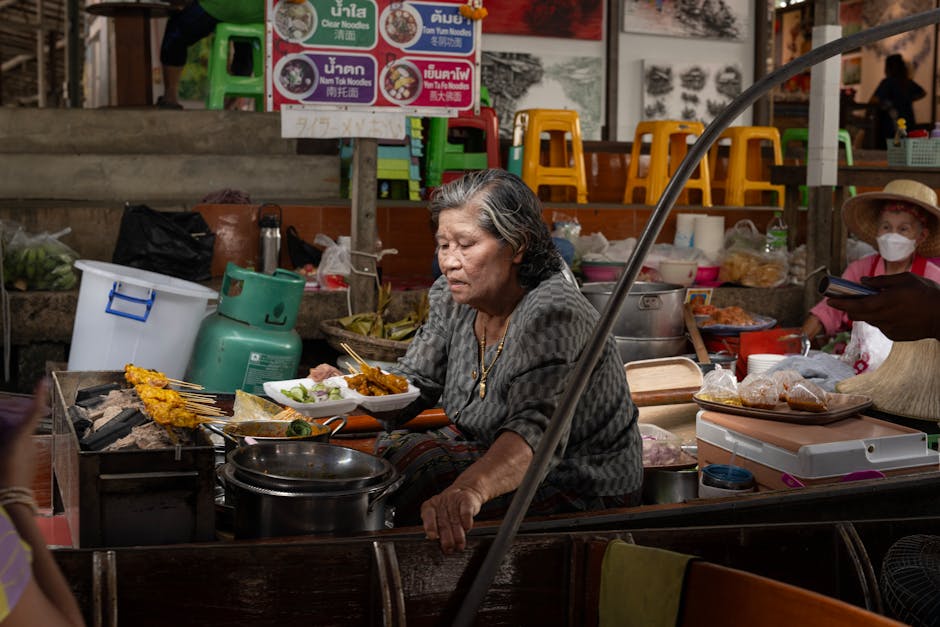 Easy
EasyBangkok, Thailand
Discover a labyrinth of industrial scrap yards, vibrant street art, and centuries-old mansions in Bangkok's most atmospheric neighborhood.
 Easy
EasyBangkok, Thailand
Discover Ari's blend of retro architecture, Michelin-rated street food, and vibrant cafe culture on this self-guided neighborhood stroll.
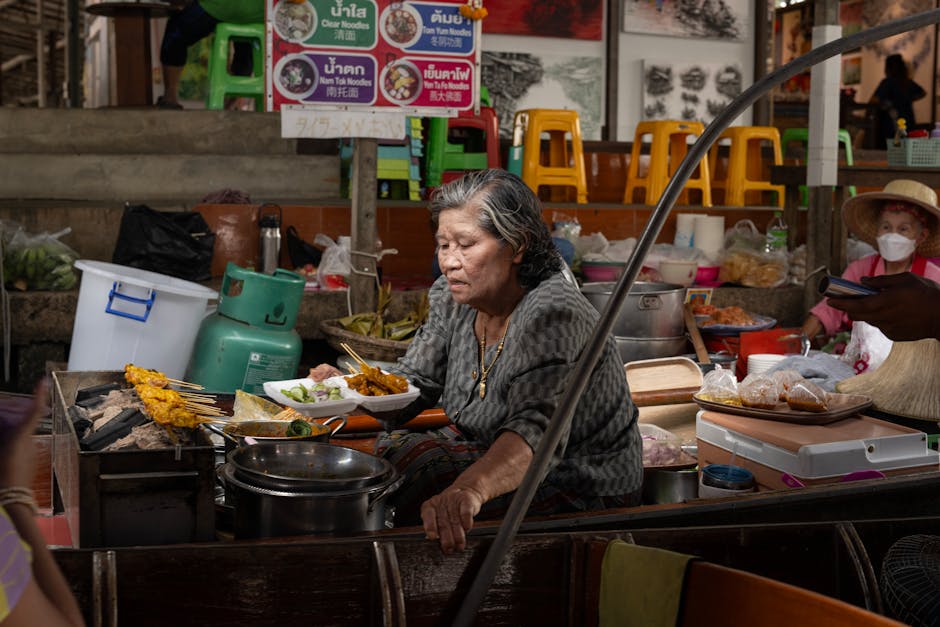 Moderate
Bangkok, Thailand
Discover the golden spires and royal history of Bangkok's Old City on this self-guided audio walk through the majestic Rattanakosin Island.
 Easy
EasyBangkok, Thailand
Discover the European-inspired grandeur of Bangkok's Dusit district on this self-guided royal architectural walk.