Self-guided audio tour in New York City
Start Free on iPhone
Start free on iPhone to unlock this self-guided walking tour in New York City. Hear all the stories that make it amazing, walk at your own pace, and begin whenever you want.
Your Private Tour Guide
Step back into an era of unparalleled opulence and architectural ambition with this self-guided walk along New York City’s legendary Fifth Avenue. Once known as 'Millionaire’s Row,' the Upper East Side served as the playground for the titans of the Gilded Age—industrialists like Carnegie, Frick, and Vanderbilt who shaped the American landscape. On this neighborhood stroll, you will witness the evolution of New York’s elite society through the limestone facades and marble porticos they left behind. This route isn't just a lesson in history; it is a masterclass in architecture, transitioning from the ornate Beaux-Arts and French Renaissance styles of the late 19th century to the daring modernism of the mid-20th century. As you explore independently, you’ll discover how these former private residences were transformed into some of the world’s most prestigious cultural institutions. The walk begins at the iconic Solomon R. Guggenheim Museum, a stark contrast to the traditional mansions further south, and proceeds past the former homes of steel magnates and art collectors. You will see the Carnegie Mansion, now a temple to design, and the Neue Galerie, which houses some of the most valuable paintings in existence. This walking tour New York City offers is a rare chance to appreciate the intricate details of the 'American Renaissance' without the rush of a crowded group. Highlights include the breathtaking 79th Street mansions, which offer a glimpse into the domestic life of the ultra-wealthy, and the Metropolitan Club, a testament to the social rivalries of the era. Whether you are a photography enthusiast looking for the perfect shot of Central Park-facing facades or a history buff eager to hear the stories of the families who built Manhattan, this walking route provides the flexibility to linger where you choose. This walking tour New York City experience is best enjoyed in the morning light when the shadows stretch across the park and the limestone glows, offering a peaceful perspective on one of the world's most famous avenues.
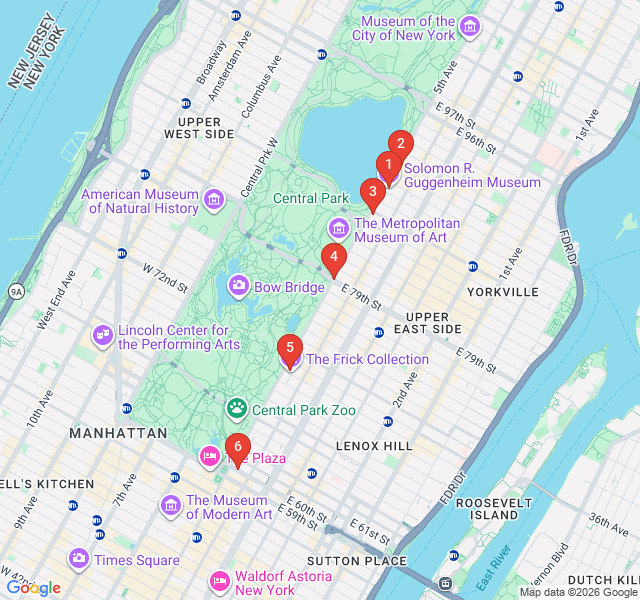
Numbers indicate the order of stops on the tour.
Begin your self-guided adventure at the Solomon R. Guggenheim Museum, a building that broke every rule of Manhattan’s rigid grid system. Designed by Frank Lloyd Wright and completed in 1959, this 'inverted ziggurat' was a radical departure from the limestone mansions that previously dominated the area. Wright intended the continuous spiral ramp to allow visitors to view art in a single, flowing motion. While it was initially met with criticism for overshadowing the art it housed, it is now considered one of the most important architectural achievements of the 20th century. Take a moment to appreciate how the smooth, white concrete curves contrast with the traditional buildings nearby, signaling the end of the Gilded Age and the birth of modern New York.
A short walk north brings you to the former home of Andrew Carnegie. Completed in 1902, this 64-room Georgian-style mansion was revolutionary for its time. It was the first private residence in the United States to utilize a structural steel frame—the same technology used for skyscrapers. Carnegie, the steel magnate himself, wanted his home to be 'the most modern, lightest, and most airy' house in New York. Today, it houses the Cooper Hewitt Smithsonian Design Museum. Notice the expansive private garden, a rare luxury in Manhattan, and the heavy bronze and glass canopy at the entrance, which served as a grand welcome for the city's elite during the many philanthropic galas held here.
As you continue south, you will encounter the William Starr Miller House, now the Neue Galerie. Designed by Carrère and Hastings—the same architects responsible for the New York Public Library—this building is a stunning example of the Louis XIII style. It was completed in 1914 and later owned by Grace Vanderbilt, the 'Queen of New York Society.' The interior, which you can visit independently, is now dedicated to German and Austrian art, including Gustav Klimt’s famous 'Woman in Gold.' Even from the sidewalk, the brick and limestone facade, with its elegant slate roof and copper cresting, evokes the sophisticated atmosphere of early 20th-century European-inspired high society.
At the corner of 79th Street stands the Harry F. Sinclair House, one of the most photographed spots on the Upper East Side. This mansion is a prime example of the French Renaissance or 'Chateauesque' style, featuring ornate carvings, pinnacles, and a steep roof that looks like it belongs in the Loire Valley. It was built between 1897 and 1899 for Isaac D. Fletcher and later sold to oil tycoon Harry Sinclair. This block represents the height of the Gilded Age's obsession with European royalty; the wealthy families of New York sought to legitimize their new fortunes by building homes that looked like ancient French palaces. Look closely at the gargoyles and intricate stone tracery around the windows.
Next, we arrive at the Henry Clay Frick House. Occupying an entire city block, this mansion was designed by Thomas Hastings and completed in 1914. Unlike many of his contemporaries who built upward, Frick built outward, including a beautiful elevated garden. Frick was a steel industrialist and a voracious art collector who always intended for his home to eventually become a public gallery. The architecture is more restrained than the Sinclair house, opting for Neoclassical elegance over Renaissance flamboyance. The building’s massive scale and set-back position from the street were designed to provide Frick with a sense of privacy and tranquility, even as the city grew rapidly around him.
This self-guided walk concludes at the Metropolitan Club, standing proudly at the corner of 60th Street. Founded in 1891 by J.P. Morgan, the club was born out of spite. When Morgan’s friends were rejected from other elite social clubs, he simply decided to build his own, which he declared would be the finest in the world. Designed by the legendary firm McKim, Mead & White, the building is a white marble masterpiece of the Italian Renaissance style. The enormous gate and courtyard were specifically designed to allow carriages to pull in off Fifth Avenue, sparing the members from having to step directly onto the public sidewalk. It remains one of the most exclusive private clubs in the city today.
Start Free on iPhone
Explore “Gilded Age Glories of the Upper East Side” with your very own Private Tour Guide with Zigway. Start free on iPhone, skip the large group and the fixed routes, and hear the city come alive as you go.
Your Private Tour Guide
Don't miss the good stuff
Explore Freely
 Easy
EasyNew York City, United States
Explore the golden age of Manhattan architecture on this self-guided walk through Midtown's iconic Art Deco skyscrapers and historic landmarks.
 Easy
EasyNew York City, United States
Discover the literary legends, jazz haunts, and revolutionary history of Greenwich Village on this immersive self-guided walking route.
 Easy
EasyNew York City, United States
Explore Manhattan's transformation on this self-guided walk from the High Line to Hudson Yards.
 Easy
EasyNew York City, United States
Discover the world's finest cast-iron architecture and the evolution of fashion on this self-guided walking route through NYC's iconic SoHo district.
 Easy
EasyNairobi, Kenya
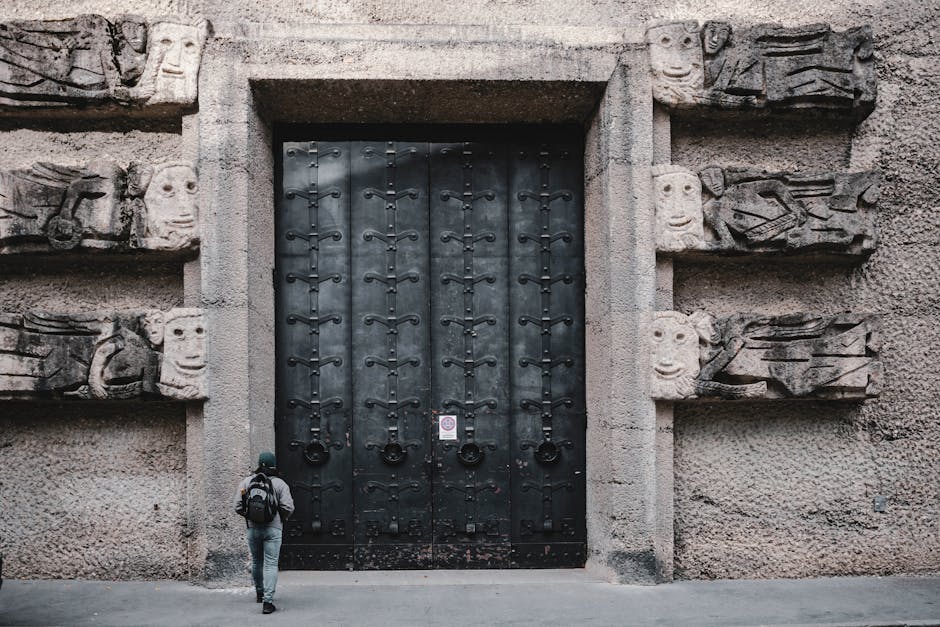
Discover Nairobi's iconic skyline on this self-guided architecture walk through the CBD’s most famous modernist and Brutalist landmarks.
 Easy
EasySalzburg, Austria
Discover the 'Rome of the North' on this self-guided walk through the Baroque squares and monumental legacy of Salzburg’s Prince-Archbishops.
 Moderate
Gdansk, Poland
Discover the origins of WWII in Gdansk on this self-guided walk through heroic last stands, massive museums, and strategic hilltop fortifications.
 Easy
EasyGdansk, Poland
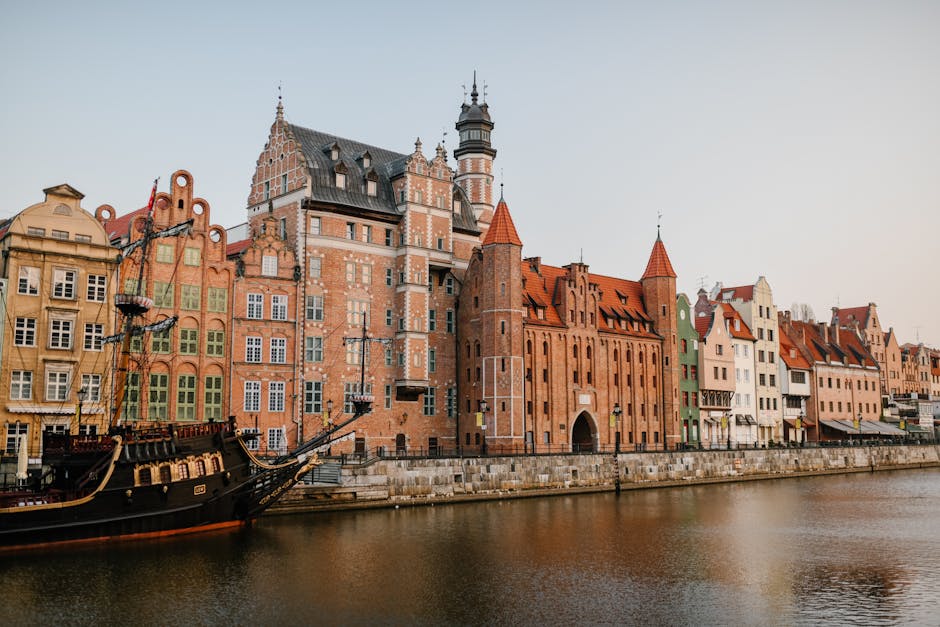
Discover the 'Baltic Gold' on this self-guided walk through Gdansk's historic mills, massive cathedrals, and the magical Mariacka Street.
 Easy
EasyNashville, United States
Explore the 'Athens of the South' on this self-guided walk through Centennial Park, featuring the world's only full-scale Parthenon replica.
 Easy
EasyNashville, United States
Explore Nashville's academic heart and Art Deco gems on this self-guided walk through historic Hillsboro Village.
 Easy
EasyNashville, United States
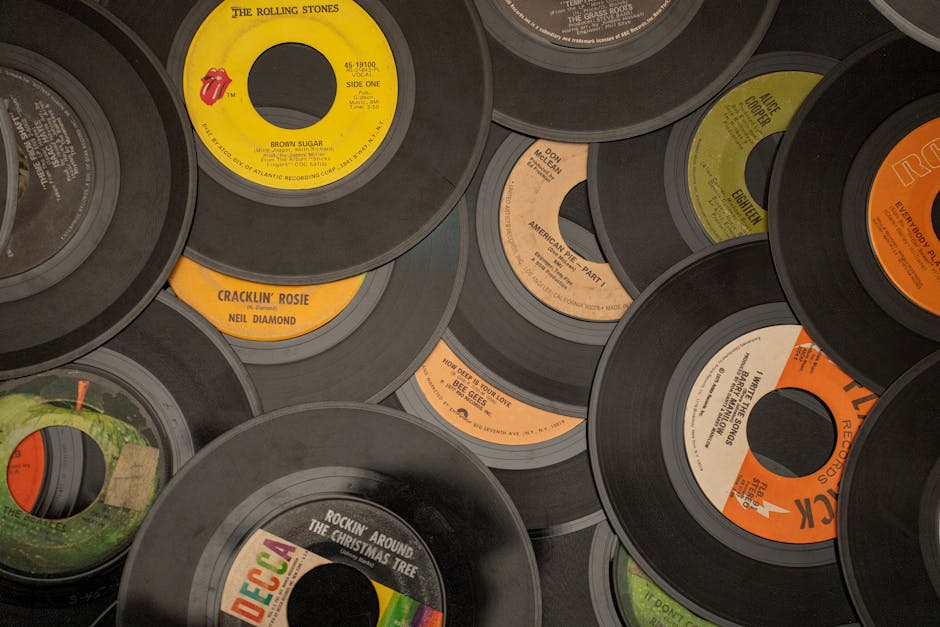
Explore the heart of Nashville's music industry. Discover iconic studios and the history of the legendary Nashville Sound at your own pace.
 Easy
EasyNashville, United States
Explore Nashville's oldest neighborhood! Discover Victorian architecture, Civil War history, and world-class craft beer on this self-guided walk.