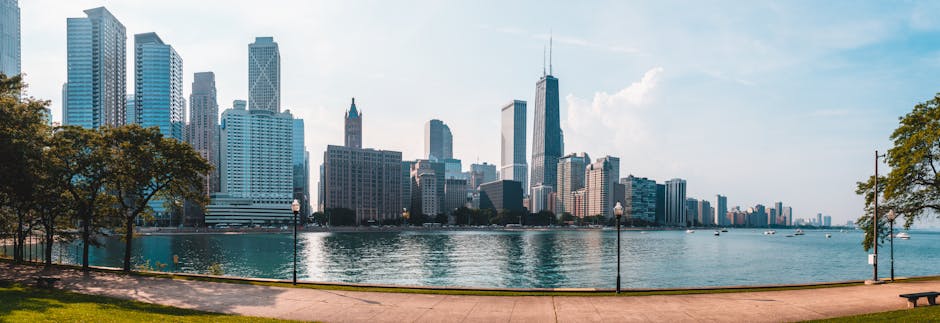
Self-guided audio tour in Chicago
Start Free on iPhone
Start free on iPhone to unlock this self-guided walking tour in Chicago. Hear all the stories that make it amazing, walk at your own pace, and begin whenever you want.
Your Private Tour Guide
Escape the concrete jungle and discover a lush oasis in the heart of the Windy City. This self-guided walk through Lincoln Park reveals how Chicago earned its motto, 'Urbs in Horto'—City in a Garden. As you follow this neighborhood stroll, you will transition from the architectural marvels of the skyline to the serene whispers of prairie grasses and hidden lagoons. This route is designed for those who want to explore Chicago's natural side at their own pace, offering a perfect blend of botanical beauty, wildlife encounters, and peaceful retreats. Your journey begins at the edge of the Peggy Notebaert Nature Museum, where the city’s commitment to environmental education takes center stage. From there, you will enter the Alfred Caldwell Lily Pool, a hidden gem of Prairie School landscape architecture that feels worlds away from the nearby traffic. The route continues through the Victorian elegance of the Lincoln Park Conservatory, where exotic flora thrives under soaring glass domes. Along the way, you will pass the historic Lincoln Park Zoo, one of the oldest free zoological gardens in the country, and discover the 'honeycomb' pavilion at the South Pond—a favorite for photographers seeking that perfect frame of the skyline. This walking route Chicago enthusiasts love is not just about the sights; it is about the atmosphere. You will learn about the restoration of native habitats at the North Pond Nature Sanctuary and see how urban planners have integrated wild spaces into a bustling metropolis. Whether you are a photography enthusiast looking for the best light on the water or a family seeking a relaxing afternoon, this audio walk provides the context and history to make your exploration meaningful. Discover the quiet corners where herons fish in the shadows of skyscrapers and explore the rich horticultural heritage that has defined this park for over a century.
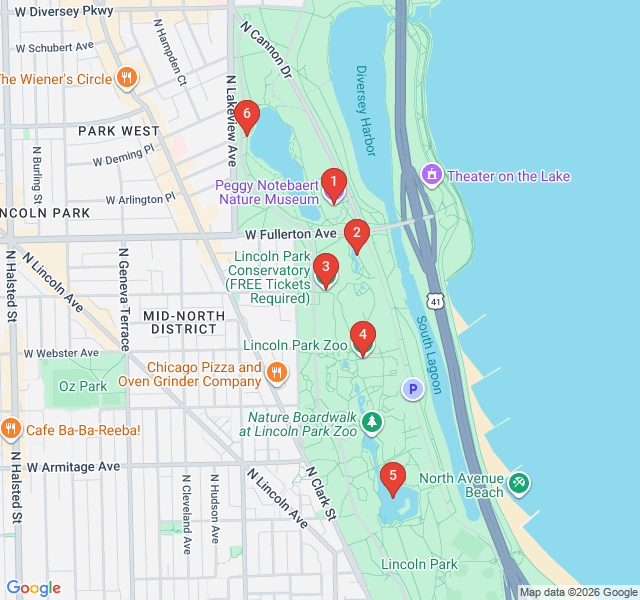
Numbers indicate the order of stops on the tour.
Welcome to the gateway of Lincoln Park’s wild side. The Peggy Notebaert Nature Museum is the public face of the Chicago Academy of Sciences, founded in 1857. While the building itself is modern, it carries a long tradition of ecological study. Surrounding the museum is the Judy Istock Butterfly Haven and several nature trails that showcase Illinois' native prairie and wetland plants. This area serves as a critical habitat for local species. As you begin your self-guided adventure, take a moment to look at the 'green roof' and the surrounding water features, which are designed to manage urban runoff while providing a home for turtles and red-winged blackbirds.
Step through the wooden gates into what many consider the most peaceful spot in Chicago. Designed in the 1930s by landscape architect Alfred Caldwell, this pool is a premier example of Prairie School design, which emphasizes horizontal lines and native materials to mimic the flat landscapes of the Midwest. Notice the 'Council Ring'—a circular stone bench intended for community gathering and quiet reflection. The limestone ledges and waterfall were meticulously placed to create a sense of natural harmony. In 2001, a major restoration returned this site to its original 1930s splendor, ensuring it remains a sanctuary for both people and migratory birds.
In front of you stands a Victorian masterpiece of glass and steel. Built between 1890 and 1895, the Lincoln Park Conservatory was designed to showcase exotic plants that Chicagoans of the late 19th century would never otherwise see. Inside, four distinct 'houses'—the Palm House, Fern Room, Orchid House, and Show House—host a rotating display of botanical wonders. The Fern Room is particularly notable, designed to give visitors a glimpse of what the prehistoric world might have looked like. Even from the outside, the formal gardens and the 'Schiller Monument' nearby highlight the park’s transition from a wild space to a curated urban cultural destination.
You are standing at the entrance to one of the oldest free zoos in North America. Established in 1868 with a gift of two pairs of swans from New York's Central Park, the Lincoln Park Zoo has evolved from a small collection of animals into a world-class center for wildlife conservation. As you walk through, you’ll notice a blend of historic architecture and modern habitats. The Kovler Lion House, with its distinctive brickwork, dates back to 1912, while the newer Regenstein Center for African Apes represents the cutting edge of animal care. The zoo remains free to the public, staying true to its original mission of providing accessible education for all.
This striking structure, often called the 'honeycomb' by locals, is a modern icon of Lincoln Park. Designed by the renowned architecture firm Studio Gang, the pavilion serves as an outdoor classroom and a stunning frame for the Chicago skyline. It is part of the Nature Boardwalk, an ecological restoration project that transformed an aging man-made pond into a thriving prairie wetland. As you stroll along the boardwalk, look for the various species of fish, frogs, and birds that have returned to this area. The design of the pavilion itself was inspired by the shell of a tortoise, blending organic forms with architectural precision.
Our final stop is the North Pond Nature Sanctuary, a 15-acre site that represents the height of urban habitat restoration. Originally a simple pond used for boating, it was transformed in the late 1990s into a complex ecosystem featuring native wildflowers, grasses, and shrubs. This is one of the best spots in the city for birdwatching; keep an eye out for Black-crowned Night-Herons, which nest nearby. The view from the north end of the pond looking south provides a classic Chicago vista, where the greenery of the park meets the towering skyscrapers of the Gold Coast and Loop. It is a fitting end to a walk dedicated to the balance between city and nature.
Start Free on iPhone
Explore “Nature in the City: Lincoln Park’s Gardens and Wildlife” with your very own Private Tour Guide with Zigway. Start free on iPhone, skip the large group and the fixed routes, and hear the city come alive as you go.
Your Private Tour Guide
Don't miss the good stuff
Explore Freely
 Moderate
Chicago, United States
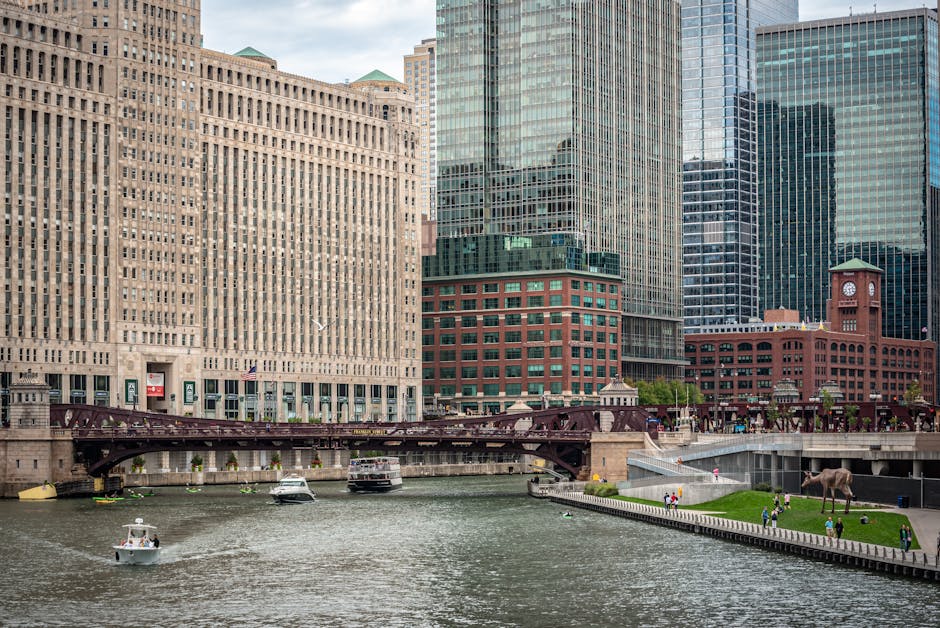
Explore the dark history of Al Capone and the North Side Gang on this self-guided walk through Chicago’s most infamous Prohibition-era crime scenes.
 Moderate
Chicago, United States
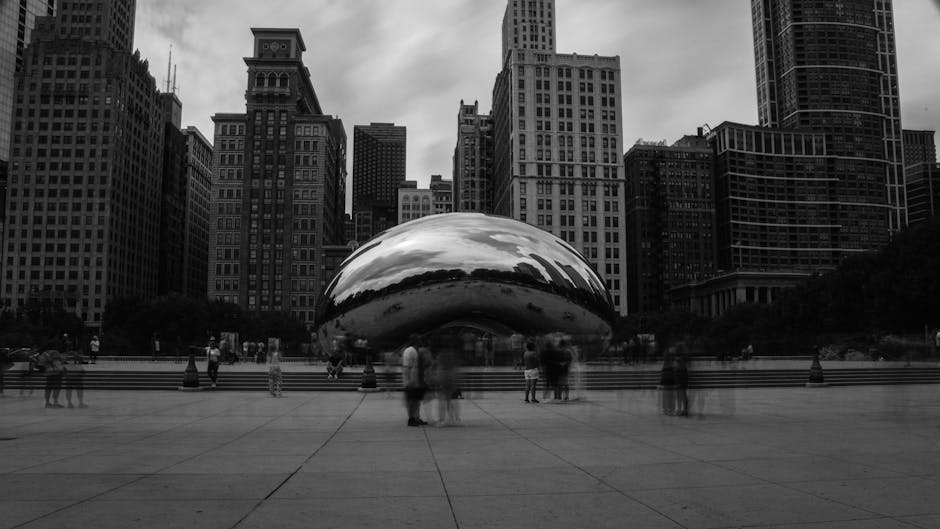
Explore the vivid murals and rich Mexican heritage of Pilsen on this self-guided neighborhood stroll through Chicago's premier arts district.
 Easy
EasyChicago, United States
Explore the evolution of Chicago’s meatpacking district into a world-class culinary and tech hub on this independent self-guided walk.
 Easy
EasyChicago, United States
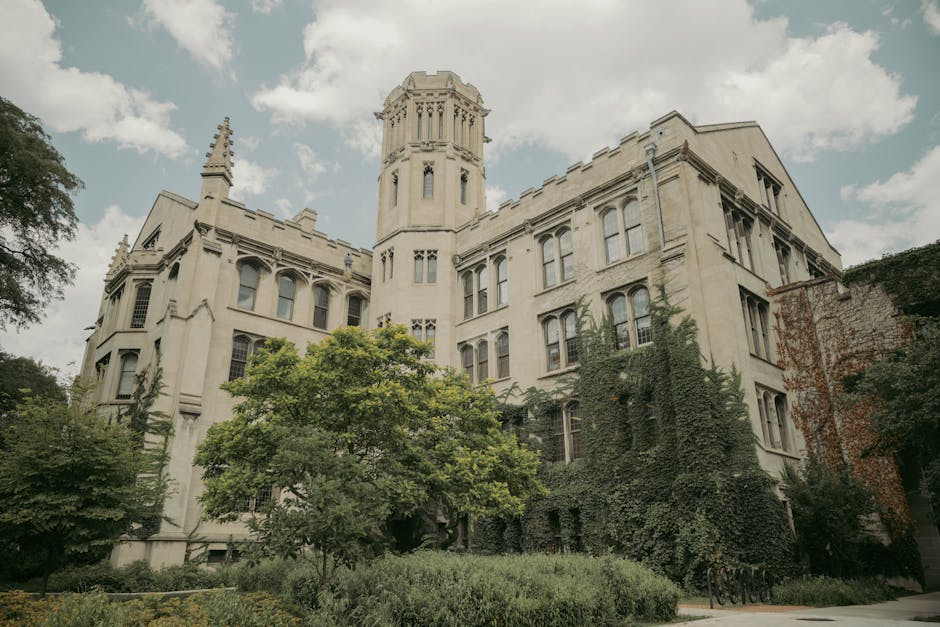
Explore the hidden tunnels of the Chicago Pedway on this self-guided walking route through the Loop’s secret architectural wonders.
 Easy
EasyGdansk, Poland
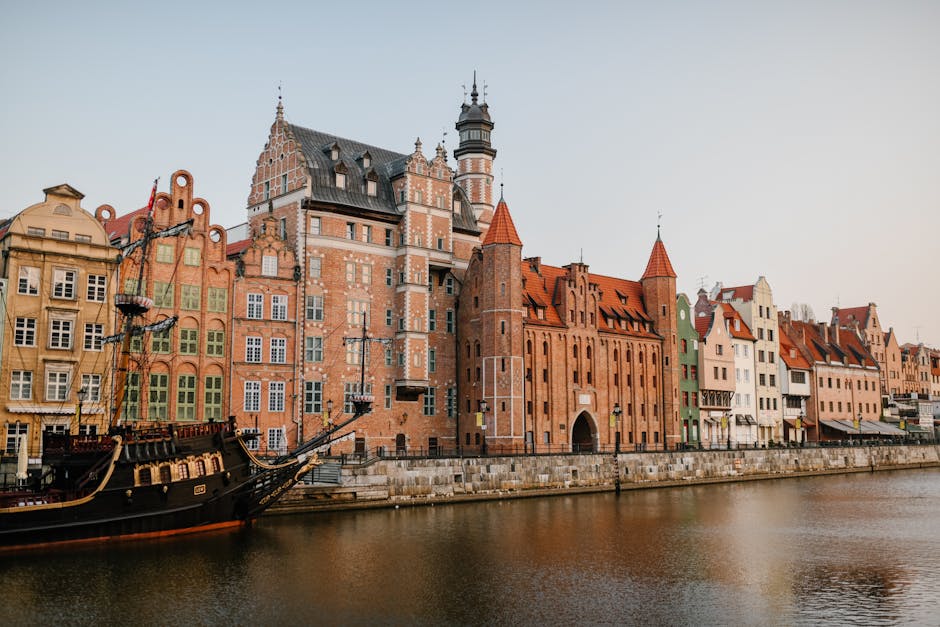
Discover the monastic heritage, world-famous organs, and lush botanical gardens of Oliwa on this peaceful self-guided neighborhood stroll.
 Moderate
Gothenburg, Sweden
Explore Gothenburg’s lush "Green Lung" on this self-guided walk through the Botanical Garden, Slottsskogen park, and rugged Änggård Mountains.
 Moderate
Nairobi, Kenya
Discover Nairobi's lush side on this self-guided walk through botanical gardens, historic memorials, and vibrant local markets.
 Easy
EasyInnsbruck, Austria
Uncover the myths and legends of Innsbruck on this self-guided walk through the historic Altstadt and beyond.
 Easy
EasyNashville, United States
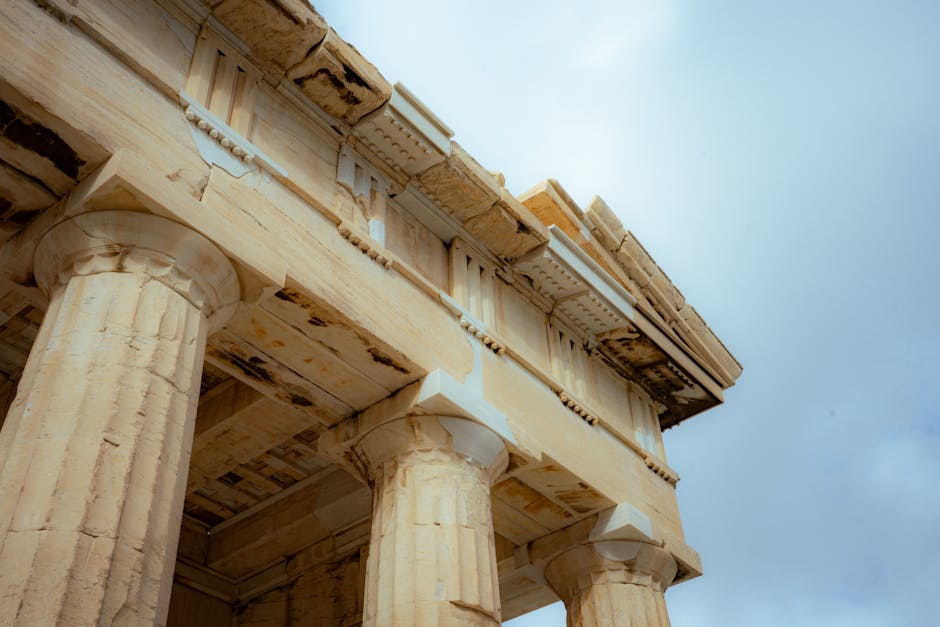
Explore the 'Athens of the South' on this self-guided walk through Centennial Park, featuring the world's only full-scale Parthenon replica.
 Easy
EasyNashville, United States
Explore Nashville's academic heart and Art Deco gems on this self-guided walk through historic Hillsboro Village.
 Easy
EasyNashville, United States
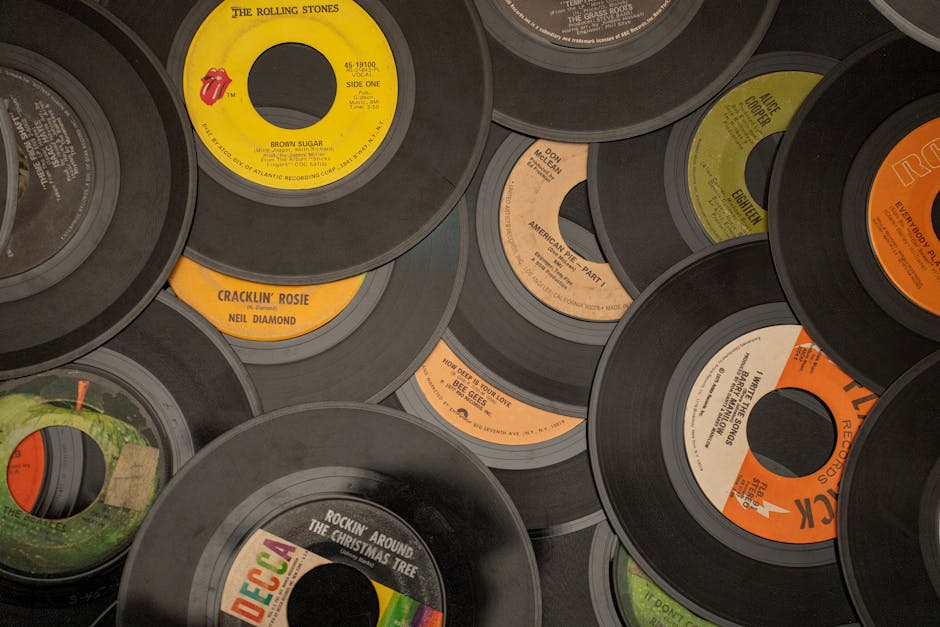
Explore the heart of Nashville's music industry. Discover iconic studios and the history of the legendary Nashville Sound at your own pace.
 Easy
EasyNashville, United States
Explore Nashville's oldest neighborhood! Discover Victorian architecture, Civil War history, and world-class craft beer on this self-guided walk.