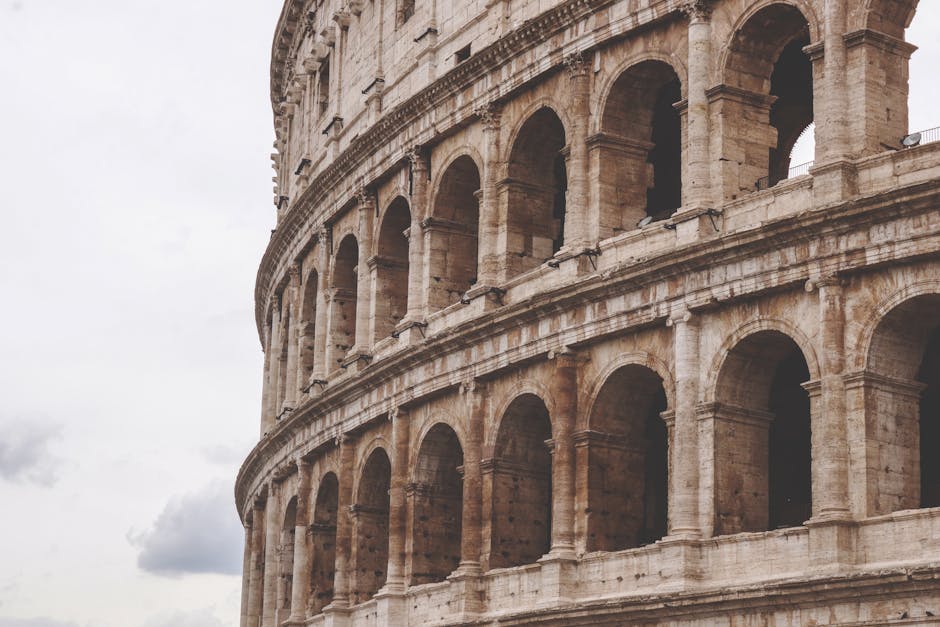
Self-guided audio tour in Rome
Start Free on iPhone
Start free on iPhone to unlock this self-guided walking tour in Rome. Hear all the stories that make it amazing, walk at your own pace, and begin whenever you want.
Your Private Tour Guide
Embark on a playful adventure through the heart of the Eternal City with this self-guided walk designed specifically for families and the young at heart. While Rome is famous for its emperors and gladiators, its streets are also home to a hidden menagerie of stone creatures waiting to be discovered. This walking route transforms the Centro Storico into a giant scavenger hunt, leading you from the legendary wolf on the Capitoline Hill to the exotic beasts of Piazza Navona. It is a fantastic way to keep children engaged with history while exploring some of the city's most iconic landmarks at your own pace. Your journey begins at the Capitoline Hill, where you will meet the city's most famous resident: the bronze she-wolf. From there, the route winds through charming medieval alleys and grand Renaissance piazzas. You will search for delicate bronze turtles, a sturdy elephant carrying an ancient Egyptian obelisk, and even a hidden dragon tucked away on the walls of the Pantheon. Unlike a traditional walking tour Rome often offers, this experience allows you to pause whenever a gelato shop catches your eye or a sunny piazza invites a quick rest. Each stop on this audio walk reveals a new story, blending mythology with historical facts that bring the stone carvings to life. You will learn why a stag's head sits atop a church and how a famous sculptor used an elephant to support a massive stone needle. The route is entirely outdoors and accessible, making it an ideal choice for those looking to explore independently without the pressure of a group schedule. By the time you reach the final stop at the Fountain of the Four Rivers, you will have seen Rome through a completely different lens—not just as a museum of ruins, but as a vibrant playground of art and imagination. Whether you are a first-time visitor or a repeat traveler, this neighborhood stroll offers a refreshing and interactive way to experience the magic of Rome.
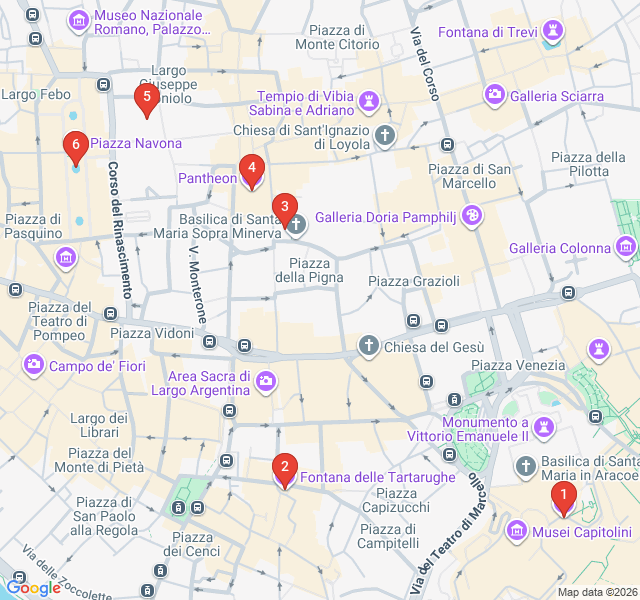
Numbers indicate the order of stops on the tour.
Welcome to the start of your scavenger hunt! You are standing near the Capitoline Hill, and right here is the most famous animal in Rome: the Lupa Capitolina, or the She-Wolf. Look closely at the bronze statue. According to legend, this wolf found two tiny twin boys, Romulus and Remus, abandoned in a basket on the Tiber River. Instead of hurting them, she nursed them as if they were her own pups. Romulus eventually grew up to found the city of Rome in 753 BC. While the original statue is inside the museum, this faithful replica allows you to see the symbol of the city up close. Can you see the twins underneath her? This image is everywhere in Rome, from manhole covers to the crest of the local soccer team!
Nestled in the quiet Piazza Mattei is one of Rome’s most beloved hidden gems: the Fontana delle Tartarughe. As you look at this Renaissance masterpiece, see if you can find the four bronze turtles. Legend says the fountain was built in a single night by a Duke who wanted to impress his future father-in-law, though history tells us it actually took a bit longer! The turtles themselves weren't part of the original design; they were added nearly 80 years later, possibly by the famous artist Bernini. Watch how the young men in the sculpture seem to be helping the turtles climb into the upper basin. It is a whimsical stop that shows how Roman art can be both grand and playful.
In the center of Piazza della Minerva, you will find a very unusual sight: a smiling elephant carrying a massive Egyptian obelisk on its back. This is known as 'Il Pulcino della Minerva' (The Chick of Minerva). Designed by Gian Lorenzo Bernini in 1667, the elephant was chosen because it represents strength and wisdom—qualities needed to support the 'weight' of ancient knowledge symbolized by the obelisk. Look at the elephant’s face; it looks quite friendly, doesn't it? Rumor has it that Bernini positioned the elephant's backside to face the office of a rival priest he didn't particularly like! It is one of the most charming statues in the city and a favorite for children to photograph.
While everyone looks at the massive dome of the Pantheon, your scavenger hunt requires you to look for something smaller. On the exterior walls and nearby buildings, look for the crests featuring a dragon. This isn't a mythical beast from a fairytale, but the heraldic symbol of the Boncompagni family, specifically Pope Gregory XIII. In the 16th century, the dragon was a sign of power and prestige. Can you find the dragons carved into the stone? They often look like they are guarding the ancient temple. It is a great reminder that in Rome, even the smallest carvings on a wall can tell you who was in charge hundreds of years ago.
Look up to the very top of the church of Sant'Eustachio. Perched on the roof is a magnificent stag’s head with a cross between its antlers. This animal commemorates a miracle. Legend says a Roman general named Placidus was hunting in the woods when he saw a beautiful stag. As he approached, he saw a glowing cross appearing between the animal's antlers and heard a voice. This vision was so powerful that he converted to Christianity and changed his name to Eustace. This church has stood here for over a thousand years, and the stag remains its guardian. After you've spotted it, the nearby cafe is famous for having some of the best coffee in Rome!
Your final stop is the spectacular Piazza Navona. In the center sits the Fountain of the Four Rivers, a masterpiece by Bernini. This fountain is a literal zoo in stone! As you walk around it, try to spot the different animals representing four major continents. There is a lion and a palm tree for Africa, a horse for Europe, a scary-looking sea monster for the Nile, and even a creature that looks like a crocodile or an armadillo for the Americas. The animals were meant to show that the power of the Church reached every corner of the globe. You've completed your hunt! Take a moment to enjoy the spray of the water and the bustling life of the piazza.
Start Free on iPhone
Explore “Animals in Stone: A Family Scavenger Hunt” with your very own Private Tour Guide with Zigway. Start free on iPhone, skip the large group and the fixed routes, and hear the city come alive as you go.
Your Private Tour Guide
Don't miss the good stuff
Explore Freely
 Easy
EasyRome, Italy
Explore Rome’s industrial heart on this self-guided walk featuring massive murals, the 'Iron Colosseum,' and unique industrial archaeology.
 Easy
EasyRome, Italy
Explore Rome’s whimsical Fairytale District. A self-guided walk through Art Nouveau palaces, mythical fountains, and the magical Coppedè architecture.
 Moderate
Rome, Italy
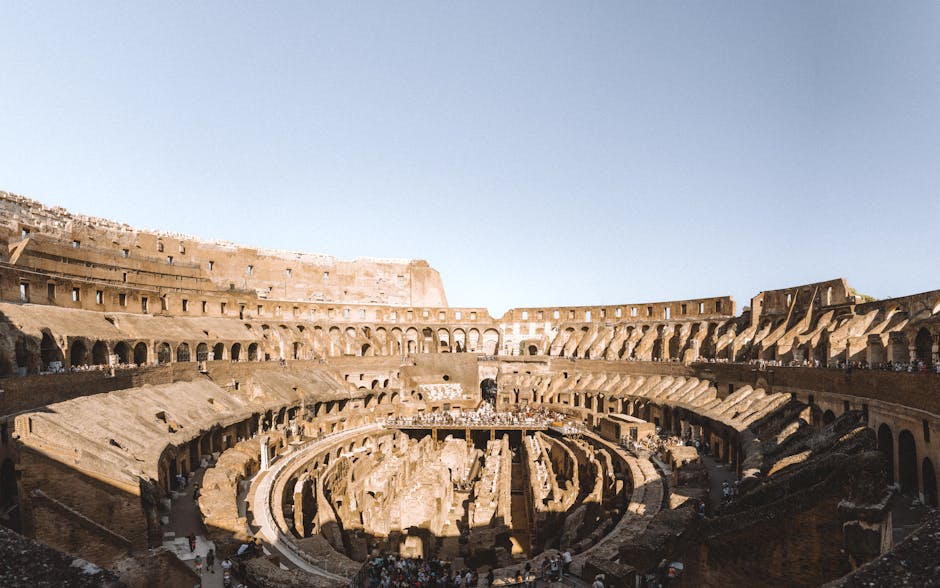
Uncover Rome's hidden history on this self-guided walk through ancient gladiator pits, subterranean temples, and buried Roman houses.
 Challenging
Rome, Italy
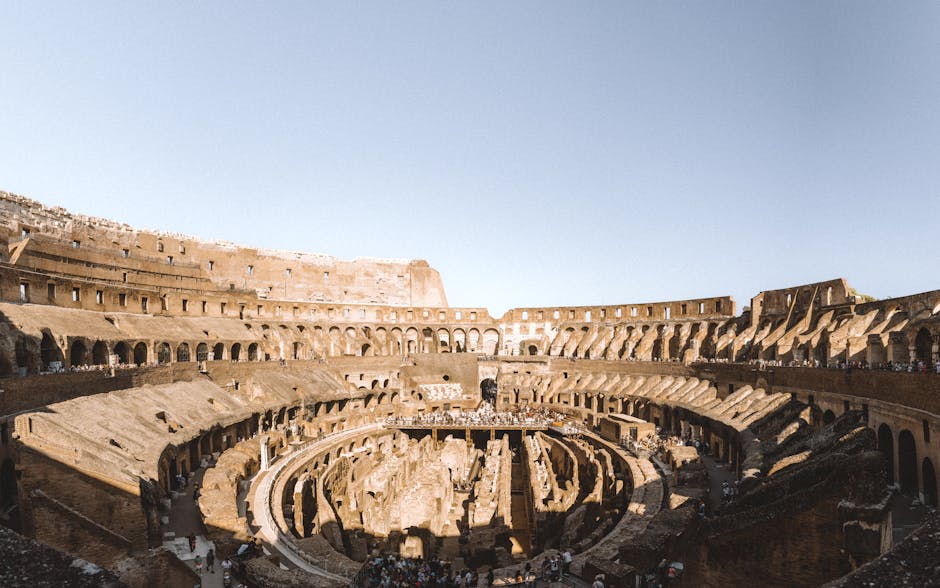
Walk the 'Queen of Roads.' Explore ancient catacombs, imperial villas, and historic basalt stones on this scenic self-guided Roman adventure.
 Easy
EasyKrakow, Poland
Uncover Krakow's legendary past on this self-guided walk from literary monuments to the fire-breathing Wawel Dragon.
 Easy
EasyInnsbruck, Austria
Uncover the myths and legends of Innsbruck on this self-guided walk through the historic Altstadt and beyond.
 Easy
EasySalzburg, Austria
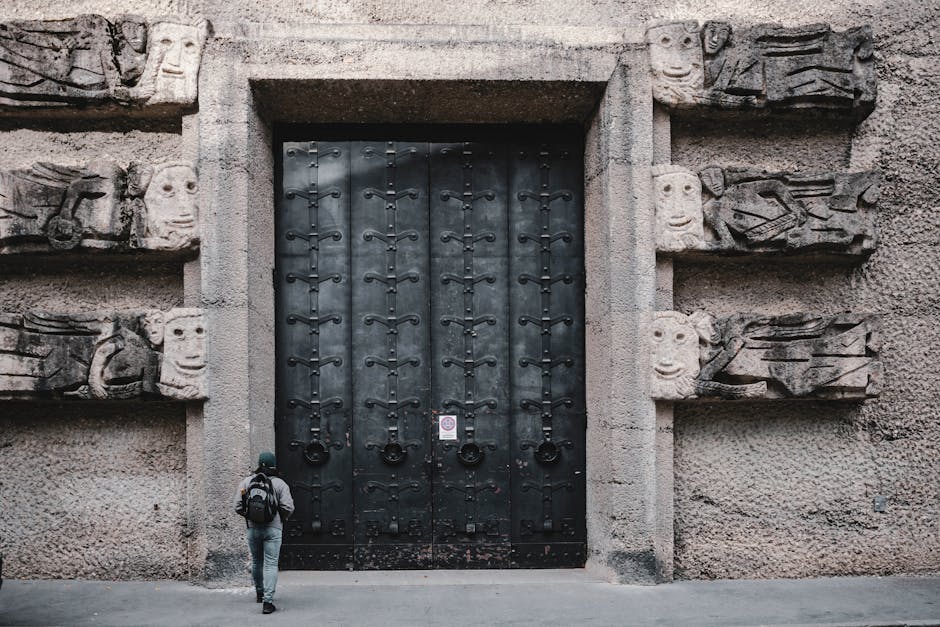
Discover the 'Rome of the North' on this self-guided walk through the Baroque squares and monumental legacy of Salzburg’s Prince-Archbishops.
 Easy
EasyNairobi, Kenya
Explore Nairobi's architectural evolution from colonial-era landmarks to iconic Brutalist skyscrapers on this historic self-guided walking route.
 Easy
EasyFlorence, Italy
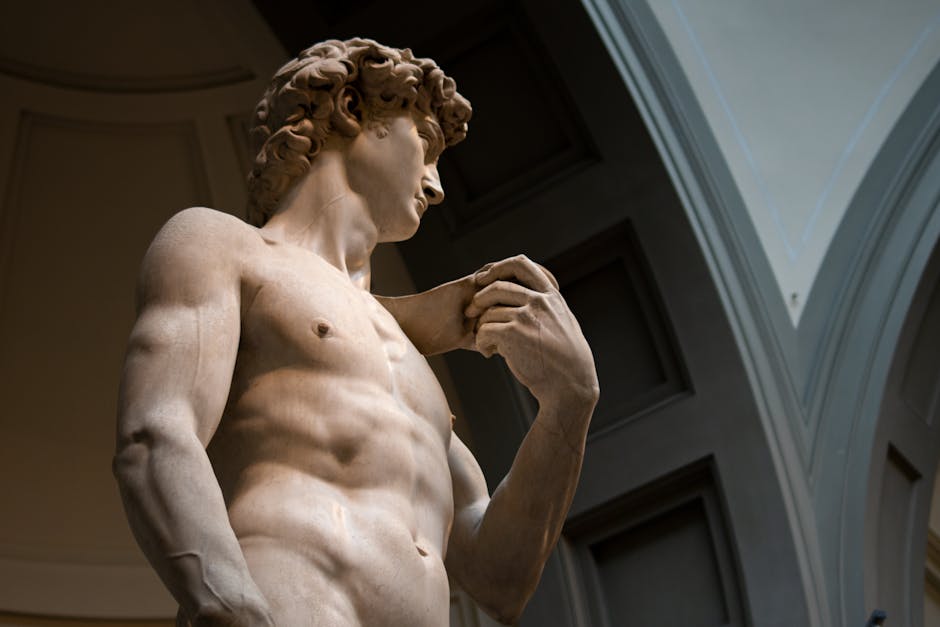
Discover the intersection of Renaissance architecture and modern luxury on this self-guided walk through Florence’s high-fashion districts.
 Easy
EasyFlorence, Italy
Explore the medieval streets of Florence through the eyes of Dante Alighieri on this self-guided literary and historical walking route.
 Easy
EasyFlorence, Italy
Experience the magic of Florence at sunset. Discover iconic bridges and breathtaking river views on this romantic self-guided audio walk.
 Easy
EasyFlorence, Italy
Discover the 'buchette del vino'—Florence's unique Renaissance wine windows—on this self-guided walk through the city's historic streets.