Self-guided audio tour in Rome
Start Free on iPhone
Start free on iPhone to unlock this self-guided walking tour in Rome. Hear all the stories that make it amazing, walk at your own pace, and begin whenever you want.
Your Private Tour Guide
Rising high above the bustling streets of modern Rome, the Quirinal Hill has served as the ultimate seat of power for centuries. This neighborhood stroll invites you to explore the highest of Rome's seven hills, a place where the legacies of Popes, Kings, and Presidents intersect with the creative genius of the Baroque era's greatest rivals. While many visitors flock to the Colosseum or the Vatican, this walking route offers a more refined look at the city's history, characterized by grand palaces, monumental fountains, and architectural masterpieces that redefined the Roman skyline. Your self-guided walk begins at the intersection of the Four Fountains, a unique urban planning feat from the late 16th century. From here, you will witness the legendary architectural duel between Gian Lorenzo Bernini and Francesco Borromini. Their competing churches, Sant'Andrea and San Carlo, stand just a few hundred yards apart, showcasing two very different visions of Baroque beauty. As you move toward the summit of the hill, the scale of the architecture shifts from the intimate to the imperial. The Quirinal Palace, once a summer retreat for Popes and later the home of Italian Kings, now serves as the official residence of the President of the Italian Republic. In the expansive Piazza del Quirinale, you can enjoy one of the most breathtaking views of St. Peter’s Basilica in the distance, framed by the ancient statues of the Dioscuri. This area is less about the ruins of the past and more about the living history of the Italian state. Whether you are an architecture enthusiast or a history buff, this walking tour Rome experience provides a deep dive into the evolution of power. By following this neighborhood stroll, you can discover the quiet grandeur of the Quirinale at your own pace, away from the typical tourist trails, ending your journey at the vibrant Piazza Barberini.
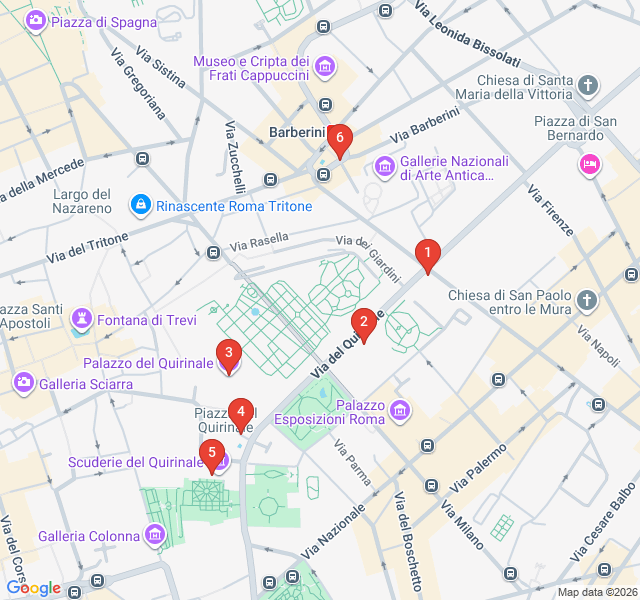
Numbers indicate the order of stops on the tour.
Start your exploration at one of the most ingenious buildings in Rome. Designed by Francesco Borromini, this church is a miracle of geometry. Despite its tiny size—it is said the entire building could fit inside one of the piers of St. Peter's Basilica—Borromini used complex curves and an extraordinary oval dome to create a sense of vast, flowing space. Notice the undulating facade, a hallmark of the high Baroque style. At the corner of the building, you will see one of the four fountains that give this intersection its name, each representing a river or a deity. This spot marks the beginning of your journey through the architectural heart of the hill.
Just a short walk down the street brings you to the rival masterpiece. If San Carlo was Borromini’s complex puzzle, Sant'Andrea was Gian Lorenzo Bernini’s 'perfect' creation. Bernini himself considered this his most accomplished work. The church uses an unusual transverse oval plan, directing your eyes immediately to the high altar. Look up to see the stunning gold decorations and the statue of St. Andrew appearing to ascend through the pediment into the light of the dome. The use of pink marble and dramatic lighting creates a theatrical atmosphere that defines the Roman Baroque experience.
You are now standing before the Palazzo del Quirinale, a building that has housed the rulers of Italy for over 400 years. Originally built in 1583 as a summer residence for the Pope, it later became the palace of the Savoy Kings after the unification of Italy. Today, it is the official residence of the President of the Republic. The palace is one of the largest in the world, boasting 1,200 rooms. While the interior is often closed for state business, the exterior's sheer scale and the presence of the Corazzieri guards—the elite presidential honor guard in their distinctive helmets—signal the immense importance of this site.
Step into the center of the piazza to appreciate the grandeur of the Roman state. The centerpiece is the Fountain of the Dioscuri, featuring massive ancient Roman statues of Castor and Pollux holding their horses. These were found in the nearby Baths of Constantine. Between them stands an Egyptian obelisk brought to Rome in the 1st century. This square offers one of the most strategic viewpoints in the city; look toward the horizon to see the dome of St. Peter’s Basilica perfectly aligned with the street. If you arrive around 3:00 PM (or 6:00 PM in summer), you might witness the ceremonial changing of the guard.
Adjacent to the palace stands the Scuderie del Quirinale, the former papal stables. Built in the 18th century, this building once housed the horses and carriages of the papal court. Today, it has been transformed into one of Rome’s premier art exhibition spaces. The renovation, led by architect Gae Aulenti, preserved the historic shell while creating a modern interior. Even if you don't go inside for an exhibit, notice the grand ramp that was originally designed for horses to ascend to the upper floors. It stands as a testament to the functional luxury that supported the life of the hill's elite residents.
Your walk concludes at Piazza Barberini, the gateway between the Quirinal Hill and the historic center. At its center sits the Triton Fountain, another Bernini masterpiece. Triton, the sea god, is depicted blowing into a conch shell to summon the waters, supported by four dolphins. This fountain was commissioned by the Barberini family, whose palace sits just up the street. Look closely at the base of the fountain for the three bees, the heraldic symbol of the Barberini family. This vibrant square is a perfect place to rest, grab a coffee, and reflect on the transition from the solemn halls of power to the lively pace of modern Rome.
Start Free on iPhone
Explore “Quirinal Hill: The Seat of Power” with your very own Private Tour Guide with Zigway. Start free on iPhone, skip the large group and the fixed routes, and hear the city come alive as you go.
Your Private Tour Guide
Don't miss the good stuff
Explore Freely
 Easy
EasyRome, Italy
Explore Rome’s industrial heart on this self-guided walk featuring massive murals, the 'Iron Colosseum,' and unique industrial archaeology.
 Easy
EasyRome, Italy
Explore Rome’s whimsical Fairytale District. A self-guided walk through Art Nouveau palaces, mythical fountains, and the magical Coppedè architecture.
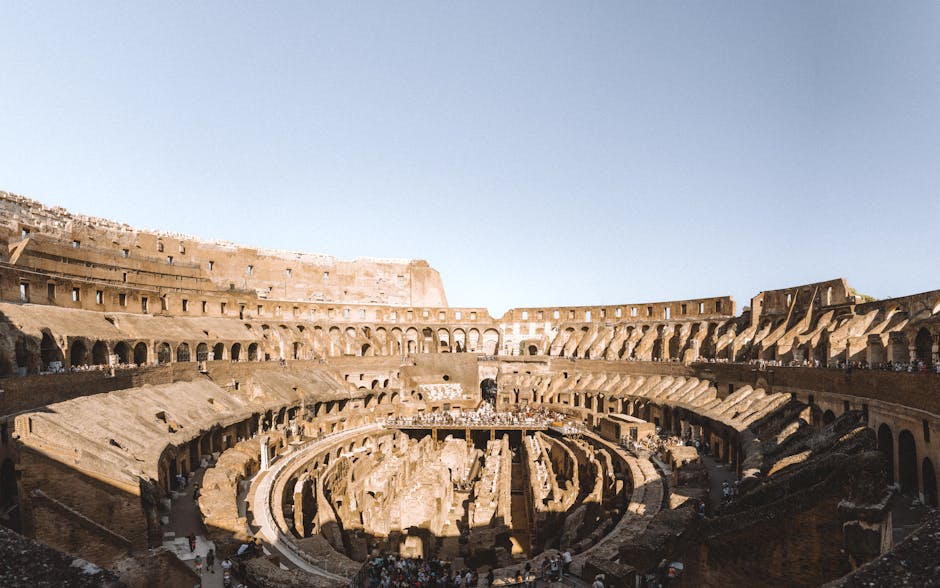 Moderate
Rome, Italy
Uncover Rome's hidden history on this self-guided walk through ancient gladiator pits, subterranean temples, and buried Roman houses.
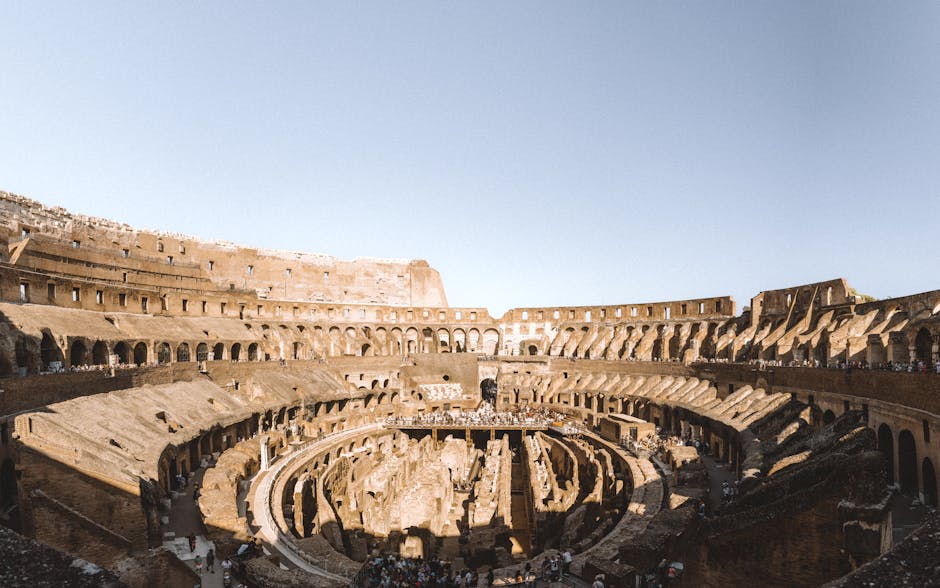 Challenging
Rome, Italy
Walk the 'Queen of Roads.' Explore ancient catacombs, imperial villas, and historic basalt stones on this scenic self-guided Roman adventure.
 Easy
EasyNairobi, Kenya
Discover Nairobi's iconic skyline on this self-guided architecture walk through the CBD’s most famous modernist and Brutalist landmarks.
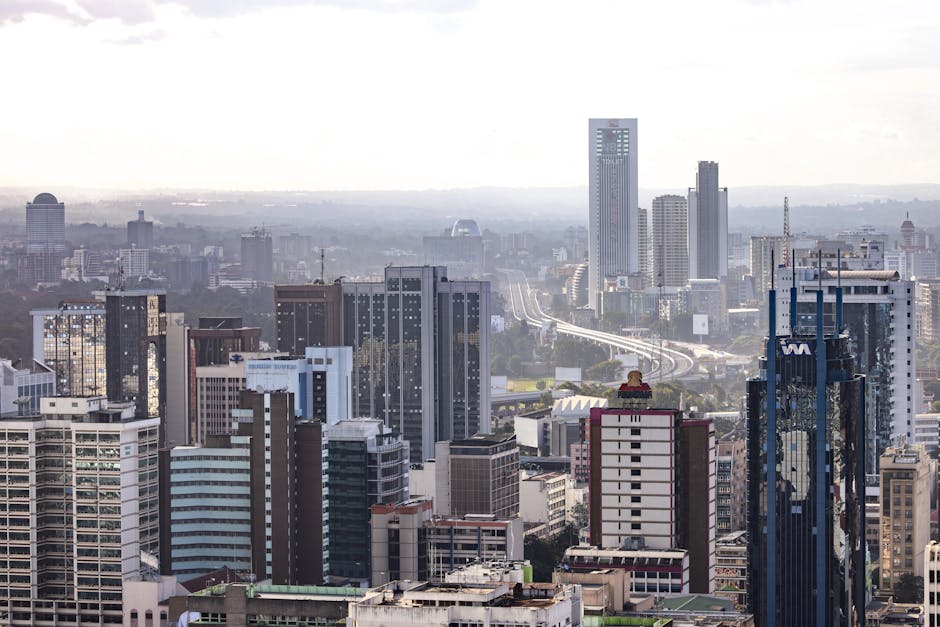 Easy
EasyNairobi, Kenya
Explore Nairobi's architectural evolution from colonial-era landmarks to iconic Brutalist skyscrapers on this historic self-guided walking route.
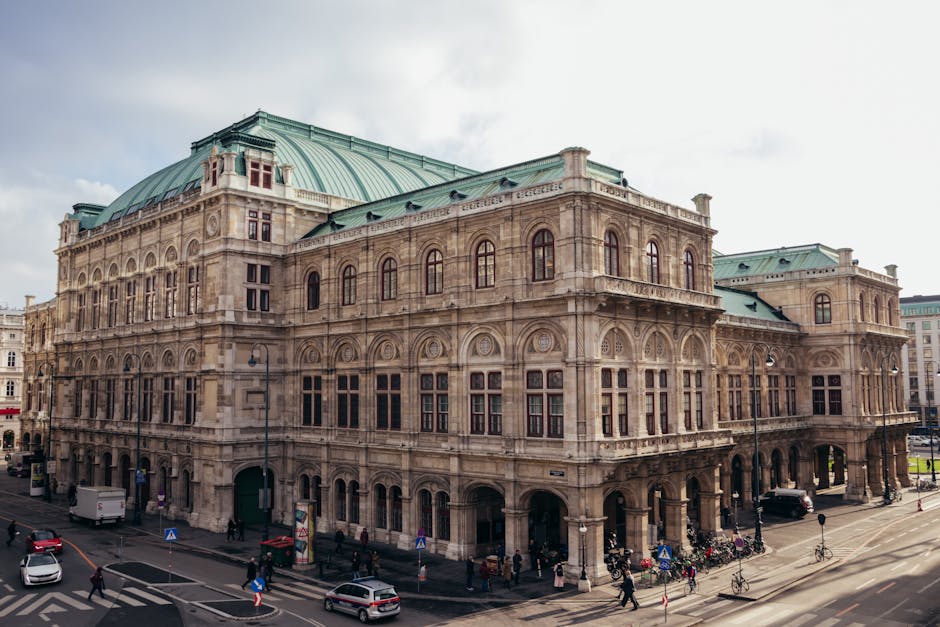 Moderate
Vienna, Austria
Discover the noir world of The Third Man and Cold War Vienna on this atmospheric self-guided audio walk through the historic Innere Stadt.
 Easy
EasyGdansk, Poland
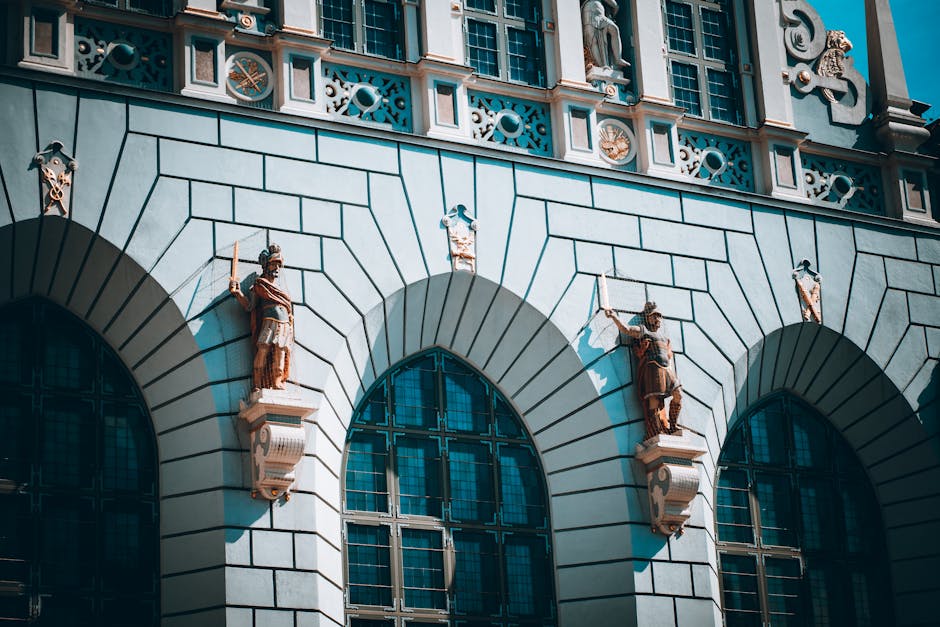
Discover the opulent Royal Way of Gdansk at your own pace. Explore Hanseatic history, gilded architecture, and the iconic Neptune's Fountain.
 Easy
EasyFlorence, Italy
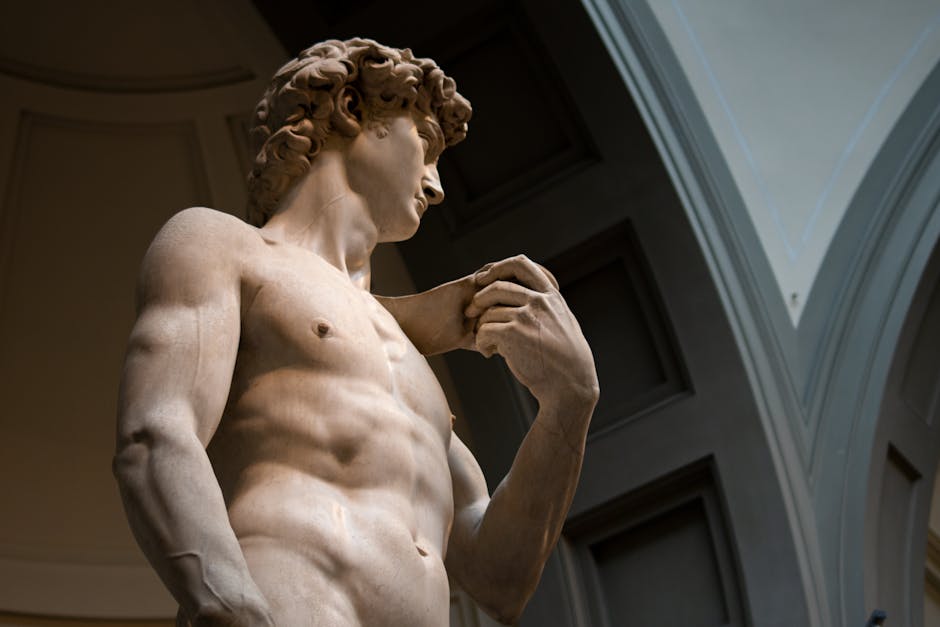
Discover the intersection of Renaissance architecture and modern luxury on this self-guided walk through Florence’s high-fashion districts.
 Easy
EasyFlorence, Italy
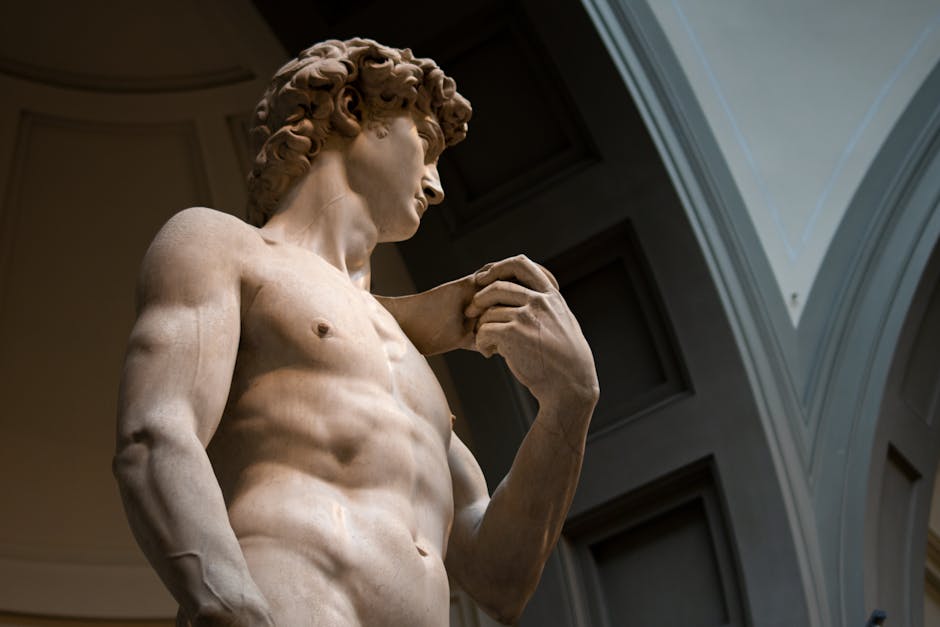
Explore the medieval streets of Florence through the eyes of Dante Alighieri on this self-guided literary and historical walking route.
 Easy
EasyFlorence, Italy
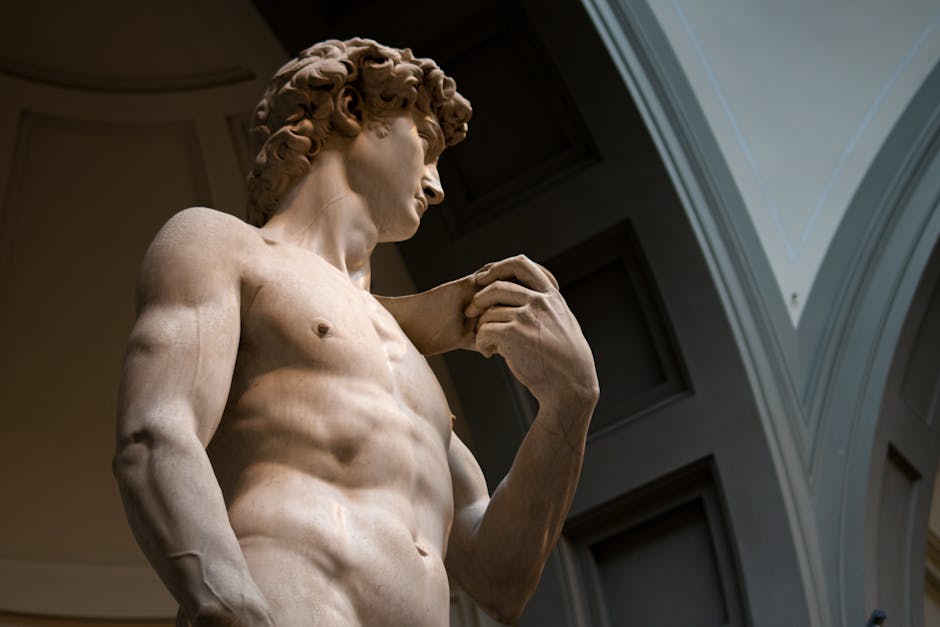
Experience the magic of Florence at sunset. Discover iconic bridges and breathtaking river views on this romantic self-guided audio walk.
 Easy
EasyFlorence, Italy
Discover the 'buchette del vino'—Florence's unique Renaissance wine windows—on this self-guided walk through the city's historic streets.