Self-guided audio tour in Naples
Start Free on iPhone
Start free on iPhone to unlock this self-guided walking tour in Naples. Hear all the stories that make it amazing, walk at your own pace, and begin whenever you want.
Your Private Tour Guide
Naples is often celebrated for its street food and chaotic charm, but nestled within the Porto district lies a quieter, more cerebral world. This self-guided walking route invites you to explore the Scholars' Route, a journey through the evolution of higher education in one of Europe’s oldest academic hubs. Since 1224, when Emperor Frederick II established his namesake university, this neighborhood has been the beating heart of Neapolitan thought. This audio walk leads you away from the typical tourist trails and into the narrow alleys and grand courtyards where monks once prayed and students now debate. You will encounter architectural marvels that transitioned from monastic complexes to lecture halls, such as the Complesso di San Marcellino e Festo, where the stillness of the cloisters provides a stark contrast to the vibrant energy of the surrounding city. The route takes you along Via Mezzocannone, the legendary university street lined with historic bookshops and bustling cafes, leading toward the majestic Palazzo Giusso. Here, you can admire the legacy of L'Orientale, the oldest school of Sinology and Oriental Studies in Europe, a testament to Naples' long-standing role as a bridge between East and West. As you explore independently, you’ll see how the city's layers of history—from Roman foundations to Baroque splendor—are woven into the fabric of academic life. The walk concludes at the grand 19th-century headquarters of the University of Naples Federico II on Corso Umberto I. This walking tour Naples experience is perfect for those who appreciate the intersection of history and architecture. Unlike a standard guided tour Naples might offer, this self-guided stroll allows you to linger in a quiet courtyard or stop for an espresso at a student-frequented bar whenever you choose. Whether you are a history buff or an architecture enthusiast, this neighborhood stroll offers a unique perspective on the intellectual soul of Naples.
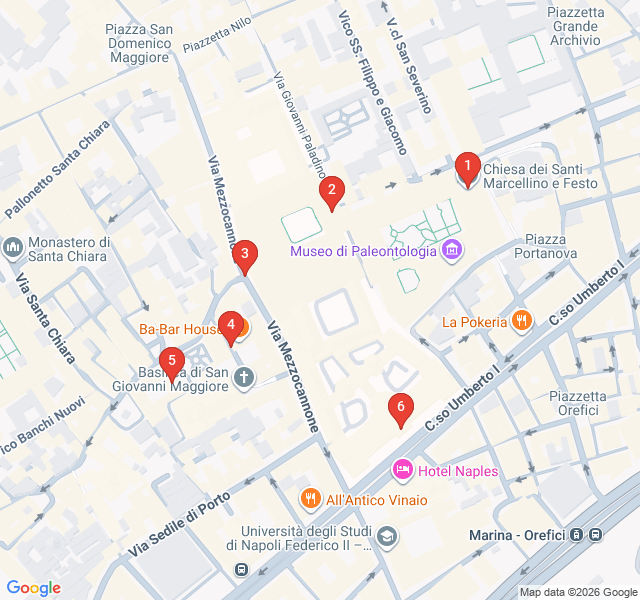
Numbers indicate the order of stops on the tour.
Begin your self-guided adventure at the Complesso di San Marcellino e Festo. This site is a perfect example of how Naples repurposes its history. Originally two separate 7th-century convents, they were merged in the 1500s to create a massive monastic complex. Today, it serves the University of Naples Federico II and houses the Museum of Paleontology. As you stand here, notice the transition from religious seclusion to academic openness. The cloister, which you can often glimpse through the gates, is one of the most beautiful in the city, featuring late-Baroque decorations and a garden that once looked out directly over the sea before the city's 19th-century expansion. It represents the very beginning of the university's takeover of former ecclesiastical spaces.
A short walk brings you to the University Library of Naples. This institution is located within the former 'Casa Professa' of the Jesuits. When the Jesuits were expelled in the late 18th century, their vast collection of books and their magnificent building were repurposed for the public and the university. The library holds over 800,000 volumes, including rare manuscripts and incunabula. The architecture reflects the sobriety and grandeur of the Jesuit order, designed to inspire awe and study. It remains a vital resource for Neapolitan scholars today, bridging the gap between the theological past and the secular, scientific present of the city's academic life.
Now, turn onto Via Mezzocannone, the historic 'spine' of the university district. This street is named after a 15th-century fountain featuring a figure with a 'half-cannon' (mezzo cannone) for a nose. For centuries, this has been the center of student life in Naples. Look around and you will see dozens of specialized bookshops, copy centers, and small bars where students grab a quick 'caffè' between lectures. The atmosphere here is perpetually youthful and energetic. This street literally connects the upper parts of the university complex with the lower maritime district, symbolizing the flow of knowledge through the city's narrow arteries. It is the best place to feel the pulse of modern Neapolitan academia.
As you enter Piazza San Giovanni Maggiore, you are standing in a space that has been a center of worship and gathering since the time of Emperor Constantine. The church of San Giovanni Maggiore, which dominates the square, was built over a pagan temple. Today, the square serves as an unofficial open-air lounge for the students of the nearby 'L'Orientale' University. It is a place where history is literally layered; beneath your feet are Roman remains, while the buildings around you are buzzing with students studying languages from across the globe. This square perfectly captures the Neapolitan ability to live comfortably among the ruins of the past.
Dominating the nearby landscape is Palazzo Giusso, a 16th-century palace that serves as the seat of the University of Naples 'L'Orientale.' Founded in 1732, this is the oldest school of Sinology and Oriental Studies in the Western world. It was originally established to train missionaries in Chinese languages, but it evolved into a world-class center for the study of Eastern cultures and languages. The building itself is a masterpiece of Renaissance and Baroque architecture, featuring a grand portal and a stunning internal courtyard. Its presence here highlights Naples' historical role as a cosmopolitan Mediterranean port, always looking toward distant horizons and fostering cross-cultural understanding.
Your walking route concludes at the 'Sede Centrale' or Main Building of the University of Naples Federico II on Corso Umberto I. This grand Neoclassical structure was built during the 'Risanamento' period in the late 19th century to give the university a more modern, prestigious face. Inside the courtyard, you can find a statue of the university’s founder, Emperor Frederick II, who established the school in 1224 to train the administrative class of his kingdom. It remains one of the oldest continuously operating state universities in the world. As you look at the imposing facade, consider the thousands of scholars who have passed through these halls, from Thomas Aquinas to modern Nobel laureates, continuing a legacy of learning that has defined Naples for eight centuries.
Start Free on iPhone
Explore “The Scholars' Route: History of the University District” with your very own Private Tour Guide with Zigway. Start free on iPhone, skip the large group and the fixed routes, and hear the city come alive as you go.
Your Private Tour Guide
Don't miss the good stuff
Explore Freely
 Moderate
Naples, Italy
Explore the vibrant street art, hidden shrines, and legendary Maradona murals in the heart of Naples' most iconic neighborhood.
 Challenging
Naples, Italy
Follow Elena and Lila’s journey through Naples. Explore the gritty streets and elegant plazas that defined Elena Ferrante’s Neapolitan Novels.
 Easy
EasyNaples, Italy
Uncover 2,500 years of history on this self-guided walk through the subterranean wonders and ancient layers of the Naples historic center.
 Easy
EasyNaples, Italy
Explore the Bourbon legacy on this self-guided walk from the ornate Galleria Umberto I to the historic Ovo Castle overlooking the sea.
 Easy
EasyKrakow, Poland
Explore the prestigious Jagiellonian University district, featuring Neo-Gothic architecture, Baroque churches, and Krakow's hidden scholarly gems.
 Moderate
Gdansk, Poland
Discover the origins of WWII in Gdansk on this self-guided walk through heroic last stands, massive museums, and strategic hilltop fortifications.
 Easy
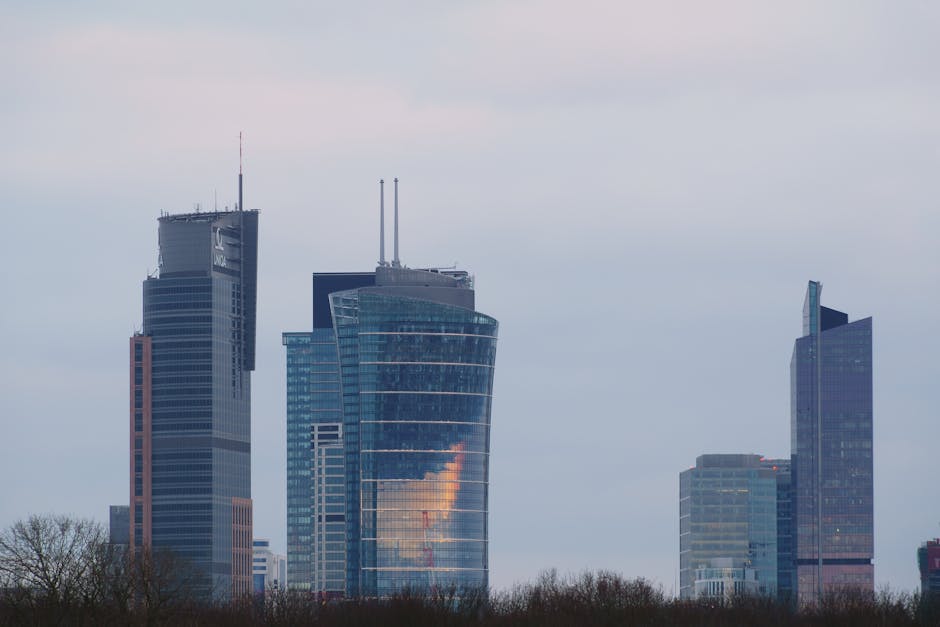
EasyWarsaw, Poland
Discover the hidden courtyards and grand pre-war architecture of Warsaw's most atmospheric neighborhood on this self-guided stroll.
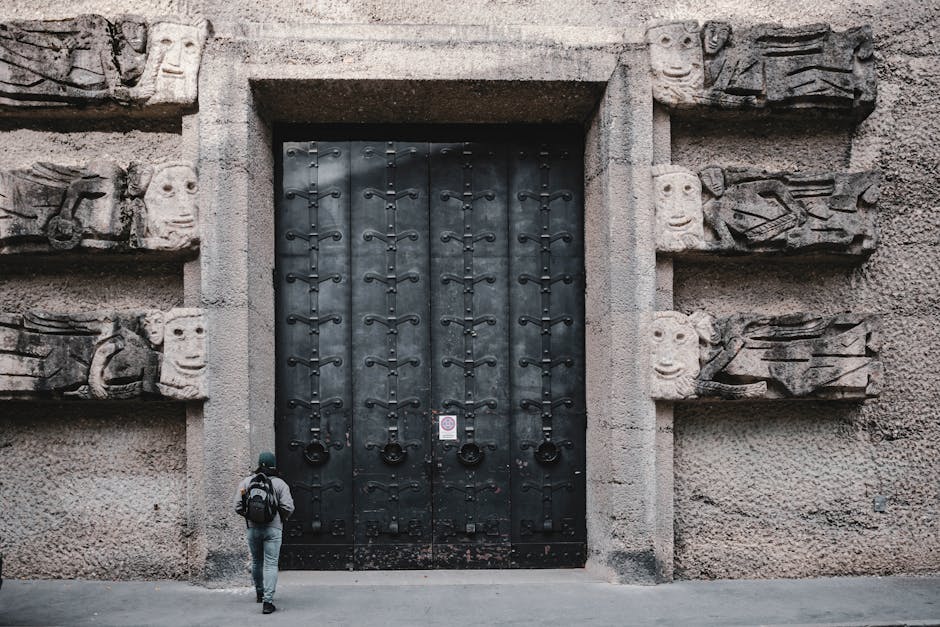 Easy
EasySalzburg, Austria
Discover Salzburg's oldest medieval alley, the birthplace of the 'Silent Night' author, and breathtaking views on this quiet self-guided walk.
 Easy
EasyRome, Italy
Explore Rome’s industrial heart on this self-guided walk featuring massive murals, the 'Iron Colosseum,' and unique industrial archaeology.
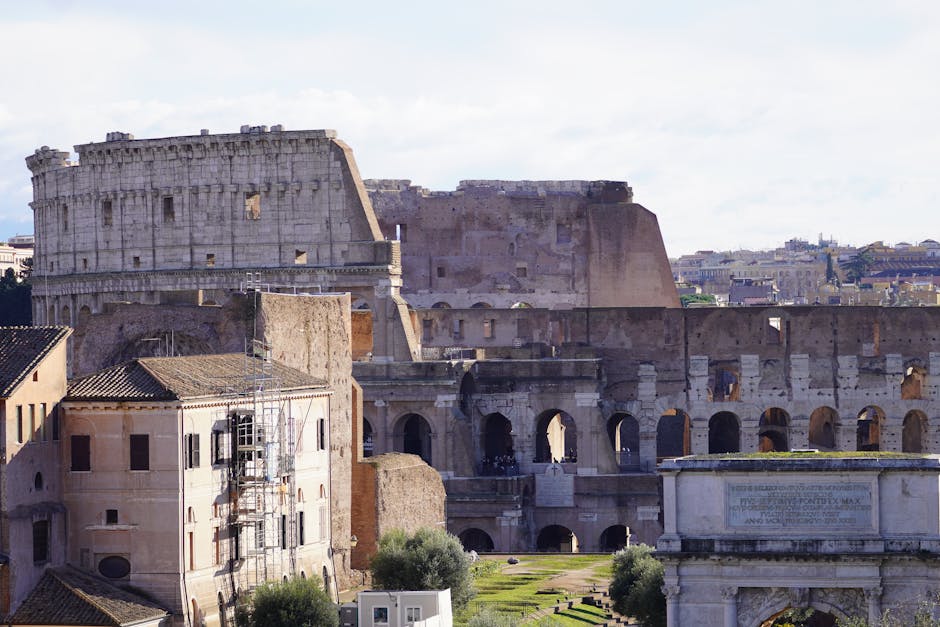 Easy
EasyRome, Italy
Explore Rome’s whimsical Fairytale District. A self-guided walk through Art Nouveau palaces, mythical fountains, and the magical Coppedè architecture.
 Moderate
Rome, Italy
Uncover Rome's hidden history on this self-guided walk through ancient gladiator pits, subterranean temples, and buried Roman houses.
 Challenging
Rome, Italy
Walk the 'Queen of Roads.' Explore ancient catacombs, imperial villas, and historic basalt stones on this scenic self-guided Roman adventure.