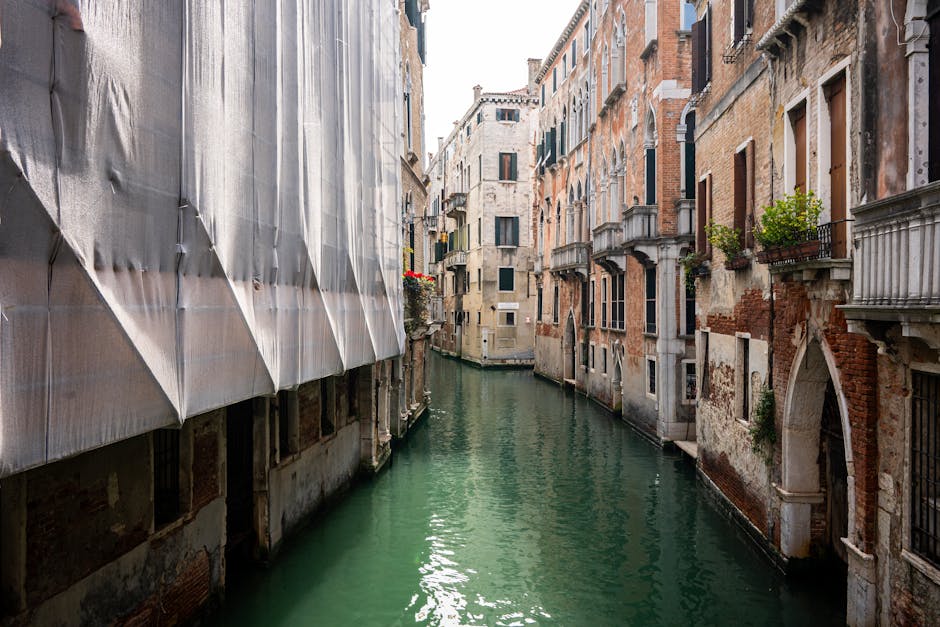
Self-guided audio tour in Venice
Start Free on iPhone
Start free on iPhone to unlock this self-guided walking tour in Venice. Hear all the stories that make it amazing, walk at your own pace, and begin whenever you want.
Your Private Tour Guide
Venice is a city of stone and water, but its green spaces offer a vital breath of fresh air for those who know where to look. This self-guided walk takes you through the verdant heart of the Castello district and beyond, revealing a side of the lagoon often missed by those sticking to the Rialto-San Marco axis. Starting at the eastern tip of the main island, you will explore the Sant'Elena neighborhood, a serene residential enclave where the scent of the Adriatic salt meets the refreshing aroma of maritime pines. This neighborhood stroll is a significant departure from the typical tourist paths, leading you through the Giardini della Biennale—a massive park complex that serves as the prestigious stage for the world's most famous art and architecture festivals. You'll discover the legacy of Napoleon's radical urban planning, which involved clearing ancient structures to create public promenades, and the hidden gems of the Royal Gardens, which were recently restored to their 19th-century glory. The walking route continues past secret labyrinths on San Giorgio Maggiore and monastic ruins in Sant'Elena, offering a comprehensive view of Venice's botanical and social history. This audio walk is designed for those who wish to explore independently, moving from the quiet, breezy pine forests of the east to the manicured, historic gardens near St. Mark’s Square. Along the way, you'll see where local life truly thrives—at the unique waterfront football stadium, Pier Luigi Penzo, and the wide, sun-drenched Viale Garibaldi, the only street in the city broad enough to be called a 'viale.' Whether you are a repeat visitor looking for something new or a first-timer needing a break from the crowds, this self-guided adventure reveals the city's commitment to preserving its natural heritage amidst the rising tides. By following this route, you experience the evolution of Venetian parks, from private palace retreats to the sprawling public spaces that define the city's modern outskirts. It is a perfect walking tour Venice for those seeking tranquility, shade, and a deeper connection to the lagoon's unique ecosystem. Discover the peaceful side of the Serenissima at your own pace, uncovering the stories behind the statues, pavilions, and hidden groves that make Venice a true garden city.
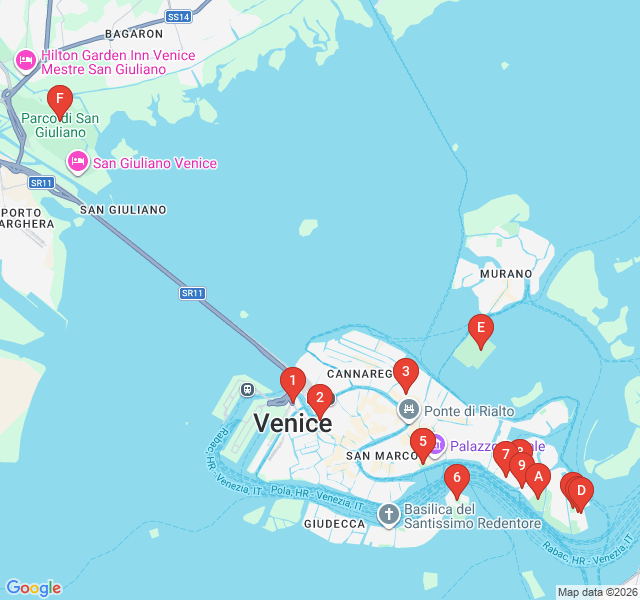
Numbers indicate the order of stops on the tour.
Begin your self-guided adventure at the easternmost edge of Venice. The Sant'Elena Pine Forest, or Pineta, is a rare sight in this city of stone. Created in the early 20th century on reclaimed land, this park offers a lush canopy of maritime pines that provide deep shade and a crisp, resinous scent that mingles with the sea breeze. This is where local Venetians come to escape the summer heat, jog along the lagoon, or let their children play. As you wander the paths, look out across the water toward the Lido; this area represents the 'green lung' of Venice, a testament to the city's expansion beyond its historic medieval core.
Located near the city's western entrance, these gardens offer a historic welcome to Venice. Established in 1834 by Teresa Papadopoli, the park originally featured exotic plants and a romantic English-style layout. While much of the garden was lost to the construction of the Rio Novo canal and the bus terminal, the remaining section is a quiet oasis of plane trees and laurel. It serves as a stark contrast to the busy transit hub nearby, reminding us that even in Venice's most functional areas, a commitment to greenery and public space remains a priority for the residents.
Nestled in the Cannaregio district, Palazzo Abadessa hides one of the city's most enchanting 'giardini segreti' or secret gardens. While many Venetian palaces hide their greenery behind high brick walls, the garden here is a masterpiece of horticultural design, featuring antique roses, citrus trees, and traditional well-heads. This stop highlights the private side of Venetian nature—the hidden retreats that the nobility created to find solace from the political intrigue of the Republic. It’s a reminder that behind every stone facade in this city, there is often a hidden world of blossoms and birdsong.
Just steps away from the bustling Piazza San Marco, the Royal Garden offers a sudden and profound sense of calm. These gardens were established by Napoleon in the early 19th century as part of his renovation of the Procuratie Nuove. For years, they sat in a state of neglect, but a major restoration project has returned them to their former glory. Walk through the geometric flower beds and under the historic pergola. This space was designed to provide the French Emperor—and later the Austrian Royals—with a private view of the Bacino di San Marco, framed by lush Mediterranean vegetation.
Continuing through the Royal Gardens, notice the elegantly restored 19th-century greenhouse, or 'Serra.' This glass and iron structure once housed exotic species that couldn't survive the Venetian winter. Today, the Giardini Reali represent a successful fusion of historic preservation and modern ecological management. The garden uses a sophisticated irrigation system and features plants that are resilient to the salty air. It is a rare example of a public-facing royal retreat, offering every traveler a chance to sit on a bench and watch the gondolas glide by from the shade of a historic grove.
To see this stop, look across the water to the island of San Giorgio Maggiore. The Borges Labyrinth is a stunning boxwood hedge maze designed as a tribute to the Argentine writer Jorge Luis Borges. The layout, viewed from above, spells out the author's name and incorporates symbols from his work, like mirrors and hourglasses. While it requires a short boat ride to enter, its presence in the lagoon emphasizes the Venetian love for the mystical and the mathematical in garden design. It is one of the most photographed green spaces in Venice, blending literary history with landscape art.
As you walk along the Riva dei Sette Martiri, you encounter the Giardini della Marinaressa. These waterfront gardens often serve as an open-air gallery, especially during the Biennale years. You’ll frequently find large-scale contemporary sculptures nestled among the trees. The name 'Marinaressa' refers to the nearby housing once built for the sailors of the Venetian Republic. Today, the park offers some of the best unobstructed views of the lagoon, making it a favorite spot for photographers capturing the sunset behind the Church of San Giorgio Maggiore.
Viale Garibaldi is unique in Venice—it is the only street wide enough to be called a 'viale' or boulevard. This broad, tree-lined avenue was created by filling in a canal during the Napoleonic era. It serves as the entrance to the Castello neighborhood's greener half and is dominated by a large monument to Giuseppe Garibaldi, the hero of Italian unification. Notice the bronze lion and the lush greenery that surrounds the statues. This is a social hub where you can see the 'real' Venice: neighbors chatting on benches and local markets selling fresh produce from the nearby islands.
Napoleon Bonaparte changed the face of Venice when he ordered the demolition of several churches and monasteries to create these public gardens. He wanted to bring the Enlightenment ideals of public health and open space to the crowded city. The Giardini Napoleonici are characterized by their wide gravel paths and neoclassical layout. As you walk here, you are literally walking on layers of history; the rubble of the old religious buildings was used to level the ground for these parks. It remains the largest green space in the historic city center.
This is the heart of the international art world. The Giardini della Biennale house 29 national pavilions, each a unique piece of architecture representing a different country. From the modernist Swiss pavilion to the classicist British one, the park is a living museum of 20th-century design. When the Biennale is not in session, you can still walk through the grounds and admire the exterior of these 'art temples.' The blend of mature trees and avant-garde architecture creates an atmosphere unlike anywhere else in the world, where nature provides a backdrop for global creative expression.
Located at the far tip of Sant'Elena, this is one of the most unusual football stadiums in the world. Built in 1913, the Pier Luigi Penzo stadium is primarily accessible by boat. It is home to Venezia FC, and on match days, you can see fans arriving by vaporetto or even private boats. The stadium sits right on the edge of the lagoon, and from the stands, one can see the water and the distant islands. It’s a gritty, authentic contrast to the refined gardens you’ve just visited, showing how Venetians have adapted modern sports culture to their aquatic environment.
This park, also known as the Sant'Elena Park, serves as a poignant memorial. The 'Park of Remembrance' was dedicated to the fallen soldiers of World War I, with trees planted in their honor. It is a wide, grassy expanse that feels more like a traditional city park than a Venetian square. It is the perfect place for a quiet stroll away from the marble and stone of the city center. The park's position at the tip of the island means it receives a constant, cooling sea breeze, making it a popular spot for locals during the humid summer months.
The Church of Sant'Elena marks the spiritual heart of this district. This Gothic church was once part of an Augustinian monastery. According to legend, the body of Saint Helena, the mother of Emperor Constantine, was brought here from Constantinople in the 13th century. The church features a beautiful cloister and a simple, elegant interior that reflects the monastic tradition. The surrounding area, with its quiet residential streets and small gardens, feels worlds away from the tourist crowds of San Marco, preserving a sense of peace that has existed here for centuries.
To visit this stop, you must take a vaporetto to the island of San Michele, Venice's historic cemetery. The composer Igor Stravinsky chose to be buried here in the Orthodox section, near his collaborator Sergei Diaghilev. The cemetery island is a place of profound beauty, enclosed by high brick walls and filled with cypress trees. It serves as the final resting place for many luminaries who fell in love with Venice. Walking through San Michele is a meditative experience, where the silence is only broken by the sound of the water lapping against the cemetery walls.
Your final stop takes you to the mainland, overlooking the lagoon you’ve just explored. Parco San Giuliano is one of the largest urban parks in Europe, offering vast meadows and bike paths. From here, you can look across the water and see the skyline of Venice, with its bell towers and domes rising from the sea. It represents the modern evolution of the Venetian park—a massive environmental recovery project that turned an industrial area into a vibrant public space. It’s the perfect vantage point to reflect on the relationship between the historic city and the natural world.
Start Free on iPhone
Explore “Sant’Elena: Venice’s Hidden Garden & Park Walk” with your very own Private Tour Guide with Zigway. Start free on iPhone, skip the large group and the fixed routes, and hear the city come alive as you go.
Your Private Tour Guide
Don't miss the good stuff
Explore Freely
 Easy
EasyVenice, Italy
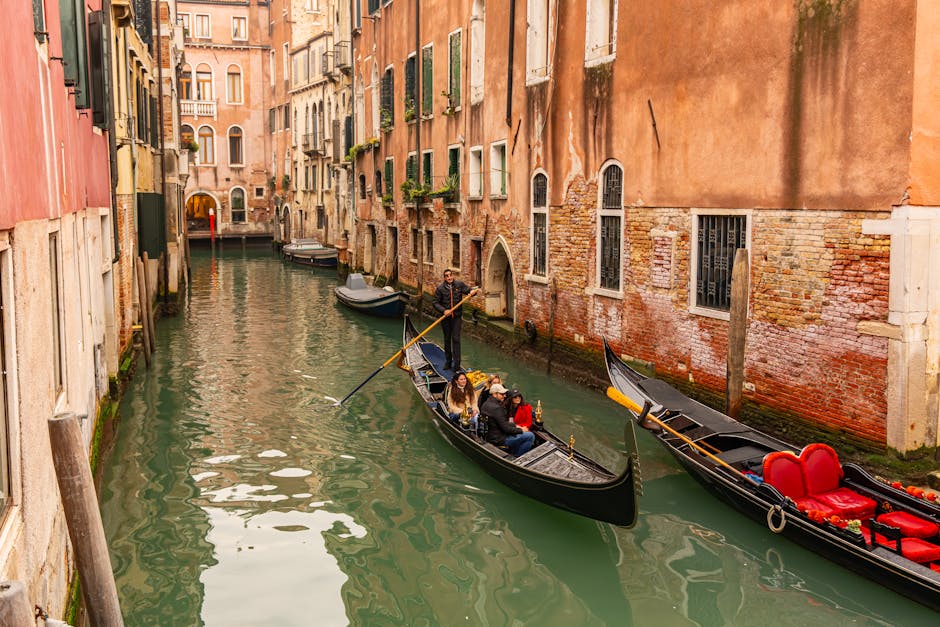
Explore the world’s first Ghetto in Cannaregio. Discover hidden synagogues, high-rise history, and the resilient spirit of Venice’s Jewish community.
 Easy
EasyVenice, Italy
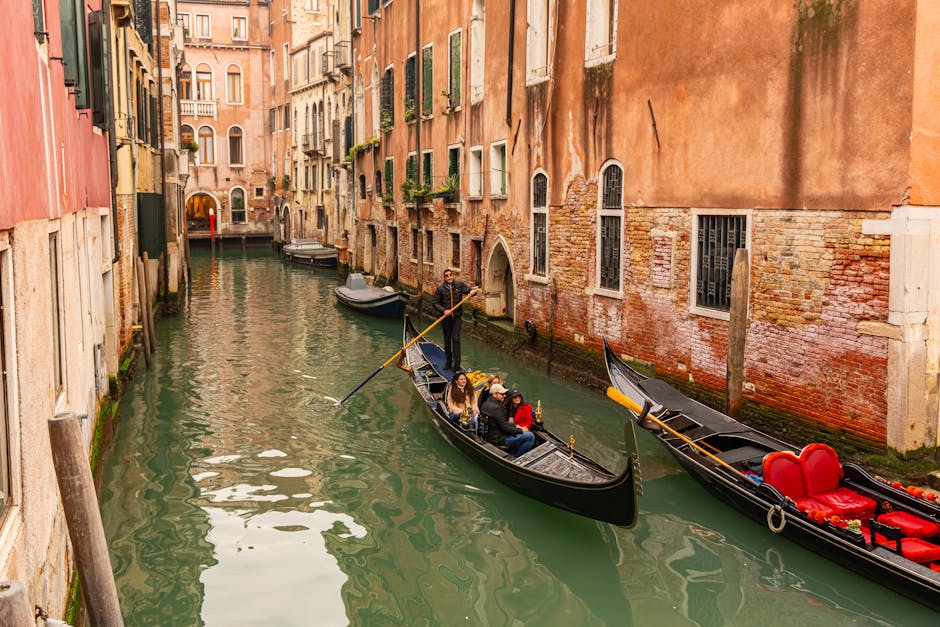
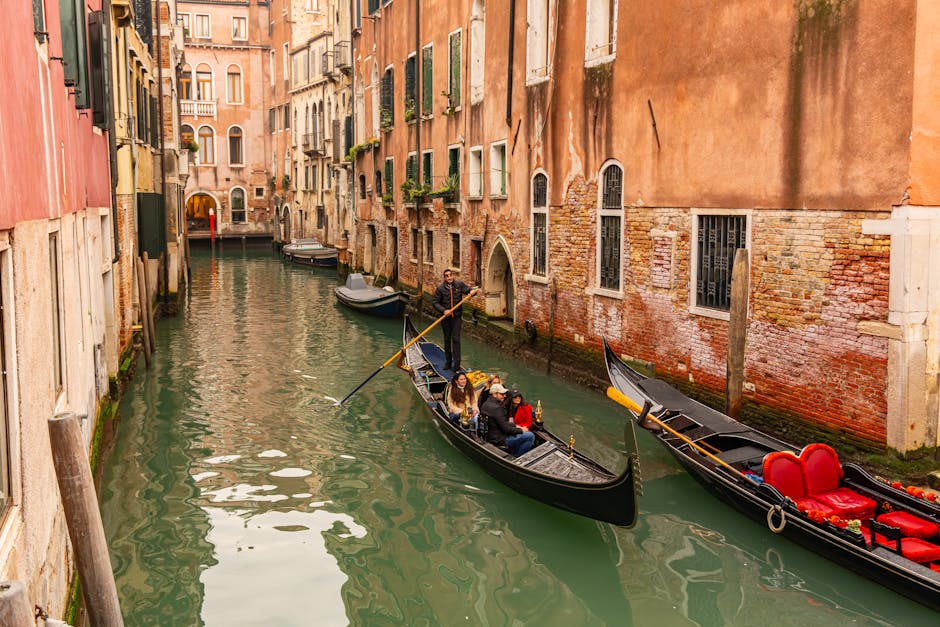
Discover the golden light of Venice's Dorsoduro district with this self-guided stroll along the scenic Zattere promenade.
 Easy
EasyVenice, Italy
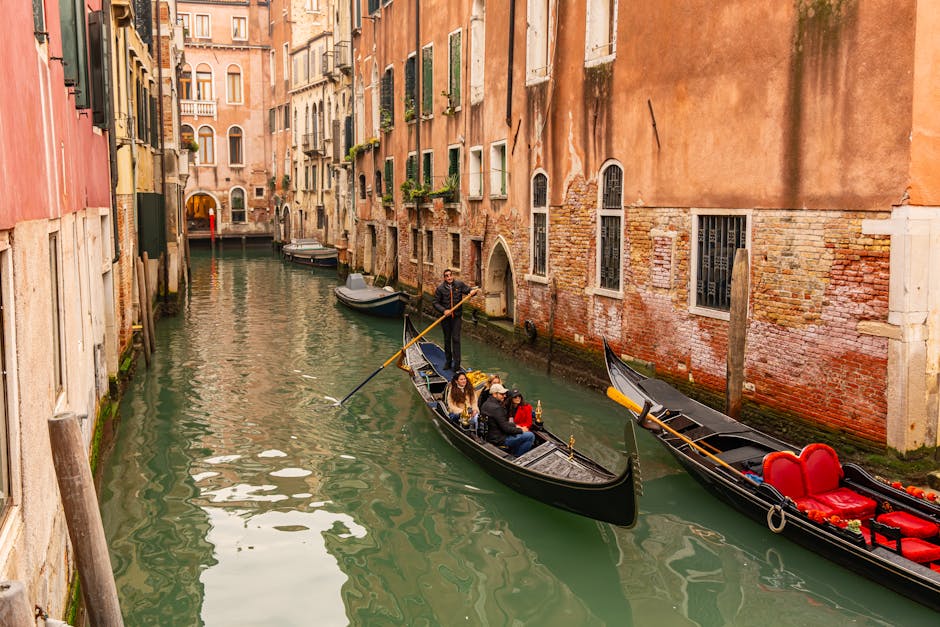
Discover the soul of Venice through its artisans. Explore mask-making, gondola shipyards, and modern art on this self-guided Dorsoduro stroll.
 Easy
EasyVenice, Italy
Trace the lives of Byron, Hemingway, and Dickens on this self-guided literary adventure through Venice’s historic San Marco district.
 Easy
EasyWarsaw, Poland
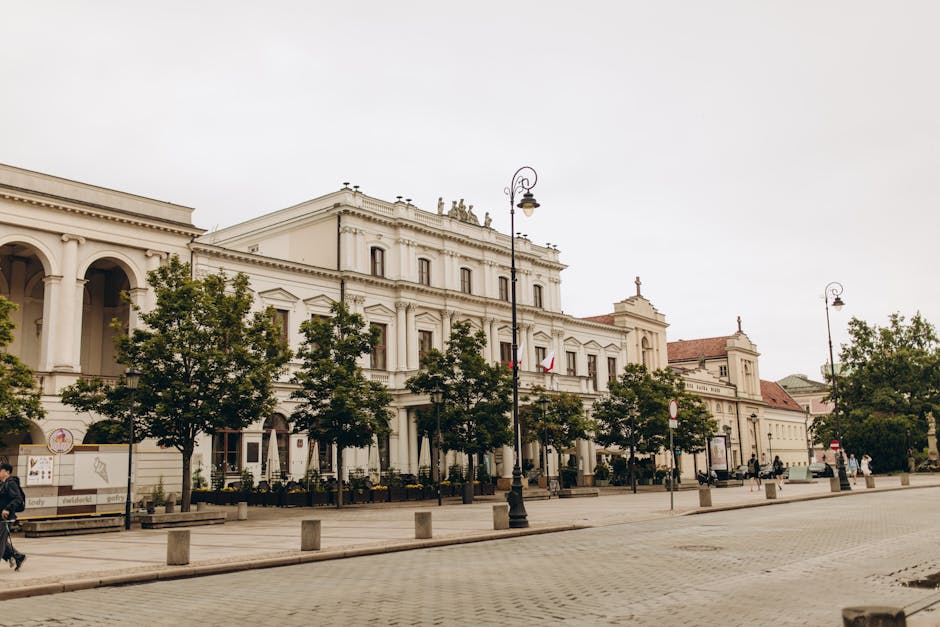
Discover Warsaw's intellectual heart through historic campuses, peaceful parks, and the stunning rooftop gardens of the University Library.
 Easy
EasyGdansk, Poland
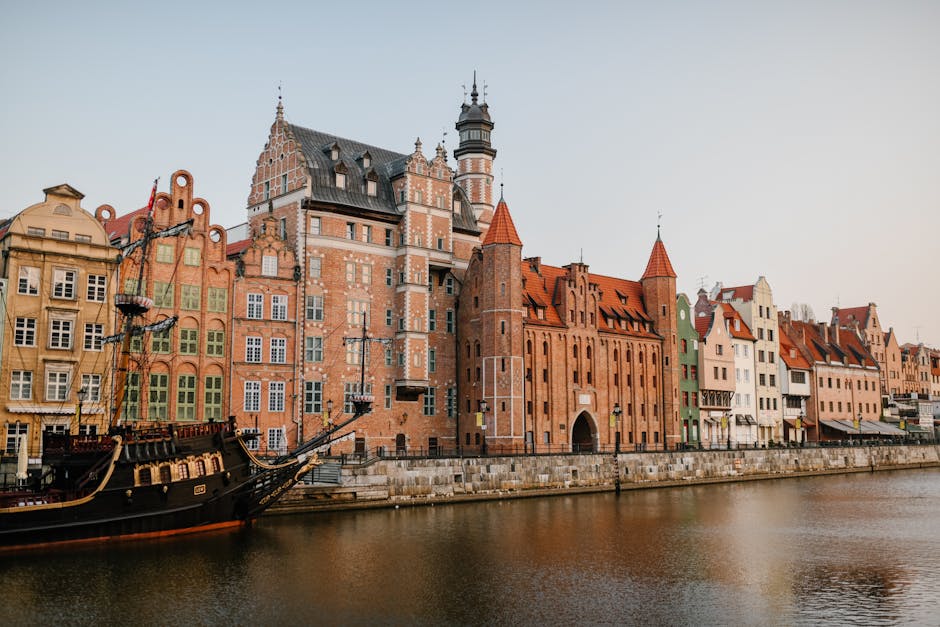
Discover the monastic heritage, world-famous organs, and lush botanical gardens of Oliwa on this peaceful self-guided neighborhood stroll.
 Moderate
Nairobi, Kenya
Discover Nairobi's lush side on this self-guided walk through botanical gardens, historic memorials, and vibrant local markets.
 Easy
EasySalzburg, Austria
Discover Salzburg's oldest medieval alley, the birthplace of the 'Silent Night' author, and breathtaking views on this quiet self-guided walk.
 Easy
EasyRome, Italy
Explore Rome’s industrial heart on this self-guided walk featuring massive murals, the 'Iron Colosseum,' and unique industrial archaeology.
 Easy
EasyRome, Italy
Explore Rome’s whimsical Fairytale District. A self-guided walk through Art Nouveau palaces, mythical fountains, and the magical Coppedè architecture.
 Moderate
Rome, Italy
Uncover Rome's hidden history on this self-guided walk through ancient gladiator pits, subterranean temples, and buried Roman houses.
 Challenging
Rome, Italy
Walk the 'Queen of Roads.' Explore ancient catacombs, imperial villas, and historic basalt stones on this scenic self-guided Roman adventure.