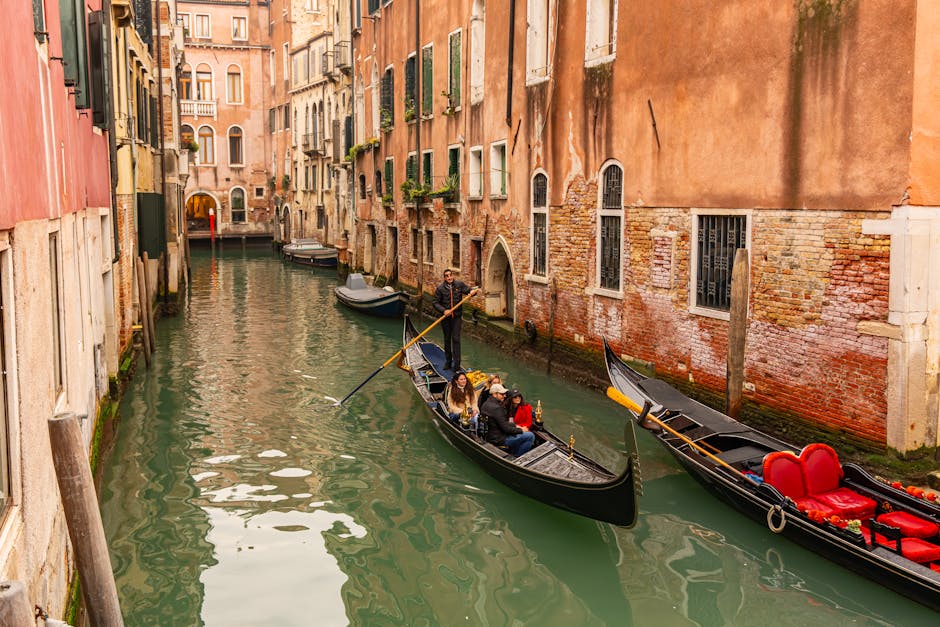
Self-guided audio tour in Venice
Start Free on iPhone
Start free on iPhone to unlock this self-guided walking tour in Venice. Hear all the stories that make it amazing, walk at your own pace, and begin whenever you want.
Your Private Tour Guide
Step away from the crowded canals of San Marco and discover one of the most significant yet often overlooked chapters of Venetian history. This self-guided walk takes you into the heart of the Cannaregio district, home to the world’s first 'ghetto.' Established in 1516 by the Venetian Republic, this small corner of the city became a secluded island where the Jewish community was required to live. On this walking route, you will uncover why the word 'ghetto' originated here—derived from the Venetian word 'geto,' meaning foundry—and how the community adapted to extreme space constraints by building Venice’s only 'skyscrapers.' As you explore independently, you will encounter five historic synagogues hidden behind unassuming facades, vibrant kosher bakeries, and poignant memorials that honor the resilience of the Jewish people through centuries of segregation and the tragedy of the Holocaust. This walking tour Venice experience provides a deep dive into the cultural and religious tapestry of the city, focusing on the Spanish and Levantine synagogues and the bustling Campo di Ghetto Nuovo. Unlike the grand palazzos of the Grand Canal, the architecture here is humble but profound, reflecting a history of necessity and survival. Whether you are interested in the theological history of the Sephardic and Ashkenazi communities or simply want to find a peaceful, meaningful neighborhood stroll, this route offers a unique perspective on the Venetian Republic's complex legacy of tolerance and restriction.
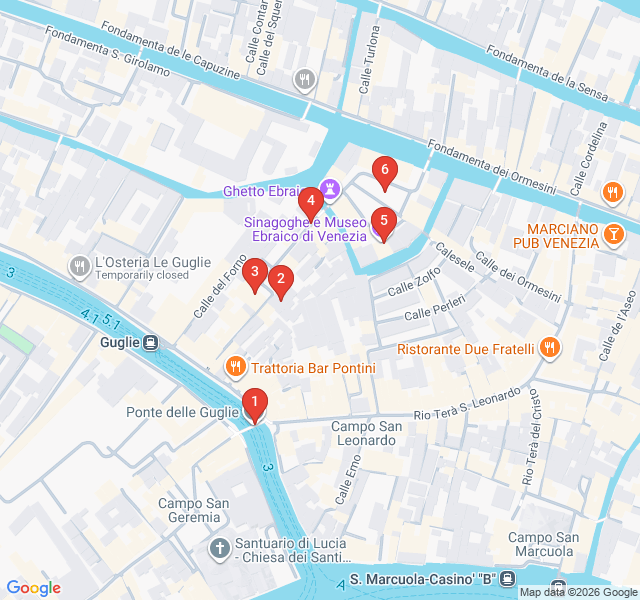
Numbers indicate the order of stops on the tour.
Start your self-guided walk at the 'Bridge of Spires,' one of the few bridges in Venice adorned with decorative obelisks. This landmark serves as the gateway to the Cannaregio district. As you look toward the entrance of the Jewish Ghetto, imagine the heavy gates that once stood here. In 1516, the Venetian Senate decreed that all Jews must live on this island, which was formerly the site of a copper foundry. At night, the gates were locked and patrolled by Christian guards—paid for by the Jewish residents themselves. This bridge marks the boundary between the wider city and the confined space where a vibrant, scholarly, and resilient community flourished despite their isolation.
Walking into the Ghetto Vecchio, you encounter the Levantine Synagogue. Established in the 1530s, it served the Jewish merchants arriving from the Ottoman Empire. Notice the building's exterior; it features a prominent 'bimah' or pulpit that projects outward, a rare architectural feature in Venice. The interior, which can sometimes be visited via the Jewish Museum, is a masterpiece of Baroque woodcarving attributed to the school of Andrea Brustolon. The presence of this synagogue highlights the diversity within the Ghetto, where different 'nations' of Jewish people—Levantine, Spanish, German, and Italian—maintained their own distinct traditions and places of worship.
A few steps away stands the Spanish Synagogue, the largest and most imposing in Venice. Founded by Sephardic Jews who fled the Iberian Peninsula, this synagogue was designed by the famous Venetian architect Baldassarre Longhena, the same man who built the iconic Salute church. Because Jewish law and Venetian restrictions prevented grand external religious architecture, the building looks like a large apartment block from the outside. Inside, however, it is a stunning display of marble, chandeliers, and red upholstery. It has been in continuous use since the 16th century, standing as a testament to the enduring presence of the Spanish and Portuguese Jewish community in Venice.
As you wander through the narrow Calle Ghetto Vecchio, take a moment to appreciate the sensory details. This street is lined with kosher restaurants, art galleries specializing in Judaica, and traditional bakeries. Keep an eye out for 'impade'—a traditional almond-filled pastry brought to Venice by Jewish families. Despite its name, the 'Ghetto Vecchio' (Old Ghetto) was actually an expansion added in 1541, whereas the 'Ghetto Nuovo' (New Ghetto) is the original site. The narrowness of this street and the height of the buildings illustrate the density of life here; when the population grew but the boundaries could not, the only way to build was up.
You are now approaching the Jewish Museum of Venice, located between two of the oldest synagogues, the Scola Tedesca and the Scola Canton. The museum serves as a vital repository of Venetian Jewish history, housing silver ritual objects, ancient manuscripts, and textiles. Look up at the top floors of the surrounding buildings in the Campo. You will see small domes or rows of five windows; these often indicate the location of a synagogue. Because Jews were not allowed to build separate religious structures, they integrated their houses of worship into the top floors of existing residential buildings to be 'closer to the heavens.'
This wide, open square is the heart of the original 1516 Ghetto. It feels different from any other campo in Venice. Look at the surrounding houses; they are seven or eight stories high—effectively the world's first skyscrapers—built that way because the island could not be expanded. On the walls, you will find the Holocaust Memorial by Arbit Blatas, consisting of bronze reliefs commemorating the 246 Venetian Jews deported during the Nazi occupation; only eight returned. Near the well-heads, look for the 'Stolpersteine' or stumbling stones—small brass plaques in the pavement marking the last known residences of victims of the Shoah. This is a place of profound memory and quiet reflection.
Start Free on iPhone
Explore “Venice’s Jewish Heritage: The First Ghetto” with your very own Private Tour Guide with Zigway. Start free on iPhone, skip the large group and the fixed routes, and hear the city come alive as you go.
Your Private Tour Guide
Don't miss the good stuff
Explore Freely
 Easy
EasyVenice, Italy
Discover the golden light of Venice's Dorsoduro district with this self-guided stroll along the scenic Zattere promenade.
 Easy
EasyVenice, Italy
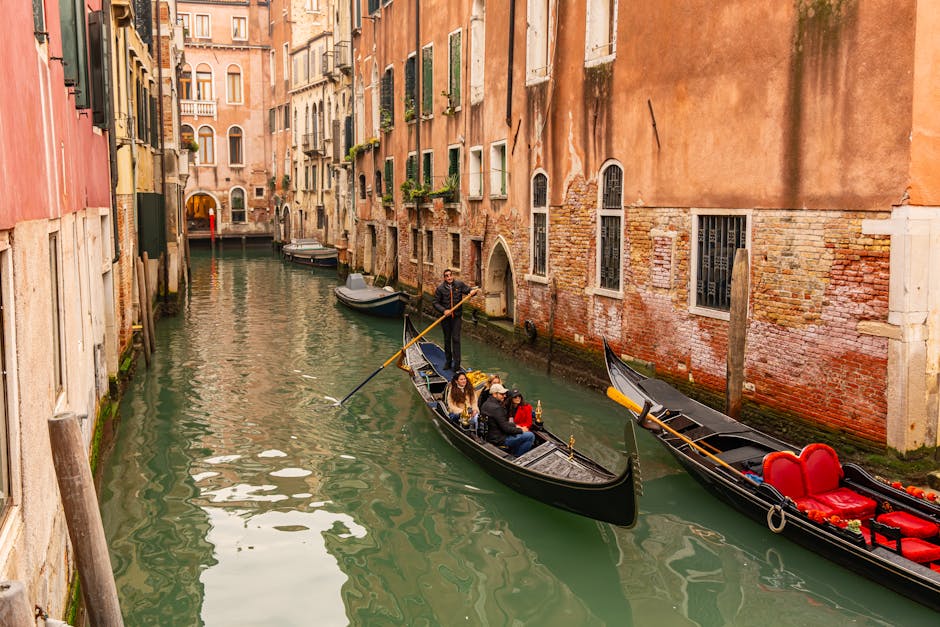
Discover the soul of Venice through its artisans. Explore mask-making, gondola shipyards, and modern art on this self-guided Dorsoduro stroll.
 Easy
EasyVenice, Italy
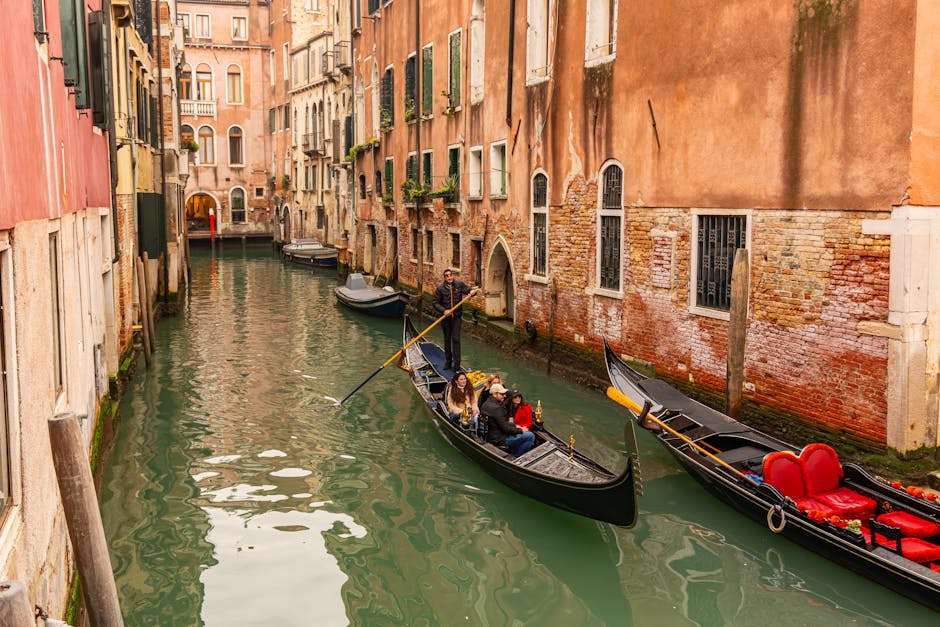
Trace the lives of Byron, Hemingway, and Dickens on this self-guided literary adventure through Venice’s historic San Marco district.
 Easy
EasyVenice, Italy
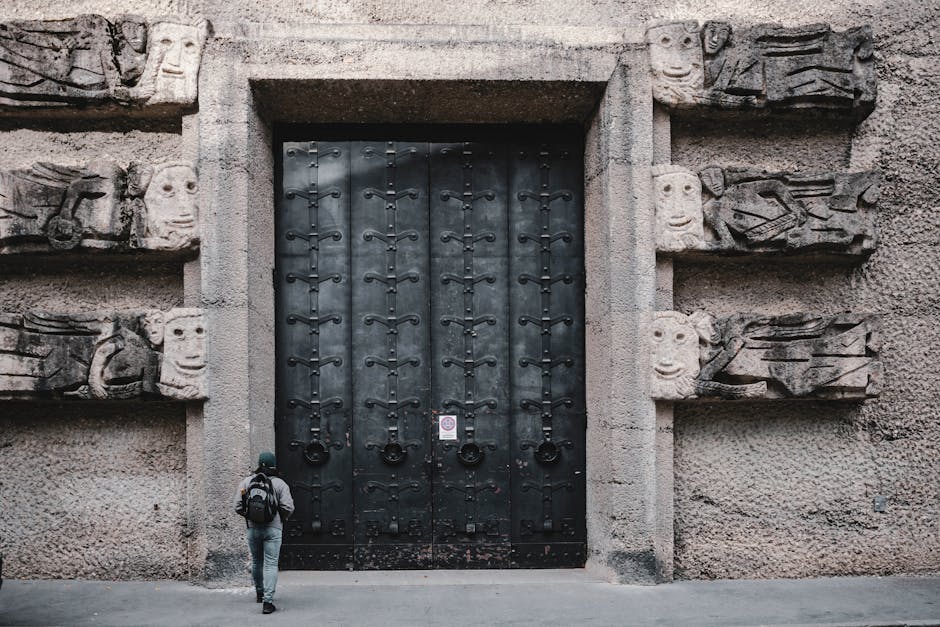
Follow the life of Antonio Vivaldi through Venice’s Castello district on this self-guided audio walk through the city’s musical history.
 Easy
EasySalzburg, Austria
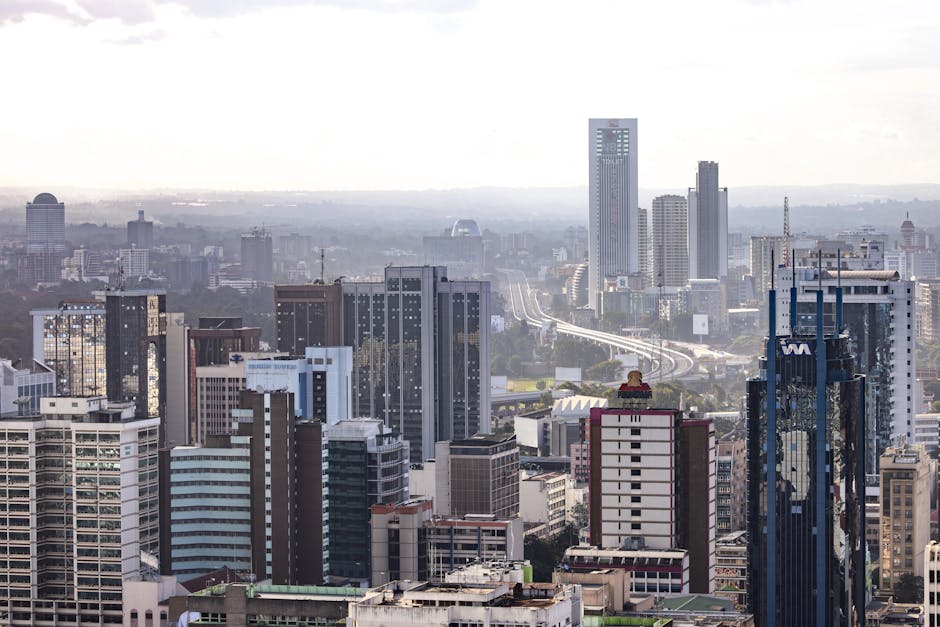
Discover the 'Rome of the North' on this self-guided walk through the Baroque squares and monumental legacy of Salzburg’s Prince-Archbishops.
 Easy
EasyNairobi, Kenya
Explore Nairobi's architectural evolution from colonial-era landmarks to iconic Brutalist skyscrapers on this historic self-guided walking route.
 Easy
EasyNairobi, Kenya
Discover Nairobi's iconic skyline on this self-guided architecture walk through the CBD’s most famous modernist and Brutalist landmarks.
 Easy
EasyKrakow, Poland
Explore the prestigious Jagiellonian University district, featuring Neo-Gothic architecture, Baroque churches, and Krakow's hidden scholarly gems.
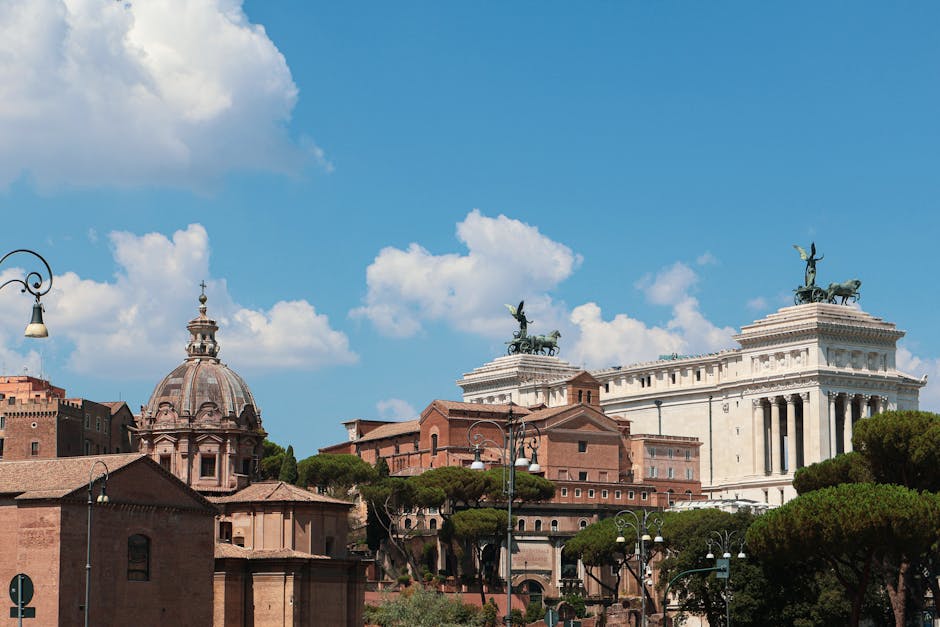 Easy
EasyRome, Italy
Explore Rome’s industrial heart on this self-guided walk featuring massive murals, the 'Iron Colosseum,' and unique industrial archaeology.
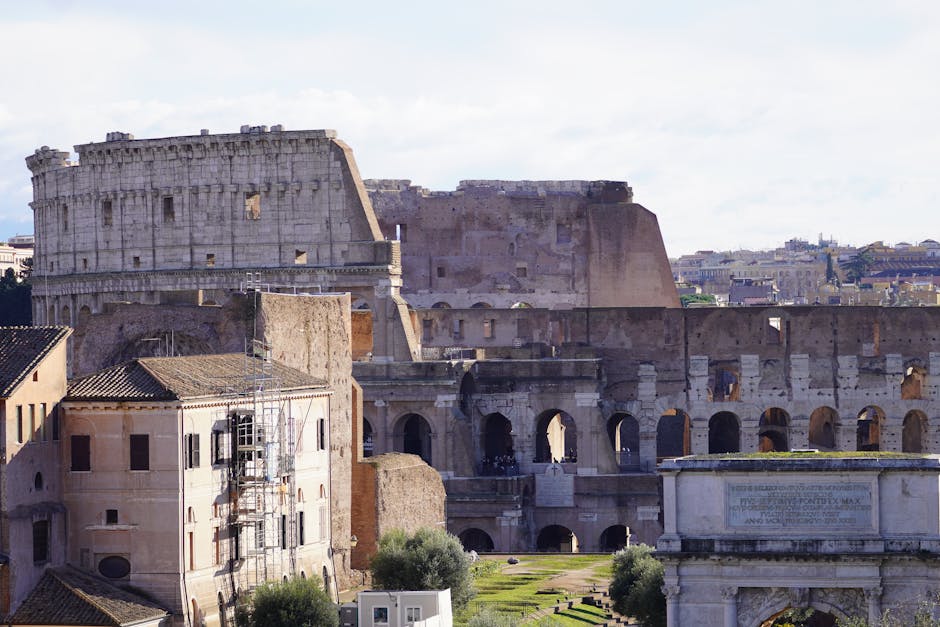 Easy
EasyRome, Italy
Explore Rome’s whimsical Fairytale District. A self-guided walk through Art Nouveau palaces, mythical fountains, and the magical Coppedè architecture.
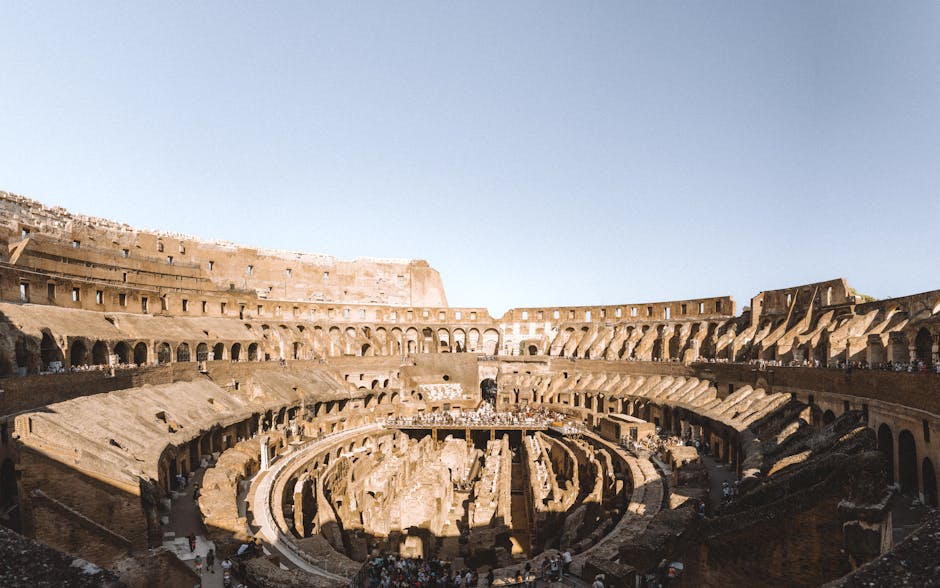 Moderate
Rome, Italy
Uncover Rome's hidden history on this self-guided walk through ancient gladiator pits, subterranean temples, and buried Roman houses.
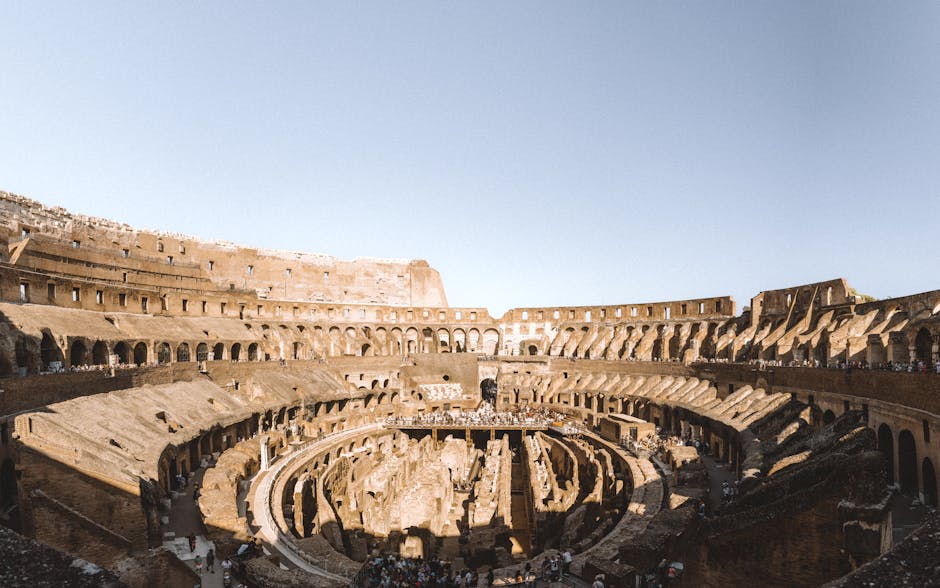 Challenging
Rome, Italy
Walk the 'Queen of Roads.' Explore ancient catacombs, imperial villas, and historic basalt stones on this scenic self-guided Roman adventure.