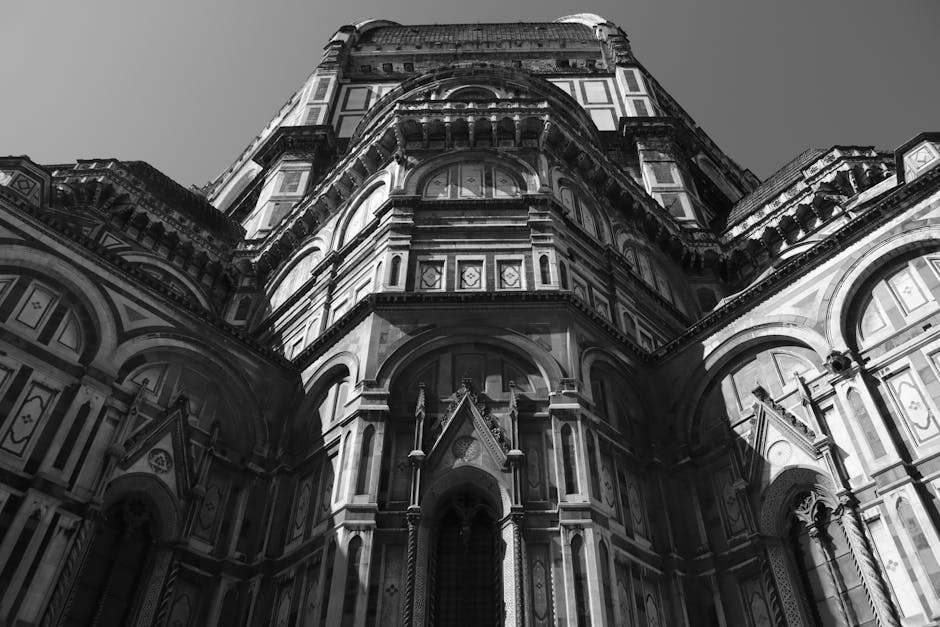
Self-guided audio tour in Florence
Start Free on iPhone
Start free on iPhone to unlock this self-guided walking tour in Florence. Hear all the stories that make it amazing, walk at your own pace, and begin whenever you want.
Your Private Tour Guide
While most visitors focus on Florence as the cradle of the Renaissance, there is another equally fascinating layer to the city: the era of 'Firenze Capitale.' During the late 19th century, Florence underwent a dramatic transformation to become a modern European capital. This neighborhood stroll invites you to step into the Belle Époque, a time of grand hotels, elegant boulevards, and a cosmopolitan flair that redefined the city's skyline. As you follow this walking route, you will see how the medieval heart of the city was opened up to create the wide, airy spaces favored by the 19th-century elite. Begin your self-guided adventure in the bustling Piazza della Repubblica, where the old market once stood, and trace the path of the 'Grand Tour' travelers who flocked to the luxury establishments along the Arno River. This audio walk highlights the architectural shift from heavy stone palaces to the ornate, light-filled designs of the late 1800s. You will explore the prestigious Lungarno district, home to some of the most famous hotels in the world, and discover the spiritual and cultural hubs of the international community that called Florence home during this golden age. This experience is perfect for those who want to understand the modern identity of the city beyond the Medici era. You can explore at your own pace, pausing for a coffee at a historic café or admiring the sunset over the river. While many seek a traditional walking tour Florence offers many layers, and this specific route focuses on the sophistication of the 19th and early 20th centuries. By the time you reach the contemporary Teatro del Maggio Musicale, you will have witnessed the full evolution of Florence from a medieval fortress-city to a center of modern European culture. This self-guided walk is an essential companion for anyone interested in architecture and the social history of Italy's most beautiful city.
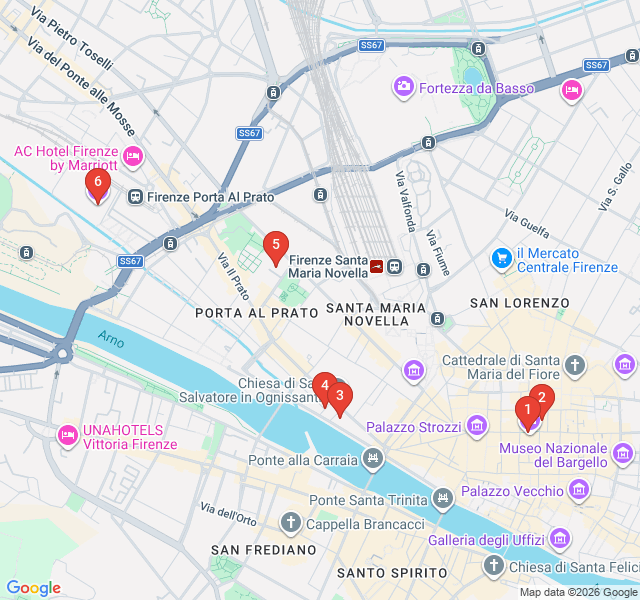
Numbers indicate the order of stops on the tour.
Welcome to the heart of modern Florence. While this square feels timeless, it is actually a product of the late 19th-century 'Risanamento' or 'cleansing' of the city. To make Florence a fitting capital for the new Kingdom of Italy, the ancient market and the Jewish Ghetto were demolished to create this grand, open space. The antique carousel you see here is a nostalgic nod to that era of new-found leisure. It symbolizes the transition of Florence from a crowded medieval city to a cosmopolitan destination. As you stand here, look up at the Arcone, the massive triumphal arch, which bears an inscription celebrating the city's rebirth from 'ancient squalor.'
Just off the main square stands the Hotel Savoy, a beacon of the Belle Époque. Opened in 1893, it was designed by architect Vincenzo Micheli and immediately became the place to be seen for the European aristocracy. This was the era of the 'Grand Tour,' when wealthy travelers spent months exploring the cultural capitals of the continent. The Savoy offered unprecedented luxury, including one of the first electric elevators in the city. Notice the elegant neoclassical facade, which was designed to harmonize with the new architectural style of the surrounding district, signaling a shift toward international sophistication and modern comfort.
As we reach the banks of the Arno, we encounter the Westin Excelsior. Originally known as the Grand Hotel, this building is a masterpiece of 19th-century hospitality architecture. During the Belle Époque, the Lungarno—the street along the river—became the city's most prestigious promenade. The hotel’s interior, featuring stained glass and ornate moldings, reflects the 'Stile Liberty,' the Italian version of Art Nouveau. It has hosted everyone from royalty to Hollywood stars, serving as a silent witness to the city's enduring allure as a luxury destination. The view from this point across the river was a favorite subject for artists and writers of the era.
Piazza Ognissanti is a unique intersection of Renaissance soul and 19th-century urban planning. While the church itself dates back centuries and houses the tomb of Amerigo Vespucci and Botticelli, the square was widened and paved during the Victorian era to accommodate the carriages of the wealthy residents living in the new palaces nearby. The square became a hub for the international community, particularly the French and the British, who settled in this neighborhood. The statues and the surrounding architecture here represent the pride of a city that was successfully blending its glorious artistic past with its ambitious, modern future.
This striking Gothic Revival building might look like it belongs in London or New York, but it is a vital part of Florence's 19th-century history. Built to serve the growing American community in the city, St. James Episcopal Church was completed in the early 1900s. Its presence here highlights how international Florence had become during the Belle Époque. The church was designed by English architect George Edmund Street and later modified by Italian architects, featuring beautiful stained glass and a travertine facade. It stands as a monument to the 'Anglo-Florentines,' the expatriates who helped preserve the city's art while bringing their own cultural influences to the neighborhood.
Our walk concludes at the Teatro del Maggio Musicale Fiorentino, a modern temple to the arts that continues the legacy of the Belle Époque's love for music and theater. While the current building is a contemporary architectural marvel designed by Paolo Desideri, the festival it hosts—the Maggio Musicale—was founded in 1933, growing out of the city's long-standing operatic traditions. This site marks the edge of the historic center and the beginning of the Cascine Park, the city's largest green space. The theater’s bold, clean lines represent the latest chapter in Florence's ongoing architectural evolution, proving that the city's creative spirit didn't end with the Renaissance.
Start Free on iPhone
Explore “The Grand Hotel Era: Belle Époque Florence” with your very own Private Tour Guide with Zigway. Start free on iPhone, skip the large group and the fixed routes, and hear the city come alive as you go.
Your Private Tour Guide
Don't miss the good stuff
Explore Freely
 Easy
EasyFlorence, Italy
Discover the intersection of Renaissance architecture and modern luxury on this self-guided walk through Florence’s high-fashion districts.
 Easy
EasyFlorence, Italy
Explore the medieval streets of Florence through the eyes of Dante Alighieri on this self-guided literary and historical walking route.
 Easy
EasyFlorence, Italy
Experience the magic of Florence at sunset. Discover iconic bridges and breathtaking river views on this romantic self-guided audio walk.
 Easy
EasyFlorence, Italy
Discover the 'buchette del vino'—Florence's unique Renaissance wine windows—on this self-guided walk through the city's historic streets.
 Easy
EasyGothenburg, Sweden
Discover Gothenburg’s 17th-century Dutch foundations, historic canals, and military fortifications on this self-guided architectural walk.
 Easy
EasyGdansk, Poland
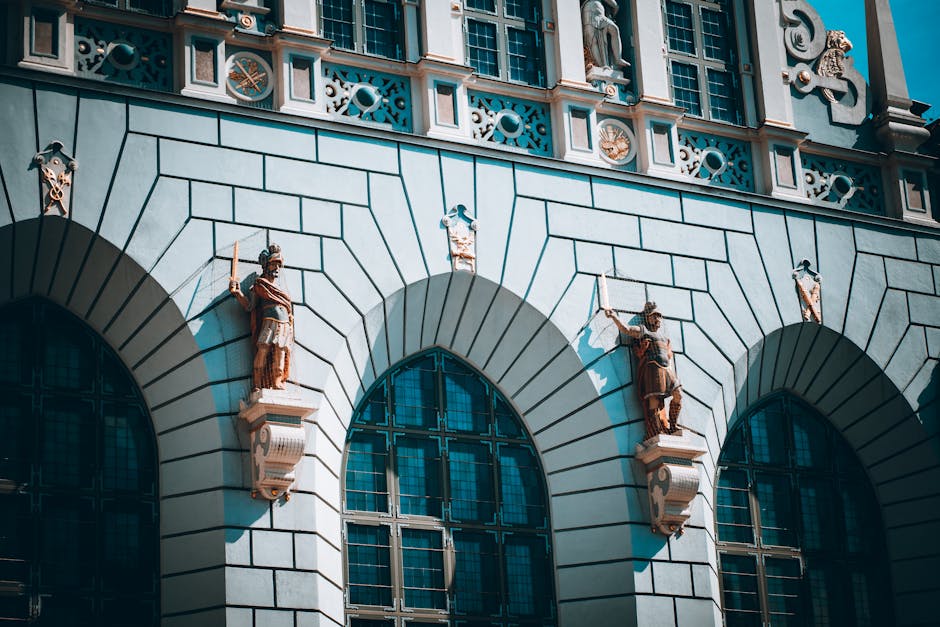
Discover the opulent Royal Way of Gdansk at your own pace. Explore Hanseatic history, gilded architecture, and the iconic Neptune's Fountain.
 Easy
EasySalzburg, Austria
Discover the 'Rome of the North' on this self-guided walk through the Baroque squares and monumental legacy of Salzburg’s Prince-Archbishops.
 Easy
EasyGdansk, Poland
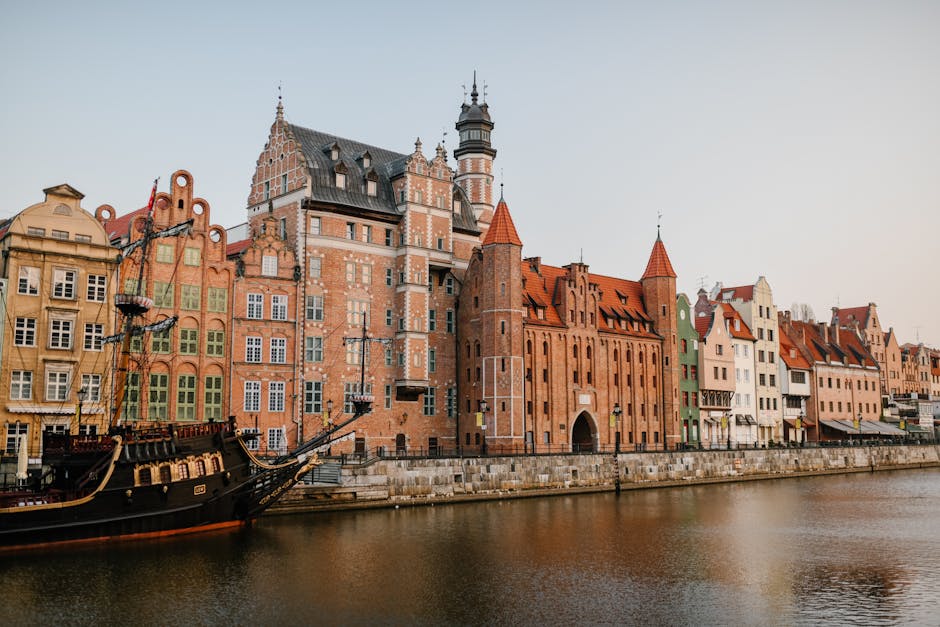
Discover the 'Baltic Gold' on this self-guided walk through Gdansk's historic mills, massive cathedrals, and the magical Mariacka Street.
 Easy
EasyRome, Italy
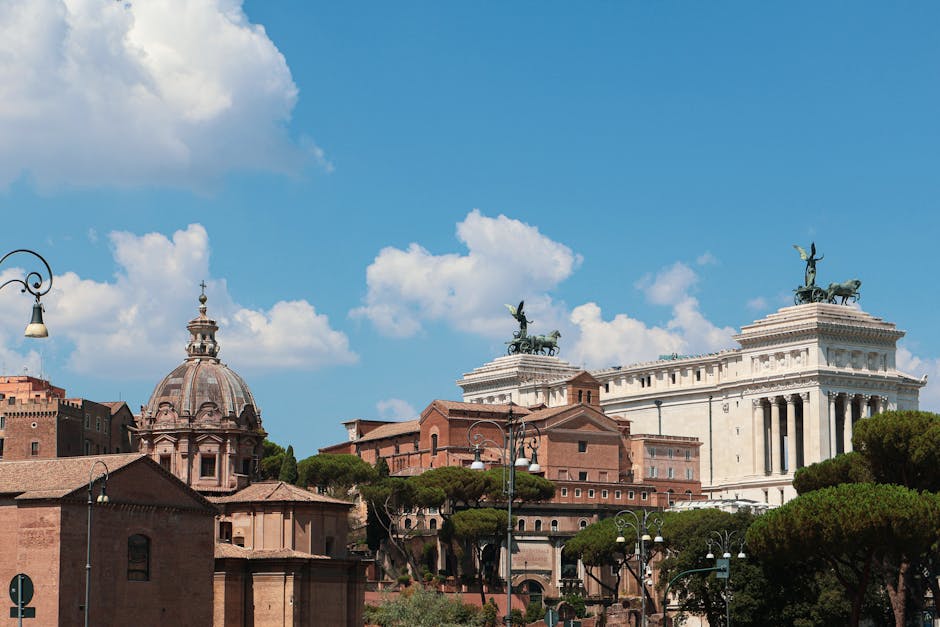
Explore Rome’s industrial heart on this self-guided walk featuring massive murals, the 'Iron Colosseum,' and unique industrial archaeology.
 Easy
EasyRome, Italy
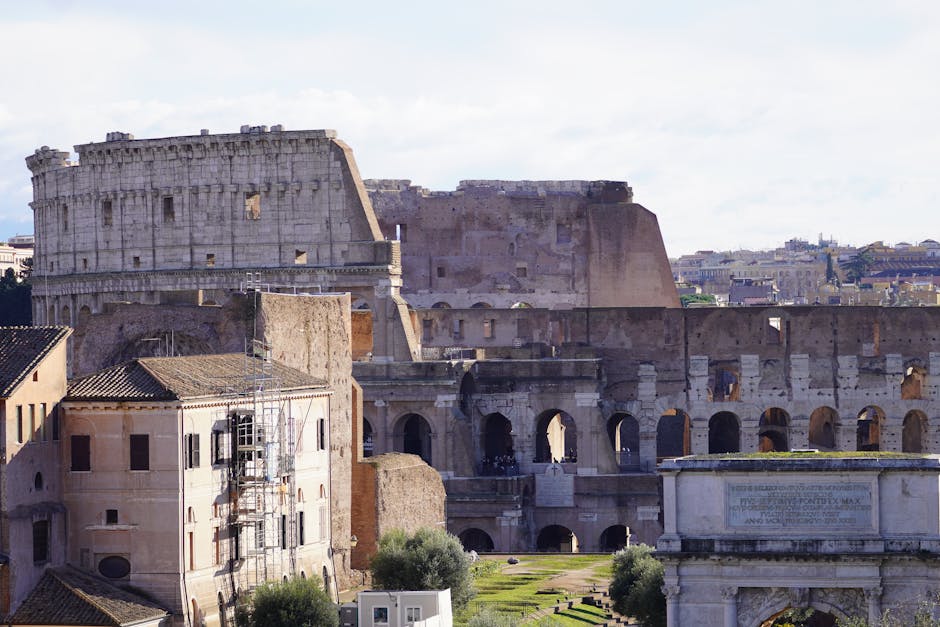
Explore Rome’s whimsical Fairytale District. A self-guided walk through Art Nouveau palaces, mythical fountains, and the magical Coppedè architecture.
 Moderate
Rome, Italy
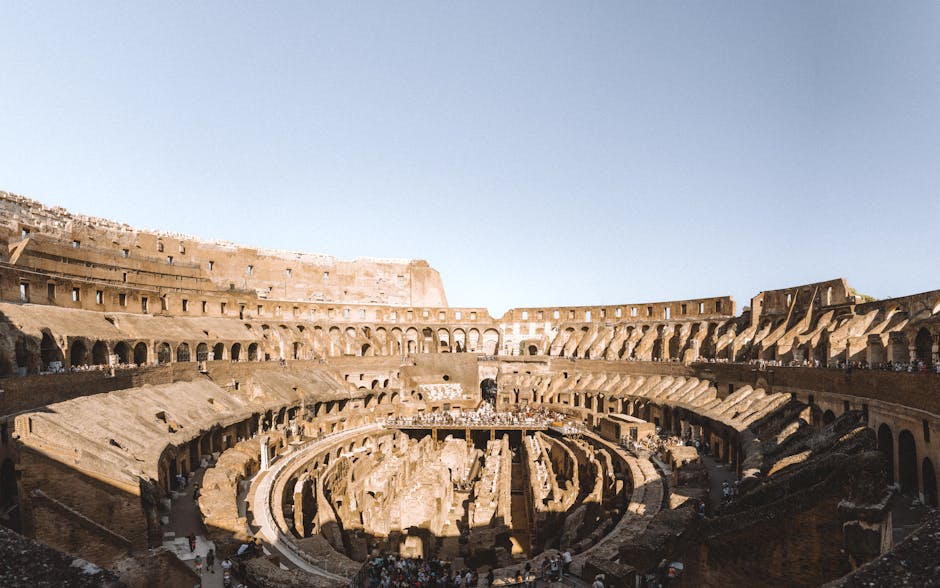
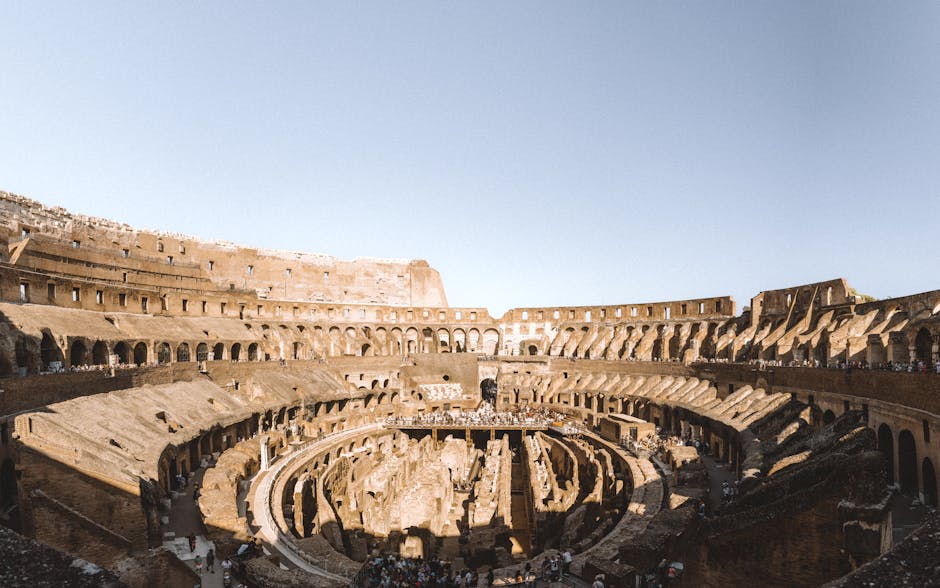
Uncover Rome's hidden history on this self-guided walk through ancient gladiator pits, subterranean temples, and buried Roman houses.
 Challenging
Rome, Italy
Walk the 'Queen of Roads.' Explore ancient catacombs, imperial villas, and historic basalt stones on this scenic self-guided Roman adventure.