Self-guided audio tour in Florence
Start Free on iPhone
Start free on iPhone to unlock this self-guided walking tour in Florence. Hear all the stories that make it amazing, walk at your own pace, and begin whenever you want.
Your Private Tour Guide
Florence is widely celebrated as the cradle of the Renaissance art world, but it was also the epicenter of a scientific revolution that fundamentally altered our understanding of the universe. This self-guided walk invites you to step away from the traditional art-focused paths and follow in the footsteps of Galileo Galilei, the 'father of modern science.' By exploring the city through the lens of physics, astronomy, and cartography, you will discover how the powerful Medici family fostered an environment where art and science were inextricably linked. This neighborhood stroll takes you through the heart of the historic center, from the political halls of the Palazzo Vecchio to the quiet, observation-heavy facades of Florence's great basilicas. Throughout this walking route in Florence, you will encounter the instruments that challenged centuries of dogma. You'll see the Room of Maps, where the world was first organized into a cohesive visual record, and the Museo Galileo, which houses the very telescopes that first spotted the moons of Jupiter. The journey also reveals how the city itself was used as a massive scientific instrument; you will learn how the grand Duomo and the church of Santa Maria Novella were designed to track the sun and reform the calendar. This experience offers a unique perspective for those who want to see beyond the marble statues and delve into the intellectual curiosity that defined the 16th and 17th centuries. Unlike a standard guided tour Florence, this self-guided adventure allows you to linger at the sights that fascinate you most. Whether you are marvelling at the precision of a 500-year-old sundial or standing before the statue of Galileo at the Uffizi, you are free to explore at your own pace. This route is perfect for history buffs, science enthusiasts, and curious travelers looking to uncover the hidden layers of the Tuscan capital. By the end of this journey, you will see Florence not just as an open-air museum of art, but as a laboratory of the human mind.
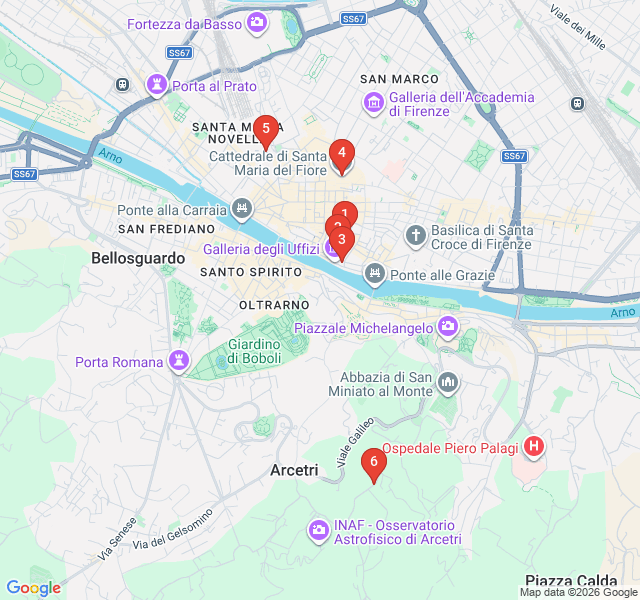
Numbers indicate the order of stops on the tour.
Begin your self-guided adventure in the Guardaroba of Palazzo Vecchio, also known as the Room of Maps. In the mid-1500s, Cosimo I de' Medici commissioned these 53 hand-painted maps to showcase the known world. At the time, geography was as much a political tool as a scientific one. Notice the massive 'Mappa Mundi' in the center; when it was built, it was the largest rotating globe in the world. This room represents the Renaissance desire to catalog and master the physical world, setting the stage for the observational science that Galileo would later perfect.
As you walk through the Uffizi Courtyard, look up at the niches containing statues of Florence’s greatest minds. Here stands Galileo Galilei, immortalized in marble. This 19th-century tribute recognizes his immense contribution to physics and astronomy. Take a moment to notice the instruments he holds—reminders of his work with the telescope and the compass. This spot is a perfect place to reflect on how Galileo transitioned from a young student at the University of Pisa to the primary mathematician and philosopher for the Grand Duke of Tuscany.
Located just behind the Uffizi, this museum is one of the most important scientific institutions in the world. It houses the only surviving instruments designed and built by Galileo himself, including the objective lens and the two telescopes he used to discover the Medicean Stars (the moons of Jupiter) in 1010. The collection also includes the 'pulpit' containing Galileo's middle finger, a somewhat macabre but fascinating relic of the man who became a secular saint of science. The museum beautifully illustrates how the Medici and Lorraine families collected scientific wonders with the same passion they had for art.
Look up toward the lantern of the great dome of Santa Maria del Fiore. Inside, hidden from the casual observer, is a bronze plate with a small hole called a gnomon, installed by Paolo dal Pozzo Toscanelli in 1475. During the summer solstice, the sun's rays pass through this hole and hit a circular marble marker on the floor of the cathedral with incredible precision. This turned the church into a giant solar observatory, used to determine the exact moment of the solstice and to check the accuracy of the calendar. It’s a stunning example of how religious architecture served scientific inquiry.
On the facade of this beautiful Dominican church, you will see two curious astronomical instruments installed by Egnazio Danti between 1572 and 1575. To the left is an armillary sphere, and to the right is a large quadrant. Danti was the court cosmographer to Cosimo I, and he used these tools to calculate the discrepancy between the solar year and the Julian calendar. His work here was instrumental in the eventual adoption of the Gregorian calendar we use today. It is a rare site where you can see the actual tools used to 'fix' time itself.
To reach the final stop, you'll head toward the hills of Arcetri. The Torre del Gallo is a neo-Gothic tower that stands near the site where Galileo spent his final years under house arrest. Although the tower itself was heavily reconstructed later, the area is where Galileo continued his work despite his blindness and conflict with the Church. From this vantage point, looking out over the Tuscan hills, you can imagine him pointing his telescope toward the heavens, forever changing the way humanity viewed its place in the cosmos. It is a peaceful end to a journey through a life of discovery.
Start Free on iPhone
Explore “Galileo’s Universe: Science and Discovery” with your very own Private Tour Guide with Zigway. Start free on iPhone, skip the large group and the fixed routes, and hear the city come alive as you go.
Your Private Tour Guide
Don't miss the good stuff
Explore Freely
 Easy
EasyFlorence, Italy
Discover the intersection of Renaissance architecture and modern luxury on this self-guided walk through Florence’s high-fashion districts.
 Easy
EasyFlorence, Italy
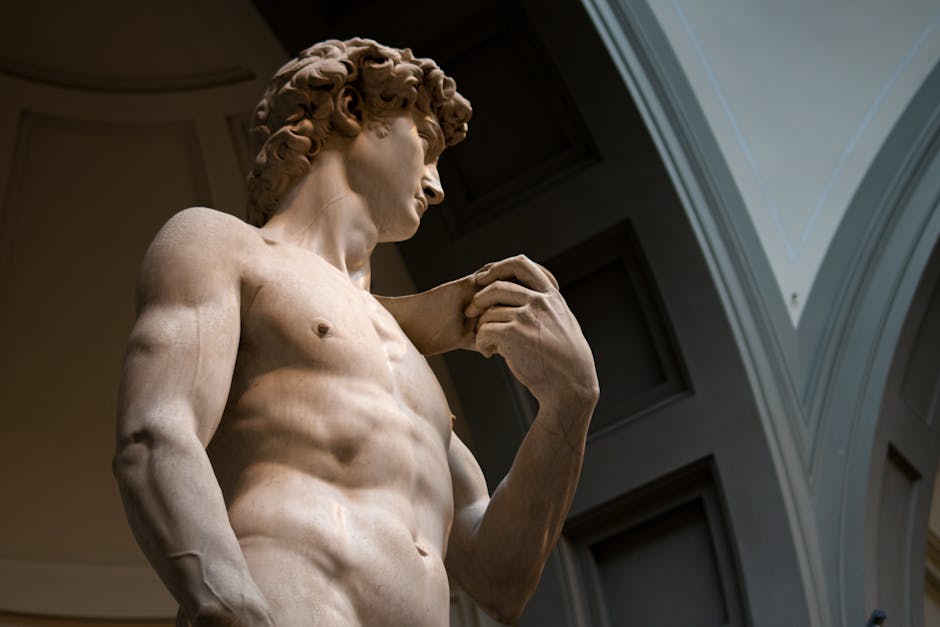
Explore the medieval streets of Florence through the eyes of Dante Alighieri on this self-guided literary and historical walking route.
 Easy
EasyFlorence, Italy
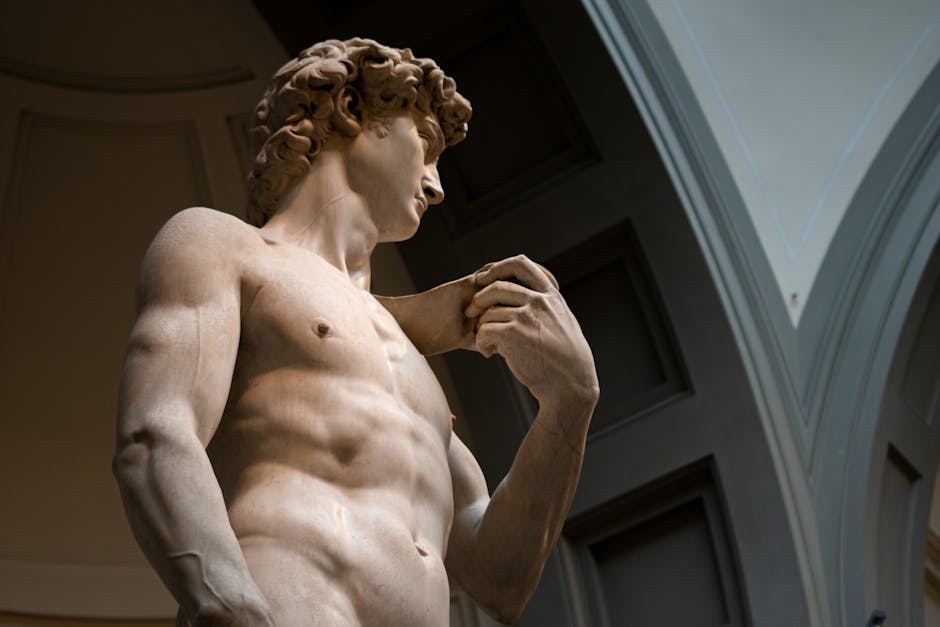
Experience the magic of Florence at sunset. Discover iconic bridges and breathtaking river views on this romantic self-guided audio walk.
 Easy
EasyFlorence, Italy
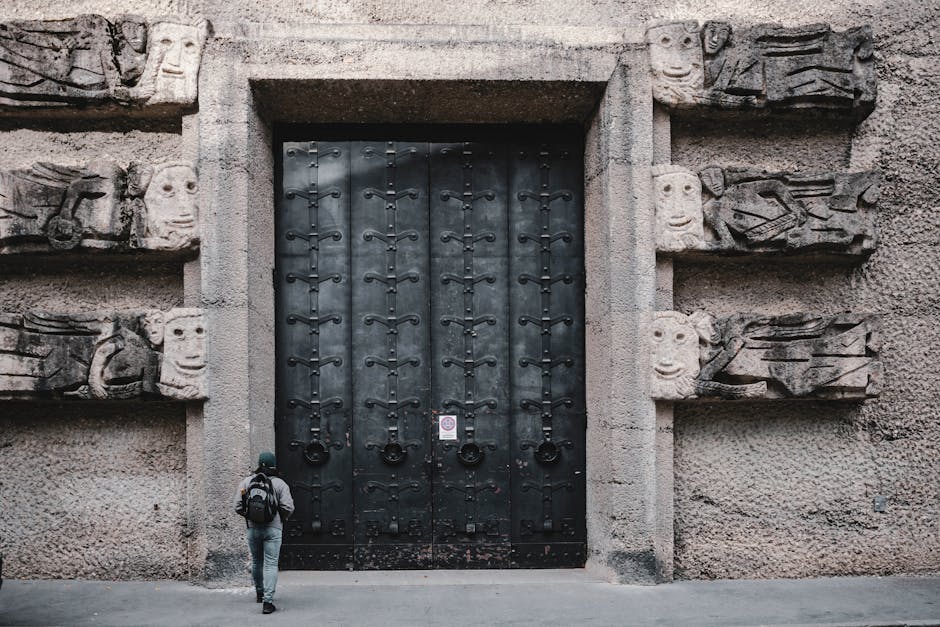
Discover the 'buchette del vino'—Florence's unique Renaissance wine windows—on this self-guided walk through the city's historic streets.
 Easy
EasySalzburg, Austria
Discover the 'Rome of the North' on this self-guided walk through the Baroque squares and monumental legacy of Salzburg’s Prince-Archbishops.
 Easy
EasyGothenburg, Sweden
Explore Gothenburg's elegant academic district, featuring grand 19th-century stone architecture and the iconic cultural hub of Götaplatsen.
 Easy
EasyNairobi, Kenya
Explore Nairobi's architectural evolution from colonial-era landmarks to iconic Brutalist skyscrapers on this historic self-guided walking route.
 Easy
EasyNairobi, Kenya
Explore the history of Kenya’s independence through the statues, monuments, and parks that define Nairobi’s political heart on this self-guided walk.
 Easy
EasyRome, Italy
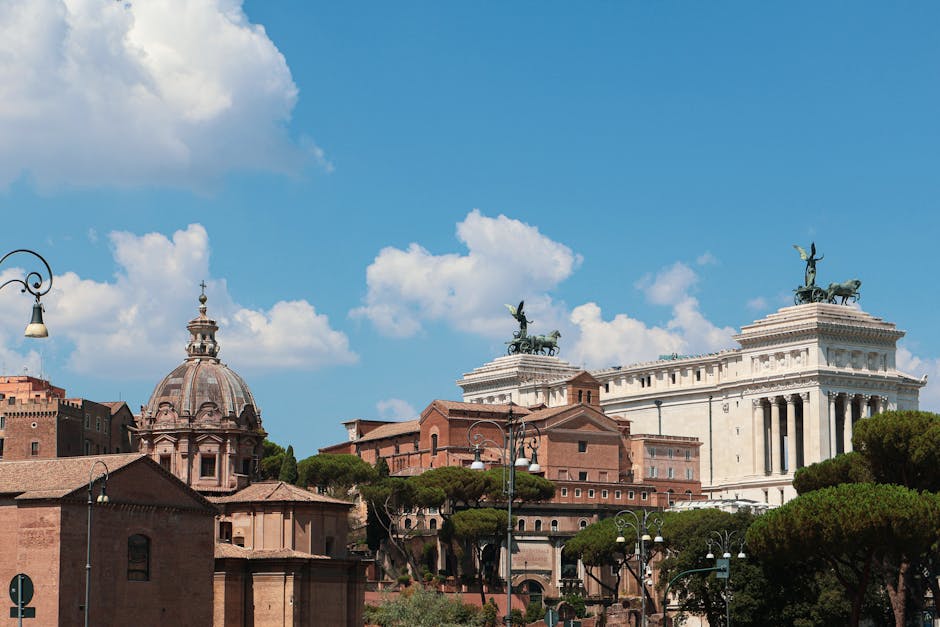
Explore Rome’s industrial heart on this self-guided walk featuring massive murals, the 'Iron Colosseum,' and unique industrial archaeology.
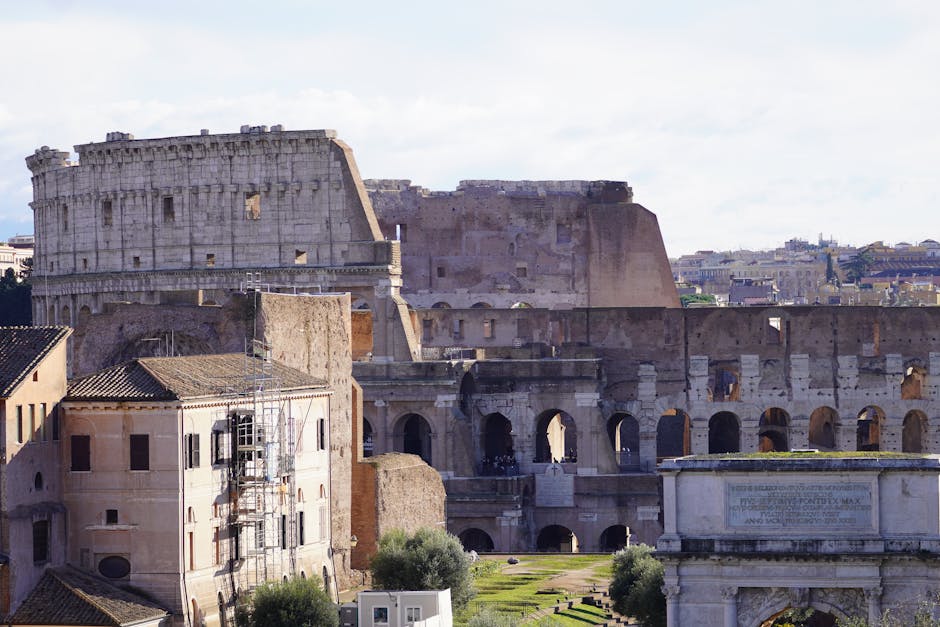 Easy
EasyRome, Italy
Explore Rome’s whimsical Fairytale District. A self-guided walk through Art Nouveau palaces, mythical fountains, and the magical Coppedè architecture.
 Moderate
Rome, Italy
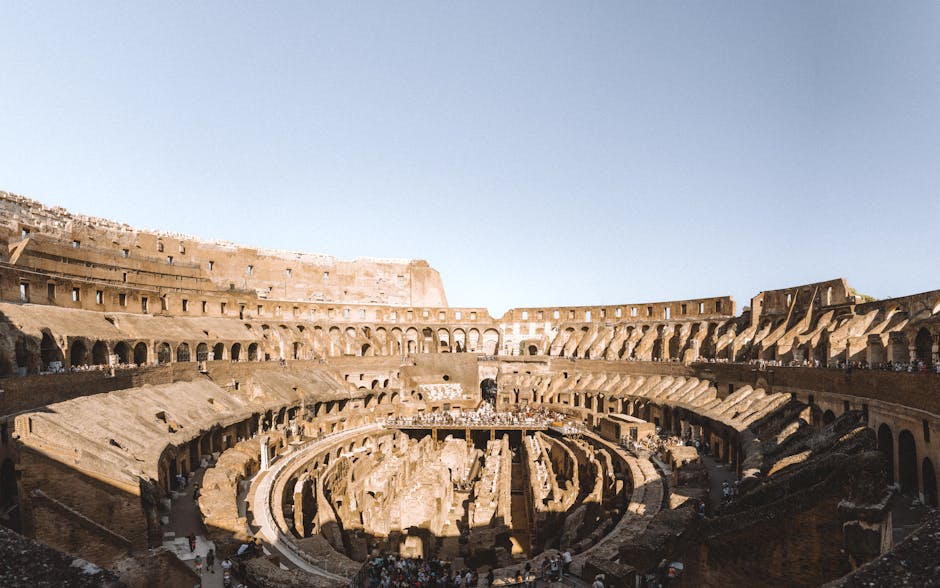
Uncover Rome's hidden history on this self-guided walk through ancient gladiator pits, subterranean temples, and buried Roman houses.
 Challenging
Rome, Italy
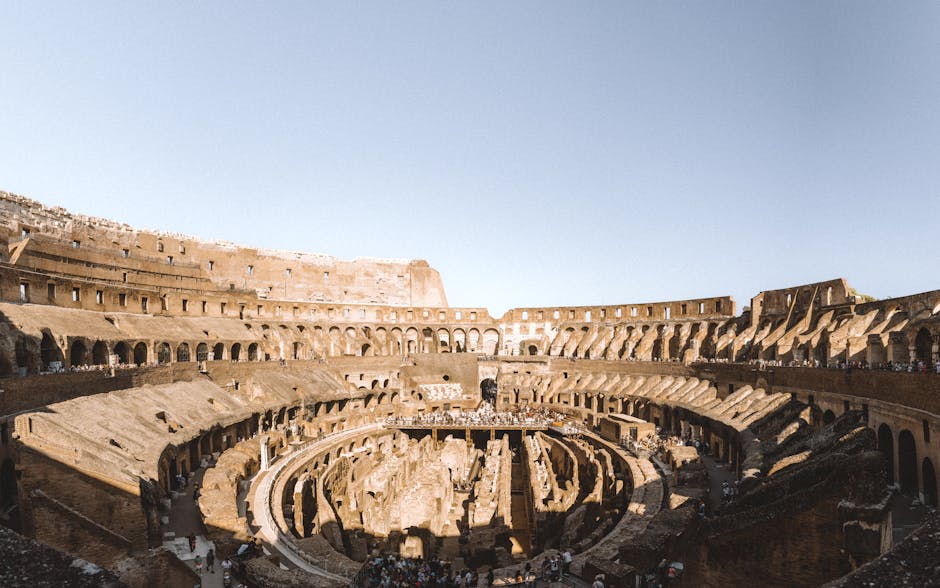
Walk the 'Queen of Roads.' Explore ancient catacombs, imperial villas, and historic basalt stones on this scenic self-guided Roman adventure.