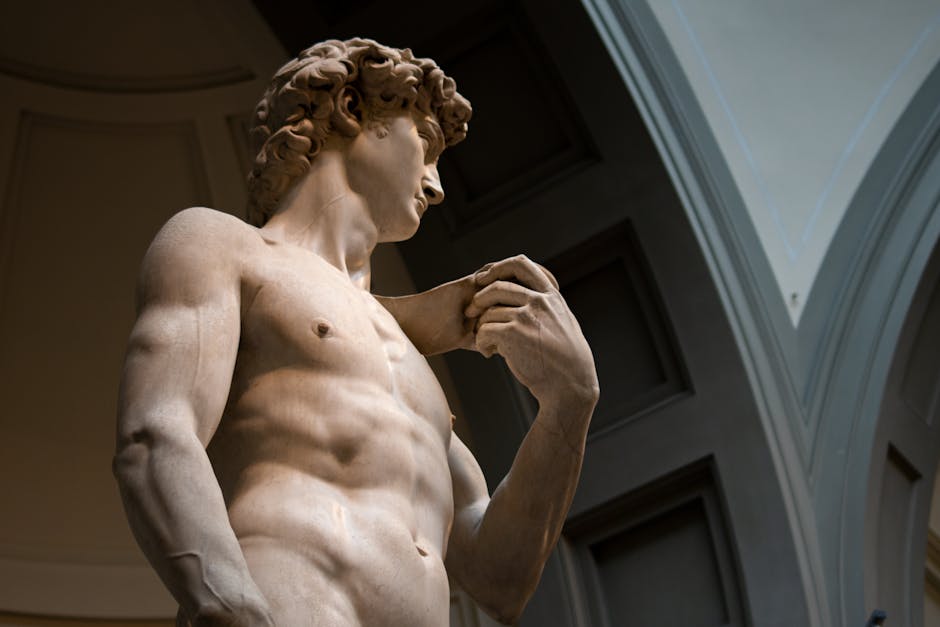
Self-guided audio tour in Florence
Start Free on iPhone
Start free on iPhone to unlock this self-guided walking tour in Florence. Hear all the stories that make it amazing, walk at your own pace, and begin whenever you want.
Your Private Tour Guide
Florence is world-renowned for its Renaissance masterpieces, but beneath the golden glow of the Medici legacy lies a gritty, heroic story of defiance. This self-guided walk invites you to uncover the shadows of World War II, a time when the 'Cradle of the Renaissance' became a front line of the Italian Resistance. As you navigate the historic center at your own pace, you will discover that the city's beauty was preserved not just by luck, but by the bravery of partisans and ordinary citizens who refused to let their heritage be destroyed. This walking route takes you from the somber deportation memorials of the main train station to the legendary Ponte Vecchio, the only bridge spared from Nazi explosives in 1944. You will explore the secret uses of the Vasari Corridor, which served as a vital artery for Resistance fighters moving through an occupied city, and visit the squares where the 'Scorpioni'—the expatriate community immortalized in film—stood their ground. This is not your typical walking tour Florence experience; it is a deep dive into the resilience of the human spirit. By following this audio walk, you will see the bullet holes and plaques that many travelers miss, connecting the dots between the city's artistic past and its courageous modern history. Whether you are a history buff or a first-time visitor, this stroll offers a profound perspective on how Florence survived the 20th century's darkest hour. Discover the sites of secret meetings, partisan strikes, and the eventual liberation that restored Florence to the world. Explore independently and let the voices of the past guide you through the streets that witnessed both tragedy and triumph.
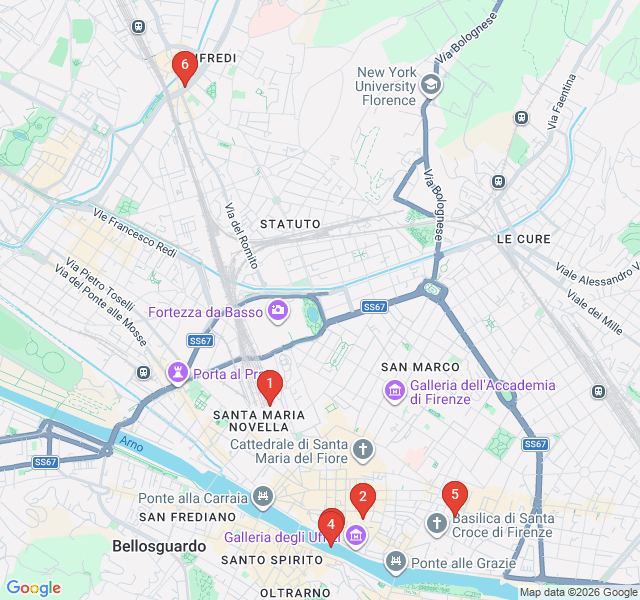
Numbers indicate the order of stops on the tour.
Begin your journey at the heart of Florentine transit, but look beyond the modern commuters. This station witnessed one of the city's darkest chapters. On March 8, 1944, over 1,000 people were rounded up following a general strike and deported from these platforms to concentration camps like Mauthausen. A memorial plaque near Platform 16 honors those who never returned. This site serves as a somber reminder of the cost of defiance against the Nazi-Fascist occupation. As you stand here, imagine the chaos and courage of those workers who risked everything to protest the puppet regime of the Republic of Salò.
This iconic square, dominated by the Palazzo Vecchio, was a focal point for both the Fascist regime and the later Resistance. It is also famously associated with the 'Scorpioni,' a group of English expatriate women who lived in Florence during the war. Their story was popularized by Franco Zeffirelli's film 'Tea with Mussolini.' These women often met in the cafes here, maintaining a sense of dignity and quiet defiance even as the political climate soured. In August 1944, this square became a site of celebration when partisan forces and Allied troops finally liberated the city center from German control.
The Vasari Corridor is famous as a private walkway for the Medici, but during WWII, it took on a life-saving strategic role. In August 1944, as the Germans retreated to the north bank of the Arno, they blew up every bridge except the Ponte Vecchio. The Resistance used the Vasari Corridor as a secret conduit to move men, supplies, and information between the north and south sides of the city. Partisans literally crawled through this elevated passage above the heads of occupying forces to coordinate the liberation of Florence. It transformed from a symbol of aristocratic privilege into a vital tool for freedom.
As the Nazi army prepared to leave Florence, Hitler allegedly gave a direct order to spare the Ponte Vecchio because of its beauty. However, the reality was more complex. The German consul, Gerhard Wolf, and local officials worked desperately to ensure the bridge wasn't rigged with explosives. While the bridge itself survived, the buildings at both ends were destroyed to create piles of rubble that blocked Allied tanks. Standing here today, you can see how the bridge remains a miraculous survivor of a conflict that leveled almost every other historic crossing in the city. It stands as a testament to the international effort to protect art even in wartime.
Walking down Via Ghibellina, you are following in the footsteps of the urban Resistance. This street leads toward the Murate, a former convent that served as a political prison during the war. Many partisans were held and interrogated here. Look for the small, unassuming plaques on the walls that commemorate the 'Caduti per la Libertà'—those who fell for liberty. These markers honor specific individuals who were caught in raids or executed for their underground activities. This area was a hotbed of anti-fascist sentiment, where neighbors protected neighbors from the secret police in a dangerous game of cat and mouse.
To reach this final stop, you may wish to take a short tram ride or a longer stroll north. Piazza Dalmazia is a site of deep local significance. It was here that some of the most intense street fighting occurred during the liberation of Florence in August 1944. A plaque in the square commemorates the partisans and civilians who died in the struggle to push the German forces out of the Rifredi district. Unlike the tourist-heavy center, this square offers a look at how the war affected the working-class neighborhoods of Florence, where the Resistance was often most organized and fierce.
Start Free on iPhone
Explore “Resistance and Resilience: WWII Florence” with your very own Private Tour Guide with Zigway. Start free on iPhone, skip the large group and the fixed routes, and hear the city come alive as you go.
Your Private Tour Guide
Don't miss the good stuff
Explore Freely
 Easy
EasyFlorence, Italy
Discover the intersection of Renaissance architecture and modern luxury on this self-guided walk through Florence’s high-fashion districts.
 Easy
EasyFlorence, Italy
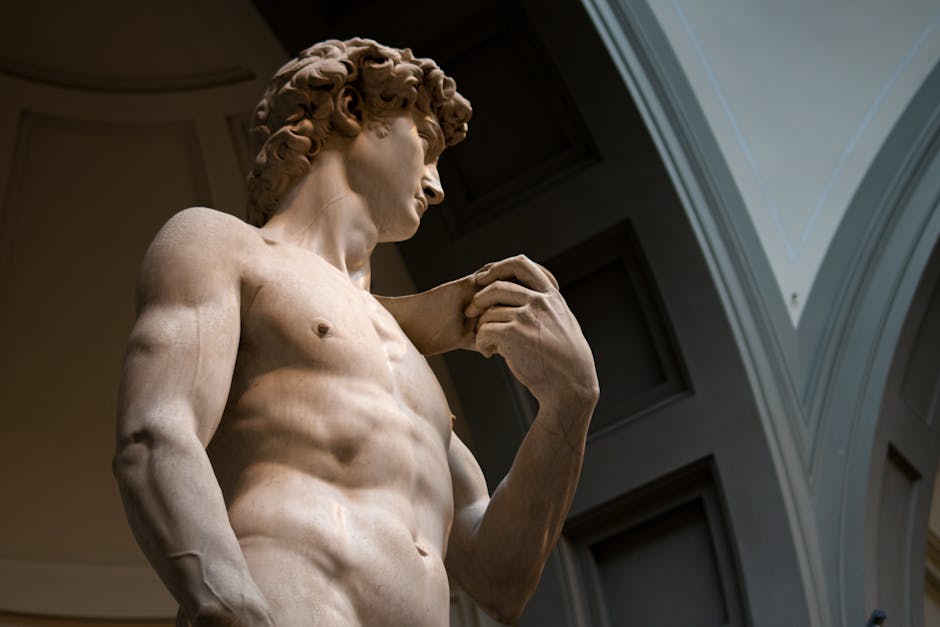
Explore the medieval streets of Florence through the eyes of Dante Alighieri on this self-guided literary and historical walking route.
 Easy
EasyFlorence, Italy
Experience the magic of Florence at sunset. Discover iconic bridges and breathtaking river views on this romantic self-guided audio walk.
 Easy
EasyFlorence, Italy
Discover the 'buchette del vino'—Florence's unique Renaissance wine windows—on this self-guided walk through the city's historic streets.
 Easy
EasyGothenburg, Sweden
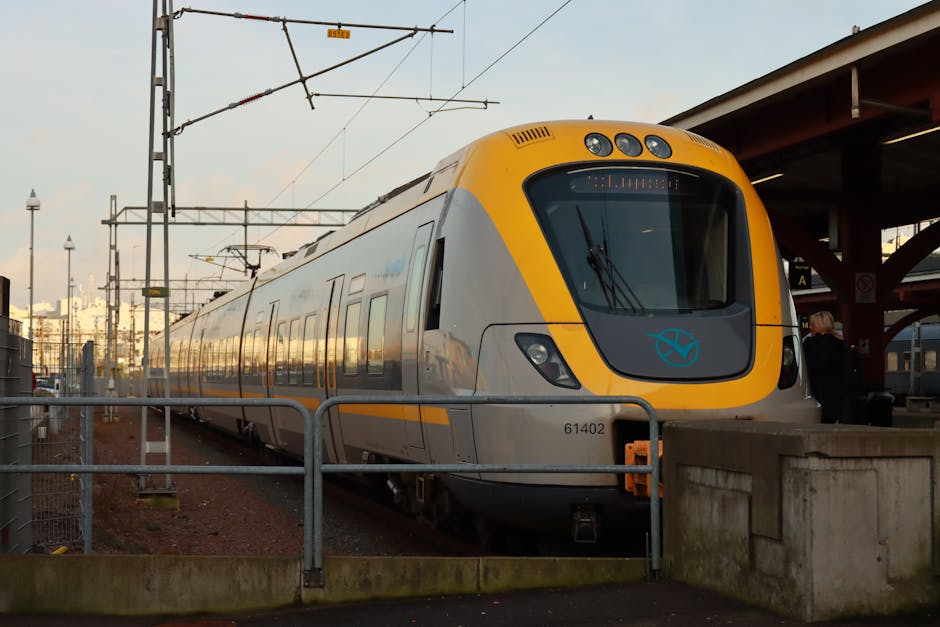
Discover Gothenburg’s 17th-century Dutch foundations, historic canals, and military fortifications on this self-guided architectural walk.
 Easy
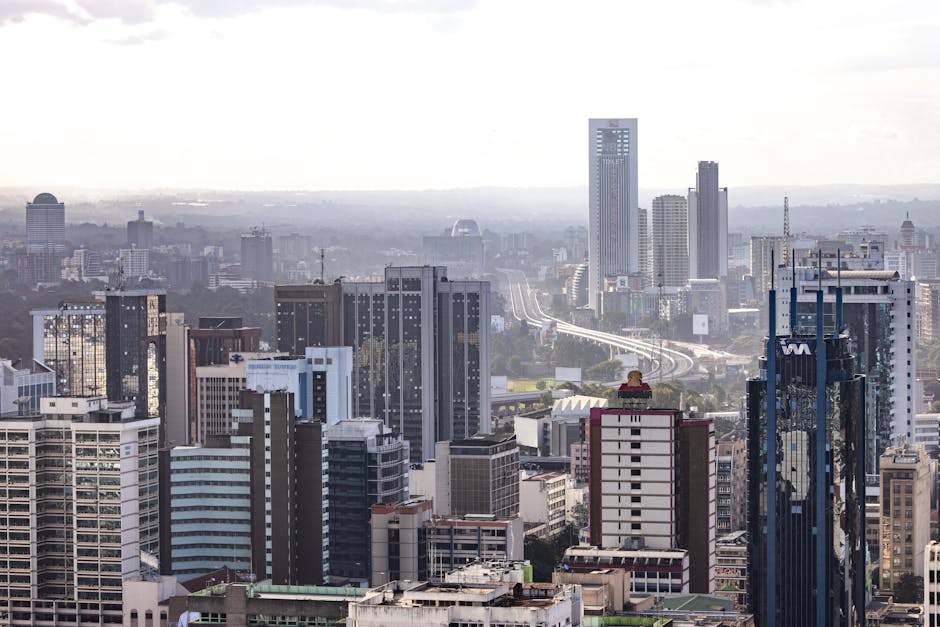
EasyNairobi, Kenya
Explore Nairobi's architectural evolution from colonial-era landmarks to iconic Brutalist skyscrapers on this historic self-guided walking route.
 Easy
EasyNairobi, Kenya
Explore the history of Kenya’s independence through the statues, monuments, and parks that define Nairobi’s political heart on this self-guided walk.
 Easy
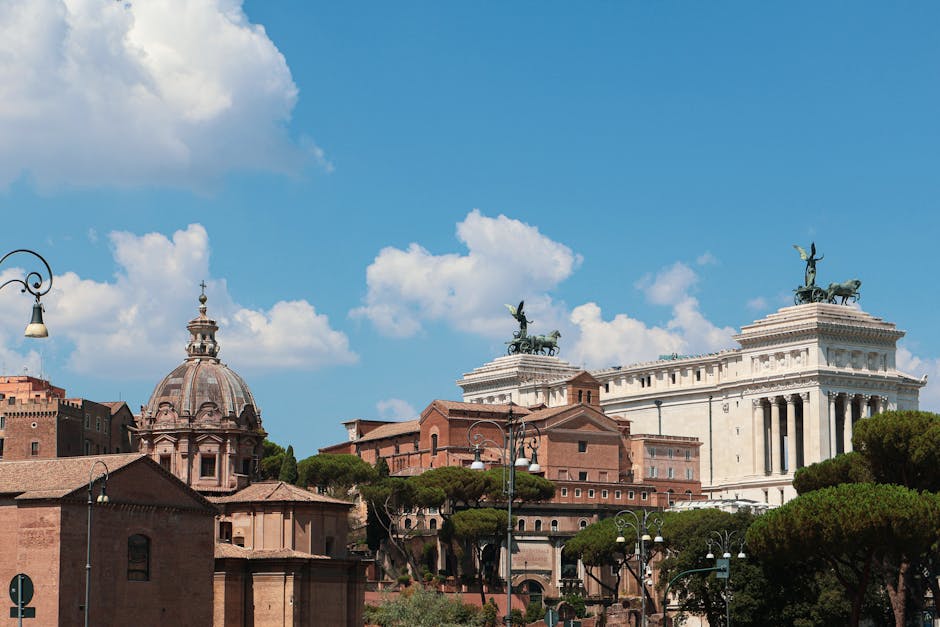
EasyNairobi, Kenya
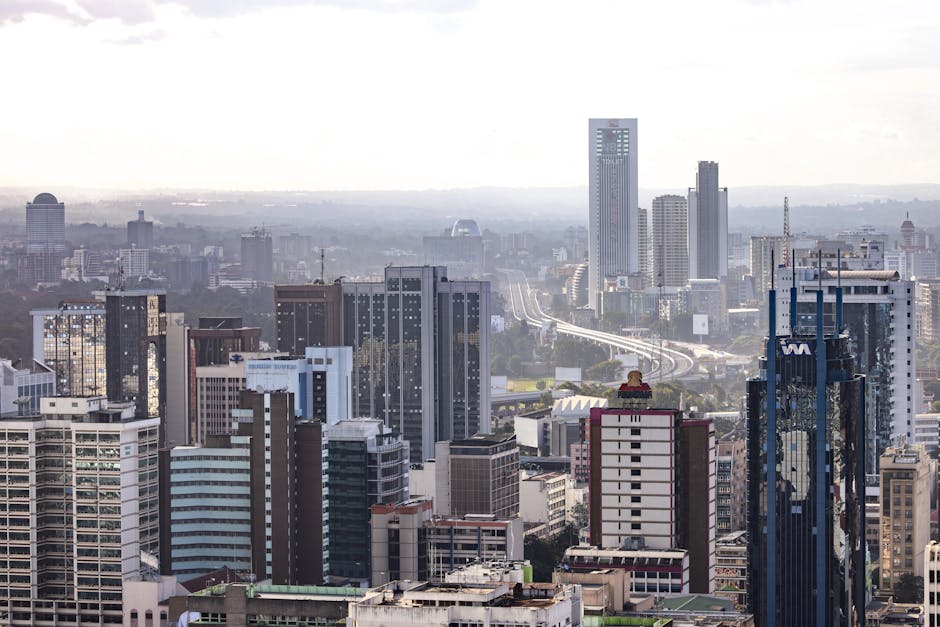
Discover Nairobi's iconic skyline on this self-guided architecture walk through the CBD’s most famous modernist and Brutalist landmarks.
 Easy
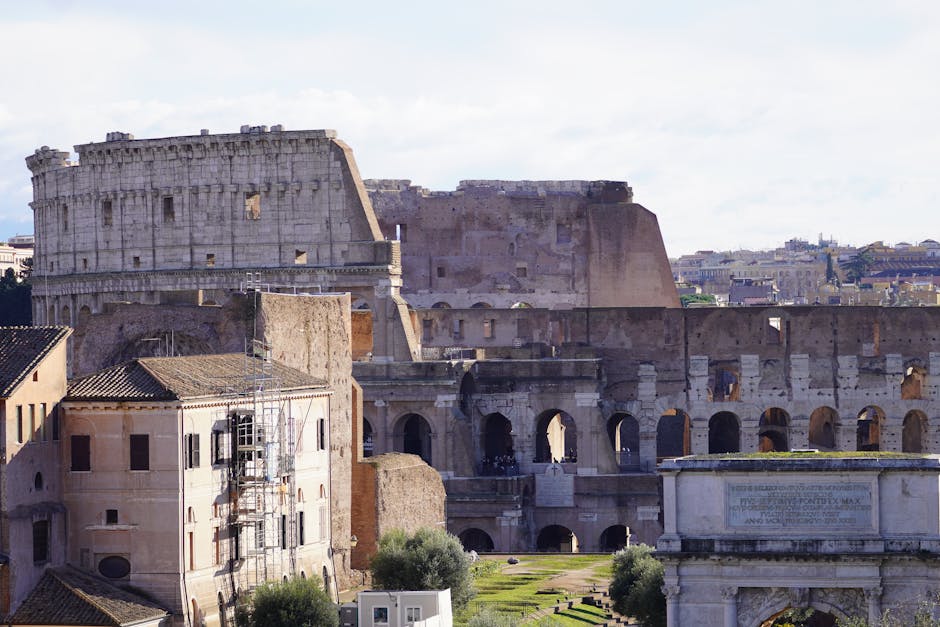
EasyRome, Italy
Explore Rome’s industrial heart on this self-guided walk featuring massive murals, the 'Iron Colosseum,' and unique industrial archaeology.
 Easy
EasyRome, Italy
Explore Rome’s whimsical Fairytale District. A self-guided walk through Art Nouveau palaces, mythical fountains, and the magical Coppedè architecture.
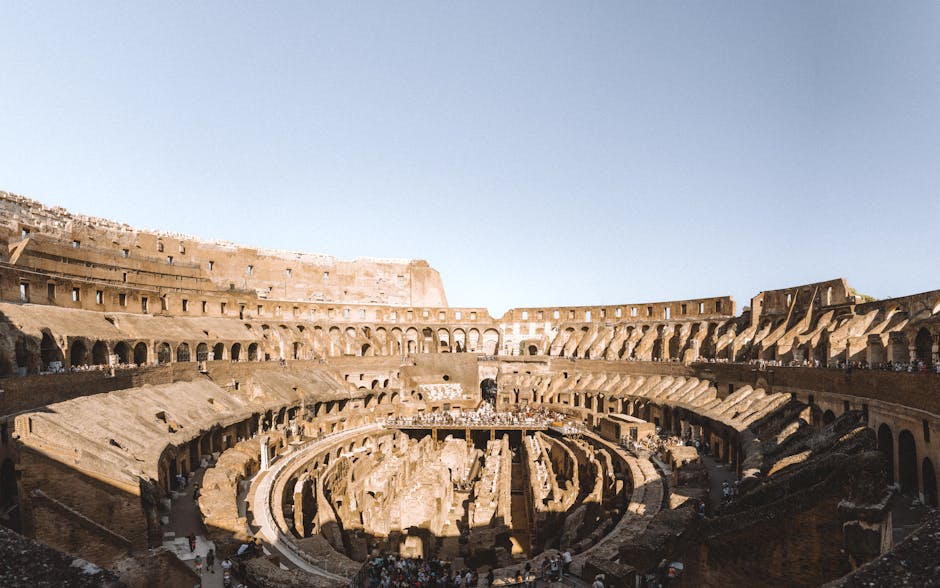 Moderate
Rome, Italy
Uncover Rome's hidden history on this self-guided walk through ancient gladiator pits, subterranean temples, and buried Roman houses.
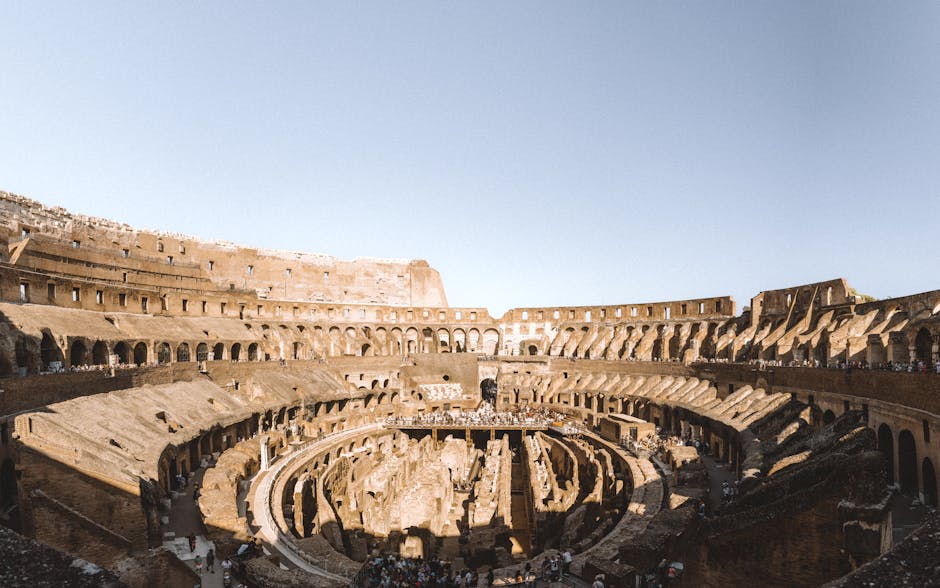 Challenging
Rome, Italy
Walk the 'Queen of Roads.' Explore ancient catacombs, imperial villas, and historic basalt stones on this scenic self-guided Roman adventure.