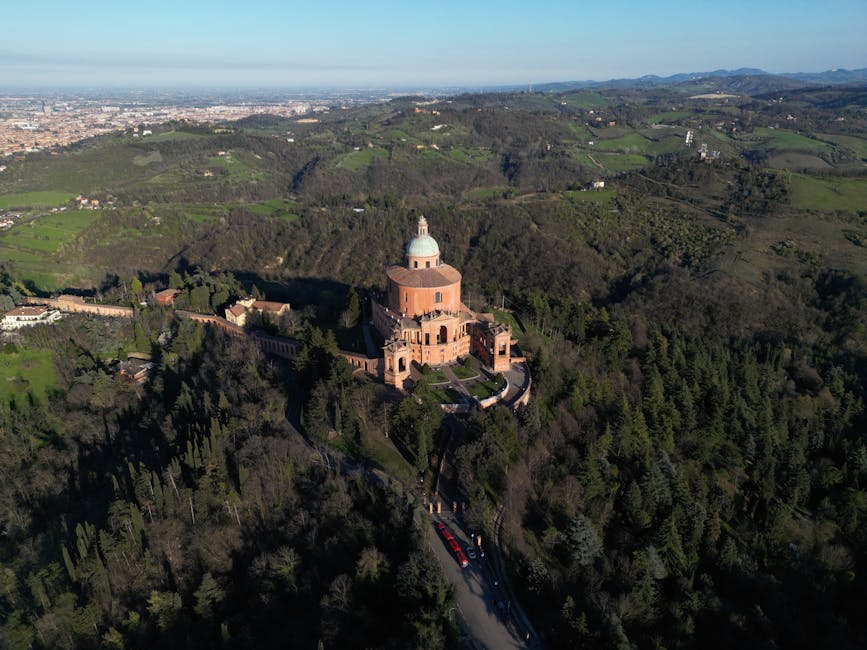
Self-guided audio tour in Bologna
Start Free on iPhone
Start free on iPhone to unlock this self-guided walking tour in Bologna. Hear all the stories that make it amazing, walk at your own pace, and begin whenever you want.
Your Private Tour Guide
Beyond the bustling porticoes and the savory aromas of 'Bologna the Fat,' lies a city of profound stillness and artistic devotion. This self-guided walk invites you to step away from the crowded main squares and into the hushed interiors of Bologna’s most significant religious and artistic sanctuaries. This route is designed for those who appreciate the intersection of faith, history, and the evolution of Italian art, moving from the raw, emotional realism of the Middle Ages to the refined elegance of the High Renaissance. On this walking tour Bologna reveals a different side—one of cool stone cloisters, hidden chapels, and masterpieces that have inspired pilgrims and artists for centuries. Your journey begins in the heart of the Quadrilatero district at Santa Maria della Vita, home to one of the most powerful sculptures in Italy: Niccolò dell'Arca’s 'Lamentation.' From there, you will wander toward the Basilica di Santo Stefano, a labyrinthine complex known as the 'Sette Chiese' (Seven Churches), which serves as a symbolic recreation of the Holy Sepulchre in Jerusalem. As you navigate the medieval streets, the route leads to the northern edge of the historic center to discover the Bentivoglio family's artistic legacy at San Giacomo Maggiore and the breathtaking fresco cycle of the Oratorio di Santa Cecilia, often referred to as the 'Sistine Chapel of Bologna.' The experience concludes at the Basilica di San Domenico, a site of immense historical importance containing the tomb of the founder of the Dominican Order. Here, you can admire early works by a young Michelangelo and the intricate marble carvings of Nicola Pisano. This walking route offers the flexibility to linger in front of a single fresco or sit in a quiet courtyard, allowing the 'Sacred Silence' of Bologna to provide a meditative contrast to the vibrant city life outside. Whether you are an art historian or a curious traveler, this audio walk provides the context needed to appreciate these hidden altars at your own pace.
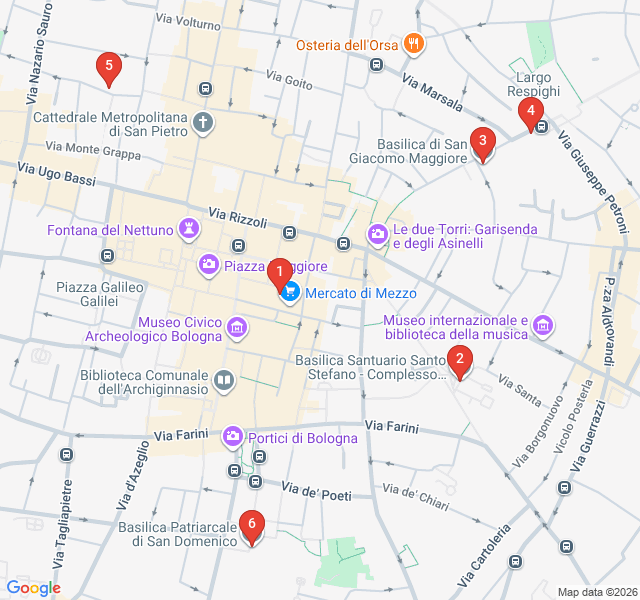
Numbers indicate the order of stops on the tour.
Welcome to the Church of Santa Maria della Vita. While the Baroque architecture is impressive, the real reason to visit is tucked away in a side chapel. Here you will find the 'Compianto sul Cristo morto' by Niccolò dell'Arca. Created in the 1460s, these life-sized terracotta figures are legendary for their raw, agonizing realism. Notice the 'Scream' of Mary Magdalene, her robes blown back by the speed of her grief. In an era when religious art was often stiff and formal, this work broke all the rules, capturing human sorrow in its most visceral form. It remains one of the most moving sculptural groups in European art history.
Step into the 'Jerusalem of Bologna.' Santo Stefano is not just one church, but a complex of interconnected religious edifices built over centuries. According to tradition, Saint Petronius wanted to recreate the holy sites of Jerusalem here in the 5th century. As you walk through the various spaces—the Church of the Crucifix, the Octagonal Church of the Holy Sepulchre, and the Church of Saints Vitale and Agricola—you are traversing layers of history from the Roman era to the Lombard period. Don't miss the Medieval Cloister, a double-storied courtyard that offers a perfect moment of silence away from the city noise.
This church was the spiritual home of the Bentivoglio family, the de facto rulers of Bologna during the Renaissance. Inside, the Bentivoglio Chapel is a masterclass in 15th-century decoration, featuring works by Lorenzo Costa and Francesco Francia. The architecture reflects the transition from Gothic to Renaissance styles. Look for the family portraits within the religious scenes—a common way for wealthy patrons to ensure their place in both earthly history and the afterlife. The long, elegant portico outside is one of the most beautiful in the city, perfectly framing the approach to the church.
Often overlooked because of its modest entrance, the Oratorio di Santa Cecilia is a hidden jewel box of Renaissance art. This was once the private chapel of the Bentivoglio family. The walls are covered in a cycle of ten frescoes depicting the life of Saint Cecilia and her husband Valerian, painted by the leading artists of the Bolognese school around 1505. The level of detail, from the landscape backgrounds to the delicate expressions of the figures, earned this space the nickname 'The Sistine Chapel of Bologna.' It is a rare, unified example of High Renaissance storytelling in a single, intimate room.
The complex of San Colombano demonstrates how Bologna’s sacred spaces evolve. Originally a church and monastery dating back to the 7th century, it now houses the Tagliavini Collection, an extraordinary assembly of historical musical instruments. Harpsichords, spinets, and organs are displayed within the restored medieval and Baroque halls. Even if you aren't a musician, the frescoes that decorate the walls—including a 13th-century crucifixion—provide a stunning backdrop. It is a unique sensory experience where the history of sacred architecture meets the history of sacred and secular sound.
Our walk ends at the Basilica of San Domenico, one of the most important religious sites in Italy. Dominic de Guzmán, founder of the Dominican Order, is buried here in the 'Arca di San Domenico.' This marble tomb is a collaborative masterpiece spanning centuries: Nicola Pisano began it, and a young Michelangelo carved three small figures for it—an angel, Saint Proculus, and Saint Petronius holding a model of the city. The choir behind the altar features incredible inlaid wood depicting biblical scenes, so detailed they look like paintings. It is a fitting place to reflect on the immense artistic wealth that faith has brought to Bologna.
Start Free on iPhone
Explore “Sacred Silence: Hidden Altars and Cloisters” with your very own Private Tour Guide with Zigway. Start free on iPhone, skip the large group and the fixed routes, and hear the city come alive as you go.
Your Private Tour Guide
Don't miss the good stuff
Explore Freely
 Moderate
Bologna, Italy
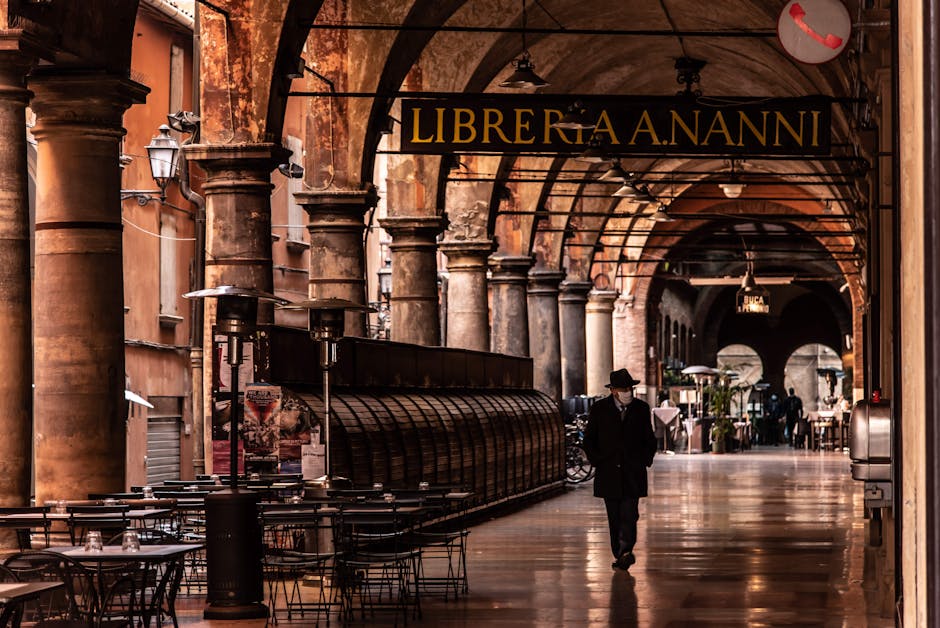
Explore Bologna's UNESCO-listed porticoes on this self-guided architectural stroll through historic streets and grand, frescoed arches.
 Easy
EasyBologna, Italy
Uncover Bologna's secret 'Little Venice' on this self-guided walk through hidden canals, ancient mills, and the city's industrial past.
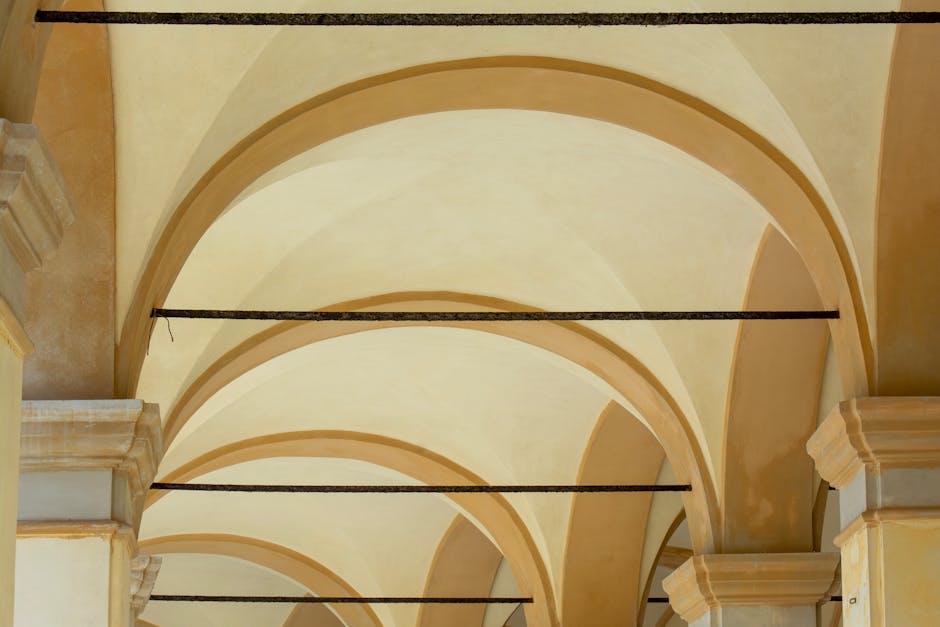 Easy
EasyBologna, Italy
Uncover the legends and hidden architectural wonders of medieval Bologna on this self-guided stroll through the historic city center.
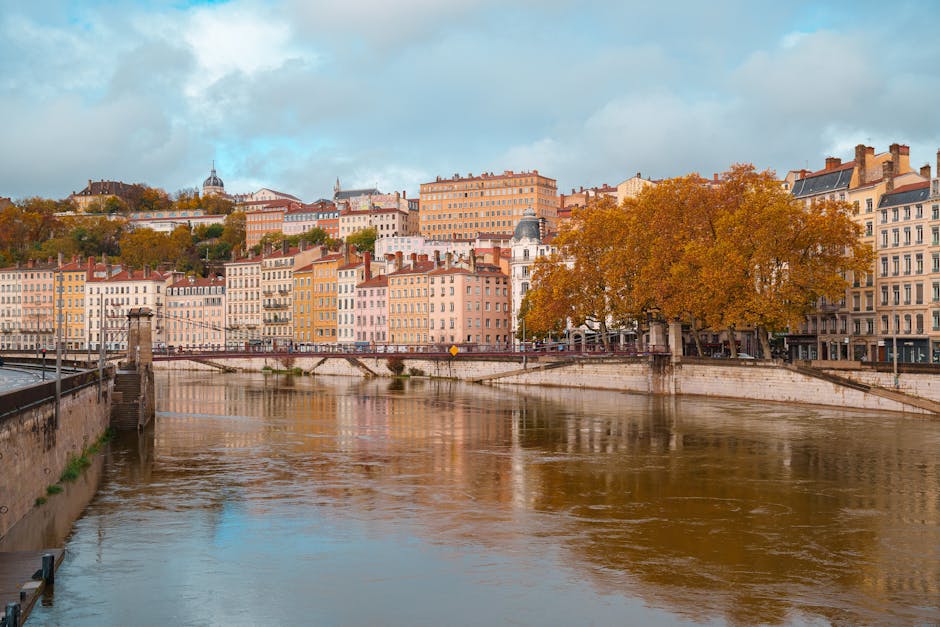 Easy
EasyBologna, Italy
Discover the rebellious soul of Bologna with a self-guided stroll through the bars, street art, and bohemian history of the iconic Pratello district.
 Easy
EasyNairobi, Kenya
Explore Nairobi's architectural evolution from colonial-era landmarks to iconic Brutalist skyscrapers on this historic self-guided walking route.
 Easy
EasyNairobi, Kenya
Discover Nairobi's iconic skyline on this self-guided architecture walk through the CBD’s most famous modernist and Brutalist landmarks.
 Easy
EasyKrakow, Poland
Explore the historic heart of Kazimierz on this self-guided walk through synagogues, ancient cemeteries, and vibrant squares.
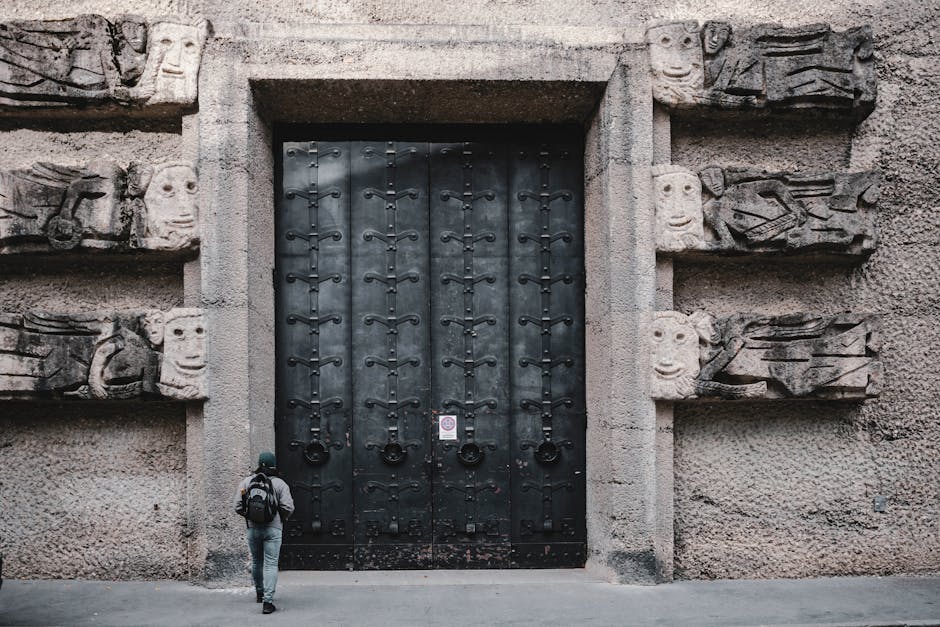 Easy
EasySalzburg, Austria
Discover the 'Rome of the North' on this self-guided walk through the Baroque squares and monumental legacy of Salzburg’s Prince-Archbishops.
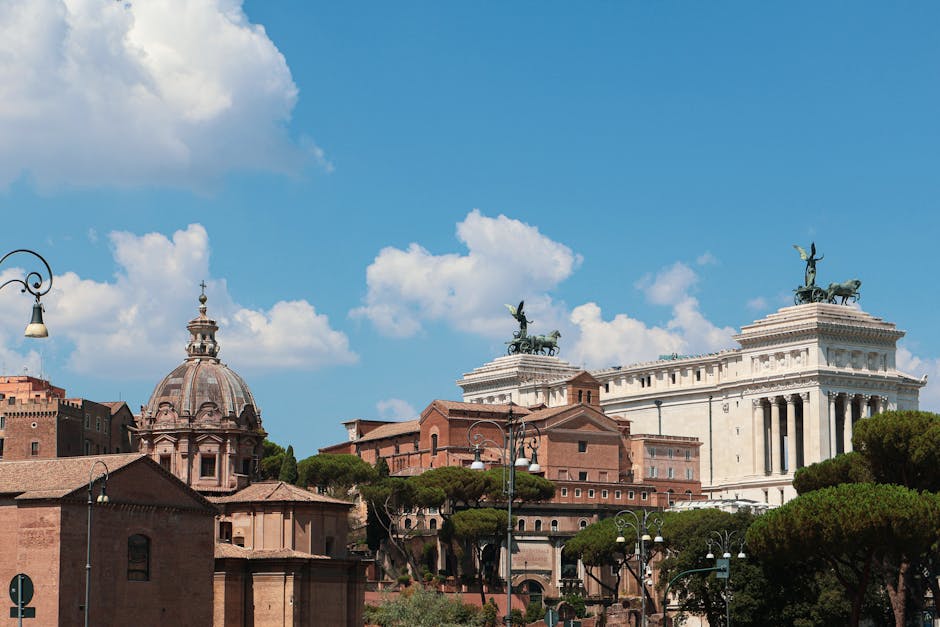 Easy
EasyRome, Italy
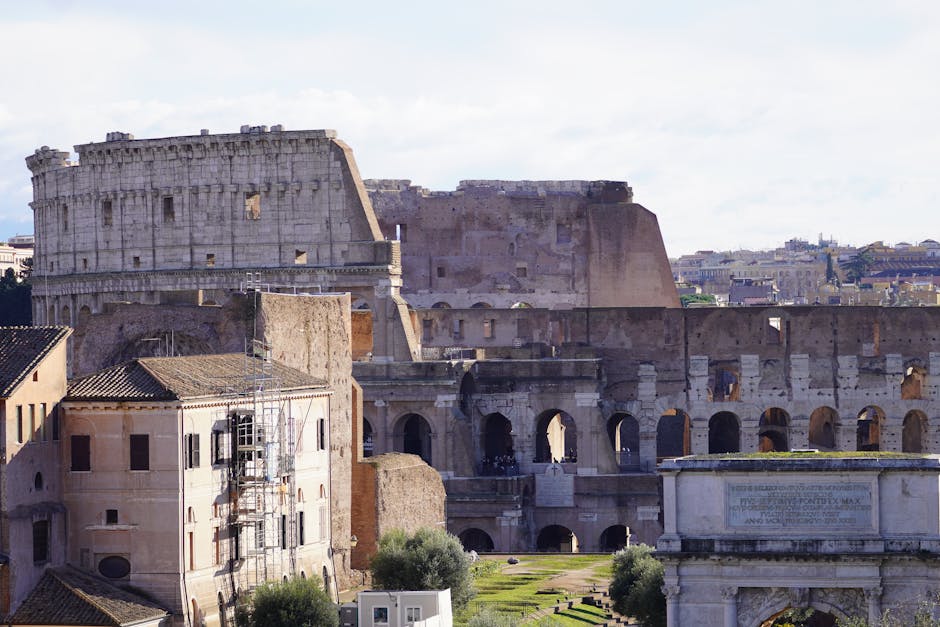
Explore Rome’s industrial heart on this self-guided walk featuring massive murals, the 'Iron Colosseum,' and unique industrial archaeology.
 Easy
EasyRome, Italy
Explore Rome’s whimsical Fairytale District. A self-guided walk through Art Nouveau palaces, mythical fountains, and the magical Coppedè architecture.
 Moderate
Rome, Italy
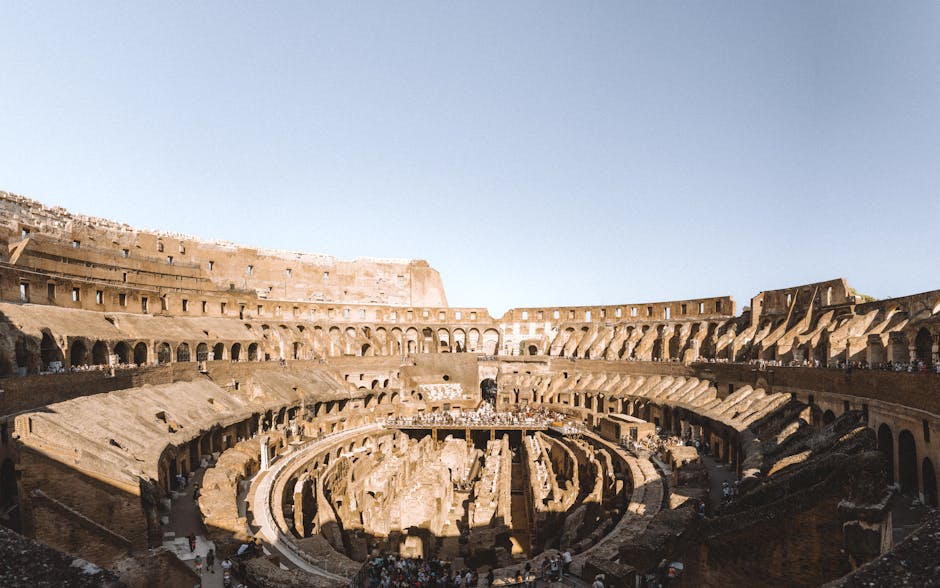
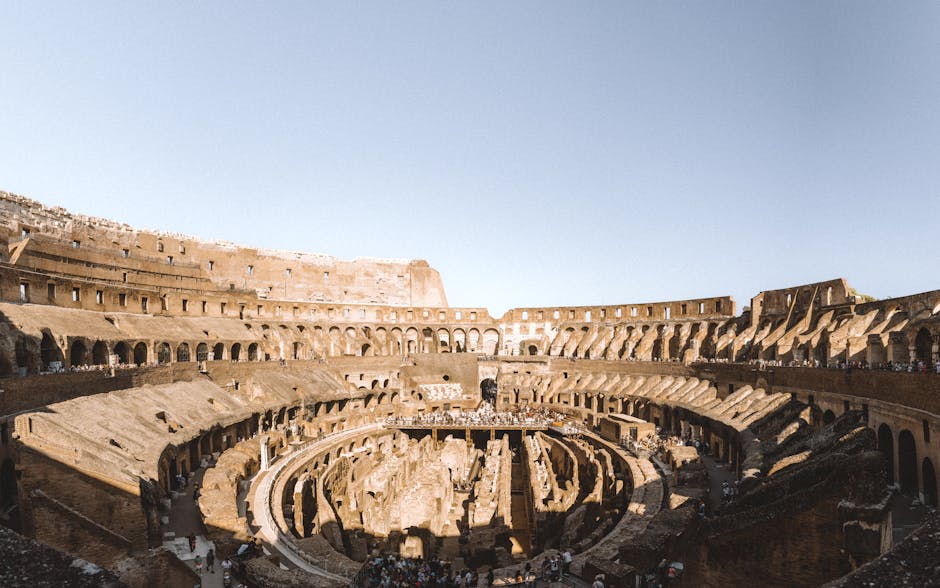
Uncover Rome's hidden history on this self-guided walk through ancient gladiator pits, subterranean temples, and buried Roman houses.
 Challenging
Rome, Italy
Walk the 'Queen of Roads.' Explore ancient catacombs, imperial villas, and historic basalt stones on this scenic self-guided Roman adventure.