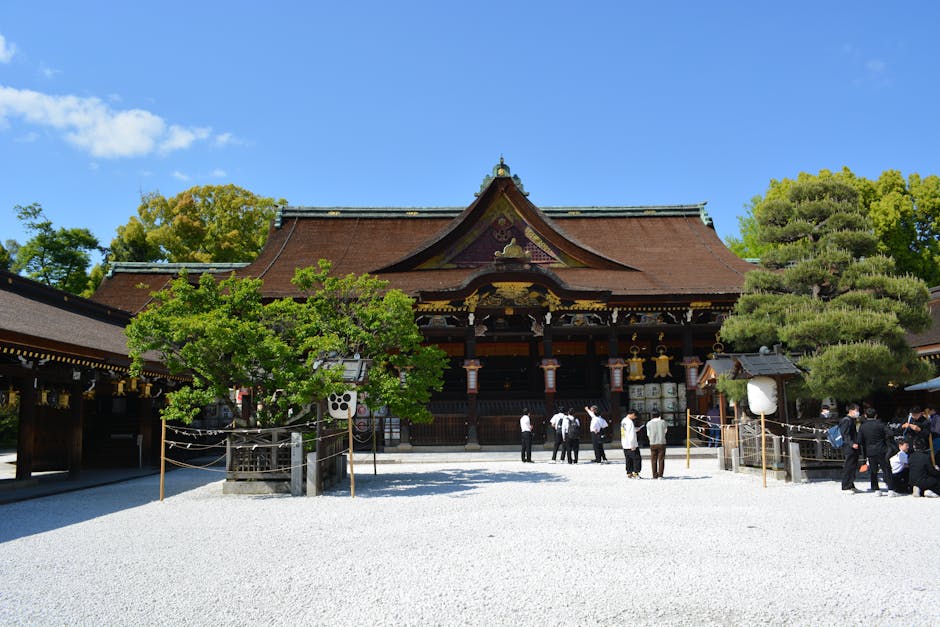
Self-guided audio tour in Kyoto
Start Free on iPhone
Start free on iPhone to unlock this self-guided walking tour in Kyoto. Hear all the stories that make it amazing, walk at your own pace, and begin whenever you want.
Your Private Tour Guide
Kyoto is a city that masterfully balances its imperial past with a vibrant, modern cultural identity. This self-guided walk invites you to explore the Okazaki district and its surroundings, a pocket of the city where grand Meiji-era architecture meets tranquil canals and prestigious academic institutions. This walking route Kyoto offers a deep dive into the evolution of Japanese aesthetics, from the defensive grandeur of Shogunate castles to the contemporary halls of international manga and fine art. As you wander through the expansive Kyoto Gyoen National Garden or follow the historic Lake Biwa Canal, you will witness the infrastructure that modernized Japan in the late 19th century. The route also navigates the atmospheric slopes of Higashiyama, where stone-paved paths like Ninenzaka and Sannenzaka offer a glimpse into the merchant life of old. Whether you are admiring the massive vermillion torii gate of Heian Jingu or reflecting on the quiet Philosopher’s Path, this journey captures the intellectual and artistic spirit of Japan’s former capital. It is an ideal neighborhood stroll for those who want to see beyond the standard shrines and understand the civic and cultural heart of the city at their own pace.
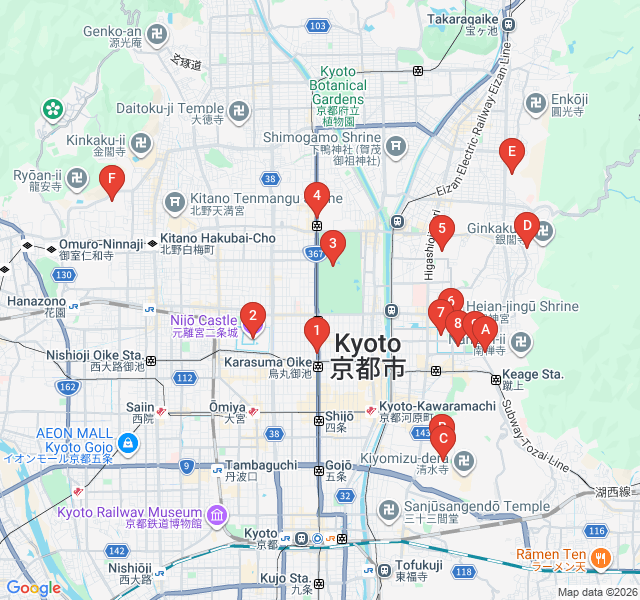
Numbers indicate the order of stops on the tour.
Housed in the former Tatsuike Elementary School building, this museum is a testament to Kyoto’s ability to repurpose history for modern culture. The 1929 architecture provides a nostalgic backdrop for over 300,000 manga items. As you explore, notice how the original wooden floors and high ceilings create a sanctuary for readers. This isn't just a museum; it's a living archive of a global phenomenon, showcasing the evolution of manga from woodblock prints to modern digital art. It serves as the perfect starting point for understanding Kyoto's creative energy.
Built in 1603 as the Kyoto residence of the first Tokugawa Shogun, Nijō Castle is a symbol of power and prestige. Unlike the austere Imperial Palace, this castle was designed to impress with its intricate wood carvings and gold leaf. Listen closely as you walk through Ninomaru Palace; the 'nightingale floors' were engineered to chirp when stepped upon, acting as a clever alarm system against intruders. The surrounding gardens, designed by Kobori Enshu, represent the pinnacle of early Edo-period landscape design, balancing strength with natural beauty.
The Kyoto Imperial Palace was the residence of Japan’s Imperial Family until 1868, when the capital moved to Tokyo. The current structures, rebuilt in 1855, reflect the elegant, minimalist style of the Heian period. The vast gravel courtyards and the Shishinden (Hall for State Ceremonies) evoke a sense of solemnity and timelessness. Surrounded by the Kyoto Gyoen National Garden, this site remains the spiritual heart of the city. It offers a stark contrast to the Shogun’s castle, prioritizing divine lineage and cultural continuity over military might.
Located just north of the Imperial Palace, Doshisha University represents the intersection of Western education and Japanese tradition. Founded in 1875 by Joseph Hardy Neesima, the campus features several red-brick buildings that are designated Important Cultural Properties. These structures, such as the Doshisha Chapel and Shoei-kan, are some of the oldest examples of Western-style brick architecture in Kyoto. The campus reflects the city's intellectual openness during the Meiji Restoration, a period of rapid modernization and international exchange.
As Japan’s second-oldest university, Kyoto University is known for its tradition of 'academic freedom.' The iconic Clock Tower Centennial Hall, completed in 1925, serves as the university's symbol. This area has long been the center of scientific and philosophical breakthroughs in Japan. The surrounding streets are often filled with students and bookstores, contributing to the neighborhood's vibrant, intellectual atmosphere. It is a place where the pursuit of knowledge is woven into the very fabric of the city’s identity.
You cannot miss this massive vermillion structure. Standing at 24 meters tall, it is one of the largest torii gates in Japan. It was built in 1929 to mark the entrance to Heian Jingu Shrine, which itself was constructed in 1895 to commemorate the 1,100th anniversary of the founding of Kyoto. The gate serves as a grand portal into the Okazaki cultural district. Its scale reflects the civic pride of Kyoto citizens during the Meiji and Taisho eras as they sought to revitalize the city after the Emperor moved to Tokyo.
A masterpiece of Japanese modernism, this theatre was originally designed by Kunio Maekawa, a student of Le Corbusier. Reopened after extensive renovations, it seamlessly blends 1960s concrete brutalism with contemporary glass and steel. The building is a hub for the performing arts, hosting everything from opera to traditional Japanese theater. Its open courtyards and integration with the nearby Tsutaya bookstore and cafes make it a popular local gathering spot, proving that modern architecture can thrive alongside Kyoto’s ancient temples.
Originally opened in 1933 as the Kyoto City Museum of Art, this is the oldest public art museum in Japan. The building itself is a fascinating example of 'Imperial Crown Style' architecture, which tops Western-style brick walls with a traditional Japanese roof. Following a major renovation in 2020, the museum now features a striking glass-fronted entrance and expanded galleries. It serves as the cornerstone of the Okazaki art scene, showcasing both historical masterpieces and cutting-edge contemporary works from the Kyoto region.
Walking along the outer path of the Kyoto City Zoo, you are tracing the edge of the second-oldest zoo in Japan, established in 1903. Its creation was part of the broader Meiji-era effort to modernize Kyoto and provide public education through western-style institutions. While the zoo has been updated for modern animal welfare standards, its location in the heart of the cultural district remains a testament to the era's focus on civic development. The brick walls and lush greenery provide a pleasant, family-friendly atmosphere to this part of the stroll.
The Lake Biwa Canal is an unsung hero of Kyoto’s history. Completed in 1890, this monumental engineering project brought water and hydroelectric power from Japan’s largest lake to the city. It powered the country’s first electric tramway and modernized local industry. Today, the canal is a place of serene beauty, especially in spring when cherry blossoms lean over the water. As you walk beside it, think of it as the lifeline that allowed Kyoto to transform from a medieval capital into a modern industrial and cultural hub.
Step back in time as you enter Ninenzaka, a stone-paved slope lined with traditional wooden buildings and shops. This area is part of a protected preservation district, ensuring that the 'Old Kyoto' atmosphere remains intact. Legend says that if you fall on these stairs, you will have two years of bad luck—though this was likely a story told to encourage people to walk carefully on the steep stones! Today, it is a premier spot for photography and finding local crafts, including the world’s first Starbucks housed in a traditional Japanese townhouse.
Continuing from Ninenzaka, Sannenzaka (the Slope of Three Years) offers even more dramatic views of the Higashiyama district. The path is steeper and more bustling, leading toward the famous Kiyomizu-dera. The architecture here dates back to the Edo period, with many shops selling Kiyomizu-yaki pottery and traditional sweets. Despite the crowds, the area retains a magical quality, particularly in the late afternoon when the setting sun casts long shadows across the weathered wood and stone.
This stone path follows a cherry-tree-lined canal at the foot of the eastern mountains. It earned its name because Nishida Kitaro, one of Japan’s most famous philosophers, used to walk here daily for meditation. The path stretches about two kilometers, passing several small shrines and temples. It is a place designed for slow movement and reflection. Away from the main tourist hubs, the sound of the flowing water and the rustle of the trees provide a meditative soundtrack to your journey.
Situated on the slopes of Mount Uryu, this university is a modern contrast to the historic temples nearby. The campus is known for its creative architecture and its role in fostering the next generation of Japanese artists and designers. The 'Ningen-kan' building often hosts public exhibitions, and the university's presence adds a youthful, avant-garde energy to the northern end of the Higashiyama district. It serves as a reminder that Kyoto is not just a city of the past, but a place where the future of Japanese art is being shaped.
The final stop on this long cultural thread is Ritsumeikan University’s Kinugasa Campus. Located near the foothills of the northwestern mountains, it sits in an area rich with UNESCO World Heritage sites like Kinkaku-ji. The university is home to the Kyoto Museum for World Peace, reflecting a commitment to social justice and historical awareness. This academic hub marks the end of our cross-city journey, connecting the scholarly pursuits of the north with the cultural monuments you’ve explored throughout the day.
Start Free on iPhone
Explore “Okazaki Cultural District & Canal Loop” with your very own Private Tour Guide with Zigway. Start free on iPhone, skip the large group and the fixed routes, and hear the city come alive as you go.
Your Private Tour Guide
Don't miss the good stuff
Explore Freely
 Moderate
Kyoto, Japan
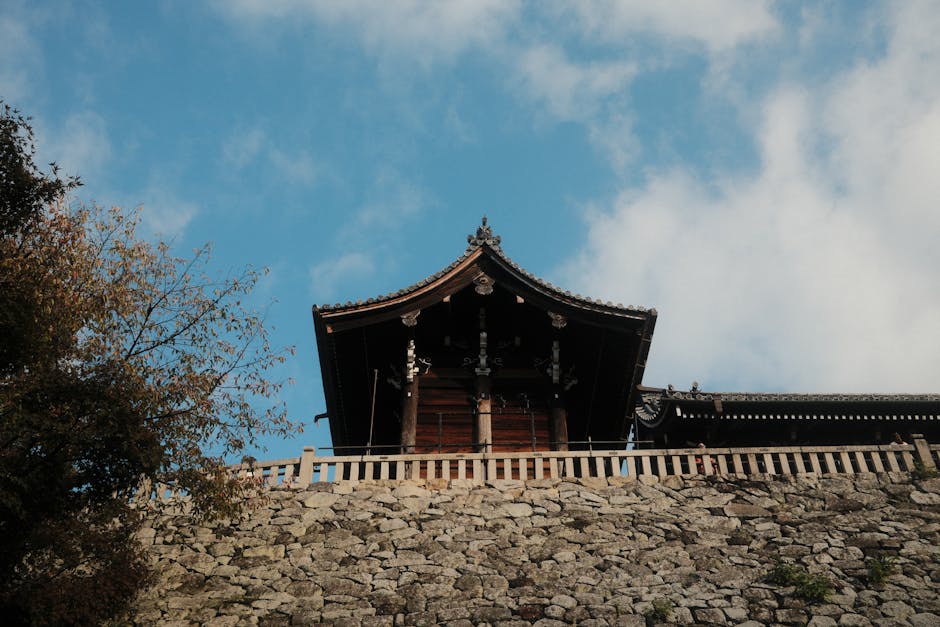
Discover the soul of old Kyoto on this self-guided walk through preserved stone lanes, iconic pagodas, and the grand wooden stage of Kiyomizu-dera.
 Challenging
Kyoto, Japan
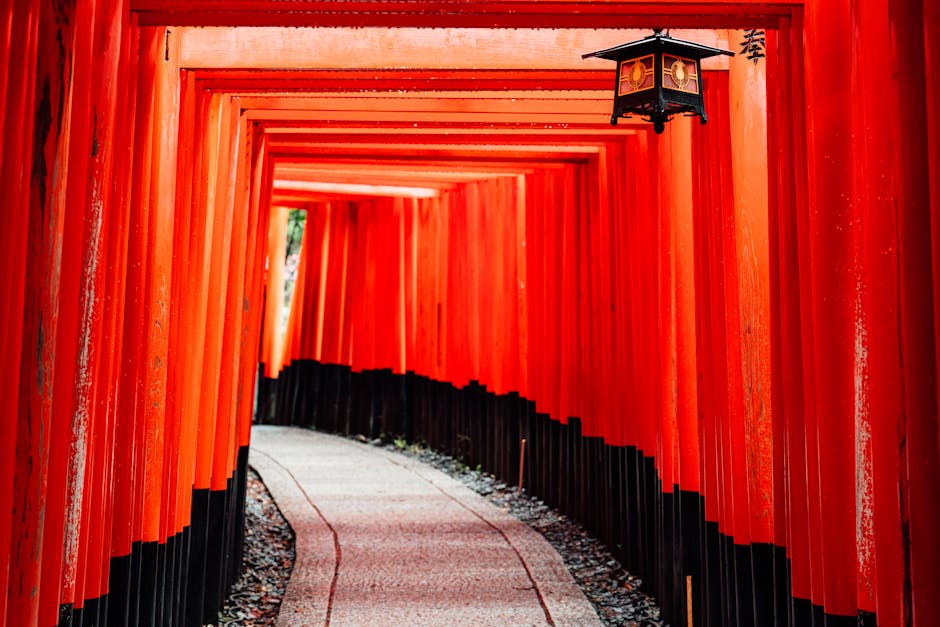
Ascend the sacred Mount Inari through thousands of vermillion torii gates on this challenging and spiritual self-guided walk in Kyoto.
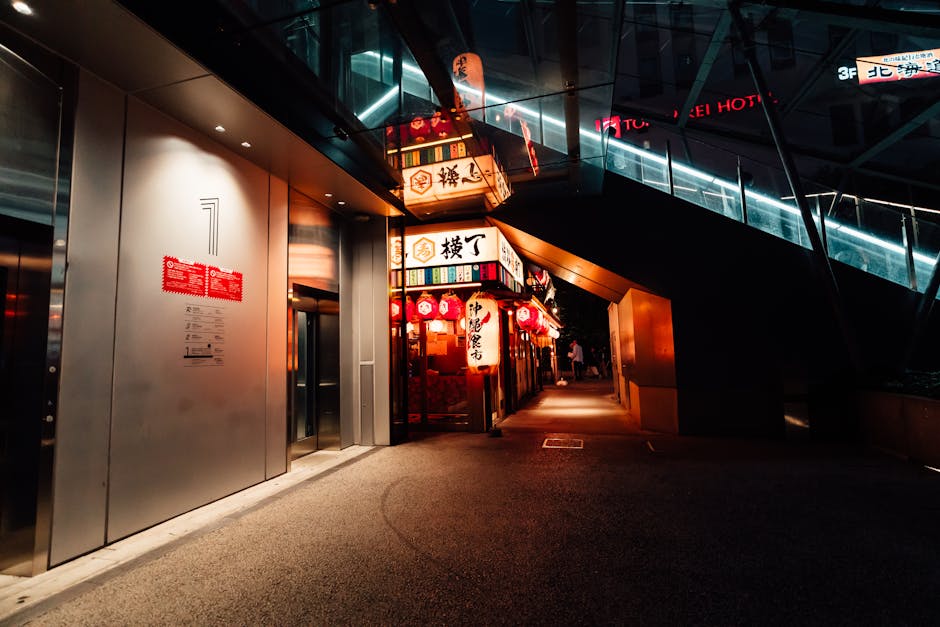 Easy
EasyKyoto, Japan
Explore Kyoto's most atmospheric alleyway. Discover geiko history, riverside dining, and hidden nightlife on this self-guided evening stroll.
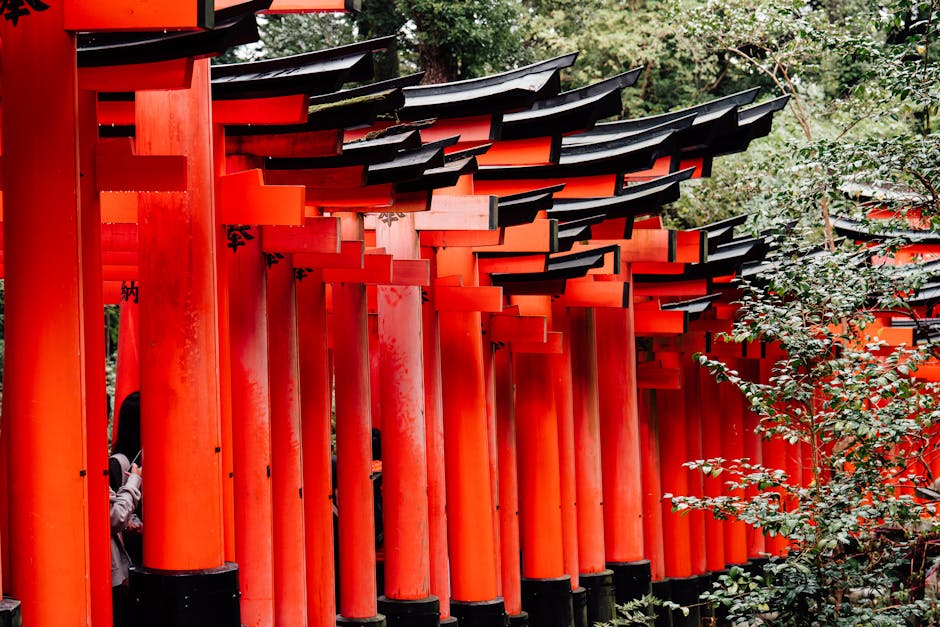 Moderate
Kyoto, Japan
Experience a serene self-guided walk along Kyoto's iconic Philosopher's Path, visiting Zen temples, hidden shrines, and the stunning Silver Pavilion.
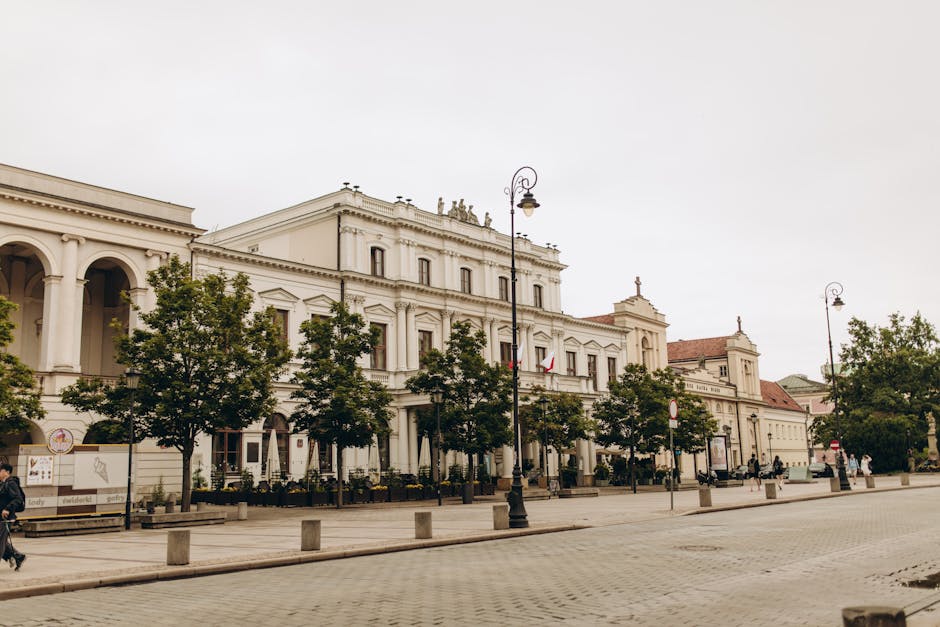 Easy
EasyWarsaw, Poland
Explore the 'Polish Versailles' at your own pace. Discover Baroque architecture, royal history, and stunning gardens on this self-guided walk.
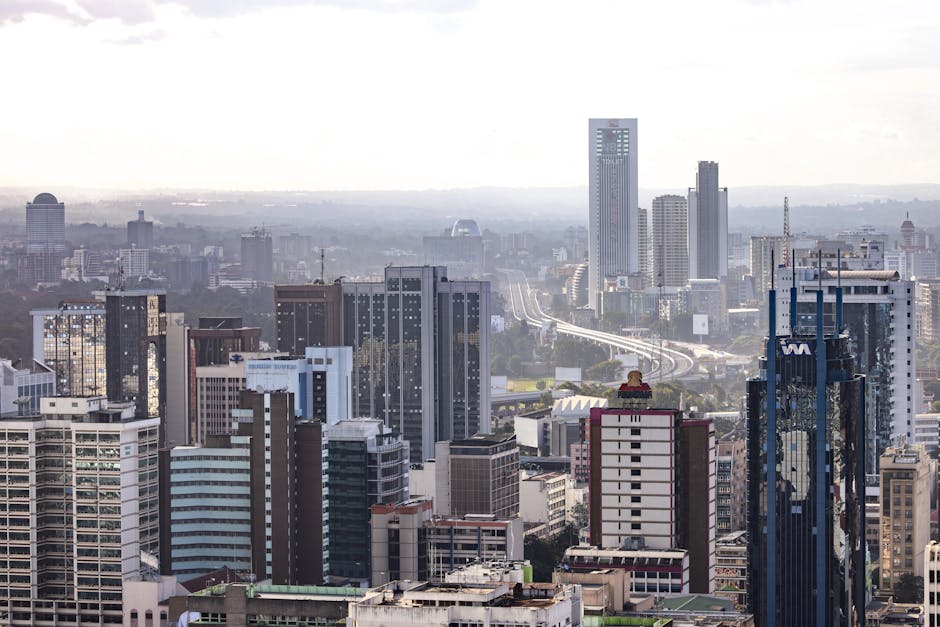 Easy
EasyNairobi, Kenya
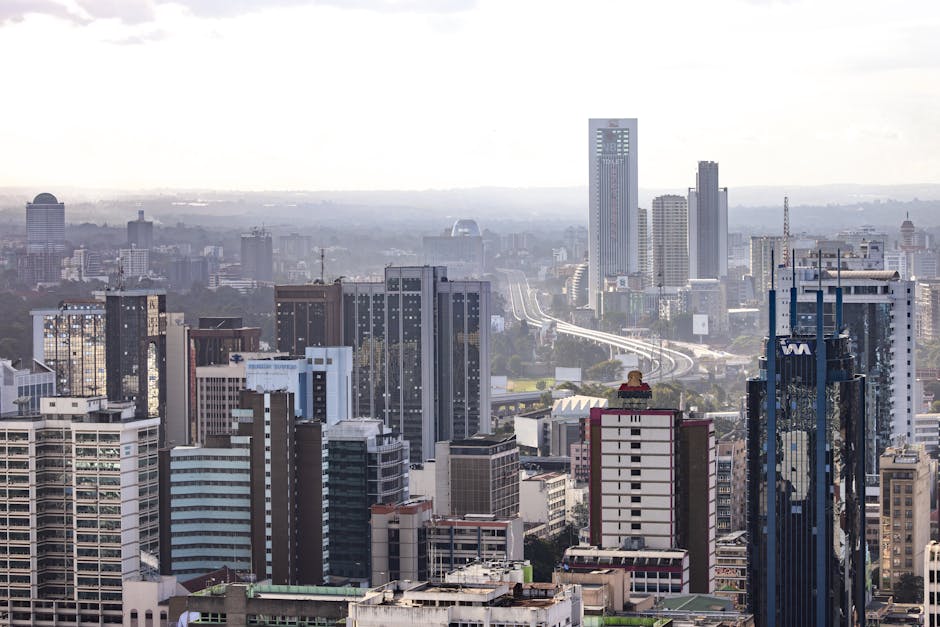
Explore Nairobi's architectural evolution from colonial-era landmarks to iconic Brutalist skyscrapers on this historic self-guided walking route.
 Easy
EasyNairobi, Kenya
Discover Nairobi's iconic skyline on this self-guided architecture walk through the CBD’s most famous modernist and Brutalist landmarks.
 Easy
EasySalzburg, Austria
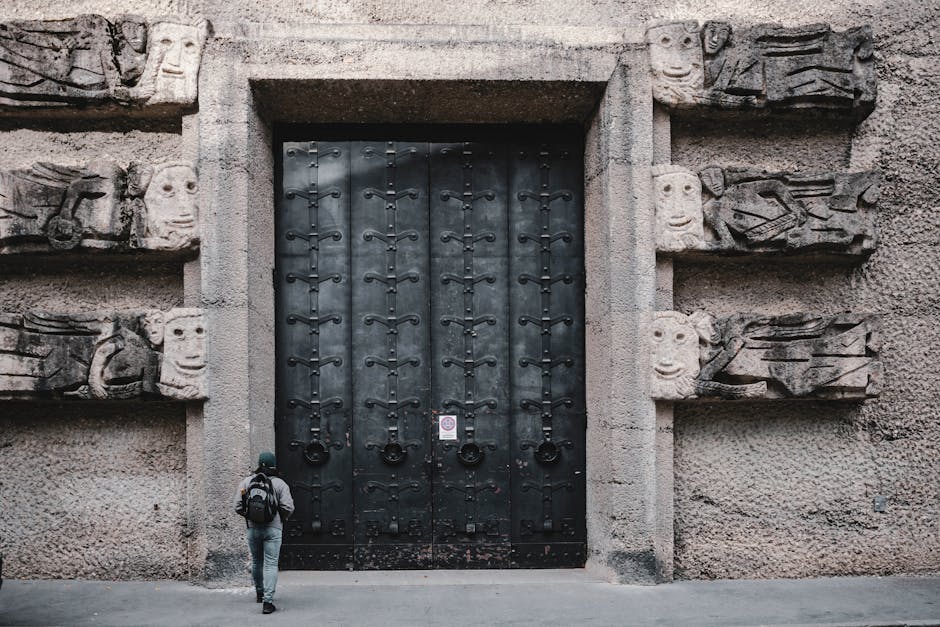
Discover the 'Rome of the North' on this self-guided walk through the Baroque squares and monumental legacy of Salzburg’s Prince-Archbishops.
 Moderate
Tokyo, Japan
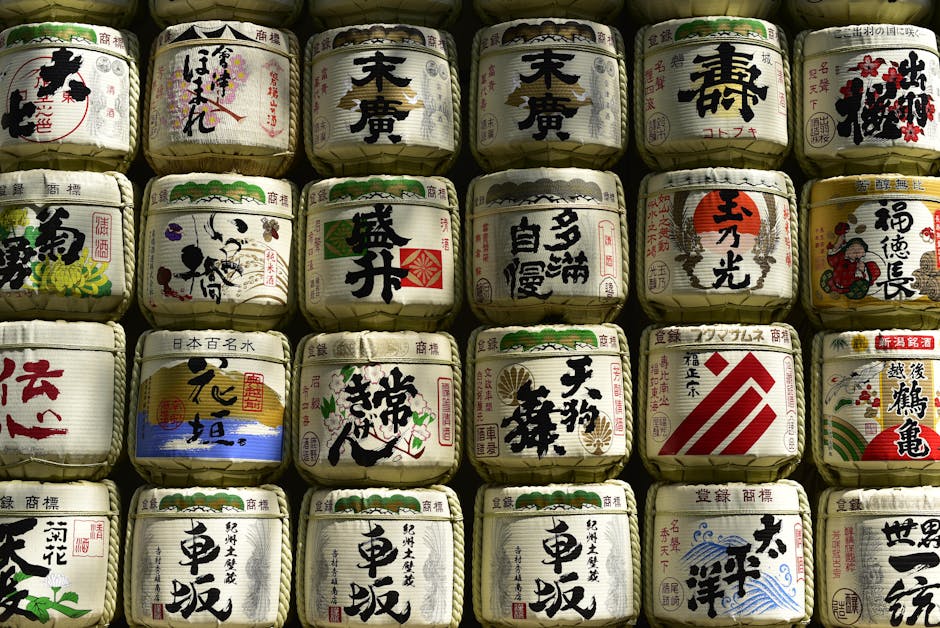
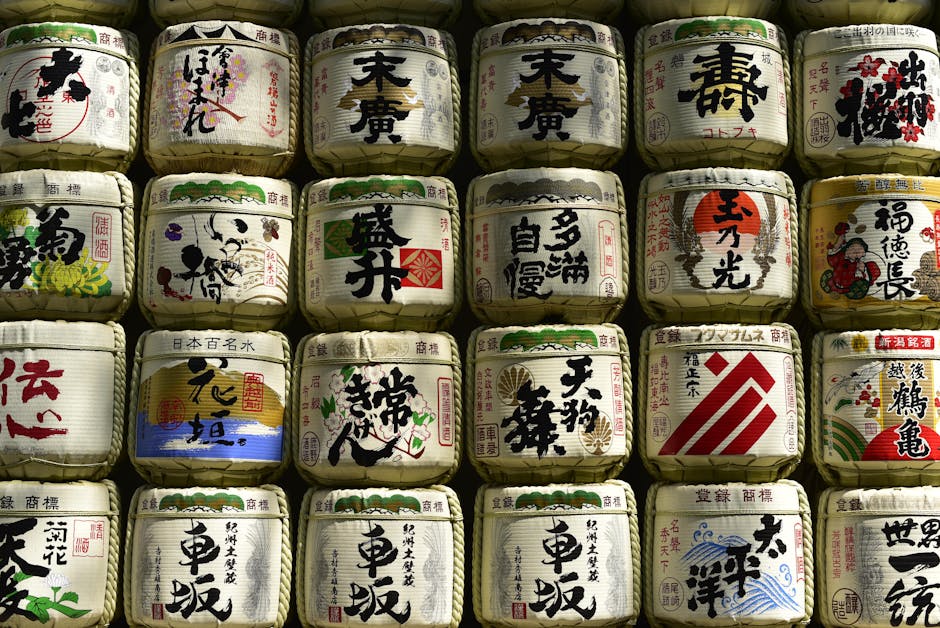
Discover Tokyo's premier creative district on this self-guided walk through Roppongi’s world-class museums and striking modern architecture.
 Easy
EasyTokyo, Japan
Discover the 'Old Tokyo' charm of Yanaka on this self-guided walk through historic temples, artisan alleys, and a stunning torii gate shrine.
 Easy
EasyTokyo, Japan
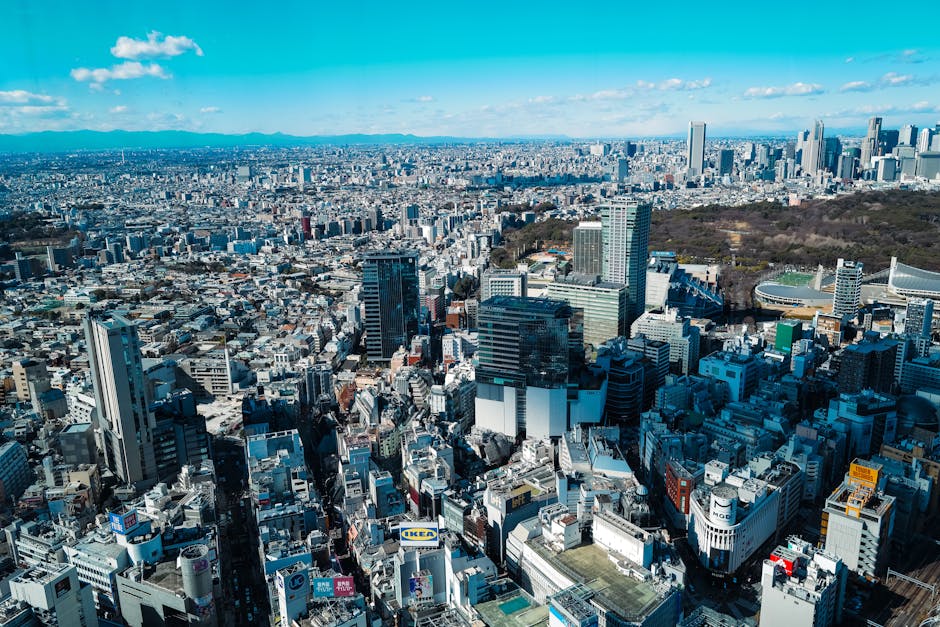
Experience Shibuya's electric energy on this self-guided walk from the iconic Scramble Crossing to the panoramic views of Shibuya Sky.
 Easy
EasyTokyo, Japan
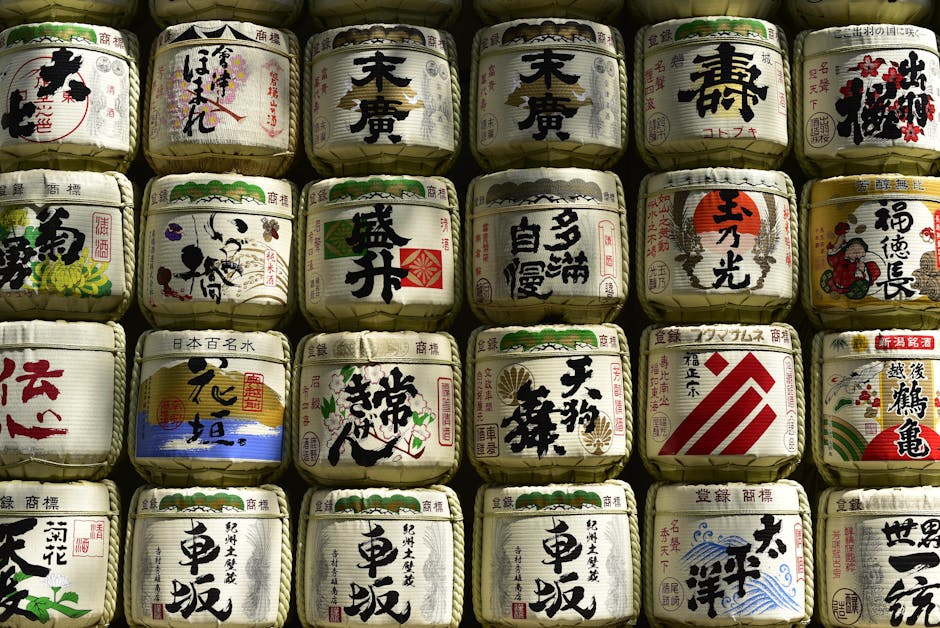
Explore Tokyo's indie heart. From vintage fashion in Shimokitazawa to world-class art in Shinjuku, discover the city's creative soul independently.