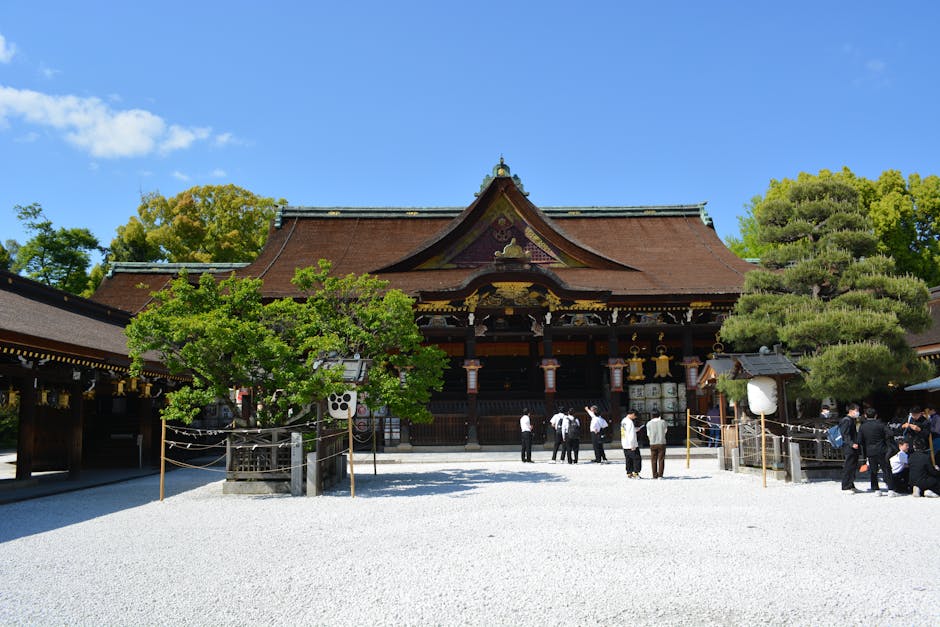
Self-guided audio tour in Kyoto
Start Free on iPhone
Start free on iPhone to unlock this self-guided walking tour in Kyoto. Hear all the stories that make it amazing, walk at your own pace, and begin whenever you want.
Your Private Tour Guide
Step into a world where ancient traditions and modern elegance coexist. This self-guided walk through Kyoto's Nakagyo district and beyond invites you to explore Teramachi Street, a historical corridor once lined with temples that has evolved into a sanctuary for artisans, antique collectors, and tea enthusiasts. As you begin your self-guided adventure, you will discover the meticulous craft of Japanese stationery, the aromatic depth of centuries-old tea houses, and the architectural beauty of traditional Kyomachi-ya townhouses. This route is designed for those who appreciate the finer details of Kyoto’s heritage, offering a blend of shopping, history, and serene landscapes. The walking route begins in the heart of the city, leading you past iconic landmarks like the Honno-ji Temple, infamous for its role in the unification of Japan, and the striking 1928 Building, a testament to Showa-era modernism. As you venture further, the path transitions from the bustling artisan shops to the atmospheric stone-paved streets of Ninenzaka and Sannenzaka, where the spirit of old Kyoto remains remarkably preserved. You will eventually reach the grand gates of the Imperial Palace and the fortified walls of Nijō Castle, providing a comprehensive look at the city's royal and shogunal past. Whether you are hunting for a unique woodblock print, seeking the perfect matcha, or simply looking to soak in the aesthetic of the 'Temple Street,' this neighborhood stroll offers a flexible way to experience the city. Unlike a standard guided tour Kyoto often provides, this audio walk allows you to linger in a gallery or spend extra time reflecting at a temple garden without a set schedule. Explore independently and uncover the layers of history that make Teramachi and its surroundings the cultural heart of Kyoto.
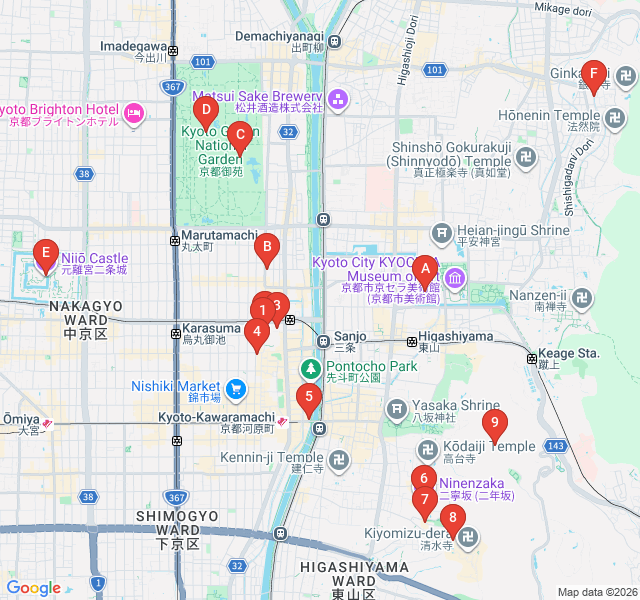
Numbers indicate the order of stops on the tour.
Welcome to Kyukyu-do, a cornerstone of Kyoto’s artisanal culture since 1663. Originally established as a pharmacy, this shop eventually specialized in the 'four treasures of the study': brushes, ink sticks, paper, and ink stones. As you stand before its elegant facade, consider that this establishment once served the Imperial Household. Inside, the scent of high-quality incense fills the air, a craft the shop has perfected over centuries. Kyukyu-do is more than a store; it is a guardian of Japanese aesthetic traditions, offering everything from delicate washi paper to handcrafted greeting cards that reflect the changing seasons.
As you walk along Teramachi, notice the narrow, deep buildings known as Kyomachi-ya. These traditional wooden townhouses are often called 'unagi no nedoko' or 'eel's bedrooms' because of their long, thin layout. This design was historically a clever way to minimize property taxes, which were once based on the width of the street frontage. These structures typically feature a shop at the front and living quarters in the back, separated by small inner courtyards that provide light and ventilation. They represent the architectural soul of Kyoto’s merchant class and are a vital part of the city's historic landscape.
Honno-ji Temple holds a somber place in Japanese history. It was here in 1582 that the powerful warlord Oda Nobunaga was betrayed by his general, Akechi Mitsuhide, leading to Nobunaga's ritual suicide amidst the burning temple. While the original structure was destroyed, the temple has been rebuilt several times, moving to this location on Teramachi Street in the late 16th century. Today, it offers a quiet space for reflection amidst the surrounding commerce. Look for the memorial dedicated to Nobunaga and notice the intricate carvings on the main hall, which stand as a testament to the temple's enduring spirit.
In a city famous for ancient wood, the 1928 Building stands out with its bold Art Deco concrete design. Originally the Kyoto branch of the Osaka Mainichi Shimbun newspaper, it was designed by architect Goichi Takeda, often called the father of modern architecture in western Japan. Notice the unique star-shaped windows and the balconies that overlook the street. Today, it has been repurposed as a creative hub, housing a gallery, a cafe, and a theater. It serves as a perfect example of how Kyoto preserves its diverse history by finding new lives for its architectural landmarks.
A short stroll brings you to Pontocho, one of Kyoto's most atmospheric alleys. This narrow pedestrian street runs parallel to the Kamo River and is famous for its traditional tea houses and exclusive restaurants. While it is most vibrant at night when the lanterns are lit, a daytime stroll allows you to appreciate the intricate woodwork and the 'chigidashi'—the small charms hung over doorways to ward off evil. Pontocho is also one of the five geisha districts in Kyoto; if you are lucky, you might catch a glimpse of a geiko or maiko hurrying to an afternoon appointment.
Ninenzaka, or the 'Slope of Two Years,' is one of the most photographed streets in Japan. This stone-paved pedestrian path is lined with beautifully restored traditional buildings that now house boutiques and teahouses. Legend has it that if you fall on these steps, you will have two years of bad luck—so watch your step! Despite the crowds, the street retains an undeniable magic, offering a glimpse into what Kyoto looked like during the Edo period. It is a perfect place to find local crafts or enjoy a traditional snack while soaking in the historic atmosphere.
Continuing upward, you reach Sannenzaka, the 'Slope of Three Years.' Similar to its neighbor, the legend here warns of three years of misfortune for those who stumble. This area was designated as a 'Preservation District for Groups of Historic Buildings,' ensuring that the classic aesthetic remains untouched by modern high-rises. The steepness of the hill provides wonderful views back over the tiled roofs of the city. Look out for shops selling Kiyomizu-yaki pottery, a local specialty known for its vibrant colors and intricate designs that have been produced in this neighborhood for centuries.
Standing before you is the Nio-mon, the grand 'Deity Gate' that serves as the entrance to the Kiyomizu-dera temple complex. This bright vermillion gate is guarded by two fierce-looking Nio statues, traditional protectors of Buddhist temples. The gate is a reconstruction from the early 16th century and is designated as an Important Cultural Property. Its elevated position offers a commanding view of the streets you just climbed. From here, the sound of temple bells and the sight of visitors in traditional kimonos create an immersive experience of Kyoto’s religious heritage.
For a change of pace, we look toward Shōgunzuka, located on a hill overlooking the city. History says that when Emperor Kanmu moved the capital to Kyoto in 794, he buried a clay statue of a shogun here to protect the city. Today, it is home to a magnificent glass stage and an observation deck that offers breathtaking panoramic views of the Kyoto basin. It provides a literal and figurative overview of the city's layout, showing how the grid system—inspired by ancient Chinese capitals—has persisted for over a millennium.
Miyako Messe is the Kyoto International Exhibition Hall, but for the craft lover, its true treasure lies in the basement: the Kyoto Museum of Crafts and Design. This space showcases dozens of traditional Kyoto industries, from silk weaving and lacquerware to umbrella making and doll crafting. It is a fantastic place to see the level of detail required for these 'Kyoto-style' products. The museum often hosts live demonstrations where you can watch master artisans at work, providing a deeper appreciation for the items you’ve seen in the shops along Teramachi.
No visit to Teramachi is complete without stopping at Ippodo Tea Co. Founded in 1717, this is one of Japan’s most prestigious tea purveyors. The name 'Ippodo' means 'preserve one,' a title given by a member of the imperial family to signify the shop’s commitment to providing the highest quality tea. The main store maintains an old-world charm with its dark wooden counters and rows of tea canisters. You can buy tea to take home or visit the tea room to learn the proper way to whisk matcha or brew gyokuro, experiencing the 'way of tea' in its most authentic form.
Adjacent to the main palace grounds lies the Sento Imperial Palace. While the buildings themselves were largely destroyed by fire in the 19th century, the gardens remain among the most beautiful in Japan. Designed by the legendary artist Kobori Enshu, the garden features two large ponds connected by a stream and a famous 'pebble beach' made of thousands of uniformly shaped oval stones. This was a place of retirement for emperors, designed to provide a serene and poetic landscape that changes beautifully with each passing season.
The Kyoto Imperial Palace was the residence of Japan’s Imperial Family until 1868, when the capital was moved to Tokyo. The current structures date from 1855, but they recreate the classic architectural style of the Heian period. The vast gravel grounds and the massive walls signify the power and isolation of the throne. As you walk the perimeter, you can see the Shishinden, the great hall used for enthronement ceremonies. The sense of scale here is a stark contrast to the narrow artisan streets, reminding us of Kyoto's status as the imperial heart of Japan for over a thousand years.
Nijō Castle offers a fascinating contrast to the Imperial Palace. Built in 1603 as the Kyoto residence of the Tokugawa Shoguns, its opulence was a deliberate display of the Shogun's power over the Emperor. The castle is famous for its 'nightingale floors'—floorboards designed to chirp like birds when walked upon, acting as a primitive alarm system against assassins. The Ninomaru Palace inside features stunning wall paintings by the Kano school and intricate wood carvings. It was here that the last Shogun formally returned political power to the Emperor, marking the end of the feudal era.
We conclude our walking route at the Philosopher's Path. This stone path follows a canal lined with hundreds of cherry trees. It earned its name because Nishida Kitaro, one of Japan's most famous philosophers, used to walk this route daily for meditation. The path connects several small temples and shrines, offering a tranquil escape from the city center. It is the perfect place to reflect on the craftsmanship, history, and beauty you have encountered today. As the water flows beside you, enjoy the quiet rhythm of Kyoto life that has inspired thinkers and artists for generations.
Start Free on iPhone
Explore “Artisans and Antiques of Teramachi Street” with your very own Private Tour Guide with Zigway. Start free on iPhone, skip the large group and the fixed routes, and hear the city come alive as you go.
Your Private Tour Guide
Don't miss the good stuff
Explore Freely
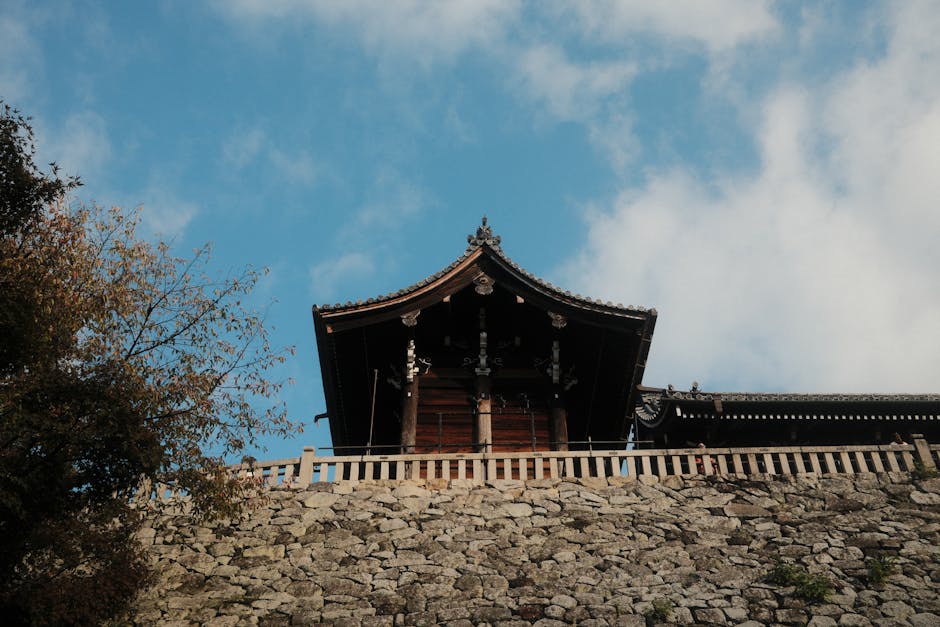 Moderate
Kyoto, Japan
Discover the soul of old Kyoto on this self-guided walk through preserved stone lanes, iconic pagodas, and the grand wooden stage of Kiyomizu-dera.
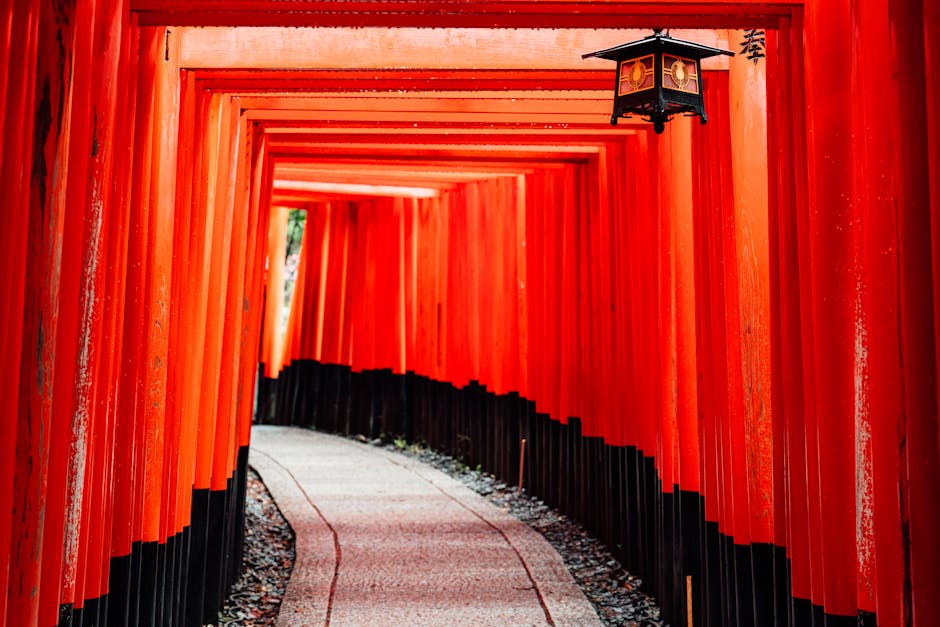 Challenging
Kyoto, Japan
Ascend the sacred Mount Inari through thousands of vermillion torii gates on this challenging and spiritual self-guided walk in Kyoto.
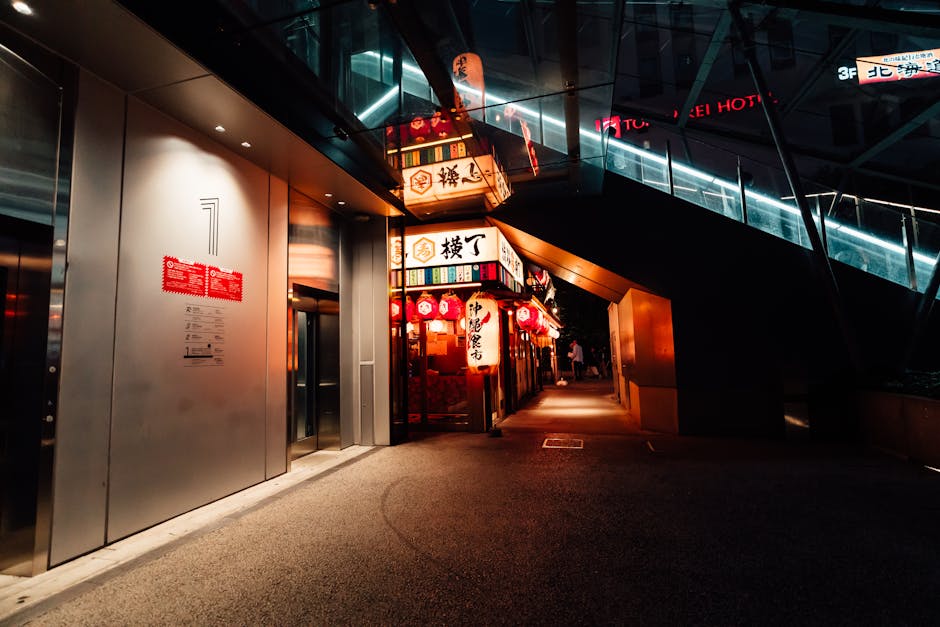 Easy
EasyKyoto, Japan
Explore Kyoto's most atmospheric alleyway. Discover geiko history, riverside dining, and hidden nightlife on this self-guided evening stroll.
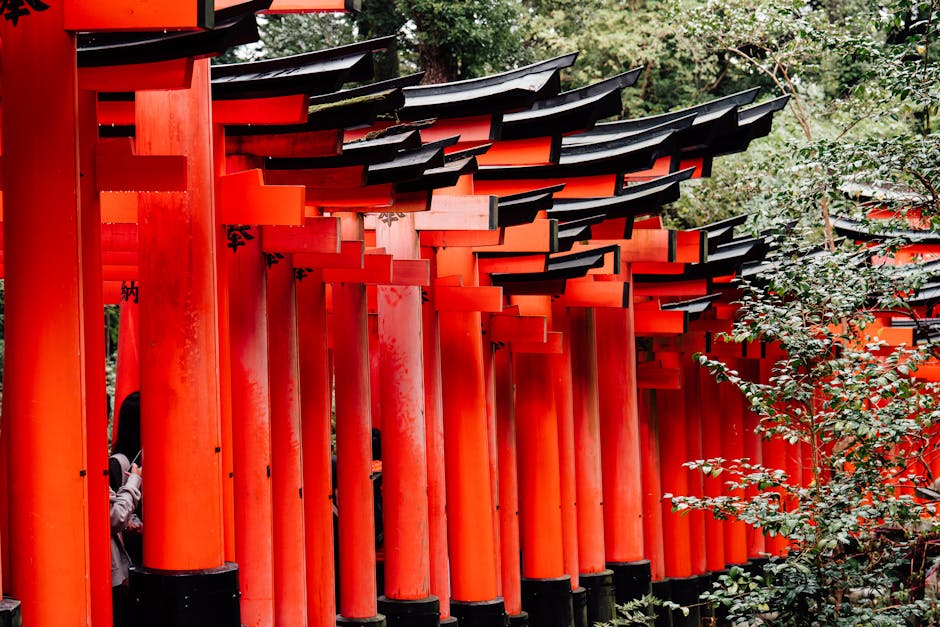 Moderate
Kyoto, Japan
Experience a serene self-guided walk along Kyoto's iconic Philosopher's Path, visiting Zen temples, hidden shrines, and the stunning Silver Pavilion.
 Easy
EasySalzburg, Austria
Discover the 'Rome of the North' on this self-guided walk through the Baroque squares and monumental legacy of Salzburg’s Prince-Archbishops.
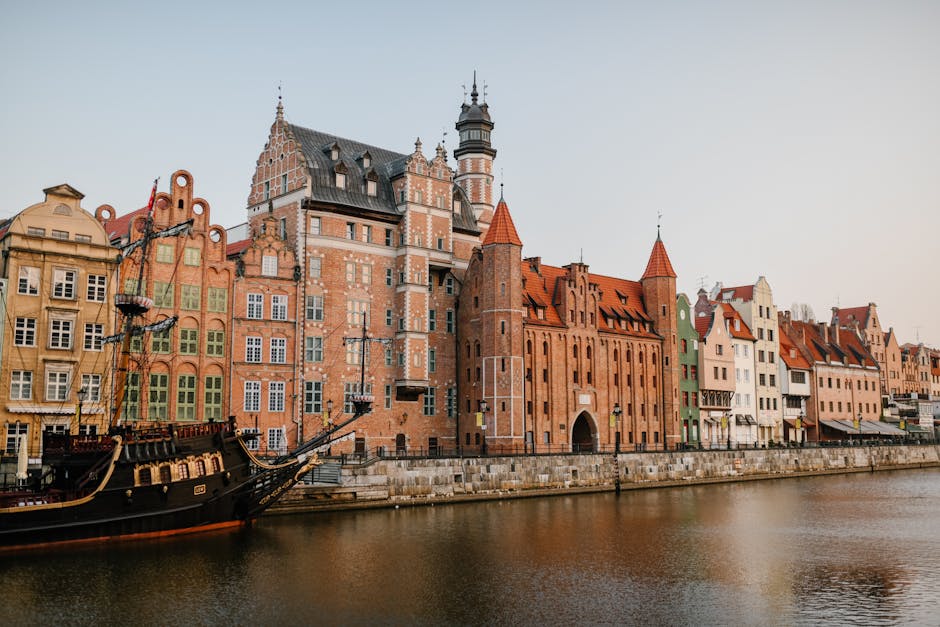 Easy
EasyGdansk, Poland
Discover the 'Baltic Gold' on this self-guided walk through Gdansk's historic mills, massive cathedrals, and the magical Mariacka Street.
 Easy
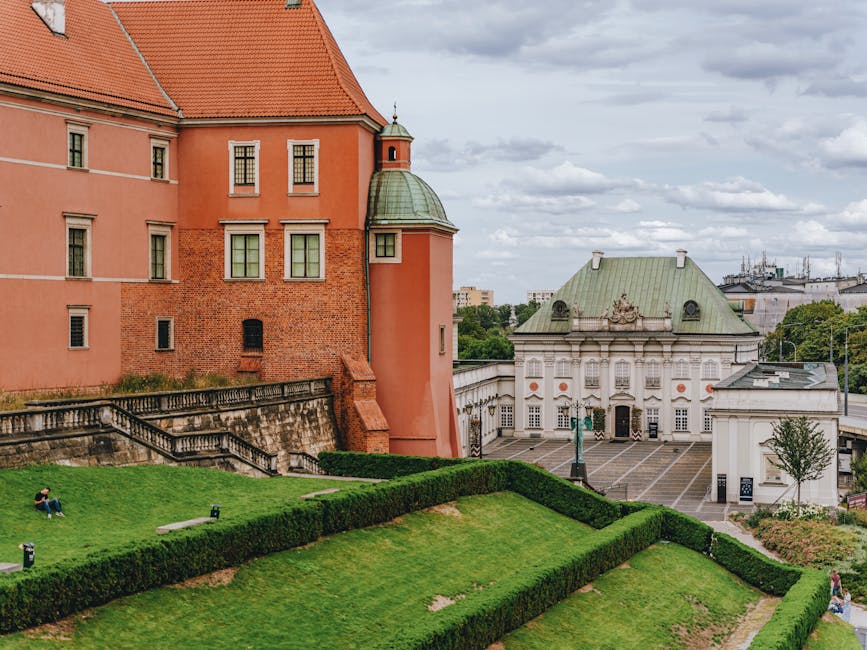
EasyWarsaw, Poland
Explore the miracle of Warsaw's reconstructed Old Town on this self-guided walk through royal squares, medieval walls, and heroic monuments.
 Easy
EasyGothenburg, Sweden
Discover Gothenburg’s 17th-century Dutch foundations, historic canals, and military fortifications on this self-guided architectural walk.
 Moderate
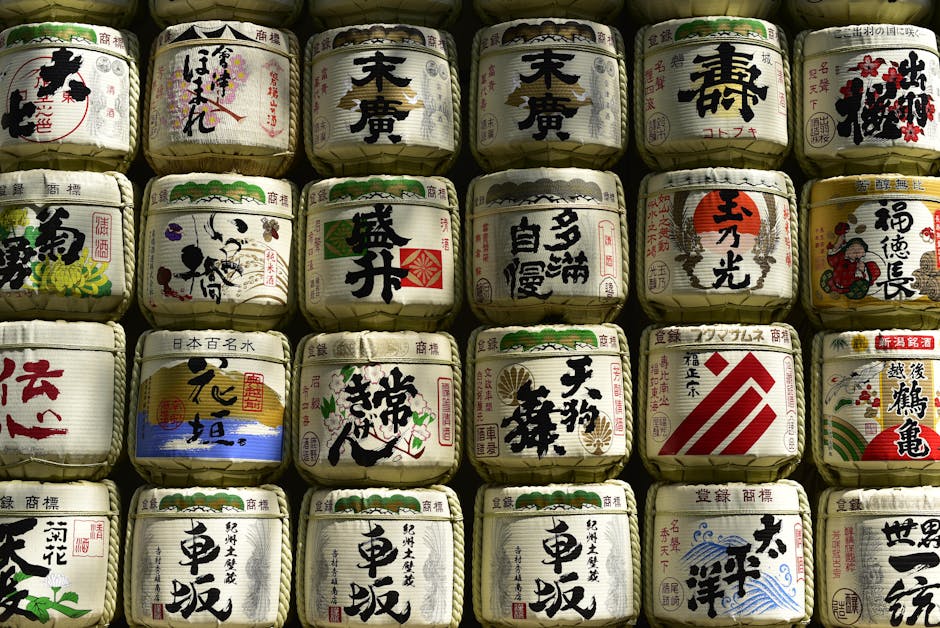
Tokyo, Japan
Discover Tokyo's premier creative district on this self-guided walk through Roppongi’s world-class museums and striking modern architecture.
 Easy
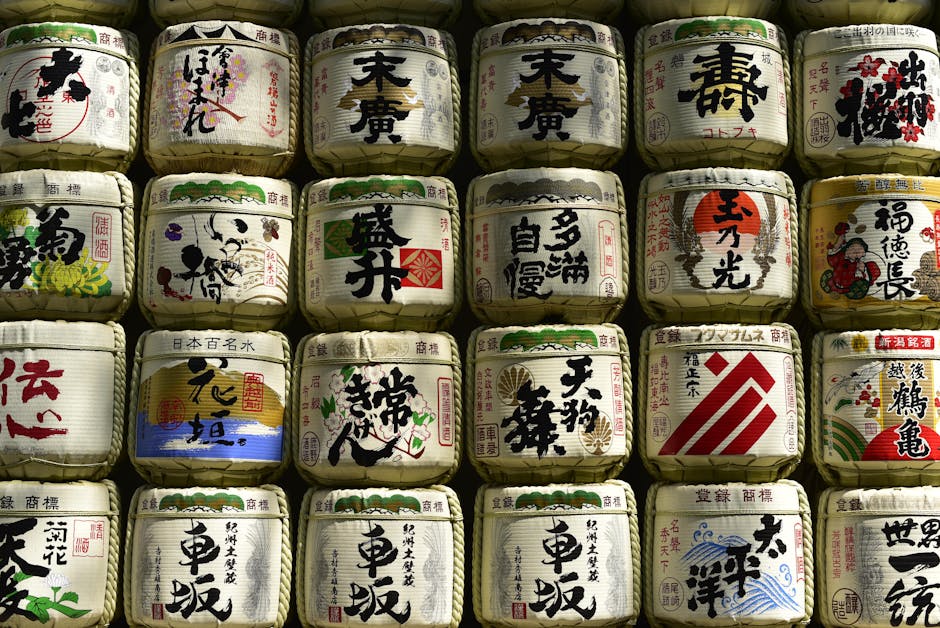
EasyTokyo, Japan
Discover the 'Old Tokyo' charm of Yanaka on this self-guided walk through historic temples, artisan alleys, and a stunning torii gate shrine.
 Easy
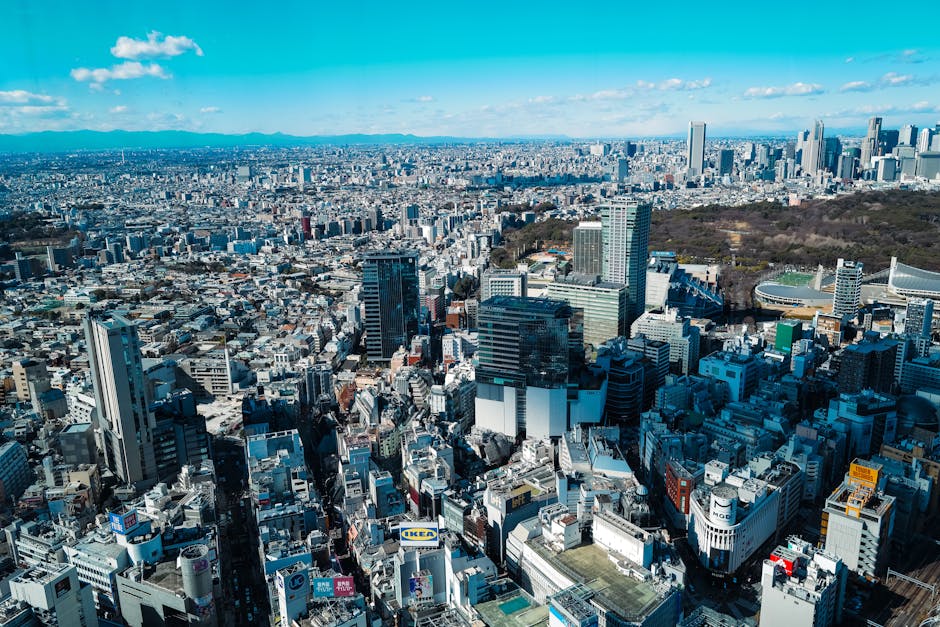
EasyTokyo, Japan
Experience Shibuya's electric energy on this self-guided walk from the iconic Scramble Crossing to the panoramic views of Shibuya Sky.
 Easy
EasyTokyo, Japan
Explore Tokyo's indie heart. From vintage fashion in Shimokitazawa to world-class art in Shinjuku, discover the city's creative soul independently.