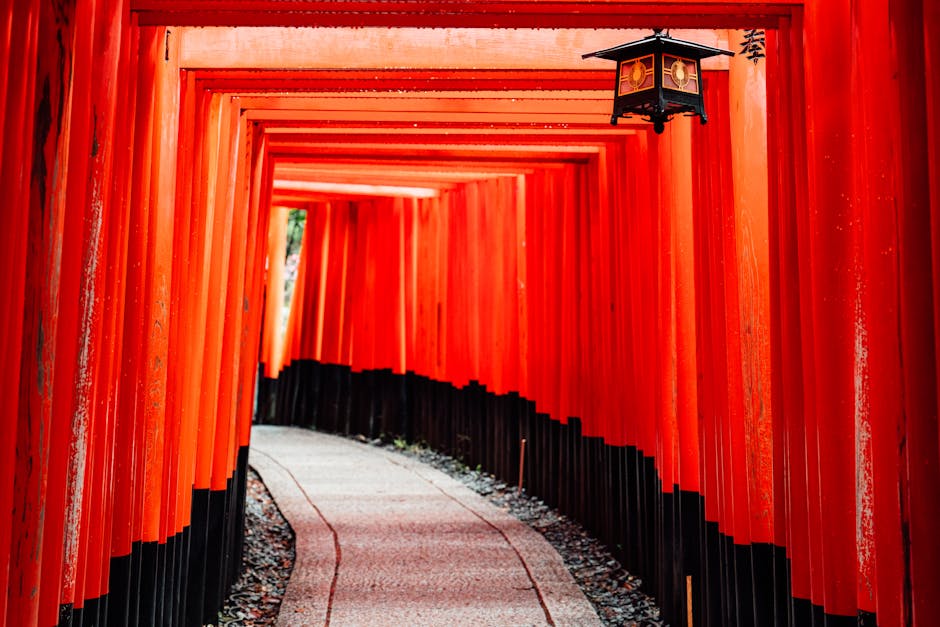
Self-guided audio tour in Kyoto
Start Free on iPhone
Start free on iPhone to unlock this self-guided walking tour in Kyoto. Hear all the stories that make it amazing, walk at your own pace, and begin whenever you want.
Your Private Tour Guide
Embark on a profound journey through the spiritual and intellectual heart of Kyoto with this self-guided walk. Your adventure begins in the southern Higashiyama district at Tofuku-ji, one of the city's most influential Zen temples. This route is designed for those who appreciate the delicate balance between man-made architecture and the natural world, taking you from the soaring covered bridges of ancient temples to the contemplative paths of modern universities. Unlike a standard walking tour Kyoto experience, this independent journey allows you to linger under the maple canopies or meditate in front of avant-garde rock gardens without the pressure of a group schedule. You will explore the evolution of Kyoto's landscape, moving from the 13th-century grandeur of the Sanmon Gate to the bustling historic slopes of Sannenzaka and Ninenzaka. As you head north, the route shifts from religious devotion to academic pursuit. You'll stroll along the Philosopher's Path, where Japan's greatest thinkers once meditated, and visit the prestigious campuses of Kyoto University and Doshisha. The journey culminates with a look at Kyoto's political history at the Imperial Palace and Nijo Castle, before ending in the scholarly atmosphere of Ritsumeikan University. This walking route highlights the city's unique ability to preserve its ancient soul while fostering a vibrant, modern intellectual culture. Whether you are capturing the perfect photograph of the 'Bridge to Heaven' or discovering a hidden moss garden in a quiet sub-temple, this self-guided adventure offers a deep dive into the 'Zen' that defines Kyoto. It is a perfect choice for those seeking a comprehensive walking tour Kyoto experience that spans both the iconic landmarks and the quiet, local favorites. Discover the city's architectural treasures and natural beauty at your own pace, soaking in the atmosphere of a city where every stone and tree has a story to tell.
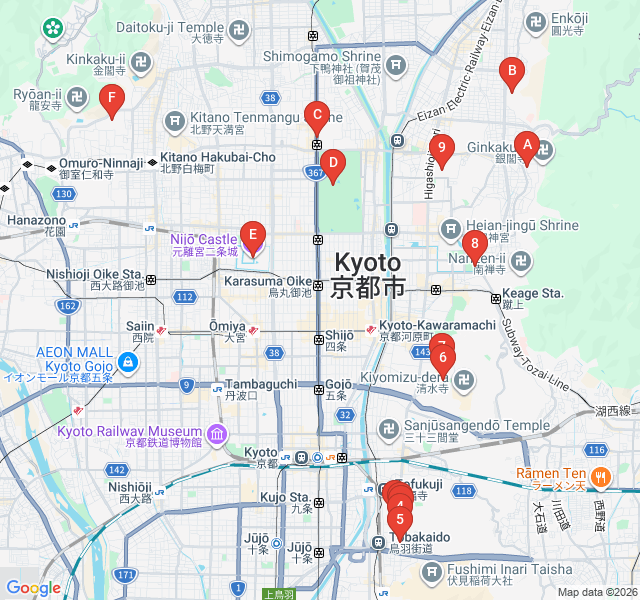
Numbers indicate the order of stops on the tour.
Welcome to the 'Bridge to Heaven.' Built in 1380, this covered walkway connects the main temple buildings of Tofuku-ji to the Kaisando hall. It spans the Sengyokukan valley, which is famous for its lush maples. In autumn, the valley transforms into a sea of red and gold, but its architectural beauty is striking year-round. As you walk across, notice how the wooden structure creates a frame for the nature outside, a classic technique in Japanese design. This bridge was once restricted to monks, but today it serves as one of the most photographed spots in Kyoto, representing the bridge between the mundane world and spiritual enlightenment.
The Hojo Garden at Tofuku-ji is a masterpiece of 20th-century Zen design. Created by the renowned landscape architect Mirei Shigemori in 1939, it broke traditional rules by incorporating modern, abstract elements. Look for the 'Big Dipper' constellation represented by stone pillars and the iconic checkerboard pattern of moss and square stones in the northern garden. This space isn't just about beauty; it's a tool for meditation. Shigemori used recycled materials from the temple's older structures to honor the past while looking toward the future, making it one of the most unique Zen gardens you will encounter on any walking route in the city.
Often overshadowed by its neighbor, the Gaun-kyo Bridge offers a spectacular view of the Tsutenkyo Bridge you just visited. Its name translates to 'Bridge of Reaching the Clouds.' This is a public bridge, meaning it is accessible without a temple ticket, providing a wonderful vantage point for the Sengyokukan valley. The bridge itself is a simple wooden structure that harmonizes perfectly with the surrounding woods. It’s a favorite spot for locals to stop and appreciate the changing seasons. Take a moment here to enjoy the sound of the stream below and the rustle of the maple leaves, which are particularly vibrant during the late November peak.
Standing before you is the oldest Zen Sanmon gate in Japan, dating back to 1425. This massive two-story structure is a National Treasure. In Zen Buddhism, the 'Sanmon' represents the three gates of liberation: emptiness, formlessness, and desirelessness. If you look up, you can see the intricate bracket work that supports the heavy tile roof, a feat of medieval engineering. Inside the upper story are colorful Buddhist statues and ceiling paintings of dragons, though these are only occasionally open to the public. The gate's sheer scale is meant to humble visitors as they enter the sacred temple grounds, marking the boundary between the everyday world and the path to Zen.
Tucked away near the main Tofuku-ji complex is Komyo-in, often called the 'Rainbow Garden.' This sub-temple is a hidden gem that offers a more intimate Zen experience. The garden was also designed by Mirei Shigemori and features three distinct rock arrangements that represent the light of the Buddha. The way the rocks are positioned creates a sense of movement, as if light is radiating across the moss and sand. It is a peaceful place to sit on the tatami mats and reflect. Because it is less frequented than the main Hojo garden, you can often enjoy the meditative silence that Zen temples were originally intended to provide.
As we move into the heart of Higashiyama, we reach Sannenzaka, or the 'Slope of Three Years.' This stone-paved pedestrian street is lined with traditional wooden buildings, tea houses, and shops selling local crafts. Legend has it that if you trip on these stairs, you will have three years of bad luck—though this was likely a story told to encourage pilgrims to walk carefully on the steep incline! The street captures the atmosphere of old Kyoto perfectly. Look for the traditional 'kiyomizu-yaki' pottery and the scent of incense wafting from the shops. It’s a vibrant, bustling contrast to the quiet Zen gardens we left behind.
Just down the hill from Sannenzaka is Ninenzaka, the 'Slope of Two Years.' This street is equally charming and slightly more level. It is famous for its beautifully preserved machiya (traditional townhouses). One of the most unique sights here is a Starbucks housed in a 100-year-old traditional building—it’s the first in the world to feature tatami seating. This area has been designated as a preservation district for groups of historic buildings. As you walk, notice the absence of overhead power lines, which were moved underground to maintain the authentic Edo-period aesthetic. It’s the perfect place to grab a traditional snack like yatsuhashi (cinnamon mochi).
The Kyoto City Zoo, established in 1903, is the second oldest zoo in Japan. While it might seem like a modern diversion, it is part of the Okazaki area's cultural landscape, which was developed during the Meiji Restoration to modernize the city. The zoo has recently undergone renovations to improve animal habitats and visitor facilities. It serves as a green lung for the city and a place where Kyoto families have gathered for generations. From here, you can see the giant red torii gate of Heian Shrine in the distance, illustrating how Kyoto blends its ancient heritage with the community spaces of a living, modern city.
Kyoto University, or 'Kyodai,' is one of Japan’s most prestigious research institutions. Known for its spirit of 'academic freedom,' it has produced more Nobel Prize winners than any other university in Asia. The campus features a mix of modern facilities and historic red-brick buildings. The Clock Tower Centennial Hall is the iconic symbol of the university. As you walk near the campus, you’ll notice a distinct shift in energy—from the tourist-heavy streets of Higashiyama to a neighborhood filled with bookstores, student cafes, and a sense of intellectual vigor. This university is a cornerstone of Kyoto’s identity as a city of culture and learning.
This stone path follows a canal lined with hundreds of cherry trees. It earned its name because Nishida Kitaro, one of Japan's most famous philosophers, used to walk here daily for meditation on his way to Kyoto University. The path is roughly two kilometers long and passes several small temples and shrines, like Honen-in. It is a place designed for slow walking and quiet thought. In spring, the 'tunnel' of cherry blossoms is world-famous, while in summer, the lush greenery provides a cool respite. Even in winter, the path has a stark, contemplative beauty that reflects the Zen principle of finding meaning in simplicity.
Located at the foot of Mount Uryu, the Kyoto University of the Arts represents the creative pulse of the city. The campus architecture is striking, designed to integrate with the natural hillside. Kyoto has long been a center for traditional arts like kimono weaving and pottery, and this university carries that legacy into the modern era through contemporary design, film, and fine arts. The campus often hosts public exhibitions and performances, acting as a bridge between the student body and the local community. It is a reminder that Kyoto is not just a museum of the past, but a place where new culture is constantly being created.
Doshisha University is unique for its collection of Meiji-era Western-style buildings, several of which are designated Important Cultural Properties. Founded in 1875 by Joseph Hardy Neesima, who studied in the United States, the university played a key role in introducing Western education and Christianity to Japan. The red-brick chapel and library stand in stark contrast to the traditional Japanese architecture seen earlier on this route. Located right next to the Imperial Palace, the campus represents the international and progressive side of Kyoto's history, where East and West began to meet and exchange ideas during Japan's rapid modernization in the late 19th century.
For over 1,000 years, the Kyoto Imperial Palace was the residence of Japan’s Imperial Family until the capital moved to Tokyo in 1868. The current buildings date from 1855, but they recreate the elegant, minimalist style of the Heian period. The palace grounds, known as Kyoto Gyoen, are a massive public park surrounded by a historic stone wall. Inside, the Shishinden (Hall for State Ceremonies) is the most important building, where enthronement ceremonies took place. The vast gravel paths and ancient groves of trees offer a sense of the scale and serenity of imperial life. It is a place of profound historical weight, standing at the literal and figurative center of old Kyoto.
Nijō Castle was the Kyoto residence of the Tokugawa Shogunate, the military rulers of Japan. Built in 1603, it was designed to show off the Shogun's power and wealth. The Ninomaru Palace inside is famous for its 'nightingale floors'—floorboards designed to squeak when walked upon to alert guards of potential assassins. The interiors are decorated with lavish gold leaf and paintings by the Kano school. The contrast between the minimalist Imperial Palace and the ornate Nijo Castle tells the story of the power struggle between the Emperor and the Shogun. The surrounding gardens, featuring large stones and manicured pines, are classic examples of power-display landscaping.
Our journey ends at Ritsumeikan University’s Kinugasa Campus. Ritsumeikan is known for its commitment to 'Peace and Democracy,' and it houses the Kyoto Museum for World Peace, the first of its kind at a university. The campus is located in a quiet residential area near the famous Kinkaku-ji (Golden Pavilion). Over the years, Ritsumeikan has evolved into a major international hub for learning. Reflect on your journey from the ancient Zen bridges of Tofuku-ji to this modern center of global education. This route has taken you through the layers of Kyoto—religious, imperial, and academic—showing how each has contributed to the city's enduring legacy of wisdom and beauty.
Start Free on iPhone
Explore “Zen Gardens and Covered Bridges of Tofuku-ji” with your very own Private Tour Guide with Zigway. Start free on iPhone, skip the large group and the fixed routes, and hear the city come alive as you go.
Your Private Tour Guide
Don't miss the good stuff
Explore Freely
 Moderate
Kyoto, Japan
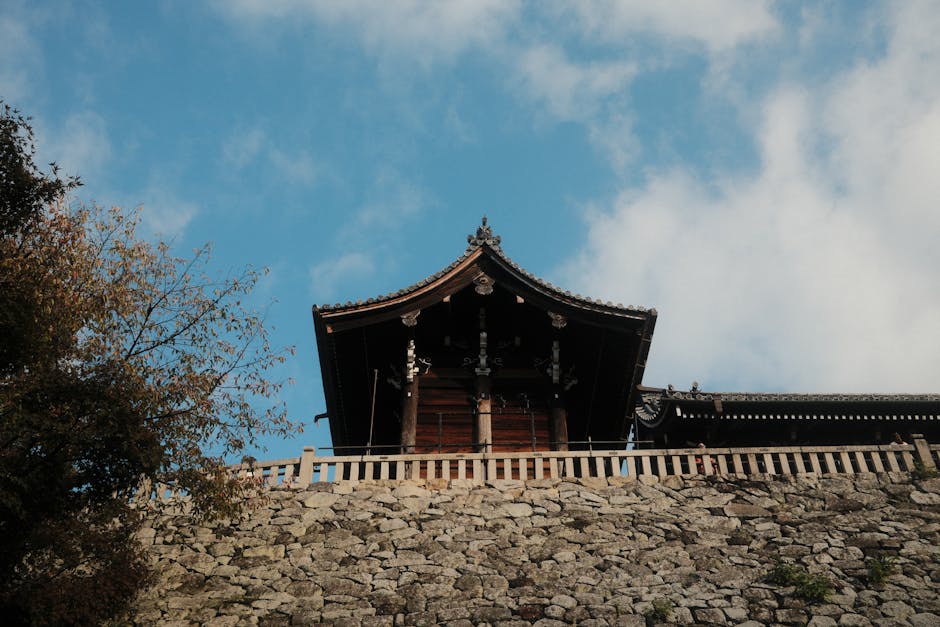
Discover the soul of old Kyoto on this self-guided walk through preserved stone lanes, iconic pagodas, and the grand wooden stage of Kiyomizu-dera.
 Challenging
Kyoto, Japan
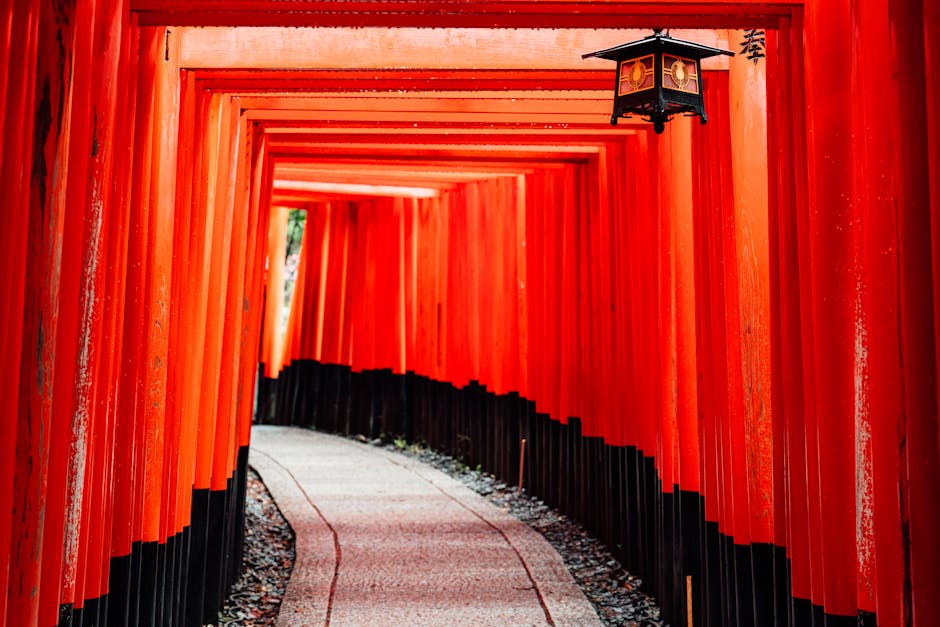
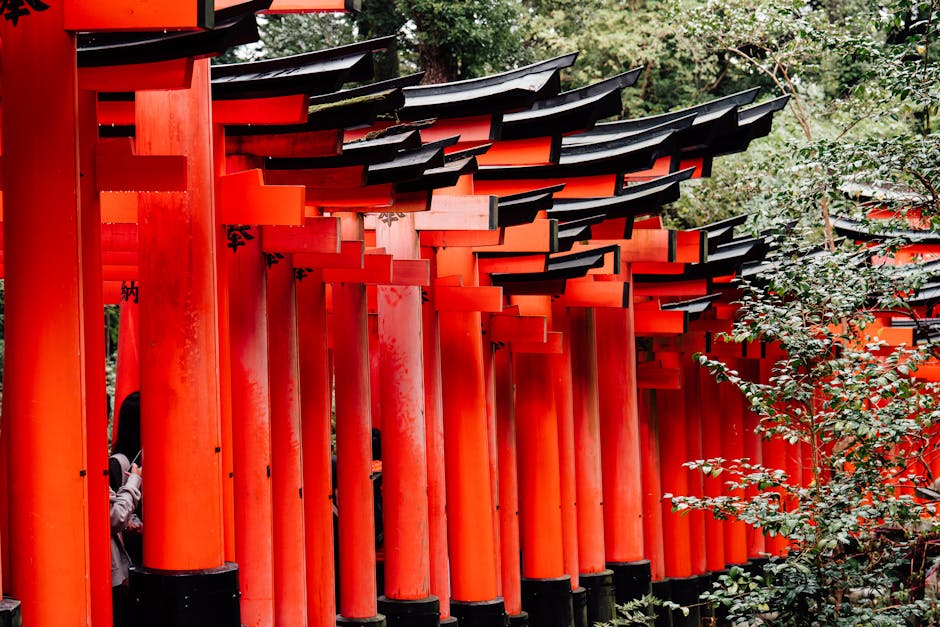
Ascend the sacred Mount Inari through thousands of vermillion torii gates on this challenging and spiritual self-guided walk in Kyoto.
 Easy
EasyKyoto, Japan
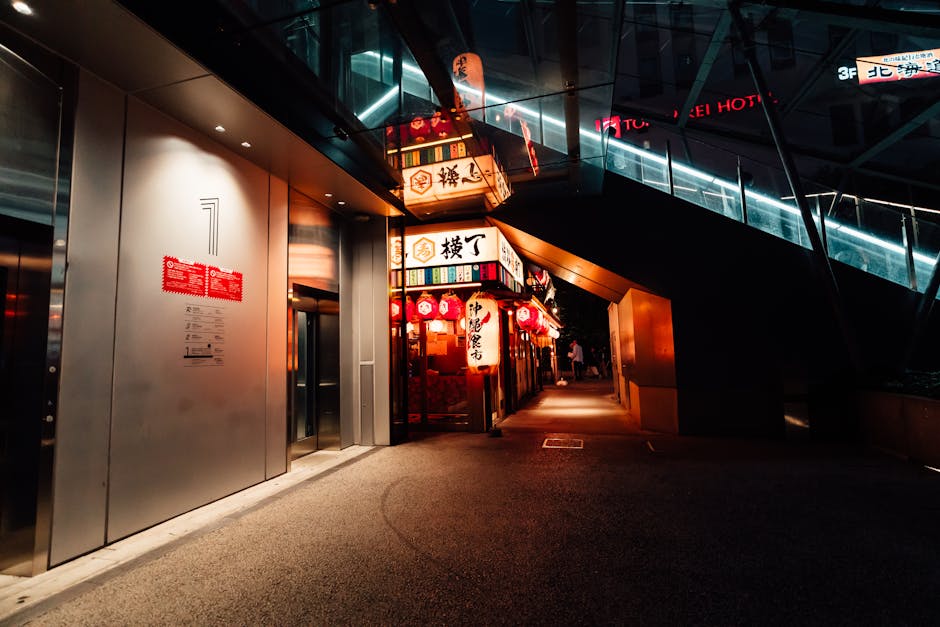
Explore Kyoto's most atmospheric alleyway. Discover geiko history, riverside dining, and hidden nightlife on this self-guided evening stroll.
 Moderate
Kyoto, Japan
Experience a serene self-guided walk along Kyoto's iconic Philosopher's Path, visiting Zen temples, hidden shrines, and the stunning Silver Pavilion.
 Easy
EasyGdansk, Poland
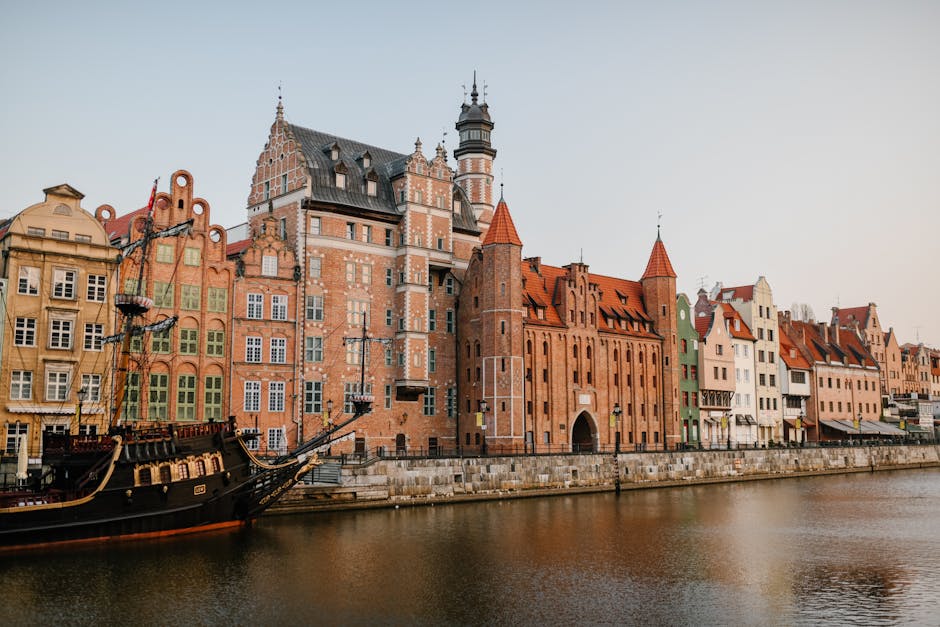
Discover the monastic heritage, world-famous organs, and lush botanical gardens of Oliwa on this peaceful self-guided neighborhood stroll.
 Moderate
Warsaw, Poland
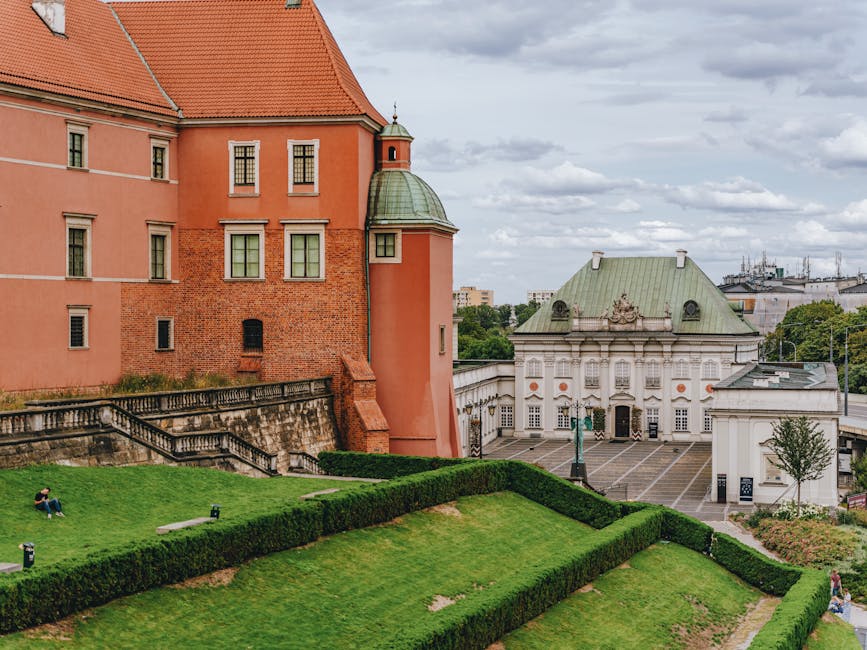
Explore the resilient spirit of Warsaw's Muranów district on this self-guided walk through the history and landmarks of the former Jewish Ghetto.
 Moderate
Vienna, Austria
Follow the footsteps of Mozart and Strauss through Vienna’s historic center on this self-guided walk through the city's rich musical history.
 Easy
EasyKrakow, Poland
Explore the historic heart of Kazimierz on this self-guided walk through synagogues, ancient cemeteries, and vibrant squares.
 Moderate
Tokyo, Japan
Discover Tokyo's premier creative district on this self-guided walk through Roppongi’s world-class museums and striking modern architecture.
 Easy
EasyTokyo, Japan
Discover the 'Old Tokyo' charm of Yanaka on this self-guided walk through historic temples, artisan alleys, and a stunning torii gate shrine.
 Easy
EasyTokyo, Japan
Experience Shibuya's electric energy on this self-guided walk from the iconic Scramble Crossing to the panoramic views of Shibuya Sky.
 Easy
EasyTokyo, Japan
Explore Tokyo's indie heart. From vintage fashion in Shimokitazawa to world-class art in Shinjuku, discover the city's creative soul independently.