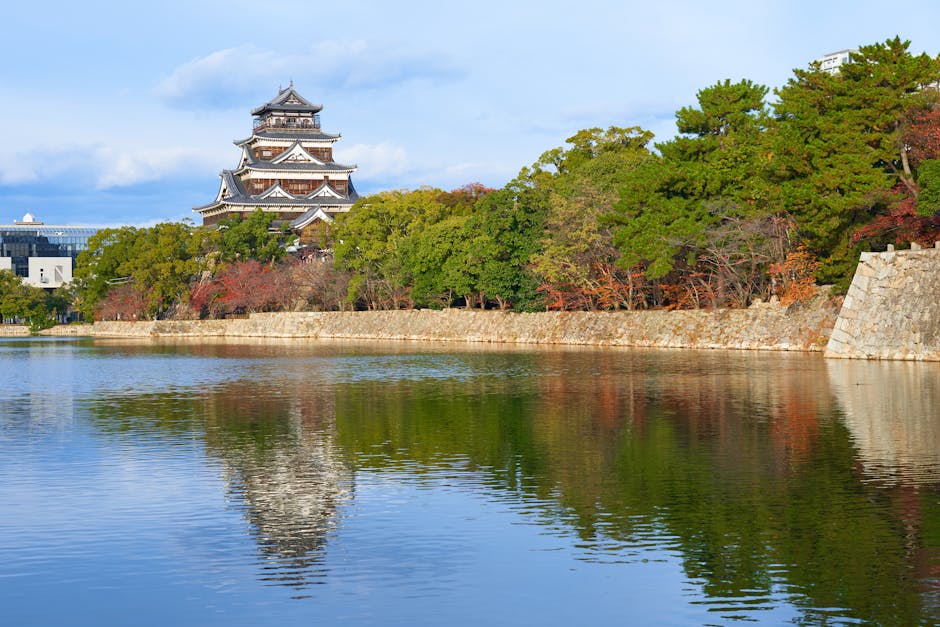
Self-guided audio tour in Hiroshima
Start Free on iPhone
Start free on iPhone to unlock this self-guided walking tour in Hiroshima. Hear all the stories that make it amazing, walk at your own pace, and begin whenever you want.
Your Private Tour Guide
Escape the urban bustle and ascend into the verdant heights of Hiroshima with this self-guided walk through the Ushita district. This route offers a unique juxtaposition of the city's solemn history, meticulously manicured traditional gardens, and the rugged natural beauty of the Ushita-yama ridgeline. Starting in the vibrant Motomachi area, you will transition from modern attractions like the local aquarium and quirky animal cafes to the profound silence of the Memorial Cenotaph. The journey then leads you through the exquisite Shukkeien Garden, a 'shrunken-scenery' masterpiece that has stood for centuries, before challenging you with a rewarding climb up Ushita Mountain. This walking route is designed for those who seek more than just a standard sightseeing experience. It is a physical and spiritual journey that culminates in breathtaking panoramic views of the Hiroshima delta, the Seto Inland Sea, and the distant mountains of Shikoku. Along the way, you will discover hidden shrines, tranquil parks like Hijiyama, and local favorites that typical visitors often miss. Whether you are a photography enthusiast looking for the perfect skyline shot or a nature lover wanting to explore the 'green lungs' of the city, this neighborhood stroll provides a comprehensive look at Hiroshima's diverse character. As you navigate this challenging path, you will experience the resilience of a city that has grown from ashes into a thriving metropolis surrounded by nature. The trek up the Ushita-yama trailhead requires a bit of stamina, but the reward at Oukatei and the final spiritual stop at Kanda Shrine makes every step worthwhile. Discover at your own pace why this skyline route is a favorite for locals seeking fresh air and the best vantage points in the prefecture. This is not just a walking tour Hiroshima offers; it is an invitation to see the city from a completely different perspective.
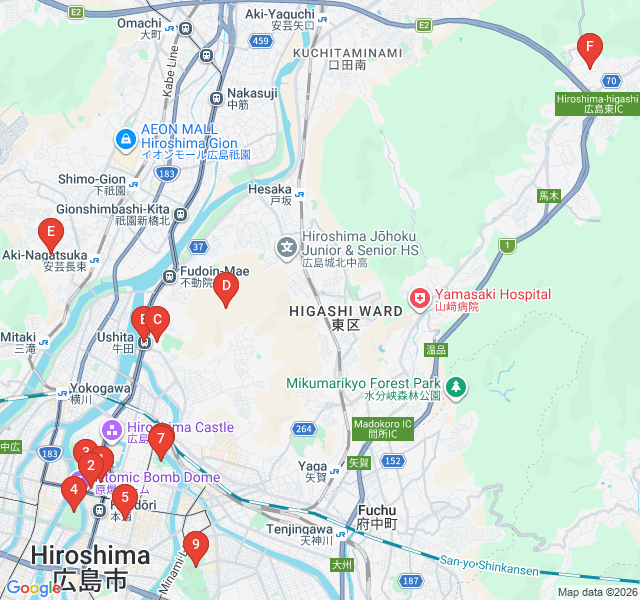
Numbers indicate the order of stops on the tour.
Begin your self-guided adventure at this unique urban aquarium tucked away in the Motomachi district. Unlike massive coastal facilities, this 'Aqua Alive' museum offers a more intimate look at aquatic life, focusing on the biodiversity found within Hiroshima's river systems and the Seto Inland Sea. It serves as a gentle introduction to the city's relationship with water, a theme that will recur throughout your walk as you cross the Ota River branches. Take a moment to appreciate the conservation efforts highlighted here before heading into the bustling heart of the city's shopping and leisure district.
As you move through the urban center, you'll encounter a staple of modern Japanese leisure: the cat cafe. MOFF offers a relaxed environment where locals come to unwind. In a city as dense as Hiroshima, these spaces provide a vital connection to animals for residents who may not have space for pets. It’s a glimpse into the contemporary social fabric of the neighborhood. While you might not stop for a full session, observing the calm atmosphere from the entrance reveals a softer, more playful side of the city's daily life before you head toward the more somber historical sites nearby.
This small, charming green space is a symbol of international friendship. Named after Hiroshima's sister city in Germany, Hannover Garden features European-style landscaping that contrasts beautifully with the surrounding Japanese architecture. The garden was established to commemorate the bond between the two cities, both of which faced significant destruction during World War II and rebuilt themselves as symbols of peace. It's a quiet spot to pause and reflect on how Hiroshima has connected with the wider world in the decades following its recovery.
Standing before this saddle-shaped monument, you are at the heart of Hiroshima’s Peace Memorial Park. The design is intended to protect the souls of the victims, sheltering the stone chest which contains the names of all those who lost their lives to the atomic bombing. If you look through the arch of the cenotaph, you can see the Flame of Peace and the Atomic Bomb Dome perfectly aligned. This site is a profound reminder of the city's history and its global mission for peace. Take a moment of silence here; the weight of history is palpable in this meticulously kept space.
Continuing the theme of Hiroshima's unique animal cafes, Owl de Base offers an encounter with several species of owls and other birds of prey. These cafes have become popular for photography and close-up interactions. It reflects a specific niche of Japanese 'kawaii' (cute) culture and the fascination with nature even in a high-tech urban setting. As you pass by, notice the contrast between the ancient symbolism of the owl as a guardian or scholar and its role here in a modern, commercial context. From here, the route begins to shift from the city's modern center toward its historic gardens.
You have arrived at the entrance of one of Japan's most celebrated historic sites. Shukkeien Garden dates back to 1620, commissioned by Asano Nagaakira, the daimyo of the Hiroshima Fee. The name 'Shukkeien' translates to 'shrunken-scenery garden,' as it is designed to mimic various famous landscapes from China and Japan in miniature. Even the ticket office area hints at the traditional aesthetic you are about to experience. This garden is a miraculous survivor; despite being located near the hypocenter of the 1945 blast, it was painstakingly restored to its former Edo-period glory.
As you enter the garden, you will cross the Kokokyo Bridge, also known as the 'Rainbow Bridge.' This arching stone structure is the center-piece of the garden's central pond, Takuei-chi. Remarkably, this bridge survived the atomic bombing, though its surface was heavily scarred. It serves as a literal and symbolic link between the past and the present. From the crest of the arch, you get one of the best views of the garden’s layout, designed so that every step reveals a new, carefully composed 'painting' of trees, water, and stone.
Spend some time exploring the winding paths of Shukkeien. The garden is divided into several sections representing mountains, valleys, and forests. In the spring, the plum and cherry blossoms draw crowds, while the autumn maples turn the landscape into a sea of red and gold. The tea houses scattered throughout the grounds were once used by the samurai elite. This is a place designed for slow movement and deep contemplation. Notice how the 'borrowed scenery' technique uses the surrounding city buildings to frame the natural elements within the garden walls.
Heading south-east, you reach Hijiyama Park, a massive hilltop park that serves as a cultural hub. It is home to the Hiroshima City Museum of Contemporary Art and the Manga Library. Unlike the formal Shukkeien, Hijiyama feels more like a wild forest in the middle of the city. It is a favorite spot for 'hanami' (cherry blossom viewing) and offers several observation decks. The park sits on a small mountain, providing your first real elevation of the day and a preview of the panoramic views you will encounter later on the Ushita skyline.
Before you begin the serious climb toward Ushita, stop by this local favorite. Torinosu, or 'Bird's Nest,' is a cozy spot known for its welcoming atmosphere and local snacks. It represents the neighborhood's residential charm, away from the tourist-heavy areas of the Peace Park. Grab a light refreshment or a drink here; the next section of your walking route involves a significant incline, and this is the perfect place to refuel and soak in the quiet, everyday rhythm of the Ushita district before heading toward the trailhead.
Ushita Station marks the transition point of your journey. As a stop on the Astram Line, it connects the northern suburbs to the city center. The architecture of the station and the surrounding Big Wave sports complex signals that you are leaving the historic core and entering a more modern, residential part of Hiroshima. From here, the skyline is dominated by the green ridges of the Ushita mountains. Take a moment to check your supplies; once you leave the station area and head toward the mountain, convenience stores become scarce.
Adjacent to the station is the Hiroshima Big Wave, an iconic indoor sports arena known for its distinctive wave-like roof. In the winter, it hosts ice skating, and in the summer, it serves as a major swimming venue. It's a landmark of Hiroshima's commitment to modern public infrastructure and health. The scale of the building is impressive, and it serves as a great waypoint. From here, follow the road as it begins to tilt upward, leading you toward the residential streets that hug the base of the mountain.
This is where your self-guided walk becomes a true hike. The Ushita-yama Trailhead is the gateway to a network of trails that run along the mountain ridge. The path is well-maintained but can be steep in sections. As you ascend, the sounds of the city will begin to fade, replaced by the rustle of bamboo groves and the calls of local birds. This mountain has long been a retreat for locals, and you’ll likely see elderly residents effortlessly making their daily climb. The air here is noticeably cooler and fresher than in the city center below.
You have reached one of the most spectacular vantage points in Hiroshima. Oukatei is a rest house and observation area that offers a sweeping panoramic view of the city. Below you, the seven branches of the Ota River spread out like a fan, forming the delta upon which Hiroshima is built. On a clear day, you can see all the way to Miyajima Island and the mountains of the Shikoku region across the sea. It is the perfect place to appreciate the scale of the city and the beauty of its natural setting. Photography enthusiasts should spend some time here capturing the skyline.
Your journey concludes at Kanda Shrine, a serene spiritual site nestled on the slopes. This shrine is dedicated to the protection of the local area and offers a final moment of peace. The atmosphere here is deeply traditional, with ancient trees and stone lanterns that feel worlds away from the aquarium where you started. It’s a fitting place to reflect on the diversity of Hiroshima—from its tragic history and modern recovery to its enduring spiritual traditions and natural beauty. From here, you can begin your descent back toward the city, carrying with you the perspective gained from the skyline.
Start Free on iPhone
Explore “Ushita Mountain Skyline: Panoramic City Views” with your very own Private Tour Guide with Zigway. Start free on iPhone, skip the large group and the fixed routes, and hear the city come alive as you go.
Your Private Tour Guide
Don't miss the good stuff
Explore Freely
 Moderate
Hiroshima, Japan
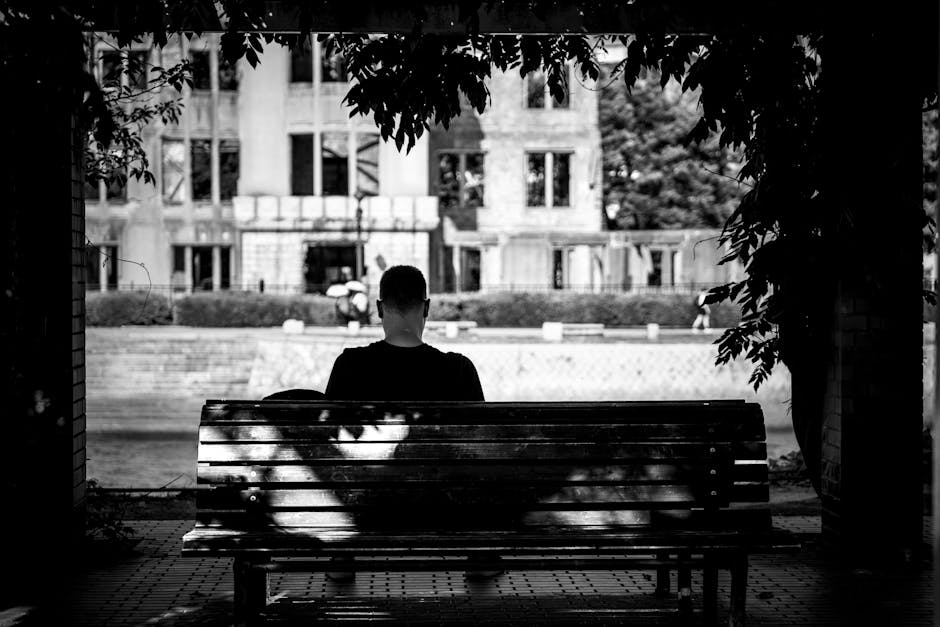
Discover Hiroshima's samurai history on this self-guided walk through Shukkeien Garden, the historic Hiroshima Castle, and serene Moto-machi parks.
 Easy
EasyHiroshima, Japan
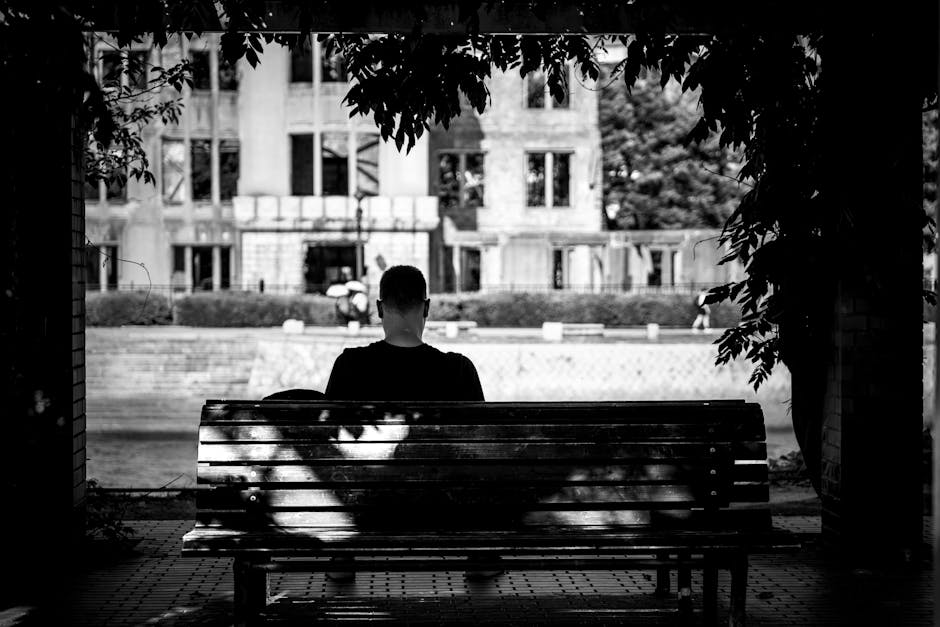
Explore Hiroshima's maritime heritage on this scenic self-guided walk from historic red-brick museums to the peaceful Ujina Lighthouse.
 Easy
EasyHiroshima, Japan
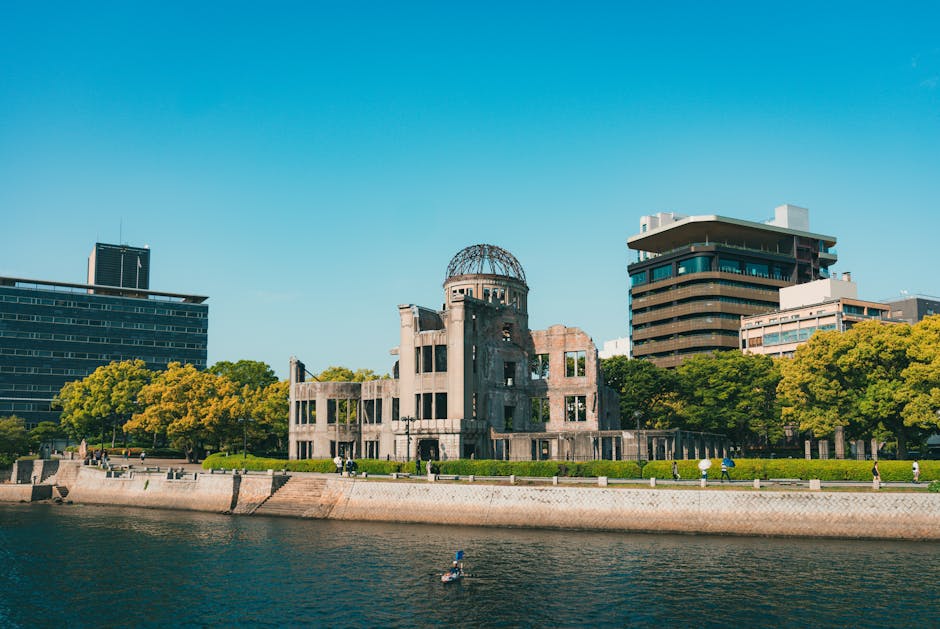
Discover Hiroshima’s architectural evolution from pre-war survivors to visionary modernist masterpieces on this self-guided walking route.
 Easy
EasyHiroshima, Japan
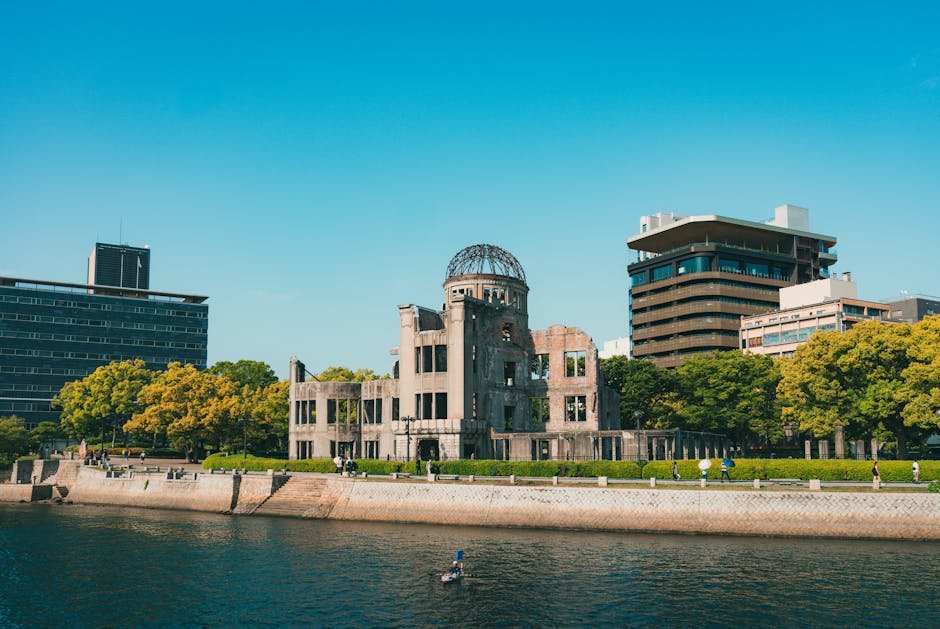
Explore Hiroshima's electric Nagarekawa district. A self-guided walk through neon alleys, savory street food, and hidden local culture.
 Moderate
Nairobi, Kenya
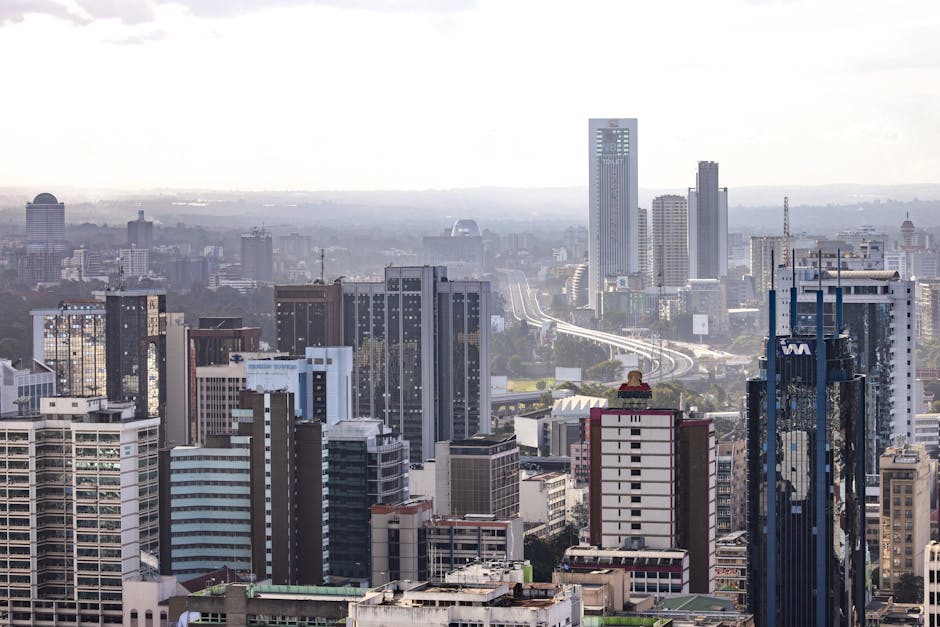
Discover Nairobi's lush side on this self-guided walk through botanical gardens, historic memorials, and vibrant local markets.
 Easy
EasyWarsaw, Poland
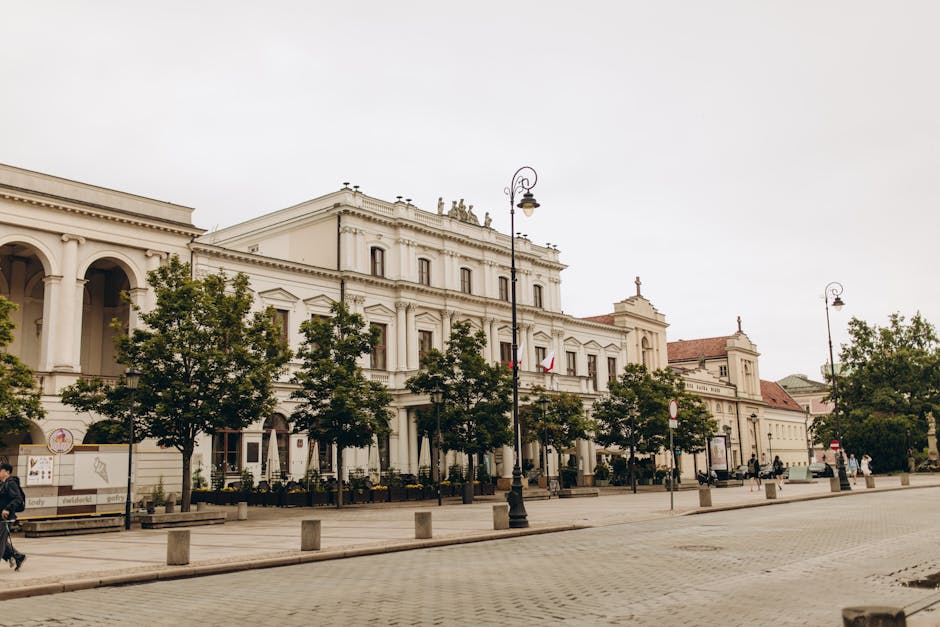
Discover Warsaw's intellectual heart through historic campuses, peaceful parks, and the stunning rooftop gardens of the University Library.
 Moderate
Gothenburg, Sweden
Explore Gothenburg’s lush "Green Lung" on this self-guided walk through the Botanical Garden, Slottsskogen park, and rugged Änggård Mountains.
 Moderate
Nairobi, Kenya
Discover the pulse of Nairobi's contemporary art scene on this self-guided walk through the galleries and creative spaces of Kilimani.
 Moderate
Tokyo, Japan
Discover Tokyo's premier creative district on this self-guided walk through Roppongi’s world-class museums and striking modern architecture.
 Easy
EasyTokyo, Japan
Discover the 'Old Tokyo' charm of Yanaka on this self-guided walk through historic temples, artisan alleys, and a stunning torii gate shrine.
 Easy
EasyTokyo, Japan
Experience Shibuya's electric energy on this self-guided walk from the iconic Scramble Crossing to the panoramic views of Shibuya Sky.
 Easy
EasyTokyo, Japan
Explore Tokyo's indie heart. From vintage fashion in Shimokitazawa to world-class art in Shinjuku, discover the city's creative soul independently.