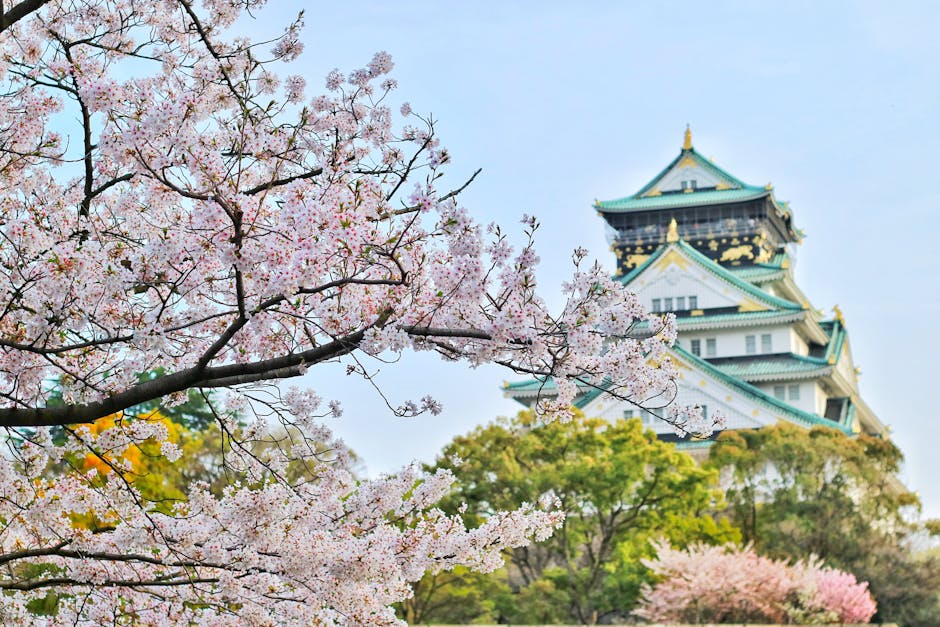
Self-guided audio tour in Osaka
Start Free on iPhone
Start free on iPhone to unlock this self-guided walking tour in Osaka. Hear all the stories that make it amazing, walk at your own pace, and begin whenever you want.
Your Private Tour Guide
Escape the concrete jungle and discover the verdant soul of Japan's 'Water Capital' on this comprehensive nature-focused walking route. This self-guided walk takes you through a carefully curated selection of Osaka's most stunning green spaces, from the historic island of Nakanoshima to the vast, globally-inspired landscapes of Tsurumi Ryokuchi Park. You will explore how Osaka has transformed its industrial image into a city of blooms, starting with the elegant rose gardens of the city center and moving toward the site of the 1990 International Garden and Greenery Exposition. Along this walking route, you will experience the juxtaposition of modern urban planning and traditional Japanese aesthetics. Highlights include the hidden floral gems of Umeda, the serene Keitakuen Garden—a gift from the powerful Sumitomo family—and the iconic Big Windmill that stands as a legacy of the world-class expo. Whether you are a photography enthusiast looking for the perfect floral backdrop or a traveler seeking a peaceful morning away from the crowds of Dotonbori, this route offers a refreshing perspective on Osaka. Discover seasonal wonders, from the delicate plum blossoms near Osaka Castle to the exotic tropical flora housed in one of Japan's largest greenhouses. This journey isn't just about plants; it is a walk through the history of Osaka's urban renewal and its enduring love for public parks. This walking tour Osaka provides the flexibility to linger at your favorite gardens or move quickly between the city's botanical highlights at your own pace.
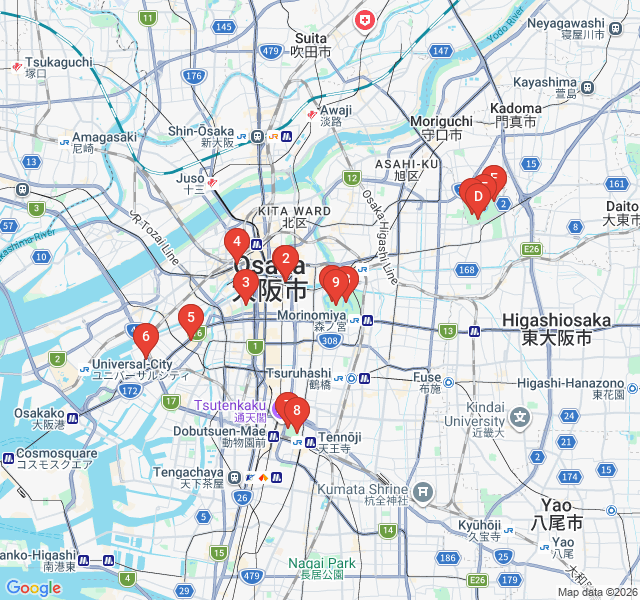
Numbers indicate the order of stops on the tour.
Established in 1891, Nakanoshima Park was Osaka's very first public park. It sits on a narrow island sandwiched between the Tosabori and Dojima Rivers. As you begin your self-guided walk, notice the elegant Neo-Renaissance architecture surrounding you, including the Osaka City Central Public Hall. This park represents the city's early efforts to create a 'water capital' identity, blending Western-style landscaping with the natural beauty of the riverfront. It is a favorite spot for locals to enjoy a lunch break or a quiet stroll amidst the urban bustle.
Located on the eastern end of Nakanoshima Park, this garden is a sensory delight. It hosts approximately 3,700 rose bushes representing 310 different varieties. The garden is divided into several sections, including a 'Rose Path' and a 'Rose Patch.' Depending on the time of year, you might see everything from classic red hybrid teas to rare, delicate climbers. The contrast of the vibrant blooms against the backdrop of modern skyscrapers and the flowing river makes this one of the most photographed spots in central Osaka.
A short transit or long walk away lies Utsubo Park, which has a fascinating history. During the post-WWII occupation, this area served as a United States landing strip. Today, it has been transformed into a lush urban oasis. The rose garden here is sunken, creating a quiet, intimate atmosphere. It features over 160 species of roses and is particularly famous for its beautiful fountain and tiered seating areas. It is a testament to how Osaka has reclaimed industrial and military spaces for public relaxation and natural beauty.
Tucked away in the high-end Nishi-Umeda district, this small park is a masterclass in urban 'pocket park' design. It provides a necessary breath of fresh air for the office workers and shoppers of the nearby Hilton Plaza and Ritz-Carlton. While smaller than the previous stops, its modern art installations and carefully manicured greenery show how nature can be integrated into even the most densely built-up business districts. It is a quiet corner where the city's fast pace seems to momentarily slow down.
For a different perspective on nature, stop by Awajiya. While not a traditional park, this specialized shop is a local landmark for those interested in 'aquascaping'—the art of arranging aquatic plants and stones in an aquarium. It reflects the Japanese obsession with miniature landscapes and the meticulous care required to maintain biological balance. Exploring the vibrant tanks here offers a glimpse into a unique hobby that brings the tranquility of nature into the small apartments of Osaka's urban dwellers.
This isn't your average hot spring; Solaniwa Onsen features a massive rooftop garden themed after the Azuchi-Momoyama period. As you explore this elevated green space, you will see staff in traditional attire and architecture that mimics the era of Shoguns. The garden allows you to walk across bridges and through torii gates while enjoying views of the city. It represents the 'theme park' side of Japanese nature, blending cultural history with relaxation and carefully curated outdoor environments.
Opened in 1915, Tennoji Zoo is the third oldest zoo in Japan. While its primary focus is wildlife, the grounds are part of the larger Tennoji Park system. The zoo has moved toward more naturalistic enclosures, such as the African Savanna zone, which integrates flora and fauna to replicate wild habitats. Walking through these gates, you can see how the concept of a 'city zoo' has evolved from simple cages to immersive landscapes that aim to educate visitors about global biodiversity within the heart of Osaka.
Located within Tennoji Park, Keitakuen is a traditional 'chishio-no-niwa' (pond-strolling) garden. It was designed by the famous gardener Jihei Ogawa and donated to the city by the Sumitomo family in 1926. The garden features a central pond with three islands, a tea house, and various seasonal plants. The design is intended to provide a different view at every step, a technique known as 'miezugakure.' It is a serene escape that feels worlds away from the nearby Abeno Harukas skyscraper, Japan's tallest building.
Situated within the vast grounds of Osaka Castle Park, this garden offers a classic view of the castle keep reflected in a still pond. This area highlights the 'shakkei' or 'borrowed scenery' technique, where the massive stone walls and the castle itself become part of the garden's composition. It is particularly beautiful in the autumn when the maple trees turn fiery red, providing a stark, beautiful contrast to the white and gold of the reconstructed castle tower.
This expansive lawn garden is located on the western side of the castle. It is most famous as Osaka's premier cherry blossom viewing spot, with over 600 sakura trees. During the Edo period, this was the site of the residence of Kita-no-Mandokoro, the wife of Toyotomi Hideyoshi. Today, it offers wide-open spaces that are rare in central Osaka, providing the best unobstructed views of the castle's main tower and the surrounding moats.
While cherry blossoms get most of the fame, the Plum Grove (Ume-no-tani) at Osaka Castle is a local favorite for late winter. With over 1,200 plum trees of roughly 100 different varieties, the air here is filled with a sweet fragrance in February and March. The plum blossom is a symbol of resilience as it blooms while the weather is still cold. This grove offers a quieter, more contemplative experience than the hectic cherry blossom season and is a highlight for early-year travelers.
Now we move to Tsurumi Ryokuchi Park, the site of the 1990 International Garden and Greenery Exposition. The Big Windmill is the park's most iconic landmark, perched atop a hill overlooking a carpet of seasonal flowers—typically tulips in spring and cosmos in autumn. This windmill was a gift from the Netherlands for the expo and serves as a reminder of the park's theme: 'The Harmonious Coexistence of Nature and Mankind.' It is a piece of Europe in the heart of Osaka.
This massive glass conservatory is one of the largest in Japan. Its name translates to 'The Mansion of Blooming Flowers.' Inside, the climate is strictly controlled to house approximately 15,000 plants from various global environments, including alpine, tropical, and desert zones. As you walk through, you can travel from the humid rainforests of Southeast Asia to the dry heat of the African savanna in just a few minutes. It is a spectacular showcase of global botanical diversity and a must-visit for any plant lover.
The O-ike Pond is the central water feature of Tsurumi Ryokuchi. It acts as a mirror for the surrounding trees and the distant windmill. You might see locals feeding the ducks or practitioners of Tai Chi on the banks. The pond area is surrounded by international gardens—remnants of the 1990 Expo—where you can see architectural and gardening styles from countries like Korea, China, and various European nations. It is a peaceful place to reflect on the 'World in a Park' concept.
Our final stop is the Tsurumi Ryokuchi Rose Garden. Unlike the formal Nakanoshima garden, this one is built into the hillside, offering a more naturalistic and expansive layout. It features hundreds of varieties that bloom twice a year, in spring and autumn. As you finish your self-guided adventure here, take a moment to look back over the park. You have traveled through the history of Osaka’s green spaces, seeing how the city continues to celebrate the beauty of the natural world amidst its modern growth.
Start Free on iPhone
Explore “Tsurumi Ryokuchi: The World in a Park” with your very own Private Tour Guide with Zigway. Start free on iPhone, skip the large group and the fixed routes, and hear the city come alive as you go.
Your Private Tour Guide
Don't miss the good stuff
Explore Freely
 Moderate
Osaka, Japan
Discover the soul of Osaka on this self-guided walk through the hidden markets of Tsuruhashi, the neon of Namba, and the scale of Umeda.
 Easy
EasyOsaka, Japan
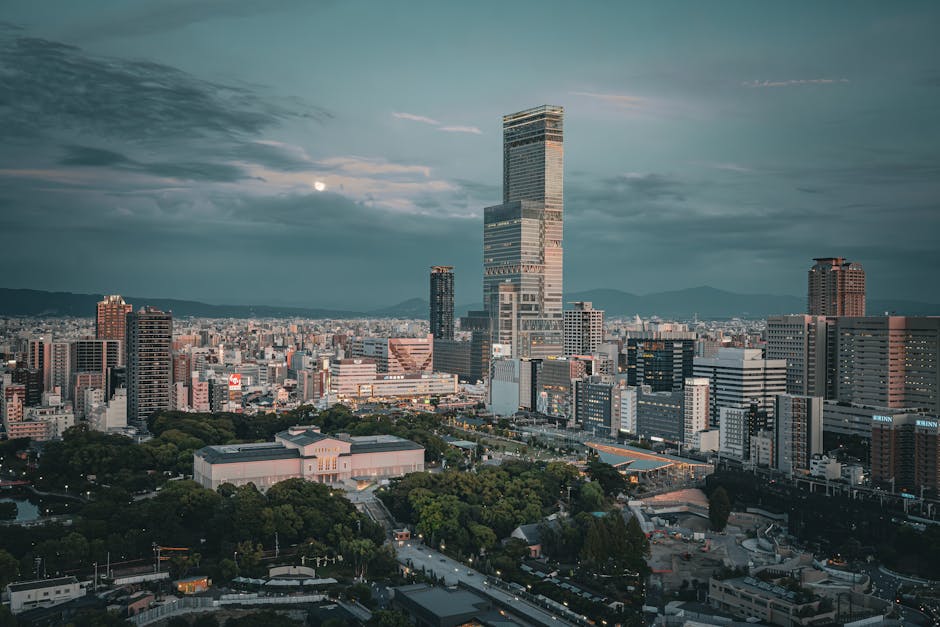
Explore Osaka's futuristic skyline, from the iconic Umeda Sky Building to hidden shrines, on this self-guided architectural walking route.
 Easy
EasyOsaka, Japan
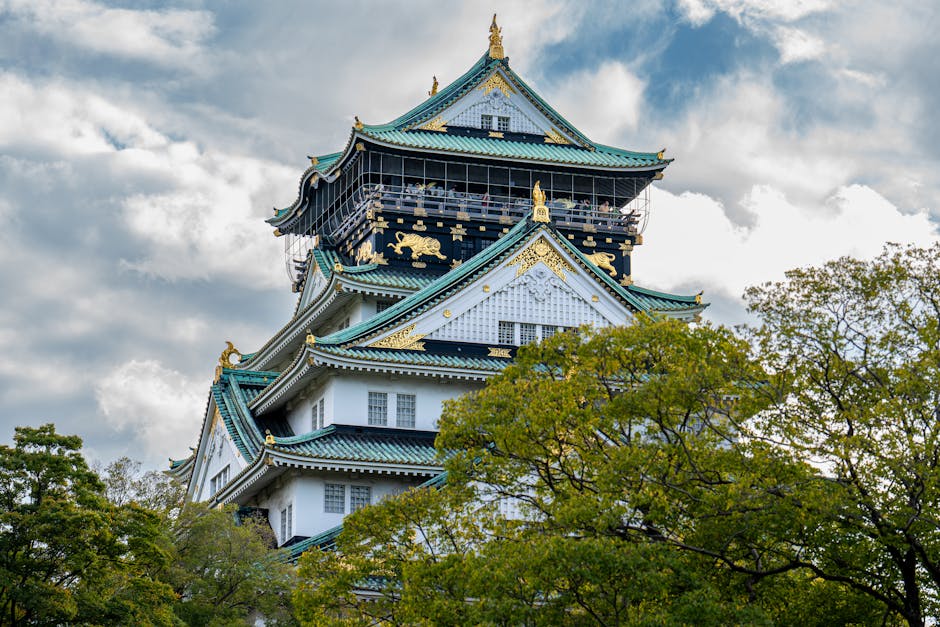
Explore Osaka's 'American Village' on this self-guided walk through street art, vintage fashion, and the heart of Japanese youth culture.
 Easy
EasyOsaka, Japan
Explore the retro charm and neon-lit alleys of Shinsekai on this self-guided walk through Osaka's most nostalgic district.
 Easy
EasyGdansk, Poland
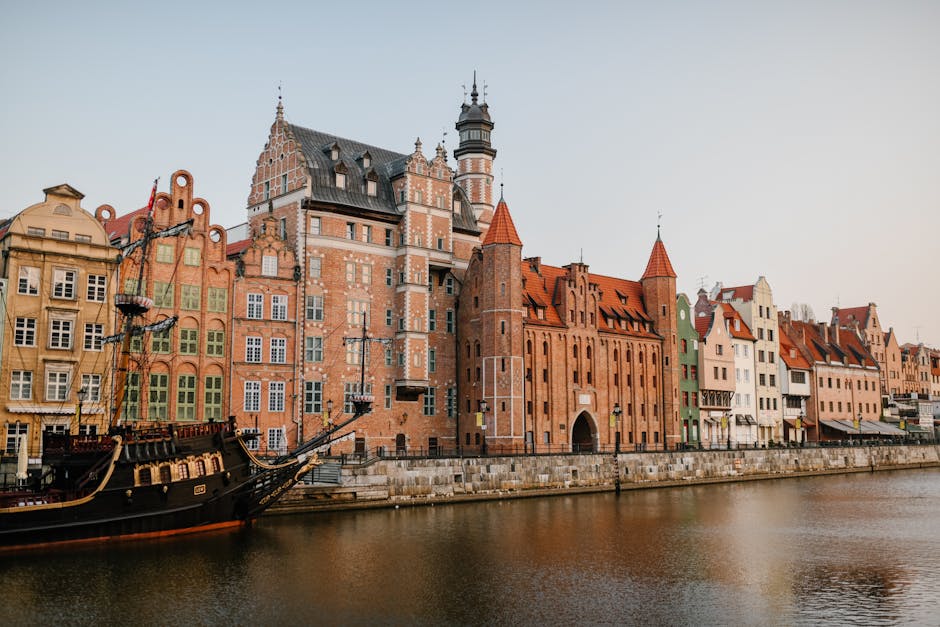
Discover the monastic heritage, world-famous organs, and lush botanical gardens of Oliwa on this peaceful self-guided neighborhood stroll.
 Easy
EasyWarsaw, Poland
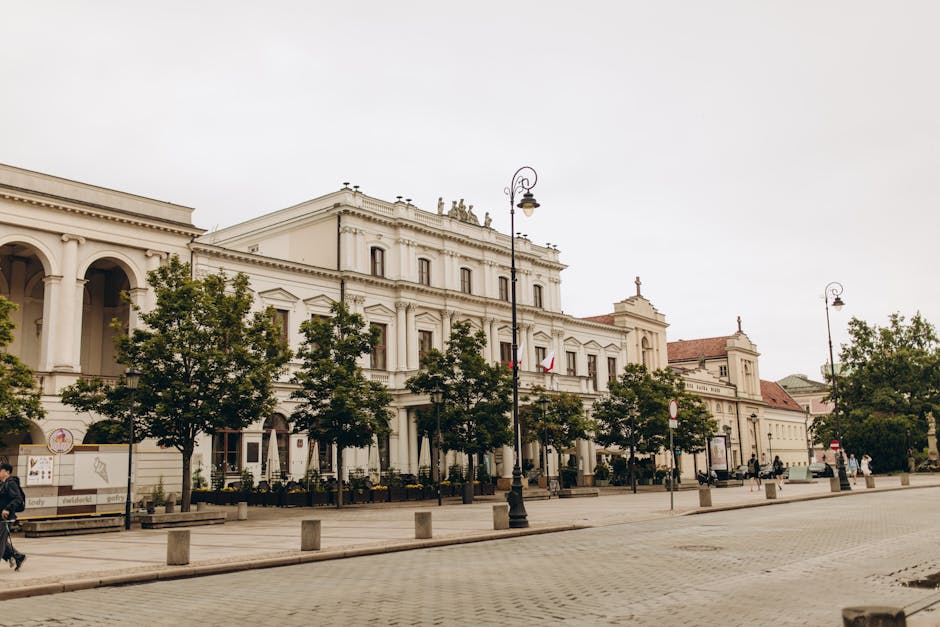
Discover Warsaw's intellectual heart through historic campuses, peaceful parks, and the stunning rooftop gardens of the University Library.
 Moderate
Gothenburg, Sweden
Explore Gothenburg’s lush "Green Lung" on this self-guided walk through the Botanical Garden, Slottsskogen park, and rugged Änggård Mountains.
 Easy
EasyWarsaw, Poland
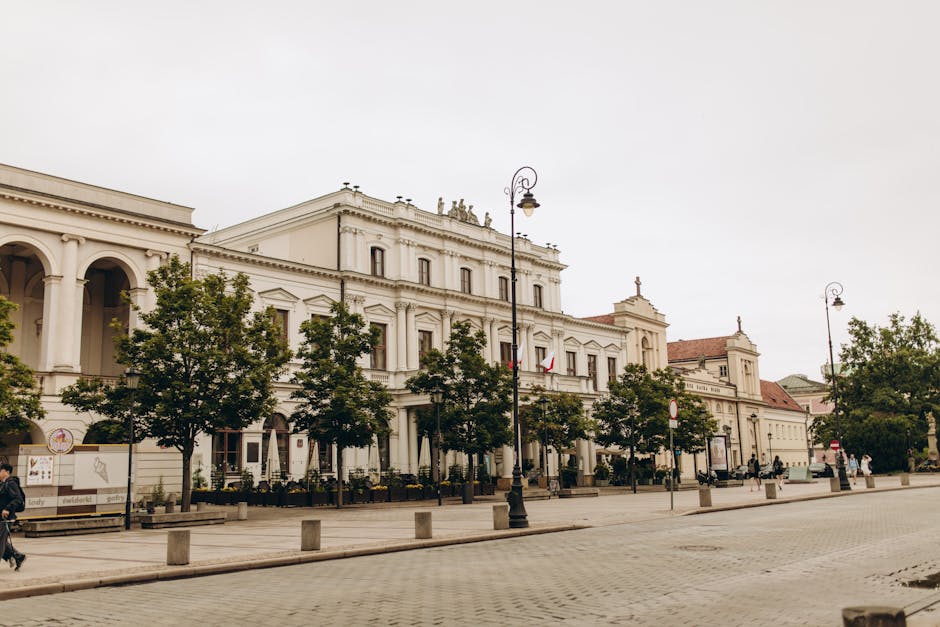
Explore Warsaw's scenic riverfront, rooftop gardens, and industrial-chic architecture on this self-guided stroll through the Powiśle district.
 Moderate
Tokyo, Japan
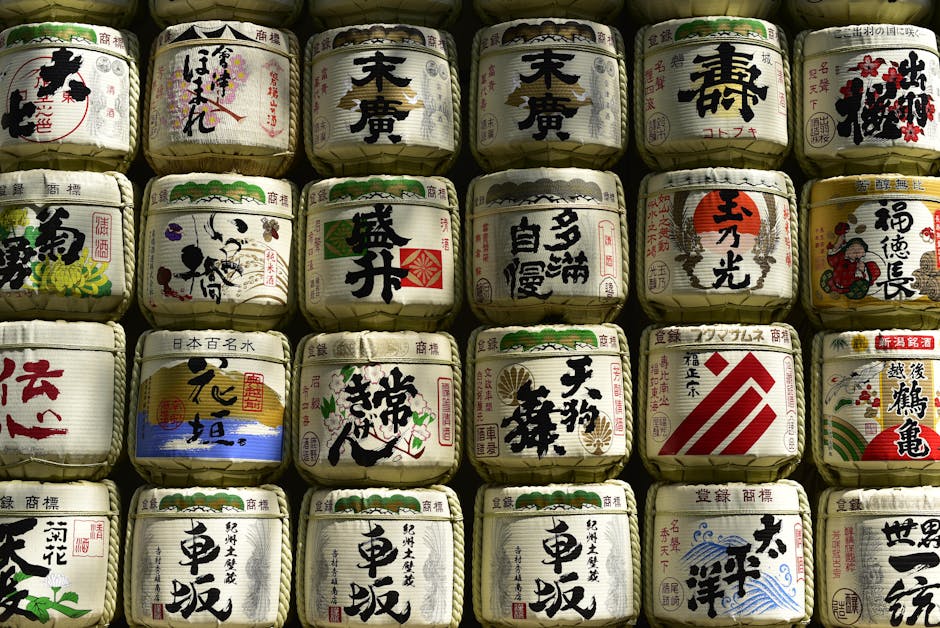
Discover Tokyo's premier creative district on this self-guided walk through Roppongi’s world-class museums and striking modern architecture.
 Easy
EasyTokyo, Japan
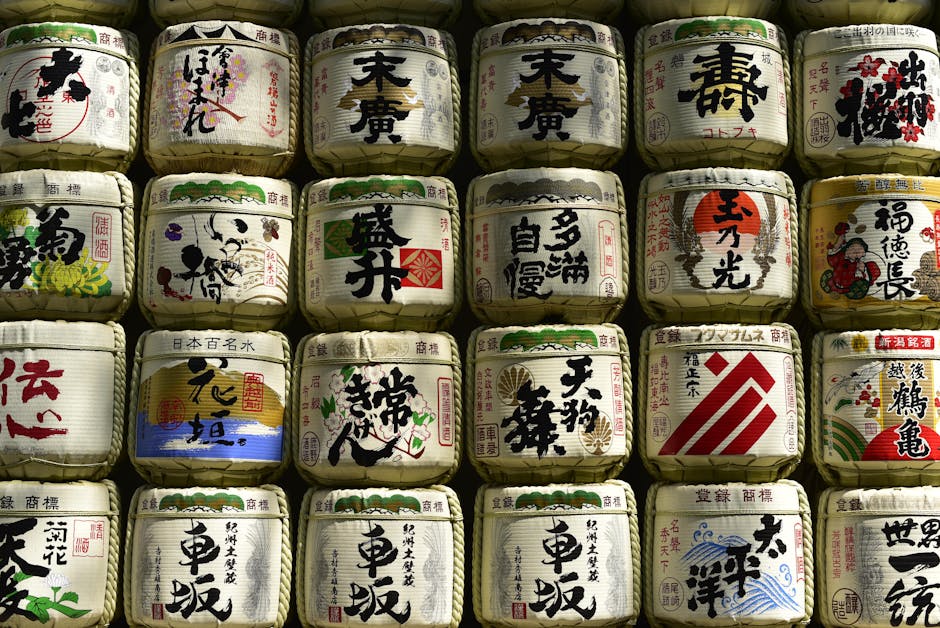
Discover the 'Old Tokyo' charm of Yanaka on this self-guided walk through historic temples, artisan alleys, and a stunning torii gate shrine.
 Easy
EasyTokyo, Japan
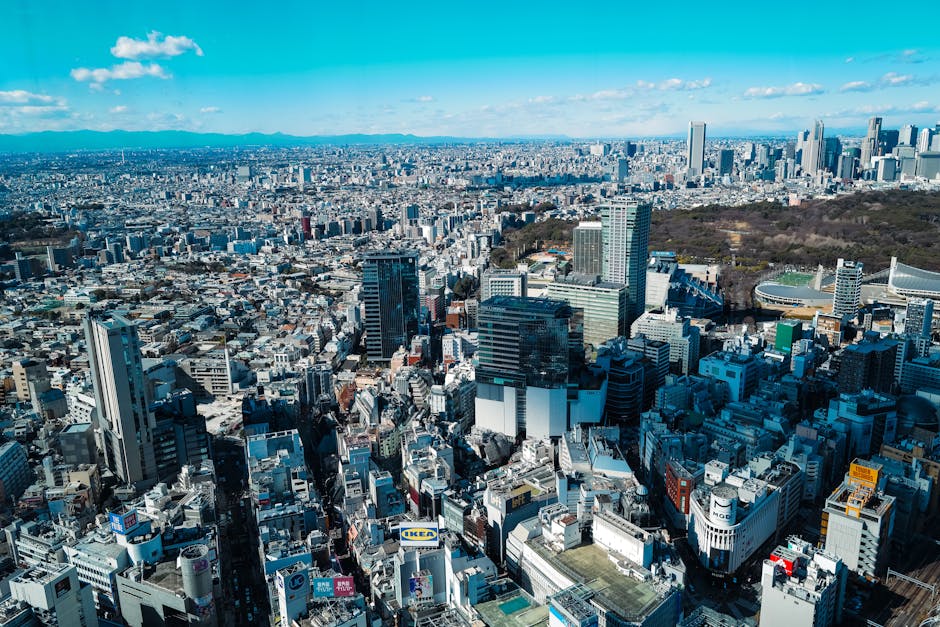
Experience Shibuya's electric energy on this self-guided walk from the iconic Scramble Crossing to the panoramic views of Shibuya Sky.
 Easy
EasyTokyo, Japan
Explore Tokyo's indie heart. From vintage fashion in Shimokitazawa to world-class art in Shinjuku, discover the city's creative soul independently.