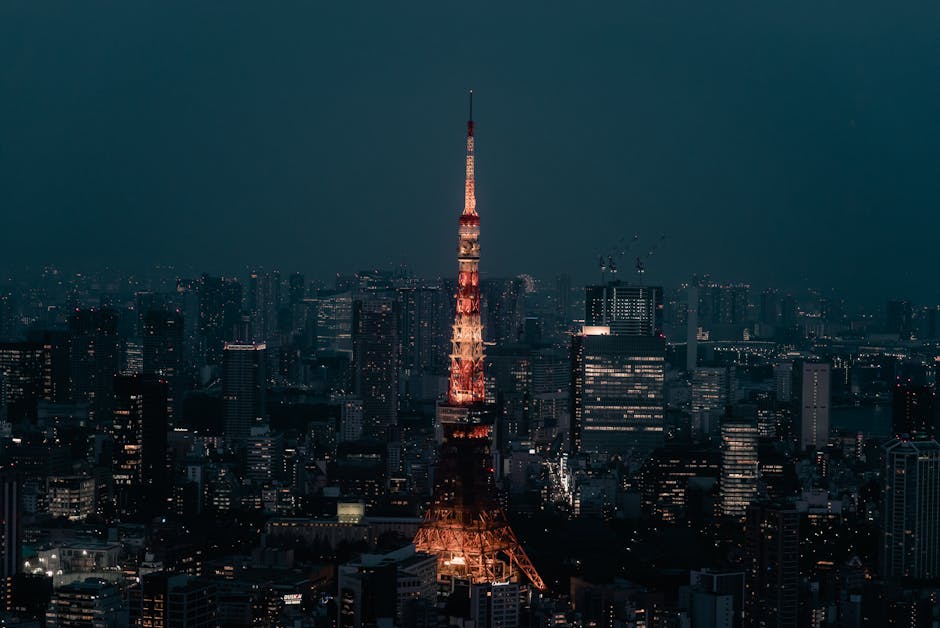
Self-guided audio tour in Tokyo
Start Free on iPhone
Start free on iPhone to unlock this self-guided walking tour in Tokyo. Hear all the stories that make it amazing, walk at your own pace, and begin whenever you want.
Your Private Tour Guide
Embark on a self-guided walk that traces the evolution of Japan from its historic heart to its modern academic frontiers. This route begins at Nihonbashi, the legendary 'Kilometer Zero' from which all distances in Japan were once measured. During the Edo period, this neighborhood was the bustling center of commerce, and today, it remains a sophisticated blend of heritage and high-end retail. You will start at the iconic stone bridge, adorned with bronze kirin and lions, symbols of the city's enduring strength and protection. As you explore, the route transitions from the fragrance of traditional incense and centuries-old confectionery at Eitaro Sohonpo to the grand Renaissance architecture of Mitsukoshi, Japan’s very first department store. Moving westward, this neighborhood stroll offers a fascinating contrast as the scenery shifts from the dense skyscrapers of Shinjuku toward the vibrant, youth-driven energy of Shibuya. You will encounter the legendary Hachiko Statue, a testament to loyalty that stands at one of the world's busiest intersections. The latter half of this walking route takes you through Tokyo’s 'academic belt.' You will discover the serene campuses of prestigious institutions like the University of Tokyo and Meiji University, where lush greenery and modern design provide a peaceful respite from the urban rush. Along the way, hidden gems like the Fukutoku Shrine show how ancient spiritual sites can thrive amidst contemporary glass towers. This experience is perfect for those who want to see more than just the typical tourist sites. By following this path, you will understand how Tokyo manages to respect its 17th-century roots while constantly reinventing itself as a global leader in education and style. Whether you are admiring the intricate woodwork of a traditional shop or the sleek lines of a university campus, this self-guided adventure provides a comprehensive look at the layers of history that make Tokyo unique. This walking tour Tokyo offers a deep dive into the city's soul, connecting the mercantile past with the intellectual future.
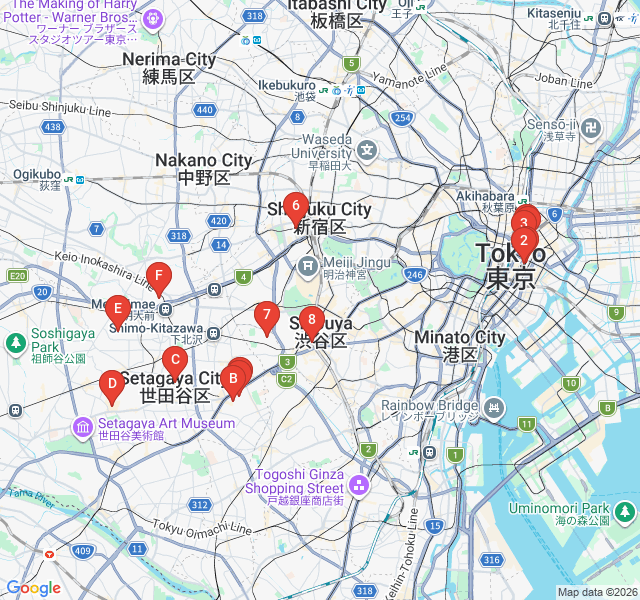
Numbers indicate the order of stops on the tour.
Welcome to the true center of Japan. This stone bridge, rebuilt in 1911, stands on the site of the original wooden bridge from 1603. Look for the bronze 'Kirin' statues—mythical winged creatures that symbolize the takeoff of the city. In the center of the bridge, you'll find the 'Kilometer Zero' marker. During the Edo period, this was the starting point for the five major highways leading out of the capital. Even today, all road distances to Tokyo are measured from this exact spot. It remains a powerful symbol of connectivity and the merchant spirit that built this city.
Step into a world of sweetness that has lasted over 200 years. Founded in 1818, Eitaro Sohonpo is famous for its traditional Japanese confectionery, or wagashi. Originally a stall selling kintsuba (sweet bean cakes), it became a favorite of the common people in Edo. Notice the classic packaging and the delicate shapes of the seasonal sweets. The shop has survived fires and wars, maintaining the same recipes for generations. It represents the 'Shitamachi' or 'downtown' culture of Nihonbashi, where high-quality craftsmanship was accessible to everyone, not just the elite.
You are standing before the 'Harrods of Japan.' Mitsukoshi began as a kimono shop in 1673 before issuing a 'Department Store Manifesto' in 1904, transforming Japanese retail forever. The current building is a Renaissance-style masterpiece. Before you enter, greet the two bronze lions guarding the entrance; they were modeled after the lions in London's Trafalgar Square and are popular meeting spots. Inside, look up to see the breathtaking statue of the Goddess of Sincerity in the central atrium, a towering piece of art that reflects the store's commitment to luxury and service.
Coredo Muromachi is a brilliant example of modern urban revitalization. This complex was designed to bring the atmosphere of the Edo-period streetscape into the 21st century. As you walk through, notice how the architecture uses traditional materials like wood and stone but in sleek, contemporary ways. This is a hub for high-end Japanese crafts and regional foods. It serves as a bridge between the old merchant district and the modern luxury of Tokyo, proving that tradition doesn't have to be static—it can be the foundation for something entirely new and vibrant.
Amidst the steel and glass of the Muromachi district lies this hidden sanctuary. Fukutoku Shrine, also known as Mebuki-jinja, has a history dating back over a thousand years. It was famously patronized by the Tokugawa Shoguns. Today, it is a popular spot for locals to pray for good fortune, particularly with lottery tickets. The contrast here is striking: a bright vermilion torii gate framed by towering modern offices. It is a perfect spot to pause and reflect on how Tokyo integrates the spiritual and the secular in such a compact, harmonious space.
As we move toward the western hubs, we reach the Shinjuku skyscraper district. Kogakuin University, one of Japan's oldest private engineering schools, boasts a vertical campus here. In a city where space is at a premium, the university reaches for the sky. This campus represents Tokyo's post-war focus on technology and innovation. The surrounding area is a forest of high-rises, including the Tokyo Metropolitan Government Building. It marks the transition from the low-rise history of Nihonbashi to the vertical ambition of modern Shinjuku.
This lush campus is the gateway for students at Japan's most prestigious university. All undergraduates spend their first two years here at Komaba before moving to the main Hongo campus. The atmosphere here is scholarly and serene, with historic buildings peeking through thick canopies of trees. The campus was originally the site of a shogunal hunting ground and later an agricultural school. Today, it stands as a symbol of academic excellence and the quiet, intellectual side of Tokyo that exists just a few train stops away from the neon lights of Shibuya.
No visit to western Tokyo is complete without saying hello to Japan's most famous dog. Hachiko, an Akita, waited here at Shibuya Station every day for nine years after his owner passed away. This bronze statue was erected in 1934 to honor his loyalty. Today, it is the city's most iconic meeting point. Just steps away is the famous Shibuya Crossing. While the world rushes by at a frantic pace, Hachiko remains a steady, quiet reminder of devotion and the human-animal bond that resonates deeply in Japanese culture.
Located on the Showa Women's University campus, this hall is one of Tokyo's premier acoustic venues. Since its opening in 1980, it has hosted world-class orchestras and international pop stars. The hall is named after the university's founder and represents the institution's commitment to cultural education and the arts. In the residential district of Setagaya, this venue serves as a major cultural landmark, bringing global talent to a neighborhood known more for its quiet streets and local charm.
Founded in 1920, this university has been a pioneer in women's education in Japan. The campus is known for its progressive atmosphere and international programs. As you walk past, you'll see a blend of mid-century architecture and modern facilities. The university emphasizes the 'light of the world' as its motto, aiming to empower women to take active roles in society. It is a key part of the Sangenjaya neighborhood, contributing to the area's youthful, academic, and slightly bohemian vibe.
This campus represents the internationalization of Japanese higher education. As the oldest and largest foreign university in Japan, Temple University provides an American-style curriculum in the heart of Tokyo. Its recent move to this location, sharing space with Showa Women's University, is a unique example of cross-cultural institutional collaboration. You'll often hear a mix of English and Japanese spoken here, reflecting the globalized future of the city and its role as a hub for international exchange and diverse perspectives.
Founded in 1917, Kokushikan University has a strong heritage rooted in the martial arts and the cultivation of 'the spirit of Japan.' Located in the Setagaya district, the campus is famous for its sports programs and its dedication to public service. The architecture here is functional and sturdy, reflecting the university's focus on discipline and character building. It is a cornerstone of the local community, and the surrounding streets are filled with small eateries and shops that cater to the energetic student population.
Known colloquially as 'Nodai,' this is Japan's first private agricultural university. The campus is a green oasis, reflecting its mission to sustain life and the environment. One of the most unique features here is the 'Bonsai' collection and the Food and Agriculture Museum nearby. The university is famous for its 'Daikon Dance' performed by students at festivals. It represents a vital part of Japan's modern efforts to balance urban growth with environmental sustainability and food security.
Nihon University is the largest university in Japan, and this specific college is a major hub for the arts and sciences. The campus at Sakurajosui is expansive and often hosts community events and academic conferences. The name 'Nihon' means Japan, reflecting the university's foundational goal of contributing to the nation's development. Walking through this area, you get a sense of the sheer scale of Japan's educational system and the vibrant intellectual life that thrives in the suburbs.
Our journey concludes at the Izumi Campus of Meiji University. This modern facility serves as the home for first- and second-year students in several departments. The 'Izumi Library' here is an award-winning architectural piece, designed to be a 'place to stay' rather than just a place to study. As you look around, you see the next generation of Japan's leaders preparing for their futures. This campus, situated near the Meidaimae transit hub, perfectly encapsulates the modern elegance and academic rigor that we have explored throughout this route.
Start Free on iPhone
Explore “The Zero Point: Nihonbashi's Edo Roots and Modern Elegance” with your very own Private Tour Guide with Zigway. Start free on iPhone, skip the large group and the fixed routes, and hear the city come alive as you go.
Your Private Tour Guide
Don't miss the good stuff
Explore Freely
 Moderate
Tokyo, Japan
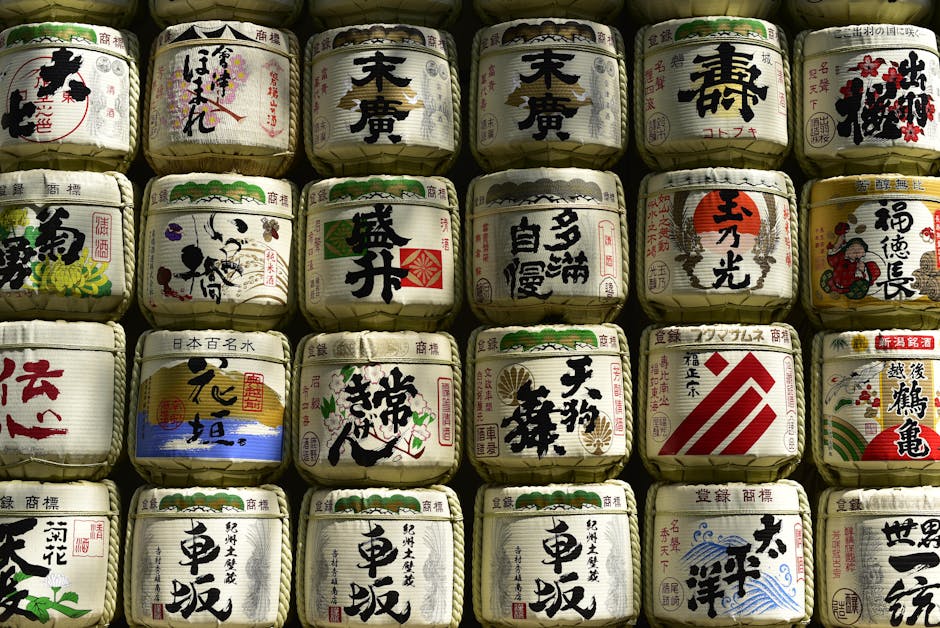
Discover Tokyo's premier creative district on this self-guided walk through Roppongi’s world-class museums and striking modern architecture.
 Easy
EasyTokyo, Japan
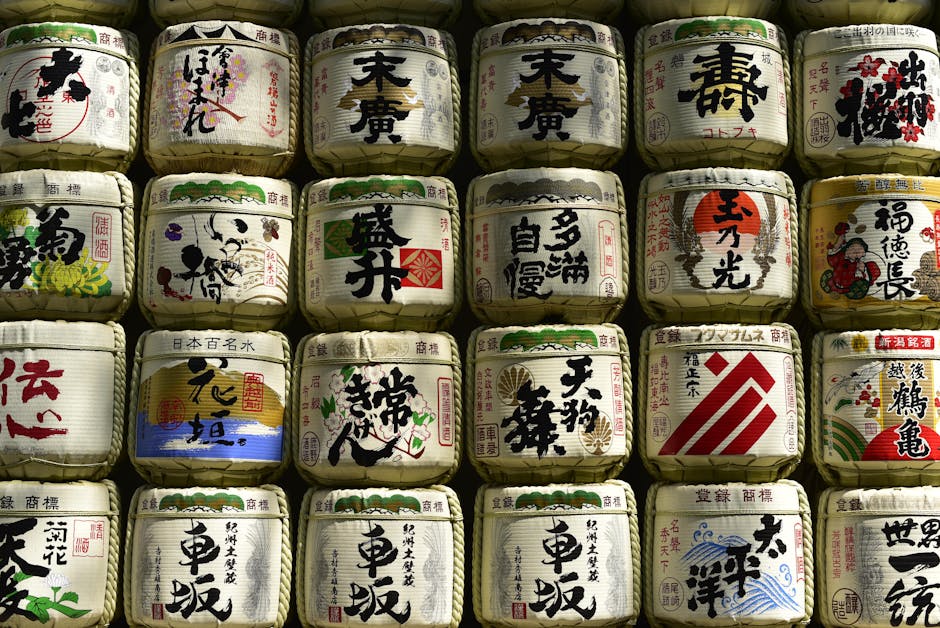
Discover the 'Old Tokyo' charm of Yanaka on this self-guided walk through historic temples, artisan alleys, and a stunning torii gate shrine.
 Easy
EasyTokyo, Japan
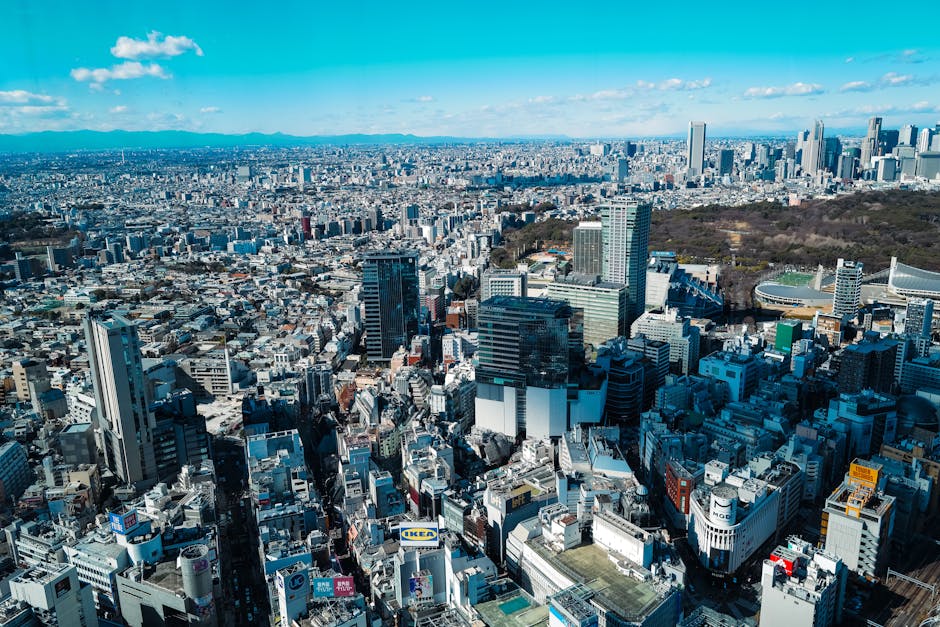
Experience Shibuya's electric energy on this self-guided walk from the iconic Scramble Crossing to the panoramic views of Shibuya Sky.
 Easy
EasyTokyo, Japan
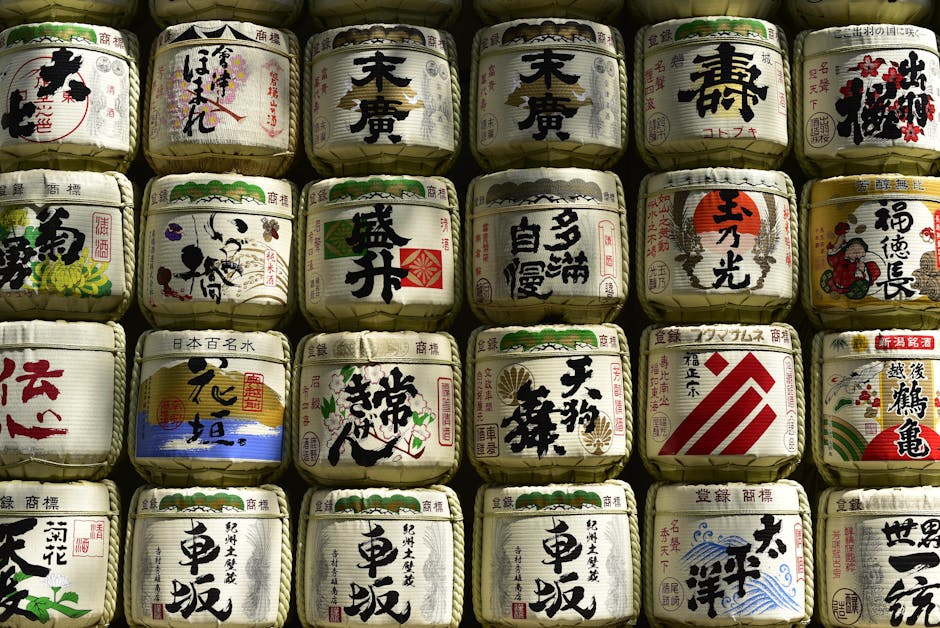
Explore Tokyo's indie heart. From vintage fashion in Shimokitazawa to world-class art in Shinjuku, discover the city's creative soul independently.
 Moderate
Vienna, Austria
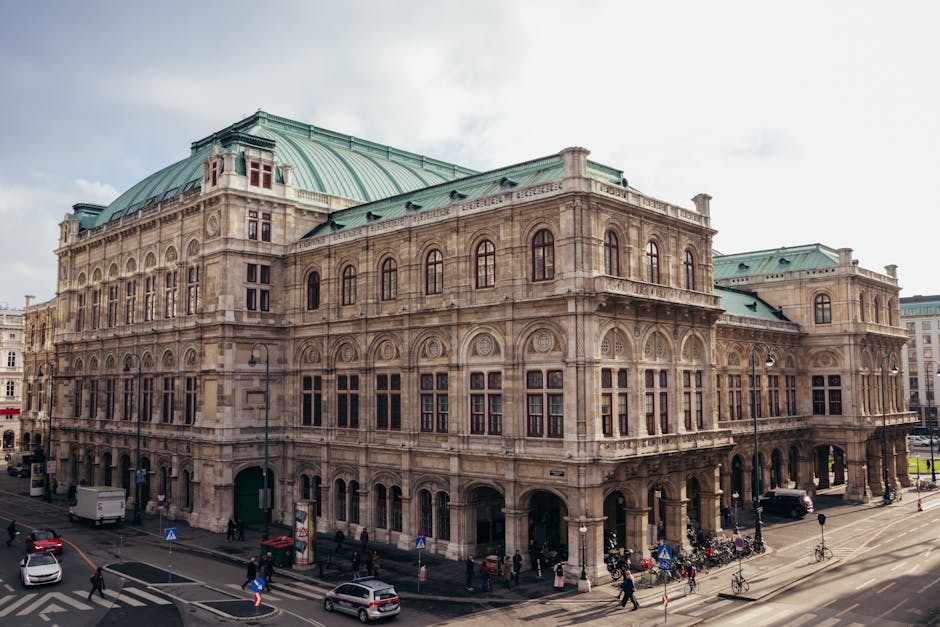
Follow the footsteps of Mozart and Strauss through Vienna’s historic center on this self-guided walk through the city's rich musical history.
 Easy
EasySalzburg, Austria
Discover the 'Rome of the North' on this self-guided walk through the Baroque squares and monumental legacy of Salzburg’s Prince-Archbishops.
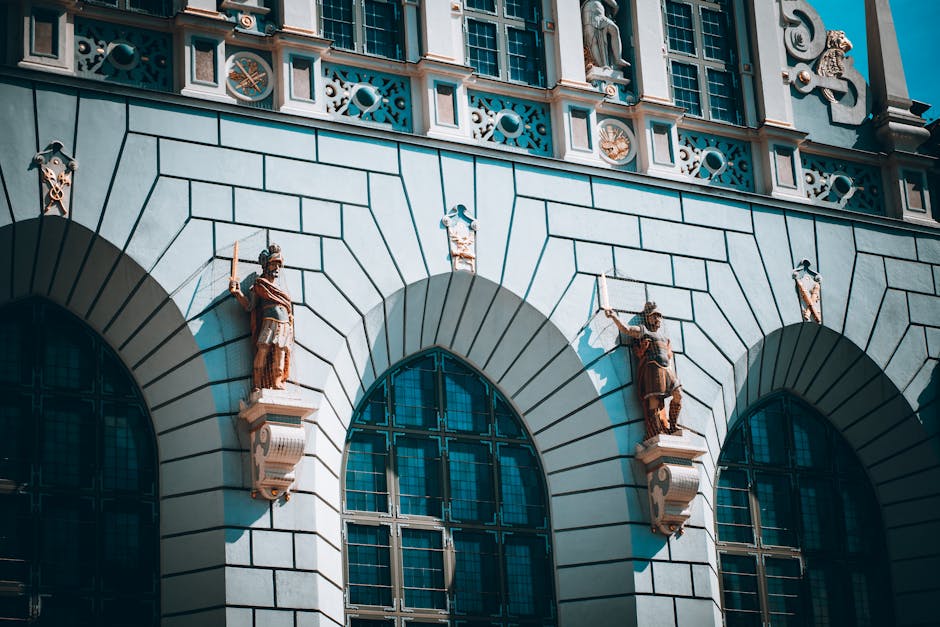 Moderate
Gdansk, Poland
Discover the origins of WWII in Gdansk on this self-guided walk through heroic last stands, massive museums, and strategic hilltop fortifications.
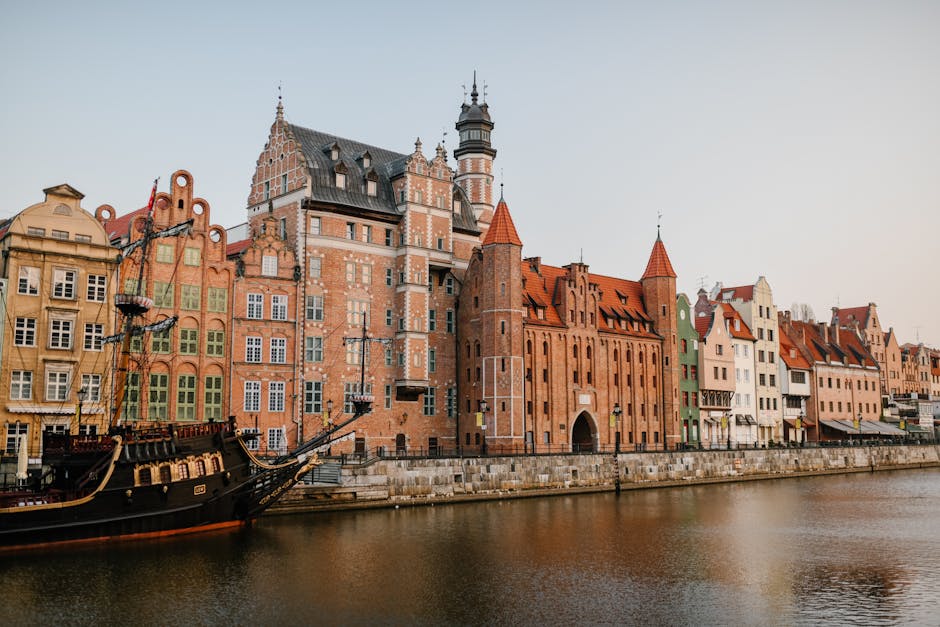 Easy
EasyGdansk, Poland
Discover the 'Baltic Gold' on this self-guided walk through Gdansk's historic mills, massive cathedrals, and the magical Mariacka Street.
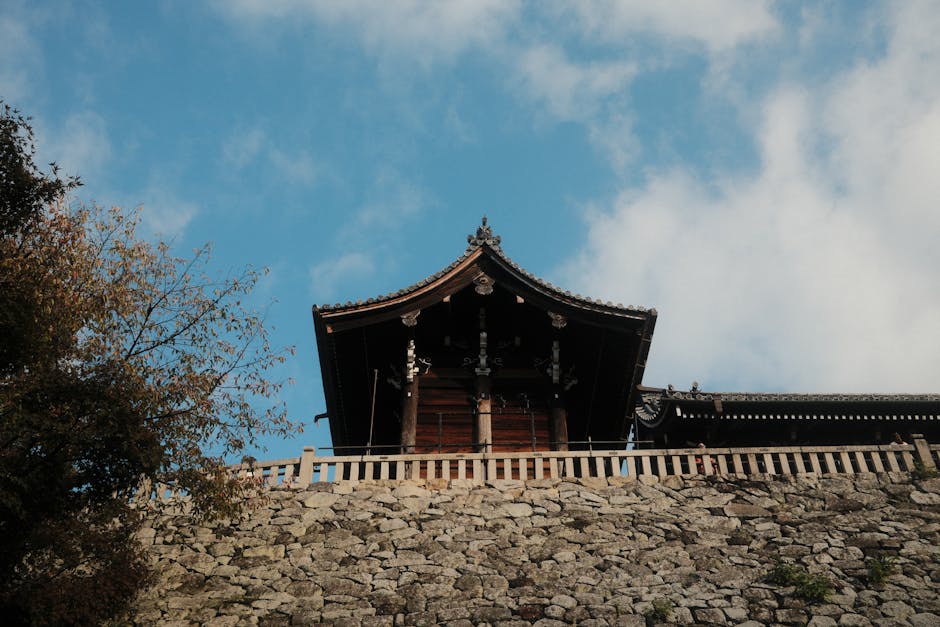 Moderate
Kyoto, Japan
Discover the soul of old Kyoto on this self-guided walk through preserved stone lanes, iconic pagodas, and the grand wooden stage of Kiyomizu-dera.
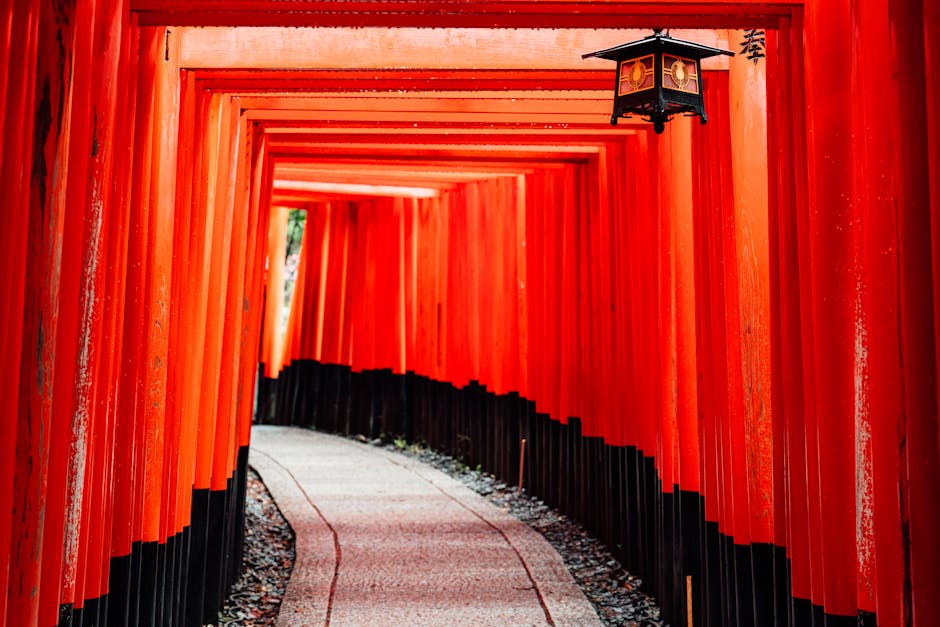 Challenging
Kyoto, Japan
Ascend the sacred Mount Inari through thousands of vermillion torii gates on this challenging and spiritual self-guided walk in Kyoto.
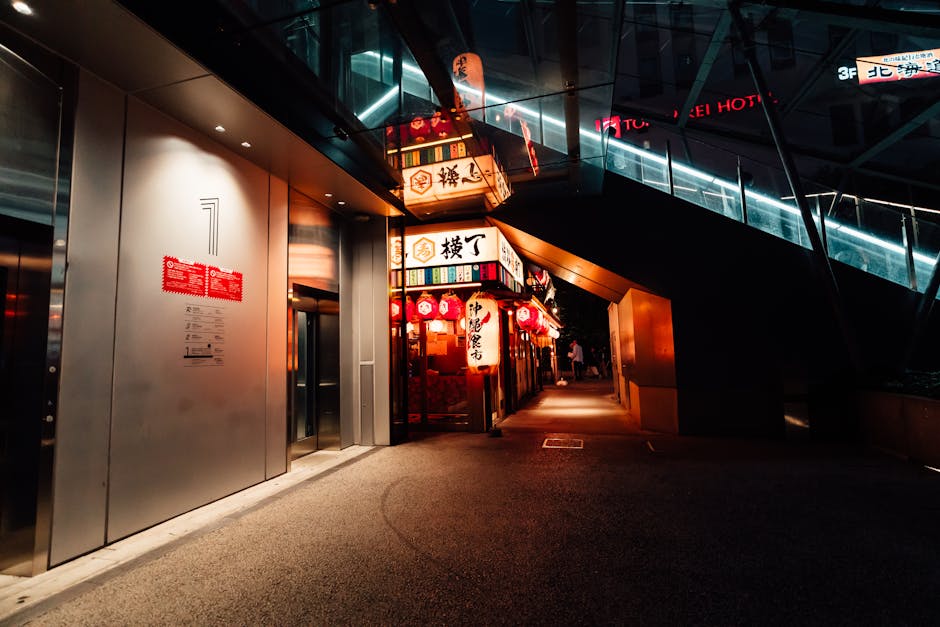 Easy
EasyKyoto, Japan
Explore Kyoto's most atmospheric alleyway. Discover geiko history, riverside dining, and hidden nightlife on this self-guided evening stroll.
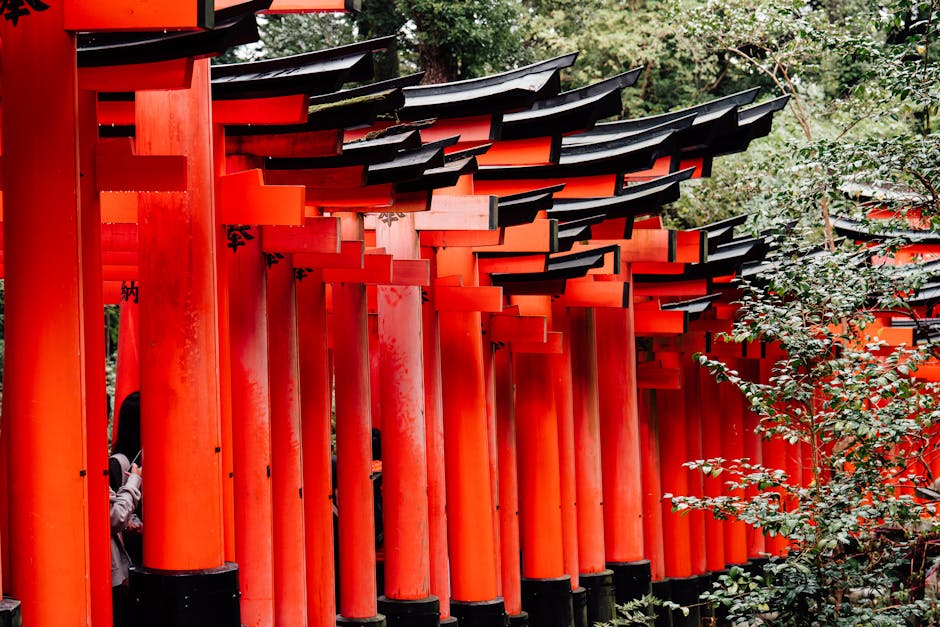 Moderate
Kyoto, Japan
Experience a serene self-guided walk along Kyoto's iconic Philosopher's Path, visiting Zen temples, hidden shrines, and the stunning Silver Pavilion.