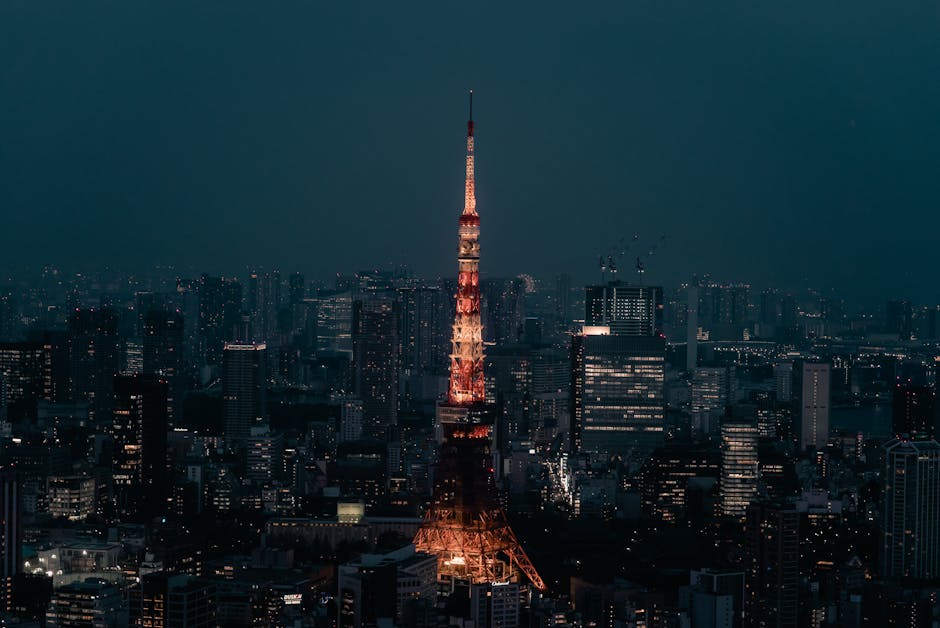
Self-guided audio tour in Tokyo
Start Free on iPhone
Start free on iPhone to unlock this self-guided walking tour in Tokyo. Hear all the stories that make it amazing, walk at your own pace, and begin whenever you want.
Your Private Tour Guide
Step into the vibrant soul of Tokyo with this self-guided walk through Ueno, a neighborhood where the echoes of the Edo period meet the neon energy of modern commerce. This walking route offers a profound look at Japan’s transition from a feudal society to a global powerhouse. You will begin in the bustling alleys of Ameya Yokocho, a market born from the post-war black market era, before ascending into the serene expanse of Ueno Park. Known as 'Museum Hill,' this area is much more than just a collection of galleries; it is a sacred ground that once housed the massive Kaneiji Temple complex. As you explore independently, you will encounter the bronze gaze of Saigo Takamori, the 'Last Samurai,' and visit ancient temples that survived the fires of war and revolution. The path takes you across the picturesque Shinobazu Pond, famous for its summer lotus blooms, to the stunning gold-leafed Ueno Toshogu Shrine. This route is perfect for those who want to experience a walking tour Tokyo style, blending natural beauty with deep historical roots. Whether you are interested in the architectural details of the Kiyomizu Kannon-do or the spiritual significance of the Bentendo Temple, this neighborhood stroll allows you to discover the cultural heart of the city at your own pace. While some might look for a guided tour Tokyo offers many layers that are best peeled back through personal exploration and quiet observation. From the scent of street food in the market to the incense-filled air of the shrines, this journey captures the essence of Tokyo's enduring spirit.
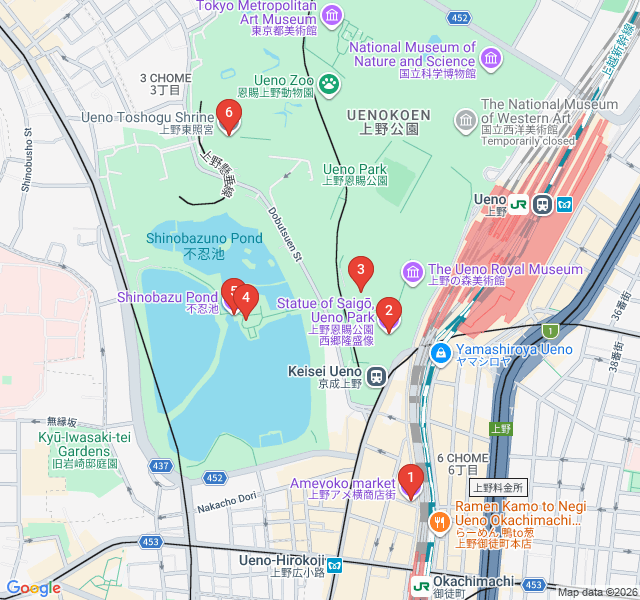
Numbers indicate the order of stops on the tour.
Start your self-guided adventure at Ameya Yokocho, affectionately known as 'Ameyoko.' This bustling market street has a gritty, fascinating history. Following World War II, it served as a vital black market where sugar and sweets—rare luxuries at the time—were sold, giving it the name 'Candy Alley.' Today, it is a sensory explosion of fresh seafood, spices, and discount fashion. As you walk through the narrow lanes, listen for the rhythmic shouts of vendors selling chocolate or dried fish. It is a rare slice of old-school Tokyo commerce that has resisted the shift toward polished shopping malls, maintaining a vibrant, chaotic energy that links the city's difficult past to its prosperous present.
Climb the stairs into Ueno Park to meet one of Japan’s most legendary figures. Saigo Takamori, often called the 'Last Samurai,' was a key leader in the Meiji Restoration but later led a rebellion against the government he helped create. This bronze statue, unveiled in 1898, is notable for its casual depiction; unlike many military leaders shown in formal uniform, Saigo is dressed in a simple yukata, walking his dog. This choice reflects his popularity as a man of the people. The statue stands near the site of the Battle of Ueno, where the last supporters of the Shogunate made their final stand, marking the end of the samurai era and the birth of modern Japan.
This striking vermillion temple was built in 1631 and is one of the oldest structures in the city. It was modeled after the famous Kiyomizu-dera in Kyoto, featuring a prominent wooden balcony that overlooks the park. The temple is dedicated to Kosodate Kannon, the goddess of conception and easy childbirth. Look out for the 'Moon Pine,' a tree with a branch trained into a perfect circle. This architectural and botanical marvel was immortalized in woodblock prints by the great artist Hiroshige. It is a peaceful spot to reflect on the spiritual traditions that have comforted Tokyoites through centuries of earthquakes and urban change.
In the center of Shinobazu Pond sits the octagonal Bentendo Temple. It is dedicated to Benzaiten, the Buddhist goddess of music, wisdom, and wealth. The temple’s location on an island is intentional; in Japanese folklore, Benzaiten is often associated with water. Originally, the temple could only be reached by boat, but a stone bridge was later added for easier access. Inside, you might see visitors praying for success in the arts or business. The surrounding area is often filled with small stalls selling traditional snacks, making it a perfect place to witness the intersection of religious devotion and local community life in a beautiful natural setting.
This massive natural pond is a sanctuary in the heart of the city. It is divided into three sections: the Lotus Pond, the Cormorant Pond, and the Boat Pond. During the summer months, the Lotus Pond is almost entirely covered by giant green leaves and pink flowers, a sight that has inspired poets for generations. The pond is also a haven for migratory birds, making it a favorite spot for local photographers. Historically, this area was designed to mimic the scenery of Lake Biwa near Kyoto. Walking along its banks, you can see the skyline of Ueno reflected in the water, offering a moment of tranquility amidst the urban rush.
Finalize your walking route at the Ueno Toshogu Shrine, a masterpiece of Edo-period architecture. Built in 1627 and dedicated to Tokugawa Ieyasu, the founder of the Tokugawa Shogunate, it is one of the few structures in Tokyo to have survived the Boshin War, the Great Kanto Earthquake, and the bombings of WWII. The shrine is famous for its extensive use of gold leaf and intricate wood carvings of birds and flowers. As you walk the approach lined with massive stone lanterns, you are walking through history. The 'Flame of Hiroshima and Nagasaki' also burns nearby, serving as a poignant permanent memorial to peace, contrasting with the military history of the surrounding park.
Start Free on iPhone
Explore “Ueno’s Cultural Heart: Temples, Lotus Ponds, and Museums” with your very own Private Tour Guide with Zigway. Start free on iPhone, skip the large group and the fixed routes, and hear the city come alive as you go.
Your Private Tour Guide
Don't miss the good stuff
Explore Freely
 Moderate
Tokyo, Japan
Discover Tokyo's premier creative district on this self-guided walk through Roppongi’s world-class museums and striking modern architecture.
 Easy
EasyTokyo, Japan
Discover the 'Old Tokyo' charm of Yanaka on this self-guided walk through historic temples, artisan alleys, and a stunning torii gate shrine.
 Easy
EasyTokyo, Japan
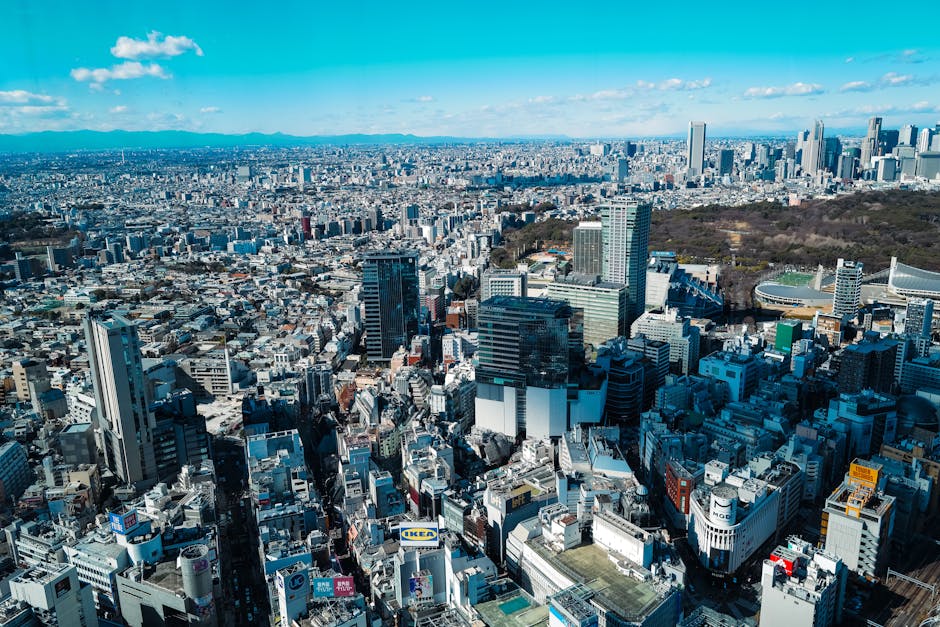
Experience Shibuya's electric energy on this self-guided walk from the iconic Scramble Crossing to the panoramic views of Shibuya Sky.
 Easy
EasyTokyo, Japan
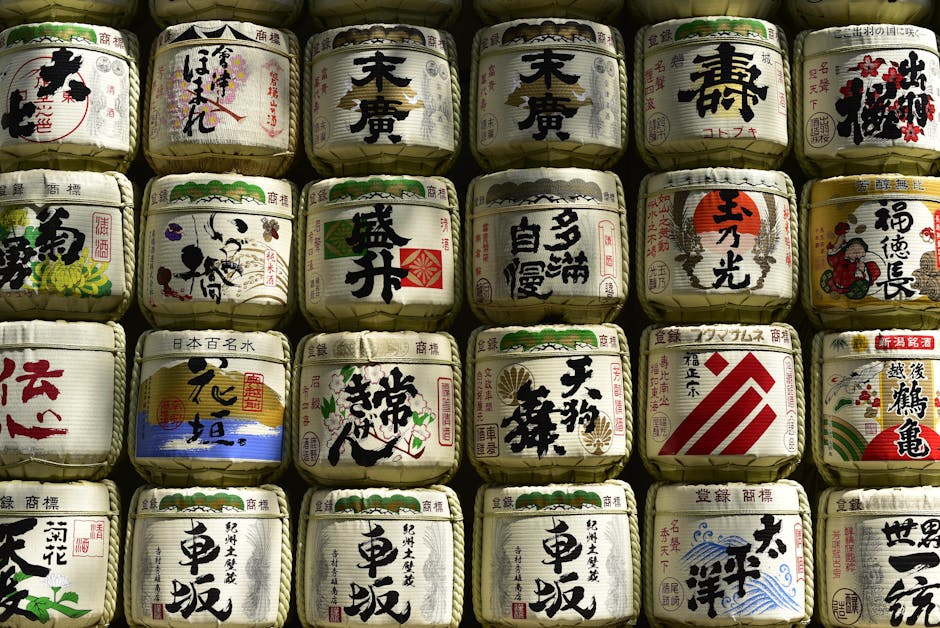
Explore Tokyo's indie heart. From vintage fashion in Shimokitazawa to world-class art in Shinjuku, discover the city's creative soul independently.
 Easy
EasyInnsbruck, Austria
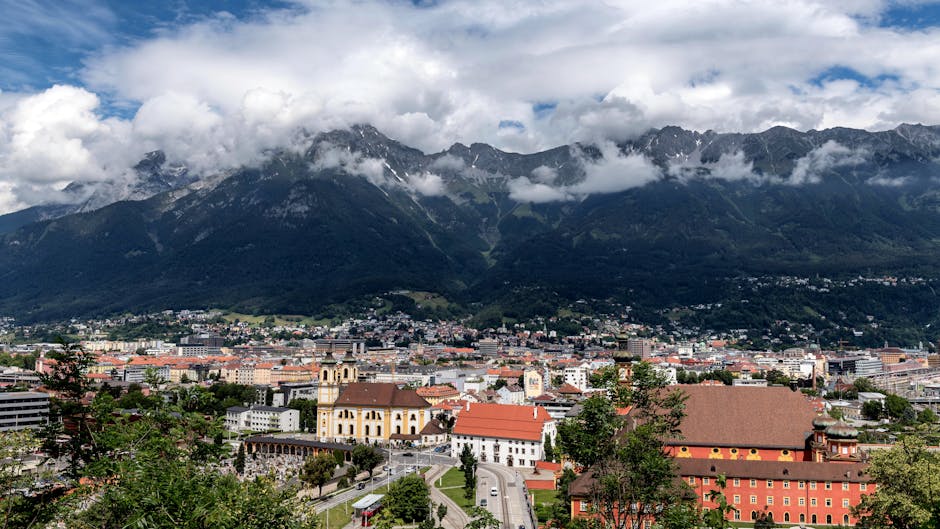
Uncover the myths and legends of Innsbruck on this self-guided walk through the historic Altstadt and beyond.
 Easy
EasySalzburg, Austria
Discover the 'Rome of the North' on this self-guided walk through the Baroque squares and monumental legacy of Salzburg’s Prince-Archbishops.
 Easy
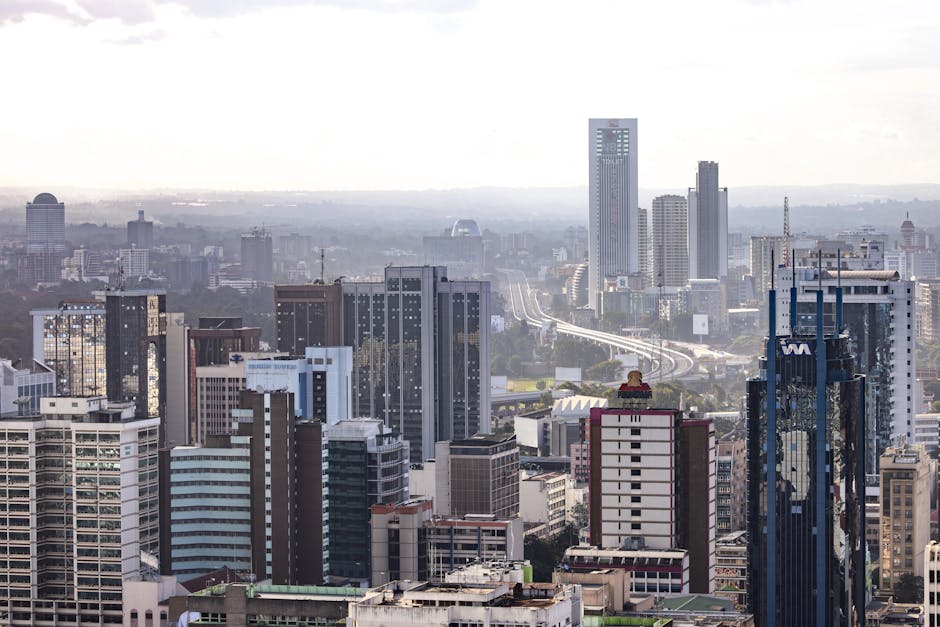
EasyNairobi, Kenya
Explore Nairobi's architectural evolution from colonial-era landmarks to iconic Brutalist skyscrapers on this historic self-guided walking route.
 Easy
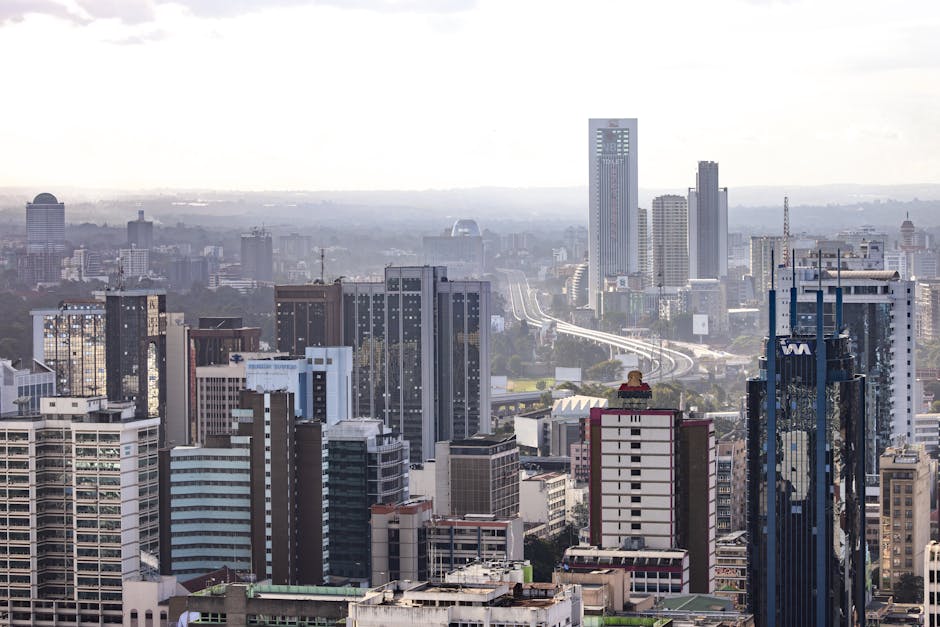
EasyNairobi, Kenya
Discover Nairobi's iconic skyline on this self-guided architecture walk through the CBD’s most famous modernist and Brutalist landmarks.
 Moderate
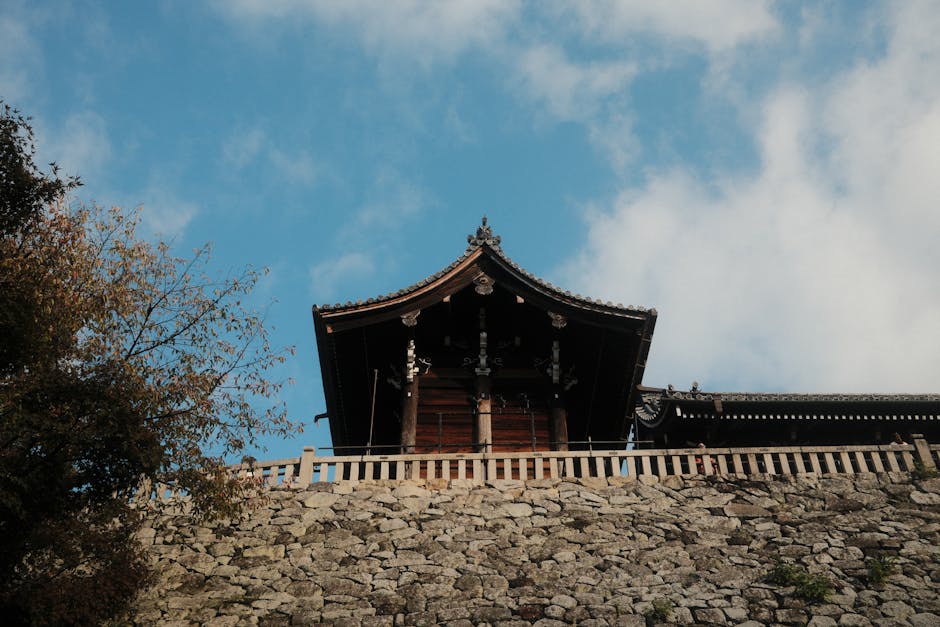
Kyoto, Japan
Discover the soul of old Kyoto on this self-guided walk through preserved stone lanes, iconic pagodas, and the grand wooden stage of Kiyomizu-dera.
 Challenging
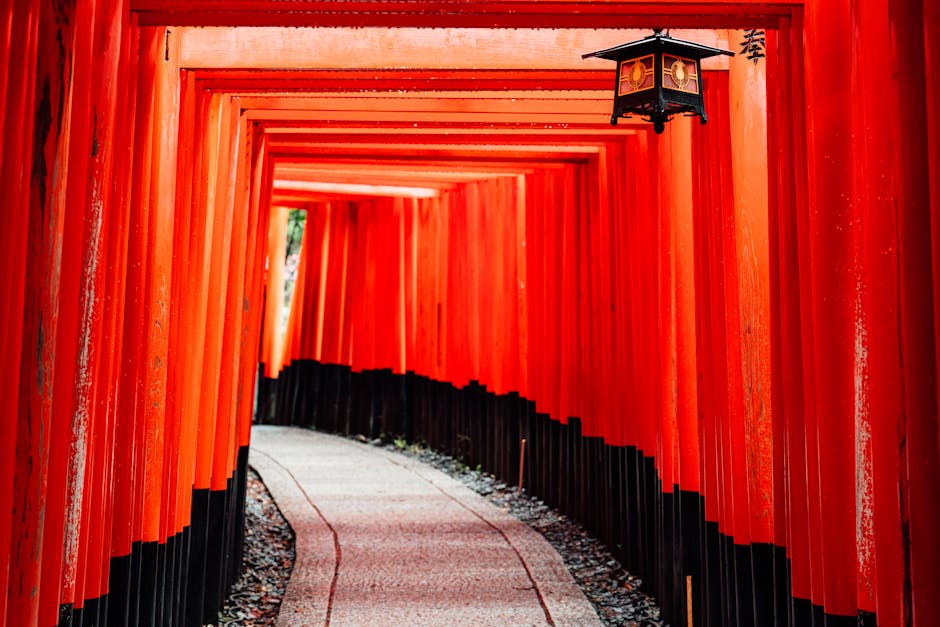
Kyoto, Japan
Ascend the sacred Mount Inari through thousands of vermillion torii gates on this challenging and spiritual self-guided walk in Kyoto.
 Easy
EasyKyoto, Japan
Explore Kyoto's most atmospheric alleyway. Discover geiko history, riverside dining, and hidden nightlife on this self-guided evening stroll.
 Moderate
Kyoto, Japan
Experience a serene self-guided walk along Kyoto's iconic Philosopher's Path, visiting Zen temples, hidden shrines, and the stunning Silver Pavilion.