Self-guided audio tour in Lyon
Start Free on iPhone
Start free on iPhone to unlock this self-guided walking tour in Lyon. Hear all the stories that make it amazing, walk at your own pace, and begin whenever you want.
Your Private Tour Guide
Escape the Renaissance crowds of the city center and discover Gerland, a neighborhood that represents the future of Lyon. This self-guided walking route takes you through a district where industrial heritage meets cutting-edge science and lush urban nature. Once a marshy plain dominated by slaughterhouses and factories, Gerland has undergone a stunning transformation into a hub for biotechnology, elite education, and professional sports. On this neighborhood stroll, you will explore the visionary architecture of Tony Garnier, a man who reimagined what a modern city could look like long before his contemporaries. You will walk through the campus of the ENS de Lyon, one of France's most prestigious academic institutions, where the sleek lines of modern research facilities define the landscape. The journey continues to the Halle Tony Garnier, a monumental steel-and-glass structure that transitioned from a 1920s cattle market to one of Europe's premier concert venues. As you move toward the banks of the Rhône, the vibe shifts from academic to recreational. You will pass the vibrant Skatepark de Lyon and enter the expansive Parc de Gerland. This isn't your typical manicured garden; it is a masterclass in contemporary landscape architecture, featuring the 'Megaphorbiaie'—a unique collection of giant herbaceous plants. The walk also highlights Lyon's sporting soul at the Matmut Stadium, another Tony Garnier masterpiece that has hosted everything from the 1998 World Cup to massive rugby clashes. Finally, you will reach the edge of the industrial port, offering a rare look at the commercial pulse of the river. This walking tour Lyon provides a perfect blend of fresh air, 20th-century history, and 21st-century innovation, making it ideal for those who want to see the side of the city where locals live, work, and play.
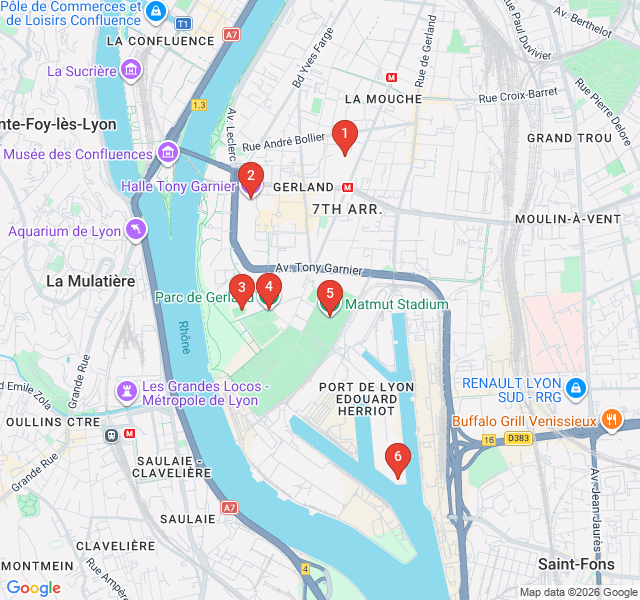
Numbers indicate the order of stops on the tour.
Welcome to the heart of French intellectual excellence. The École Normale Supérieure (ENS) de Lyon is one of the country's most prestigious 'Grandes Écoles.' This specific site, the Monod Campus, is dedicated to the hard sciences. As you look at the modern, functional architecture, you are standing in a place where Nobel laureates and Fields Medalists have walked. The campus was moved from Saint-Cloud to Lyon in 1987, marking the beginning of Gerland's transformation into a 'Biodistrict.' The design emphasizes transparency and openness, reflecting the collaborative nature of modern scientific research. Take a moment to appreciate how the buildings integrate with the surrounding greenery, a recurring theme you will notice throughout this self-guided walk.
Standing before you is a masterpiece of 20th-century industrial architecture. Designed by Lyon’s own Tony Garnier and completed in 1914, this was originally the 'Grande Halle des Mouches,' the central slaughterhouse and cattle market of the city. Garnier was a visionary who believed that industrial buildings should be both functional and beautiful. Notice the absence of internal pillars; the massive steel arches support the roof entirely from the outside, creating a vast, uninterrupted interior space of over 17,000 square meters. During WWI, it served as an armaments factory before finally opening for its intended use. Today, it has been repurposed as a world-class concert hall and exhibition space, hosting everyone from rock stars to international summits.
This stop highlights the youthful, active energy that defines modern Gerland. The Skatepark de Lyon is one of the largest indoor facilities of its kind in France. Housed in a former industrial warehouse, it serves as a cultural hub for 'urban sports' like skateboarding, BMX, and rollerblading. It’s a great example of how Lyon repurposes its old industrial bones to serve the needs of a younger generation. Even if you aren't an athlete, the surrounding area often features impressive street art and a lively atmosphere that contrasts sharply with the historic silk-weaving districts of the city center. It represents the 'New Lyon'—dynamic, athletic, and slightly gritty.
Step into one of Lyon's most innovative green spaces. Parc de Gerland was designed by landscape architect Michel Corajoud and opened in 2000. Unlike the traditional French gardens of the past, this park focuses on biodiversity and the natural cycles of the river. The highlight is the 'Megaphorbiaie,' a series of canals and gardens filled with giant perennial plants that create a lush, almost prehistoric feel in the middle of the city. The park was built on former industrial land, and you can still see the scale of the area’s transformation. It’s a favorite spot for local joggers and families, offering a peaceful retreat with views stretching toward the confluence of the Rhône and Saône rivers.
You are looking at a temple of French sport. Another creation of Tony Garnier, the Stade de Gerland was commissioned by Mayor Édouard Herriot and completed in 1920. Garnier drew inspiration from Roman amphitheatres, which is evident in the four monumental stone portals that mark the entrances. For decades, it was the fortress of the Olympique Lyonnais football club during their legendary run of seven consecutive French titles in the 2000s. After the football team moved to a newer stadium, this historic ground became the home of LOU Rugby. The stadium is a protected historic monument, ensuring that Garnier’s blend of classical symmetry and modern concrete remains a fixture of the Lyon skyline.
Our final stop brings us to the edge of the Rhône. Port Édouard Herriot is the primary commercial port of Lyon, handling millions of tons of goods every year. While much of Lyon's riverfront has been converted into leisure promenades, this area remains a working industrial site. From here, you can see the massive infrastructure required to manage river traffic heading toward the Mediterranean. It serves as a reminder that Lyon's wealth and growth have always been tied to its rivers. As you conclude your walk, notice the contrast between the high-tech laboratories of the ENS you saw earlier and the heavy industrial machinery here—both are essential parts of the Gerland story.
Start Free on iPhone
Explore “Modern Gerland: Nature, Science, and Sport” with your very own Private Tour Guide with Zigway. Start free on iPhone, skip the large group and the fixed routes, and hear the city come alive as you go.
Your Private Tour Guide
Don't miss the good stuff
Explore Freely
 Easy
EasyLyon, France
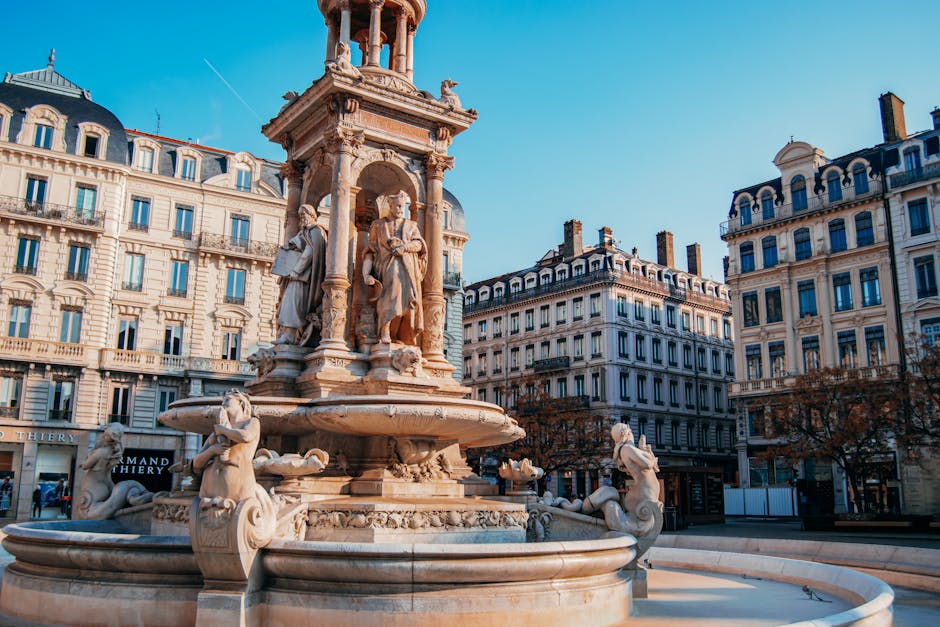
Discover Lyon's culinary soul on this self-guided walk from historic Presqu'île to the legendary Halles Paul Bocuse food market.
 Easy
EasyLyon, France
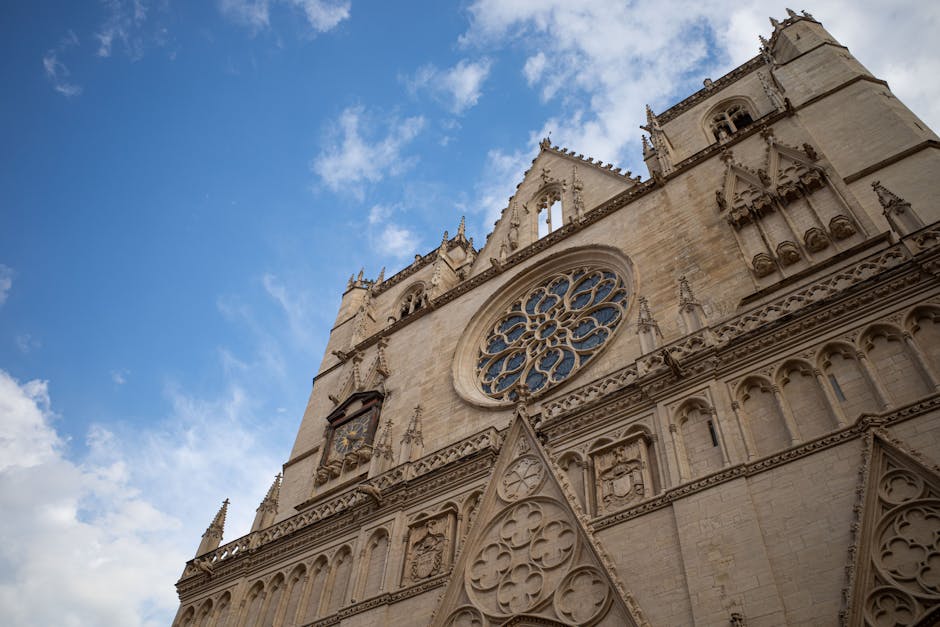
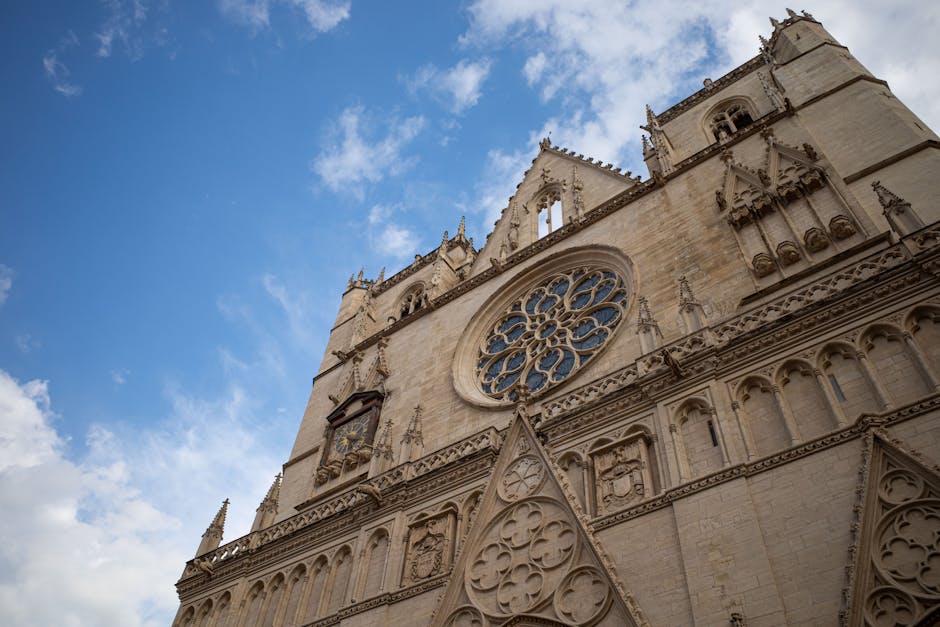
Explore Lyon’s futuristic waterfront! A self-guided walk through Confluence’s bold architecture and reclaimed industrial docks.
 Easy
EasyLyon, France
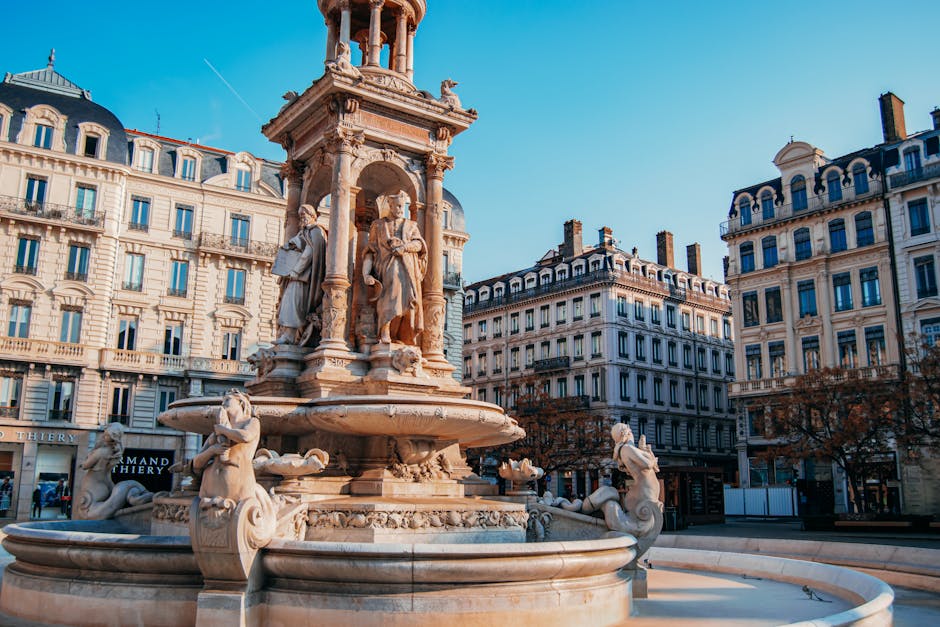
Discover the multicultural soul and industrial heritage of Lyon's 7th arrondissement on this vibrant self-guided walking route.
 Moderate
Lyon, France
Ascend the 'Hill that Prays' to explore Roman ruins, a shimmering basilica, and secret panoramic gardens on this historic self-guided walk in Lyon.
 Easy
EasyKrakow, Poland
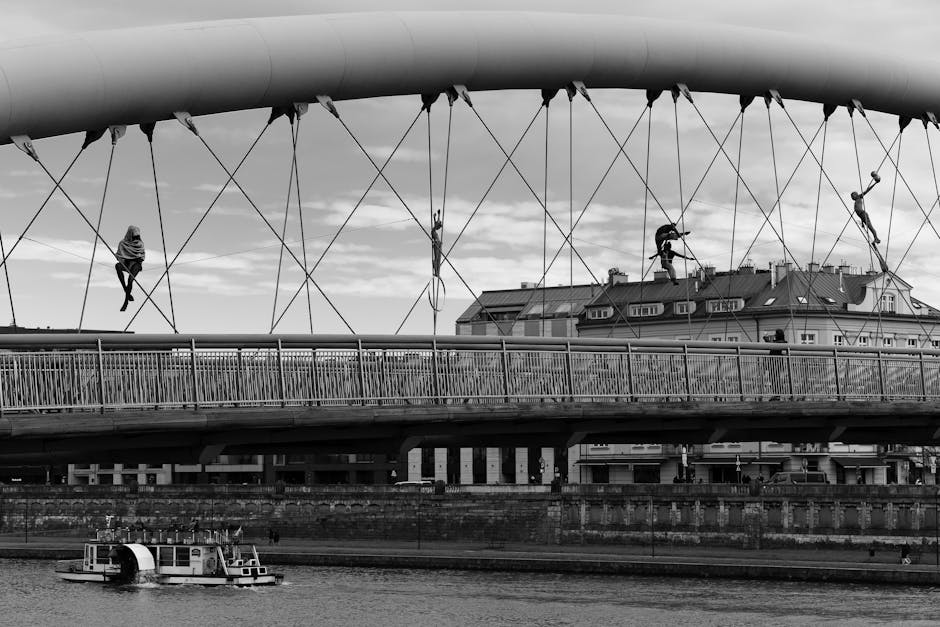
Discover Krakow’s creative soul in Zabłocie, exploring industrial heritage, contemporary art museums, and avant-garde architecture at your own pace.
 Easy
EasyWarsaw, Poland
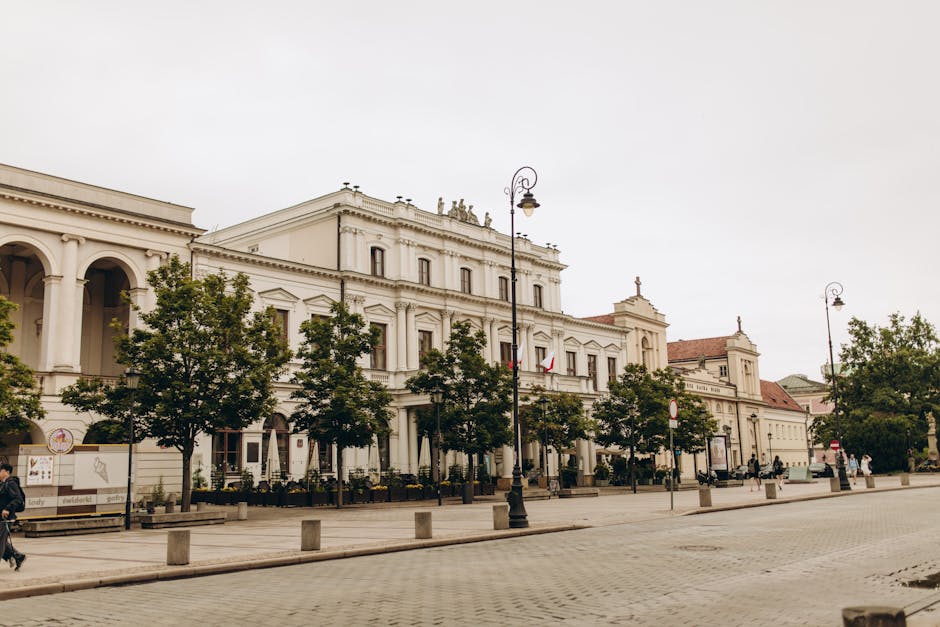
Explore Warsaw's scenic riverfront, rooftop gardens, and industrial-chic architecture on this self-guided stroll through the Powiśle district.
 Easy
EasyHelsinki, Finland
Discover Helsinki's oldest neighborhood on this self-guided audio walk through Kruununhaka’s historic streets, hidden courtyards, and scenic shores.
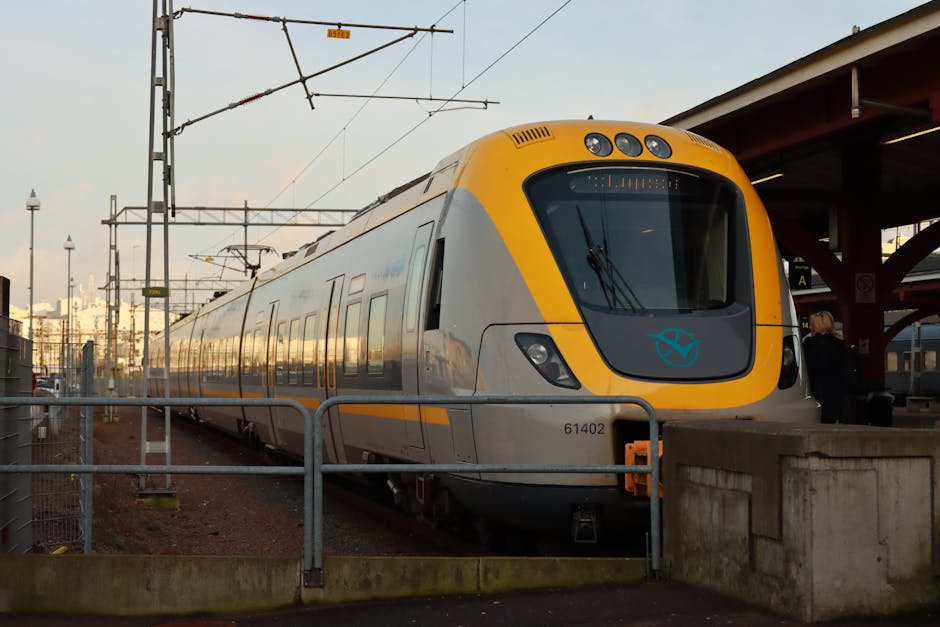 Easy
EasyGothenburg, Sweden
Explore Gothenburg's maritime soul on this self-guided walk from historic shipyards to sleek modern piers and iconic industrial landmarks.
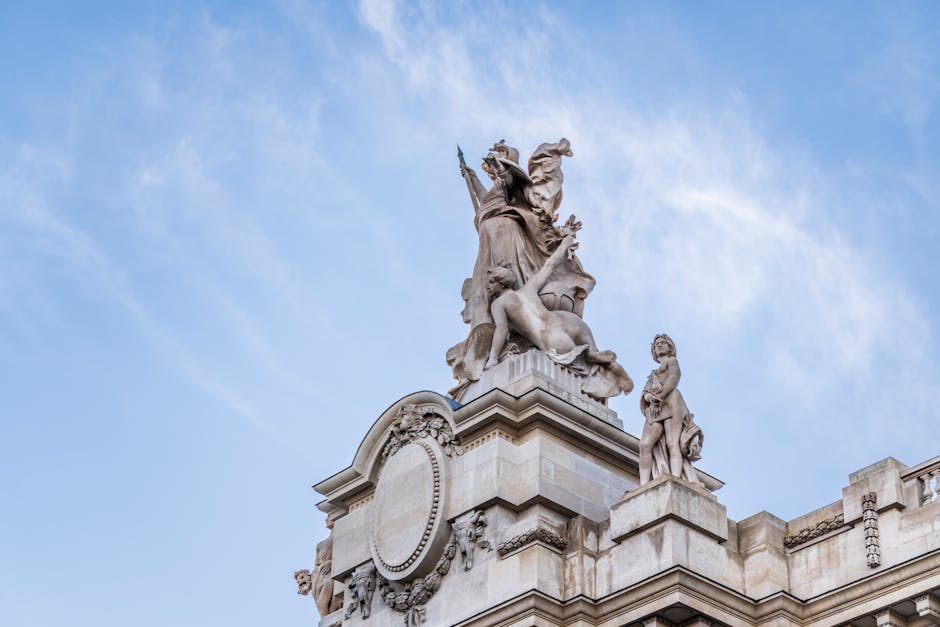 Challenging
Paris, France
Explore the secret vineyards, legendary artist studios, and hidden squares of Paris's iconic hilltop on this self-guided bohemian walking route.
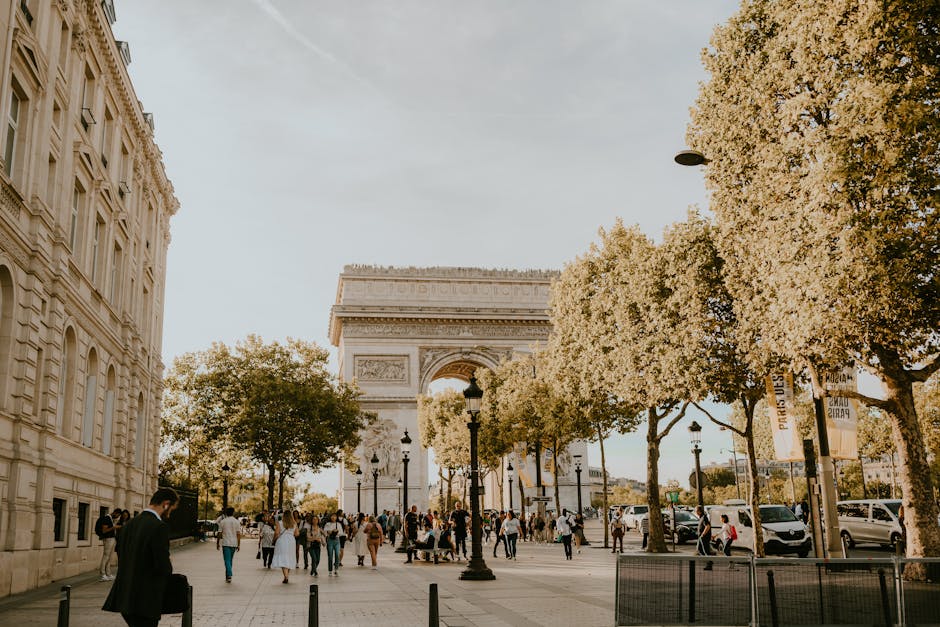 Easy
EasyParis, France
Explore the evolution of Parisian design from Art Nouveau whimsy to Le Corbusier's Modernist masterpieces on this self-guided architectural walk.
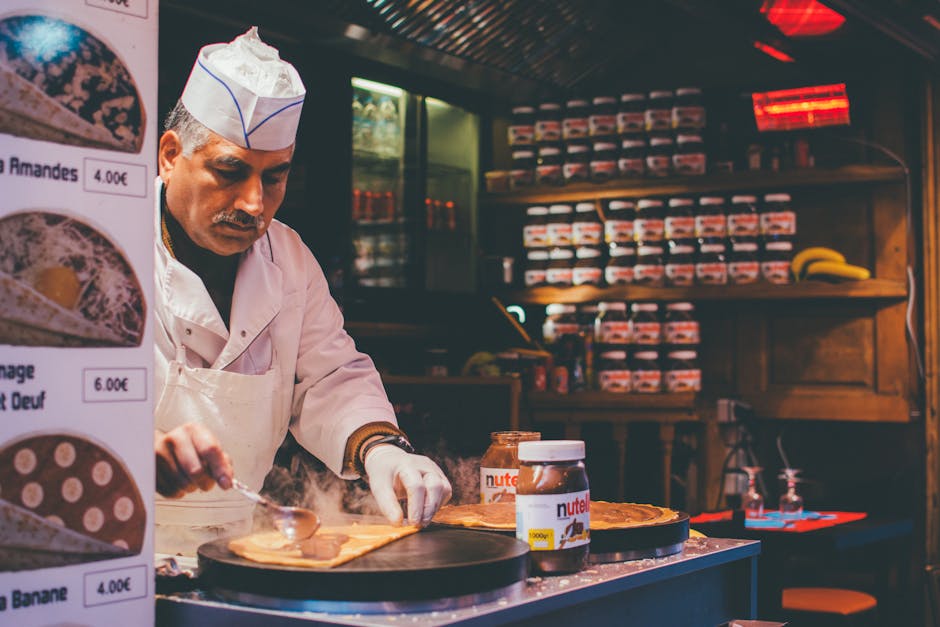 Easy
EasyParis, France
Explore the flavors and history of Bastille on this self-guided walk through the legendary Aligre Market and the scenic Coulée Verte.
 Easy
EasyParis, France
Discover aristocratic mansions, secret medieval courtyards, and royal history on this self-guided walk through the enchanting Marais district.