Self-guided audio tour in Marseille
Start Free on iPhone
Start free on iPhone to unlock this self-guided walking tour in Marseille. Hear all the stories that make it amazing, walk at your own pace, and begin whenever you want.
Your Private Tour Guide
Experience the radiant light and rugged landscapes that transformed the course of modern art on this self-guided walk through Marseille. This route traces the evolution of the city from its ancient foundations in Le Panier to the industrial and artistic heights of L’Estaque, a fishing village that served as a laboratory for masters like Paul Cézanne, Georges Braque, and André Derain. As you explore, you will witness the same shimmering Mediterranean vistas and sharp limestone cliffs that inspired the birth of Fauvism and Cubism. This walking tour Marseille experience connects the urban energy of the city center with the serene, salt-aired atmosphere of the northern coast. Begin your journey in the narrow, winding alleys of Le Panier, Marseille’s oldest neighborhood, where the interplay of shadow and pastel-hued facades creates a living canvas. From there, the route leads you through monumental gateways and grand 19th-century staircases, showcasing the city's architectural ambition. You will stroll along the dramatic Corniche Kennedy, offering uninterrupted views of the Frioul Islands and the legendary Château d’If. The final portion of the route takes you to L’Estaque, where the 'Chemin des Peintres' (Painter’s Path) reveals the specific viewpoints where some of the most famous canvases of the 20th century were conceived. This neighborhood stroll is more than just a sightseeing trip; it is an immersion into the 'Marseille light'—a clarity of atmosphere that has drawn artists to these shores for centuries. Whether you are an art history enthusiast or simply seeking the most picturesque corners of the Mediterranean, this self-guided adventure offers a profound look at the city’s dual identity as a bustling port and a painter’s paradise.
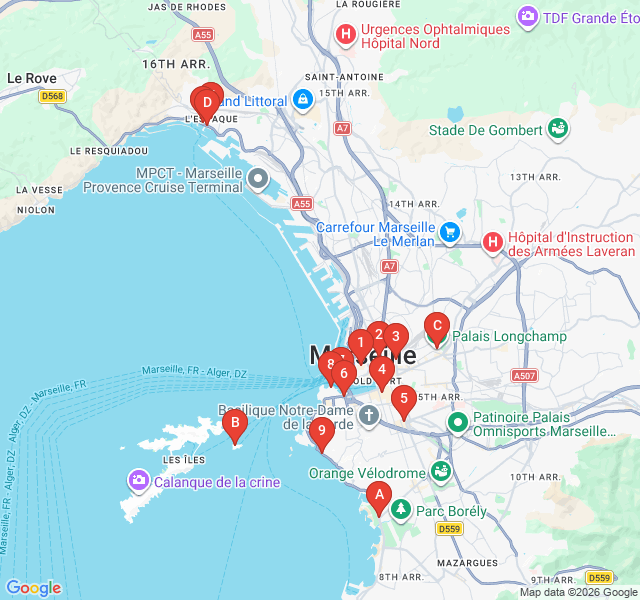
Numbers indicate the order of stops on the tour.
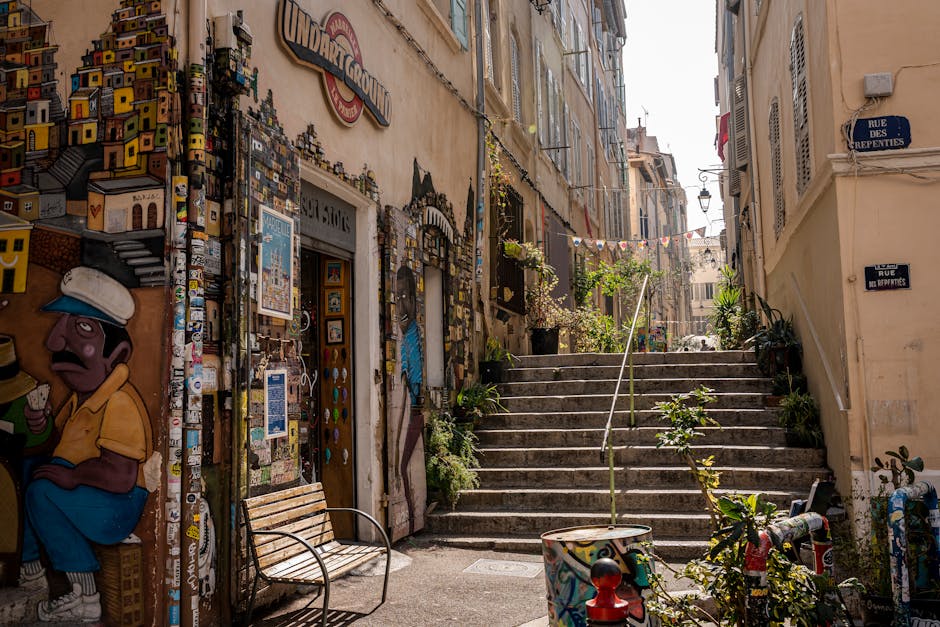
Welcome to Le Panier, the historic heart of Marseille. Founded by the Phocaeans in 600 BC, this is the oldest district in France. As you wander through its narrow, steep alleys, notice the tall, sun-baked houses painted in ochre and terracotta. For centuries, this was a neighborhood of sailors and immigrants, creating a dense, vibrant atmosphere that has long fascinated artists. The light here is unique; it filters through laundry hanging between windows and bounces off the worn cobblestones. Look for the colorful shutters and the abundance of street art that keeps this ancient district feeling modern. This area sets the stage for our artistic journey, representing the gritty, authentic soul of Marseille that contrasts with the refined landscapes we will see later in L’Estaque.
Standing before you is the Porte d'Aix, a triumphal arch that once marked the main entrance to the city for travelers arriving from Aix-en-Provence. Completed in 1839, its design was inspired by the arches of the Roman Empire, symbolizing Marseille’s long-standing connection to Mediterranean history. The reliefs and statues celebrate French military victories, but for an artist, the draw is the way the white limestone catches the intense Provençal sun. This landmark serves as a gateway between the historic core and the expanding 19th-century city. Take a moment to observe the architectural transition here, where the dense medieval layout begins to give way to wider boulevards and grander urban planning.
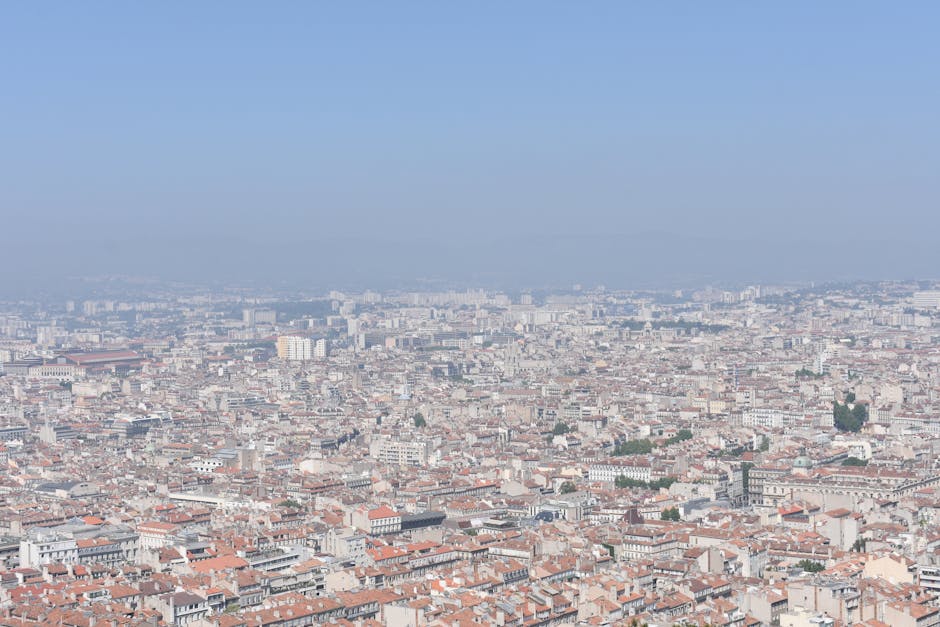
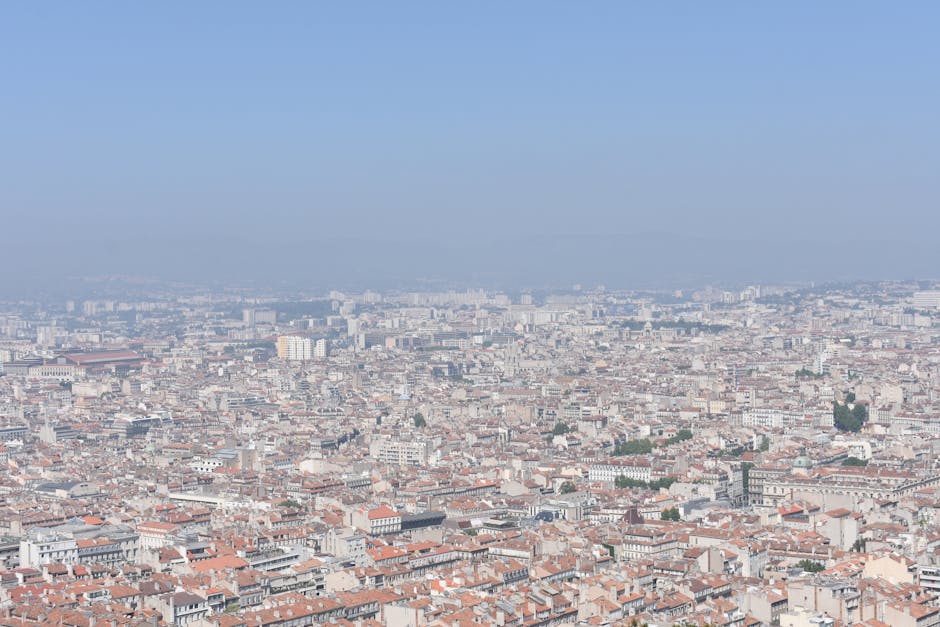
These monumental stairs, inaugurated in 1925, are more than just a way to reach the train station; they are a grand theatrical entrance to Marseille. As you stand at the top or bottom, notice the bronze statues representing 'The Colonies' and the various gates of the Orient. These sculptures reflect Marseille's historical role as the 'Port of the Empire.' For photographers and painters, the stairs offer a magnificent perspective over the city rooftops toward the church of Notre-Dame de la Garde. The sheer scale of the staircase and the sweeping views exemplify the 20th-century desire to modernize the city while honoring its maritime heritage. It is a perfect spot to appreciate the vastness of the Marseille landscape.
The Opéra de Marseille is a fascinating architectural hybrid. After a fire in 1919, the building was reconstructed in a striking Art Deco style, while retaining its original 18th-century Neoclassical facade and columns. This blend of styles mirrors the city's own layers of history. Inside, the house was a center of cultural life during the era when painters were flocking to the South of France. The geometry of the Art Deco elements—the clean lines and stylized motifs—echoes the transition in the art world from Impressionism toward the more structured forms of Cubism that we will explore later in L’Estaque. It remains a cornerstone of the city's artistic identity.
Place Castellane is a bustling hub where the city’s energy is palpable. At its center stands the Fontaine Jules Cantini, carved from Carrara marble in 1911. The fountain features an allegorical representation of Marseille and the Rhône River. This square serves as a vital junction for the city’s tram and metro lines, connecting diverse neighborhoods. For our trail, it represents the urban pulse of Marseille. Artists like Raoul Dufy were often drawn to such lively public spaces, capturing the movement of the crowds and the play of water in the bright light. From here, the city begins to open up toward the coast and the southern districts.
Perched above the entrance to the Old Port, Fort Saint-Nicolas was built by Louis XIV in the 1660s. Interestingly, its cannons were pointed inward toward the city, rather than outward toward the sea—a reminder of the King’s desire to keep the rebellious citizens of Marseille under control. The star-shaped stone walls provide a rugged, geometric contrast to the blue waters below. This fort, along with its counterpart across the water, has been a favorite subject for maritime painters for centuries. The sharp angles of the fortifications and the dramatic shadows they cast in the afternoon sun are a precursor to the structured landscapes that Cézanne would later popularize.
Fort Saint-Jean marks the spot where the Greeks first landed to found the city. Connected to the modern MuCEM museum by a slender footbridge, this fort represents the bridge between Marseille's ancient past and its contemporary future. Its round tower and arched passages have witnessed centuries of trade and warfare. For an artist, the fort offers a complex interplay of textures—ancient stone, modern concrete, and the fluid surface of the harbor. Walking through its ramparts, you can see how the light changes as it reflects off the water, a phenomenon that has long challenged and inspired painters trying to capture the essence of the Mediterranean.
The Palais du Pharo was built by Napoleon III for Empress Eugénie, though she never actually stayed here. Situated on a promontory, it offers perhaps the most famous panoramic view of Marseille. From here, you can see the Old Port, the MuCEM, and the vast coastline stretching toward the north. The palace is surrounded by a public park where the green grass meets the deep blue of the sea. This specific vantage point allows you to see the city as a landscape painter would—a composition of sea, sky, and stone. It is a moment of calm and beauty that highlights why the light in this region is considered so special by the artistic community.
Stretching along the coast, the Corniche Kennedy is one of the most beautiful seaside roads in the world. It is named after the US President and features a long bench that runs for nearly three kilometers, offering a constant view of the Mediterranean. As you walk or drive along this route, observe the small fishing coves, like Vallon des Auffes, tucked away below the road. The contrast between the white limestone cliffs and the turquoise water is startling. This dramatic coastline was a major draw for the Fauve painters, who used bold, non-naturalistic colors to capture the intensity of the sun and the vibrancy of the sea that you see before you.
Standing near the beaches of Prado, this marble replica of Michelangelo’s David was gifted to the city in 1903. While it might seem out of place so far from Florence, it serves as a testament to Marseille’s cultural aspirations and its connection to the wider European artistic tradition. Standing against the backdrop of the sea and the sky, the statue takes on a different character than it does in a museum. It becomes part of the landscape. For artists, the human form set against the elements of nature is a classic theme, and this landmark provides a striking silhouette against the Mediterranean horizon.
Visible on its rocky island in the bay, the Château d'If is Marseille's most famous prison, immortalized in Alexandre Dumas' 'The Count of Monte Cristo.' While it served a grim purpose for centuries, its silhouette on the horizon is an essential part of the Marseille seascape. Painters have often included the island in their compositions to provide a sense of depth and mystery to the bay. The way the fortress seems to change color—from brilliant white in the midday sun to a deep grey at dusk—illustrates the shifting moods of the Mediterranean light that we are tracking on this trail.
Palais Longchamp is a masterpiece of 19th-century architecture, built to celebrate the arrival of water from the Durance River to the city. This 'water castle' features a magnificent fountain, colonnades, and lush gardens. It also houses the Museum of Fine Arts. The structure is a celebration of abundance and civic pride. The intricate carvings of bulls and nymphs, combined with the cascading water, create a sensory experience of sight and sound. For the artists of the time, the Palais represented the wealth and sophistication of Marseille, providing a grand, classical subject in the heart of the city before they headed to the rugged simplicity of the coast.
We have now reached the legendary Port de l'Estaque. In the late 19th and early 20th centuries, this small fishing village became the epicenter of modern art. Paul Cézanne spent significant time here between 1870 and 1885, fascinated by the red roofs against the blue sea. Later, Georges Braque painted here, developing the geometric style that would become Cubism. As you walk along the harbor, look past the modern boats to see the traditional 'pointus' (fishing boats) and the tile-roofed houses that appeared in so many famous paintings. The air is thick with the scent of salt and pine, and the light remains as clear and inspiring as it was a century ago.
The Chemin des Peintres, or Painter's Path, is a trail that winds up the hills overlooking L’Estaque. As you ascend, you are literally walking in the footsteps of the giants of art history. Along the way, you will find reproductions of famous works placed exactly where the artists stood to paint them. Notice how the pine trees frame the view of the bay and the distant city of Marseille. This path allows you to see the world through the eyes of the Fauvists and Cubists. You can observe how they simplified the shapes of the houses and intensified the colors of the sea to express the raw emotion of the landscape.
Our journey concludes at the Espace Peintres, a high point offering a spectacular view over the Gulf of Marseille. From here, the industrial chimneys of the north mix with the timeless beauty of the Mediterranean. It was this mix of the natural and the man-made that so intrigued artists like Braque and Dufy. They didn't just paint pretty scenes; they captured the changing face of the modern world. Take a moment to sit and absorb the vista. The light that dances on the water today is the same light that sparked a revolution in art, forever changing how we perceive the world around us. Your self-guided adventure ends here, in the very heart of the painter's trail.
Start Free on iPhone
Explore “Artistic Light: The Painter’s Trail in L’Estaque” with your very own Private Tour Guide with Zigway. Start free on iPhone, skip the large group and the fixed routes, and hear the city come alive as you go.
Your Private Tour Guide
Don't miss the good stuff
Explore Freely
 Easy
EasyMarseille, France
Explore Marseille's green heart at Parc Borély and discover Le Corbusier's iconic Unité d'Habitation on this self-guided architecture walk.
 Moderate
Marseille, France
Discover Marseille's historic spine from the Old Port to the majestic Palais Longchamp on this self-guided architectural walking route.
 Moderate
Marseille, France
Explore the vertical gardens and hidden villas of Endoume on this self-guided walk through Marseille’s most charming coastal neighborhood.
 Easy
EasyMarseille, France
Discover the cinematic soul of Marseille on this self-guided walk through the historic Vieux Port, inspired by the works of Marcel Pagnol.
 Moderate
Nairobi, Kenya
Discover the creative soul of Nairobi on this self-guided walk through the city's premier art galleries, markets, and artisan workshops.
 Moderate
Nairobi, Kenya
Discover the pulse of Nairobi's contemporary art scene on this self-guided walk through the galleries and creative spaces of Kilimani.
 Moderate
Gdansk, Poland
Discover Zaspa, a massive open-air gallery where grey housing blocks are transformed by over 60 monumental murals. Explore at your own pace.
 Easy
EasyHelsinki, Finland
Discover Helsinki's oldest neighborhood on this self-guided audio walk through Kruununhaka’s historic streets, hidden courtyards, and scenic shores.
 Challenging
Paris, France
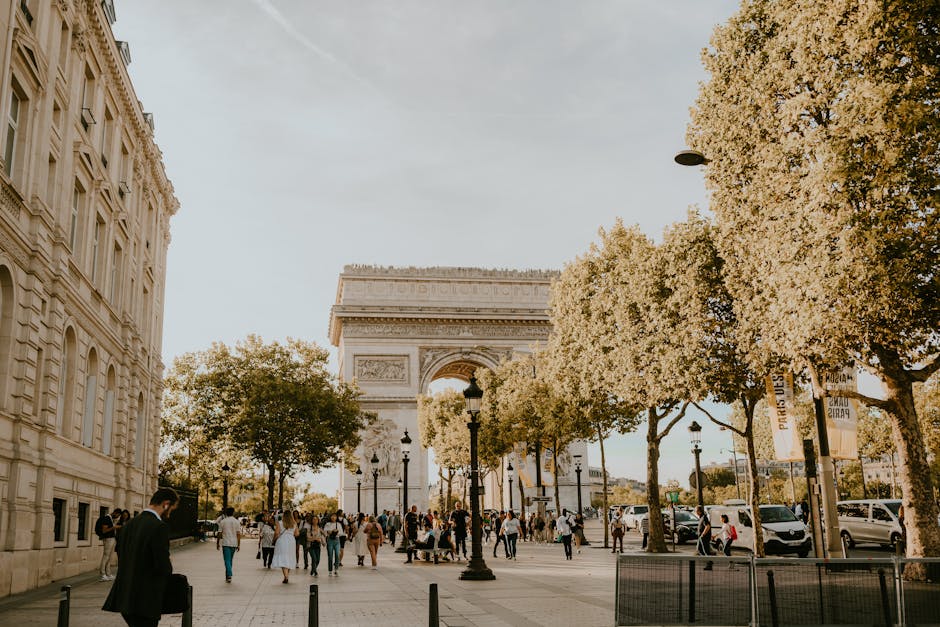
Explore the secret vineyards, legendary artist studios, and hidden squares of Paris's iconic hilltop on this self-guided bohemian walking route.
 Easy
EasyParis, France
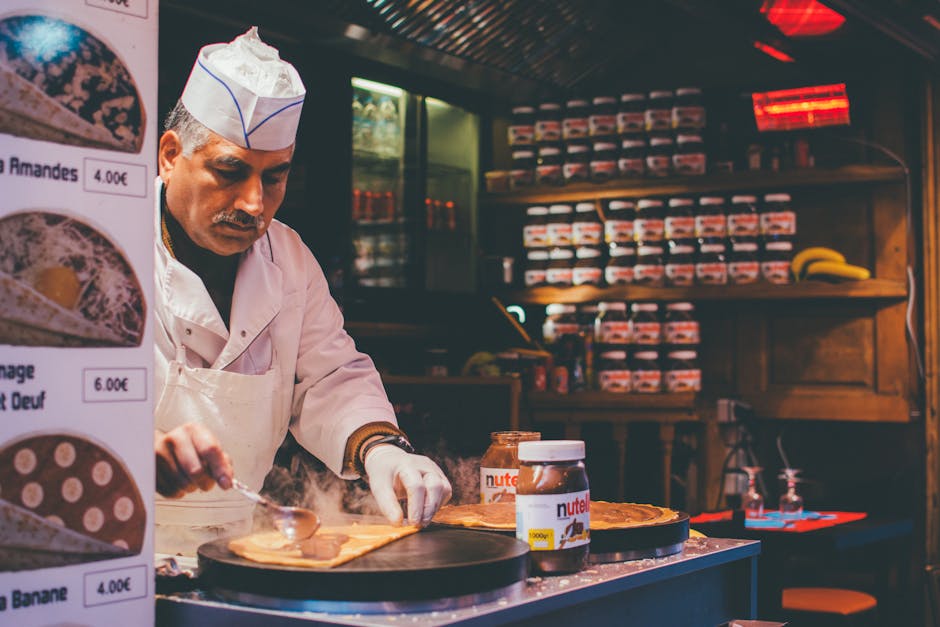
Explore the evolution of Parisian design from Art Nouveau whimsy to Le Corbusier's Modernist masterpieces on this self-guided architectural walk.
 Easy
EasyParis, France
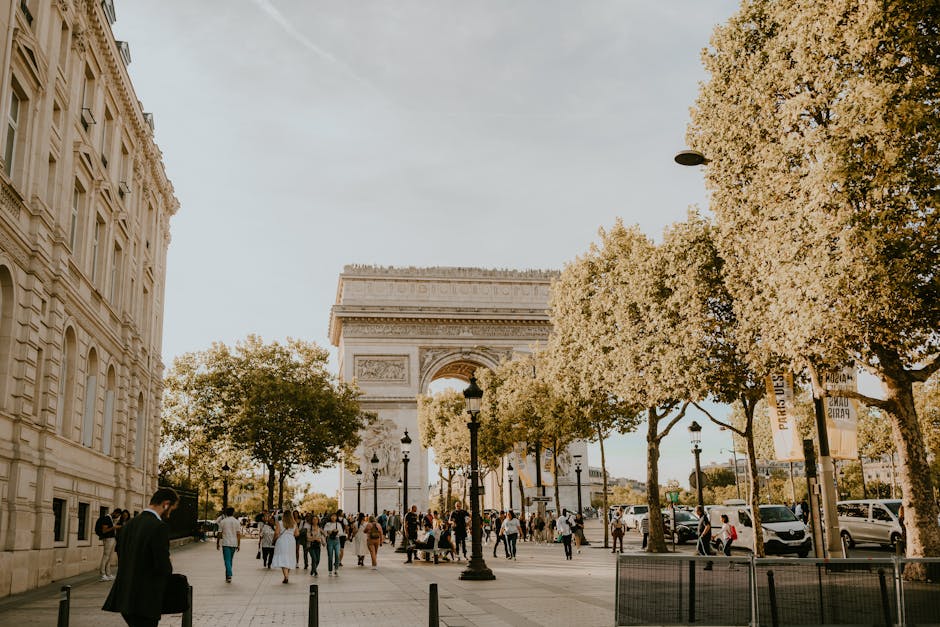
Explore the flavors and history of Bastille on this self-guided walk through the legendary Aligre Market and the scenic Coulée Verte.
 Easy
EasyParis, France
Discover aristocratic mansions, secret medieval courtyards, and royal history on this self-guided walk through the enchanting Marais district.