Self-guided audio tour in Strasbourg
Start Free on iPhone
Start free on iPhone to unlock this self-guided walking tour in Strasbourg. Hear all the stories that make it amazing, walk at your own pace, and begin whenever you want.
Your Private Tour Guide
Escape the bustle of the city center and immerse yourself in the serene beauty of Strasbourg’s oldest and most beloved park. This self-guided walk through the Parc de l'Orangerie offers a refreshing blend of Napoleonic history, lush botanical landscapes, and local wildlife conservation. Spanning over 26 hectares, this green lung of the city was originally designed in the 17th century by André Le Nôtre, the same visionary behind the gardens of Versailles, though it took its current romantic form under the influence of Empress Joséphine in the early 19th century. As you explore independently, you will transition from the modern glass-and-steel architecture of the European Quarter to a world of weeping willows, neoclassical pavilions, and quiet waterways. The route highlights the deep connection between Strasbourg and the white stork, the symbolic bird of Alsace. You will pass the dedicated sanctuary that played a pivotal role in saving the species from local extinction, allowing you to see these majestic birds nesting high in the treetops throughout the year. This neighborhood stroll is perfect for those seeking a slower pace. You can marvel at the Pavillon Joséphine, a reconstructed architectural gem that once hosted the Empress herself, or wander past the Temple of Love, a classic folly situated on a charming island. Whether you are interested in the park's 1960s-era bowling alley or its formal French-style gardens, this walking route provides a comprehensive look at how Strasbourg residents relax and celebrate their heritage. This walking tour Strasbourg experience is a favorite for locals and visitors alike, offering a peaceful retreat just a short distance from the European Parliament. Discover the stories behind the sculptures, fountains, and historic flora at your own rhythm with this self-guided adventure.
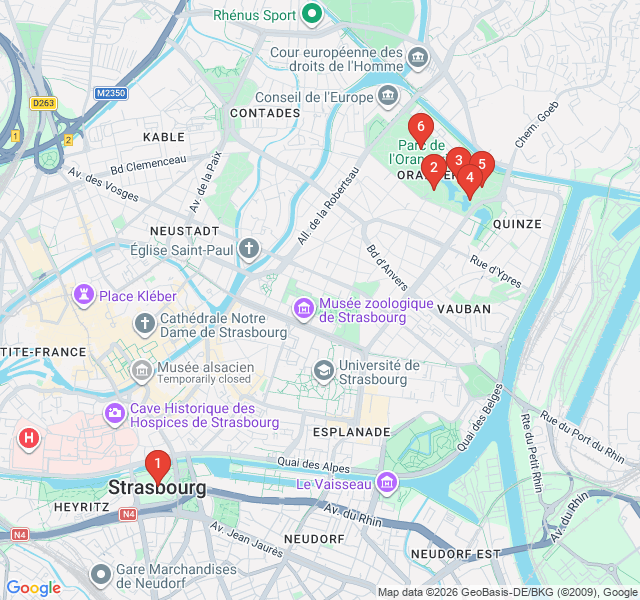
Numbers indicate the order of stops on the tour.
Welcome to the heart of the park. This man-made lake was developed in the early 19th century to enhance the romantic appeal of the grounds. As you stand by the water, notice the contrast between the historic weeping willows and the distant, modern silhouettes of the European institutions. The lake is a focal point for leisure; for decades, locals have come here to navigate small boats or simply watch the swans. It serves as a perfect introduction to the park's philosophy: a space designed for public enjoyment and aesthetic harmony. Take a moment to breathe in the fresh air and observe how the light reflects off the water, setting the tone for your nature-focused stroll.
Moving from the 19th century into the 20th, we find the Bowling de l'Orangerie. Built in the 1960s, this building is a classic example of Mid-Century Modern architecture within a historic setting. It represents the social life of Strasbourg, serving as a hub for generations of families and students. While the park is known for its classical beauty, this stop reminds us that the Orangerie is a living space that adapts to the times. Its retro aesthetic and terrace offer a different vibe from the surrounding gardens, showcasing the park's role as a versatile community gathering spot where history and modern recreation meet.
You are now at one of the most significant sites in Alsace. The white stork is the symbol of this region, representing fertility and good luck. However, by the 1970s, the species had nearly disappeared from the area. This sanctuary, the 'Centre de Réintroduction des Cigognes,' was instrumental in bringing them back. Thanks to conservation efforts started here, there are now hundreds of pairs nesting across the region. Look up into the trees and atop nearby buildings; you will likely see the massive, messy nests made of sticks. Even in winter, some storks remain here, making this a year-round highlight of the park's dedication to local wildlife.
Perched on a small island within the park's waterways, the Temple of Love is a quintessential 'folly'—a decorative architectural structure intended to enhance the landscape's romantic character. This Neoclassical rotunda is a favorite spot for photographers and couples. It exemplifies the 19th-century desire to create 'picturesque' moments within public parks, where every turn of the path reveals a new, carefully composed view. While you cannot always walk directly into the temple, its presence adds a sense of timeless elegance to the surrounding greenery, inviting you to imagine the high-society garden parties of centuries past.
As you approach this decorative fountain, you are entering the more formal, French-style section of the park. Unlike the winding, naturalistic paths around the lake, this area features symmetrical flower beds and manicured lawns. The fountain serves as a cooling centerpiece, especially during the warm Alsatian summers. It is a reminder of the park's origins as a gift to the city, intended to provide a space of refinement and beauty. The sound of the water provides a soothing backdrop to the colorful seasonal floral displays that are meticulously maintained by the city's gardeners, reflecting Strasbourg's pride in its public green spaces.
We conclude our walk at the Pavillon Joséphine. Named in honor of Empress Joséphine, the wife of Napoleon Bonaparte, this elegant building was originally constructed to house orange trees—hence the park's name. The Empress was a frequent visitor to Strasbourg and loved the tranquility of these grounds. Although the original structure was tragically destroyed by fire in 1968, it was painstakingly rebuilt to its former glory. Today, it serves as a prestigious venue for exhibitions and events. Its grand windows and classical proportions stand as a testament to the park's imperial history and its enduring status as the crown jewel of Strasbourg’s landscape architecture.
Start Free on iPhone
Explore “The Green Heart: Parc de l'Orangerie Walk” with your very own Private Tour Guide with Zigway. Start free on iPhone, skip the large group and the fixed routes, and hear the city come alive as you go.
Your Private Tour Guide
Don't miss the good stuff
Explore Freely
 Easy
EasyStrasbourg, France
Discover the vibrant soul of Strasbourg’s student district. Explore historic factories, lively squares, and canal-side hangouts at your own pace.
 Easy
EasyStrasbourg, France
Explore Strasbourg’s Gothic heart and astronomical marvels on this self-guided walk through the historic Grande Île.
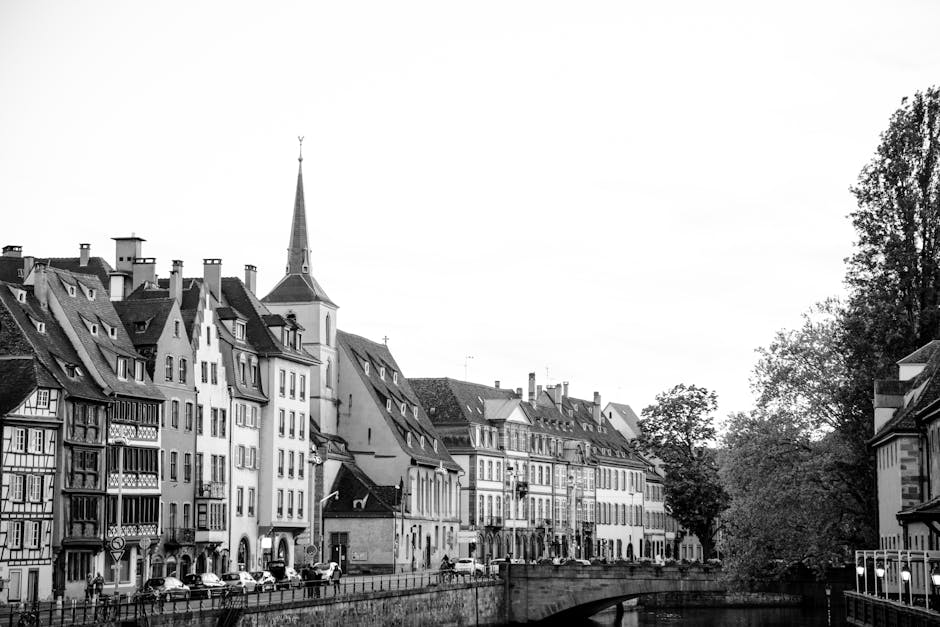 Easy
EasyStrasbourg, France
Discover Strasbourg’s soul on this self-guided stroll along historic quays, scenic bridges, and the fairytale canals of Petite France.
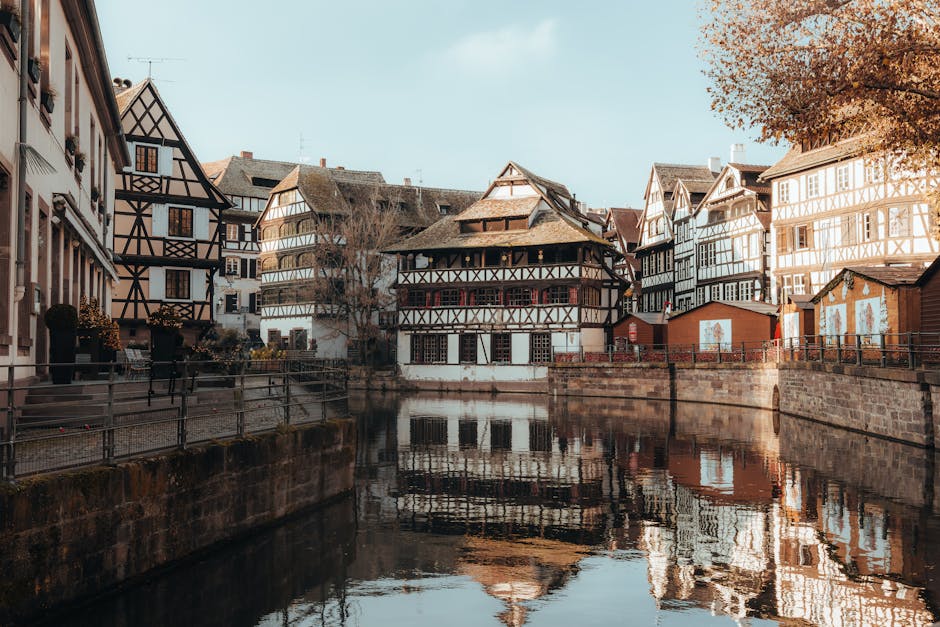 Moderate
Strasbourg, France
Explore the military genius of Vauban on this self-guided walk through Strasbourg’s historic bridges, dams, and riverside defenses.
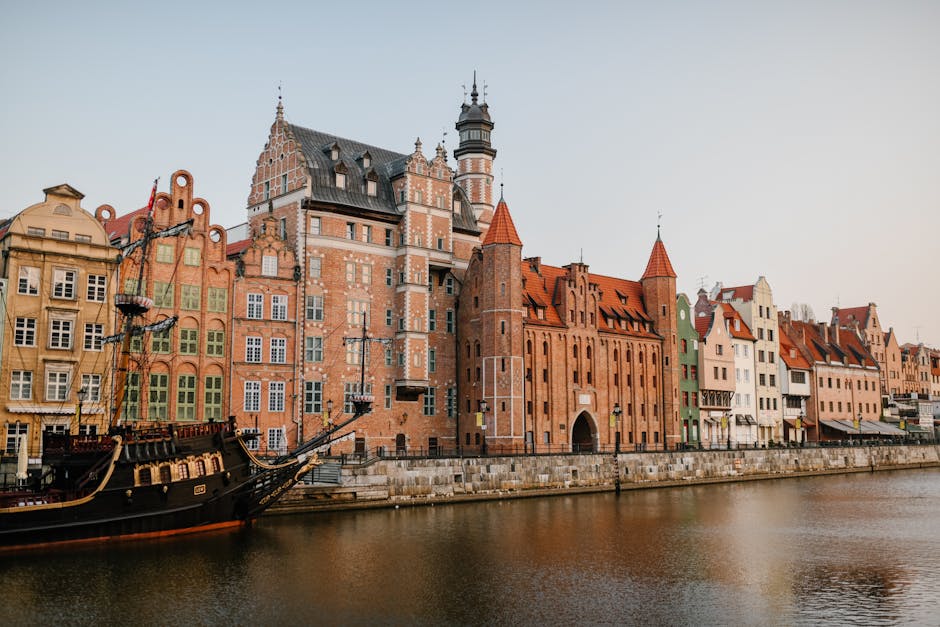 Easy
EasyGdansk, Poland
Discover the monastic heritage, world-famous organs, and lush botanical gardens of Oliwa on this peaceful self-guided neighborhood stroll.
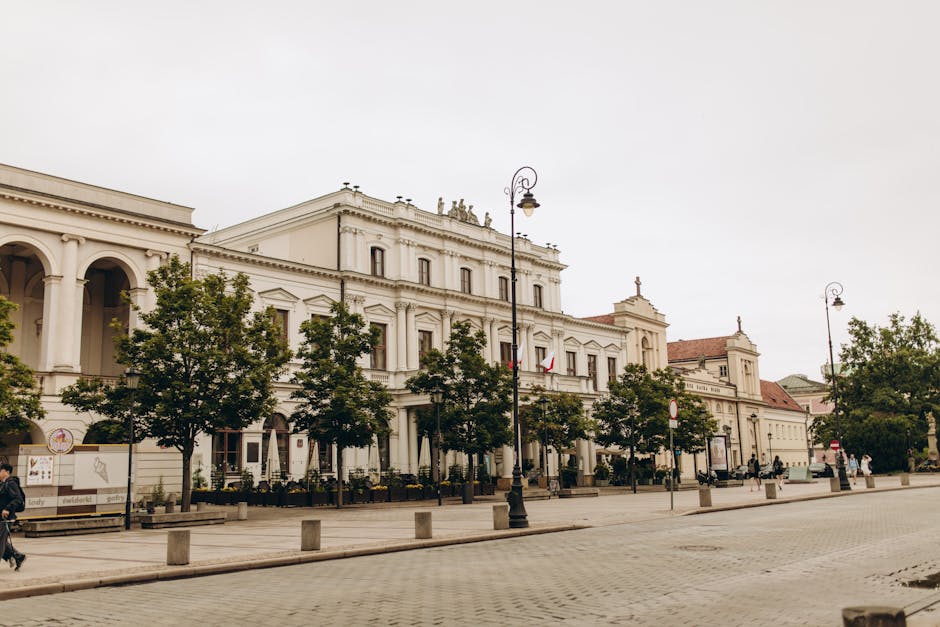 Easy
EasyWarsaw, Poland
Explore Warsaw's scenic riverfront, rooftop gardens, and industrial-chic architecture on this self-guided stroll through the Powiśle district.
 Easy
EasyHelsinki, Finland
Discover Helsinki's oldest neighborhood on this self-guided audio walk through Kruununhaka’s historic streets, hidden courtyards, and scenic shores.
 Easy
EasyWarsaw, Poland
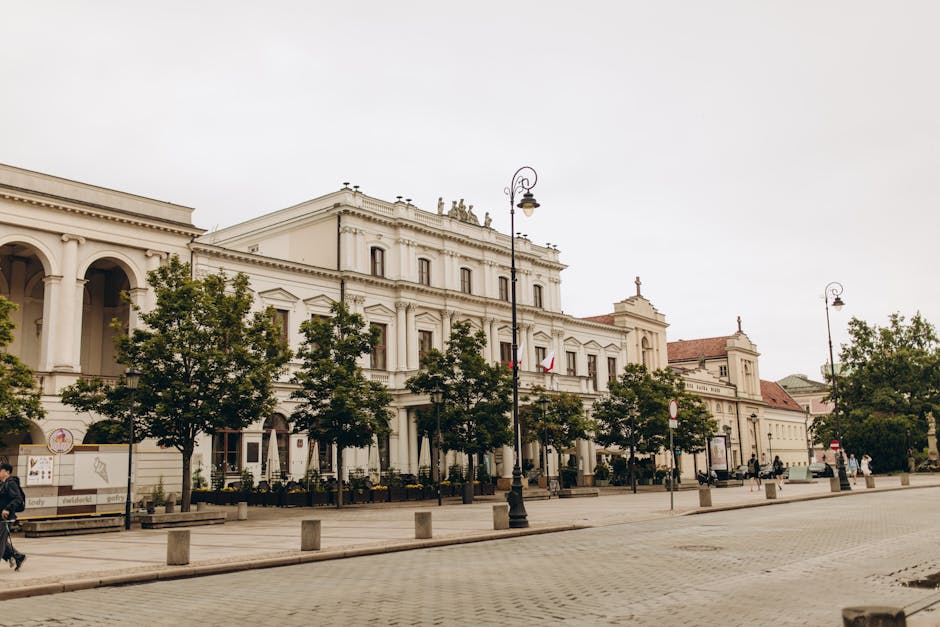
Discover Warsaw's intellectual heart through historic campuses, peaceful parks, and the stunning rooftop gardens of the University Library.
 Challenging
Paris, France
Explore the secret vineyards, legendary artist studios, and hidden squares of Paris's iconic hilltop on this self-guided bohemian walking route.
 Easy
EasyParis, France
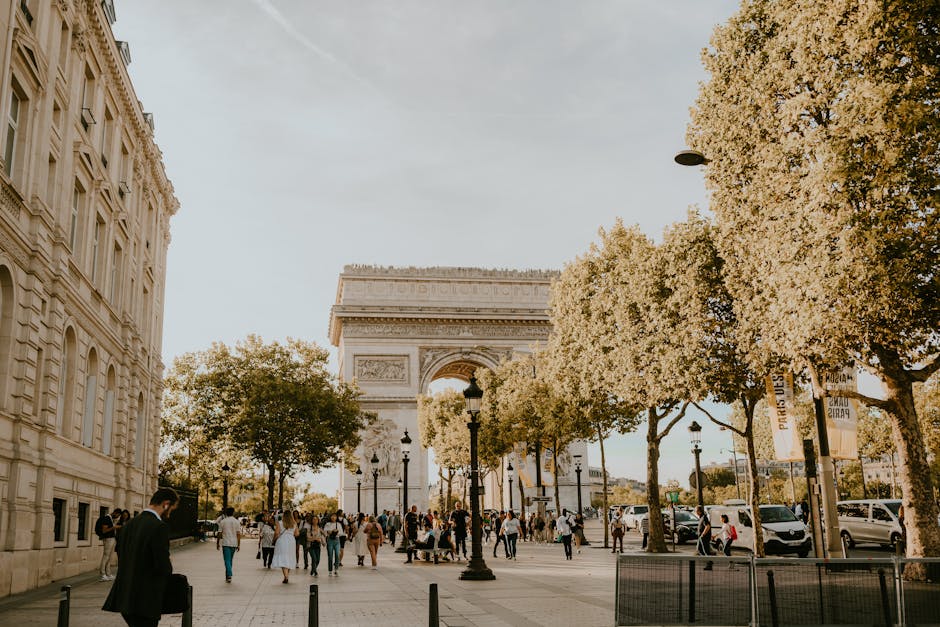
Explore the evolution of Parisian design from Art Nouveau whimsy to Le Corbusier's Modernist masterpieces on this self-guided architectural walk.
 Easy
EasyParis, France
Explore the flavors and history of Bastille on this self-guided walk through the legendary Aligre Market and the scenic Coulée Verte.
 Easy
EasyParis, France
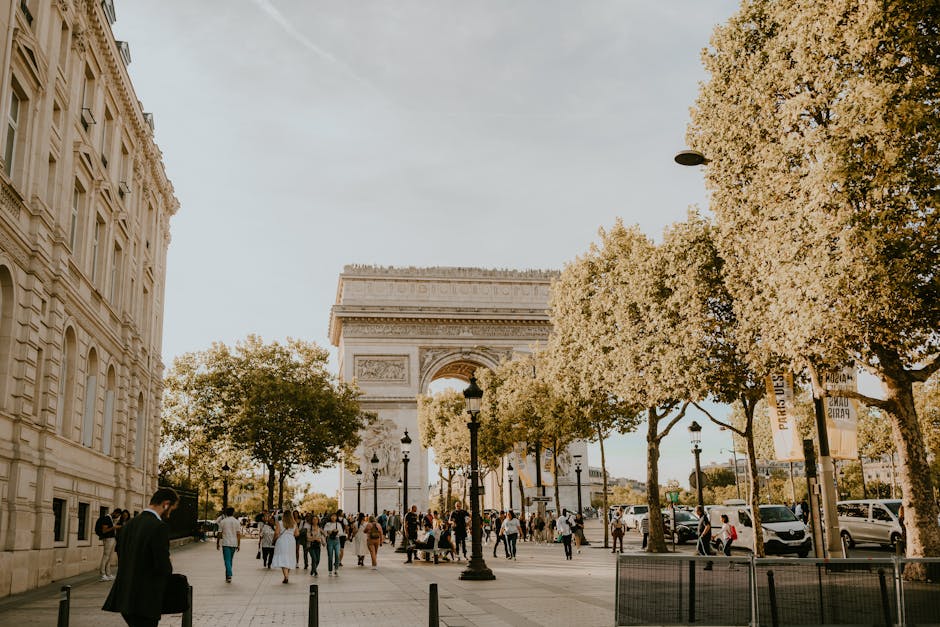
Discover aristocratic mansions, secret medieval courtyards, and royal history on this self-guided walk through the enchanting Marais district.