Self-guided audio tour in York
Start Free on iPhone
Start free on iPhone to unlock this self-guided walking tour in York. Hear all the stories that make it amazing, walk at your own pace, and begin whenever you want.
Your Private Tour Guide
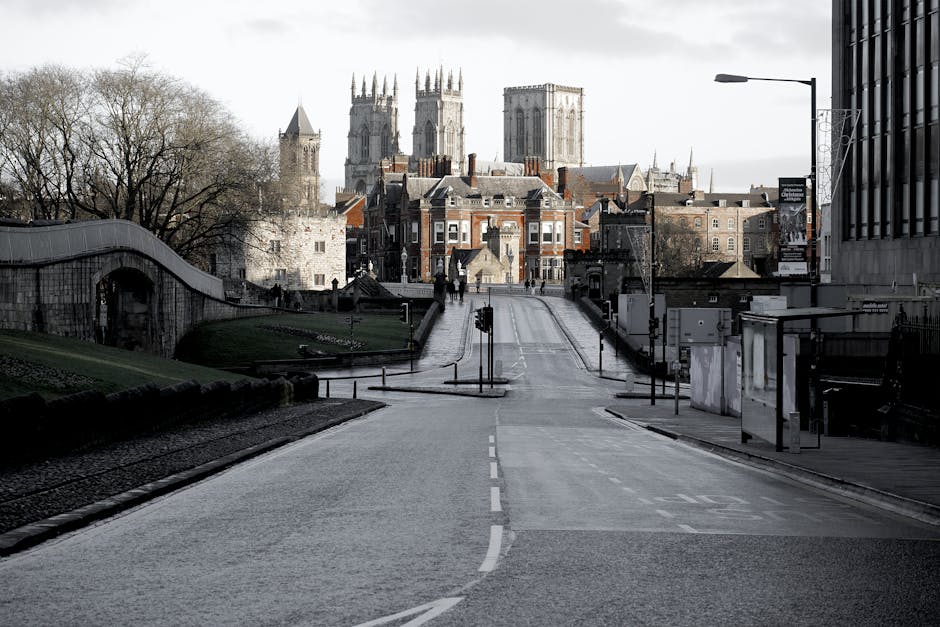
York is a city where every stone tells a story of faith, power, and survival. While the towering Minster often takes center stage, the true character of this city lies in its scattered parish churches and the haunting ruins of its monastic legacy. This self-guided adventure invites you to step away from the modern crowds and wander through the sacred spaces that have shaped York for over a millennium. From the sprawling ruins of what was once the richest abbey in Northern England to tiny, candlelit sanctuaries hidden behind medieval shopfronts, you will explore the layers of the past that define the city's spiritual landscape. On this walking route, you will discover that York’s religious architecture is a patchwork of styles. You’ll see Norman doorways, 15th-century stained glass, and rare box pews that haven't changed in centuries. This journey is not just about the buildings themselves, but about the people who built them—the monks, the merchants, and the Vikings who left their mark on the city. You can explore independently, pausing to admire the intricate masonry or sitting in a quiet churchyard to soak in the atmosphere of a bygone era. Starting in the serene Museum Gardens, the route leads you through the heart of the city centre to Walmgate. Along the way, you’ll encounter hidden gems like All Saints North Street, famous for its world-class medieval glass, and the 'sunken' church of Holy Trinity, which feels like stepping back into the 1700s. This self-guided walking tour York provides a flexible way to see the city's heritage without following a strict schedule. Whether you are an enthusiast of medieval design or simply looking for a peaceful neighborhood stroll, these sacred sites offer a unique perspective on York. While many seek a traditional walking tour York, this route allows you to set your own pace, ensuring you have time to appreciate the small details that make these locations so special.
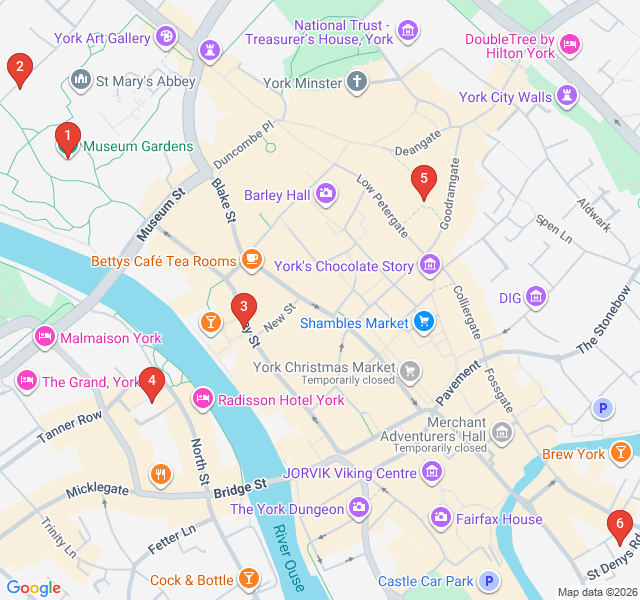
Numbers indicate the order of stops on the tour.
Begin your self-guided adventure in the tranquil Museum Gardens. Dominating this green space are the haunting limestone ruins of St Mary's Abbey. Once the richest Benedictine monastery in the North of England, its power was absolute until the Dissolution of the Monasteries in 1539. As you wander past the standing walls and empty window arches, imagine the scale of the original complex, which stretched all the way to the River Ouse. These ruins serve as a poignant reminder of the shift from monastic power to the secular world. The gardens also house the Roman Multangular Tower, showing how medieval builders often recycled Roman foundations for their own sacred and defensive structures.
Just a short walk from the Abbey ruins, you will find St Olave's Church. This site is steeped in Viking-era heritage, dedicated to Olaf II, the patron saint of Norway. It was founded by Siward, the Earl of Northumbria, who was buried here in 1055. The church has a long and somewhat turbulent relationship with the neighboring Abbey; during the English Civil War, it was even used as a platform for cannons due to its strategic position near the city walls. Look closely at the exterior to see the blend of medieval masonry and later repairs, reflecting York's constant cycle of conflict and restoration.
Walking toward the bustling Coney Street, you encounter St Martin le Grand. This church is a testament to resilience. Once one of York's most magnificent medieval churches, it was tragically gutted during a bombing raid in 1942. Rather than being fully cleared, the ruins were partially integrated into a new, smaller chapel, creating a beautiful memorial garden. The standout feature is the 'Great Clock' with its gilded figure of a Little Admiral, which has looked over the street since the 17th century. Inside, the 15th-century St Martin window, miraculously saved from the Blitz, remains one of the finest examples of medieval glass painting in the city.
Cross the river to find All Saints North Street, a location often missed by those on a standard guided tour York. This parish church houses some of the most significant medieval stained glass in Europe. Most famous is the 'Pricke of Conscience' window, which depicts the fifteen signs of the end of the world with startling detail. The church’s interior, with its timber-roofed aisles and quiet, devotional atmosphere, feels worlds away from the city’s tourist hubs. It has been a site of worship for over 1,100 years, and the devotion of the medieval merchants who funded these windows is still visible in every pane of colored glass.
Hidden behind a row of 14th-century houses, Holy Trinity Goodramgate is like a time capsule. This 'sunken' church is no longer used for regular services and is cared for by the Churches Conservation Trust. Step inside to see a rare sight: a complete set of 17th and 18th-century box pews. The floor is famously uneven, and the lack of modern lighting or heating preserves an atmosphere that is truly evocative of the Georgian era. It is a place of profound stillness, where the only sound is the creaking of old wood. The East Window, dating to 1470, remains a masterpiece of York’s medieval artistic heritage.
Your final stop is St Denys's on Walmgate. Though the church is smaller today than it was in the Middle Ages, it contains some of York's oldest stained glass, dating back to the 12th century. The most striking architectural feature is the Norman south doorway, decorated with intricate 'beak-head' carvings—a classic Romanesque motif. This church sits on land that was once part of a Roman cemetery and later a Viking settlement, embodying the incredible chronological depth of the city. As you finish your neighborhood stroll here, you have traversed nearly a thousand years of sacred architecture and local history.
Start Free on iPhone
Explore “Cloisters and Cathedrals: York's Sacred Sites” with your very own Private Tour Guide with Zigway. Start free on iPhone, skip the large group and the fixed routes, and hear the city come alive as you go.
Your Private Tour Guide
Don't miss the good stuff
Explore Freely
 Easy
EasyYork, United Kingdom
Discover York's industrial soul on this self-guided walk through grand Victorian stations and world-class railway history.
 Easy
EasyYork, United Kingdom
Uncover the secrets of Roman Eboracum on this self-guided walk through York’s ancient fortress walls, hidden towers, and legendary haunted basements.
 Easy
EasyYork, United Kingdom
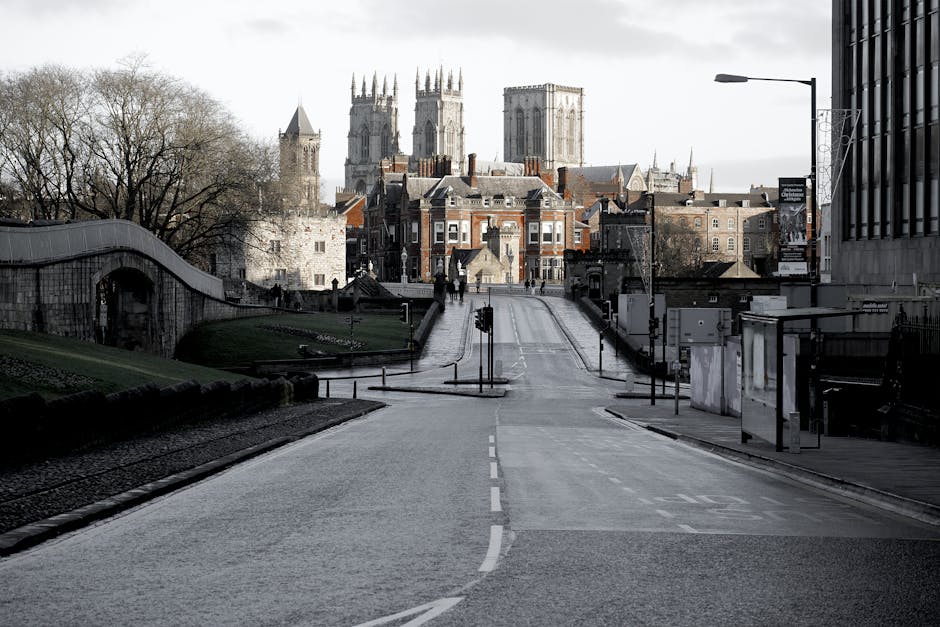
Explore the architectural wonders of York’s Minster Quarter at your own pace with this independent audio walk through Gothic history.
 Easy
EasyYork, United Kingdom
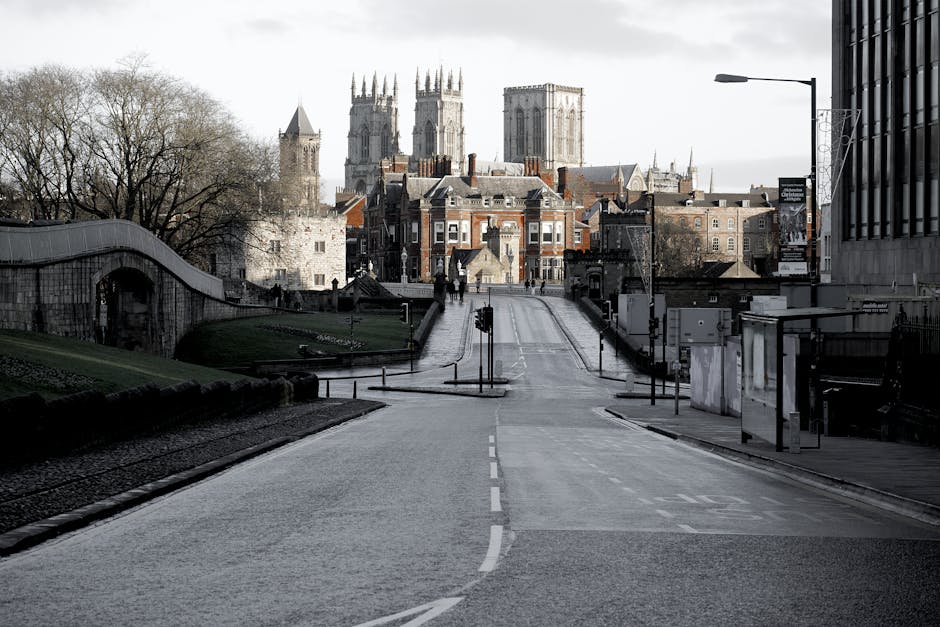
Explore York's delicious artisan food scene on this self-guided walking route through medieval streets and modern creative hubs.
 Easy
EasyKrakow, Poland
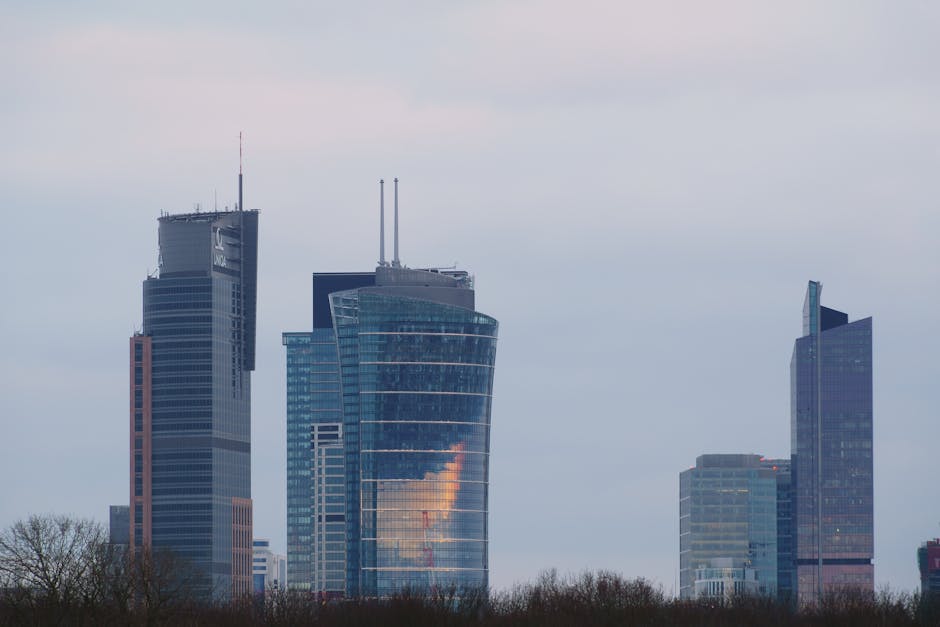
Explore the historic heart of Kazimierz on this self-guided walk through synagogues, ancient cemeteries, and vibrant squares.
 Easy
EasyWarsaw, Poland
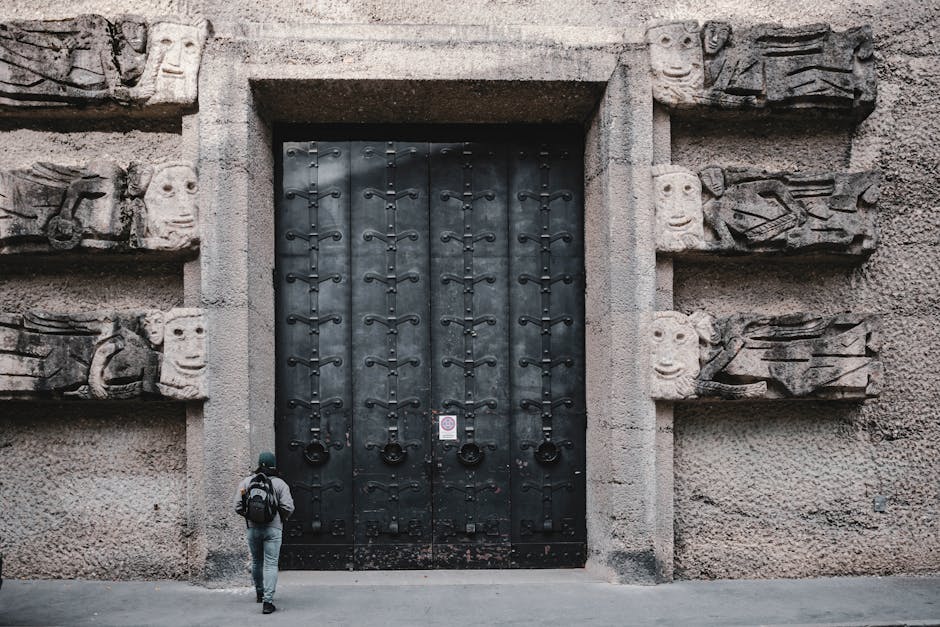
Discover the hidden courtyards and grand pre-war architecture of Warsaw's most atmospheric neighborhood on this self-guided stroll.
 Easy
EasySalzburg, Austria
Discover Salzburg's oldest medieval alley, the birthplace of the 'Silent Night' author, and breathtaking views on this quiet self-guided walk.
 Easy
EasyNairobi, Kenya
Explore Nairobi's architectural evolution from colonial-era landmarks to iconic Brutalist skyscrapers on this historic self-guided walking route.
 Easy
EasyEdinburgh, United Kingdom
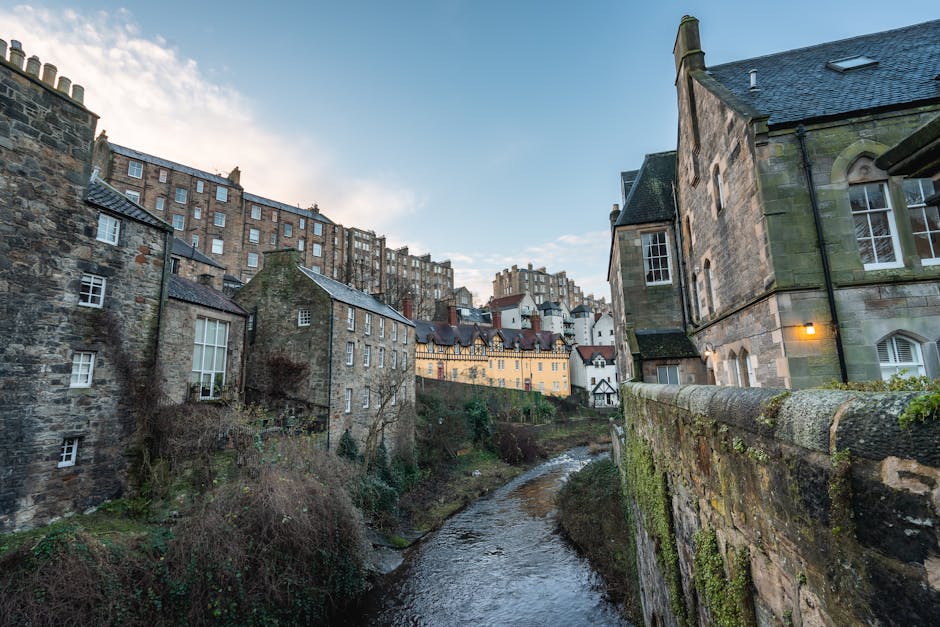
Explore Edinburgh's historic Royal Mile at your own pace, from the heights of the Castle to the royal Palace of Holyroodhouse.
 Easy
EasyEdinburgh, United Kingdom
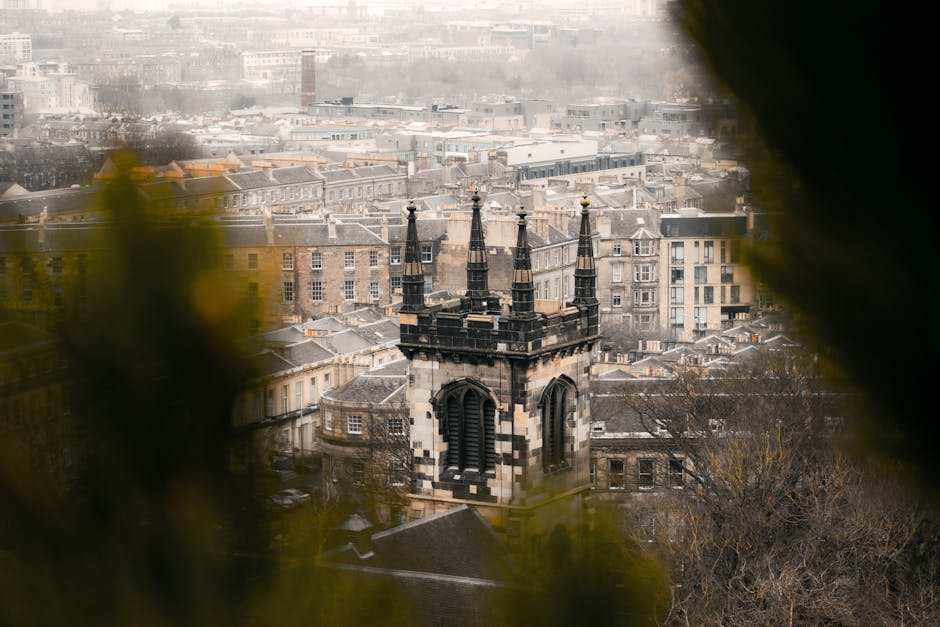
Capture the magic of Edinburgh on this self-guided stroll through the fairy-tale Dean Village, floral Circus Lane, and the scenic Water of Leith.
 Easy
EasyEdinburgh, United Kingdom
Explore Edinburgh's creative soul on this self-guided walk from historic museums to the stylish galleries and boutiques of the West End.
 Challenging
Edinburgh, United Kingdom
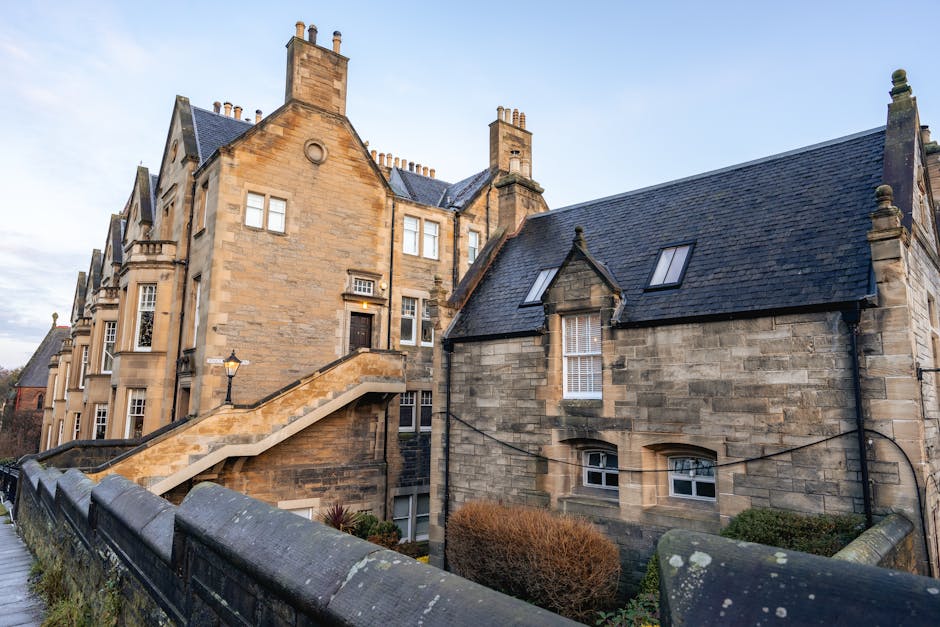
Ascend an ancient volcano and discover royal history on this challenging self-guided walk through Edinburgh's iconic Holyrood Park.