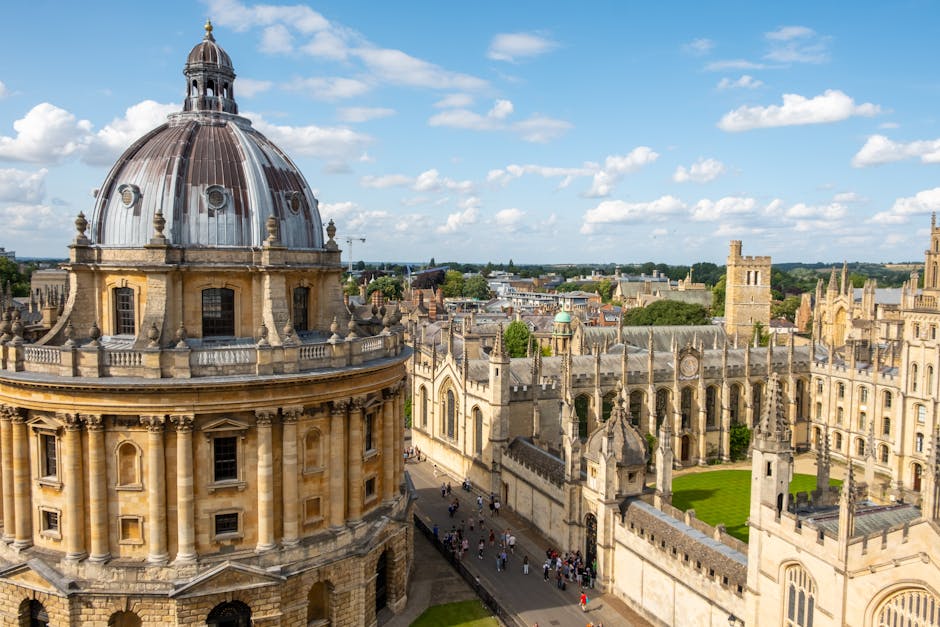
Self-guided audio tour in Oxford
Start Free on iPhone
Start free on iPhone to unlock this self-guided walking tour in Oxford. Hear all the stories that make it amazing, walk at your own pace, and begin whenever you want.
Your Private Tour Guide
Oxford is a city where stories are etched into the very stones of its colleges. This self-guided walking route invites you to step through the looking glass and explore the real-world locations that inspired Lewis Carroll’s masterpiece, Alice’s Adventures in Wonderland. Rather than a formal guided tour Oxford offers at a fixed schedule, this audio walk allows you to discover the whimsical history of the city at your own pace. The journey begins at the scenic Folly Bridge, where the 'golden afternoon' of July 1862 first sparked the tale of a girl falling down a rabbit hole. From here, you will wander past the Victorian storefronts and ancient college walls that Charles Dodgson, known by his pen name Lewis Carroll, called home for decades. This neighborhood stroll is perfect for those who want to blend literary history with the stunning architecture of the University. You will encounter the very shop where the real Alice Liddell bought her sweets and the grand halls of Christ Church, where the author’s imagination was fueled by his surroundings. Whether you are a lifelong fan of the books or a first-time visitor looking for a family-friendly way to see the city centre, this walking route provides a unique perspective on Oxford’s academic and creative heritage. As you follow this path, you will see how the landscapes of the Christ Church Meadow and the curiosities found in the University Museum of Natural History directly influenced the characters we know today, from the Mad Hatter to the Cheshire Cat. This walking tour Oxford provides is an independent adventure through time and fiction, revealing the hidden gems of a story that changed children’s literature forever. Explore the dreaming spires through the eyes of a dreamer, and see the city not just as a center of learning, but as a gateway to Wonderland.
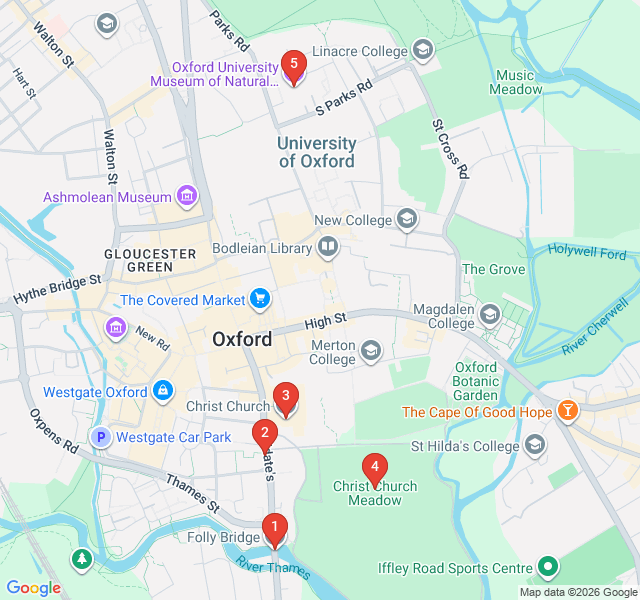
Numbers indicate the order of stops on the tour.
Our journey begins at Folly Bridge, a place of immense literary significance. It was here, on July 4, 1862, that Charles Dodgson and his friend Reverend Robinson Duckworth took the three Liddell sisters—Lorina, Alice, and Edith—on a rowing trip up the River Thames toward Godstow. To entertain the children, Dodgson began spinning a tale about a bored girl named Alice who goes looking for an adventure. The 'golden afternoon' he later described in his poetry was actually quite cool and cloudy, but the magic of the story outshone the weather. As you look out over the water, imagine the small wooden boat and the beginning of a story that would eventually become a global phenomenon. This bridge marks the literal starting point of Alice's journey from reality into the realm of nonsense.
Just a short walk from the river stands a quaint building known today as Alice’s Shop. In the mid-19th century, this was a small grocery store where the real Alice Liddell used to buy her favorite barley sugar sweets. Because of its connection to the Liddell family, Lewis Carroll included it in 'Through the Looking-Glass' as the 'Old Sheep Shop.' In the book, the shop is run by a sheep who sits knitting and constantly asks Alice what she wants to buy. The shop’s interior was described as being full of 'curious things' that floated away when Alice tried to look at them. Today, the shop remains a pilgrimage site for fans, maintaining its Victorian charm and serving as a tangible link to the real girl who inspired the fictional Alice.
Christ Church is perhaps the most important location in the Alice story. Charles Dodgson lived and worked here as a mathematics lecturer for 47 years. The college’s architecture and residents provided endless inspiration. The Great Hall, with its long tables and portraits, influenced the scale and feel of Wonderland’s many rooms. Look closely at the stained-glass windows in the Hall; you might spot the 'Alice Window' featuring characters from the books. The college was also home to the real Alice, as her father was the Dean of Christ Church. The 'Rabbit Hole' is often said to be inspired by a small door in the cathedral garden that Dodgson could see from his rooms. The scholarly atmosphere of this college provided the perfect, rigid backdrop for Carroll to subvert with his nonsensical logic.
As you stroll through Christ Church Meadow, you are walking the same paths that Dodgson and the Liddell children frequented. This sprawling green space, bordered by the rivers Thames and Cherwell, captures the essence of the English countryside that frames the beginning and end of Alice’s adventures. The peaceful atmosphere here contrasts with the chaotic world inside the book, yet you can see how the riverbank setting influenced the story’s opening. Carroll’s descriptions of the 'sleepy' river and the tall grass reflect the natural beauty of this meadow. It was in spaces like these that the author observed the local wildlife and flora, which he would later personify in his writing. This area remains one of the most tranquil spots in Oxford, offering a glimpse into the Victorian leisure time that birthed the story.
Our final stop is the Oxford University Museum of Natural History, a neo-Gothic masterpiece. Inside, you will find one of the most famous inspirations for the book: the remains of the Oxford Dodo. Dodgson and Alice were frequent visitors to this museum, and the Dodo—an extinct bird that once lived on the island of Mauritius—captured their imagination. In the book, the Dodo is often seen as a caricature of Dodgson himself; because of his stutter, he would sometimes introduce himself as 'Do-do-dodgson.' The museum also houses other specimens that may have influenced the creatures of Wonderland, from strange skeletons to intricate insects. This building represents the intersection of Victorian science and Carroll’s surrealism, proving that even in a place of serious study, there is plenty of room for wonder.
Start Free on iPhone
Explore “Alice in Wonderland's Real Oxford” with your very own Private Tour Guide with Zigway. Start free on iPhone, skip the large group and the fixed routes, and hear the city come alive as you go.
Your Private Tour Guide
Don't miss the good stuff
Explore Freely
 Easy
EasyOxford, United Kingdom
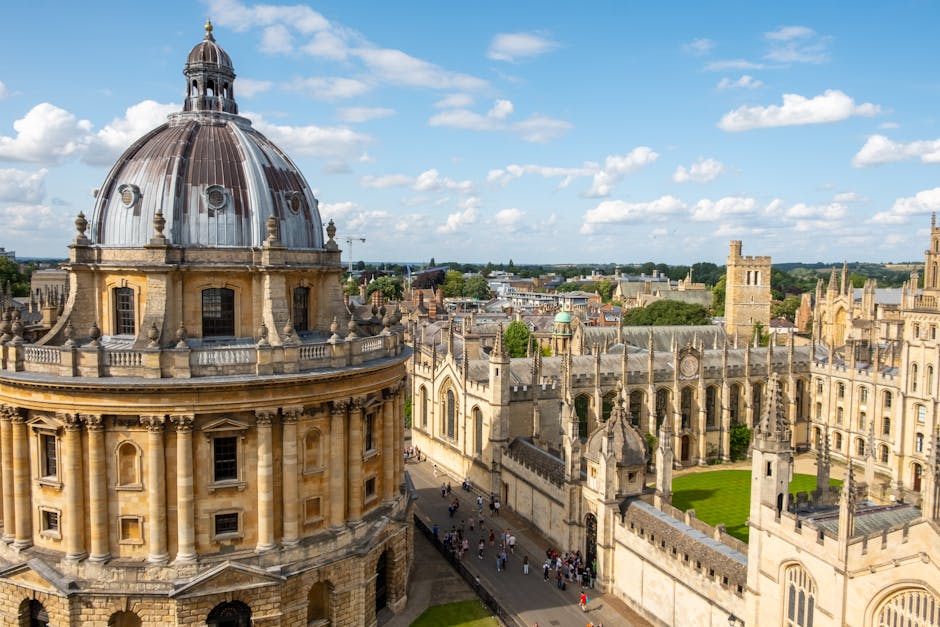
Explore Oxford’s historic food scene on this self-guided walk through the 1774 Covered Market, ancient pubs, and England’s first coffee house site.
 Moderate
Oxford, United Kingdom
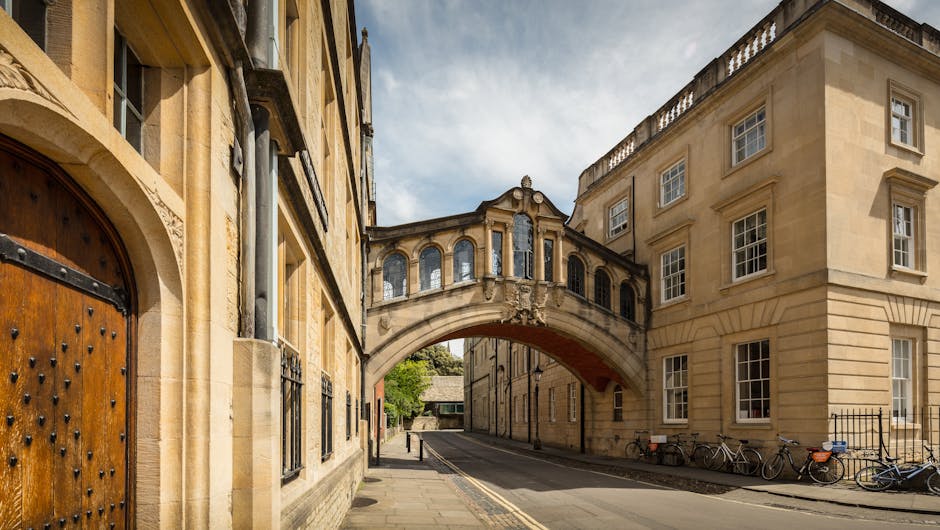
Discover the rebellious Headington Shark and the ancient sunken paths of Old Headington on this quirky self-guided neighborhood stroll through Oxford.
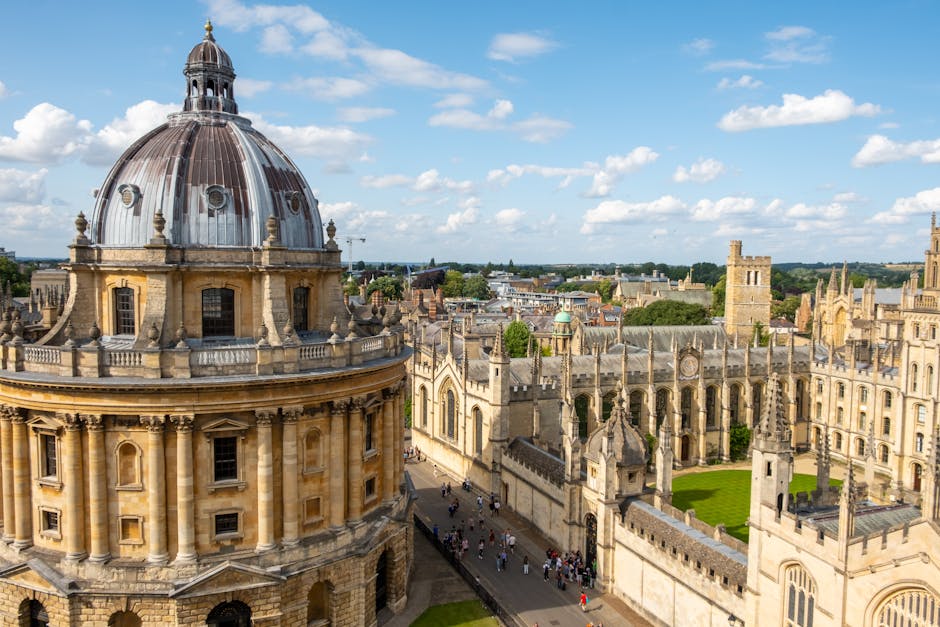 Moderate
Oxford, United Kingdom
Uncover the mysteries of Oxford on this self-guided walk through the iconic filming locations of Inspector Morse, Lewis, and Endeavour.
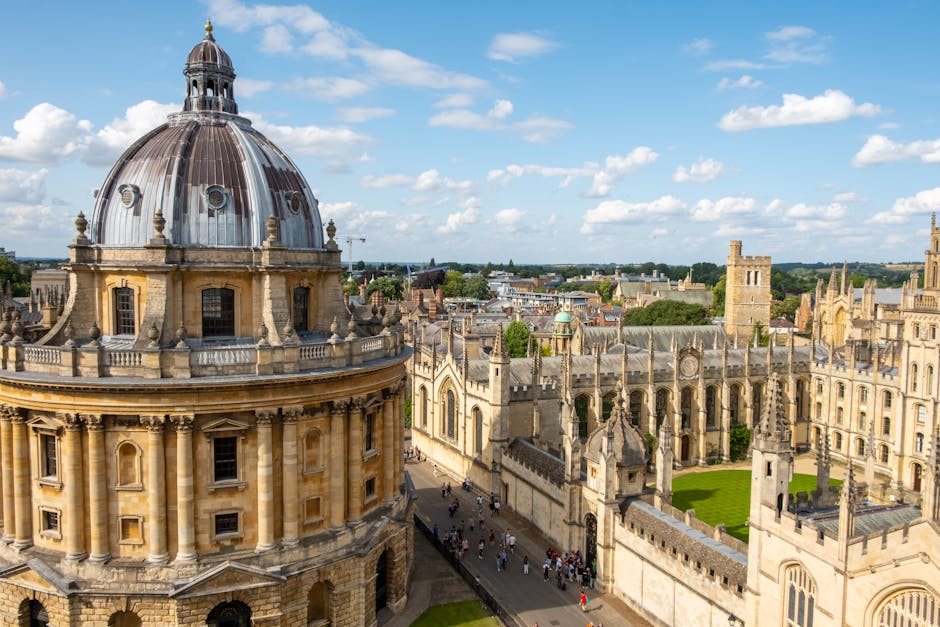 Easy
EasyOxford, United Kingdom
Discover the Oxford haunts of J.R.R. Tolkien and C.S. Lewis on this self-guided walking route through literary history.
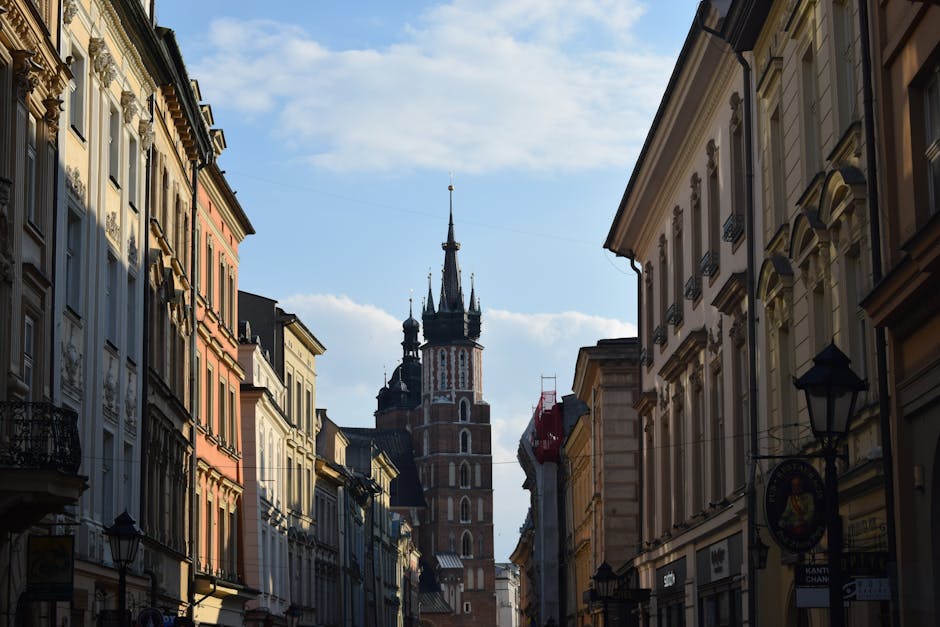 Easy
EasyKrakow, Poland
Uncover Krakow's legendary past on this self-guided walk from literary monuments to the fire-breathing Wawel Dragon.
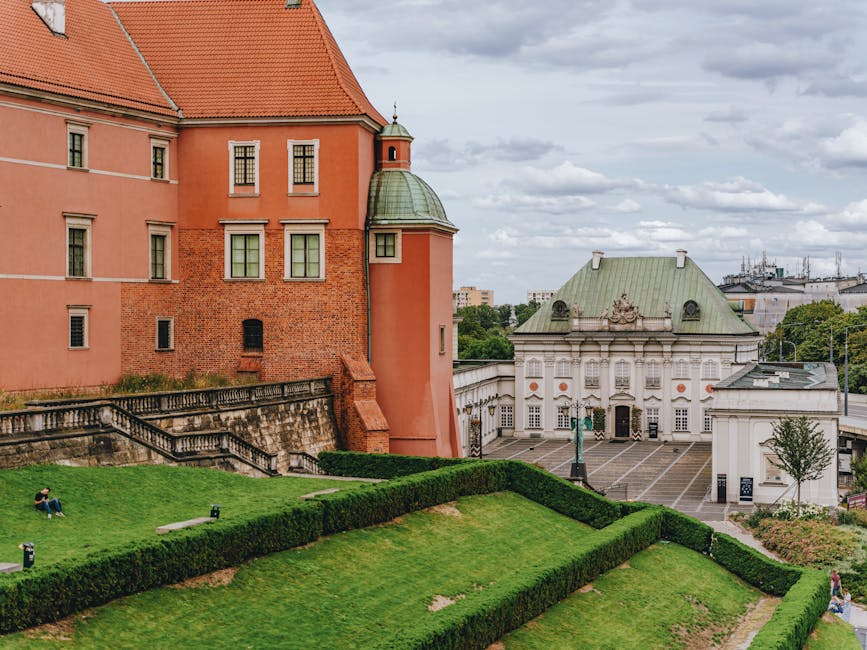 Easy
EasyWarsaw, Poland
Follow the life of Fryderyk Chopin through Warsaw’s historic center. See where he lived, studied, and where his heart remains today.
 Easy
EasyNairobi, Kenya
Explore Nairobi's architectural evolution from colonial-era landmarks to iconic Brutalist skyscrapers on this historic self-guided walking route.
 Easy
EasyNairobi, Kenya
Discover Nairobi's iconic skyline on this self-guided architecture walk through the CBD’s most famous modernist and Brutalist landmarks.
 Easy
EasyEdinburgh, United Kingdom
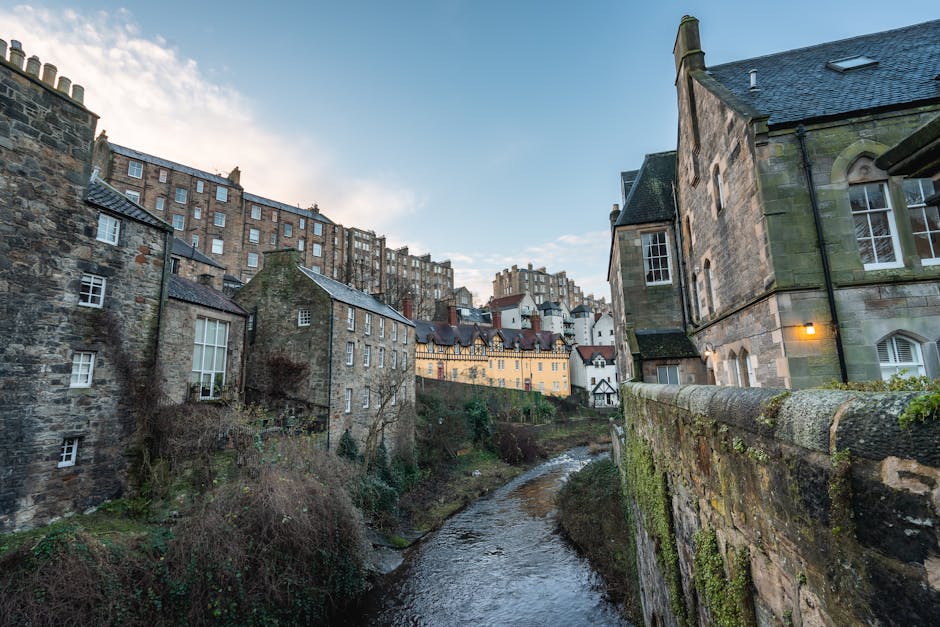
Explore Edinburgh's historic Royal Mile at your own pace, from the heights of the Castle to the royal Palace of Holyroodhouse.
 Easy
EasyEdinburgh, United Kingdom
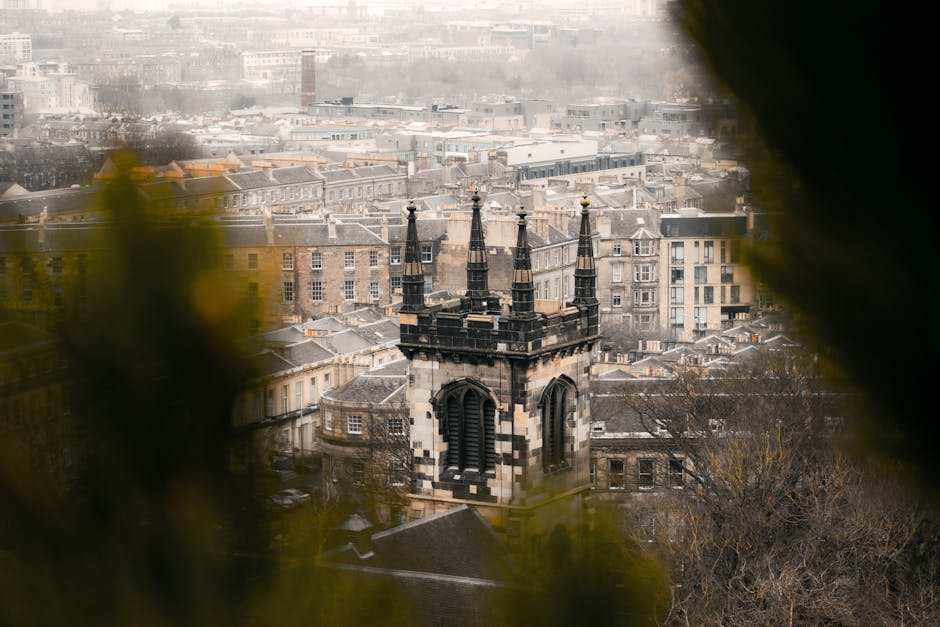
Capture the magic of Edinburgh on this self-guided stroll through the fairy-tale Dean Village, floral Circus Lane, and the scenic Water of Leith.
 Easy
EasyEdinburgh, United Kingdom
Explore Edinburgh's creative soul on this self-guided walk from historic museums to the stylish galleries and boutiques of the West End.
 Challenging
Edinburgh, United Kingdom
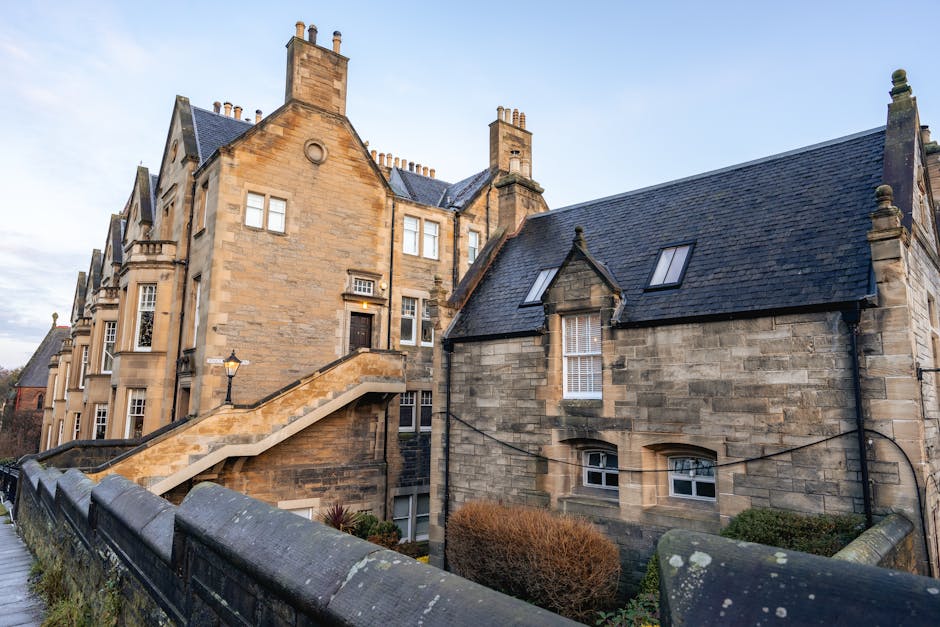
Ascend an ancient volcano and discover royal history on this challenging self-guided walk through Edinburgh's iconic Holyrood Park.