Self-guided audio tour in Cambridge
Start Free on iPhone
Start free on iPhone to unlock this self-guided walking tour in Cambridge. Hear all the stories that make it amazing, walk at your own pace, and begin whenever you want.
Your Private Tour Guide
Cambridge is a city where every cobblestone seems to whisper the lines of a sonnet or the prose of a revolutionary novel. This self-guided walk invites you to explore the hallowed grounds that shaped the minds of some of the world’s most influential writers, from the epic mastery of John Milton to the whimsical childhood wonder of A.A. Milne. As you wander through the medieval heart of the university, you will discover that Cambridge is not just a place of scientific breakthroughs, but a sanctuary for the literary imagination. The route begins at one of the city's most beloved bookshops, a treasure trove for bibliophiles that sets the tone for an afternoon of discovery. On this walking route, you will experience the architectural grandeur of the colleges that served as both home and inspiration to the greats. You will see the serene beauty of 'The Backs,' where the River Cam reflects the silhouettes of historic chapels and libraries—a view that has inspired countless poets to pick up their pens. A highlight of this exploration is the Wren Library, a masterpiece of design that houses some of the most precious manuscripts in the English language, including early drafts of iconic children’s stories and scientific treatises. Whether you are a fan of Romantic poetry, modernist literature, or classic children’s tales, this self-guided adventure offers a unique perspective on the city. You can explore independently and at your own pace, taking time to pause in the same gardens where the 'Neo-Pagans' once debated philosophy or where Lord Byron famously kept a bear. The journey concludes with a tranquil stroll toward the village of Grantchester, following the path often taken by the Edwardian poets. This walking tour Cambridge experience is designed for those who want to immerse themselves in the deep literary history of the United Kingdom while enjoying the timeless beauty of its most famous university town. Start exploring with Zigway and see how the landscape of Cambridge is inextricably linked to the landscape of the English literary canon.
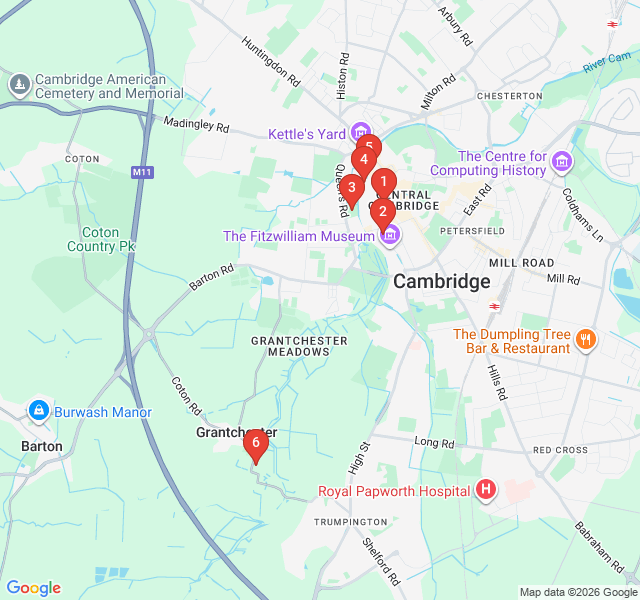
Numbers indicate the order of stops on the tour.
Begin your self-guided adventure at G. David, an institution in the Cambridge book scene since 1896. Tucked away in St Edward's Passage, this shop feels like a step back in time with its wooden shelves and glass cases. Founded by Gustave David, the shop became famous for its stalls in the nearby Market Square, where students and scholars would scavenge for rare finds. It was a favorite haunt of the economist John Maynard Keynes and many of the university's literary elite. Take a moment to browse the rare prints and second-hand volumes; the scent of old paper here is the true scent of Cambridge’s intellectual history.
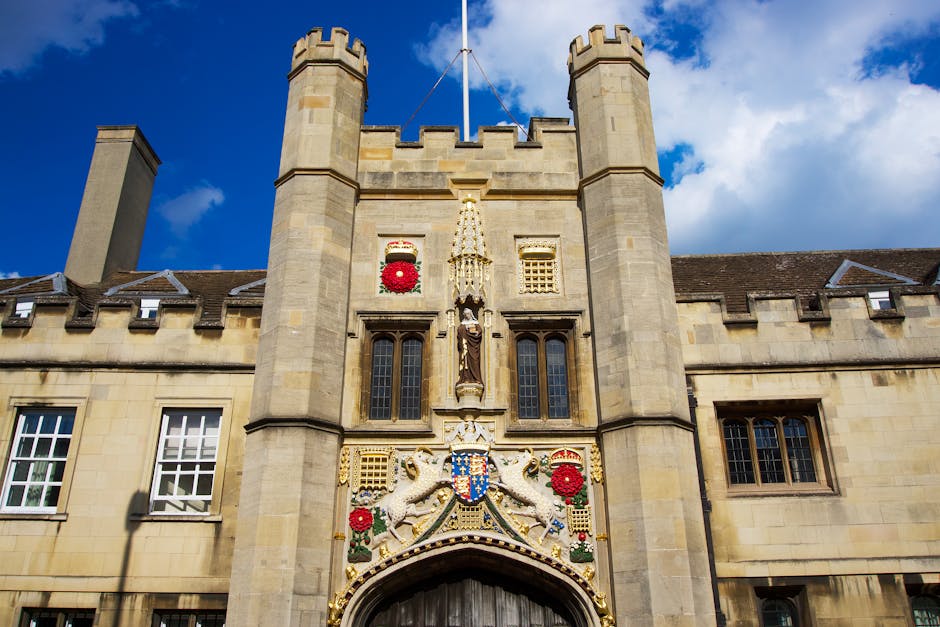
Pembroke College, founded in 1347, is often referred to as the 'College of Poets.' As you stand before its historic gates, think of Edmund Spenser, author of The Faerie Queene, who studied here in the 1560s. Later, the melancholic Thomas Gray, famous for his 'Elegy Written in a Country Churchyard,' made this his home after fleeing Peterhouse. The college’s serene atmosphere, with its manicured lawns and the first-ever chapel designed by Christopher Wren, provides a glimpse into the quiet, contemplative life that nurtured these great writers. It is a place where the weight of centuries of thought is almost tangible.
Wander toward 'The Backs,' a picturesque area where several colleges back onto the River Cam. This is arguably the most beautiful stretch of the city and has served as a primary source of inspiration for the Romantic poets. William Wordsworth, a student at St John’s, often walked here, and the view of King’s College Chapel across the meadows remains unchanged from his day. The combination of water, weeping willows, and Gothic stone creates a landscape that feels like a poem come to life. It is the perfect spot to understand why Cambridge has produced more Nobel Prize winners and literary masters than almost anywhere else.
Located within Trinity College, the Wren Library is a cathedral of books. Designed by Sir Christopher Wren and completed in 1695, it houses an incredible collection of literary treasures. Inside, you can find the original manuscript of A.A. Milne’s Winnie the Pooh, as well as works by Lord Byron, who famously kept a pet bear in his rooms nearby because dogs were forbidden. The library also holds Isaac Newton’s own copy of Principia Mathematica. The light-filled space, with its marble busts of ancient philosophers, reflects the Enlightenment ideals of the era. Please note the library usually has restricted public opening hours, often between 12:00 and 14:00.
Part of St John’s College, the Bridge of Sighs is one of Cambridge's most photographed landmarks. Built in 1831, its neo-Gothic style was intended to evoke the romanticism of Venice, though it is a covered bridge unlike its Italian namesake. It connects the college's Third Court with the New Court. For writers like Douglas Adams, who attended St John's, this bridge was part of the daily commute. Its intricate stonework and elegant arches represent the Victorian era’s obsession with medieval aesthetics. It remains a symbol of the university’s architectural splendor and the bridge between the rigorous academic world and the beauty of nature.
To conclude your journey, take the scenic 40-minute stroll or a short cycle along the river to Grantchester. The Orchard Tea Garden became a legendary literary hub in the early 20th century. It was the gathering place for the 'Neo-Pagans,' a group that included poet Rupert Brooke, Virginia Woolf, E.M. Forster, and Bertrand Russell. Brooke lived in the nearby Old Vicarage and famously wrote 'The Old Vicarage, Grantchester,' immortalizing the tea garden in verse. Sitting under the apple trees in a deckchair with a scone is a Cambridge tradition that connects you directly to the Edwardian era’s intellectual and social life.
Start Free on iPhone
Explore “Literary Cambridge: From Milton to Milne” with your very own Private Tour Guide with Zigway. Start free on iPhone, skip the large group and the fixed routes, and hear the city come alive as you go.
Your Private Tour Guide
Don't miss the good stuff
Explore Freely
 Moderate
Cambridge, United Kingdom
Discover Cambridge's verdant soul on this self-guided walk through the Botanic Garden and secret riverside fens. Perfect for nature lovers.
 Easy
EasyCambridge, United Kingdom
Discover the Saxon and Norman roots of Cambridge on this self-guided walk through the city's oldest churches and medieval landmarks.
 Easy
EasyCambridge, United Kingdom
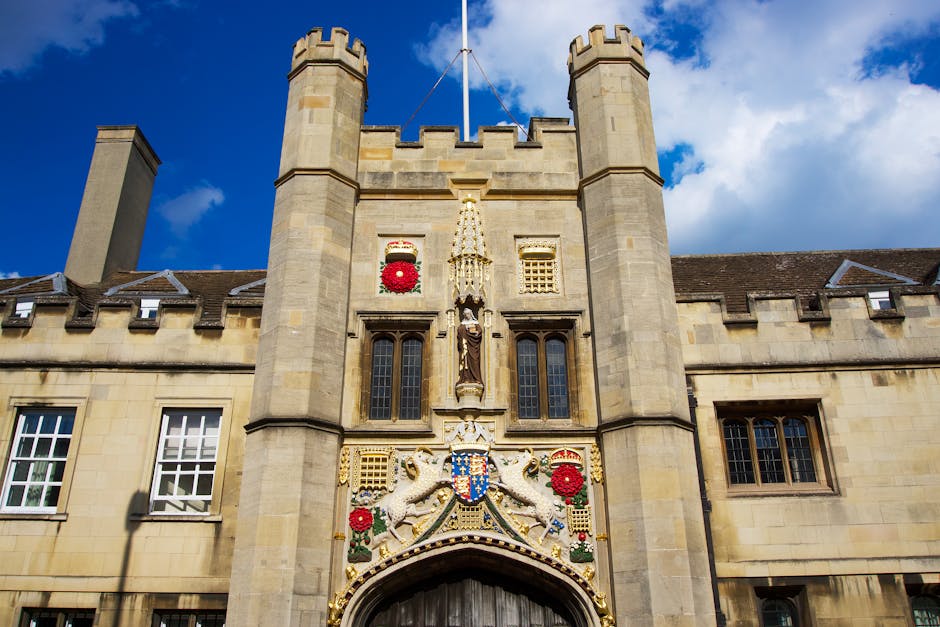
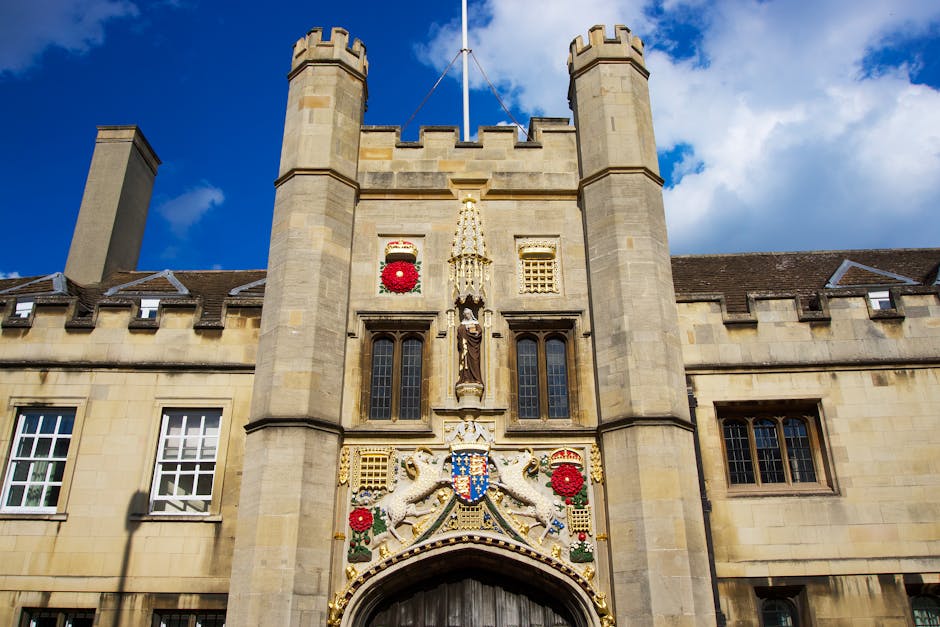
Discover the architectural wonders and scholarly secrets of Cambridge’s most prestigious colleges on this independent, historic neighborhood stroll.
 Moderate
Cambridge, United Kingdom
Discover the ancient roots of Cambridge and the stunning art of Kettle's Yard on this self-guided stroll through the historic Castle Hill district.
 Easy
EasyKrakow, Poland
Explore the prestigious Jagiellonian University district, featuring Neo-Gothic architecture, Baroque churches, and Krakow's hidden scholarly gems.
 Easy
EasyNairobi, Kenya
Explore Nairobi's architectural evolution from colonial-era landmarks to iconic Brutalist skyscrapers on this historic self-guided walking route.
 Easy
EasyNairobi, Kenya
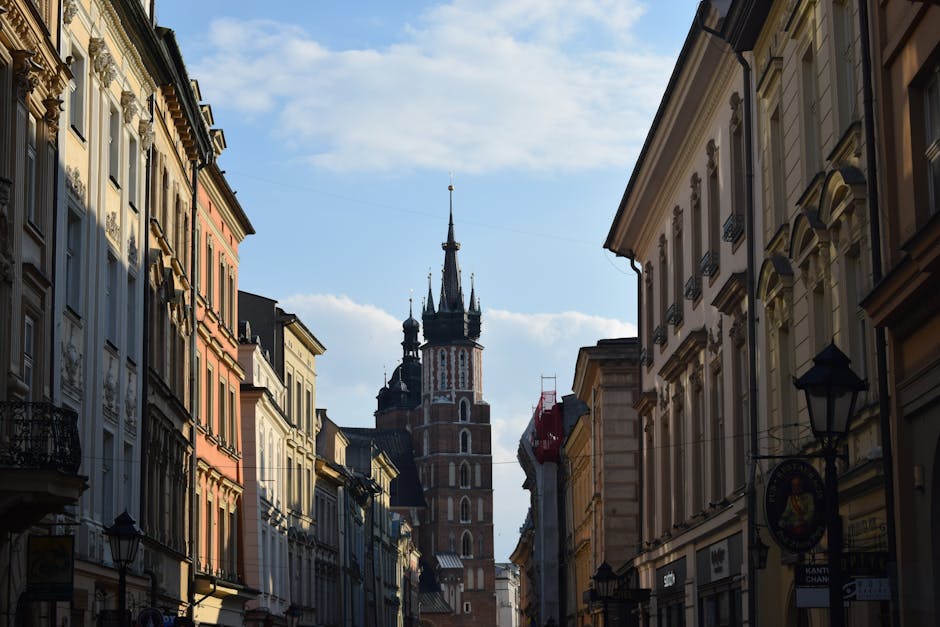
Discover Nairobi's iconic skyline on this self-guided architecture walk through the CBD’s most famous modernist and Brutalist landmarks.
 Easy
EasyKrakow, Poland
Uncover Krakow's legendary past on this self-guided walk from literary monuments to the fire-breathing Wawel Dragon.
 Easy
EasyEdinburgh, United Kingdom
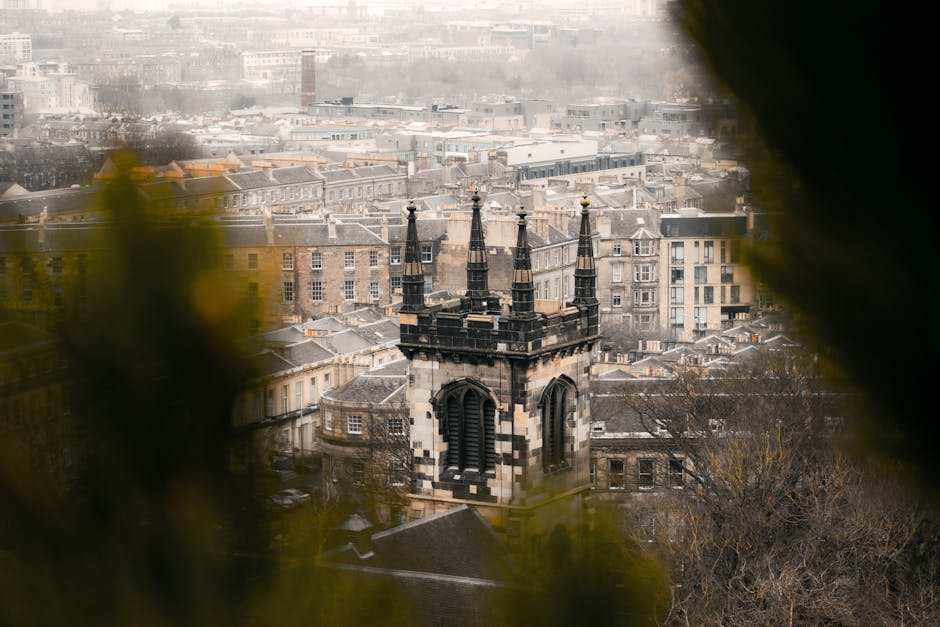
Explore Edinburgh's historic Royal Mile at your own pace, from the heights of the Castle to the royal Palace of Holyroodhouse.
 Easy
EasyEdinburgh, United Kingdom
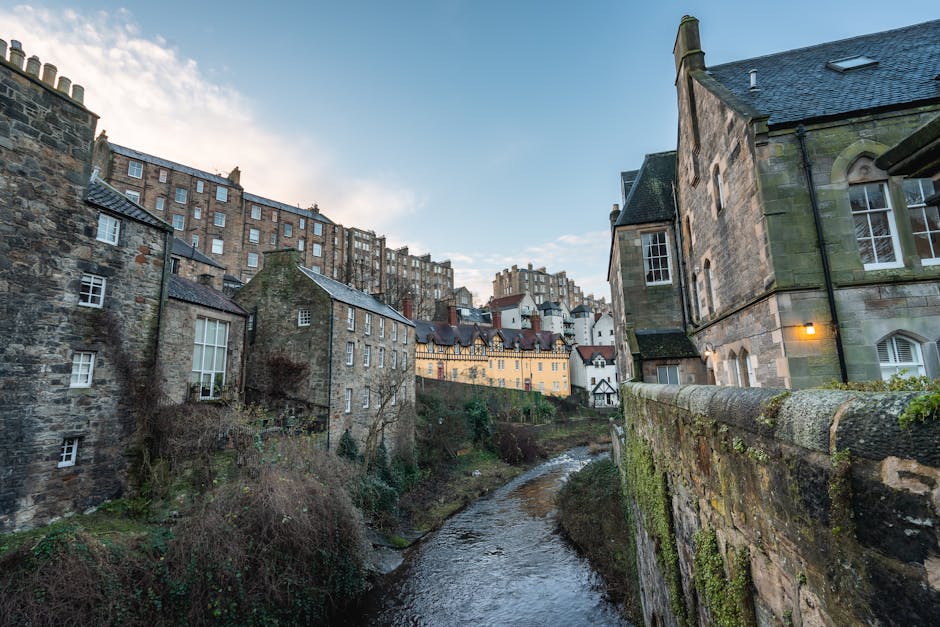
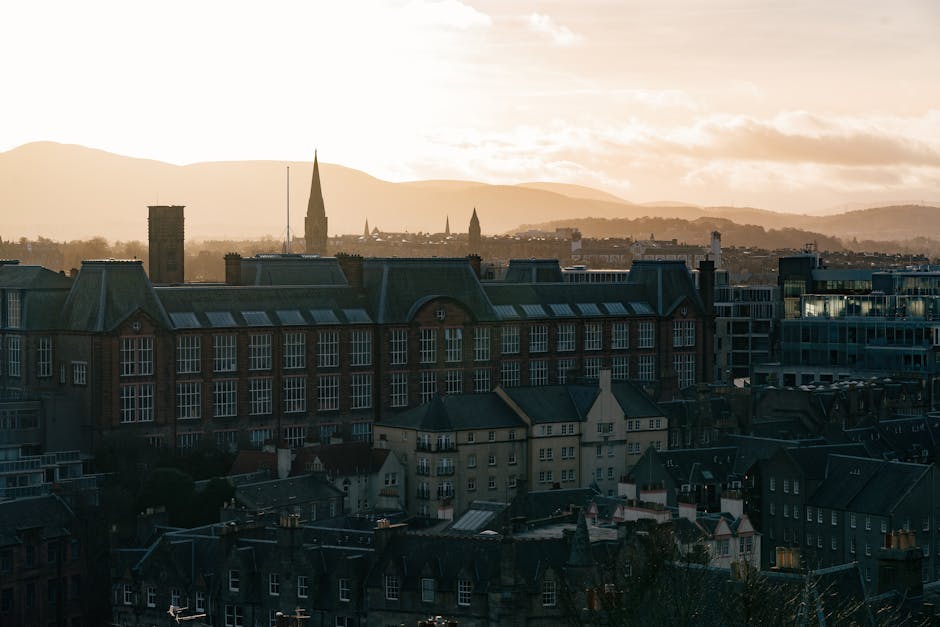
Capture the magic of Edinburgh on this self-guided stroll through the fairy-tale Dean Village, floral Circus Lane, and the scenic Water of Leith.
 Easy
EasyEdinburgh, United Kingdom
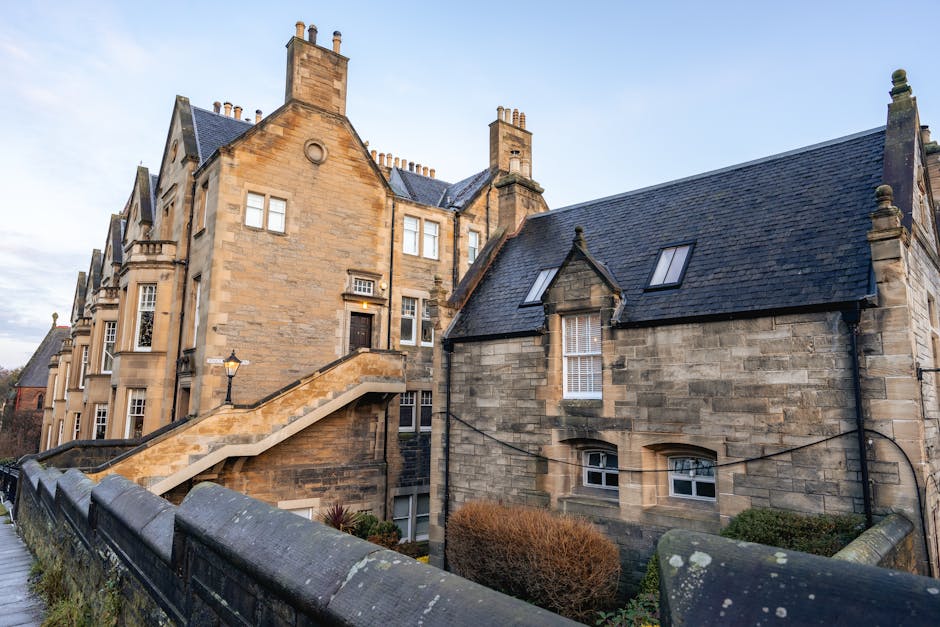
Explore Edinburgh's creative soul on this self-guided walk from historic museums to the stylish galleries and boutiques of the West End.
 Challenging
Edinburgh, United Kingdom
Ascend an ancient volcano and discover royal history on this challenging self-guided walk through Edinburgh's iconic Holyrood Park.