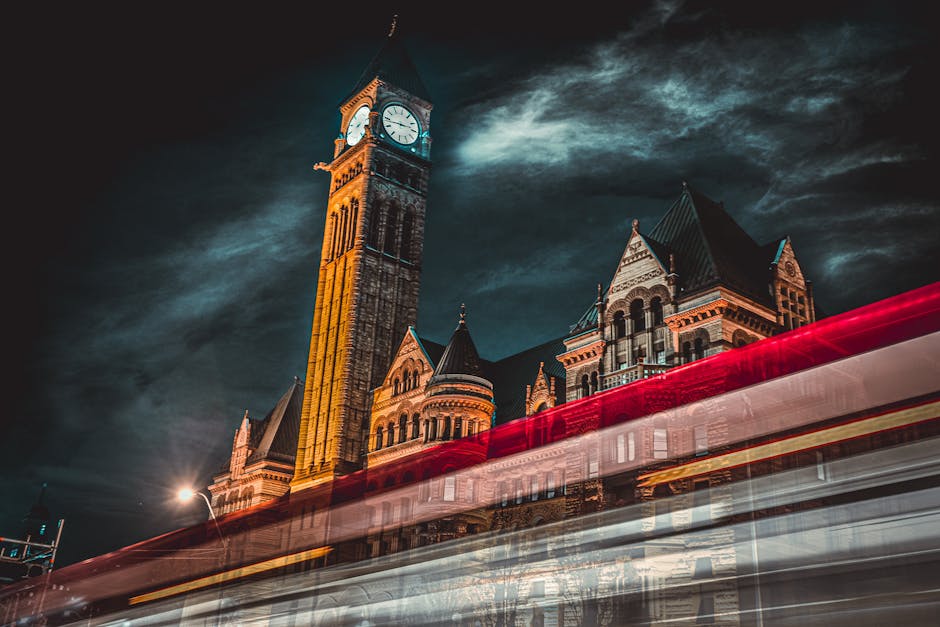
Self-guided audio tour in Toronto
Start Free on iPhone
Start free on iPhone to unlock this self-guided walking tour in Toronto. Hear all the stories that make it amazing, walk at your own pace, and begin whenever you want.
Your Private Tour Guide
Step back into the 19th century and discover the birthplace of modern Toronto with this self-guided walk through the Old Town neighborhood. Long before the glass skyscrapers dominated the skyline, this area was known as 'Muddy York,' a rugged colonial outpost that eventually blossomed into a sophisticated Victorian city. This walking route invites you to explore the architectural evolution and cultural heritage of Toronto at your own pace, focusing on the vibrant St. Lawrence area. You will encounter grand Renaissance Revival halls, soaring Gothic spires, and the iconic red-brick facades that defined the city's early commercial success. The journey highlights the transformation of the waterfront and the importance of the local whiskey trade, which once fueled the local economy. Whether you are a history buff or an architecture enthusiast, this neighborhood stroll offers a deep dive into the stories of the people who built Toronto. Along the way, you can admire the famous dog fountain in Berczy Park and see one of the most photographed buildings in North America, the Gooderham Flatiron. This walking tour Toronto experience provides the flexibility to stop for a snack at the nearby world-famous market or linger under the ancient trees of the cathedral grounds. Exploring independently allows you to notice the small details—like the intricate stone carvings on heritage buildings—that often go overlooked. By the end of this self-guided adventure, you will have a profound understanding of how a small lakefront settlement grew into a global metropolis. It is an essential route for anyone looking to connect with the authentic spirit of the city.
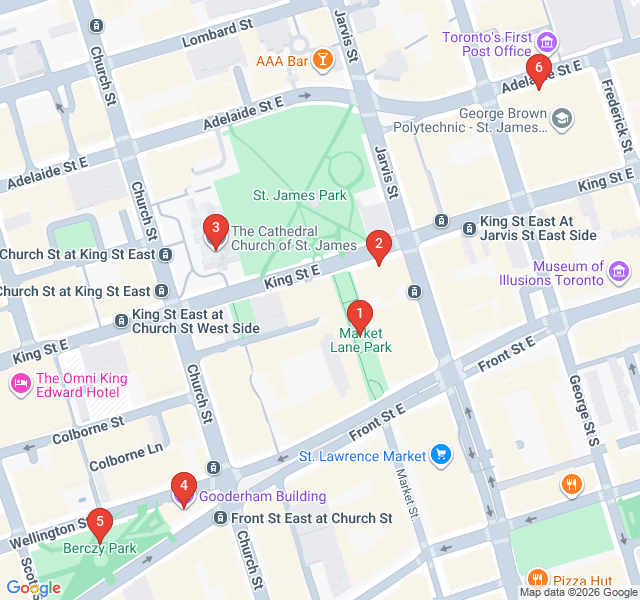
Numbers indicate the order of stops on the tour.
Welcome to the starting point of your exploration. Market Lane Park serves as a tranquil gateway to Toronto's oldest district. In the early 1800s, this area was the heart of the community, where residents gathered for news, trade, and social interaction. As you look around, imagine the unpaved streets of 'Muddy York' that once surrounded this space. This park connects the modern city with the historic St. Lawrence Market area, which has been a site of commerce since 1803. The mature trees and benches here offer a moment of calm before you dive into the dense history of the Old Town. It is the perfect spot to orient yourself and prepare for a journey through two centuries of urban development.
Standing before you is St. Lawrence Hall, a masterpiece of Renaissance Revival architecture completed in 1850. This grand building was once the center of Toronto's social and political life. It hosted everything from elegant balls and concerts to high-profile lectures and public meetings. Look up at the ornate cupola and the detailed stonework; these features were meant to signal Toronto’s growing wealth and sophistication to the world. Interestingly, the hall played a significant role in the abolitionist movement, hosting meetings for the North American Convention of Colored Freemen. Today, it remains a symbol of Victorian prestige and continues to be used for grand events, maintaining its legacy as a premier gathering place for the city.
The Cathedral Church of St. James is an incredible example of Gothic Revival architecture. Completed in 1853, it boasts the tallest steeple in Canada, a landmark that served as a beacon for ships coming into the harbor for decades. The site has been home to a church since 1797, serving the Anglican community of early York. As you observe the exterior, notice the pointed arches and the flying buttresses that define its style. The surrounding St. James Park was once a cemetery, though today it is one of the most beautiful public gardens in the downtown core. The bells of St. James still ring out over the city, a sound that has remained constant through Toronto's rapid modernization.
Perhaps the most recognizable silhouette in Old Town, the Gooderham Building—also known as the Flatiron—was completed in 1892. It was commissioned by George Gooderham, the president of the Gooderham & Worts Distillery, which was once the largest distillery in the world. This narrow, red-brick structure was built to fit the wedge-shaped lot created by the intersection of Wellington and Front Streets. While many people think of the famous Flatiron Building in New York, this Toronto version actually predates it by a decade. Take a moment to walk around to the back of the building to see the 'trompe l'oeil' mural, which creates a clever optical illusion of windows reflecting the buildings across the street.
Berczy Park is a delightful urban oasis that perfectly blends history with modern whimsy. The park is named after William Berczy, a co-founder of York. While the surrounding heritage buildings provide a historic backdrop, the centerpiece here is the two-tier fountain installed during a 2017 renovation. Look closely at the fountain and you will see 27 cast-iron dogs, all looking up toward a golden bone at the top. There is even one lone cat perched on the rim, looking away from the dogs toward two birds. This playful installation has made the park a favorite for locals and visitors alike. It is a great example of how Toronto integrates art and humor into its public historic spaces.
You are now in the heart of the original 10-block town site of York, surveyed in 1793. This area was the administrative and commercial nucleus of the colony. While many of the original wooden structures are gone, the street grid remains largely the same as it was over 200 years ago. This neighborhood has survived devastating fires and the pressures of modern development to remain one of the most cohesive historic districts in North America. As you finish your walk, notice how the old brick warehouses have been repurposed into lofts, galleries, and cafes. This neighborhood is a testament to Toronto's ability to preserve its past while evolving into a dynamic, modern city. From here, you are perfectly positioned to explore the nearby market or the Distillery District further east.
Start Free on iPhone
Explore “Toronto's Foundation: St. Lawrence and the Old Town” with your very own Private Tour Guide with Zigway. Start free on iPhone, skip the large group and the fixed routes, and hear the city come alive as you go.
Your Private Tour Guide
Don't miss the good stuff
Explore Freely
 Challenging
Toronto, Canada
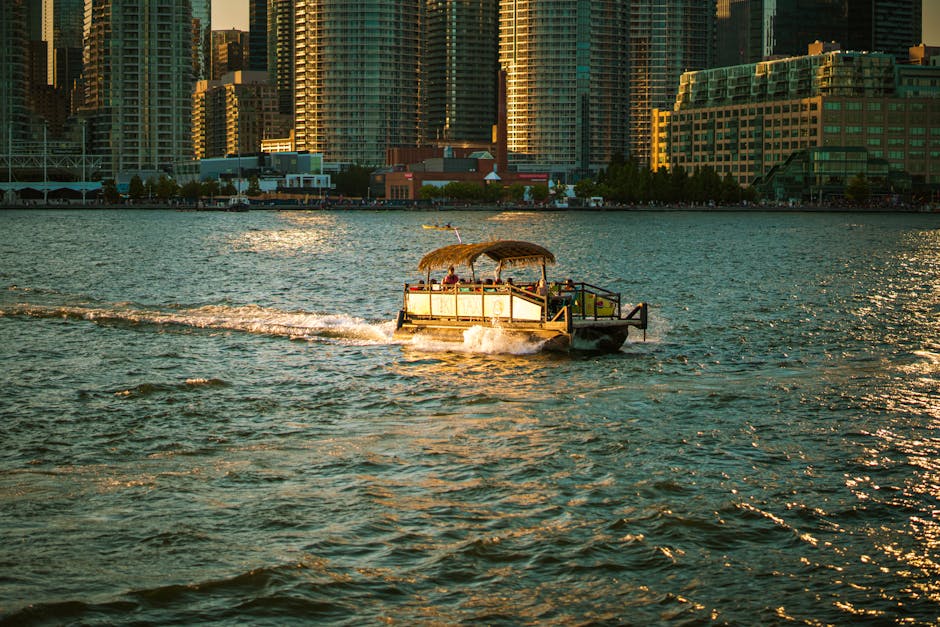
Explore Toronto's crown jewel with this self-guided walk through High Park’s hidden gardens, historic lodges, and scenic waterfront trails.
 Easy
EasyToronto, Canada
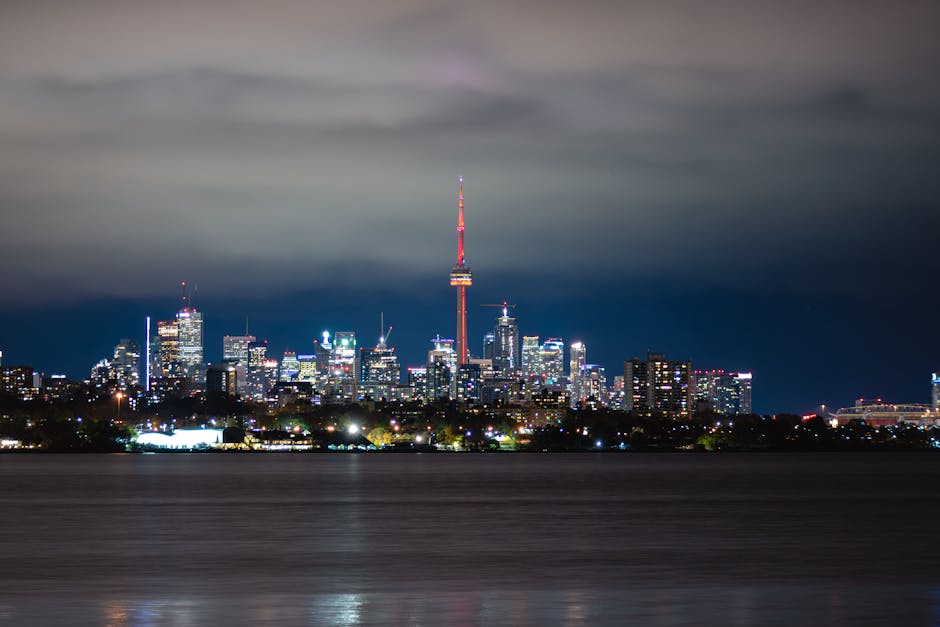
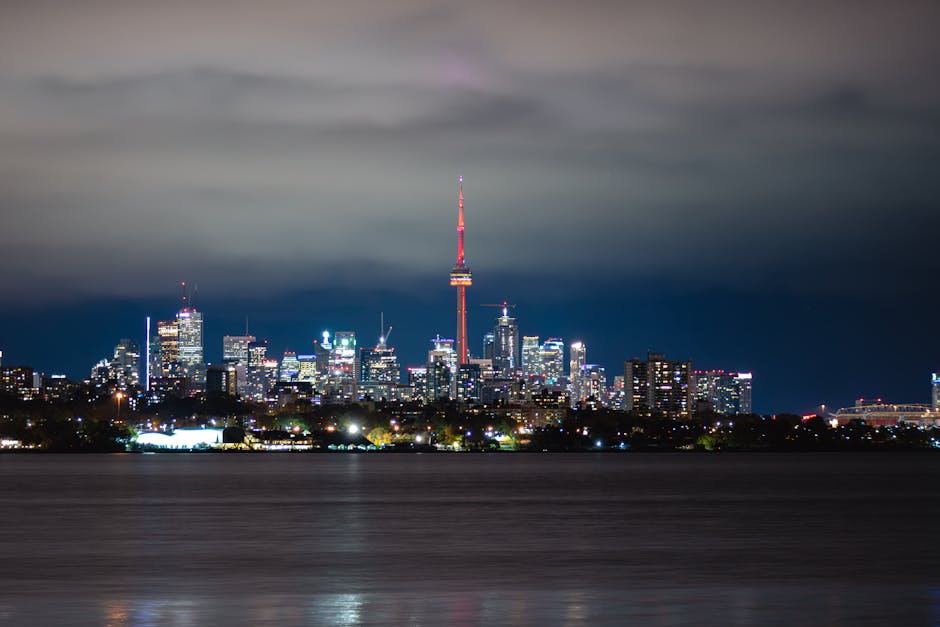
Explore Toronto's iconic skyline on this self-guided walk through the Financial District's historic stone halls and golden glass towers.
 Easy
EasyToronto, Canada
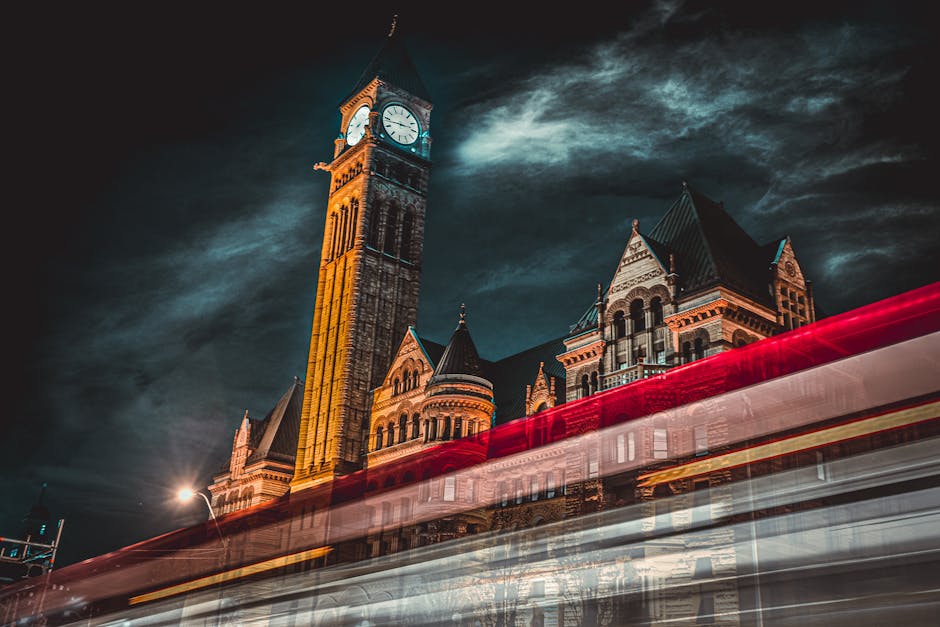
Explore North America's largest collection of Victorian homes and peaceful green spaces on this self-guided stroll through Toronto's Cabbagetown.
 Easy
EasyToronto, Canada
Explore Yorkville’s transformation from 1960s hippie haven to Toronto’s premier luxury district on this self-guided audio walk.
 Easy
EasyKrakow, Poland
Explore the prestigious Jagiellonian University district, featuring Neo-Gothic architecture, Baroque churches, and Krakow's hidden scholarly gems.
 Easy
EasyGothenburg, Sweden
Discover Gothenburg’s 17th-century Dutch foundations, historic canals, and military fortifications on this self-guided architectural walk.
 Easy
EasyNairobi, Kenya
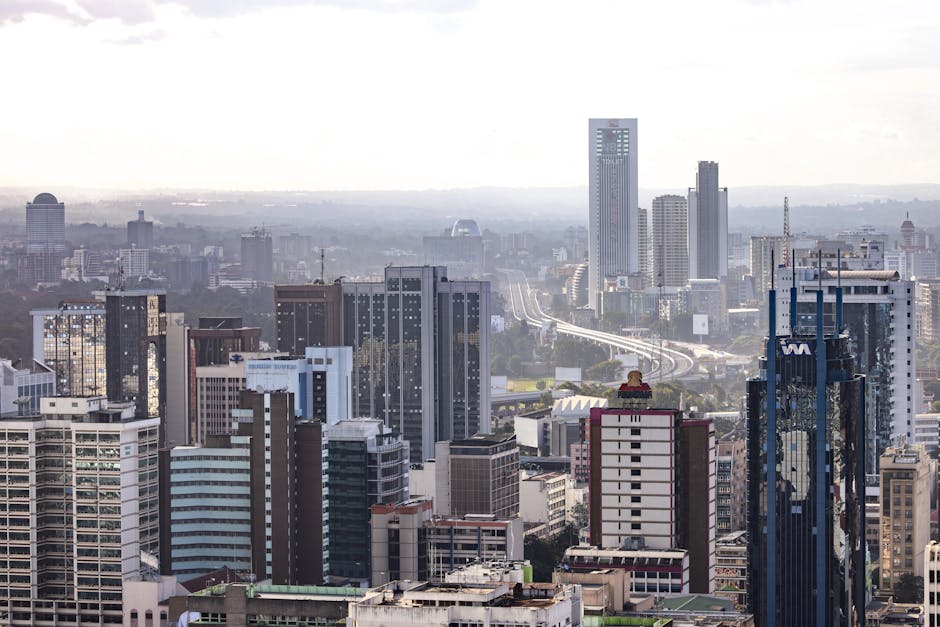
Explore Nairobi's architectural evolution from colonial-era landmarks to iconic Brutalist skyscrapers on this historic self-guided walking route.
 Easy
EasyNairobi, Kenya
Discover Nairobi's iconic skyline on this self-guided architecture walk through the CBD’s most famous modernist and Brutalist landmarks.
 Easy
EasyVancouver, Canada
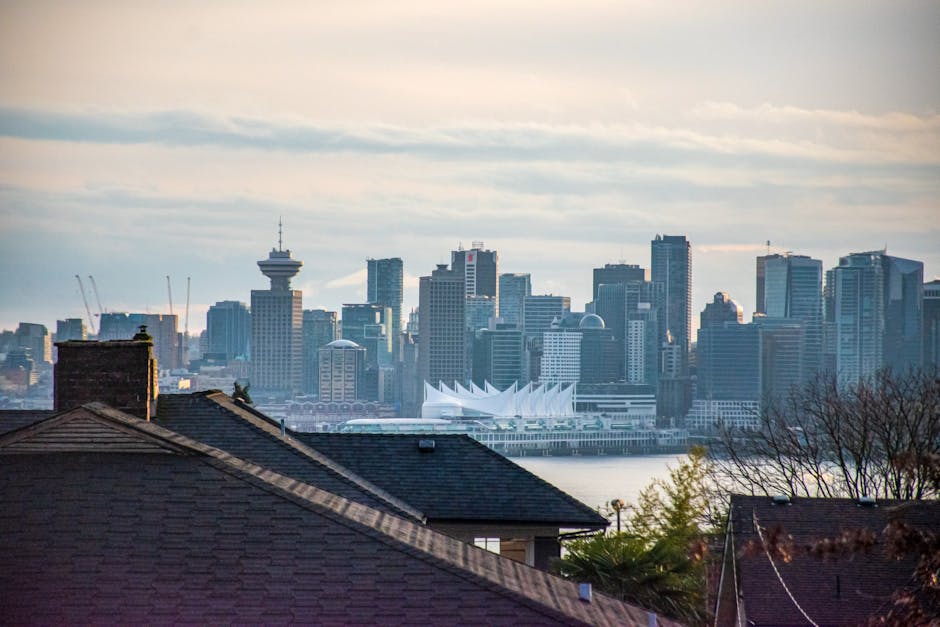
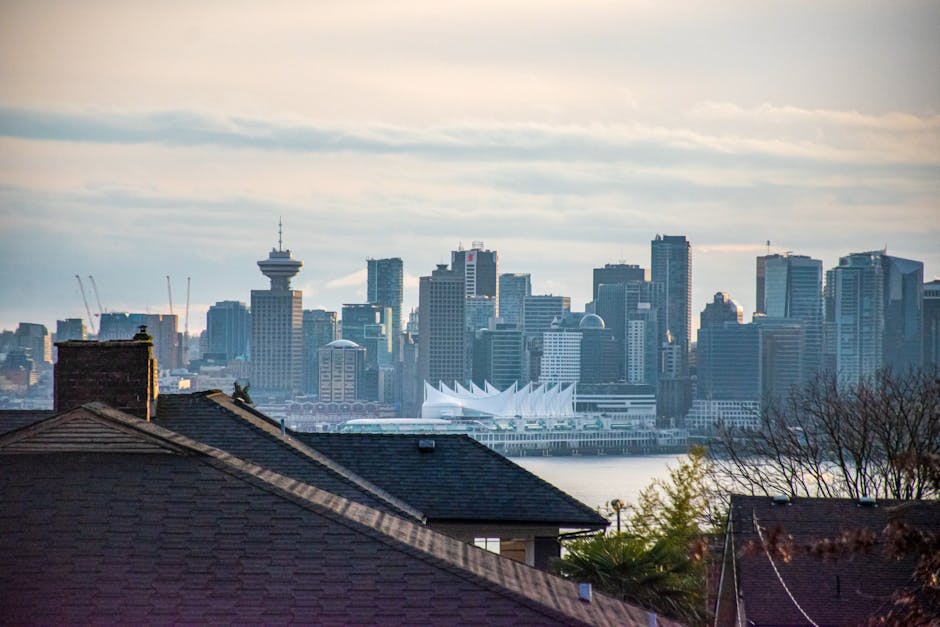
Explore Vancouver’s transformation from industrial hub to futuristic urban oasis on this self-guided audio walk along the scenic False Creek Seawall.
 Moderate
Vancouver, Canada
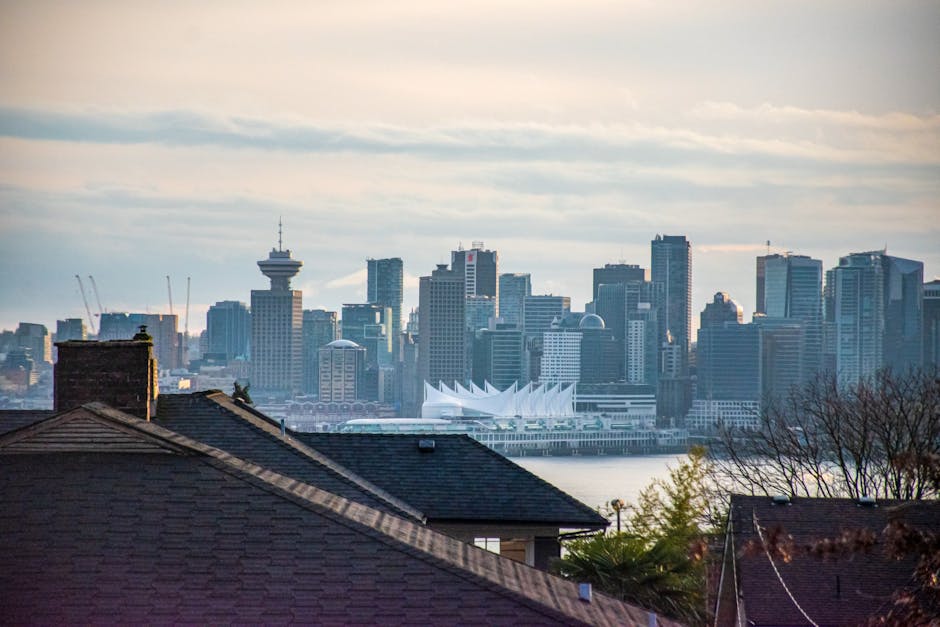
Discover the cinematic secrets of Hollywood North on this self-guided walk through Downtown Vancouver’s most famous filming locations.
 Easy
EasyVancouver, Canada
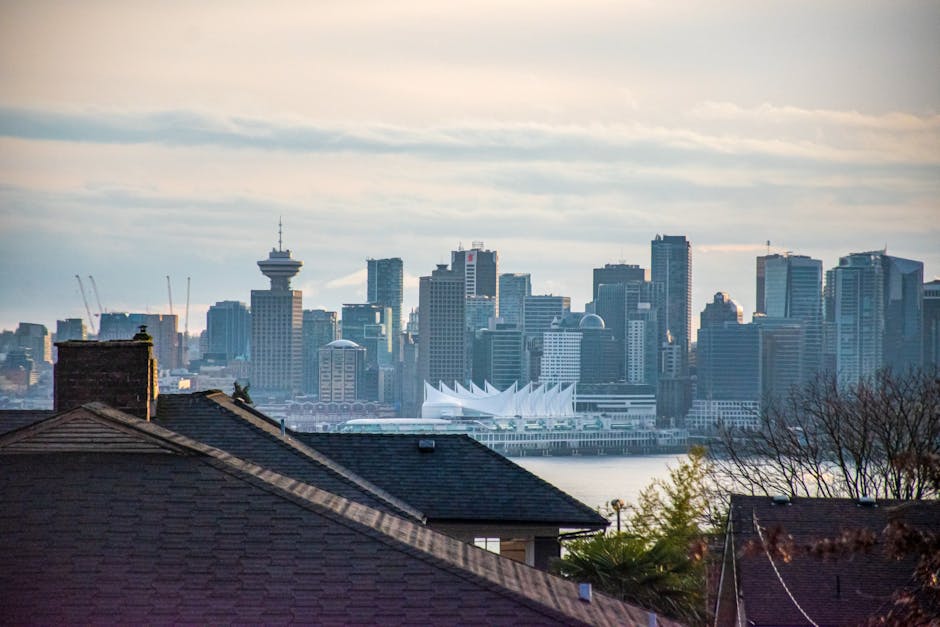
Explore Vancouver's oldest neighborhood, from Victorian homes to the historic heart of the city's multicultural pioneer communities.
 Easy
EasyVancouver, Canada
Discover how historic rail warehouses became Vancouver’s trendiest district on this self-guided stroll through Yaletown’s chic streets and parks.