Self-guided audio tour in Santiago
Start Free on iPhone
Start free on iPhone to unlock this self-guided walking tour in Santiago. Hear all the stories that make it amazing, walk at your own pace, and begin whenever you want.
Your Private Tour Guide
Rising above the bustling streets of Chile's capital are two distinct emerald islands that offer the best vantage points in the city. This self-guided walking route invites you to conquer 'The Heights of Santiago,' a journey that bridges the gap between the bohemian spirit of Bellavista and the historic heart of the city center. By exploring these two iconic peaks—Cerro San Cristóbal and Cerro Santa Lucía—you will experience the dramatic contrast between Santiago’s colonial foundations and its modern urban sprawl, all set against the majestic backdrop of the Andes Mountains. Your independent adventure begins at the Pío Nono Bridge, the gateway to the colorful Bellavista neighborhood. From here, you’ll head toward the grand entrance of the Metropolitan Park to ride the historic funicular up Cerro San Cristóbal. This peak offers a peaceful escape from the city noise, featuring lush gardens and the monumental Statue of the Virgin Mary. As you descend and move toward the city center, the landscape shifts from sprawling parkland to the ornate, European-style architecture of Cerro Santa Lucía. This second peak is where Santiago was officially founded in 1541, and it remains a labyrinth of stone staircases, hidden plazas, and fortresses like Castillo Hidalgo. This walking route is designed for those who love photography and urban hiking. Along the way, you’ll discover why these hills are considered the 'lungs' of the city. While a walking tour Santiago often focuses only on the flat grid of the Plaza de Armas, this route challenges you to see the city from above. You will navigate through neoclassical fountains, defensive battlements, and panoramic terraces that offer 360-degree views. Whether you are interested in the 19th-century urban transformation led by Benjamín Vicuña Mackenna or simply want to find the most Instagram-worthy spots in Chile, this neighborhood stroll provides the perfect balance of nature and history. Prepare for a moderate physical challenge, as the reward is a deeper understanding of Santiago’s geography and a series of breathtaking vistas that most travelers miss.
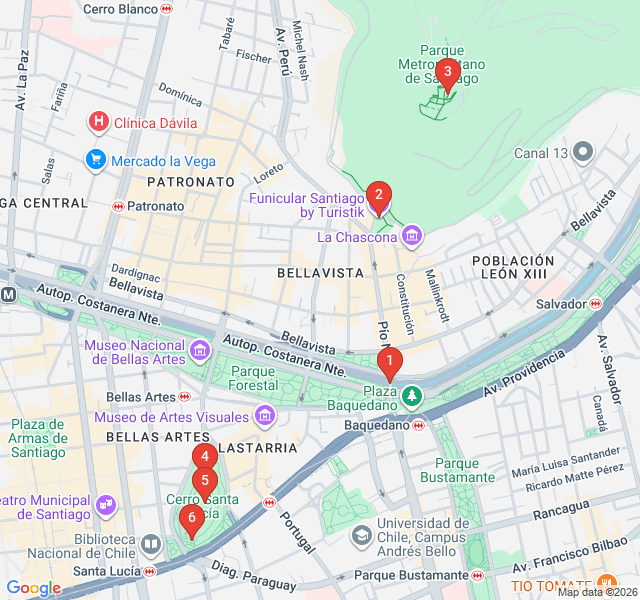
Numbers indicate the order of stops on the tour.
Welcome to the starting point of your self-guided adventure. The Pío Nono Bridge serves as a vital artery connecting the historic center of Santiago with the vibrant, artistic enclave of Bellavista. As you cross the Mapocho River, take a moment to look at the water below. While it may appear modest, this river was the lifeblood of the early Mapuche settlements and later the Spanish colony. The bridge itself is a prime spot to observe the transition in Santiago's personality: behind you lies the formal downtown, while ahead, the streets are lined with colorful murals, theaters, and cafes. This area has long been a haunt for poets and intellectuals, most notably Pablo Neruda, whose home is located just a few blocks away. From here, you are perfectly positioned to head toward the base of the Great Hill.
You are standing at the base of Cerro San Cristóbal, facing the entrance to the Funicular de Santiago. This National Monument has been transporting residents and travelers to the summit since 1925. The station building, designed by architect Luciano Kulczewski, looks like a small medieval castle, reflecting the eclectic architectural tastes of early 20th-century Chile. This funicular is not just a novelty; it is a piece of engineering history that climbs a 45-degree slope over a distance of nearly 500 meters. As you wait for your ride, notice the intricate woodwork and the mechanical systems that have been carefully maintained for nearly a century. This ascent marks the beginning of your journey into the Metropolitan Park, the largest urban park in Chile and one of the largest in the world.
After your funicular ride, you have arrived at the Terraza Bellavista on the summit of Cerro San Cristóbal. At 860 meters above sea level, this is one of the highest points in the city. The most striking feature here is the 14-meter-tall Statue of the Virgin Mary, which was inaugurated in 1908. Looking out from the terrace, the vast scale of Santiago becomes apparent. To the east, the towering glass skyscrapers of 'Sanhattan' gleam in the sun, while to the west, the old city center spreads out toward the coast. On a clear day, especially after rain, the snow-capped Andes Mountains provide a staggering backdrop that seems close enough to touch. This is a place of both pilgrimage and recreation, where the spiritual heritage of Chile meets the modern love for the outdoors.
Having descended San Cristóbal and walked toward the city center, you now stand before Castillo Hidalgo on the slopes of Santa Lucía Hill. Originally built in 1816 by the Spanish as a defensive battery called 'Santa Lucía Castle,' it was intended to protect the city during the Chilean War of Independence. However, it never saw significant combat. In the late 1800s, the visionary urban reformer Benjamín Vicuña Mackenna transformed this rugged rocky outcrop into a romantic park, and the castle was repurposed. Over the years, it has served as a museum and an event space. Its thick stone walls and crenelated towers are a reminder of the city's colonial past, standing in stark contrast to the modern apartments that now surround the base of the hill.
Cerro Santa Lucía is more than just a park; it is the hallowed ground where Pedro de Valdivia founded the city of Santiago on February 12, 1541. Originally called 'Huelén' by the indigenous people, it served as a strategic lookout. As you explore its winding paths, you’ll encounter a labyrinth of stairways, hidden grottos, and Italianate terraces. This hill is a masterpiece of 19th-century landscape architecture, designed to bring European elegance to the edge of the Andes. Climb to the very top, to the Torre Mirador, for a perspective that is much more intimate than San Cristóbal. From here, you can see the red domes of the San Francisco Church and the bustling pedestrian malls of the city center, feeling the history of centuries beneath your feet.
Your journey concludes at the foot of Santa Lucía Hill at the magnificent Fuente Neptuno, or Neptune Fountain. This monumental fountain, dedicated to the Roman god of the sea, is a symbol of the city's late 19th-century 'Golden Age.' It was part of the grand project to beautify the hill and provide a monumental entrance for the public. The fountain features a bronze statue of Neptune surrounded by sea horses and ornate stonework. It is a favorite meeting spot for locals and a peaceful place to reflect on your trek. Standing here at the edge of the Alameda, Santiago’s main boulevard, you are perfectly positioned to dive back into the city's museums or find a well-deserved meal in the nearby Lastarria neighborhood.
Start Free on iPhone
Explore “The Heights of Santiago: Two Peaks” with your very own Private Tour Guide with Zigway. Start free on iPhone, skip the large group and the fixed routes, and hear the city come alive as you go.
Your Private Tour Guide
Don't miss the good stuff
Explore Freely
 Easy
EasySantiago, Chile
Explore the opulent mansions and grand architecture of Santiago’s Belle Époque on this self-guided stroll through the historic Barrio Dieciocho.
 Moderate
Santiago, Chile
Explore Santiago's historic heart independently, from the colonial Plaza de Armas to the iconic La Moneda Palace.
 Easy
EasySantiago, Chile
Explore Santiago's 'Sanhattan' on a self-guided walk featuring South America's tallest skyscrapers and modern art.
 Easy
EasySantiago, Chile
Explore Santiago’s most exclusive neighborhood on this self-guided walk featuring luxury boutiques, modern art, and world-class gastronomy.
 Moderate
Krakow, Poland
Discover Krakow’s stunning skyline and riverside charm on this self-guided audio walk through scenic viewpoints and historic mounds.
 Easy
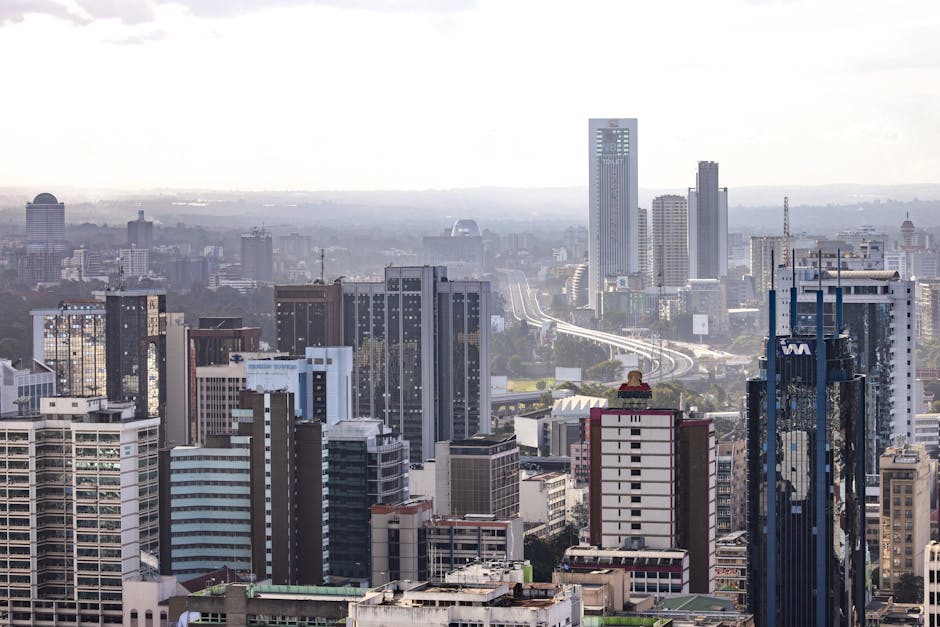
EasyNairobi, Kenya
Discover Nairobi's iconic skyline on this self-guided architecture walk through the CBD’s most famous modernist and Brutalist landmarks.
 Moderate
Nairobi, Kenya
Discover Nairobi's lush side on this self-guided walk through botanical gardens, historic memorials, and vibrant local markets.
 Moderate
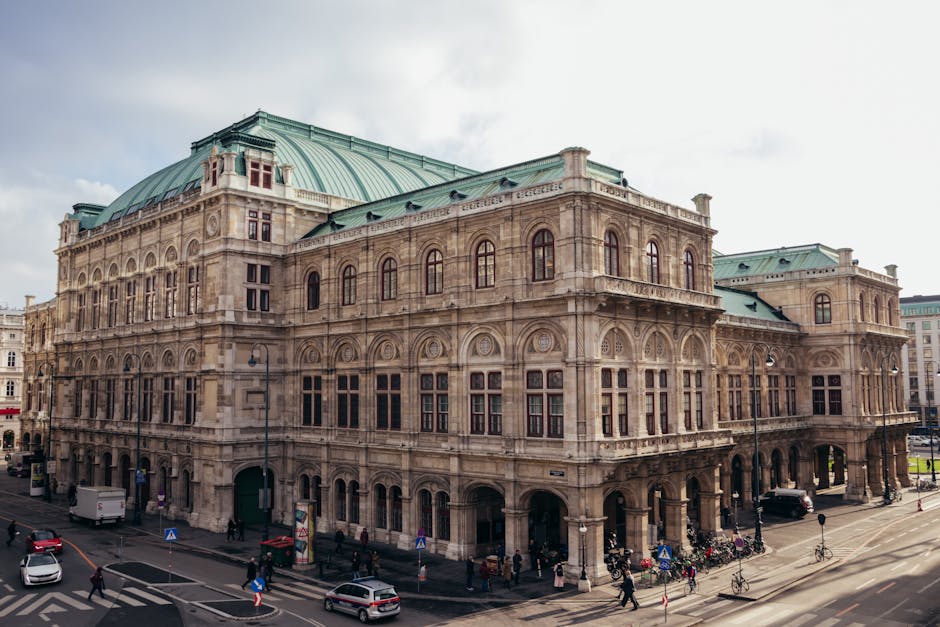
Vienna, Austria
Discover the noir world of The Third Man and Cold War Vienna on this atmospheric self-guided audio walk through the historic Innere Stadt.
 Moderate
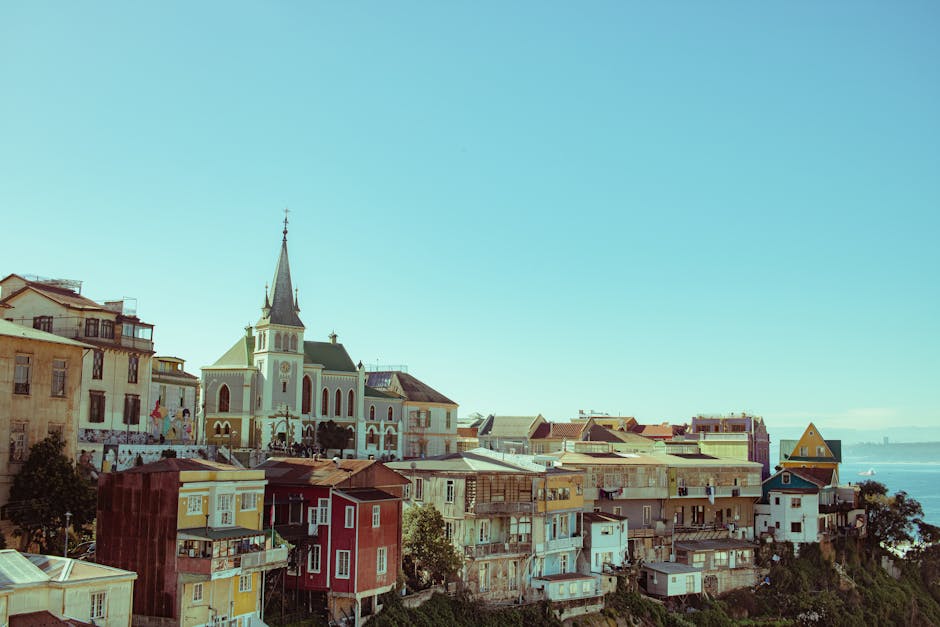
Valparaiso, Chile
Explore Valparaíso’s iconic funiculars and stunning clifftop vistas on this self-guided audio walk through the 'Vertical City.'
 Easy
EasyValparaiso, Chile
Taste the heart of Valparaiso on this self-guided stroll through historic markets, legendary bars, and the birthplace of the famous Chorrillana.
 Challenging
Valparaiso, Chile
Discover Valparaiso’s vertical magic on this self-guided walk through the hidden stairways and vibrant street art of Cerro Alegre.
 Moderate
Valparaiso, Chile
Discover the vibrant street art and historic charm of Valparaiso's Cerro Alegre and Concepción on this self-guided neighborhood stroll.