Self-guided audio tour in Santiago
Start Free on iPhone
Start free on iPhone to unlock this self-guided walking tour in Santiago. Hear all the stories that make it amazing, walk at your own pace, and begin whenever you want.
Your Private Tour Guide
Step back into the 'Gilded Age' of Chile on this self-guided walk through the Barrio Dieciocho, once the most opulent neighborhood in Santiago. During the late 19th and early 20th centuries, the wealth generated from Northern Chile's saltpeter mines transformed the city's landscape. The Chilean elite, inspired by their travels to Europe, commissioned grand mansions that mimicked the styles of Paris and Rome. This walking route invites you to explore the architectural splendor of the Belle Époque at your own pace, away from the typical tourist crowds of the Plaza de Armas. As you wander down Calle Dieciocho, you will encounter a series of former private residences that now serve as embassies, universities, and museums. The neighborhood is a living gallery of Neoclassical, Art Nouveau, and Beaux-Arts styles. You will see the Palacio Errázuriz, a masterpiece of Italianate design, and the Palacio Íñiguez, which showcases the fluid lines of the Art Nouveau movement. The journey culminates at the Palacio Cousiño, perhaps the most extravagant home ever built in the capital, featuring imported marble, hand-carved furniture, and the first private elevator in Chile. This neighborhood stroll is more than just an architectural survey; it is a glimpse into the social history of Santiago’s high society. You will learn about the families who shaped the nation and the religious institutions, like the Iglesia San Ignacio, that anchored their daily lives. By choosing a self-guided adventure, you have the flexibility to linger over the intricate details of a wrought-iron gate or stop for a coffee in a converted courtyard. Whether you are a photography enthusiast or a history buff, this walking tour Santiago offers a unique perspective on the city's evolution from a colonial outpost to a cosmopolitan metropolis. Discover the hidden stories behind these stone facades and experience the elegance of a bygone era through this immersive audio walk.
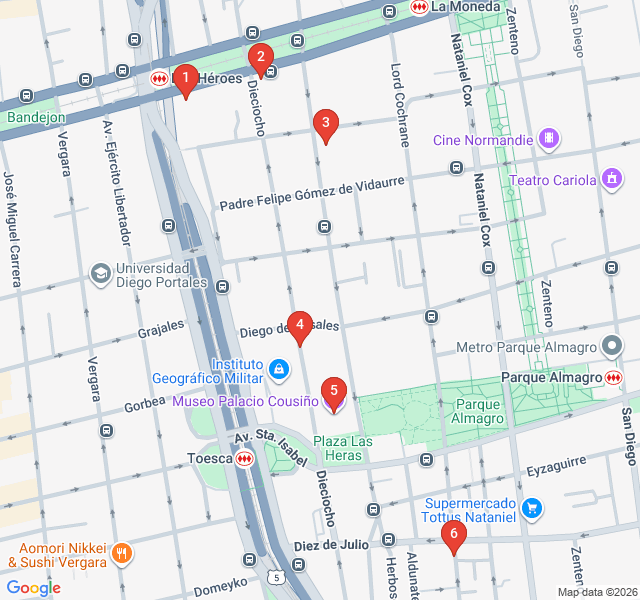
Numbers indicate the order of stops on the tour.
Begin your exploration at the Palacio Errázuriz, a stunning example of the Neoclassical style that dominated the tastes of the Chilean elite in the 1870s. Designed by the Italian architect Eusebio Chelli for the Errázuriz Urmeneta family, this building was intended to showcase their massive wealth derived from mining and agriculture. Notice the symmetrical facade, the grand columns, and the intricate stonework. Today, it serves as the Brazilian Embassy, continuing its legacy as a site of international prestige. During the Belle Époque, this house was the center of Santiago’s social life, hosting lavish balls that mirrored the salons of Paris. The building's preservation is a testament to the neighborhood's enduring historical value.
A short walk away stands the Palacio Íñiguez, which offers a striking contrast to the rigid Neoclassicism of its neighbors. Built in 1908 by architects Alberto Cruz Montt and Ricardo Larraín Bravo, this building is one of the few examples of Art Nouveau and French academicism in the city. Look closely at the organic shapes and the decorative carvings on the exterior. Unusually for its time, the ground floor was designed for commercial use, while the upper floors housed the wealthy Íñiguez family. This mix of commerce and luxury was a radical departure for the residential Barrio Dieciocho and signaled the modernization of Santiago’s urban planning at the turn of the century.
Standing as a spiritual pillar of the neighborhood, the Iglesia San Ignacio was designed by the same architect as the Palacio Errázuriz, Eusebio Chelli. This Jesuit church reflects the deep religious roots of the Chilean aristocracy. Its Neoclassical facade and imposing towers were completed in the 1870s, though the interior took longer to finish. The church is famous for its acoustics and its beautiful pipe organ. Historically, this was where the families of Barrio Dieciocho would gather for Sunday Mass, making it a crucial social and religious hub. The surrounding complex includes the prestigious Colegio San Ignacio, where many of Chile's presidents and intellectuals were educated.
The street you are walking on, Calle Dieciocho, is named after the 18th of September, Chile’s Independence Day. In the late 1800s, this was the most fashionable address in the country. As you walk, observe the variety of architectural styles, from Gothic Revival to Neo-Renaissance. Many of these former mansions have been repurposed into university buildings, which has helped preserve the neighborhood’s character even as the city grew around it. Imagine the sound of horse-drawn carriages on these streets and the sight of high-society figures parading in European fashions. This street remains the backbone of the district's 'Golden Age' heritage.
The Palacio Cousiño is the undisputed jewel of this neighborhood stroll. Built for Isidora Goyenechea, the wealthiest woman in the world at the time, no expense was spared in its construction. Completed in 1882, the palace features materials imported entirely from Europe: Carrara marble, Bohemian crystal, and French silk. It was a marvel of modern technology for the 19th century, boasting the first private elevator and a sophisticated central heating system. The interior remains remarkably well-preserved, showcasing the extravagant lifestyle of the mining magnates. Even from the outside, the French-inspired gardens and the ornate iron gates speak to an era of unparalleled luxury in Chilean history.
Conclude your walk at Parque Almagro, a green oasis that marks the southern edge of the historic district. This park provides a perfect vantage point to look back at the towers of the city. Dominating the view is the Basilica of the Sacraments, inspired by the Sacré-Cœur in Paris. In the center of the park, you will find the monument to Pedro de Valdivia, the founder of Santiago. This space serves as a transition from the private grandeur of the palaces to the public life of the modern city. It is a popular spot for students from the nearby universities to relax, offering a vibrant contrast to the silent, stately mansions you have just visited.
Start Free on iPhone
Explore “Palaces of the Belle Époque” with your very own Private Tour Guide with Zigway. Start free on iPhone, skip the large group and the fixed routes, and hear the city come alive as you go.
Your Private Tour Guide
Don't miss the good stuff
Explore Freely
 Moderate
Santiago, Chile
Explore Santiago's historic heart independently, from the colonial Plaza de Armas to the iconic La Moneda Palace.
 Easy
EasySantiago, Chile
Explore Santiago's 'Sanhattan' on a self-guided walk featuring South America's tallest skyscrapers and modern art.
 Easy
EasySantiago, Chile
Explore Santiago’s most exclusive neighborhood on this self-guided walk featuring luxury boutiques, modern art, and world-class gastronomy.
 Moderate
Santiago, Chile
Discover the vibrant murals and poetic legacy of Bellavista on this self-guided walk through Santiago's most artistic and bohemian neighborhood.
 Easy
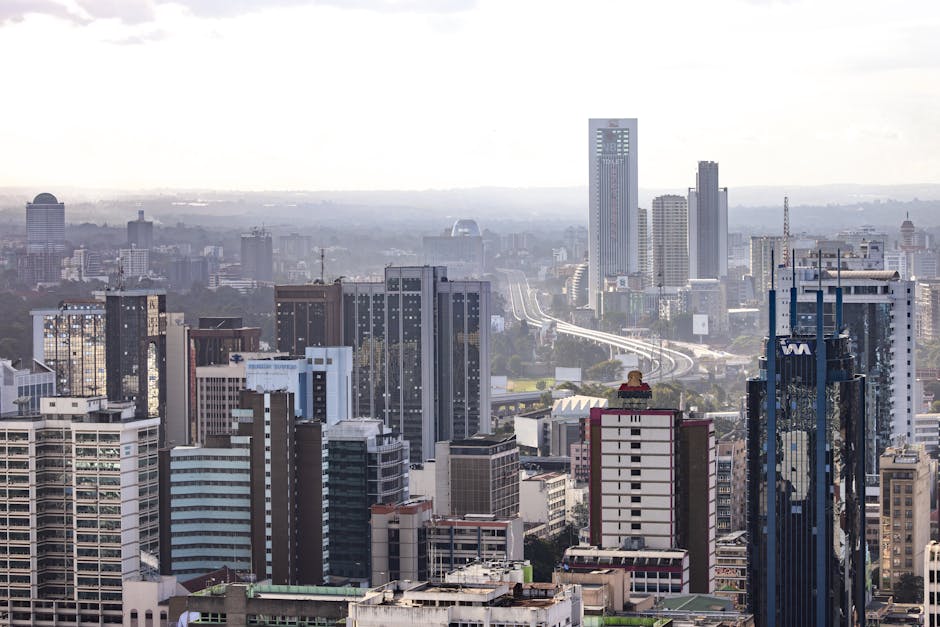
EasyNairobi, Kenya
Discover Nairobi's iconic skyline on this self-guided architecture walk through the CBD’s most famous modernist and Brutalist landmarks.
 Easy
EasyKrakow, Poland
Explore the prestigious Jagiellonian University district, featuring Neo-Gothic architecture, Baroque churches, and Krakow's hidden scholarly gems.
 Easy
EasyGdansk, Poland
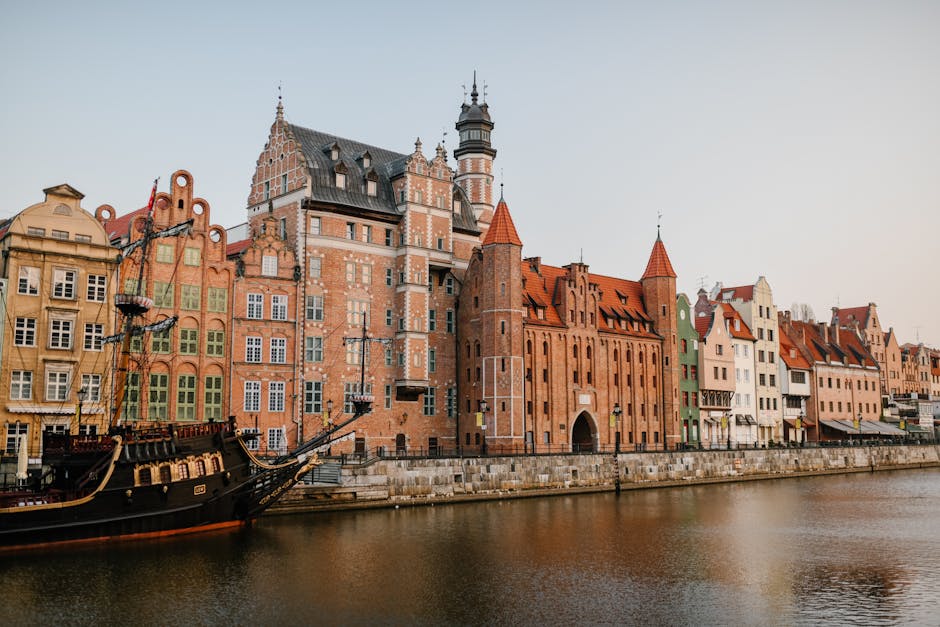
Discover the 'Baltic Gold' on this self-guided walk through Gdansk's historic mills, massive cathedrals, and the magical Mariacka Street.
 Easy
EasyGothenburg, Sweden
Explore Gothenburg’s historic wooden houses, legendary giant cinnamon buns, and panoramic fortress views on this self-guided neighborhood stroll.
 Moderate
Valparaiso, Chile
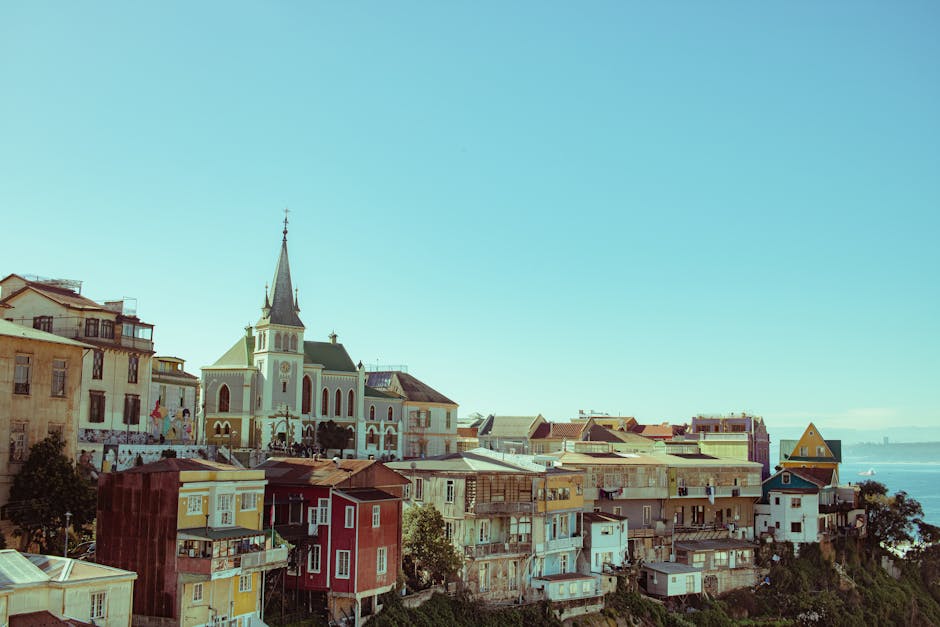
Explore Valparaíso’s iconic funiculars and stunning clifftop vistas on this self-guided audio walk through the 'Vertical City.'
 Easy
EasyValparaiso, Chile
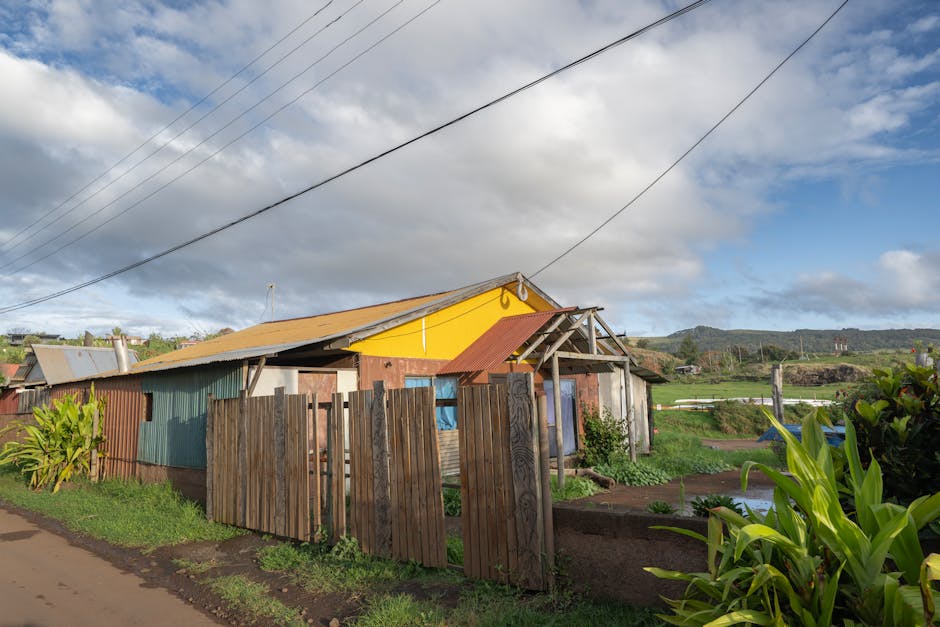
Taste the heart of Valparaiso on this self-guided stroll through historic markets, legendary bars, and the birthplace of the famous Chorrillana.
 Challenging
Valparaiso, Chile
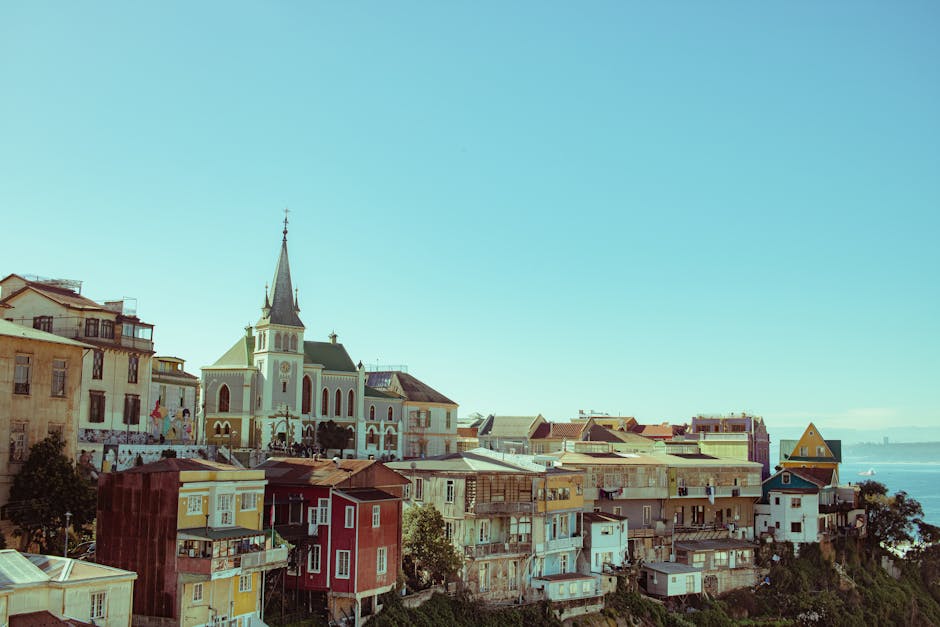
Discover Valparaiso’s vertical magic on this self-guided walk through the hidden stairways and vibrant street art of Cerro Alegre.
 Moderate
Valparaiso, Chile
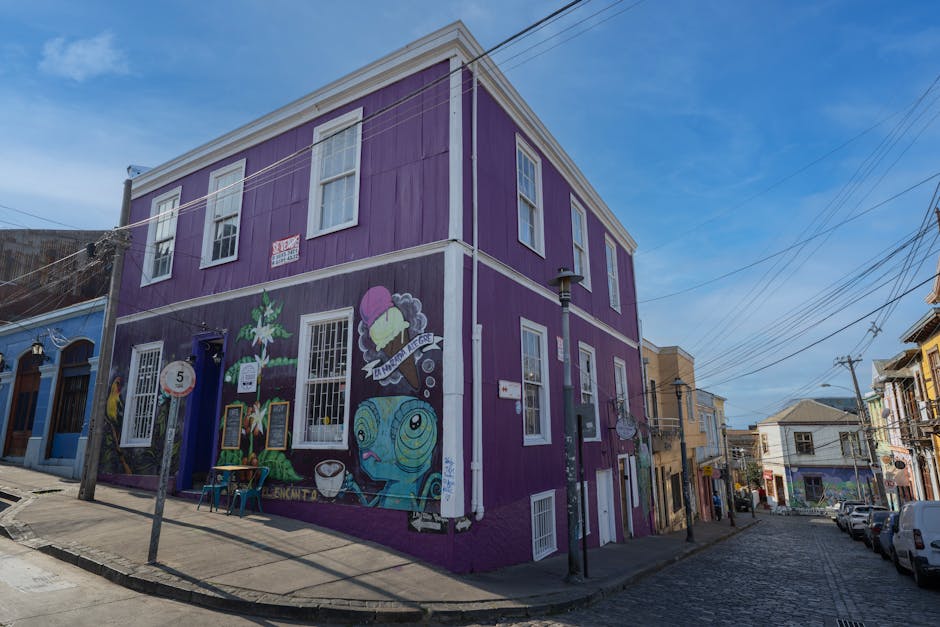
Discover the vibrant street art and historic charm of Valparaiso's Cerro Alegre and Concepción on this self-guided neighborhood stroll.