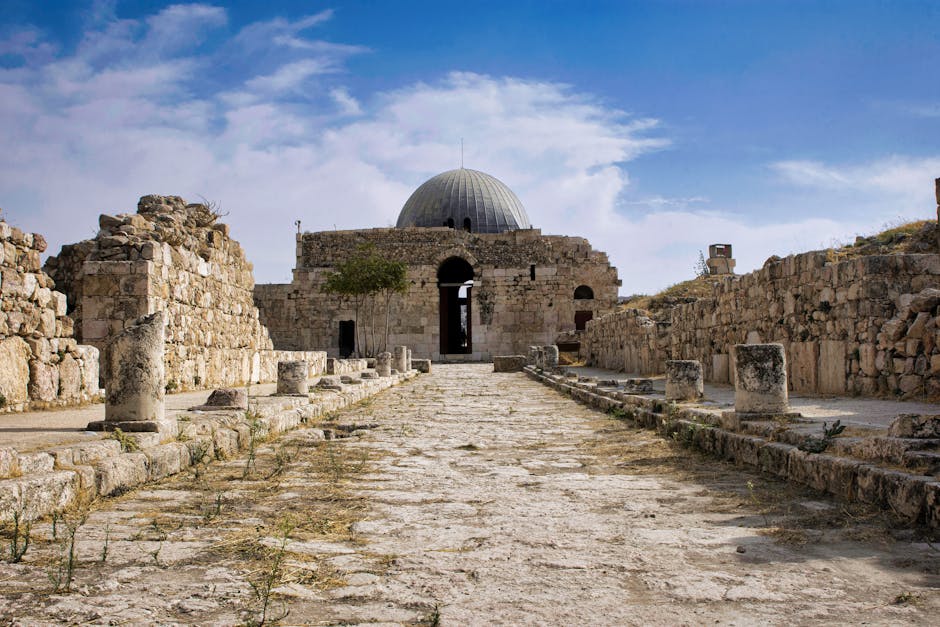
Self-guided audio tour in Amman
Start Free on iPhone
Start free on iPhone to unlock this self-guided walking tour in Amman. Hear all the stories that make it amazing, walk at your own pace, and begin whenever you want.
Your Private Tour Guide
Step into the heartbeat of Jordan's capital with a self-guided walk through Al-Balad, Amman's historic downtown. This neighborhood stroll is designed for those who want to peel back the layers of a city that has been continuously inhabited for millennia. While many visitors head straight for the Citadel, the real soul of Amman resides in the narrow alleys, the scent of cardamom-heavy coffee, and the quiet archives tucked away in stone buildings. This walking route invites you to explore independently, moving from the grandeur of 2nd-century Roman fountains to the intimate living rooms of 20th-century aristocrats. You will begin your exploration at the Duke’s Diwan, a stunning example of early 20th-century architecture that serves as a time capsule for the city's intellectual and social history. From there, the route winds through the glittering corridors of the Gold Souq, where the craftsmanship of local artisans has remained a cornerstone of Jordanian culture for generations. As you move through the streets, you will encounter the Roman Nymphaeum, a massive fountain complex that once served as the city's ornamental centerpiece, now standing as a silent witness to the passage of empires. This walking tour Amman experience is less about checking off a list and more about soaking in the atmosphere of a city where the ancient and the modern are inextricably linked. Further along the route, you will discover the industrial and political heritage of the city at the Parliament Post Office and the Jordan Hejaz Railway, which speak to Amman's emergence as a pivotal hub in the Middle East. The journey concludes at the Al Afghani Bazaar, a legendary establishment that has curated the region's finest crafts for over a century. By choosing this audio walk, you gain the freedom to linger at a market stall or spend extra time photographing the weathered stone facades without the pressure of a group. This walking route offers a profound look at the artisans and archives that define the enduring spirit of Al-Balad.
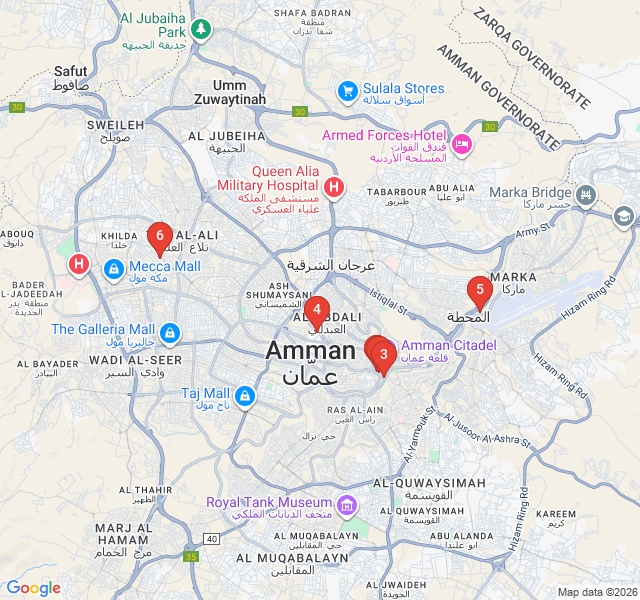
Numbers indicate the order of stops on the tour.
Welcome to the Duke’s Diwan, a building that stands as a testament to the preservation of Amman's urban heritage. Built in 1924 by Abdul Rahman Madi, it originally served as the city's first post office and later as a hotel. However, it gained its current fame when Mamdouh Bisharat, known as the 'Duke of Mukheiba,' rented it to ensure the building wouldn't be demolished or modernized. As you look at the high ceilings and period furniture, imagine the artists and thinkers who have gathered here for decades. This space is a 'diwan,' a word meaning a place of meeting or council, and it remains a rare, open window into the social life of 1930s Amman.
As you enter the Gold Souq, or Souq el-Sagha, you are entering the glittering heart of Jordanian tradition. In Jordan, gold is more than just jewelry; it is a vital part of social security and wedding customs. This market is home to dozens of small shops where families have traded for generations. Notice the intricate 'filigree' work and the 21-karat gold that is standard here. The craftsmanship you see reflects a blend of Bedouin designs and modern aesthetics. Even if you aren't looking to buy, the sheer density of wealth and the rhythmic sound of merchants negotiating makes this one of the most vibrant atmospheric stops on our neighborhood stroll.
Standing before the Roman Nymphaeum, it is easy to forget that you are in the middle of a modern, bustling capital. Built in 191 AD, this was once a grand two-story fountain dedicated to the water nymphs. In its prime, it featured a massive swimming pool and intricate statues, fed by a stream that once ran through the heart of the city. While much of the structure was lost to time and urban expansion, the remaining Corinthian columns and carved stone niches give us a sense of the Roman city of Philadelphia. It serves as a stark reminder of how Amman has been built, layer upon layer, across the centuries.
This modest building holds a significant place in the administrative history of Jordan. During the British Mandate and the early days of the Emirate of Transjordan, the postal system was the literal lifeline of the government. The Parliament Post Office represents the era when Amman was transitioning from a small village to a regional capital. It was here that the first stamps of the new nation were processed, and telegrams connecting Amman to the rest of the world were sent. The architecture is typical of the early state-building period, prioritizing function and solid stone construction, reflecting the stability the new government sought to project.
The Hejaz Railway is one of the most romantic and tragic symbols of the late Ottoman Empire. Originally intended to transport pilgrims from Damascus to the holy city of Medina, it also served a strategic military purpose. The Amman station was a major stop on this line. During the Arab Revolt, the railway became a target for sabotage, famously involving T.E. Lawrence. Today, the station feels like a living museum. The steam locomotives and the iron tracks are silent now, but they tell a story of an interconnected Middle East and the industrial dreams of a bygone era. It remains a cornerstone of the city’s industrial heritage.
Our self-guided adventure concludes at the Al Afghani Bazaar, a name synonymous with Jordanian craftsmanship since 1870. The Al Afghani family moved their business from Jaffa to Amman, bringing with them a curated eye for regional beauty. This is not your typical souvenir shop; it is an archive of Levantine culture. As you explore the shelves, you’ll find everything from hand-carved olive wood from the north to intricate mosaic work and traditional embroidery. It is the perfect place to reflect on the artisans who have shaped the aesthetic of the city. The bazaar represents the final link in our chain, connecting the ancient history of the Nymphaeum to the living traditions of today.
Start Free on iPhone
Explore “Artisans and Archives: Hidden History of Al-Balad” with your very own Private Tour Guide with Zigway. Start free on iPhone, skip the large group and the fixed routes, and hear the city come alive as you go.
Your Private Tour Guide
Don't miss the good stuff
Explore Freely
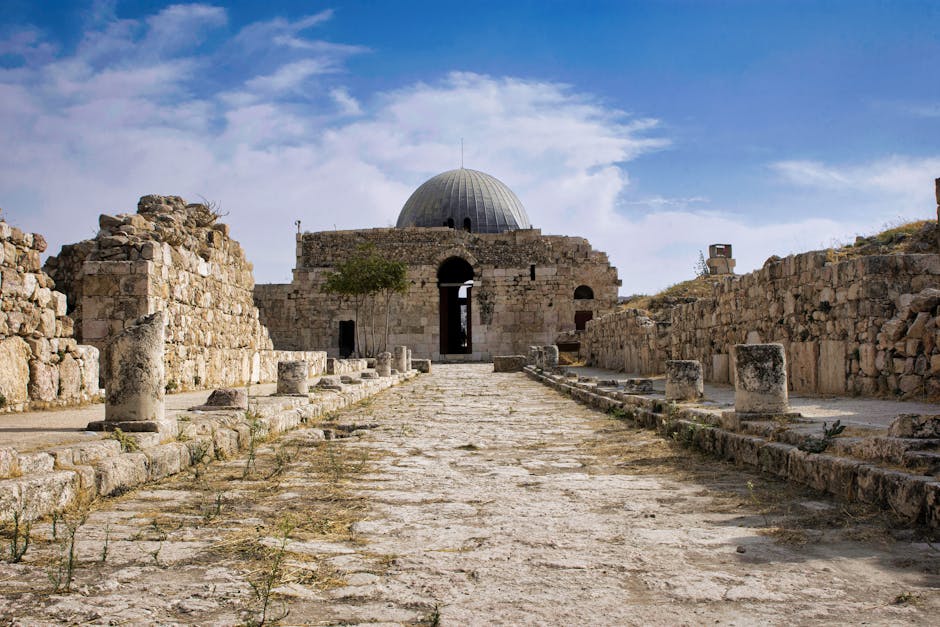 Moderate
Amman, Jordan
Discover Amman’s ancient heart at your own pace, from the hilltop Citadel ruins to the massive 2nd-century Roman Theater in the downtown basin.
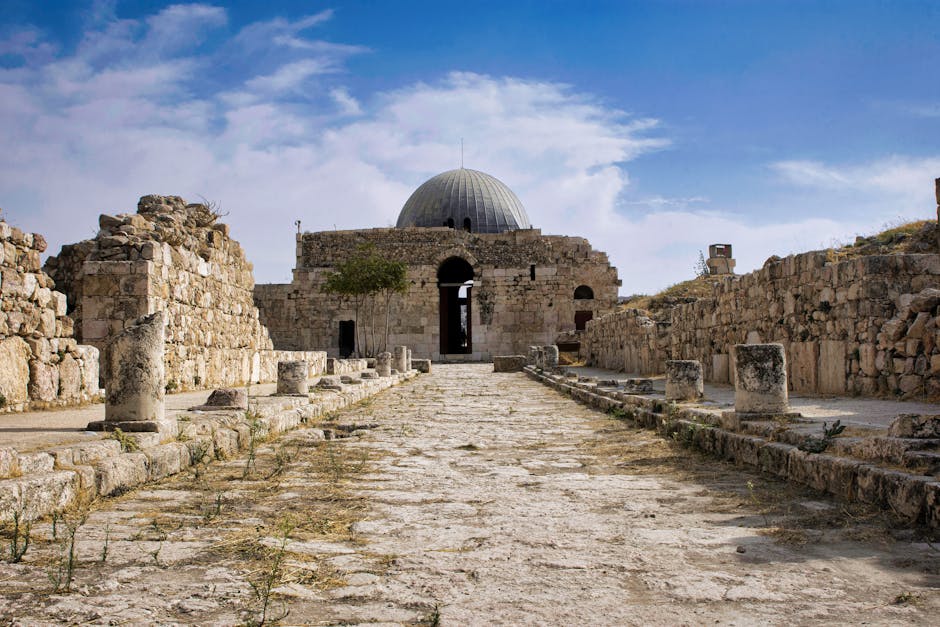 Challenging
Amman, Jordan
Discover the hidden soul of Amman through its historic staircases, vibrant street art, and ancient Roman landmarks on this challenging hillside walk.
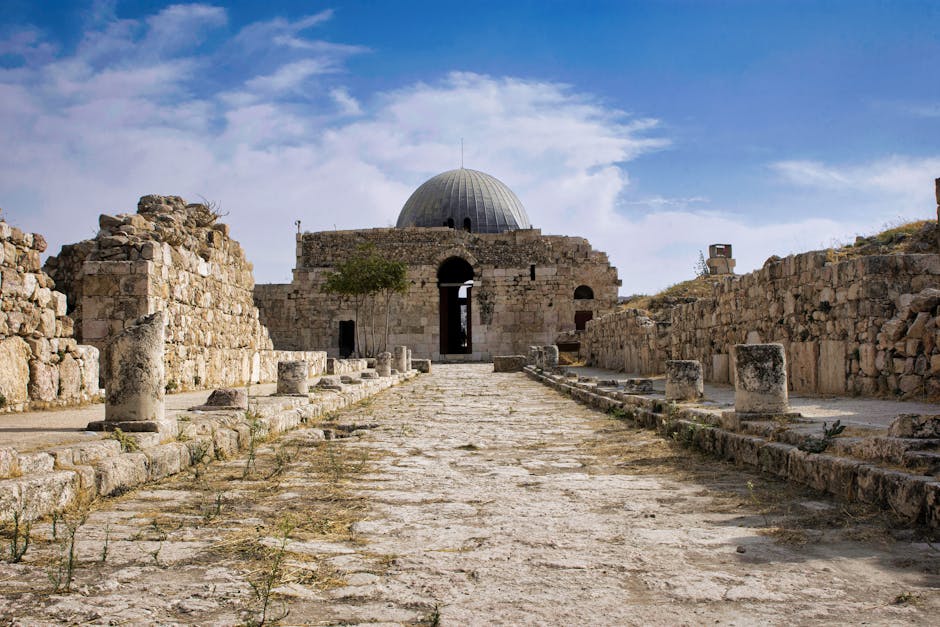 Easy
EasyAmman, Jordan
Explore the 'New Downtown' of Amman on this self-guided walk through the sleek architecture and vibrant pedestrian zones of the Abdali district.
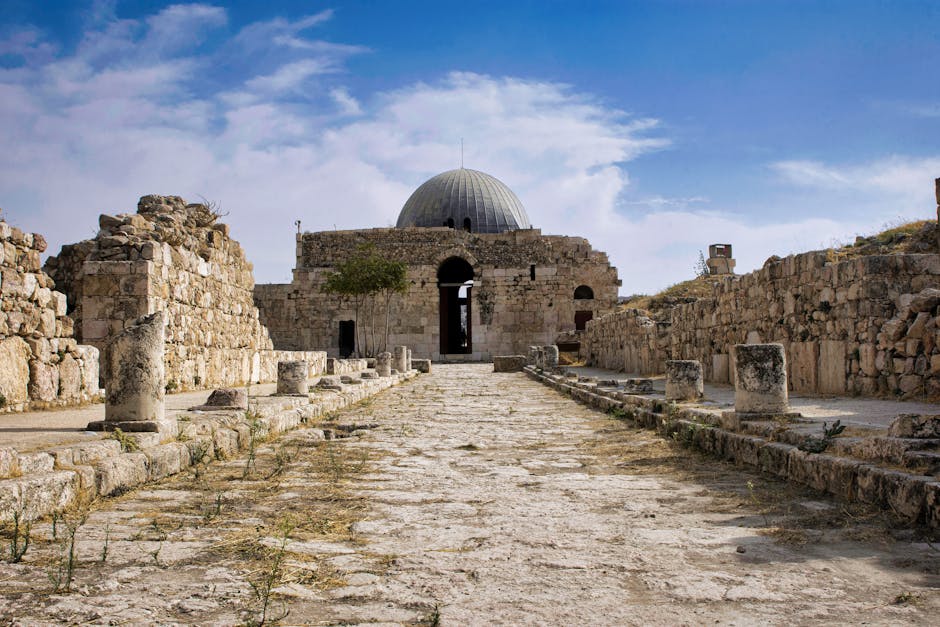 Easy
EasyAmman, Jordan
Explore Amman's artistic heartbeat. Discover hidden galleries, historic villas, and bohemian cafés on this self-guided walk through Lweibdeh.
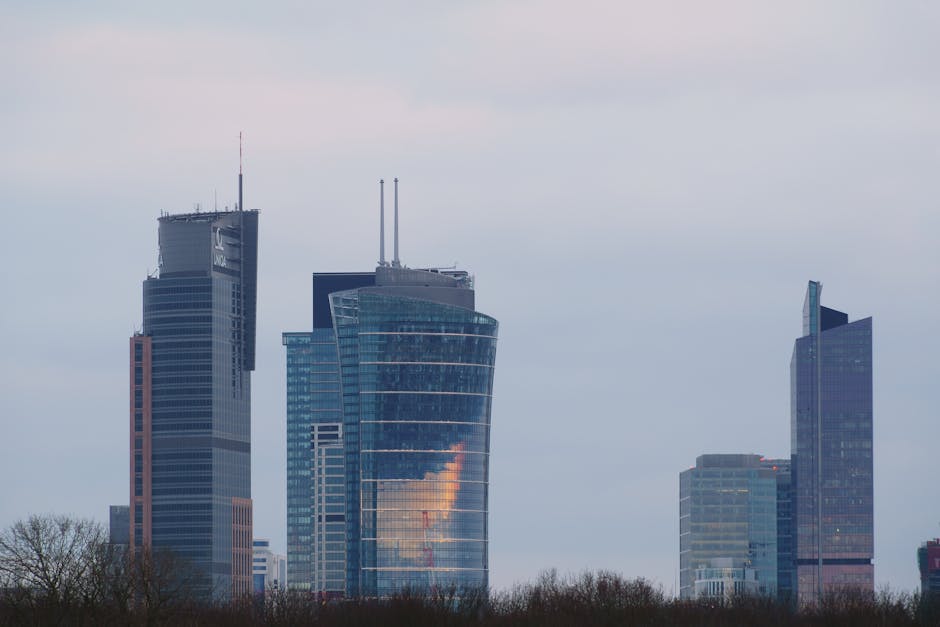 Easy
EasyWarsaw, Poland
Discover the hidden courtyards and grand pre-war architecture of Warsaw's most atmospheric neighborhood on this self-guided stroll.
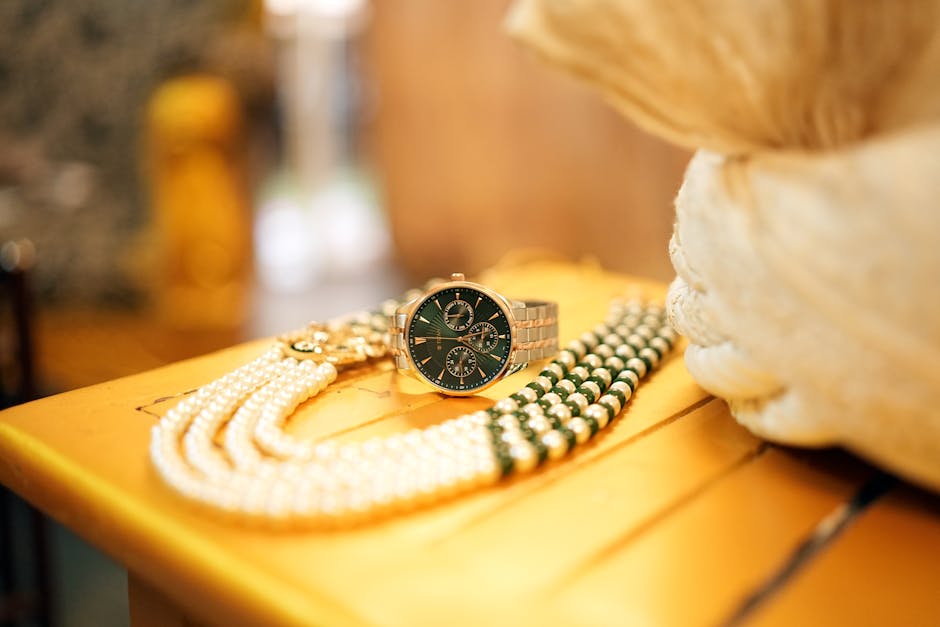 Easy
EasyKrakow, Poland
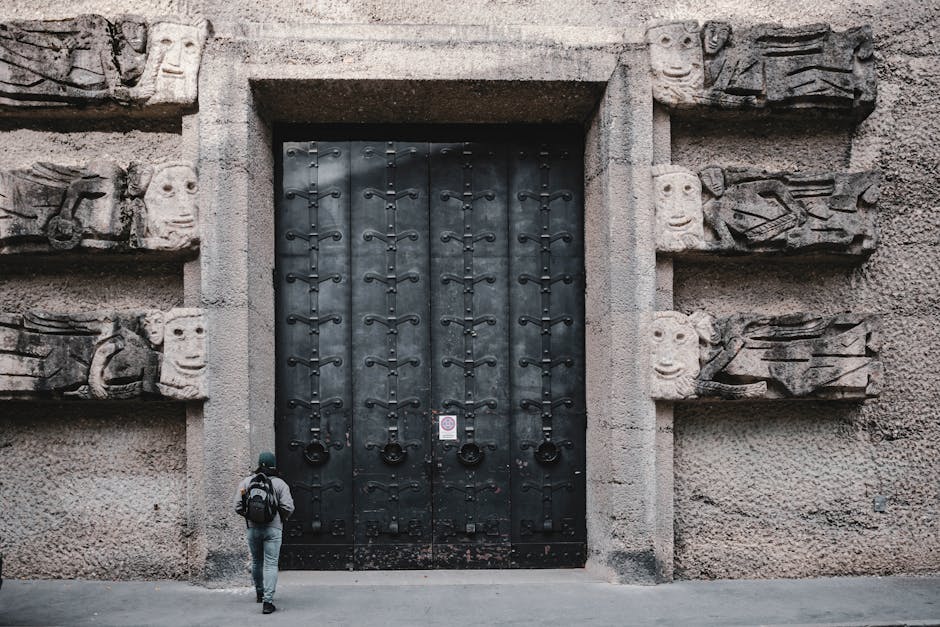
Explore the prestigious Jagiellonian University district, featuring Neo-Gothic architecture, Baroque churches, and Krakow's hidden scholarly gems.
 Easy
EasySalzburg, Austria
Discover Salzburg's oldest medieval alley, the birthplace of the 'Silent Night' author, and breathtaking views on this quiet self-guided walk.
 Easy
EasyNairobi, Kenya
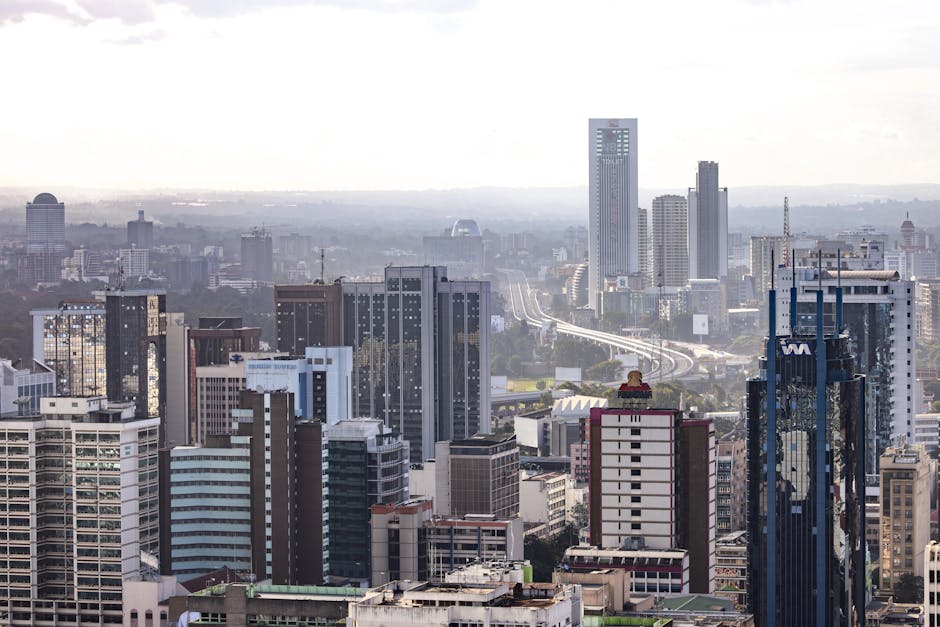
Explore Nairobi's architectural evolution from colonial-era landmarks to iconic Brutalist skyscrapers on this historic self-guided walking route.