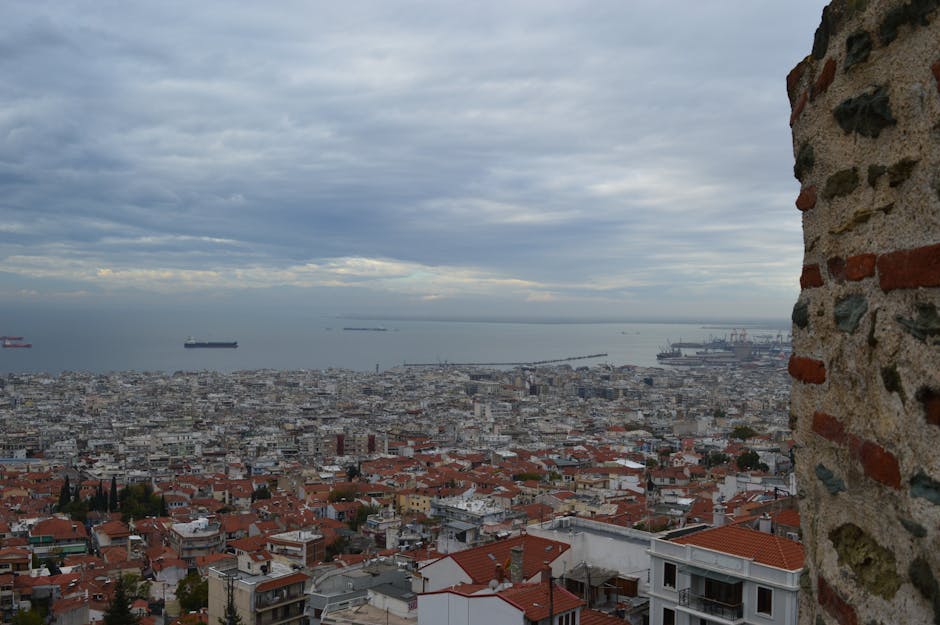
Self-guided audio tour in Thessaloniki
Start Free on iPhone
Start free on iPhone to unlock this self-guided walking tour in Thessaloniki. Hear all the stories that make it amazing, walk at your own pace, and begin whenever you want.
Your Private Tour Guide
Step away from the bustling city center and discover a time when Thessaloniki was the most cosmopolitan port of the Ottoman Empire. This self-guided walk leads you through the Exoches district, once known as the 'Neighborhood of the Countryside.' In the late 19th century, the city's wealthy merchant class—a vibrant mix of Sephardic Jews, Greeks, Turks, and Europeans—moved beyond the old city walls to build opulent summer residences along the coast. Today, these eclectic mansions stand as silent witnesses to a vanished era of architectural experimentation and multicultural coexistence. As you follow this walking route, you will see a stunning array of styles, from Art Nouveau and Neoclassicism to Romanticism and Orientalism. Your journey begins at the Yeni Mosque, a unique monument built for the Donmeh community, before weaving through the grand boulevard of Vassilissis Olgas. You will encounter landmarks like the Villa Ahmed Kapandji, which served as a residence for royalty and revolutionaries alike, and the hauntingly beautiful Villa Hirsch, which whispers stories of the city's dark wartime history. The route concludes at the legendary Villa Bianca, a masterpiece of Art Nouveau that became the setting for one of the city’s most famous and scandalous love stories. This walking tour Thessaloniki offers is more than just a look at brick and mortar; it is an exploration of the families who shaped the modern identity of the city. While many of these structures were lost to the rapid urbanization of the 1950s, the survivors provide a rare glimpse into the 'Golden Age' of Thessaloniki. This neighborhood stroll is perfect for those who appreciate hidden architectural gems and the layered history of the Mediterranean. Using a self-guided walk format allows you to linger at each gate and admire the intricate ironwork and lush gardens at your own pace.
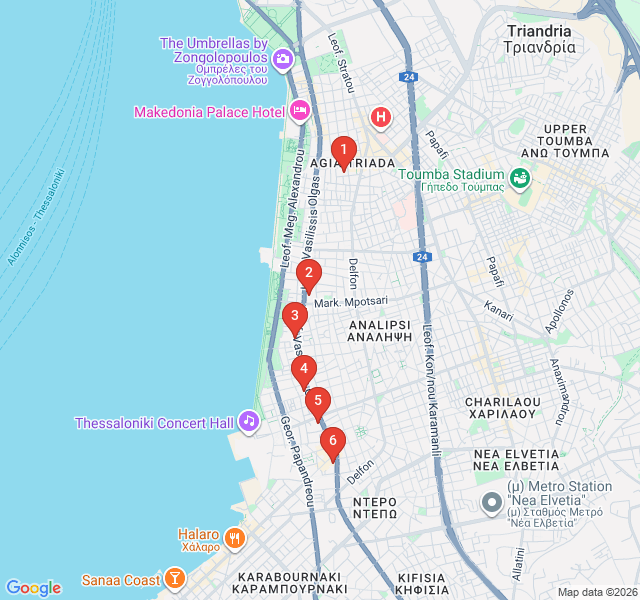
Numbers indicate the order of stops on the tour.
Begin your self-guided adventure at the Yeni Mosque, the last mosque built in Thessaloniki during the Ottoman era. Constructed in 1902 by the Italian architect Vitaliano Poselli, it was designed specifically for the Donmeh community—Sephardic Jews who had converted to Islam. The architecture is a fascinating blend of Orientalism, Neoclassicism, and Art Nouveau, reflecting the community’s unique identity. Notice the intricate geometric patterns and the clock towers on the facade. After the population exchange in 1923, it briefly served as the Archaeological Museum of Thessaloniki. Today, it stands as an exhibition space, symbolizing the city's complex religious and social layers.
Just a short walk away is one of the most imposing structures in the district. Villa Ahmed Kapandji was built in the late 1890s for a wealthy merchant of the Donmeh community. The architect, Piero Arrigoni, utilized an eclectic style that was revolutionary for its time. The building is famous not just for its three stories and complex roofline, but for its role in history. In 1917, it served as the residence of Eleftherios Venizelos, the leader of the Provisional Government of National Defence. Later, it housed the National Bank of Greece. Observe the mix of diverse cultural influences in its stone carvings and balconies, which represent the peak of the Exoches district's wealth.
As you continue along Vassilissis Olgas, you will encounter the striking red-brick facade of Chateau Mon Bonheur, built in 1890. Its name, meaning 'My Happiness Castle,' reflects the romantic spirit of the era. Designed by Frederic Charnot for the Mandrinov family, its architecture leans toward the Romantic and Neo-Gothic styles, rare for Thessaloniki. The distinctive red bricks and arched windows make it stand out from the plastered Neoclassical villas nearby. While it has seen better days, the building remains a poetic reminder of the personal dreams and European aspirations of the city’s 19th-century elite.
Villa Hirsch is perhaps the most somber stop on your walking route. Built in 1911 by Pierro Arrigoni for the Jewish merchant Benoit Hirsch, this Art Nouveau villa features beautiful decorative elements and distinctive ironwork. However, its history is marked by the tragedy of the Holocaust. During the Nazi occupation of Thessaloniki, the villa was used as the headquarters of the Gestapo. The Hirsch family, like many of the city's Jewish citizens, were persecuted. For decades, the building remained empty and shrouded in a sense of mourning. Today, it stands as a silent memorial to the vibrant Jewish community that once called this district home.
This elegant residence was built in 1905 for the Ottoman divisional commander Seifoulah Pasha and later purchased by the Mordoch family. It is a prime example of the 'Eclectic' style, blending Neoclassical, Renaissance, and Baroque elements. The most striking feature is the onion-shaped dome on the corner tower, which gives it a slightly eastern flair. Since the 1980s, the villa has been owned by the Municipality of Thessaloniki and has served as a cultural center and the Municipal Art Gallery. If the gallery is open, step inside to see the preserved interior woodwork and ceiling paintings that hint at the luxury of its original inhabitants.
Your walk concludes at the magnificent Villa Bianca, also known as Casa Bianca. Built between 1911 and 1913 for the wealthy industrialist Dino Fernandez Diaz, it is the city's most famous Art Nouveau landmark. The villa is celebrated for its sweeping staircases, grand balconies, and the legendary romance between the owner's daughter, Aline, and a Greek officer, Spyros Alibertis. Their interfaith marriage caused a scandal in the conservative society of the time. The building suffered significant damage over the years but was meticulously restored in the 1990s. It now houses the Municipal Art Gallery, providing a perfect end to your architectural exploration.
Start Free on iPhone
Explore “The Eclectic Mansions of the East: Exoches District” with your very own Private Tour Guide with Zigway. Start free on iPhone, skip the large group and the fixed routes, and hear the city come alive as you go.
Your Private Tour Guide
Don't miss the good stuff
Explore Freely
 Moderate
Thessaloniki, Greece
Discover Thessaloniki’s creative soul on this self-guided walk through hidden alleys, vibrant murals, and iconic modern art installations.
 Easy
EasyThessaloniki, Greece
Uncover the hidden Ottoman soul of Thessaloniki. Explore ancient bathhouses, vibrant markets, and historic mosques on this self-guided audio walk.
 Easy
EasyThessaloniki, Greece
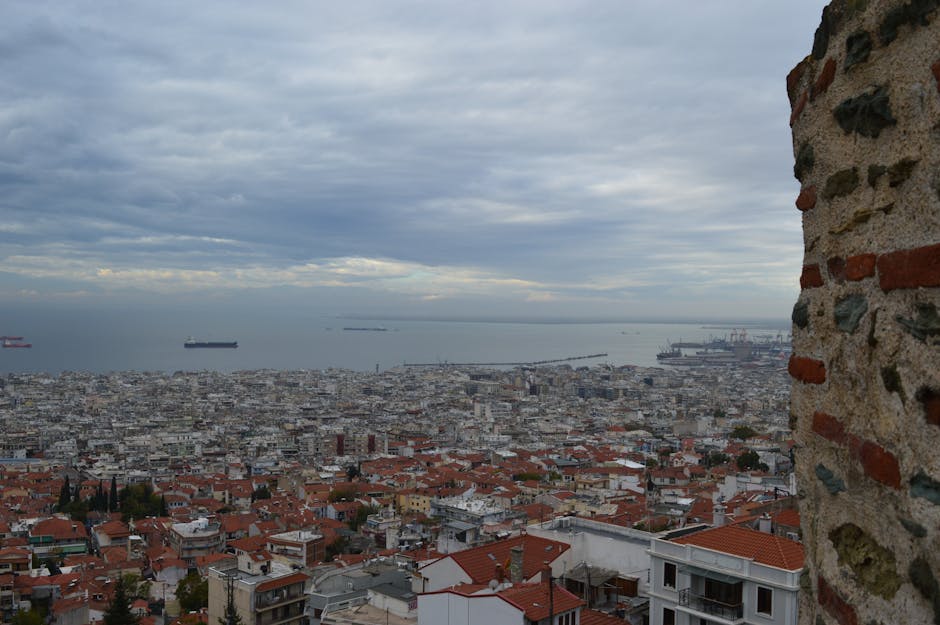
Discover how the 1917 Great Fire transformed Thessaloniki into a modern European masterpiece on this self-guided architectural walking route.
 Easy
EasyThessaloniki, Greece
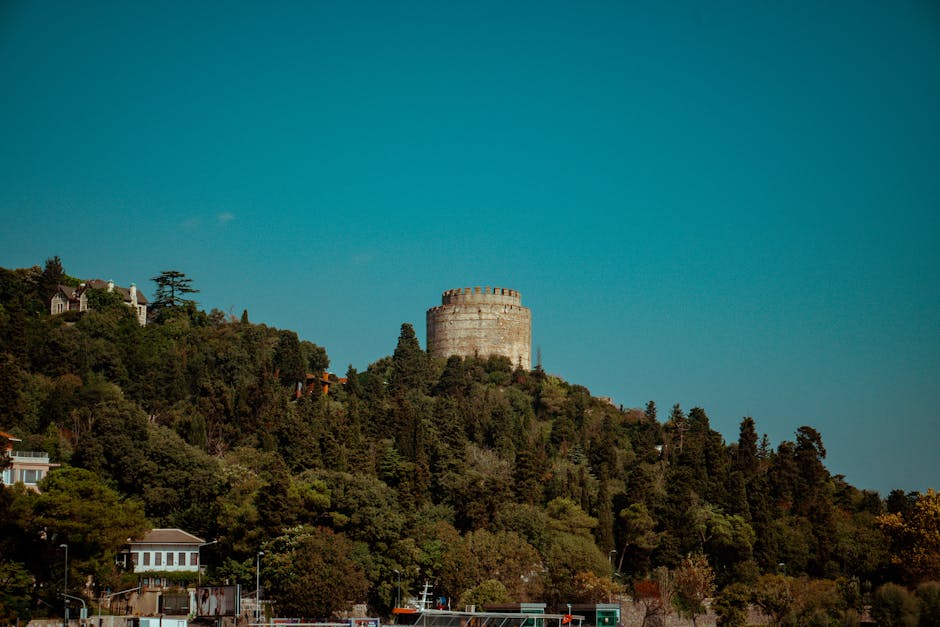
Explore the heart of Thessaloniki on this self-guided walk, discovering Roman ruins and Byzantine masterpieces at your own pace.
 Easy
EasyGdansk, Poland
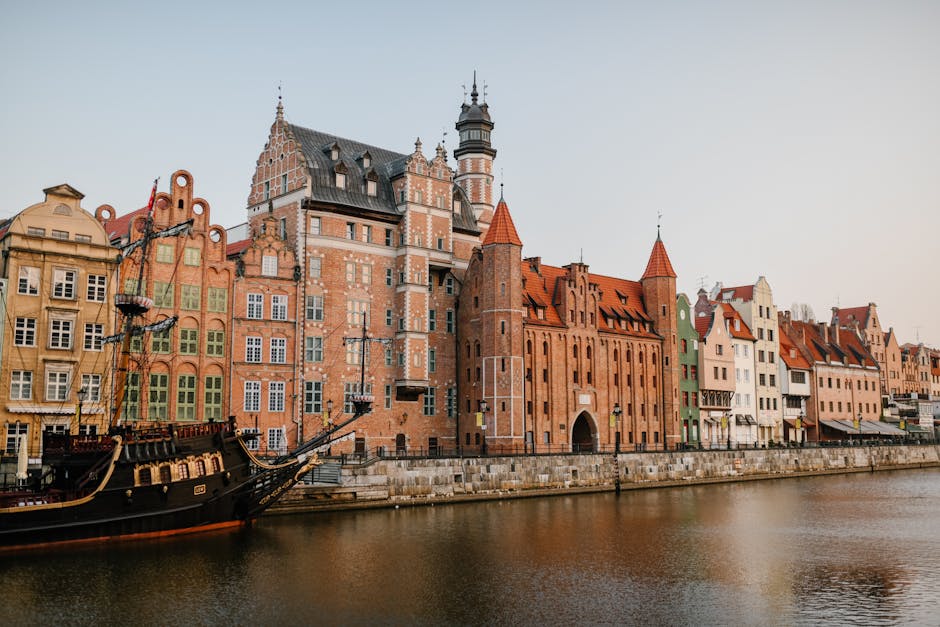
Discover the 'Baltic Gold' on this self-guided walk through Gdansk's historic mills, massive cathedrals, and the magical Mariacka Street.
 Easy
EasySalzburg, Austria
Discover Salzburg's oldest medieval alley, the birthplace of the 'Silent Night' author, and breathtaking views on this quiet self-guided walk.
 Easy
EasyHelsinki, Finland
Discover Helsinki's oldest neighborhood on this self-guided audio walk through Kruununhaka’s historic streets, hidden courtyards, and scenic shores.
 Moderate
Nairobi, Kenya
Discover the creative soul of Nairobi on this self-guided walk through the city's premier art galleries, markets, and artisan workshops.
 Easy
EasyAthens, Greece
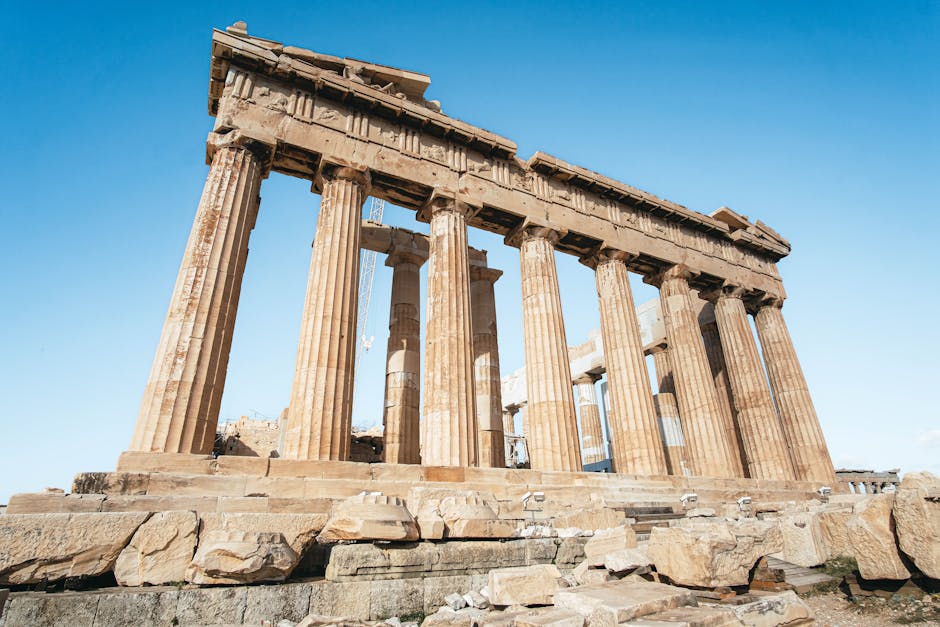
Explore the intersection of ancient history and industrial art on this self-guided walk through Kerameikos and the vibrant Gazi district.
 Moderate
Athens, Greece
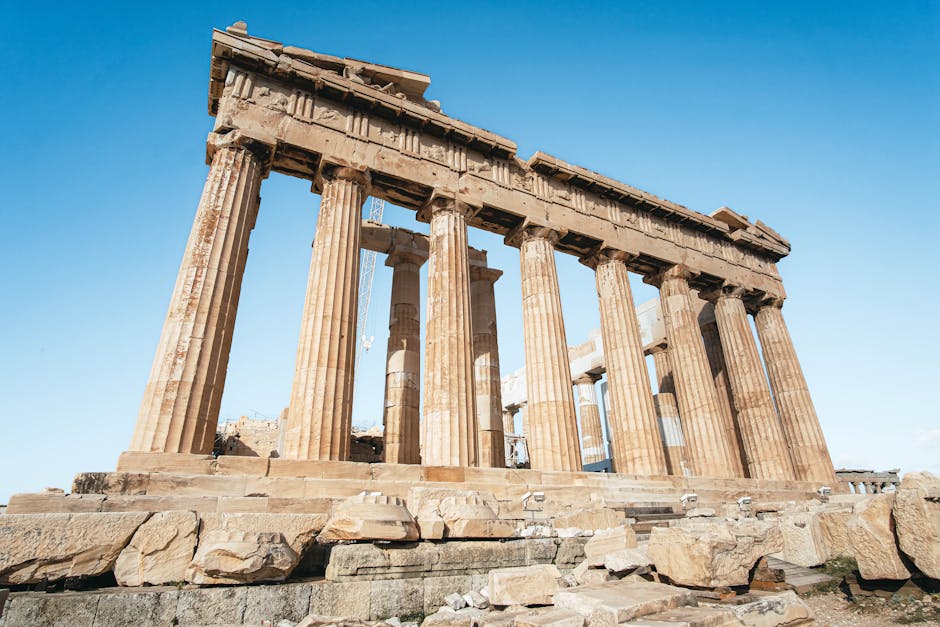
Ascend the Hill of the Muses for breathtaking Acropolis views and ancient democratic sites on this scenic self-guided walking route in Athens.
 Moderate
Athens, Greece
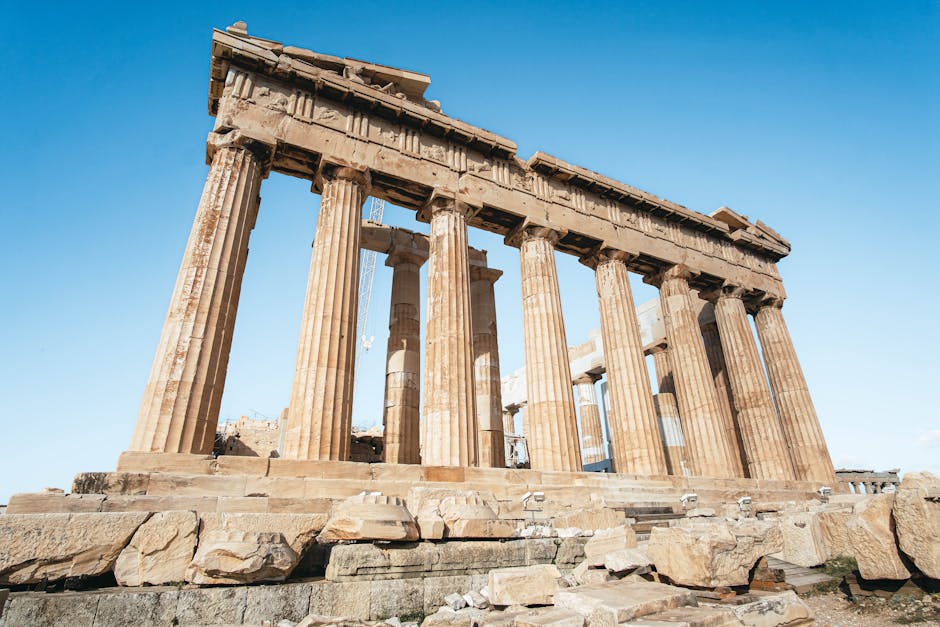
Discover a hidden Cycladic village and ancient monuments on this self-guided walking route through the enchanting alleys of Plaka and Anafiotika.
 Challenging
Athens, Greece
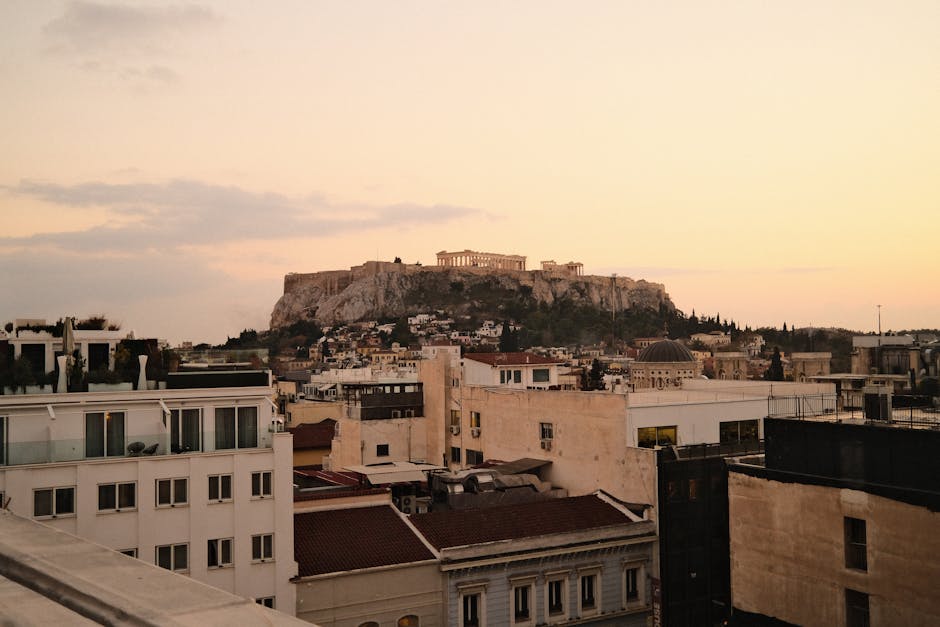
Conquer the highest peak in Athens on this self-guided walking route through chic Kolonaki to the stunning 360-degree summit of Mount Lycabettus.