Self-guided audio tour in Philadelphia
Start Free on iPhone
Start free on iPhone to unlock this self-guided walking tour in Philadelphia. Hear all the stories that make it amazing, walk at your own pace, and begin whenever you want.
Your Private Tour Guide
Step into a slice of Paris in the heart of Pennsylvania. This self-guided walk along the Benjamin Franklin Parkway reveals why Philadelphia is often called the 'Athens of America.' Modeled after the Champs-Élysées, this grand boulevard serves as the city's cultural spine, connecting the urban center to the sprawling greenery of Fairmount Park. As you explore independently, you will encounter a stunning concentration of Beaux-Arts architecture, modern masterpieces, and one of the world's most famous sets of stairs. Begin your self-guided adventure at the Rodin Museum, home to one of the largest collections of Auguste Rodin's work outside of France. From there, the route leads you past the striking contemporary architecture of the Barnes Foundation, which houses a legendary collection of Impressionist and Post-Impressionist paintings. This walking route isn't just for art lovers; architecture enthusiasts will marvel at the Parkway Central Library and the Free Library of Philadelphia, designed with the grandeur of 18th-century French palaces in mind. Continuing through Logan Square, you will reach the Swann Memorial Fountain, a sculptural masterpiece that serves as the Parkway's centerpiece. The journey concludes at the monumental Philadelphia Museum of Art, famously known for the 'Rocky Steps.' Whether you are here to admire the Greek Revival facade of the museum or to recreate the iconic cinematic run, this neighborhood stroll offers a perfect blend of history, culture, and scenic views. This is an essential experience for anyone interested in a walking tour Philadelphia style, providing the freedom to linger at your favorite sculpture or gallery without the constraints of a rigid schedule. Discover at your own pace the visionaries who shaped this landscape, from the first prominent African American architect, Julian Abele, to the sculptors whose work defines the city's public spaces.
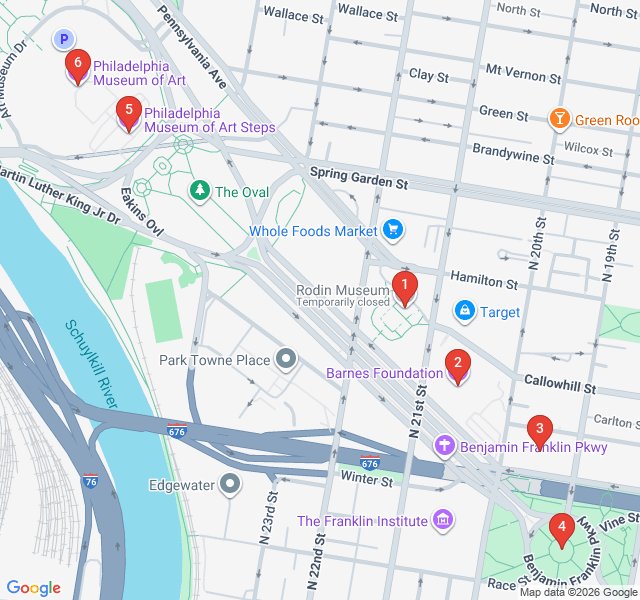
Numbers indicate the order of stops on the tour.
Welcome to one of Philadelphia's most elegant spaces. The Rodin Museum was a gift to the city from movie theater magnate Jules Mastbaum, who wanted to share his passion for the French sculptor Auguste Rodin. As you stand before the entrance, you are greeted by 'The Thinker,' perhaps the most recognizable sculpture in the world. Notice the 'Gates of Hell'—a massive bronze doorway featuring over 180 figures. The museum building itself is a masterpiece of French Classical design, meant to transport you directly to a Parisian garden. This site holds the distinction of being the only dedicated Rodin museum outside of Paris, making it a cornerstone of the Parkway's artistic identity.
The Barnes Foundation represents a fascinating shift from the classical to the contemporary. While the exterior is a modern 'gallery in a garden,' the interior meticulously recreates the original Merion gallery of Dr. Albert Barnes. Look closely at the 'ensembles'—the unique way Barnes displayed his art. He mixed Renoirs and Cézannes with antique door hinges and Navajo rugs to emphasize the universal elements of light, line, and color. The move of this collection to the Parkway was a major moment in Philadelphia's recent history, ensuring these masterpieces remained accessible to the public while providing a stunning architectural contrast to the surrounding historic buildings.
Standing before the Free Library of Philadelphia, you might feel as though you've been transported to the Place de la Concorde in Paris. This Beaux-Arts gem was designed by Horace Trumbauer and Julian Abele. Abele was the first African American graduate of the University of Pennsylvania’s architecture school and the chief designer of the Trumbauer firm. His influence is everywhere on the Parkway. The library's limestone facade and Corinthian columns reflect the 'City Beautiful' movement, which aimed to introduce monumental grandeur into American urban planning. Inside, the library houses rare treasures, including cuneiform tablets and Charles Dickens’s pet raven, Grip.
At the center of Logan Circle sits the Swann Memorial Fountain, an Art Deco masterpiece by Alexander Stirling Calder. The fountain is more than just a beautiful water feature; it is a geographic allegory. The three large bronze figures represent the three main waterways of Philadelphia: the Delaware River (a powerful man), the Schuylkill River (a mature woman), and the Wissahickon Creek (a young girl). In the summer, this is a favorite local spot for cooling off and people-watching. The fountain sits on what was once Logan Square, one of William Penn's original five squares, though it was transformed into a circle to accommodate the Parkway's traffic flow.
You are now standing at one of the most famous locations in cinematic history. These 72 stone steps gained worldwide fame in the 1976 film 'Rocky.' For many visitors, a self-guided walk of the Parkway isn't complete without the triumphant run to the top. Once you reach the summit, turn around to see one of the best views in the city. The Parkway stretches out before you, perfectly aligned with City Hall's clock tower in the distance. This perspective allows you to truly appreciate the scale of the urban planning that created this grand boulevard, framing the city’s skyline through a lens of classical beauty.
Capping the end of the Parkway is the 'Parthenon on the Hill.' The Philadelphia Museum of Art is one of the largest and most significant art museums in the United States. Its Greek Revival architecture, complete with colorful polychrome terra cotta figures on the pediment, was another project heavily influenced by Julian Abele. The building is constructed of golden Kasota limestone, which glows during sunset. While the steps are a pop-culture icon, the treasures inside—ranging from a reconstructed Japanese teahouse to Marcel Duchamp’s 'Nude Descending a Staircase'—make this one of the most important cultural institutions in the world. This is the perfect place to end your stroll and perhaps explore the galleries at your own pace.
Start Free on iPhone
Explore “The Museum Mile: Parkway Architecture and Art” with your very own Private Tour Guide with Zigway. Start free on iPhone, skip the large group and the fixed routes, and hear the city come alive as you go.
Your Private Tour Guide
Don't miss the good stuff
Explore Freely
 Easy
EasyPhiladelphia, United States
Discover the flavors of South Philly on this self-guided walk through the historic Italian Market and the iconic Cheesesteak Vegas.
 Easy
EasyPhiladelphia, United States
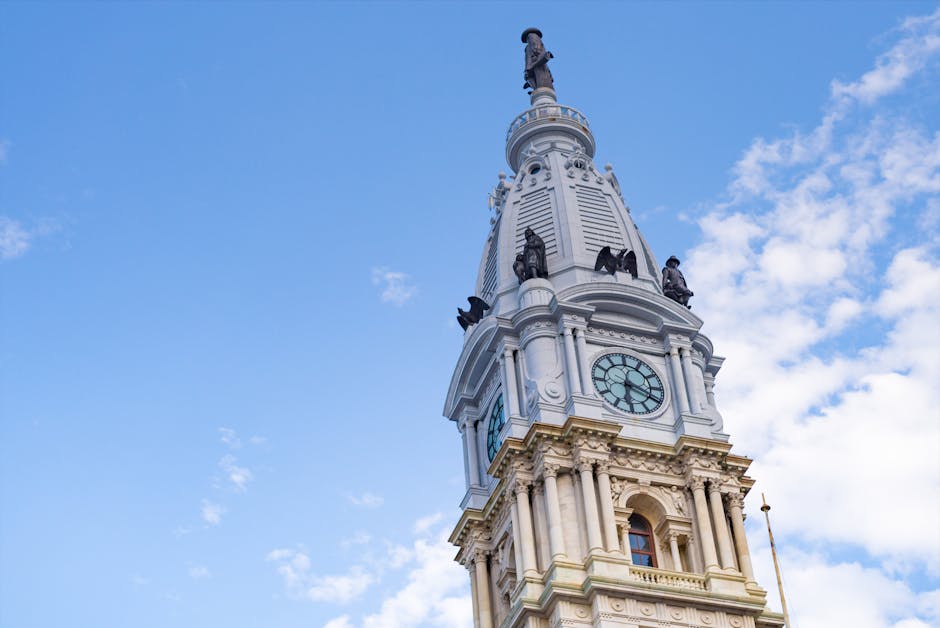
Discover colonial elegance on this self-guided walk through Philadelphia's most historic residential neighborhood, from grand manors to secret alleys.
 Easy
EasyPhiladelphia, United States
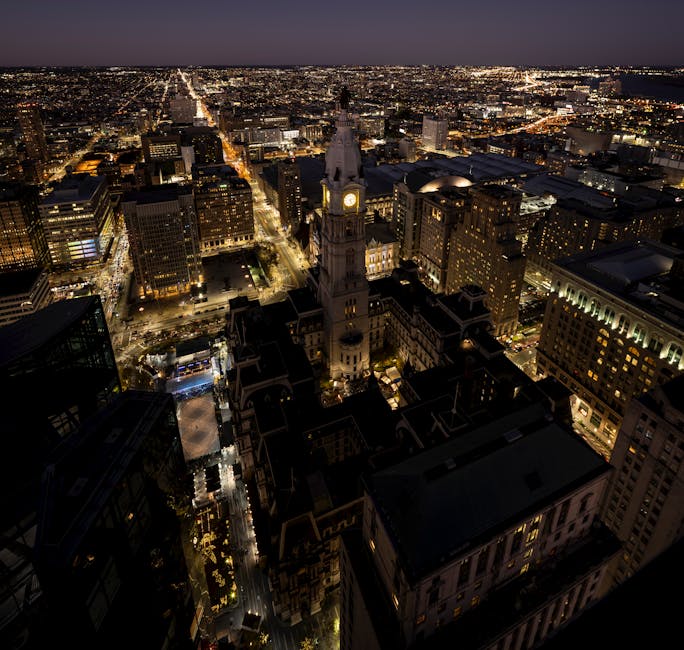
Explore Philadelphia's Gilded Age masterpieces, from the world's largest masonry building to historic opera houses, on this architectural stroll.
 Moderate
Philadelphia, United States
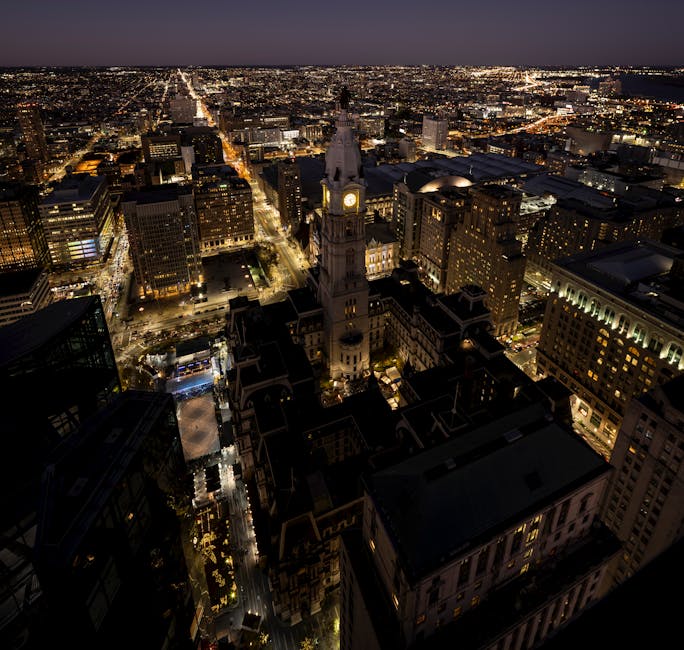
Explore Philadelphia’s rich literary heritage on this self-guided walk from Franklin’s library to the dark world of Edgar Allan Poe.
 Moderate
Gothenburg, Sweden
Discover Gothenburg’s maritime soul on this self-guided walk from the historic Central Station to the scenic riverfront at Stenpiren.
 Moderate
Vienna, Austria
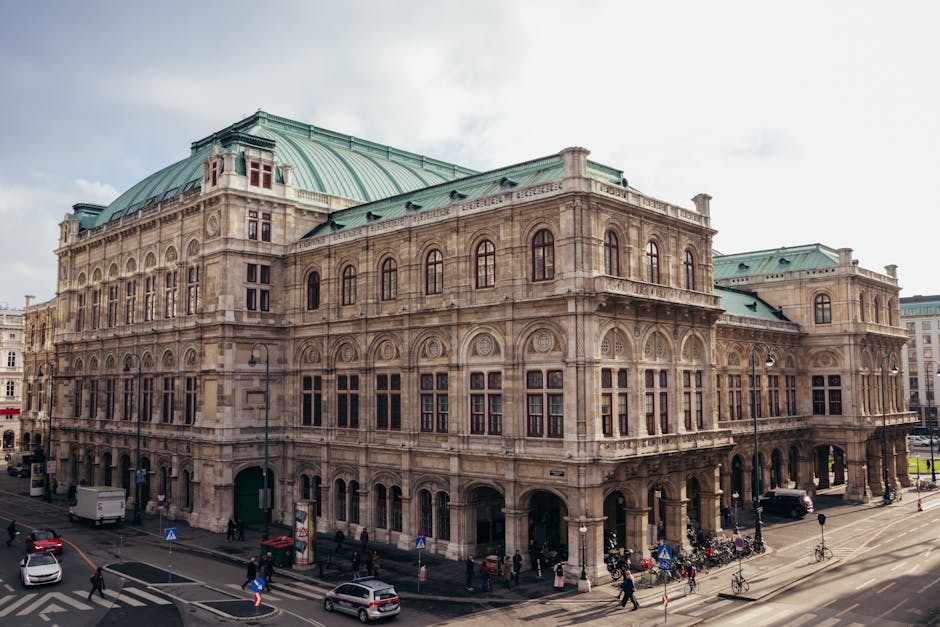
Follow the footsteps of Mozart and Strauss through Vienna’s historic center on this self-guided walk through the city's rich musical history.
 Moderate
Warsaw, Poland
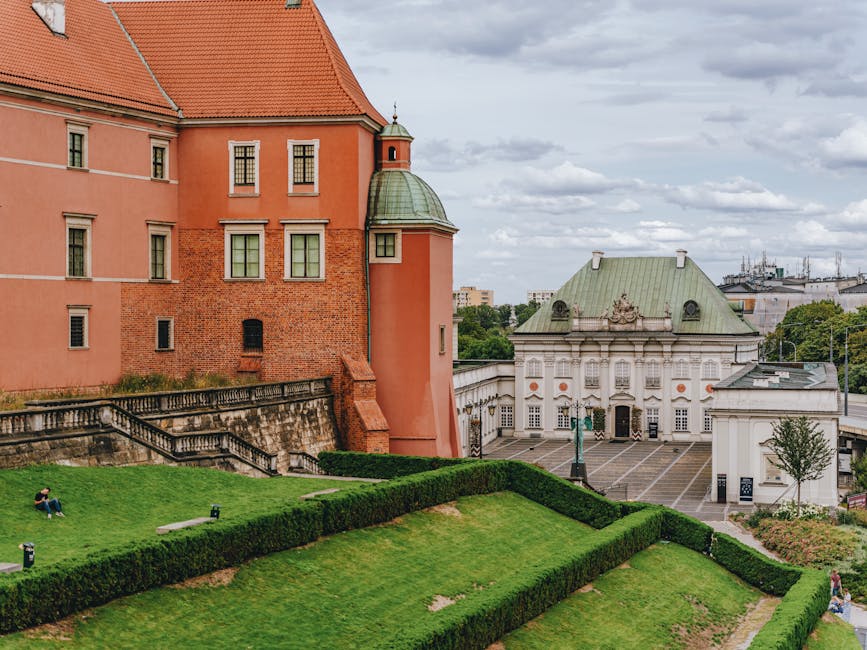
Explore the resilient spirit of Warsaw's Muranów district on this self-guided walk through the history and landmarks of the former Jewish Ghetto.
 Easy
EasyGdansk, Poland
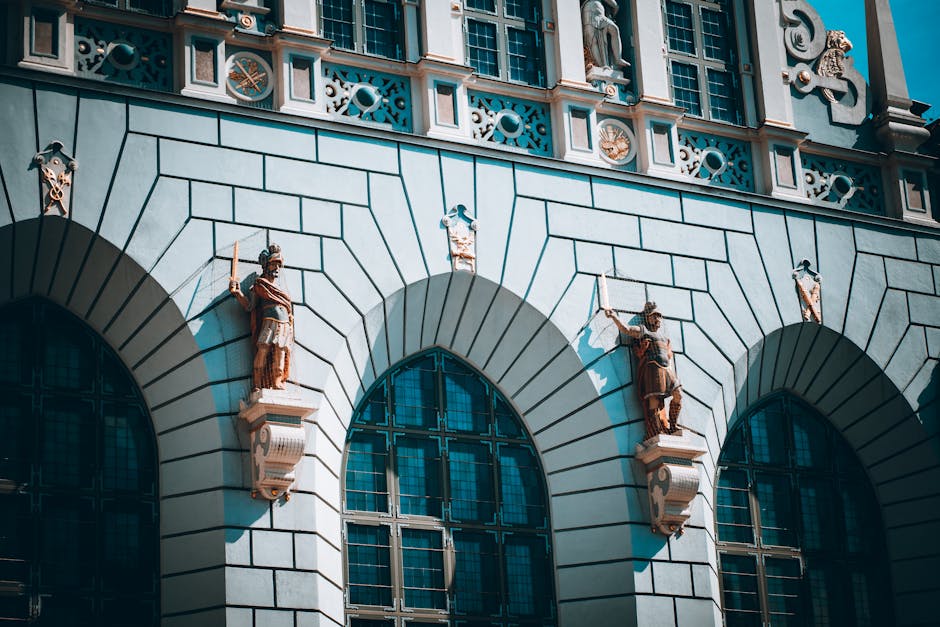
Discover the opulent Royal Way of Gdansk at your own pace. Explore Hanseatic history, gilded architecture, and the iconic Neptune's Fountain.
 Easy
EasyNashville, United States
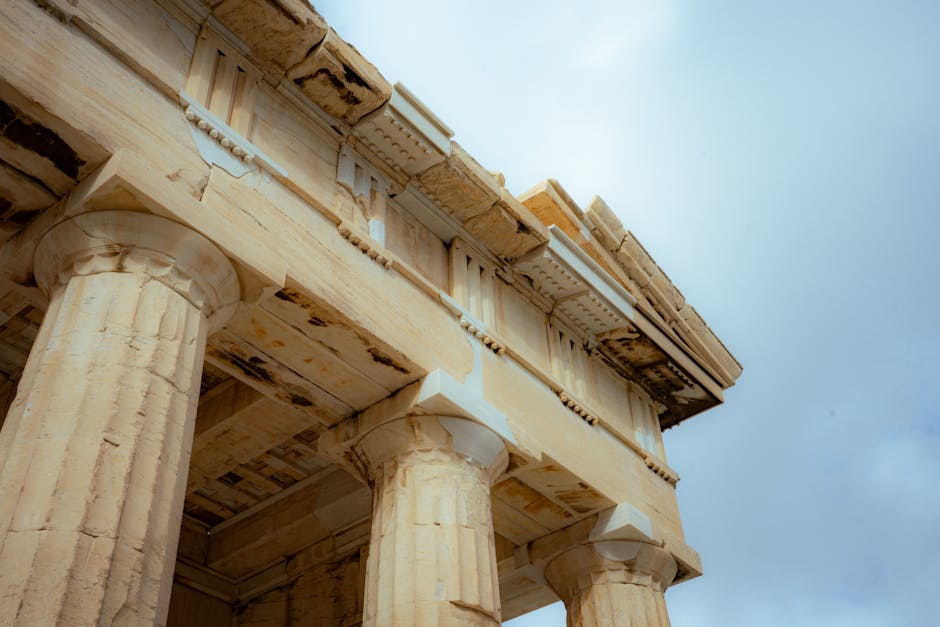
Explore the 'Athens of the South' on this self-guided walk through Centennial Park, featuring the world's only full-scale Parthenon replica.
 Easy
EasyNashville, United States
Explore Nashville's academic heart and Art Deco gems on this self-guided walk through historic Hillsboro Village.
 Easy
EasyNashville, United States
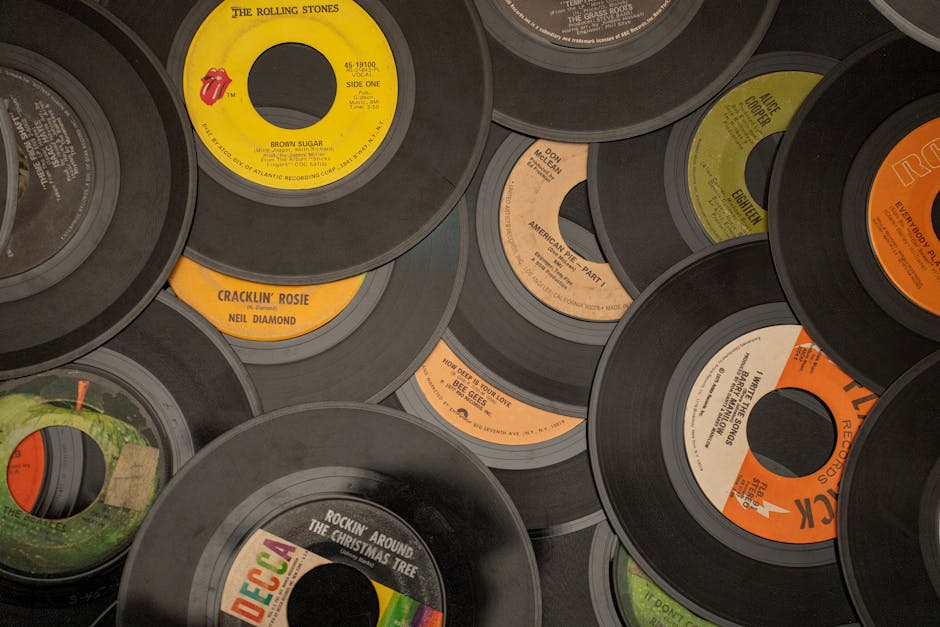
Explore the heart of Nashville's music industry. Discover iconic studios and the history of the legendary Nashville Sound at your own pace.
 Easy
EasyNashville, United States
Explore Nashville's oldest neighborhood! Discover Victorian architecture, Civil War history, and world-class craft beer on this self-guided walk.